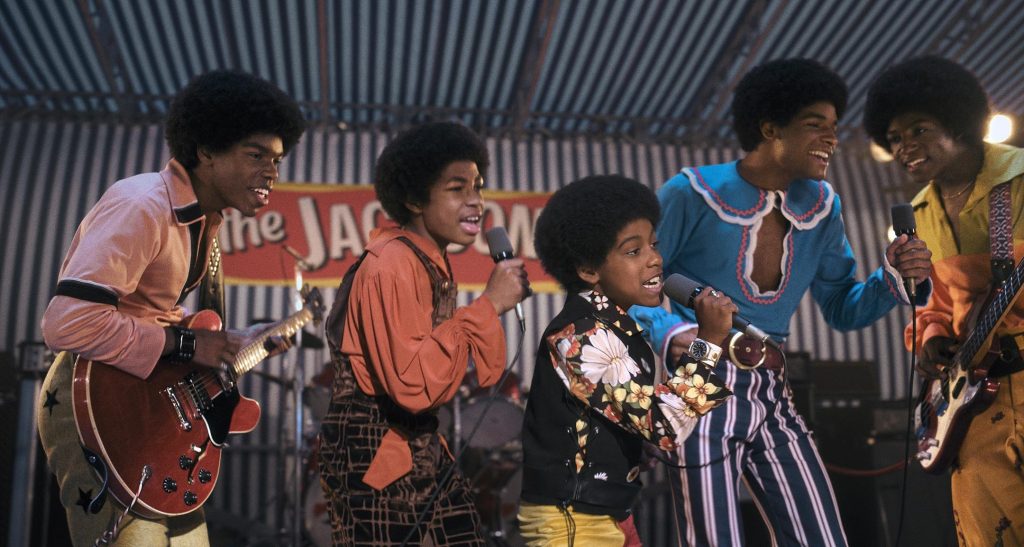
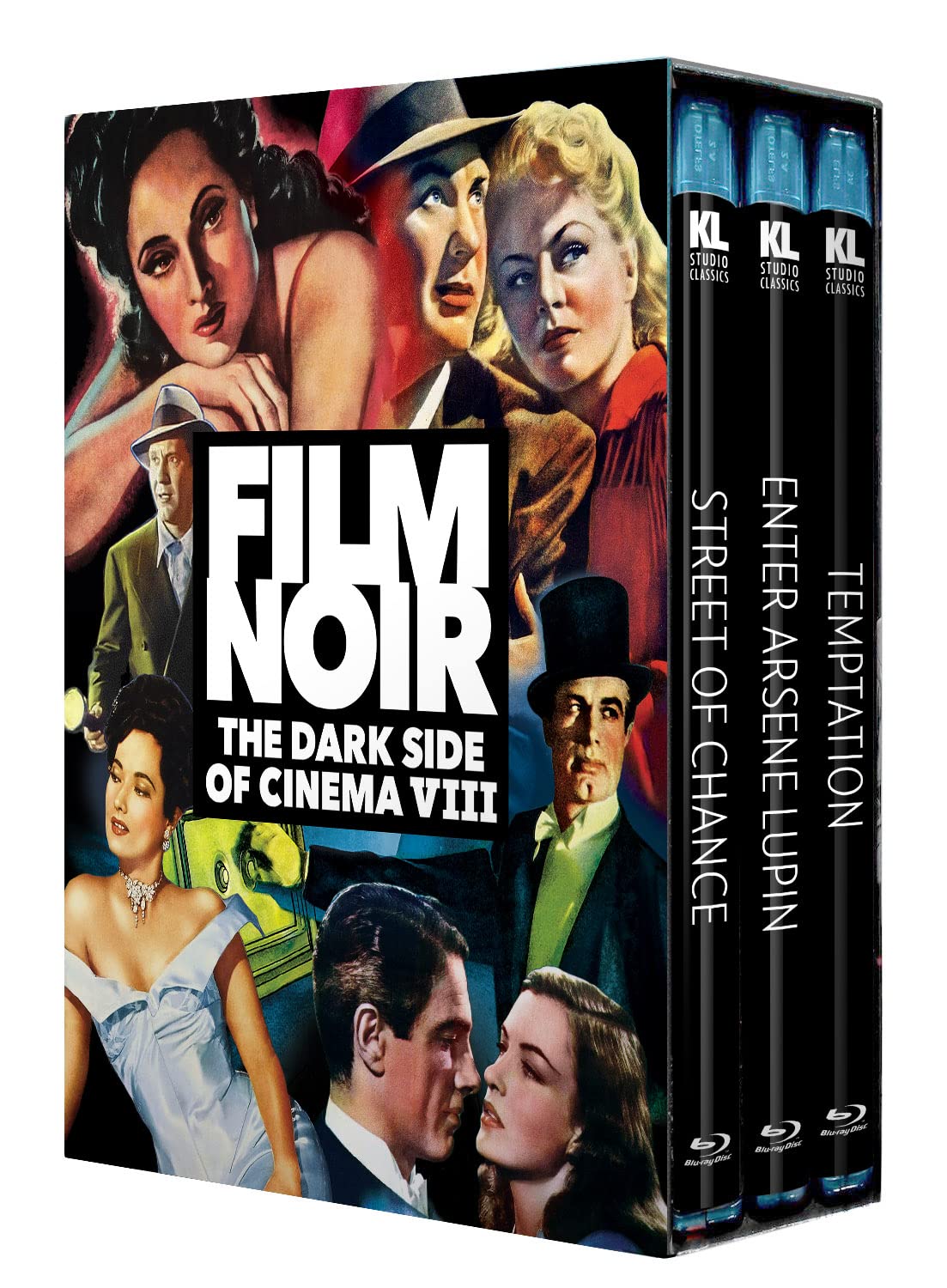
“In the 1940’s, a new genre – film noir – emerged from the world of hard-boiled pulp magazines, paperback thrillers, and sensational crime movies. These films, tough and unsentimental, depicted a black and white universe at once brutal, erotic, and morally ambiguous.”

Film Noir officially started in the 40’s, but the movement was well underway by the early 30’s. You can trace its roots to the Great Depression and the arrival of the dime pulp magazines. These were highly stylized, mostly mystery stories that provided cheap escapism for the masses who were not having a good time of it. Writers like Raymond Chandler crafted the mold that was easily transferred to the silver screen. These were low-budget films that were intended to be second billing with the more mainstream releases. They were shot quickly. Many have a very flat look, created intentionally.


"Most things happen unexpectedly, even the apocalypse!"

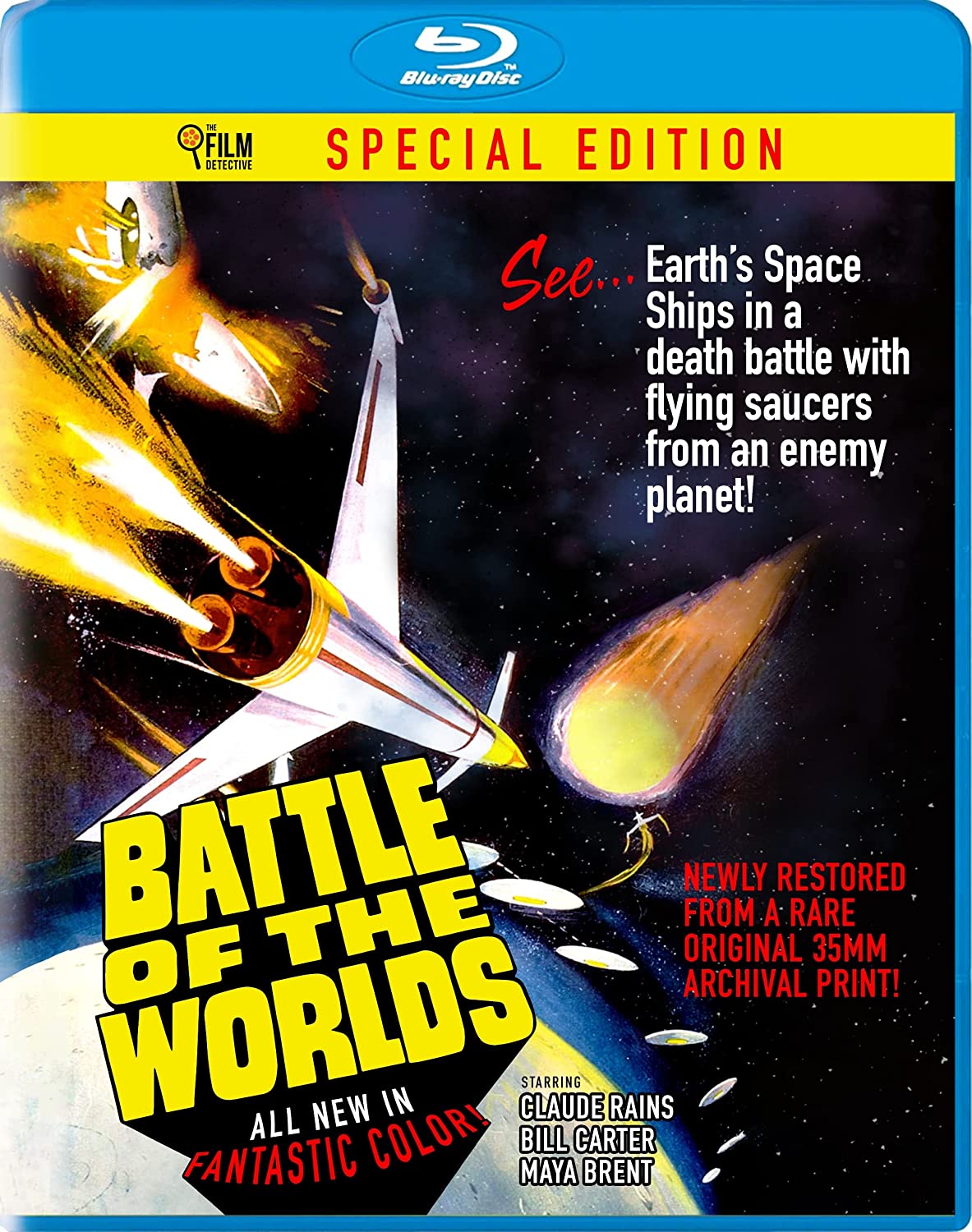
I can't deny that Italians, we love to cook and eat. It's a stereotype that I embrace with pride. So it shouldn't be too much of a surprise that food finds its way intruding in other aspects of life. In the 50's and 60's we called the Italian western films of directors like Sergio Leone Spaghetti Westerns. Later we would talk about the Italian horror films from masters like Mario Bava and Dario Argento Spaghetti Nightmares. Well, why should we leave out the same period's Italian science fiction films? So even if it's not terribly original, I'm going to coin the term Ziti Sci-Fi. One of the true masters of Ziti Sci-Fi has to be director Antonio Margheriti. Don't be too surprised if you don't know the name. His films were always low-budget affairs, and he usually directed under the more American-sounding name of Anthony Dawson or Anthony M. Dawson. He understood that the American audience was the Holy Grail of box office success

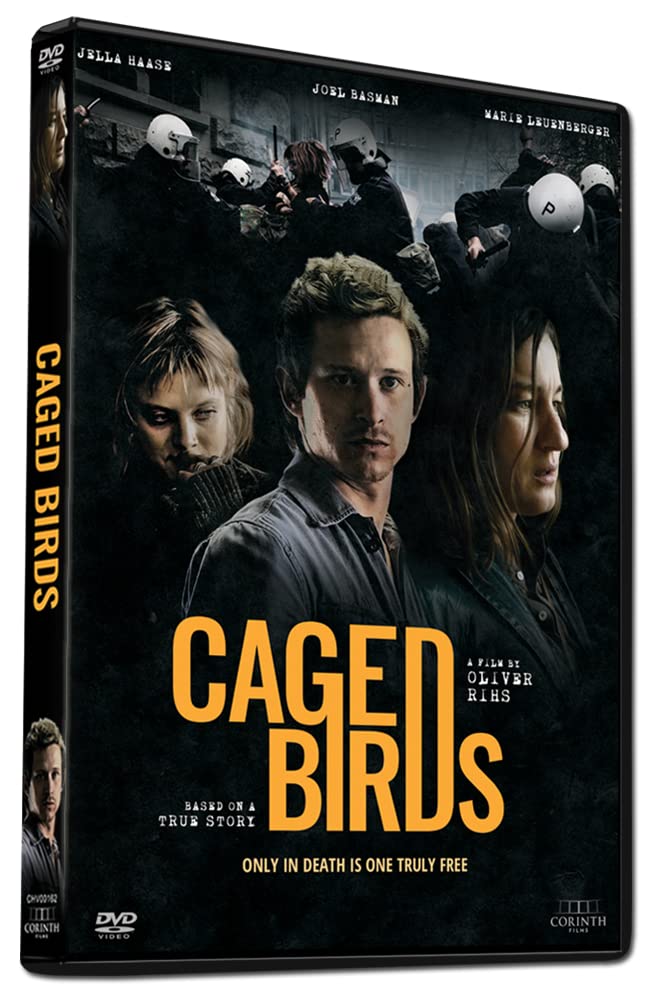
Nelson Mandela once said, “It is said that no one truly knows a nation until one has been inside its jails. A nation should not be judged by how it treats its highest citizens, but its lowest ones.”  Most people, even in today's society, think of prisoners as lower than the ground they walk upon.  Prison abuse is as old as Greek and Roman times.  Heck, true prison reform didn't start in the United States until the 1960's.  But what about other countries?  In Caged Birds, we explore the Switzerland of the 1980's and how one lawyer named Barbara Hug tried to change that very system.

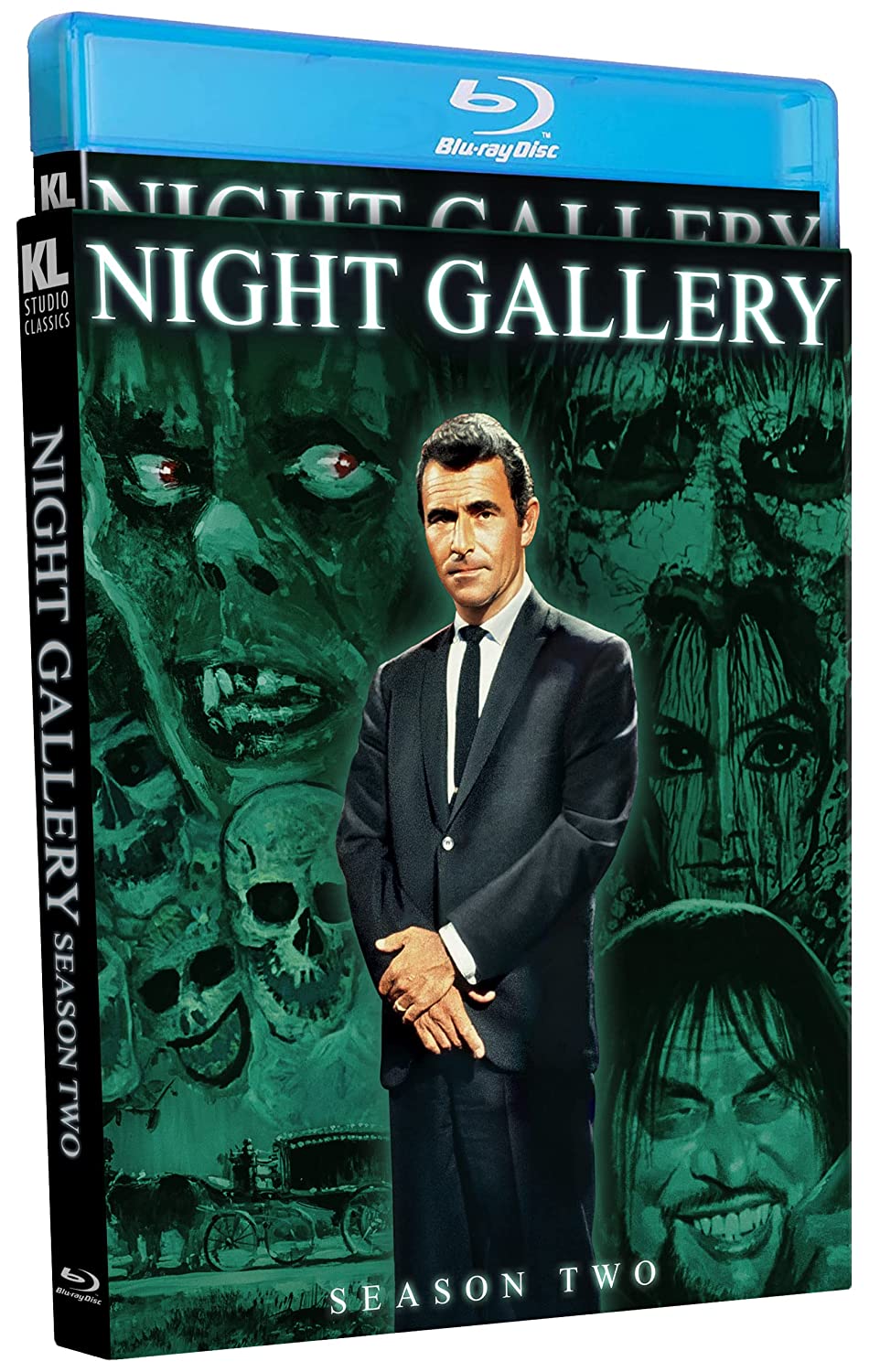
"For those of you who haven't met me, you might call me the undernourished Alfred Hitchcock. The great British craftsman and I do share something in common: an interest in the oddball, a predilection toward the bizarre. And this place is nothing if not bizarre, by virtue of the paintings you see hanging around me."

When I mention the name Rod Serling, I'll bet that The Twilight Zone is the first thing that pops into your head. And why not? It would be very hard, indeed, to argue against the impact that The Twilight Zone has had on television. To say that the series was a milestone in that medium would be an understatement of the worst kind. When Rod Serling brought his landmark series to CBS in October of 1959, television was still very new. No one was quite sure what the future held for that magical box. For five years Rod Serling would enter our living rooms with the most bizarre tales we'd ever seen.

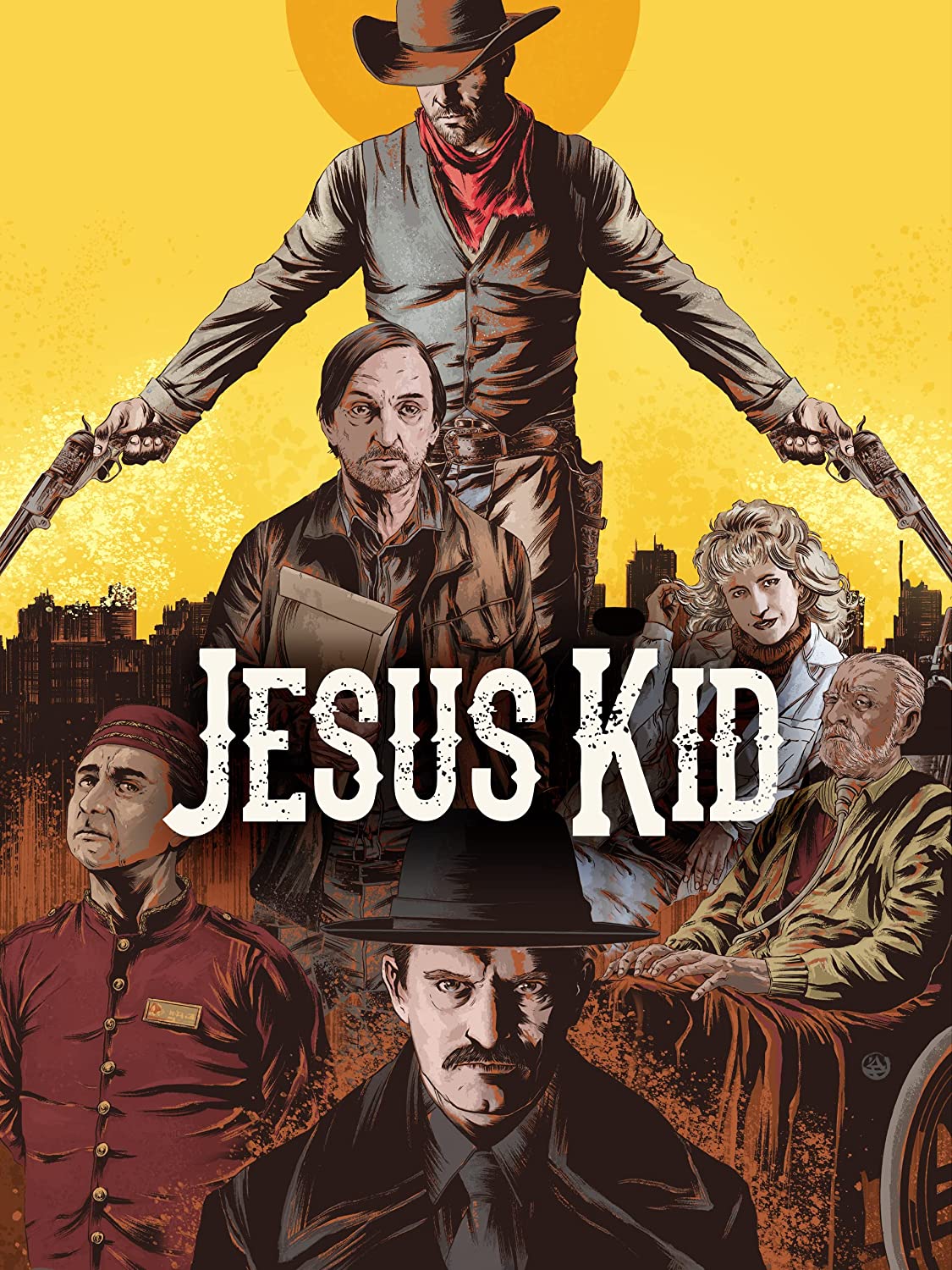
Some of my favorite movies are ones where they use the "author" as the focal part of the story.  Films like Secret Window, Misery, and The Ghost Writer are ones that immediately come to mind for me.  However, Westerns tend to be somewhere down on the list of genres for me, and only ones like Tombstone or Unforgiven tend to spark any interest.  So when I received Jesus Kid, which features a Brazilian author who likes to write Westerns, well, you can kinda understand my apprehension.  However, my curiosity was also piqued at the same time for the very same set of reasons.

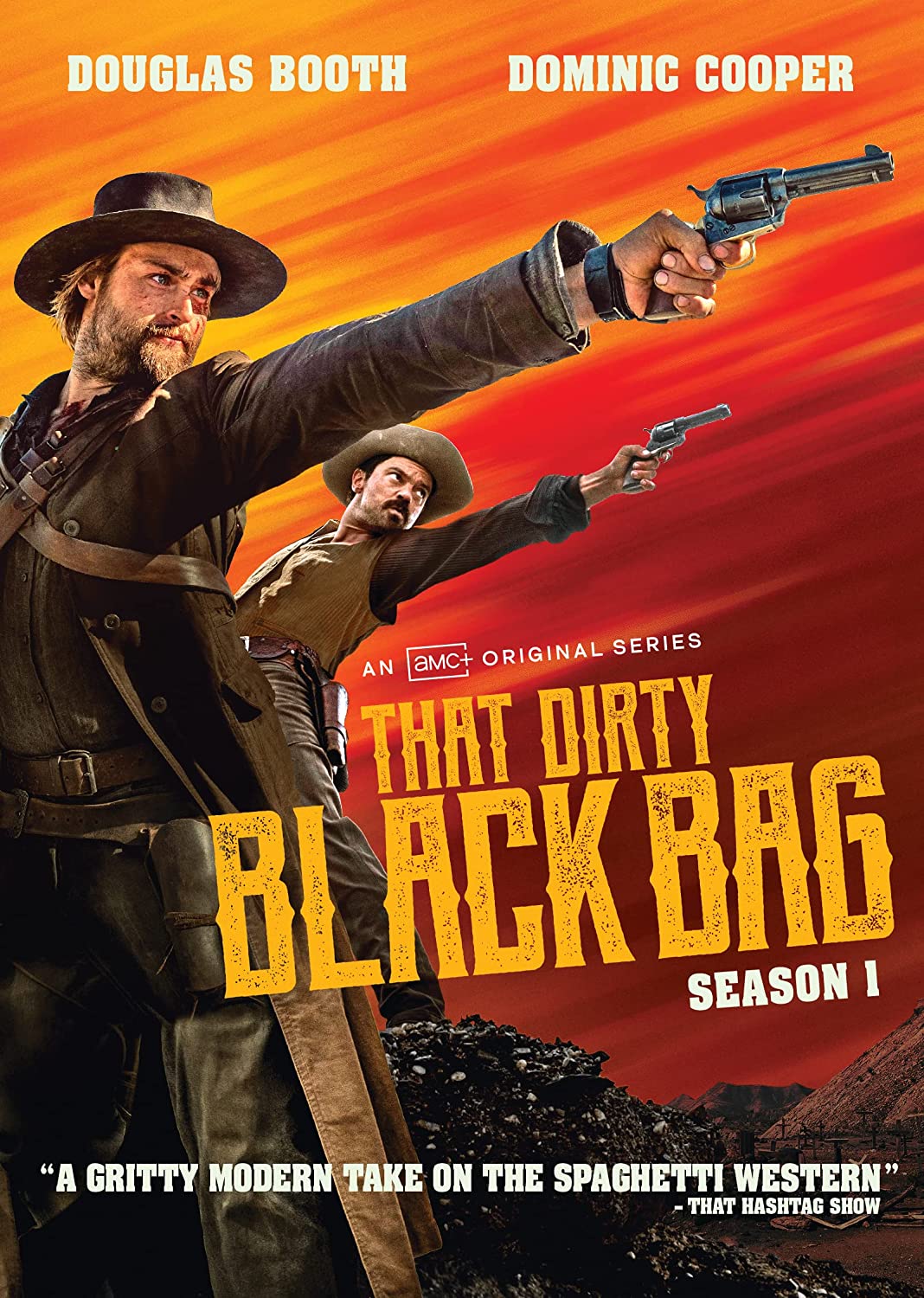
With streaming working the way it does now, every studio in the world is churning out hours and hours of television to please a growing number of viewers on multiple platforms. There's more material produced in one year today than was produced in any decade leading up to the day Netflix opened the door on a new trend. It's changed the way we watch television, and that extends to the networks that still operate over the airwaves. We no longer sit and watch an hour or two of television in what was once called prime time. Now we binge. The latest statistics tell us that the average person watches a minimum of four hours at a time, usually the same show. That means not only more content but a greater range of content types. A-list actors and filmmakers are joining the trend, and they're now able to cater to pretty much every taste or genre. Along comes AMC+ and the first effort to bring the Spaghetti Western to "television".

From the moment I saw the trailer for The Lost City, it immediately gave me vibes of Romancing the Stone and Jewel of the Nile, the adventure-romance films that starred Michael Douglas and Kathleen Turner back in the mid-eighties. The basic story for those films was simple: a romance writer who finds herself in an adventure to find a rare jewel alongside a handsome rogue with bad guys coming after them around every corner. I loved these films as a kid, and getting to see a modern twist on these stories is something I found welcome. What is even more welcome is getting to see Sandra Bullock back in a comedic role. I’ve been a fan of just about everything Bullock has done since she graced the screen in Demolition Man and then the following year in Speed. My only concern was seeing Channing Tatum as her co-star;

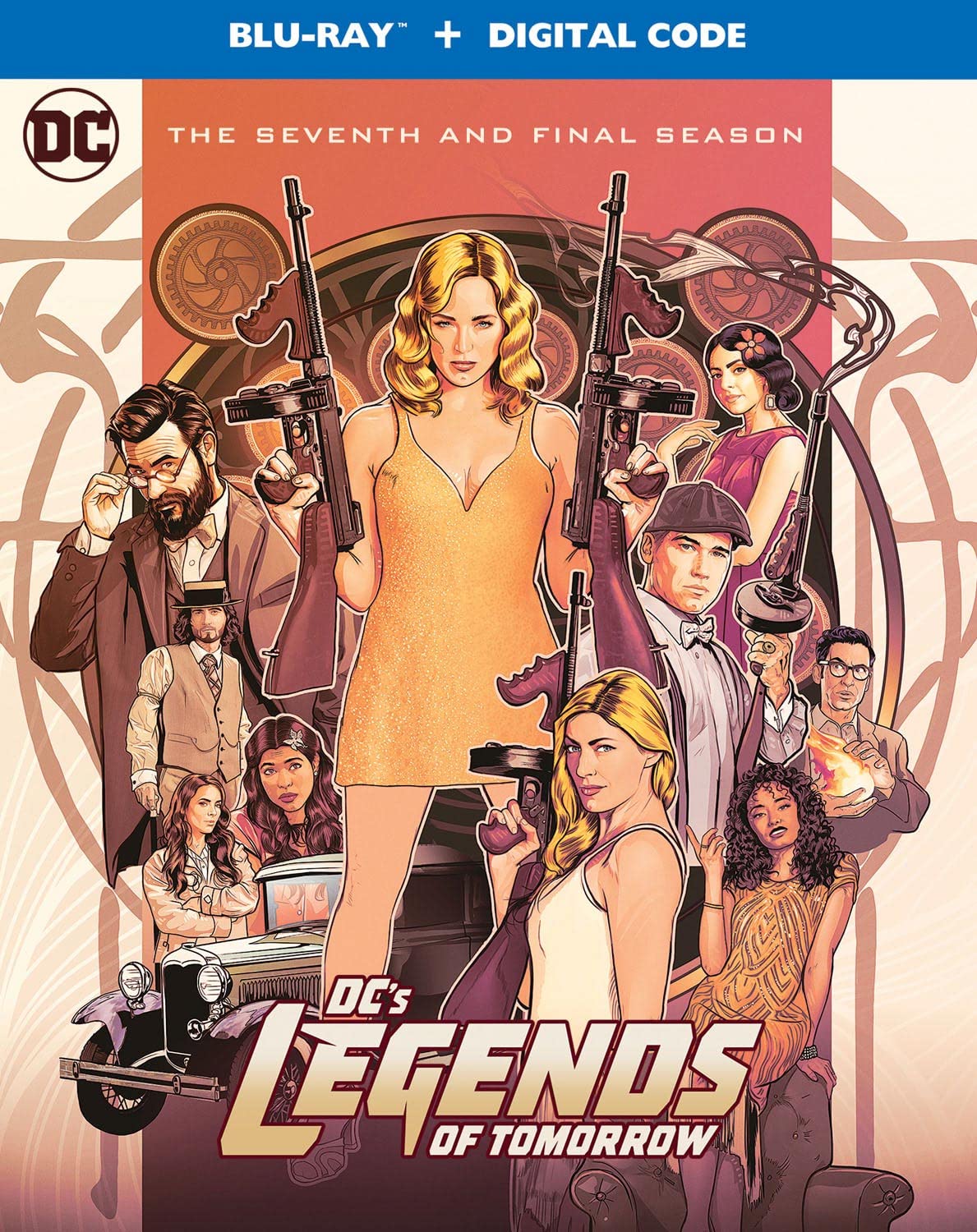
"It all started when a man named Bishop created a team of robots. He sent them back in time with one goal: to destroy the 20th century. These machines were programmed to think that they were beyond human. That they were superheroes. They made their way across country murdering some of the greatest figures in history, famous lawmen and men of science. Finally they kidnapped the inventor of time travel itself, and with his help set their sights on destroying all of history. No one could stop these so-called Legends. Not until we came upon the real flesh-and-blood superheroes whose job it is to put history back on track. We're the real Legends of Tomorrow."

If none of that made any sense to you, don't worry about a thing. It'll all become clear over the final 13 episodes of DC's Legends Of Tomorrow: The Complete 7th and Final Season. OK, I lied. No. It really is the 7th and final season, but it won't really become all clear. You see, that's the nature of the series. It's the crazy uncle of the Arrowverse that says a lot of things no one understands. But we all kind of nod our heads and suspect it will all be OK.

I don’t think Hollywood is ready to stop shooting movies centered around World War 2 any time soon, even if it seems they’ve filmed just about every story under the sun that you can tell about that that war.  I get it, Nazis are simply put some of the greatest villains you can have in a film, because they took part in some of the most wicked atrocities towards men and women, so you really don’t have to do much in the way of character development to get your audience to hate them. I don’t think anyone is interested in a story about a sympathetic Nazi, but is it so hard to ask for a character that comes off the screen that seems to at least have a personality? I mean, Tarantino did it with Col. Hans Landa in Inglorious Basterds (2009) with a terrific performance from Christoph Waltz, but since then the movies have been afraid to do this, and that’s the kind of thing that is so desperately missing from Wolf Hound. It’s not just the Nazis who are lacking in personality, but the entire cast of characters that reek of cliché and lazy writing that it mystifies me how this ever got made.

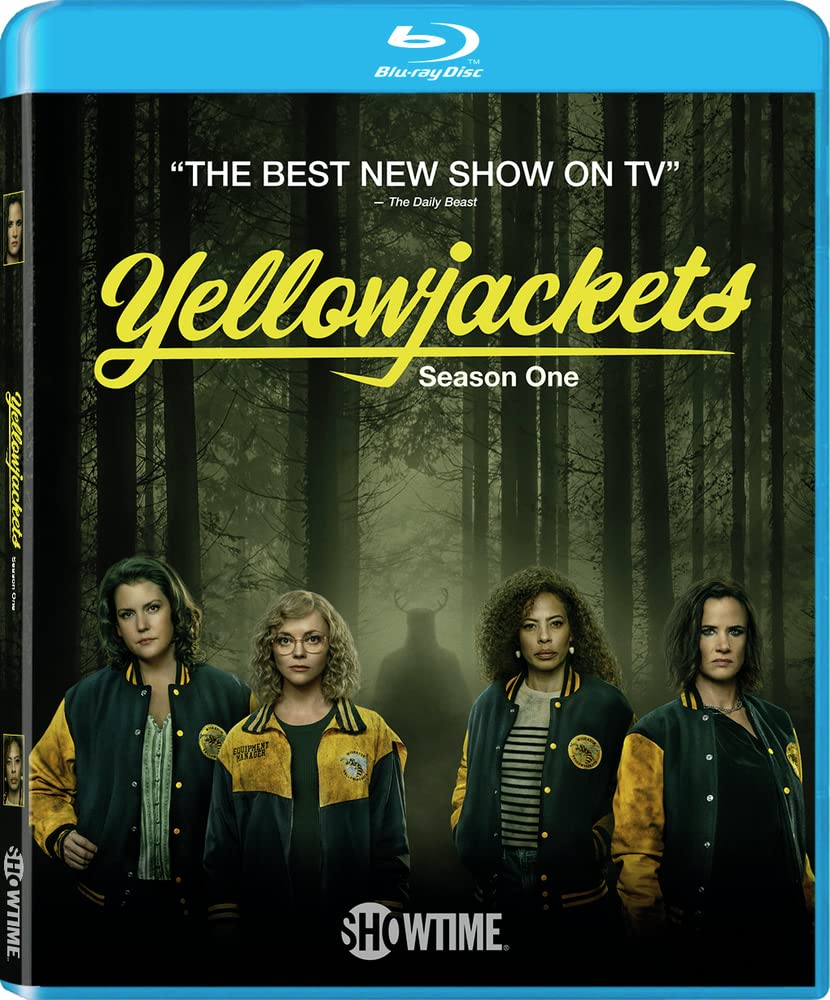
"All I know is that it was a tragedy. A terrible tragedy. I probably shouldn't say this, but some of those kids, eh ... no big loss, if I were honest. But those girls were special. They were champions."

What happens when you take a concept like Lost and sprinkle in a little Lord Of The Flies, the 1993 film Alive, and work in a bit of Pretty Little Liars and a heavy dose of pretty much any reality series out there? You'd get Showtime's latest creepy entry, Yellow Jackets. The new drama is one of those shows where they pack on the secrets and teases and then try to walk that tightrope of giving you enough resolution to keep you from giving up but maintain enough promise of more shockers to come so that you keep coming back for more. It's not an easy thing to navigate, and there are times that Yellow Jackets does that pretty well.