Posted in: Disc Reviews by Brent Lorentson on May 28th, 2020
"Surprise."
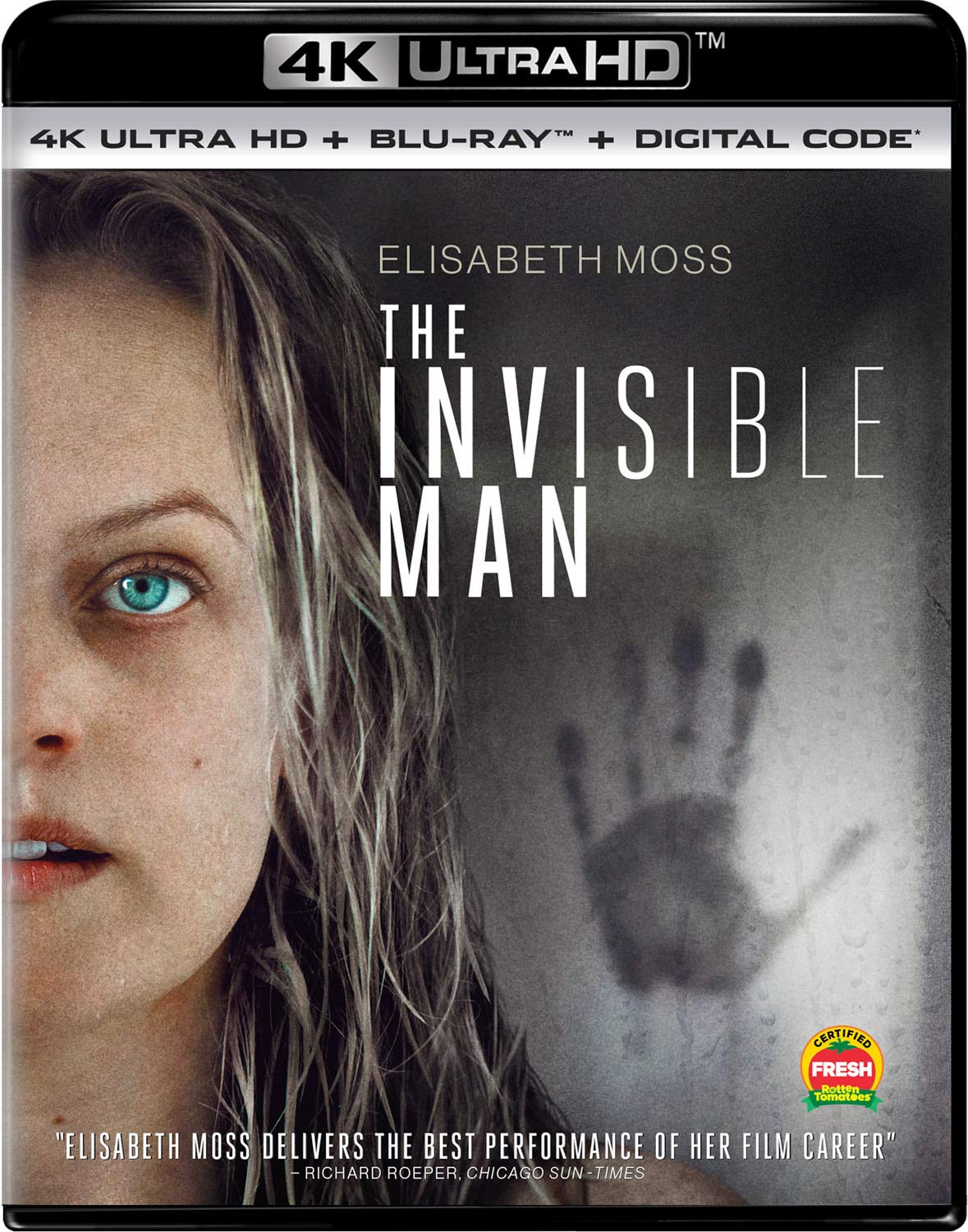
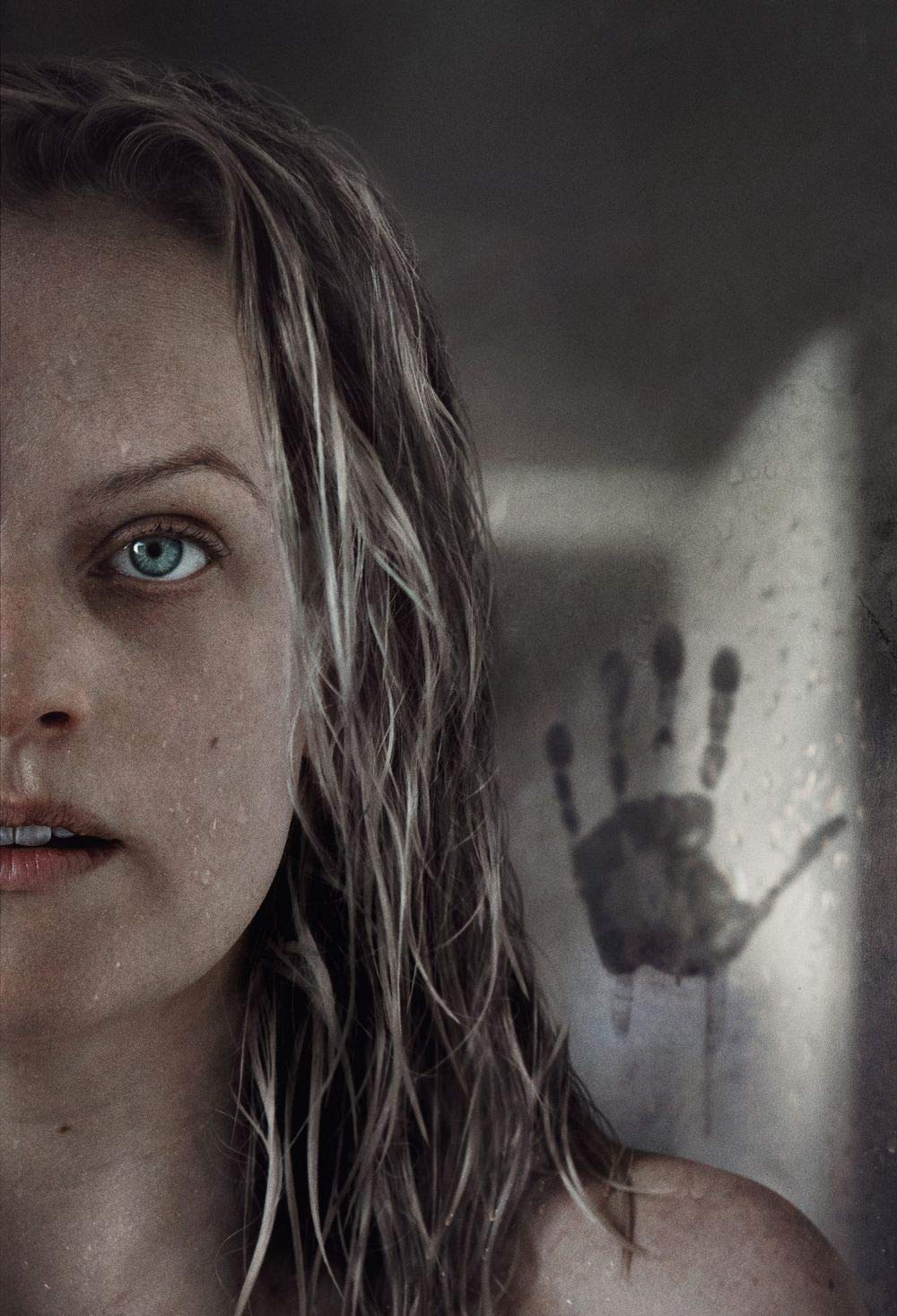
It wasn’t all that long ago that Universal was seriously attempting to develop a Dark Universe for their classic monsters. Things changed after the releases of Dracula Untold and The Mummy and their poor box office showings, but having seen those two films, I feel fans were spared in the long run from a disaster that could have been. Then in 2019 word got out that Blumhouse was going to be doing The Invisible Man, and this somewhat reignited the talks of a Dark Universe project. When I first heard Blumhouse was backing the film, I was cautiously optimistic about the project; where the company does have its hits like Happy Death Day and Get Out, there are plenty of duds as well. It’s when Leigh Whannell got attached that I had some hope for the film. For those unfamiliar with the name, Whannell is the writer responsible for the Saw franchise as well as the Insidious franchise. Now the wait is over and the film has been seen; how does it turn out? The film opens up with Cecilia (Elisabeth Moss) attempting to escape from her home while her husband is asleep. This opening sets the tone masterfully, and as much as I hate the phrase “will leave you on the edge of your seat”, that is simply what this sequence is. So much is revealed in the visuals of the home and the performance that Moss delivers that the audience can appreciate that characters need for escape. If anything it’s in these opening moments of the film as Cecilia is wandering through the home that almost too much is revealed about the story that will follow.
Posted in: Disc Reviews by Brent Lorentson on April 14th, 2020
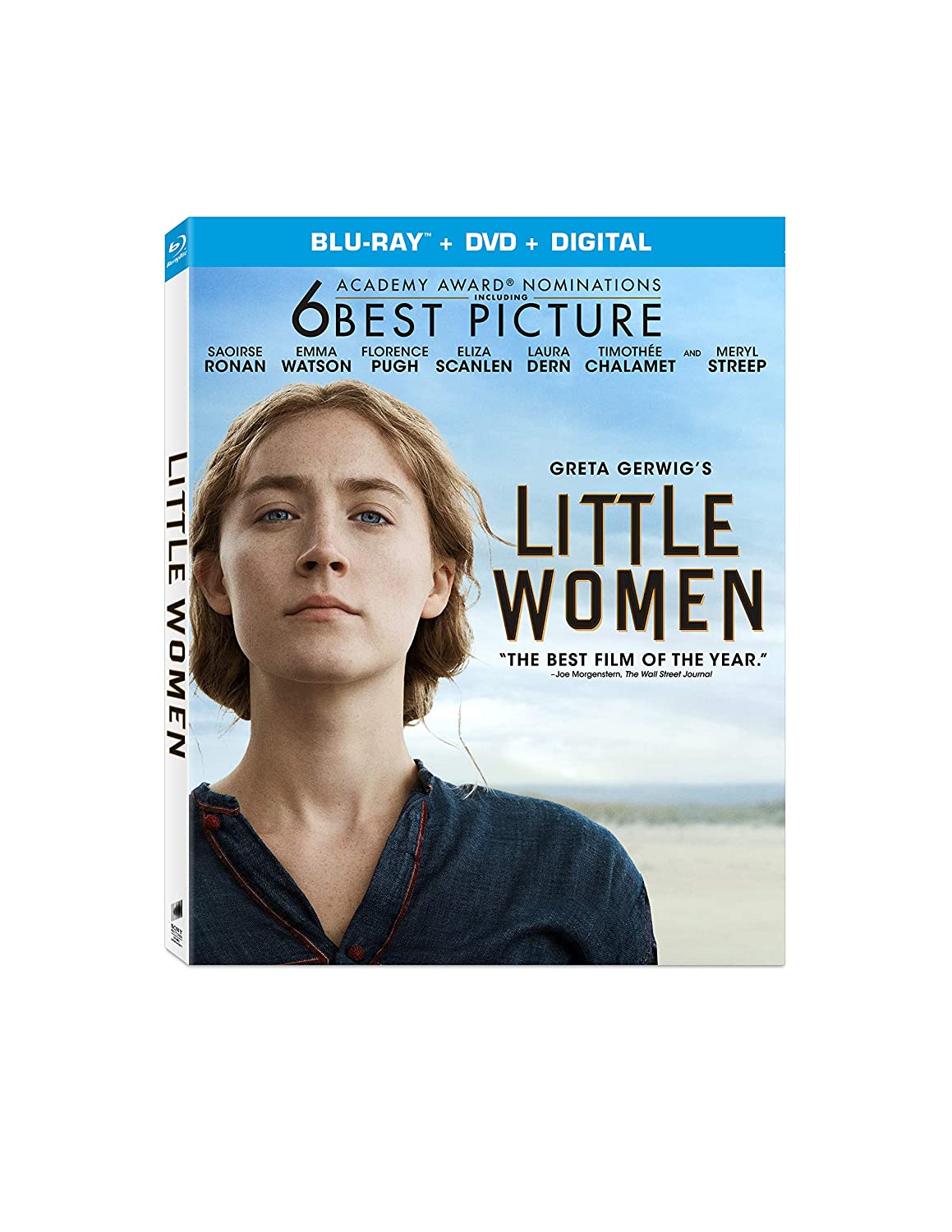
The 19th century novel penned by Louisa May Alcott has been adapted in numerous forms since it was first published. Personally the 1994 film is my favorite, but this new film from Greta Gerwig is a welcomed adaption that shows that Gerwig is a talented force to keep an eye on. Little Women is one of those stories that have entertained me over the years, despite it being a story that appeals to a radically different demographic. Even in my teens when I first discovered the story, when I was obsessed with horror films and reading the newest King novel, when I was required to read the story for class, what started as a reluctant task I was doing for a grade, by the time I finished the book and watched the 1994 film in class, well, I found myself smitten with the March family. I was a bit cynical when it came to this new film. Even with it getting all the critical attention I was still hesitant. Really, if it wasn’t for the quarantine, I’m not sure if I ever would have given this film a chance. Despite my reluctance, I’m glad this film found its way into my hands. The most noticeable change that Gerwig has made to the film is by telling the story in a nonlinear fashion. For those who are not familiar with the story, this won’t be much of a problem, but in some ways I feel this kind of cheats the story out of some of its emotional moments, both good and bad. In deciding to tell the story this way, I do appreciate how Gerwig went ahead and gave the film a visual style to help the audience tell what is a flashback as compared to a more current moment. The moments where Jo (Saoirse Ronan) seems to be looking back, there is warmth in the visuals. With Jo taking the front-and-center role as she struggles with being a writer while juggling her relationship with her family, there are moments where we have to question how reliable she is with her dreams and memories. One of these moments that stands out involves her sister Beth (Eliza Scanlen) as she struggles with scarlet fever.
Posted in: Disc Reviews by Brent Lorentson on March 26th, 2020
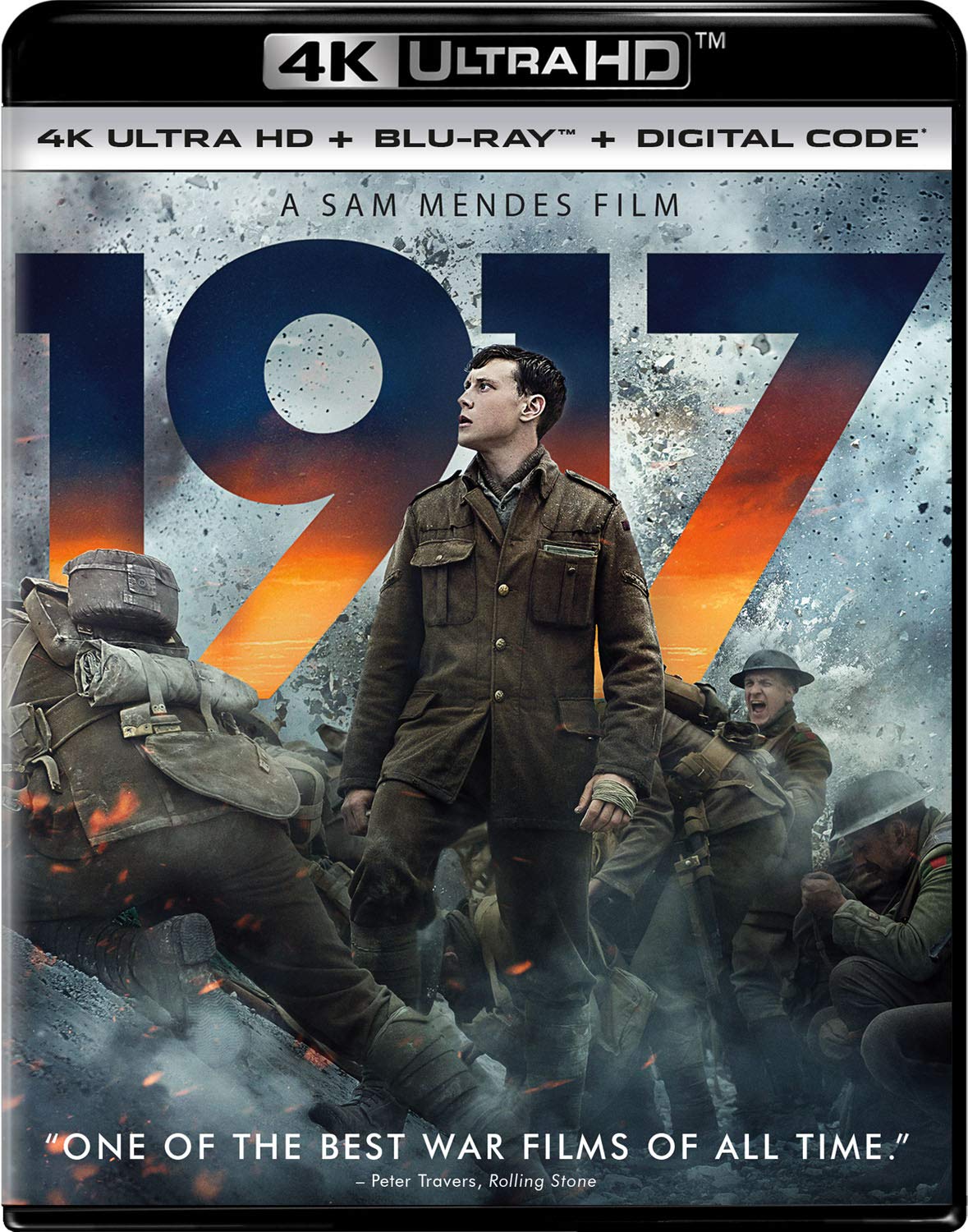
For a while it was looking like 2019 was going to be a lackluster year for films, but once fall rolled around, we seemed to get bombarded with some quality award-worthy films. Aside from Once Upon a Time in Hollywood, nothing jumped out at me as Best Picture. Sure, Joker was great, and I had a great time with Uncut Gems, but when 1917 rolled around, this was the film that left me in awe. Sure, there have been some great war films over the years. Platoon and Apocalypse Now are great Vietnam films, Saving Private Ryan is definitely a contender as the best film about WWII. Really, it would have been difficult to say what’s the “best” war film out there …well, that is, until now. It’s a bold statement, and I know many will disagree with me, but after two screenings of 1917, I’m feeling pretty confident when I say this is the best and my favorite war film. What’s even more impressive is how 1917 manages to standout from the big blockbusters, sequels, and comic book films and stand alone as a film that can remind viewers about that magic that comes with seeing a movie on the big screen and in Dolby sound.
Posted in: Disc Reviews by Brent Lorentson on March 25th, 2020
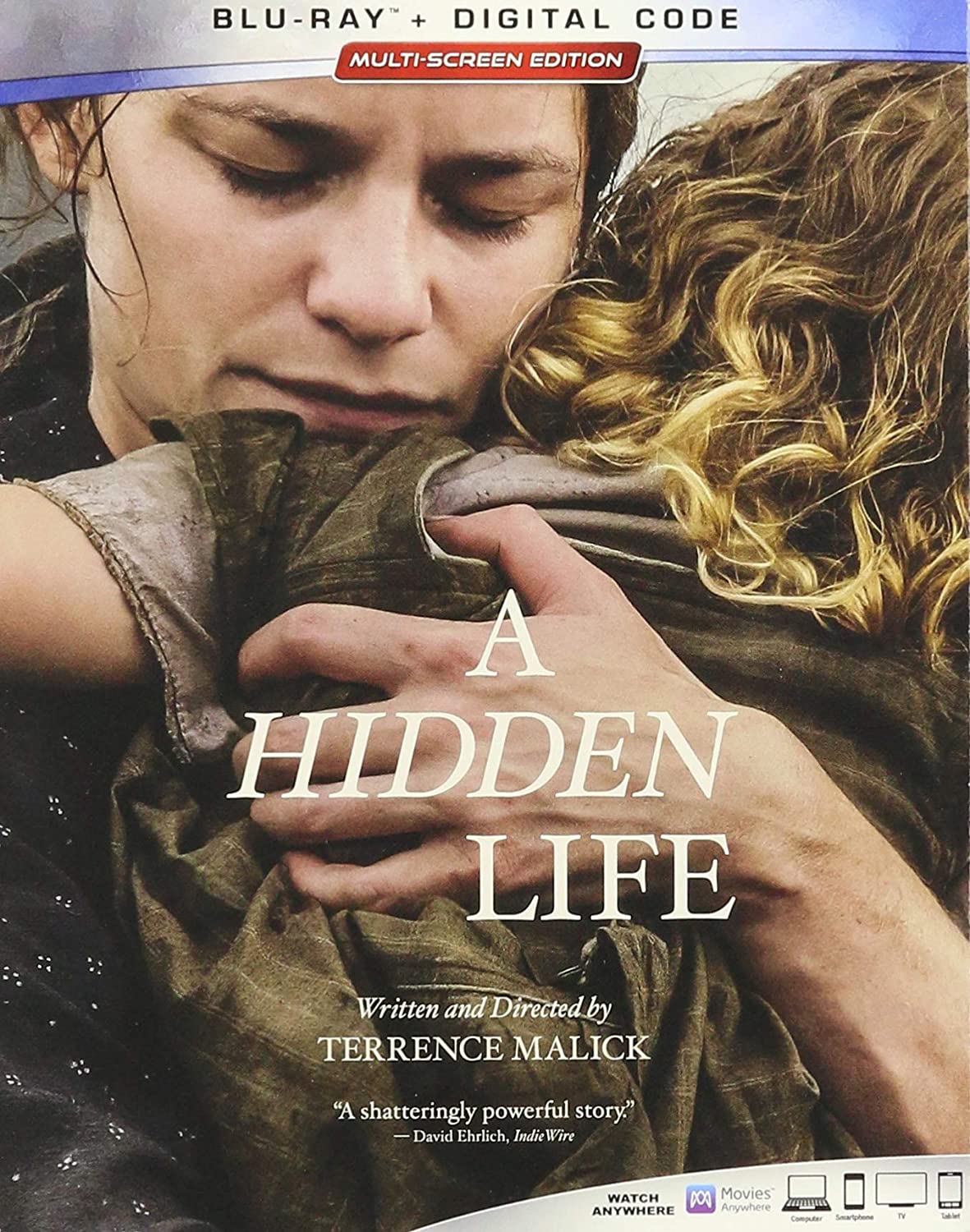
It’s hard to believe as a cinephile that Terrence Malick isn’t a more celebrated director. Sure, he has his fans, but his films virtually never translate to box office success, which is a bit of a shame. His past few films have managed to sneak into movie houses and disappear with little to no fanfare. Honestly, I was a bit surprised to realize how many films Malick has managed to release since the release of The Tree of Life. I understand how most will look at his films and say they are “pretentious” or even “boring”. To be fair, his films are not for everyone, but the one thing I think anyone can take away from his films is that they are each visually stunning. Malick doesn’t simply make your typical tent pole adventure film. Instead they all have a tendency to be contemplative and have a more spiritual or philosophical message. When it comes to A Hidden Life, he delivers just that, and while I’d consider labeling this one of his better films, its nearly-three-hour running time has this film feeling as though it’s overstayed its welcome.
Posted in: Disc Reviews by Brent Lorentson on March 11th, 2020
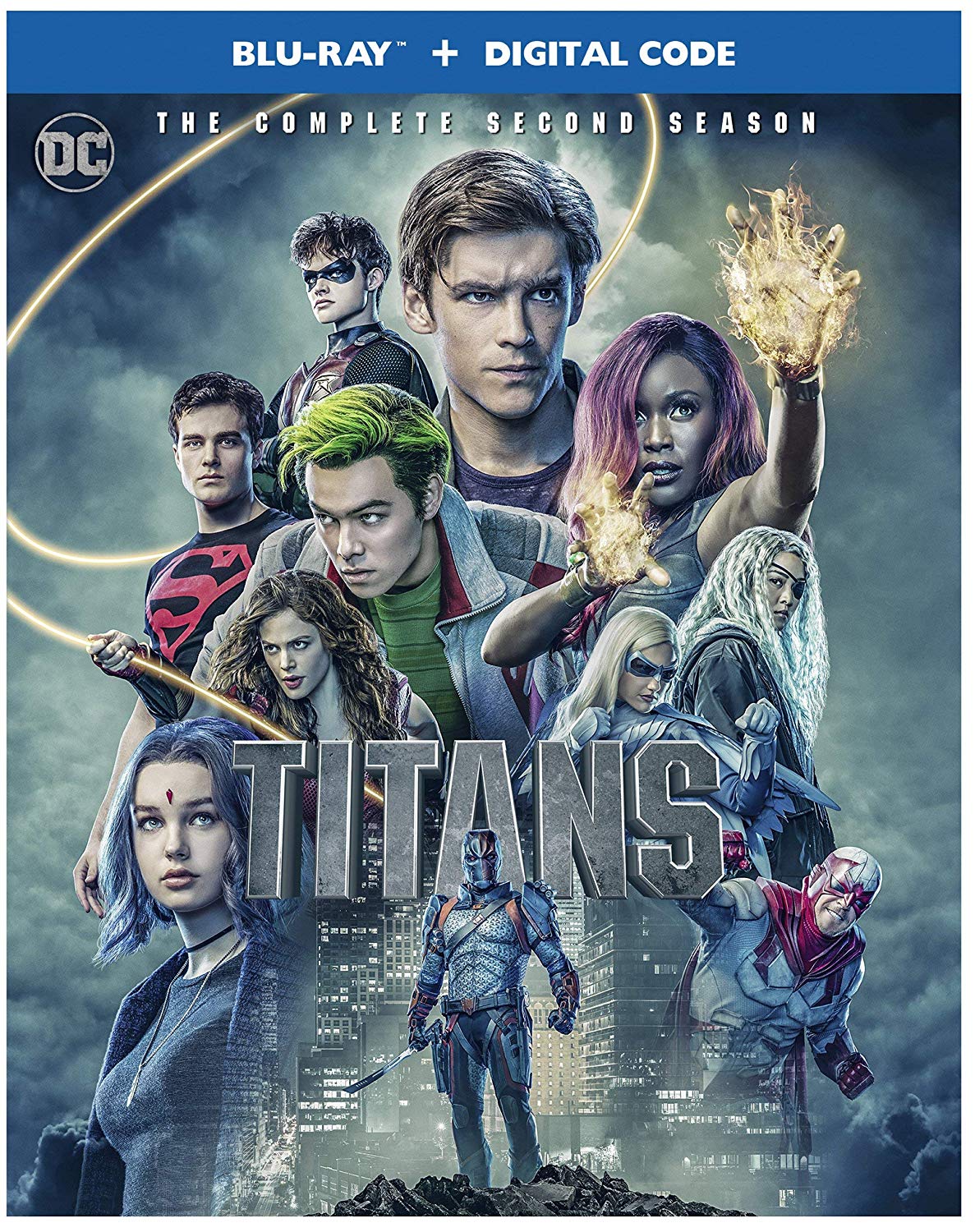
Warner Brothers has done an impressive job when it comes to their live action DC Universe television shows. Everything including Arrow, The Flash, and Legends of Tomorrow have been fun entertaining experiences. Now with them starting up their own streaming service, they have upped the ante by releasing Titans. When I first heard about this one, I wasn’t sure what to think considering I wasn’t much of a fan of the animated series, but I’m so glad I came into this show with an open mind, because this show is jam-packed with coolness. Since this was made for a streaming service and not broadcast television, not only do we get superheroes dropping F-bombs, but we get some edgier storytelling along with some violent action you may not expect. Seriously, this one is not for the kids. Season 2 picks up right where Season 1 left us hanging as we see the Titans coming together to save Rachel (Teagan Croft) from her father, Trigon, as he’s about to destroy the world. You know; typical bad guy behavior.
Posted in: The Reel World by Brent Lorentson on February 29th, 2020
It wasn’t all that long ago that Universal was seriously attempting to develop a Dark Universe for their classic monsters. Things changed after the releases of Dracula Untold and The Mummy after their poor box office showings, but having seen those two films, I feel fans were spared in the long run from a disaster that could have been. Then in 2019 word got out that Blumhouse was going to be doing The Invisible Man, and this somewhat reignited the talks of a Dark Universe project. When I first heard Blumhouse was backing the film, I was cautiously optimistic about the project; where the company does have its hits like Happy Death Day and Get Out, there are plenty of duds as well. It’s when Leigh Whannell got attached and I had some hope for the film. For those unfamiliar with the name, Whannell is the writer responsible for the Saw franchise as well as the Insidious franchise. Now the wait is over and the film has been seen; how does it turn out?
Posted in: Disc Reviews by Brent Lorentson on February 25th, 2020
You can argue that the teen slasher genre is mostly a cautionary tale about premarital sex and using drugs and alcohol. After all, a majority of the time the “final” girl was typically the “good girl”. In a lot of ways, the horror genre is basically a cautionary tale for the viewers, though many of us fans of the genre seem to take delight in seeing the bad decisions people make and the consequences that follow. Teeth and It Follows are a pair of my favorite cautionary-tale horror films that deal with sex and the consequences in a fun and unique way. Snatchers I was hoping would follow and be a welcome addition to these modern cult favorites, but for me, it didn’t quite stick the landing. Sara (Mary Nepi) is doing what she can to keep up with her popular friends in high school, which means she’s willing to do what she can to hold onto her jock boyfriend, Skyler (Austin Fryberger), even if it means losing her virginity with him. Unfortunately the consequences arrive swiftly as she discovers she is pregnant. Things only get worse when two days later Sara wakes up with a bulging pregnant belly and no one to turn to. Feeling as though she has no other option and no one to talk to, she reaches out to her former best friend, Haley (Gabrielle Elyse). The chemistry between Nepi and Elyse is a big factor as to why this film works, and this chemistry is what will keep many viewers engaged when normally they would have given up on the film.
Posted in: Disc Reviews by Brent Lorentson on February 19th, 2020
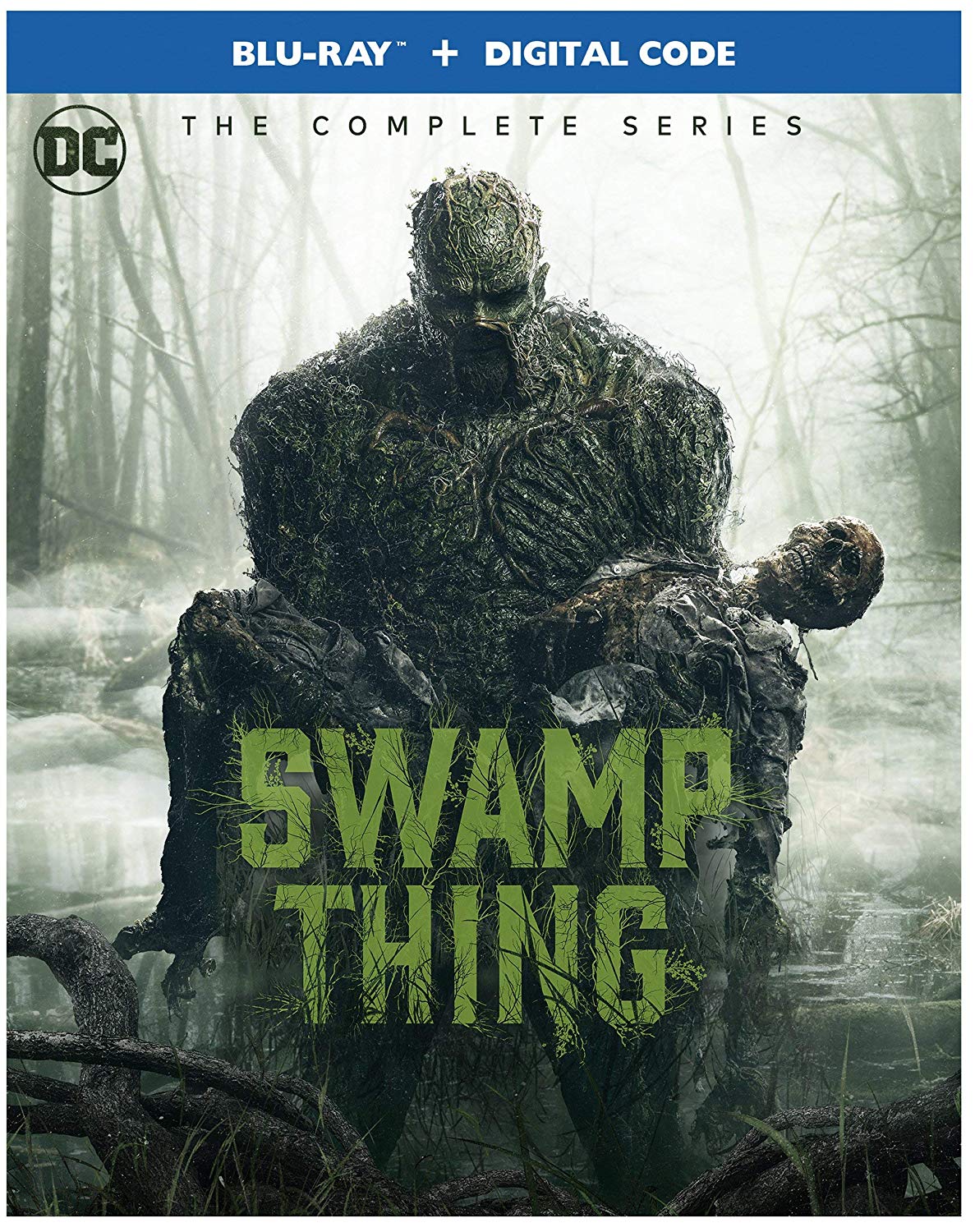
It only took Warner Brothers five days to pull the plug on this series after it debuted the first episode on their streaming service. This was crushing news for fans who had been looking forward to the series that had seemed to be a promising adaptation of the comic material and bringing it to life. I was one of those fans. I’m a fan of Swamp Thing, even the cheesy Wes Craven film from back in the early 80’s to the short lived series in the early 90’s. It’s a character that has struggled to find life and longevity over the years, mostly because the finances and the technology were never really there to make it as good as it could be, but when James Wan came along with his lofty idea to bring this series to life and keep it true to the comics and keep it geared to adults, well, I had hope. Already the Warner Brothers/ DC Universe streaming service has delivered with their iterations of Titans and Doom Patrol, and if Swamp Thing was to follow in their footsteps, then this was going to be a show to get excited about. Now that I’ve seen Season 1 and all the plot threads that had been set up to extend the series for future seasons, all I can think is that the cancellation of this series is an undeserved gut punch to fans of the comic and those that will watch this first season, because it builds something that could have been so great but will not be brought to fruition.
Posted in: Disc Reviews by Brent Lorentson on February 11th, 2020
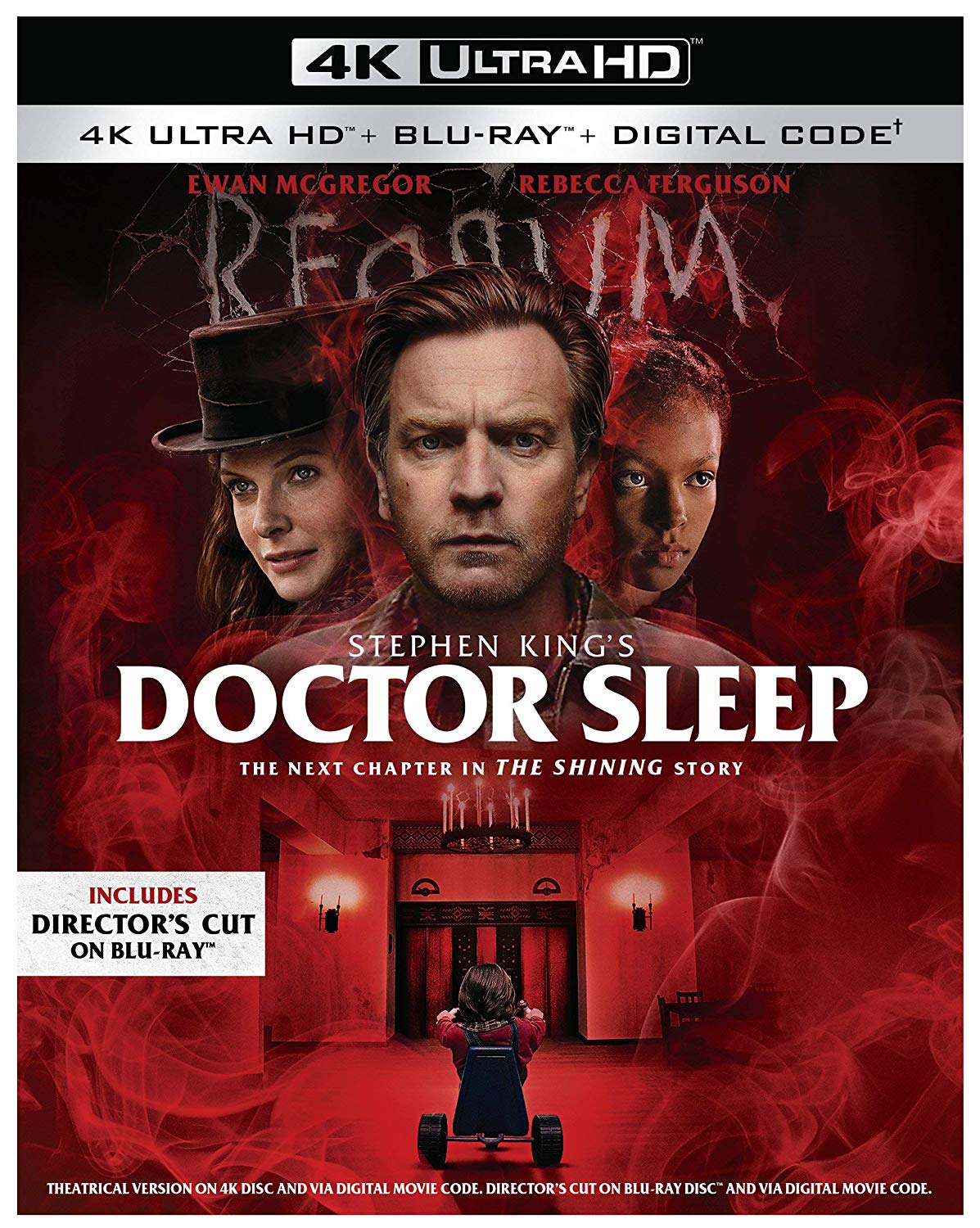
It would seem like audiences are suffering from a bit of Stephen King fatigue, as 2019 saw three theatrical releases of his films and each of them seemed to under-perform at the box office. Pet Sematary was a lackluster adaptation, and It Chapter 2 was fun, but still disappointing when considering how good the first was, and then there was Doctor Sleep, the long awaited sequel (depending who you ask) to The Shining. When it comes to The Shining, I’m a fan of both King’s book but also of Stanley Kubrick’s take on the material. King has always had his problems with the Kubrick version due to the many liberties taken with the material, and many people tend to forget how personal that story was for King and how it dealt with his own personal struggles with alcohol and addiction. Because of all this, I believe it’s why the announcement of Doctor Sleep as a book and eventually a film was so shocking and even polarizing for some. When I read the book, it was a fun and unexpected journey that eventually leads back to the Overlook, but most enjoyable was the journey on getting there as King created a sequel that delved more into what “the shining” is rather than simply return to a haunted hotel. So how was the film, and how does the director’s cut differ from the theatrical cut?
Posted in: Disc Reviews by Brent Lorentson on February 11th, 2020
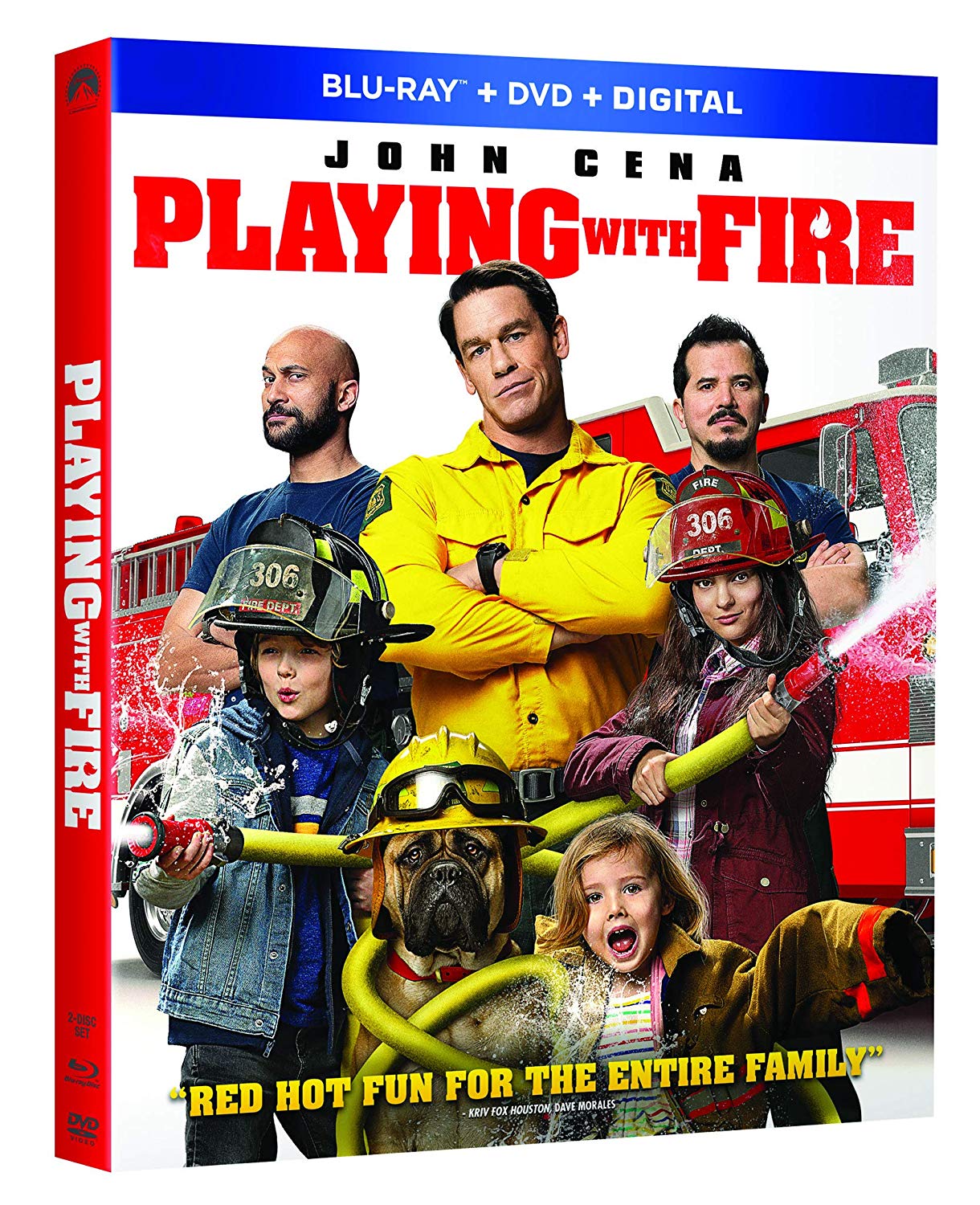
John Cena is following in the footsteps of many wrestlers making the transition to be film actors. Previously we’ve seen him in Bumblebee and in the comedy Blockers. It’s a good move to attempt to show he’s more than a just wrestler with beefy muscles, but comedy is a tough nut to crack even for the seasoned veterans. With Playing With Fire, we get to see Cena in the role of a smokejumper who leads his team of ragtag misfits into fires by leaping out of helicopters and into the middle of the blaze. Unfortunately, having “Uptown Funk” by Bruno Mars does nothing but take away all the tension of the scene despite all the heroics and danger on display. But really, the opening simply sets the tone for what’s ahead in this film, and it is not necessarily a good thing. When the story gets back to the station, most of the smoke-jumping crew is bailing on Jake Carson (Cena) so they can go fight fires with another crew. This basically leaves Carson with Mark (Keegan-Michael Key), Rodrigo (John Leguizamo), and Axe (Tyler Mane).