Posted in: No Huddle Reviews by Dan Holland on July 26th, 2017
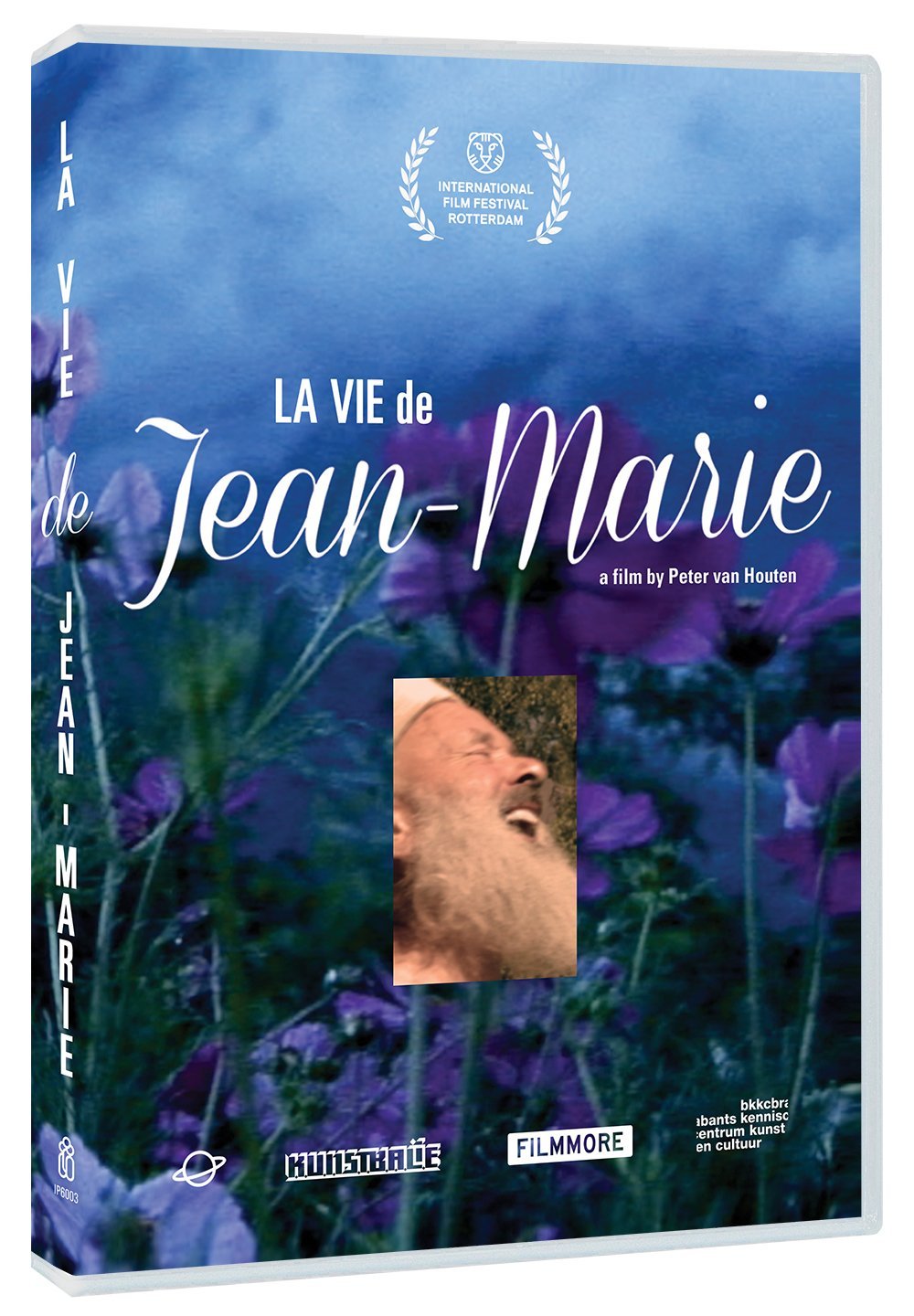
La Vie de Jean-Marie (The Life of Jean-Marie) is a documentary that pitches itself as an “excellent example of cinema verité,” leaving it exposed to the tremendous legacy that specific film movement left upon cinema history. For those that don’t know, “cinema verité,” or “truth cinema,” is a style of documentary invented by French filmmaker Jean Rouch around the late 1950’s. The idea behind this style of cinema is “reveal the truth” through the use of the camera and the spontaneity of the film’s subjects. La Vie de Jean-Marie does indeed wear the shoes of cinema verité quite well; however, it does so in an exhausting fashion.
Jean-Marie is the pastor for 25 villages near Olette, France, as well as a farmer. At the age of 75, he decides he is going to retire to a different village and live out his life with a fellow sister in Christ. Along the way, he recounts tales of his childhood, adolescence, experience with the church, close relationships to his companions, etc. While we learn more about the pastor’s character, we are also treated to contemplative views of the French countryside, complementing every word of his reminiscences.
Posted in: No Huddle Reviews by Dan Holland on July 19th, 2017
Over the last eight years or so, the abstract concept of nostalgia has become a commodity. Film, television, and videogames have been adjusting their aesthetic to incorporate stylistic visuals that are intended to draw in what seems to be a relatively specific demographic: “80’s kids.” Whether it be Stranger Things, Kung Fury, or Turbo Kid, these films have succeeded (and failed) to create a new style out of this “nostalgia aesthetic.” However, being a child of the 90’s, I have noticed that these “nostalgia aesthetics” have shifted toward my decade. I have seen this shift typically in contemporary music videos (see Swang, directed by Max Hilva), but Game Changers most certainly fits into this category, as the lead characters are my age and occupy their time with everything I have ever done for fun.
The film introduces us to Bryan and Scott. They have always been best friends since middle school, playing games such as Magic the Gathering, or hosting big LAN parties of Halo with friends. Eventually, Bryan learns that he can make money by playing video games professionally. Naturally, he takes Scott, and the two succeed beyond their wildest dreams. Now, about twelve years later, they both work in the IT department of the company owned by Bryan’s father. Scott enjoys the structure of the 9-5 work day, whereas Bryan yearns for the days of glory as a professional gamer. After a lot of coercion, Bryan convinces a reluctant Scott to join his new team of elite gamers. Soon after, their personalities begin to clash.
Posted in: No Huddle Reviews by Dan Holland on June 25th, 2017
The concept of eternal recurrence was (arguably) brought to the mainstream in 1993 with the release of Groundhog Day (1993). Certain films such as Run Lola Run (1998) and even an episode from The X-Files, “Monday” (1999), have managed to capture the strange, yet sad, philosophical nature behind repeating a single day. Since then, many variations of the concept began to meld with time travel, adding more distractions from the concept itself, only borrowing the basic premise: Just as space and time are infinite, so are our collective existences (in theory). Life of Significant Soil is closer in relation to the former films mentioned; however, it allows the raw emotion of experiencing a traumatic event to helm the ship.

Drawing a significant amount of inspiration from Milan Kundera’s novel, Unbearable Lightness of Being (another text which foregrounds eternal recurrence), the film concerns the failing relationship of Addison and Conor. As they continue to relive the last day of their relationship, they begin to pick up on the fact that their life is indeed repeating, and they begin to take steps to stop the inevitable from taking place. Even after seeking help from their neighbor Jackie, or Conor’s friend, Hue, they can’t seem to find the correct equation to set their life back on course.
Posted in: No Huddle Reviews by Dan Holland on June 14th, 2017
Weddings: outside of the picture-perfect day that is typically presented in television and movies, most of us understand the untold anxiety placed upon a bride and groom when families and friends amalgamate. Granted, some films depict this phenomenon accurately, but never solely focused on said anxieties properly. The Wedding Party is an independent feature written and directed by Thane Economou, and it showcases these anxieties up front and films them brilliantly, as the entire film is shot in one continuous take.
The story revolves around the complexities and confusion among the members of Paul and Margene’s wedding party. Paul constantly disappears throughout the night, Margene’s sister downs seven Xanax, Paul’s half-brother can’t let go of the bride’s ring, and the ones left over are whirling in a storm of anger and sex. However, two of the party members, Jim and Alex, come to represent the true “main characters” of the film. When Margene’s sister doses out of her duties as the wedding planner, Alex must take over, recruiting Jim to help. As the night progresses, the two reignite the crush they had in high school and navigate through their own anxieties and doubts.
Posted in: The Reel World by Dan Holland on June 9th, 2017
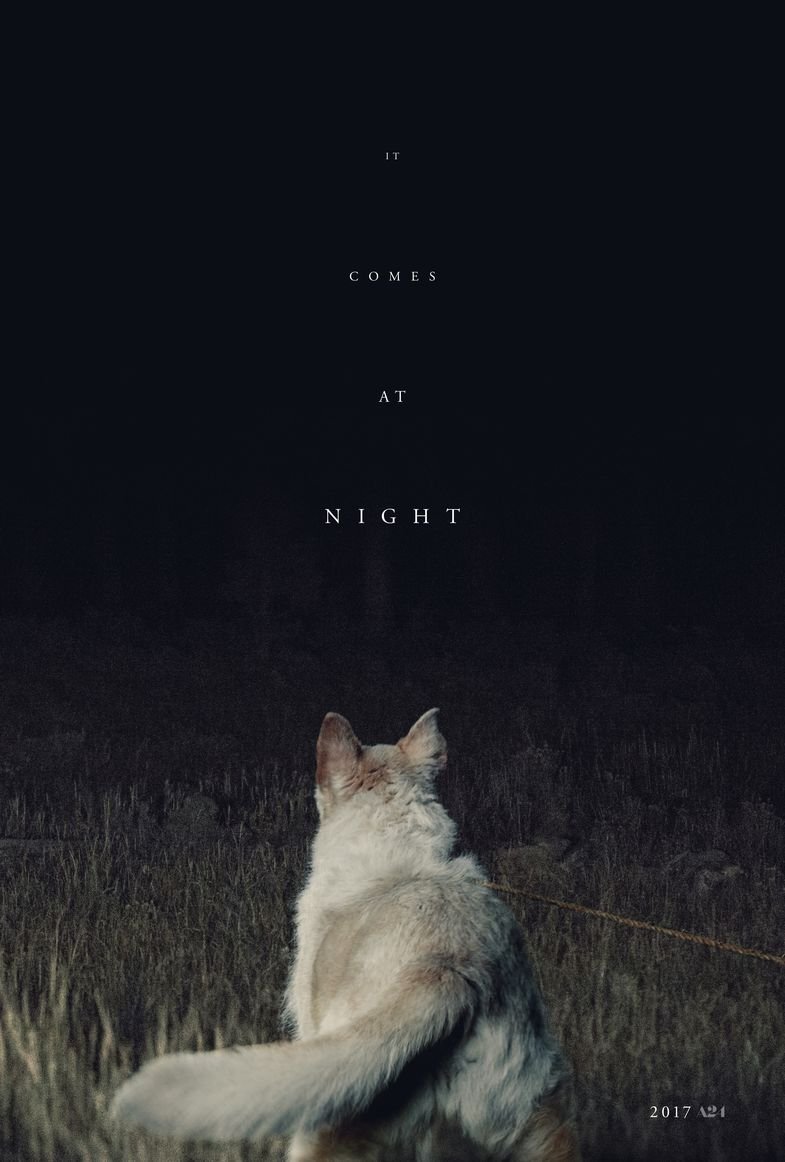
A large majority of horror fans would agree that when sitting down to screen a horror film, they are not accustomed to being challenged intellectually. Sure, horror films might have a message that you can theorize about, but you can just as easily turn off your brain and watch the carnage mindlessly. That is not the case with It Comes at Night: it demands your full attention from the start and then intensifies like a white-hot light. Cut from the same cloth as The Babadook and It Follows, It Comes at Night is a film that confronts you with very real anxieties that permeate our modern-day societies. Where its predecessors are concerned with maternal guilt and vulnerabilities involving sexual intercourse (respectively), It Comes at Night asks audiences to confront their anxieties about the unknown, what it means not to know, and how we make a choice to remain ignorant, or attempt to understand what is just beyond our reach.
The film tells the story of Paul (Joel Edgerton) and his family (Carmen Ejogo and Kelvin Harrison Jr.), and the trials they must endure to survive a world doomed by a mysterious virus. As they try to enjoy what little peace they can muster in their home, they are confronted with a new threat: a new family looking for water. Adhering to the horror genre, Paul and company are immediately suspicious of their new guests, as “you can’t trust anyone but family.” Over time, tensions rise between the families, creating an inescapable rift of terror and paranoia.
Posted in: No Huddle Reviews by Dan Holland on June 5th, 2017
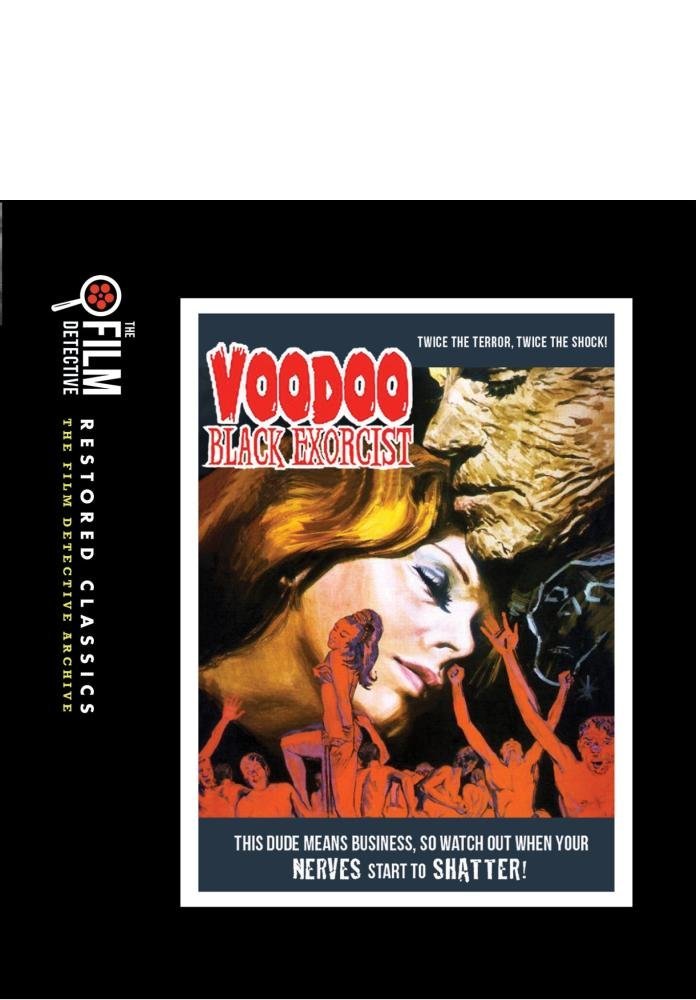
Voodoo Black Exorcist (Vudú sangriento), is a bizarre choice to distribute once more in high definition. Some of the imagery in the film is most certainly impressive; however, it doesn’t quite make up for the poor dubbing, editing, and nonsensical story. The film is about ninety minutes long, and realistically, it only demanded my attention for about ten of those minutes before I sank into boredom. Perhaps my greatest disappointment was that it wasn’t really a movie I could have fun with: it was not laughably bad. So where I would normally put some effort into poking fun, I ended up remaining abnormally critical of this old horror film.
Voodoo Priest Guedé Nibo (Aldo Sambrell), is revived accidentally on a cruise ship. As he wanders the ship in the shadows, he is haunted by images of his past: the killers of his lover, the ritual that got him mummified in the first place. Soon he becomes enthralled with the beautiful Sylvia (Eva León) who is the spitting image of his deceased lover, Kenya (Eva León in black face). Nibo continues his path of destruction and, oddly enough, persuasion, to finally reunite with his late lover.
Posted in: No Huddle Reviews by Dan Holland on May 4th, 2017
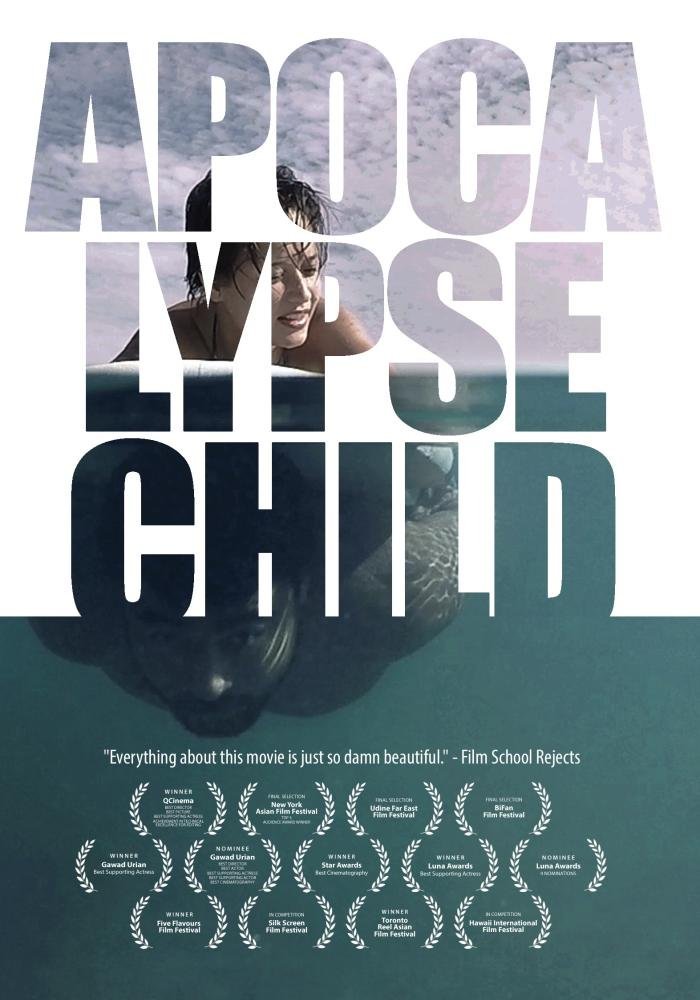
It is always interesting to see how the history of cinema weaves its way back into the art form, especially when it is incorporated into the narrative itself. For example E. Elias Merhige’s Shadow of the Vampire (2000) constructs its narrative around a fictional filming of F.W. Murnau’s Nosferatu (1922). Recently, Gary Oldman announced his interest in writing and directing Flying Horse, a biopic of Eadward Muybridge, one of the founding fathers of moving images as we know them. Cinema is the only art I am aware of that artists take strides to be self-reflexive for the sake of appreciation of the medium. Apocalypse Child (2015) toys with self-reflexivity, but in a very unique way: It portrays cinema as a quasi-mythical presence through alluding to Francis Ford Coppola’s hellish stretch of filming Apocalypse Now (1979) in the Philippines.
In the surfing town of Baler, Ford (named after the famed director) is somewhat of a man-child who makes his living as a surfing instructor, and lives with his adopted mother (14 years his senior). During the film, Ford and his mother are housing the young Fiona, whose dying grandmother is a well-known member of the village. During Fiona’s stay, she and Ford develop a relationship together, but Ford refuses to visit her grandmother. Eventually, Ford’s successful adoptive brother, Rich, returns to his home town with his fiancée to be married. Tensions begin to rise as we learn that Ford and Rich have a tumultuous past that has never been remedied.
Posted in: No Huddle Reviews by Dan Holland on April 30th, 2017
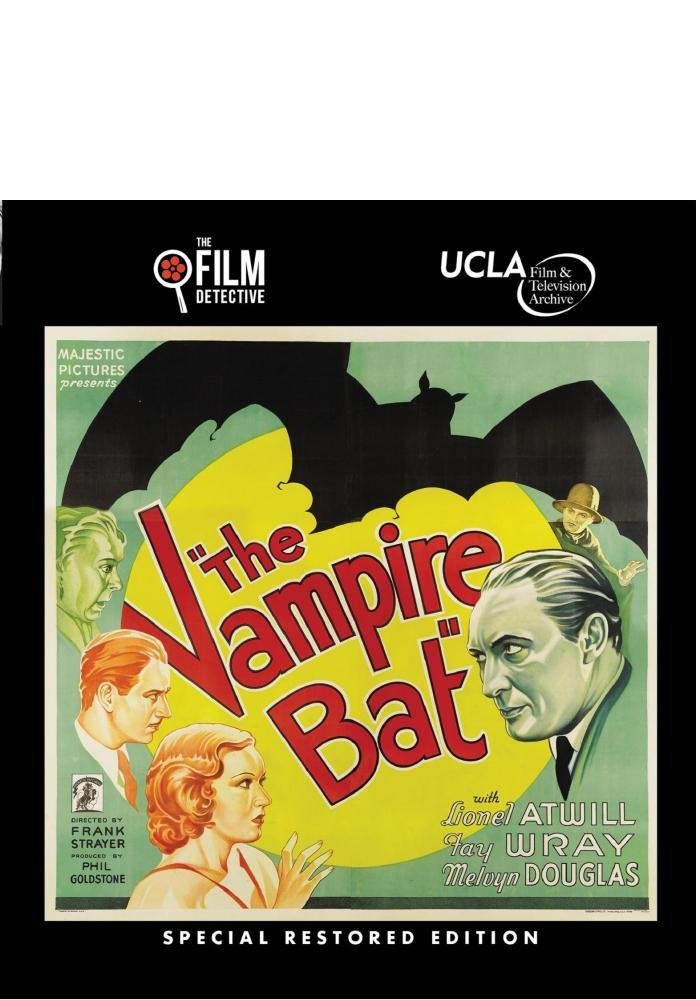
The early 1930’s was an excellent time for production of horror films. 1931 saw the classic productions of Frankenstein and Dracula, and 1932 The Mummy and White Zombie. These are all what I would call genre-defining films: they have refined the formulaic plots (mad scientist, supernatural threat) that came before them, but did so while incorporating the famous images we see today. Think about it; 80 years later and we still see Frankenstein’s monster with a flattened head and bolts, or Dracula with the jet-black widow’s peak and cape. As iconic as these films have become, there are countless productions that have flown under the radar of popularity. Frank R. Strayer’s The Vampire Bat is one such film that is worthy of more attention.
As the villagers of a small town begin dying of blood loss, a motley crew of town elders jump straight to the conclusion of vampirism. However, Inspector Breetschneider (Melvyn Douglas) remains skeptical, allowing a voice of reason the audience can adhere to through the supernatural claims. While Breetschneider begins to investigate the exsanguinations, the town’s scientist, Dr. Otto von Niemann (Lionel Atwill) cares for each of the victims. Soon enough, the town begins to suspect Herman Glieb (Dwight Frye), who has a fascination with bats.
Posted in: No Huddle Reviews by Dan Holland on April 11th, 2017
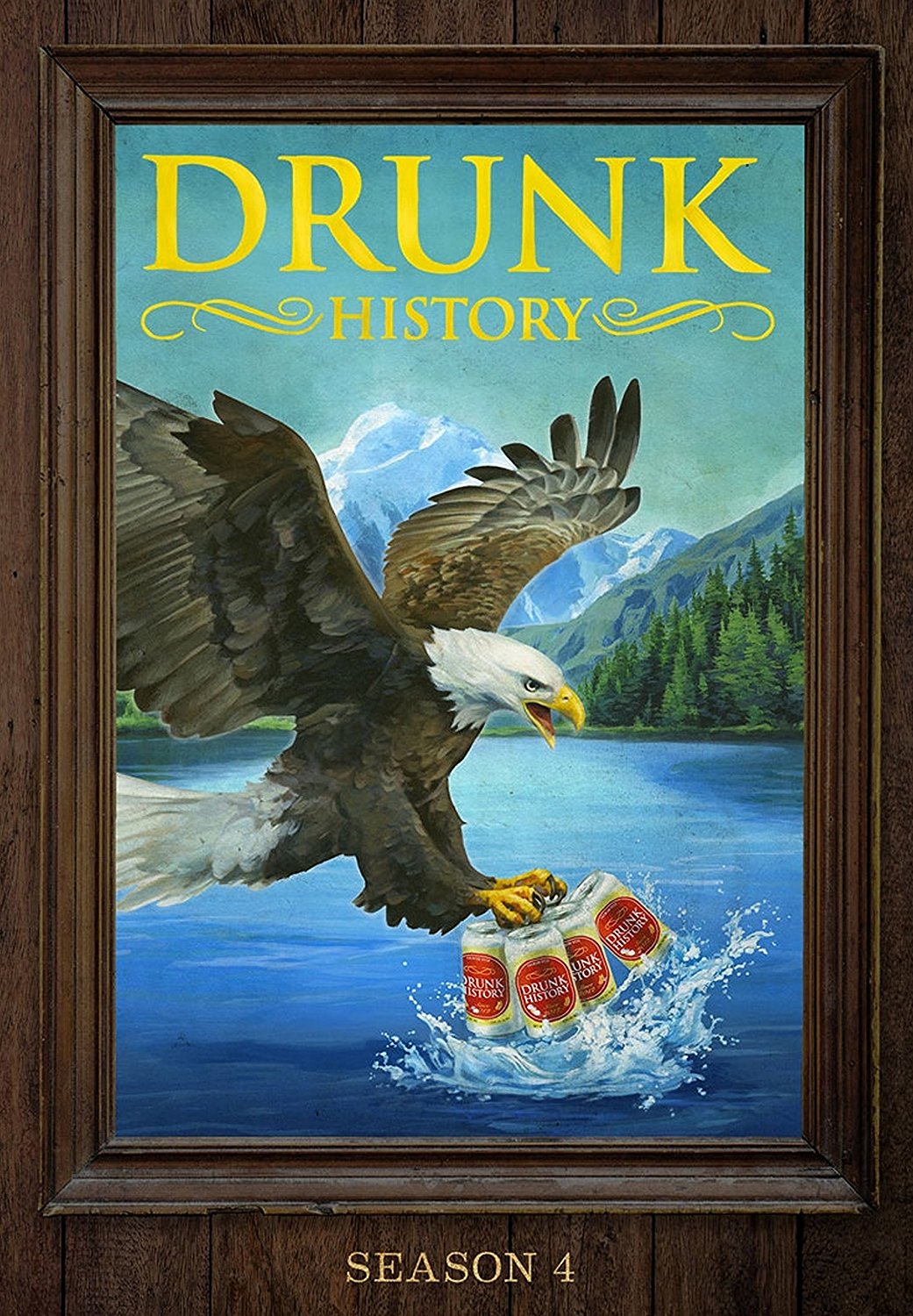
Drunk History is a good example of a good idea that lost steam very quickly. I remember when initial idea was aired as a web series produced by Funny or Die in 2007, and it was a rather brilliant idea. The show was not picked up by a major network for six years; then in the summer of 2013, it made its premiere on Comedy Central. Granted, I remember being excited about this premiere. However, about midway through that first season, I realized how too much of a great idea can be a bad thing. The format just became tiresome and dull after a few episodes. Now, four years later, the show has returned for four entire seasons, but it definitely feels it has run its course.
If you are not familiar with the series, Drunk History was created by Derek Waters, and the format is as follows: Someone from the world of comedy is interviewed by Waters about some historical event as they are getting incredibly drunk. Meanwhile, the show cuts from the talking-head style interview to a dramatization of the event in question, being performed by other comedic actors. However, rather than actually using original dialog, the actors perform pantomime while lip-syncing to the voiceover provided by the drunken musings in the interview. It is this lip-syncing that really makes the show impressive, but the drunken musings provide the primary entertaining content.
Posted in: No Huddle Reviews by Dan Holland on March 30th, 2017
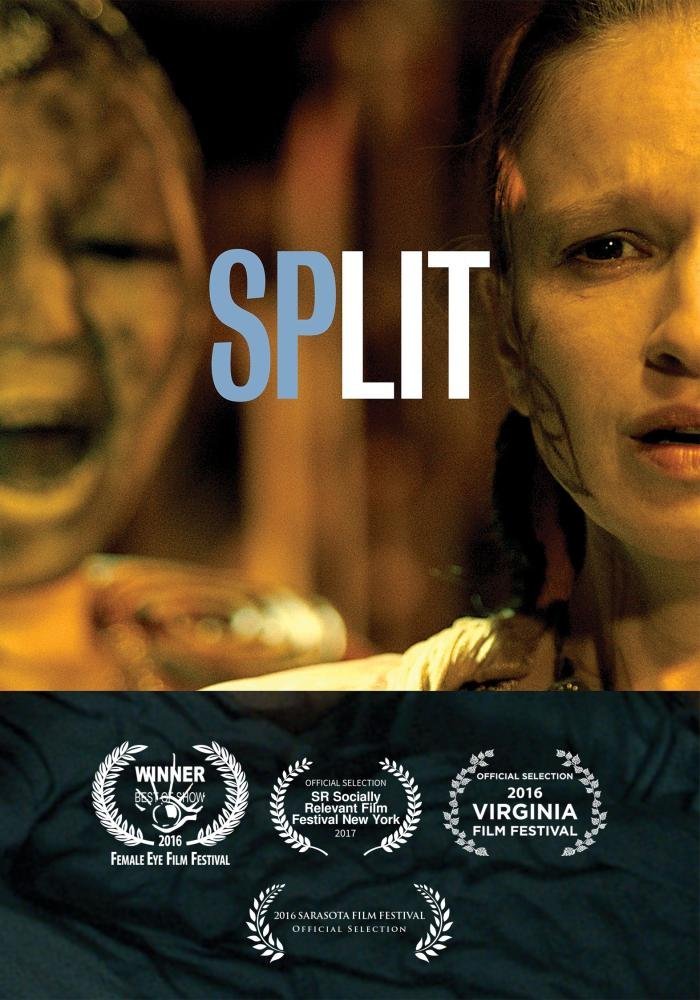
Let me preface this review by clarifying that this is not M. Night Shyamalan’s 2016 thriller about a dangerous man with different personalities. Instead, this review addresses Deborah Kampmeier’s Split (2016). It is an unfortunate circumstance for films to share the same name when released in the same year, especially if one of the directors has a considerable amount of fame under his belt. Thankfully, Kampmeier’s film came through the Upcoming Discs hub; otherwise, I might never have heard about it through my traditional consumption. Split is most certainly worth the watch, but the imagery is uncomfortably intense for the majority of the film. To the average film consumer, I offer a fair warning to stay away. However, Split delivers image after image of disturbing symbolism, nearing the caliber of Alejandro Jodorowski.
Split tells the story of an exotic dancer/actress Inanna (Amy Ferguson) in New York who is finding it hard to overcome her stage fright. As the film progresses, she falls in love with Derek, her production’s mask maker (Morgan Spector), a troubled man unable to let go of his traumatic past. As their relationship grows, they marry, but that only begins to create a restlessness within their relationship. She discovers that Derek is now cold and distant: instead of the mysterious, charming man she met on set, he is a tortured, brooding soul indoors. Derek’s behavior becomes more erratic when Inanna’s production includes a scene in which she must sleep with a man. As Derek’s behavior worsens, Inanna begins to have surreal hallucinations involving the production she’s involved in.