Posts by Dan Holland

France is a country that is absolutely saturated by a rich cinematic history. Beginning in the late 1890’s with the Lumière Brothers and their Cinématographe, traveling to the middle of the century with Cahiers du Cinéma, the French New Wave, and Cinéma Vérité; all the way to more contemporary French cinema. The country still makes incredible waves that influence the film industry. Interestingly, the term “film noir” came directly from French film critics, commenting on the low-key lighting used in many of the gangster films of that time period, calling them “black films” or “dark films.” It wasn’t until the 1970’s that Auteurs began to intentionally make film noir, however, the characteristics of classic film noir were not lost on French filmmakers who consumed these “dark films” as means of inspiration.

Le roughe est mis/Speaking of Murder

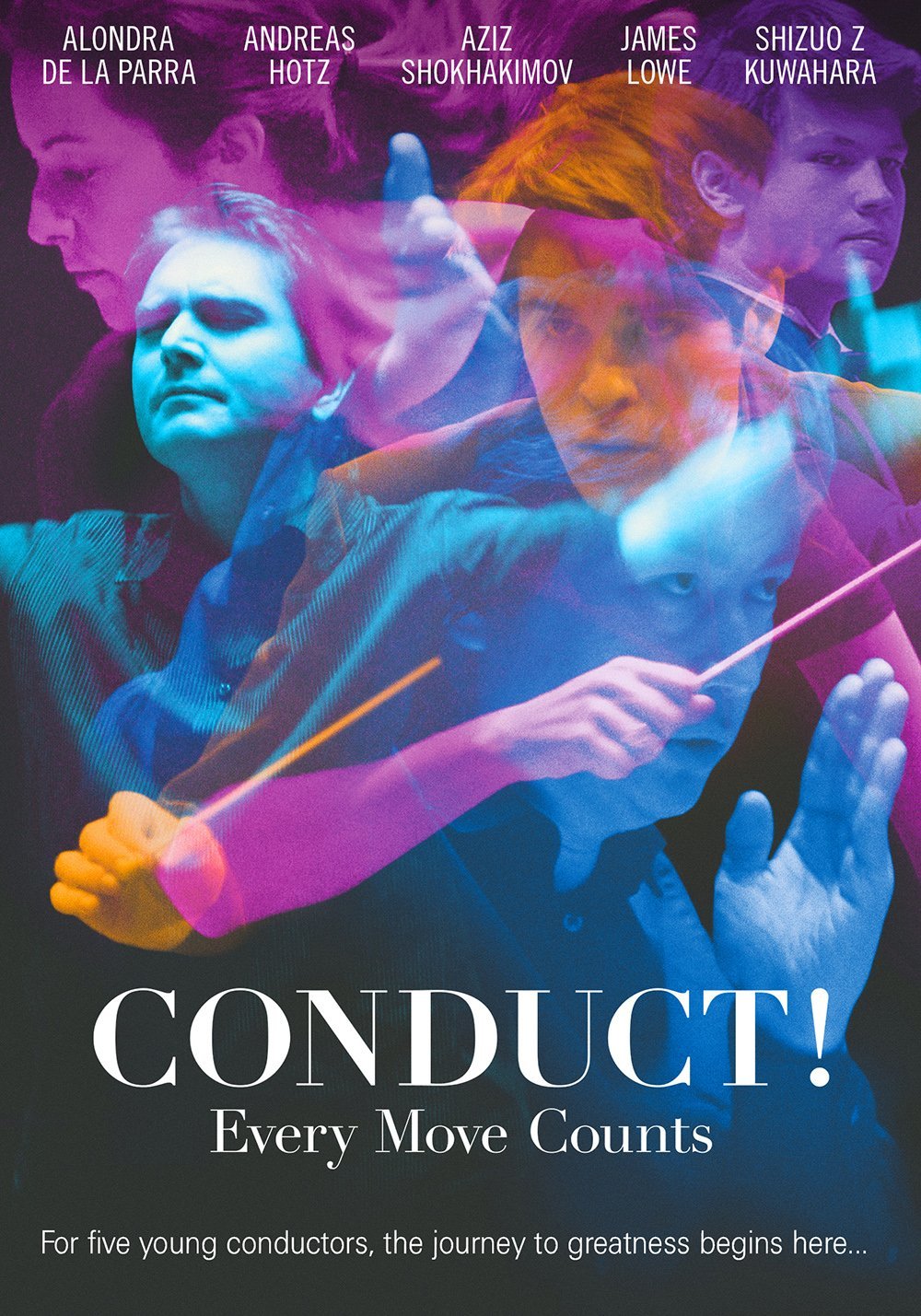
This grouping from Film Movement has been my favorite to date. The theme that ties these films together is what I would label as “art as process.” Each film revolves around the philosophies of making, practicing, refining, and reflecting upon one’s own art. Featuring one narrative and two documentaries, this grouping really foregrounds the importance of the messiness when it comes to process. In order to be a true artist, a true expert in your craft, you can’t be afraid to get messy: to fail before persevering. My Art, The Paris Opera, and Conduct! Every Move Counts each share an appreciation for failure and the seeds of success it plants within aspiring artists, both young and old.

First in the lineup, My Art, is a love letter to the cinema and the overall process of art. Written, directed, and starring Laurie Simmons, the film feels somewhat autobiographical. Perhaps the character, Ellie (played by Simmons), may not be an exact replica of Simmons, but their likeness in age and the film’s message of struggling to maintain relevance in an art scene offer what I would like to consider a personal touch. The way in which Ellie refines her work is by recreating classic films that star herself and two other actors nearing her age, with an old video camera. While I didn’t really fall in love with the film given its pacing, I couldn’t stop thinking about the implications that Simmons puts forward with this simple narrative: the naïve exploration of “new art” through an unconscious use of aging media. For example, Ellie is an elderly woman recreating films that inspired her to become an artist when she was young, but now she returns to that nostalgic feeling with older “new” technology in order to record it (digital video has largely replaced film in many cases, but the digital video camera she is using is old and struggling to find its place, just like her character). So much of the film plays upon this tension that it propels the audience through the pockets of narrative that seem to lag.

As with Vol. 4 of Film Movement’s Festival Picks, this grouping of films is tied together by a very specific theme: estranged father figures. On the whole, this set of films has a much better pacing than its preceding volume, but it is not without pockets of slow-moving story. However, I feel that there is something naturally compelling about an estranged family member within a narrative, as it provides a conflict that seems to write itself. The most interesting aspect of this collection is the different ways in which each relationship is reconciled. In Jermal, the relationship between father and son is repaired through hardships. In The Girl in Yellow Boots, the relationship is rekindled negatively. And in Entre Nos, the relationship is abandoned.

The Girl in Yellow Boots is strange, as it has the most intense narrative, but also it the slowest pace of the three films. It is a character study about a young woman who moves to India to find her father. While the titular yellow boots don’t really factor into the plot of the film too much (she wears them at the beginning, but they largely become inconsequential), her profession as a massage therapist and the relationships she develops with her clients are the crucial elements of the film. While the film does sport a slow pace, it has the heaviest, or “messed up,” climax of the three films, in terms of reconciling with her father.

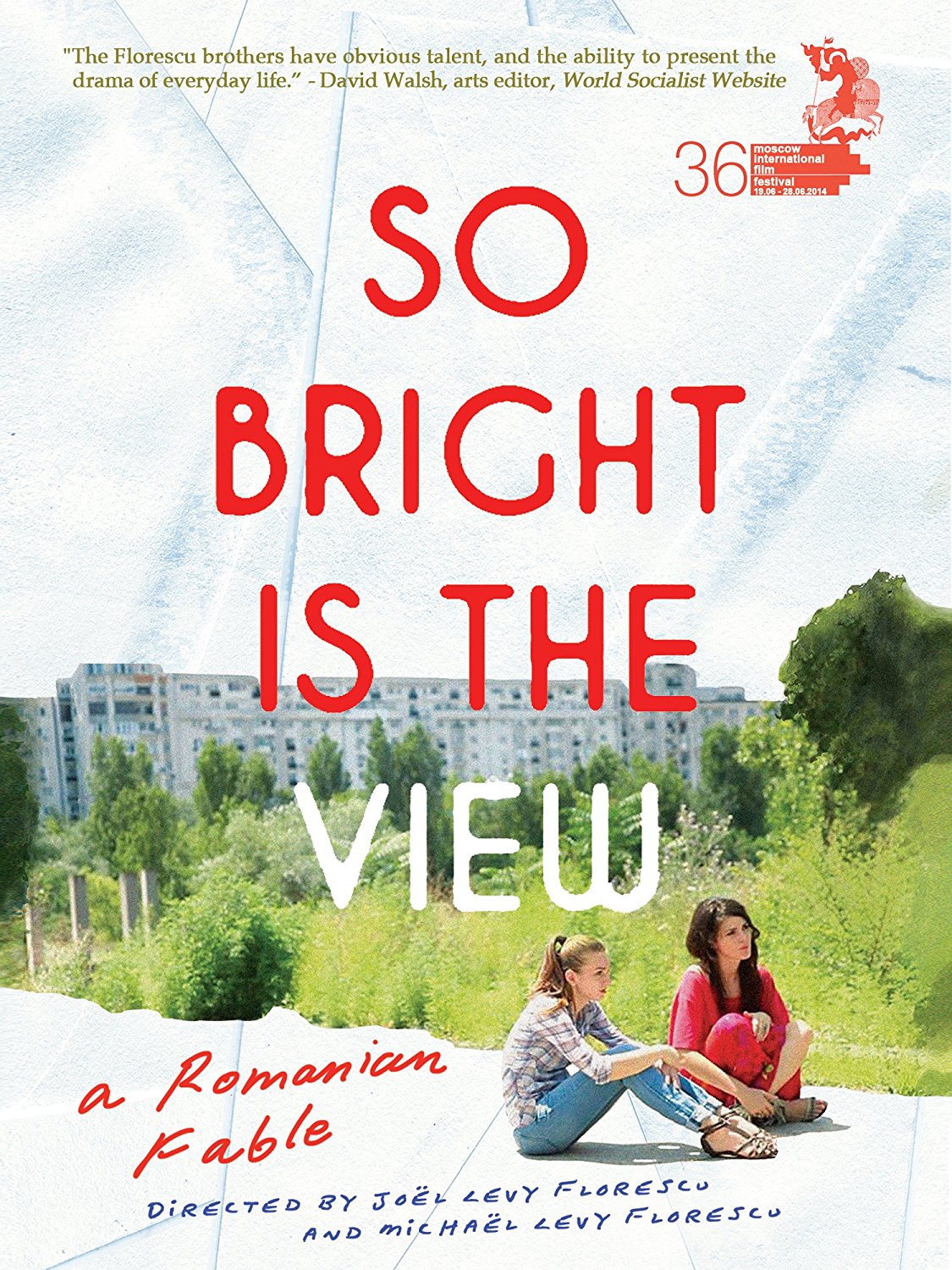
Volume four of Film Movement’s Festival Favorites series features three films with female leads. While these certainly aren’t the worst films I have seen, the pacing of each of these films make them hard to watch; So Bright is the View especially. Each film has a significant social critique that might be worth the watch if you have the patience to find it, but it definitely takes a special kind of filmgoer to really appreciate these types of films. In addition to each film featuring a female lead, they each hail from a different country, which seems to be important for each film’s message. A Blast from Greece, Soldate Jeanette from France, and So Bright is the View from Romania.

A Blast delivers a very foregrounded message about the most recent financial crisis in Greece. However, if you don’t really know too much about it, the film gets very confusing very quickly. The timelines in the narrative jump around without warning, from present to past, but there are so many different “pasts” that it is hard to pinpoint exactly where in the main character’s life we are. My assumption would be that these separate “pasts” are like memories in chronological order, but they are each introduced (or concluded? never quite clear) with a steamy, borderline pornographic sex scene between her and her husband. So if you are not ready to see two young lovers copulate as a sort of transitional piece, you are already going to feel uncomfortable. However, even if you are able to sit through the intense sexual endeavors, they distract you from their very purpose: an insight to Maria’s dreams for her and her husband. So while I can obviously tell that there are a lot of great allegories to be read about the financial crisis, it is very hard to keep up with the timelines through all of the sex.

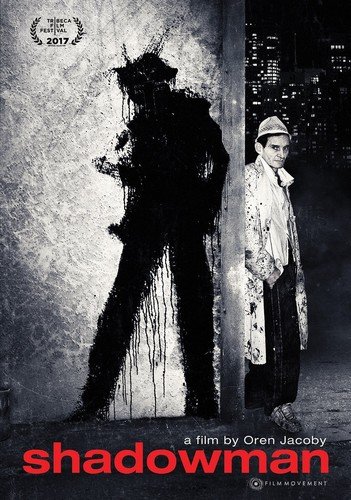
Often times, biographical documentaries are release posthumously, essentially immortalizing the spirit of the subject. In the case of Shadowman, street artist Richard Hambleton remained alive to be featured in the documentary and see his work be shared at a number of festivals before his death in October of 2017. Now, thanks to Storyville Films, you can take a look at the life and work of Richard Hambleton, as he emerges from the shadows – so to speak. Quite figuratively working in the shadows of other giants such as Andy Warhol, Keith Haring, and Jean-Michel Basquiat, Richard Hambleton is quite the understated artist. This documentary explores his life and his art, and more importantly, how the two communicate with one another.


Perhaps the most fascinating aspect of this documentary is the way in which we actually get to see footage of Hambleton working on his pieces, and just the pieces themselves. Every bit of his art is awe inspiring, so much so that it looks unbelievable. That is, until you see him do it right in front of you. One of the most breath-taking sequences shown in this documentary features Hambleton being filmed by someone at night, creating one of his famous “shadowmen” on the side of a wall in New York. The swiftness and accuracy of getting this piece to completion is astounding. Unfortunately, this was the only known clip of him creating one of these figures, so the documentary uses it more than once. While it is fun to watch, the way in which they use it the second time seems more like a lazy bit of “filler footage” rather than something that carried weight in the rhetoric of the film.

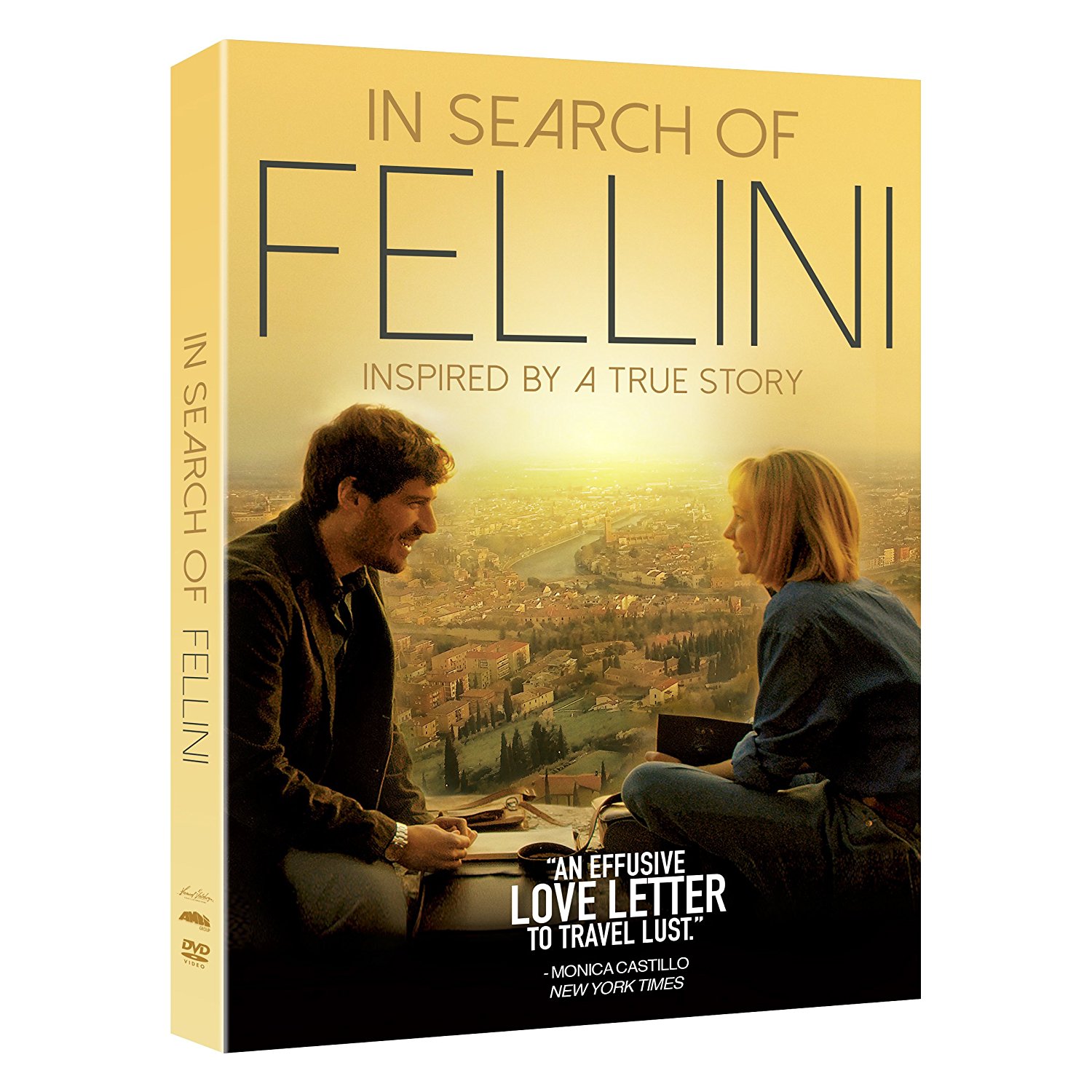
Cinema is a beautiful thing, and it is really special when a film can remind you of its beauty. So often are we blinded by genre conventions: we want to see the gore of horror, feel the laughter of comedy, or the tears of drama. Yes, the films we watch are all indeed beautiful in their own right, but not every film captures the pure essence of cinema. In Search of Fellini delivers that essence on all fronts, whether it be through cinematography, on-location shooting in Italy, stylistic editing, or the fantastic acting. Naming your film after a man who’s widely considered to be a master of his craft sets the bar of expectations very high by default, and this film cleared the hurdle with no problems.

In Search of Fellini is a coming-of-age story about a sheltered girl named Lucy (Ksenia Solo), as she travels to Italy in search of her newfound favorite director, Frederico Fellini. Lucy’s mother, Claire (Maria Bello), has constructed a fantasy world for her daughter, shielding her from realities such as death, working, and sex. Once Claire receives grim news, she hides it from her daughter, but Lucy is blessed with the intuition to understand something is wrong. She begins to try to find work, but what she finds instead is a film festival that is dedicated to Frederico Fellini, and she falls in love with his work. It is from here that she sets off to Italy. This story is loosely based on a similar adventure had by co-writer Nancy Cartwright (the voice of Bart Simpson), when she traveled to Italy in her early 20’s.

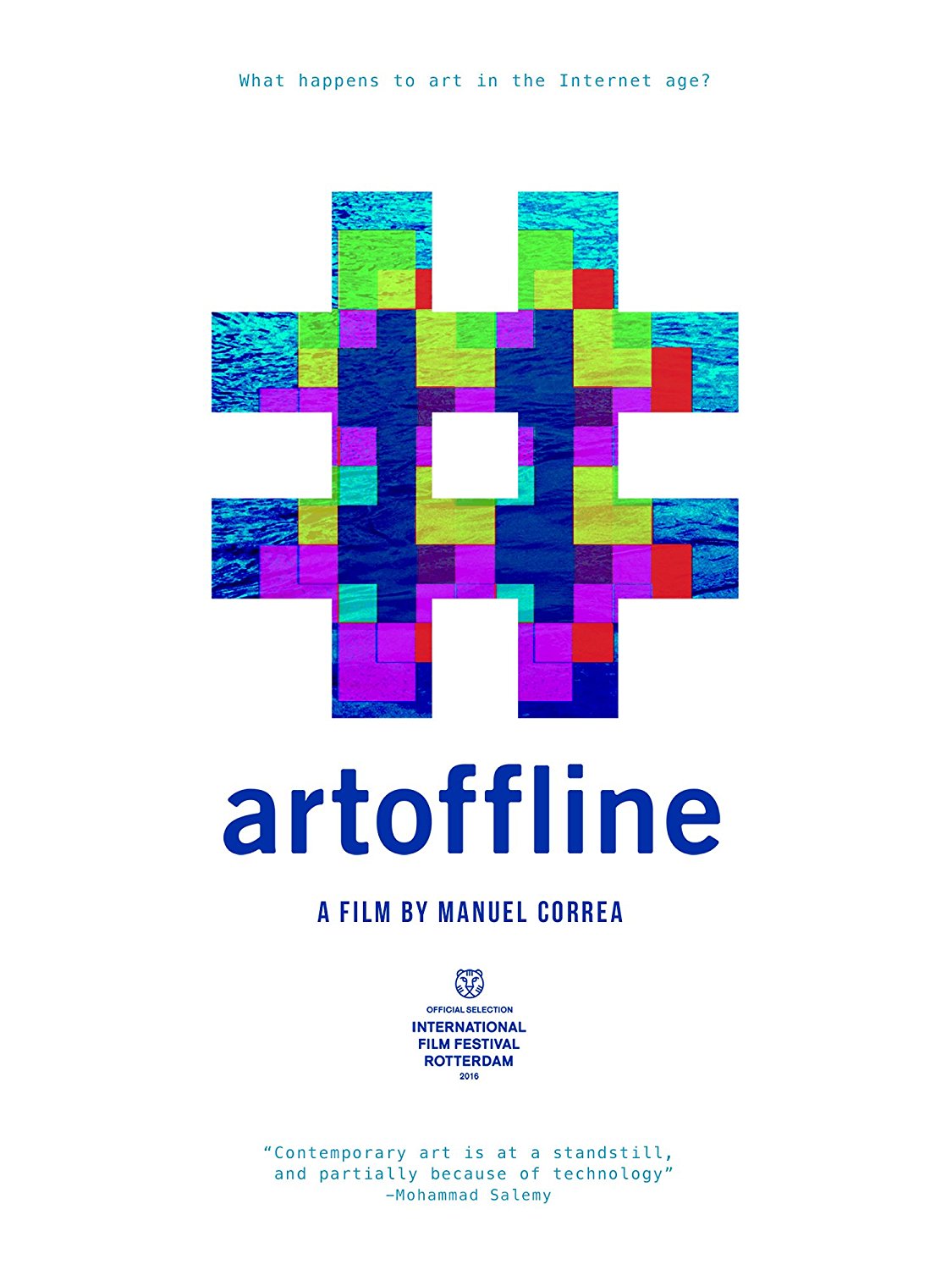
What exactly is the purpose of an art museum? Oftentimes, people travel from all over the world to visit Da Vinci’s “Mona Lisa” at The Louvre or Seurat’s “A Sunday Afternoon on the Island of La Grande Jatte,” spending upwards of $50 on admission only to stand in line for a chance to see. That is just one of many issues covered in #artoffline, a documentary created for the sole purpose of exploring the philosophical questions that arise when thinking of art (physical media) in the digital age.

Drawing upon the expertise of contemporary curators, artists, and philosophers, #artoffline uncovers the anxious questions about art that no one is asking. More importantly, however, is that these questions are being uncovered in an accessible way: the philosophies are explained succinctly at the level of an “every man,” which is very inviting to spectators. What’s more, these ideologies are actually delivered in a way that generates intrigue. You are just sort of thrown into this world of experts, who are very inviting. Artists want you to know about the challenges they are currently facing in the digital age, and this documentary delivers on all fronts.

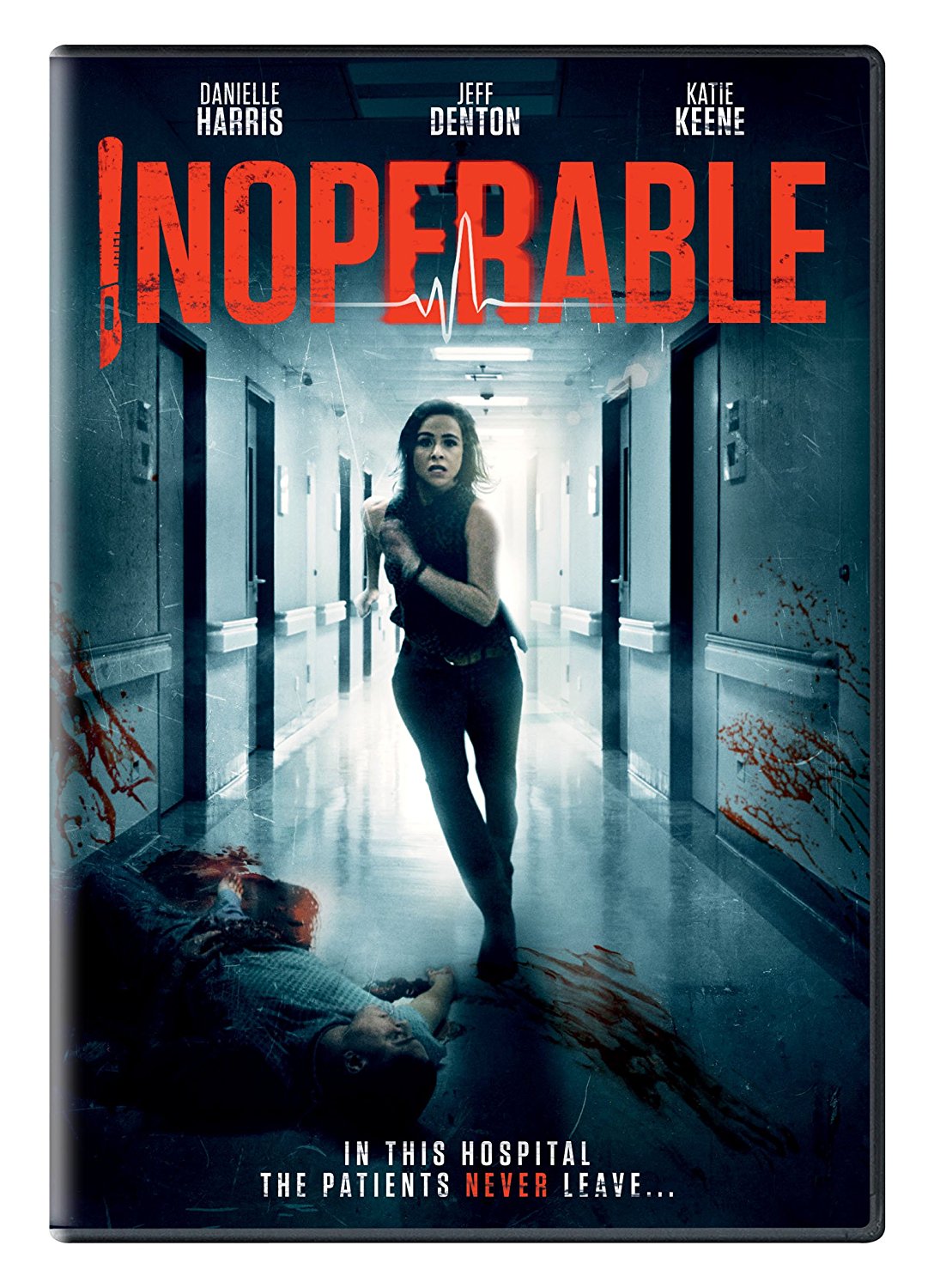
I always have a significant degree of excitement when watching a film that takes place in Florida, especially when it is filmed in a place I either live or have lived. The Punisher (2004) was filmed in downtown Tampa, and Miami Connection (1987) in downtown Orlando and the University of Central Florida’s campus. To further explain this excitement, I even waited till 3 AM on a busy street in Seminole Heights, Tampa, hoping to get a chance to see a part of The Infiltrator (2016) when they began filming here. Inoperable does indeed take place in the Tampa area of Florida, but you really only come to understand that through the dialog. For all the audience knows, we could just be being told that we are in Florida, and we would be none-the-wiser. While that doesn’t take away my enjoyment from the film, it certainly would have helped if it actually looked like Tampa.

The film takes place in a hospital while a large hurricane is happening outside (so realistically, the one thing that lets us know it is Florida is the impending threat of inclement weather). While in the hospital, Amy (Danielle Harris) is plagued by a series of nurses and doctors assaulting her, the sight of grotesque surgical experiments, and of course a time loop so that her experiences are repeated, adding to the nightmare. So, imagine Groundhog Day, but with less Bill Murray and more gory scenes. While trapped in this time loop, she meets Ryan and Jen, who learn they are trapped in the loop as well. Together, the group discover clues that might help them escape.

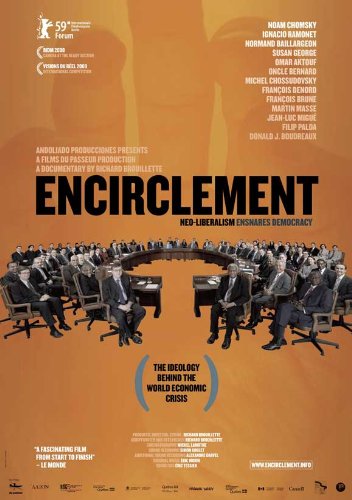
Neo-Liberalism is a concept that was introduced to me in 2014 while I was in graduate school. In an effort not to bore the reader and save my own amateur understanding from ridicule, I will not discuss the philosophical musings at length. However, I will briefly offer what I take to be the “important things to know” for reading this review. Essentially, Neo-Liberalism began as an economic ideology favoring policies that allow private businesses to function while uninhibited by the government. Then, from about the 1970’s onward, Western scholars brought popularity back to the term, allowing it to take on the characteristics of a catch-all term that ranges from economic structure, to economic philosophy, to academic discourse.

Much more can be said about the concept, but I will leave the learning up to you. David Harvey’s A Brief History of Neoliberalism is an excellent starting point, and that is where I dove in about four years ago. However, this text is a film review, leaving me the responsibility to deliver a fair, evaluative assessment of the documentaries Encirclement and Oncle Bernard. So the question becomes: how can you make a documentary about such a complex philosophy whose very meaning has evolved over time? The short answer is, through extensive interviews with notable interdisciplinary academics about the expansive topic. Plus, the topic is still unable to be covered to completion within the two hours and forty minutes it was cut into.

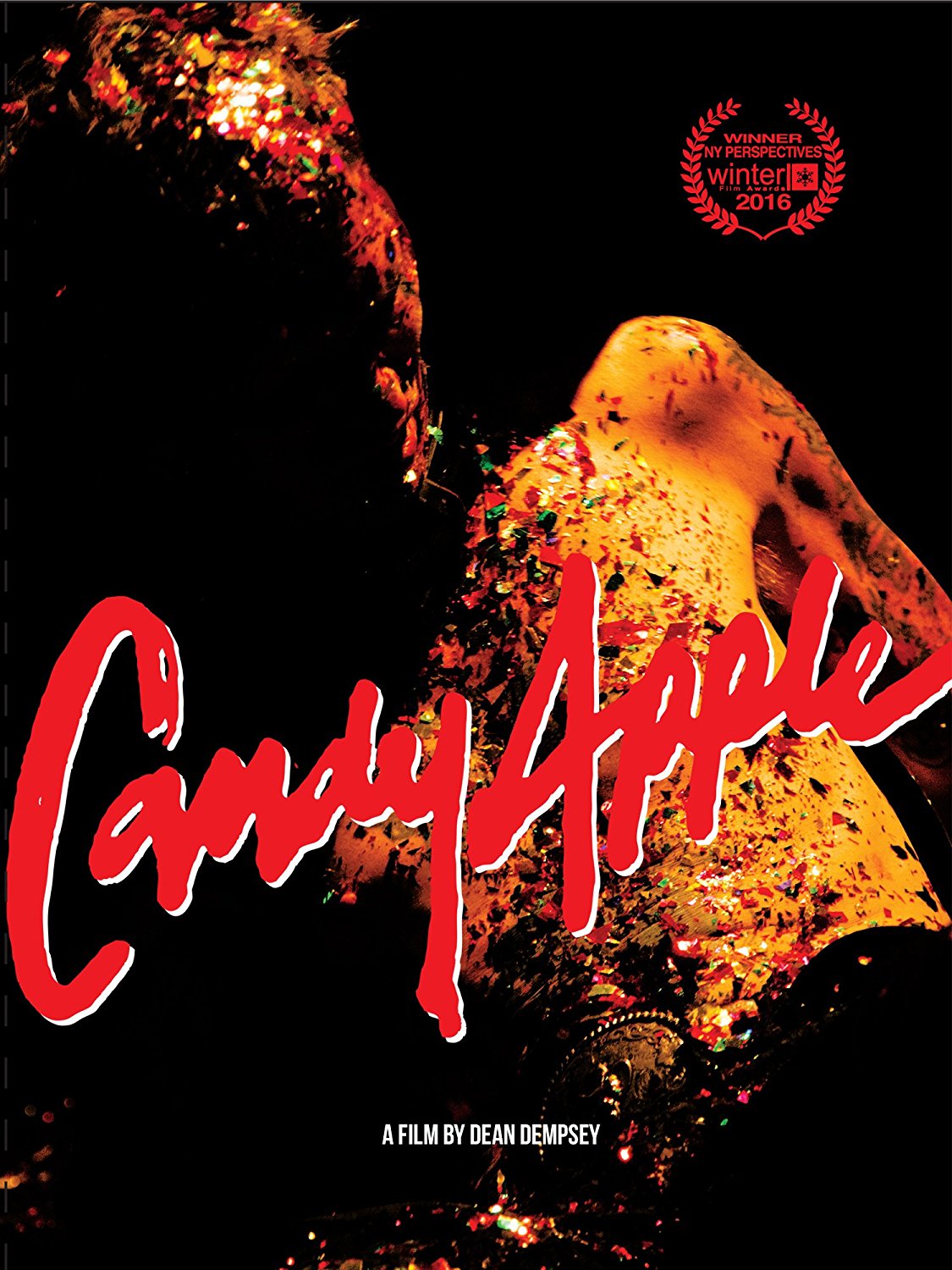
Low-budget films are typically very hit-or-miss for me. Sometimes the story is engaging from the beginning; other times the cinematography is so creative that I just can’t stop watching the movement of the camera. However, sometimes the film is extremely slow-paced and uninteresting. When it comes to Candy Apple, it is very difficult to place it on either of those two ends of the spectrum. From the outset, you can tell this film is extremely personal to the filmmaker, and while that might not draw in crowds, it opened up an infinite number of doors leading to creative freedom. That being said, I can’t say that I liked this film, but I can say that I couldn’t stop watching it.

Candy Apple follows a washed-up, amputee singer-songwriter, Texas Trash, as he makes his way around his new home: New York City. However, being a strange musician means that we are largely exposed to New York City’s underbelly. Throughout the film we learn that he has moved in with his son Bobby (played by director Dean Dempsey), and they both find unsavory ways of making ends meet. The “personal” aspect I mentioned earlier involves the fact that Texas Trash is Dempsey’s biological father, and many of the events that unfold on screen are inspired by true stories.