Posts by William O'Donnell

In 1887, readers of the popular periodical Beeton's Christmas Annual were to receive quite a special treat. There wasn't much fanfare or hype to the event. Inside the pages of the magazine was a story called A Study In Scarlet. It was a detective story, perhaps like many published before, except for the detective himself, a certain Mr. Sherlock Holmes. Together with his faithful companion and chronicler Dr. Watson, Holmes would win the hearts of those holiday readers. It might have been an ordinary day, but the world was about to change. Sherlock Holmes would become the most famous detective in the world. His stories would remain in print nearly 130 years later. Over 100 films would be made featuring the character. There would be television shows and cartoon spoofs. No other character has appeared in more productions. When his creator dared to kill the beloved detective in order to move on to newer stories, his very life was threatened. It would seem that Doyle was on the verge of becoming a victim much like those in his stories. There was only one man who could save him from such a grim fate, and he did just that. It was Sherlock Holmes himself.

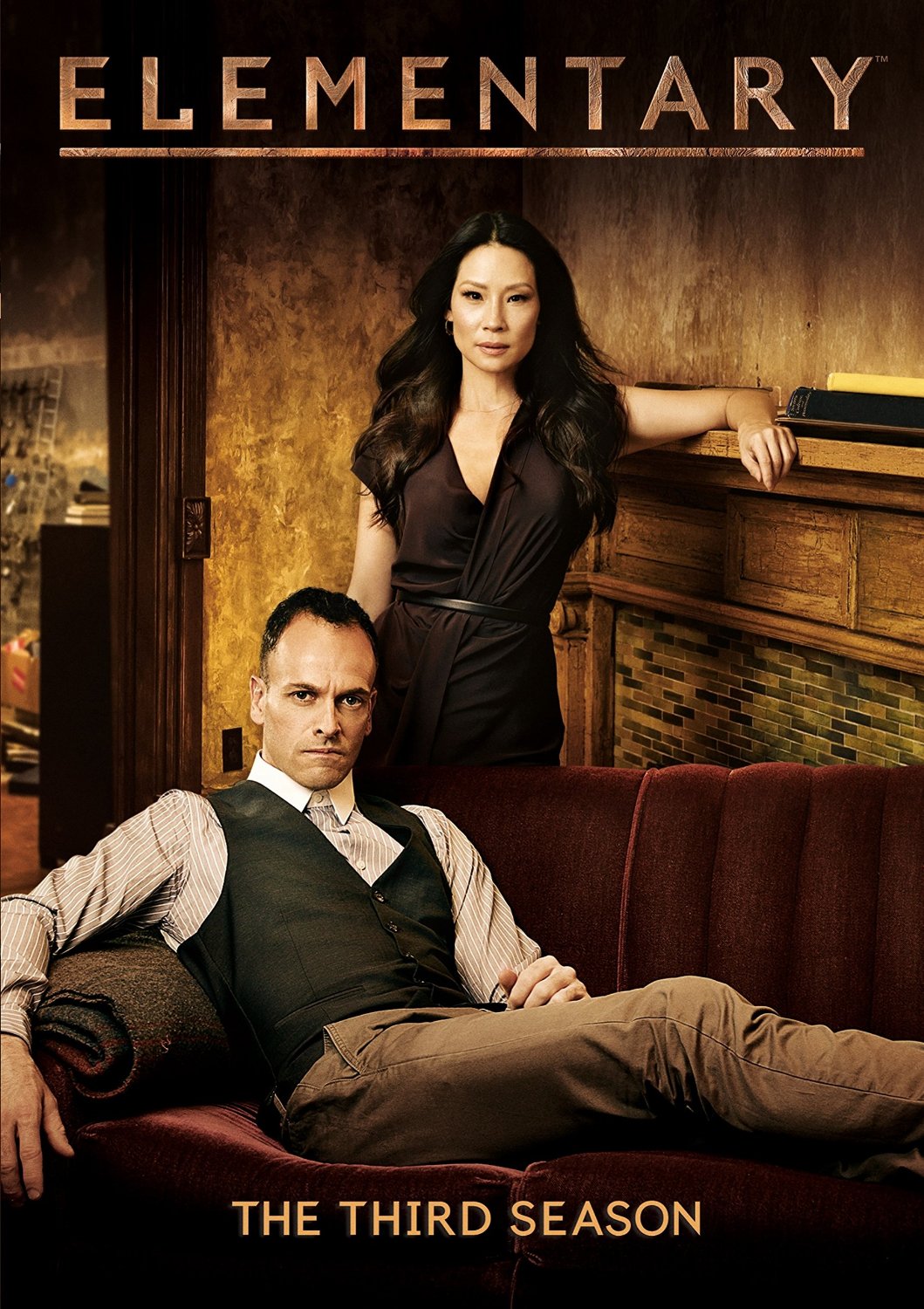
Modernizing Sherlock Holmes has been a popular trend in film and television lately. We have seen two slick action film adaptations courtesy of Guy Ritchie, a contemporary BBC adaptation (Sherlock), and now there is Elementary, which transplants Sherlock Holmes and his loyal companion Watson from Victorian Era England to modern New York.

Here comes Volume four of this clip commentary comedy show (CCC could catch on as a sub-genre title couldn't it?). This time we get two seasons worth of episodes; the “Collas” and “Exposed Arms” entitled seasons, as it were. Very little is different as far as format or new segments are concerned since the last time I wrote about this show.

YouTube had all but killed off the idea of mailing silly home videos to the likes of America’s Funniest Home Videos. These days, people prefer to stream dozens of videos on their computers and save themselves from the watered down jokes of Bob Saget or current host Tom Bergeron. Tosh.O  takes a similar format of displaying such silly videos, but focuses on things that have gone “viral” online. Like AFHV, Tosh.O adds their own commentary and sketches to the presentation but in a much more crass, cable-savvy manner.

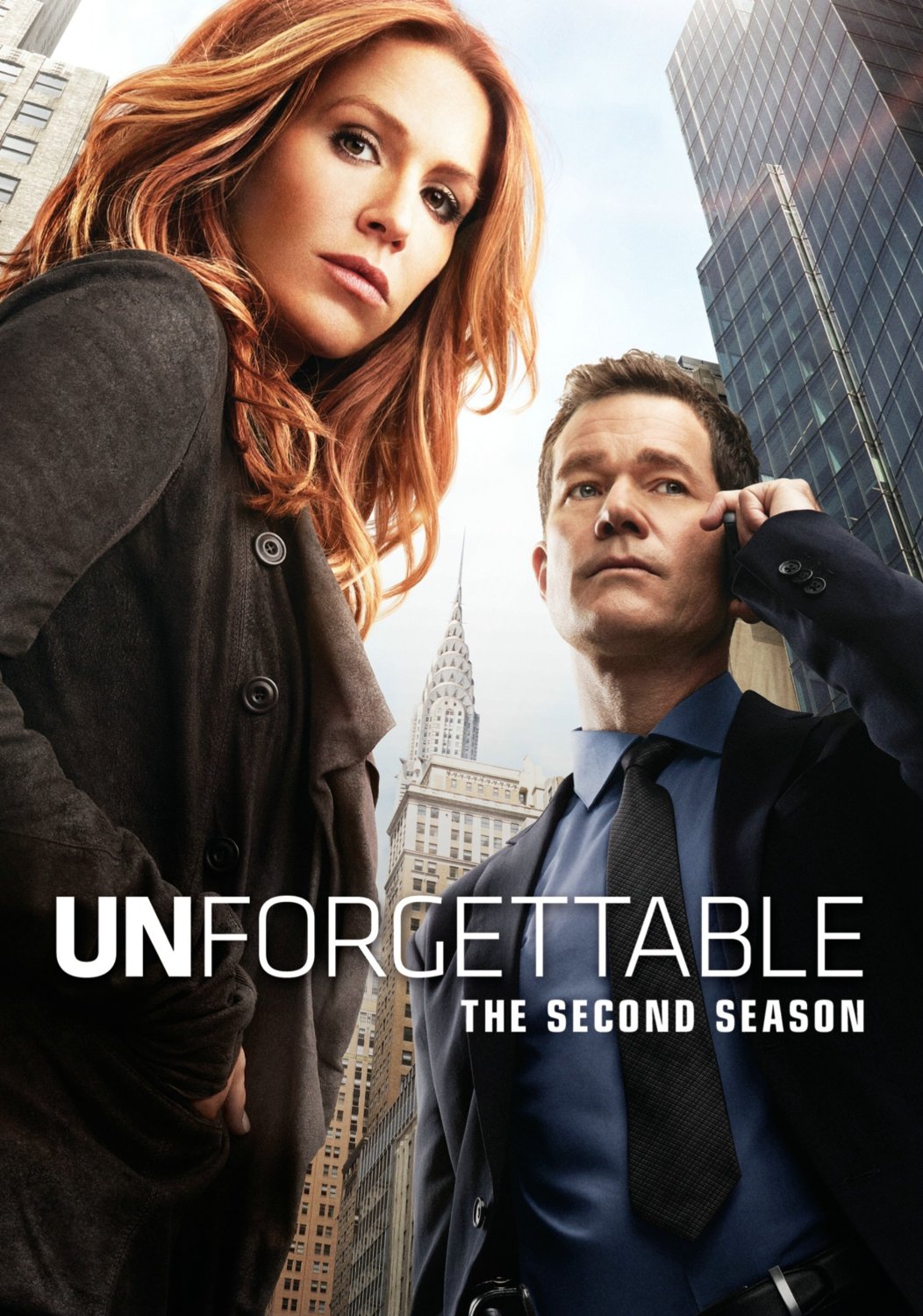
Detective Carrie Wells (played by Poppy Montgomery) and her former boyfriend/current crime fighting partner Al Burns (played by Dylan Walsh) have been noticed because of their uncanny crime solving percentage in the upper 90% (a fairly common thing in TV crime shows, but nearly unheard of in the real world) and get promoted to the NYPD's Major Crimes unit. With this move, and the fact that this program bounced in and out of cancellation quagmire between the first and second season, all of the supporting cast (except for Jane Curtain as Medical Examiner Joanne Webster) and we are offered a new team of token (read: stereotypical) character types filling the void; including a sassy black female cop, an asian tech guy, and uptight yet quirky boss.


I
was coming into this series with no prerequisite viewings of the first season, nor any knowledge of the characters. This was a major annoyance for the first episode as would discover that they had removed the opening narration that explained that Wells has a very rare (and very high functioning apparently) condition called hyperthymesia which grants her the ability to recall everything she sees and hears since she was a teenager. This is both an incredibly convenient ability for someone gathering evidence at crime scene as well as an incredibly convenient gimmick for this show as it takes all of the tough solving out of the police procedures and turns it into Well having frequent pregnant pauses to lay out all of the minuet details she recalled. Said condition would be eventually explained as episodes progressed but it made me wonder what the show title was for a decent amount of time.
The opening episode I found very deterring and I'm glad I was obligated to power through the entire season. All of the characters where very smug in this season opener and it made the show very unattractive to me. Those that watch shows like NCIS or CSI may be more accepting of such cocky attitudes but I personally find those shows hacky and am never charmed by those that are flippant in the face of victim's deaths and would sooner puff up their egos or flirt than be aware of the fact that they are dealing with violent criminals.
As I mentioned before, the episodes do get progressively better and I credit much of this to the humbling of the lead characters when the story-lines get more personal. This is especially true by the episode entitled “Memory Kings” where Wells must deal with the murder of an academic who first therapeutically helped her deal with her condition, that may have driven her insane had he not done so. The plots of each episode are not exactly subtle. Our heroes deal with serial killers, nuclear bombs, hacker terrorists and globe trotting assassins. I can appreciate the almost campy level of how much is at stake in each tale. Though I should note that, although the stories do improve, there is still a lot left to be desired with some of the corny dialogue and character relationships throughout this season.
In my reviews I tend to send out kudos to any show that brings aboard certain actors and/or make reference to another program or film I enjoy. Here I'd like to said such kudos to Unforgettable for the episode “East of Islip” which featured guest appearance by Wayne Knight who works alongside his former 3rd Rock from the Sun cast mate Jane Curtain as a small town coroner/potential love interest. They have a playful energy and charm that stole the episode from the stars.

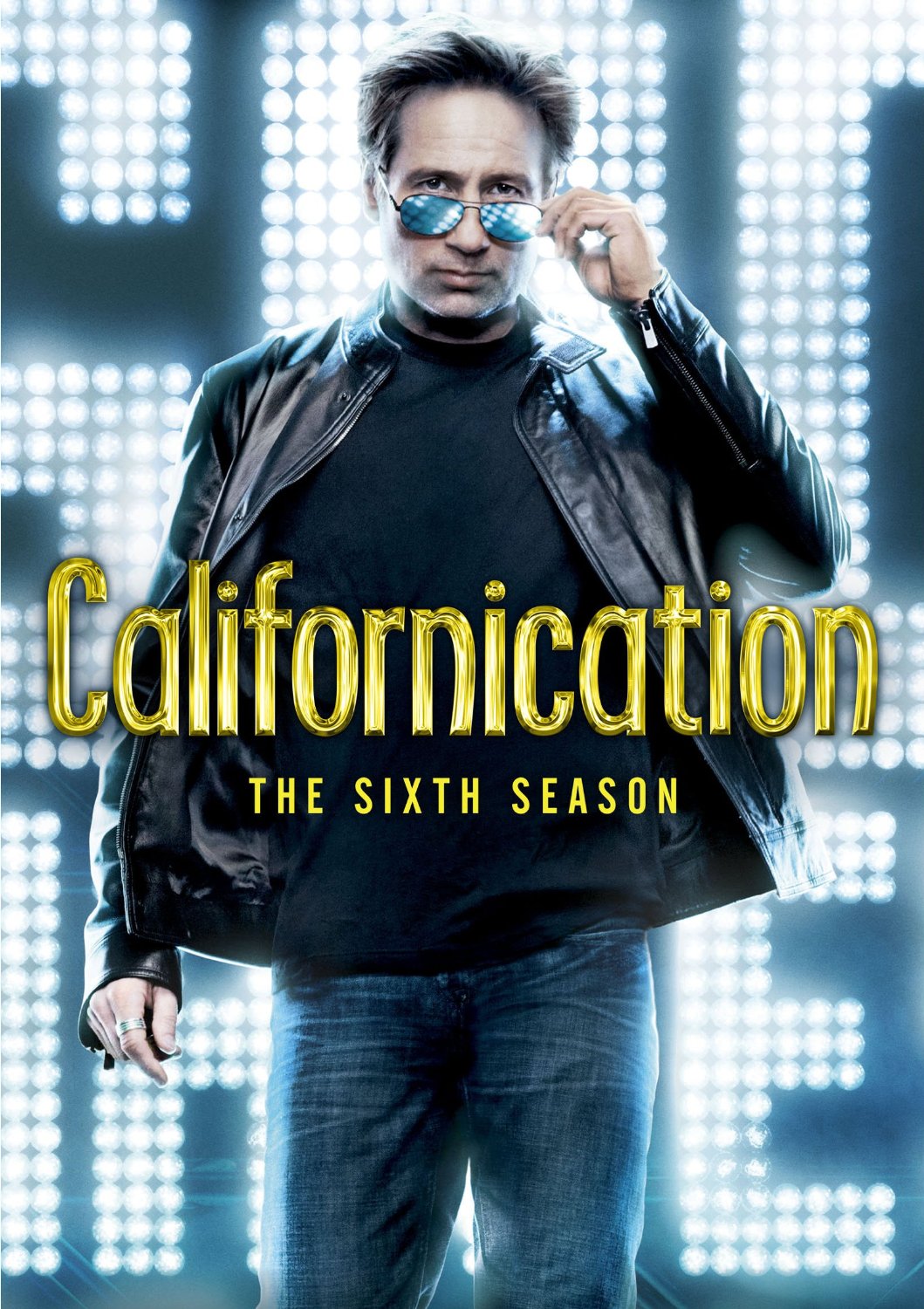
Six seasons (and several fictional years) in and Hank Moody (David Duchovny) is still drinking, snorting, womanizing and procrastinating from doing anything productive with his writing. Hank is still riding on the success of his first book and the subsequent money he received after it was adapted into a motion picture. Hank seems like the type of character who is incapable of any personal growth (aside from around his trousers...which is just the kind of joke he'd try to make) but with his daughter wanting to live abroad, which threatens his chances at reuniting with his on-and-off girlfriend, perhaps this season he'll mature.
Right off the bat I should state that I am not a big fan of shows (and movies) that depict self-destructive people who are living incredibly privileged lives while contributing nothing to the creative word they claim to be a part of. I understand that Hollywood is inherently phony, therefore I should not take any of their actions seriously...but it can still be grating. To help emphasize the puffy, fake California life contained in this series, we have the introduction of a woman named Faith as a new love interest for Hank. Faith is a groupie but she calls herself a “muse,” which is a concept borrowed (stolen) from Cameron Crowe's Almost Famous. What could be more frivolous than romanticizing the notion of existing without responsibility, in the forever childlike state of living the rock n roll life without actually making any actual music, just sleeping with the musicians (or now, a has-been writer)? This show has essentially shoehorned in the hooker with a heart of gold tale...but more pretentious.
Speaking of Rock and Roll, there have been frequent nods to rock and metal music peppered throughout this show's history. In previous seasons this could arrive by way of celebrity cameos by the likes of Zakk Wylde and Tommy Lee , or with acoustic covers of 80s metal tunes (this season continues that tradition and I highly suggest you seek out Ryan Adam's version of Iron Maiden's “Wasted Years”), but this season has the most overt references to date. Championing this effort is Tim Minchin as Atticus Fetch, a lazily developed, two-dimensional rockstar stereotype who has hired Hank Moody to compose a rock opera based on his book (what did I say about riding off of that book?). The situation is preposterous but thankfully Tim Minchin is the best possible candidate to bring extra life to the thin writing (seriously, look him up on Youtube, it is a far better use of your time than this series and is the crux of my distraction from finishing this review).

I've spent a while in this review seeming to chastise these characters for being so “fake” and yet this show never set out to be realistic. There is a sequence towards the end of the season where Hank's agent and his former wife are kidnapped, tortured and he is nearly castrated with a pair of hedge trimmers, and yet no police get involved...it is played off as a comic mishap that ends well after they repeatedly taze the unconscious body of their captor. After hearing such an example,you can imagine this show is not aiming for any grounded realism. But my gripe is not truly about “realism,” but with the general sense of uselessness I get from all of the characters (and the many rewards they receive for it). The promiscuity levels run on the same story logic as most pornographic films, in that, any and all situation s can and often will lead to consequence (and disease) free sex.
Saying your cool is a surefire way to expose that fact that you aren't. And Californication is doing just that with its leading characters and his leather coat and cigarette dangling unlit from his lip. His five-o-clock shadow is as manicured as his girlfriends cuticles.  Though the performers are very talented people, this show is soulless.

Last time I covered the multi-lingual adventures of Dora, she was reimagining Charles Dickens' Christmas Carol. This time around we see her take on Lewis Carroll's Alice's Adventures in Wonderland. Like that other special, this episode is twice the length of a normal episode. But unlike that other special, this one features a noteworthy lineup of guest voices such as Mel Brooks, Jewel, and Alan Cumming.

This tale shares similarities to the original book in settings and character names only. There is no menace facing Dora, only animals that are politely asked to move aside. Aside from stretching things out to a longer length with some additional story, and a few musical numbers, this special would seamlessly fit amongst other Dora episodes for it contains none of the psychedelic spirit found in Carroll's original story. Fans will not be turned off by it whatsoever (and by fans I mean children around the age of 2) and parents can rely on it for 55 minutes of distraction.
This particular DVD comes with a Dora paper-doll that your youngling can smear crayon all over and eventually lose a week after playing with it.

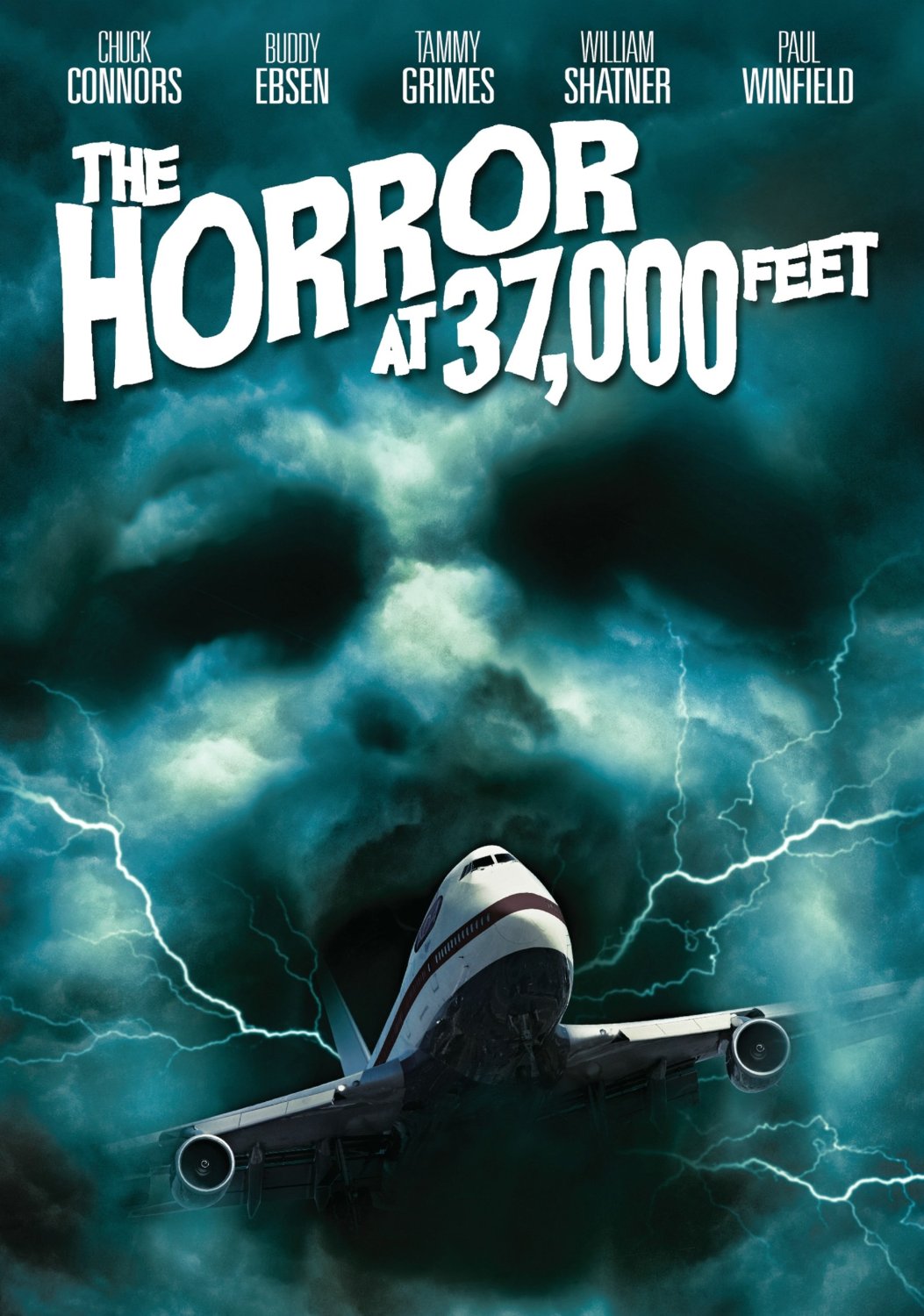
On a flight from London to Los Angeles, an artifact taken from an ancient, Druidic ritual site is being transported in secret. During this flight a malevolent deity looks to exact revenge on the passengers for the desecration of the site that was used for sacrifices (this bit of information is pretty disposable. Sacrifices just sound better when vaguely referring to a pagan religion in a modern story). Now it's up to a band of 1970s b-listers like Chuck Connors, Buddy Ebsen, Paul Winfield and (lord help us) William Shatner to fight off this killer spirit.


Once in a while a film offers a gift to its reviewers. By describing this film I shall also provide a perfect analogy for the response it gives me. All criticisms I could possibly conjure are written right into the pacing and performances within The Horror at 37,000 Feet...and I thank it for that.

Instead of featuring episodes from this season in consecutive order this DVD set takes episodes of a similar theme from each of its three seasons and bundles them together. As the title ever so subtly suggests, these episodes all feature animals. Along with sharing a theme, these episodes all follow the same formula that Bubble Guppies has had all along.

The pre-school level teaching of basic numbers, letters etc. and pop-styled songs are all here. This series hits the right level of repetitiveness for toddlers to enjoy it, and probably learn a little from it. The real value of this DVD comes in its run time, which clocks in at 138. This is more than double the length of some other Nickelodeon releases, and since these things are essentially short term babysitters the longer time the better.

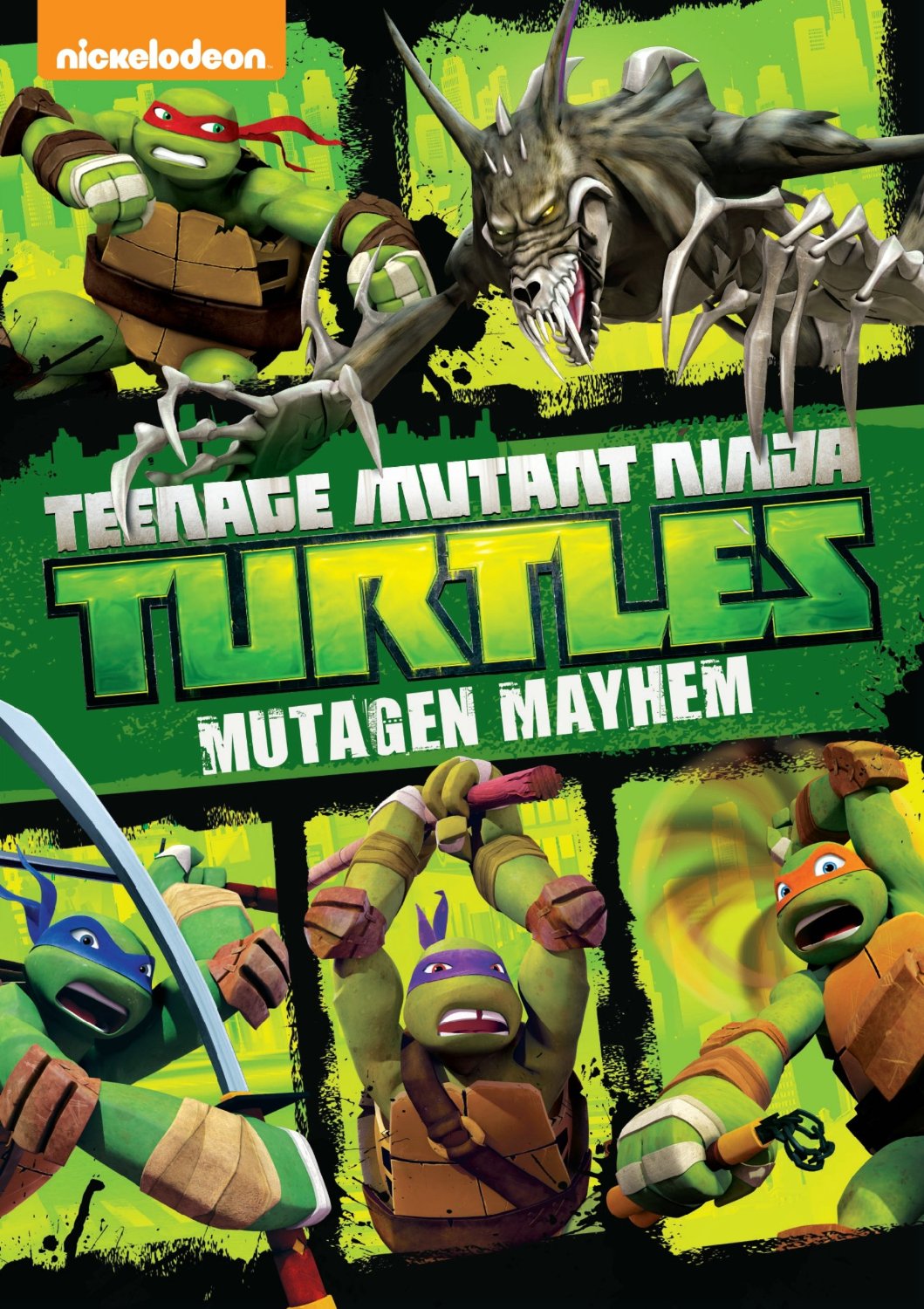
This is the third stab at making an animated series about these radical reptiles. This particular DVD set is the lfirst half of the show’s second season. We are privy to a wide array of toys…er, I mean, characters whose stories are firmly established at this point.

This is the first series presented as a 3D computer animation. The graphics are nicely rendered, but are sometimes hard to see since the movements, especially during fight scenes, are incredibly frantic. I certainly hope the fact that I find the pacing too fast isn’t a sign of old age arriving. The animators have clearly gone through a lot of trouble choreographing a fight that can sometimes have at least a couple dozen characters interacting (a very difficult thing to manage) and I’d appreciate it more if the speed didn’t make me feel like I need to feed the DVD Ritalin.

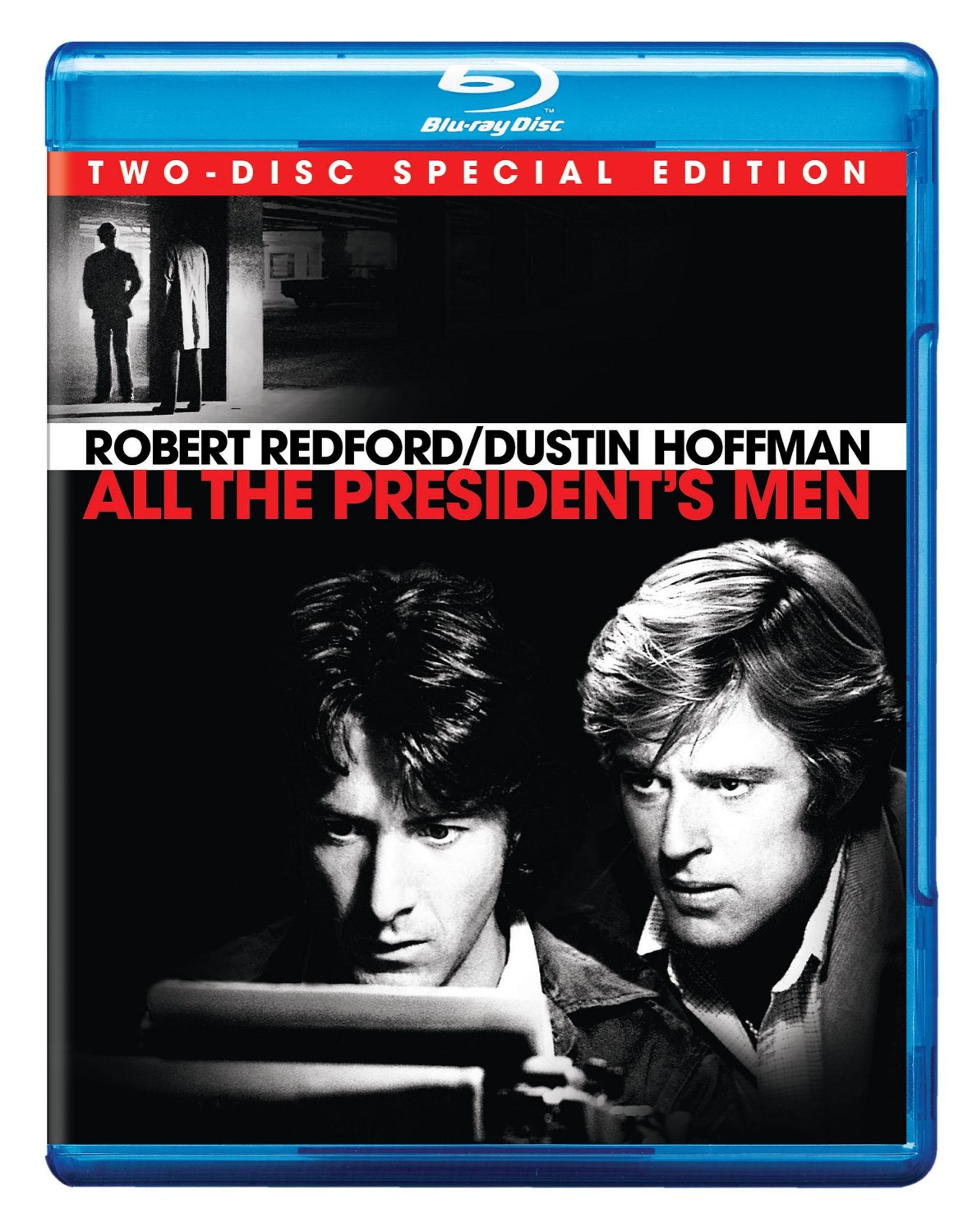
This is a film that has become a significant contribution to the very the timeline it depicts, which is that of US President Nixon being forced into resignation after the Watergate scandal. This film is an engrossing depiction of the actual reporters who used anonymous tips to help uncover a scandal so big that it rocked the entire US nation. This film was released only four years after the infamous attempt to bug the Democratic offices in Watergate, which spurred the entire course of events in this film. This was a bit of a passion piece for Robert Redford, as he began production while its main characters Bob Woodward and Carl Bernstein (who would be played by Robert Redford and Dustin Hoffman, respectively) were still reporting on related elements. Redford spent tireless hours, acting officially as the producer and star, researching the stories and the characters in order to deliver a compelling but painfully accurate adaptation.

By making these two reporters the main characters, the film became more of a detective story instead of merely a dramatization for what could easily have been a documentary. By seeing the actual methods these two men apply to uncover the details of Watergate, and “follow the money,” makes the audience all the more engaged in their findings. This, despite the fact that most everyone knows exactly how the film ends well before it begins.