Posts by William O'Donnell

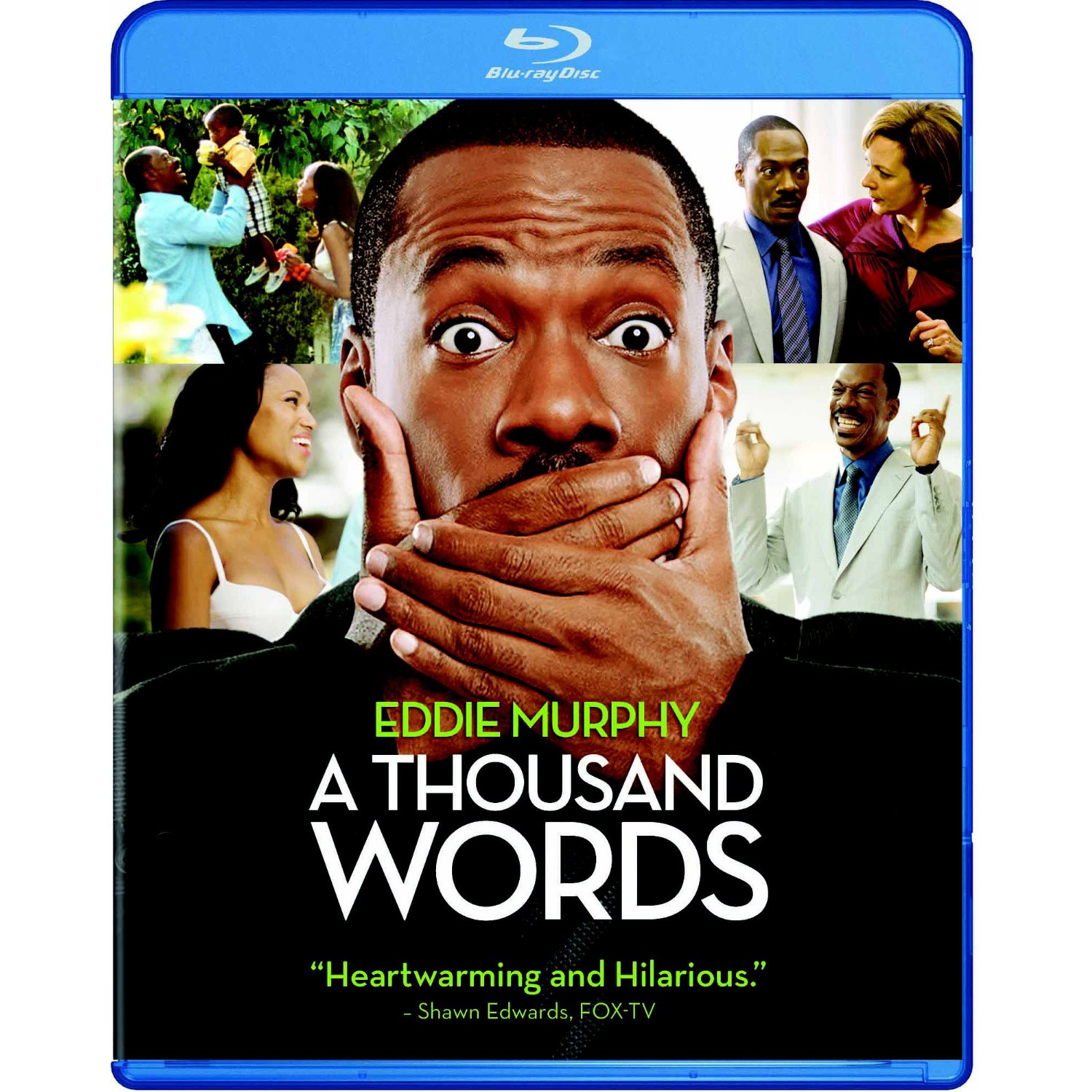
Take the supernatural comedy of Groundhog Day, merge it with the in-your-face ultra awkwardness of HBO's comedy Extras, then shave away all that stuff I said about “comedy” and you have this film. Oh yes, this film follows the formula of a Comedy, but has none of the fun implied in such a label.

Eddie Murphy plays a successful Book agent named Jack McCall, who makes his living by the way he can spin his words. There is a running gag that he represents authors and yet does not take the time to actually read books for he's too busy talking...but it's about as humorous and the sentence I wrote describing it just now. When McCall tries to reel in a religious guru to sign with his agency, he is soon cursed (or blessed, depending on whether you've guessed there's a happy ending by now or not) with a tree that holds a thousand leaves (mind you, this is not the actual amount but a random guess made at one point), which represent a thousand words McCall speaks. Each time he says a word, a leaf falls off of the tree. What happens to a tree after it loses it's leaves? To a Californian, it is dead...to me (as a Canadian) it simply means it is winter....but here I am trying to be funny when I've got a gosh darn Eddie Murphy film to talk about!

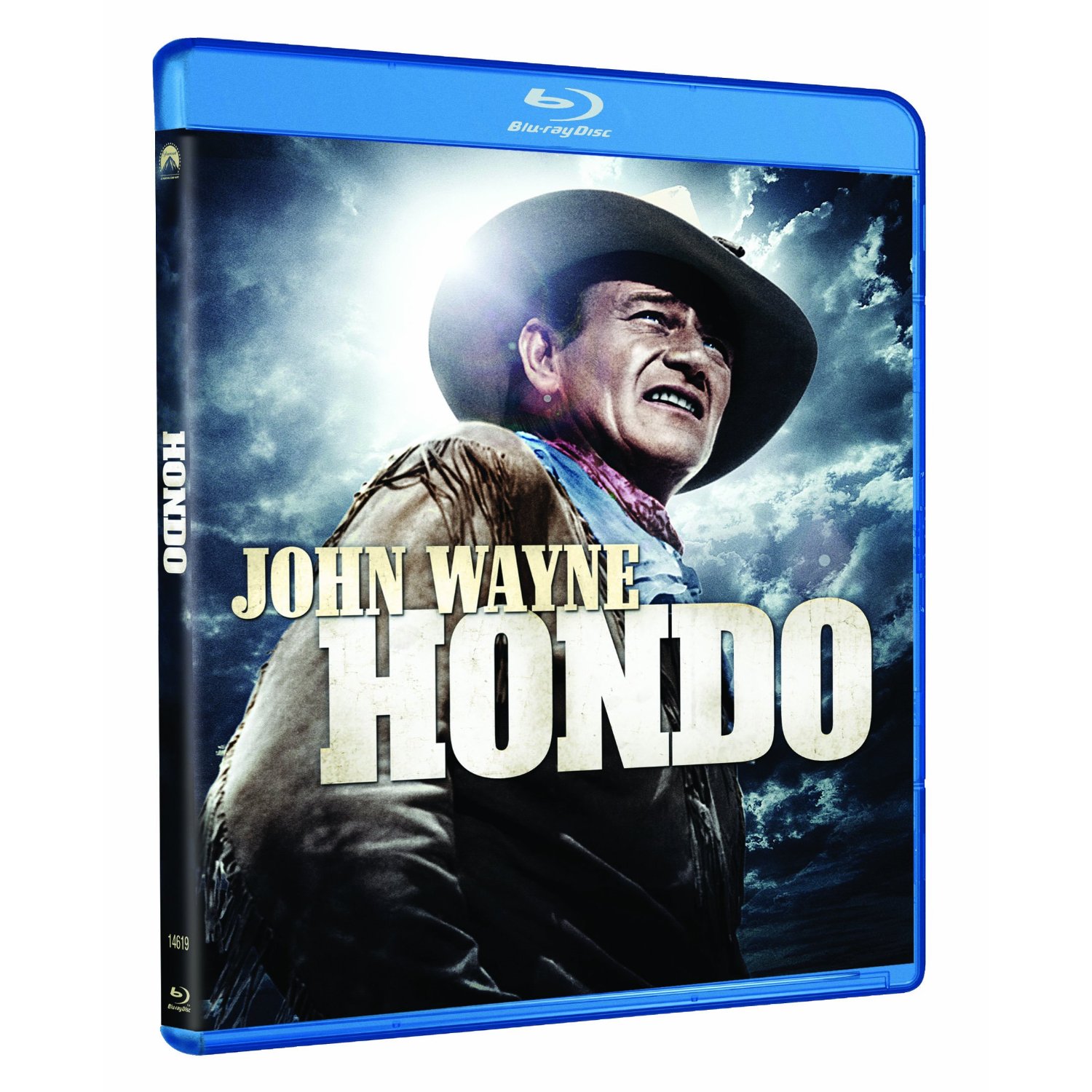
There are countless John Wayne Westerns in existence, but a hearty handful stand out above the rest. Hondo is a part of said handful. The story is a somewhat familiar one; that of a lone gunman seeking redemption by helping out a young woman fight off Indians...it just howls “John Wayne Western.” That being said, there are some standout performances and the portrayal of Native Americans is tad more progressive than what was within Westerns of the previous decade.

This film was created at the tail end of the first wave of 3D films, in the 1950s, and it only seems to be utilized during the opening credits and the climactic battle scene (mostly via arrows being shot almost towards the camera). 3D is a term that seems to imply a certain level of campiness, but Hondo avoids that pitfall by developing its characters and enriching the story with some (non-corny) twists and subplots that help move past the larger, cowboys vs. Indians story.

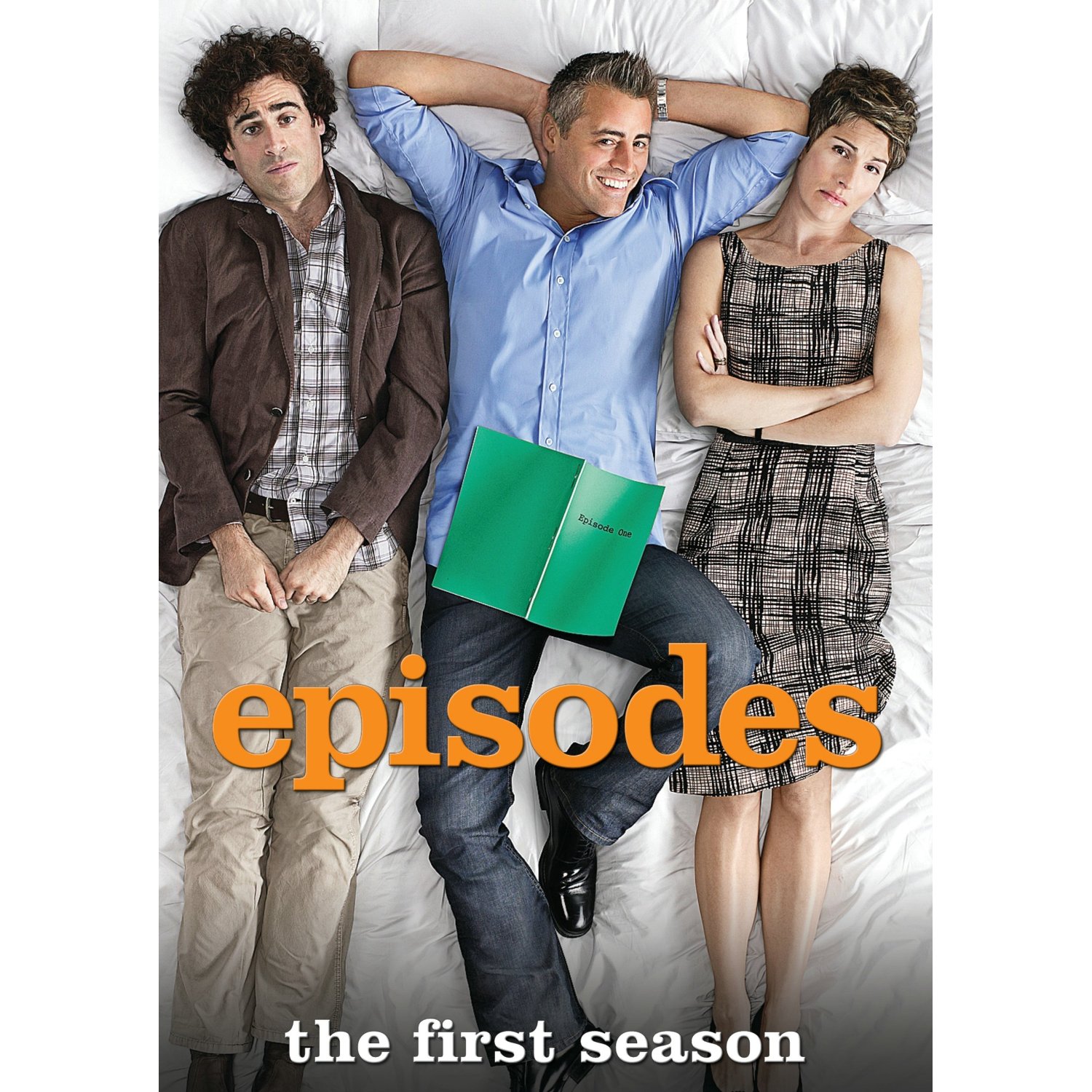
A successful writing team, who also happen to be a married couple, are the creators of an award-winning show in the UK that has just completed after four seasons. An American network wishes to create a US version of the show. The couple are flown to LA, put up in a lavish mansion and are introduced to the Hollywood method of creating television...and it nearly destroys them.

Even before they arrive in LA, this pair begins sinking in a quagmire of big-time Hollywood lies and bluffs that drive them to losing their lead actor, a respected, elderly British man, in exchange for Matt LeBlanc, converting their program from the story of a headmaster at a boarding school to that of a handsome hockey coach who is chasing after a sexy librarian, and generally sacrificing all they hold dear (both creative and personally) in order to survive the shoot of a single pilot episode (which, by the way, seems to be the most arduous and lengthy studio shoot I have ever witnessed...it lasts the entire season of Episodes!).

YouTube had all but killed off the idea of mailing silly home videos to the likes of America's Funniest Home Videos. These days, people prefer to stream dozens of videos on their computers and save themselves from the watered down jokes of Bob Saget or current host Tom Bergeron. Tosh.O takes a similar format of displaying such silly videos, but focuses on things that have gone “viral” online. Like AFHV, Tosh.O adds their own commentary and sketches to the presentation but in a much more crass, cable-savvy manner.

Daniel Tosh makes for a very suitable host, which makes the difference to those who may consider aimlessly surfing through YouTube's channels to be a more valuable way of taking in the latest in mind-numbing entertainment. Tosh not only is capable at delivering edgy quips but often places himself at the butt of self-deprecating and/or harmful sketches where he may partake in the same idiocy he seems to be lambasting at other points in the episodes (a memorable example being his attempt to eat a teaspoon of cinnamon and karate chop a hundred coconuts after smoking Salvia).

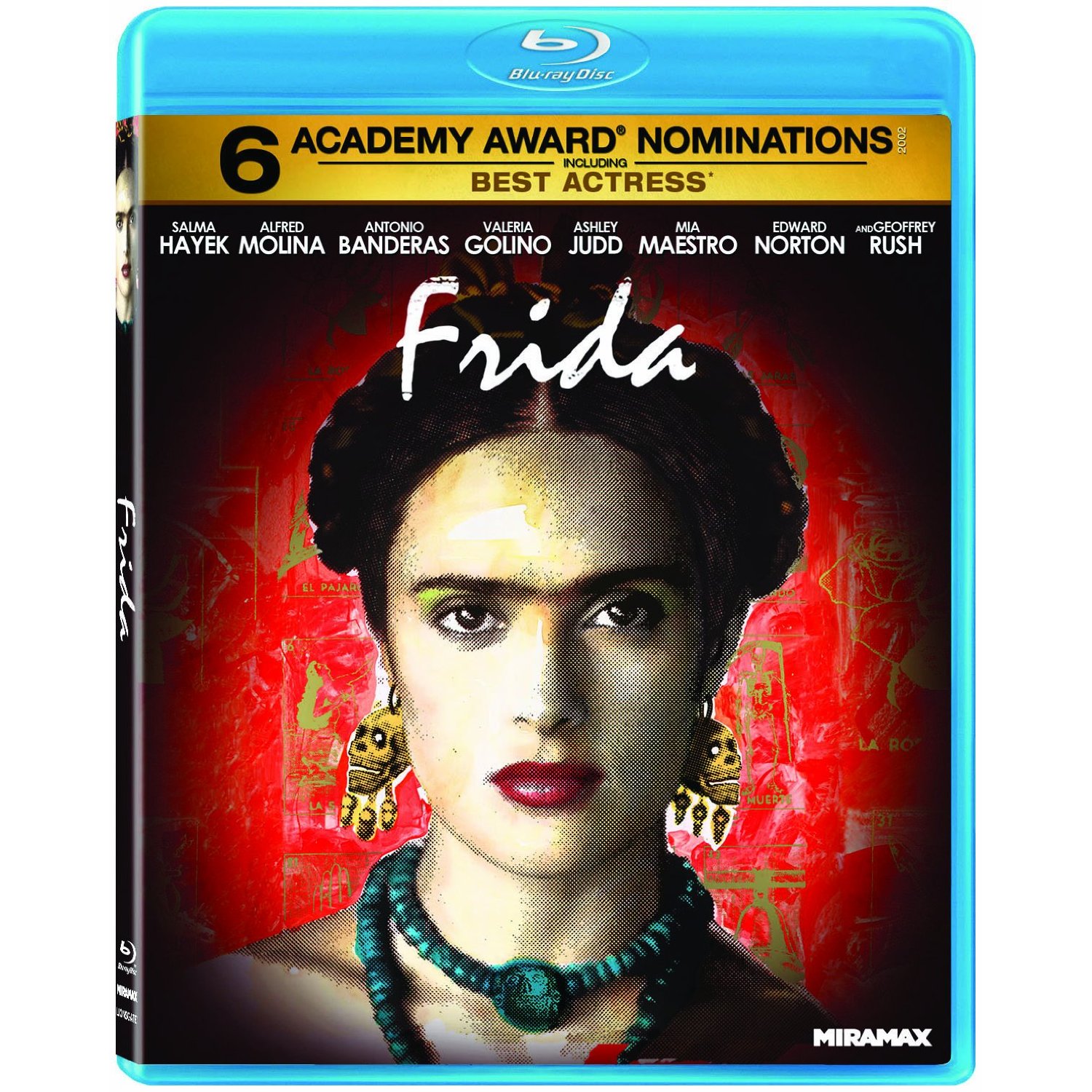
Frida Kahlo's life was tragic, romantic, epic, and inspiring. This film takes on the immense challenge of telling the story of such a complex life in the time frame of a stand-alone feature film. Frida is about art just as much as it is about an artist. Often stylized, but never unapproachable, Frida is a rare success by the way it managed to capture and display a part of Frida Kahlo's artistic soul.

Director Julie Taymor is widely known for her stylized approach to any production, be it on film (Titus, Across the Universe) or on stage (Lion King, Spiderman: Turn off the Dark). It is no small wonder that Taymor expresses her own artistic flair through her direction without comprising the work of her subject. Taymor uses dreams as her platform to inject the strangest visuals that are not the direct work of Frida. There is even one scene that is not the composition of Taymor or Frida, but the a dream sequence inspired by Mexico's day of the dead, created by the enigmatic animation duo, the Brothers Quay. As I suggested, the injection of other artist's unique style and creations into a film about an artist is not as disruptive as one may imagine. Both Taymor and the Brothers Quay honour Frida's life and work with their own contributions. Neither attempt to mimic Frida, save for one painting at the very end, but rather, they include something about Frida's life that she herself may not have expressed in her work. That is to say, not explicitly in any particular piece.

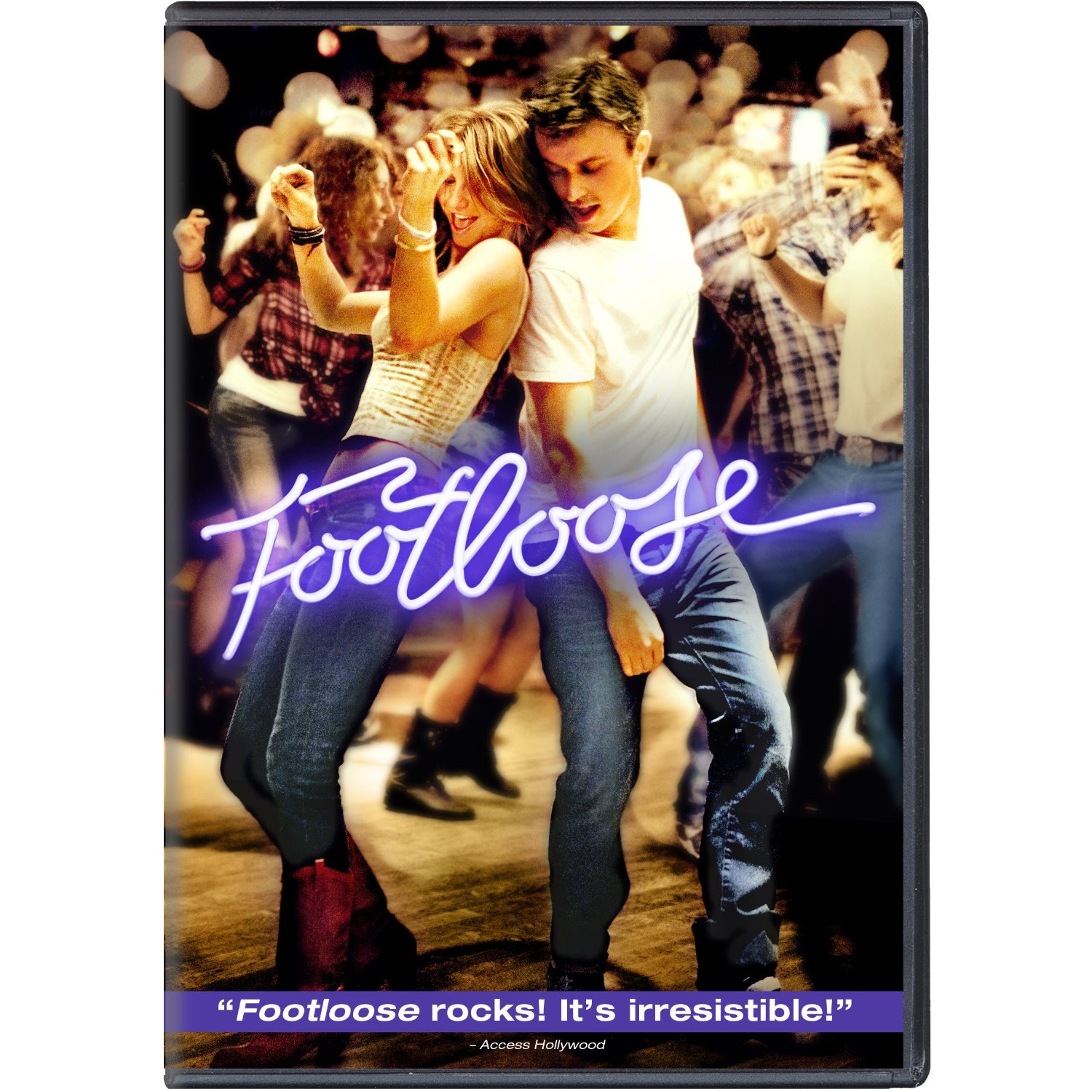
A tragic accident after an uncannily choreographed dance party in the country leaves a carload of teens dead, and their hometown vows to ban all public displays of dancing and loud music. Big City hunk Ren MacCormack arrives in town to challenge this outlawing of music and dance by...mostly dancing to music.

This is a modern update of the 1984 hit film of the same name that starred Kevin Bacon in the role of Ren. Young actor Kenny Wormald steps into these dancing shoes and does a decent job being a youth who charms us through his rebellion. His look is much more James Dean-ish than Bacon's version, but still an acceptable doppelganger of the original Ren.

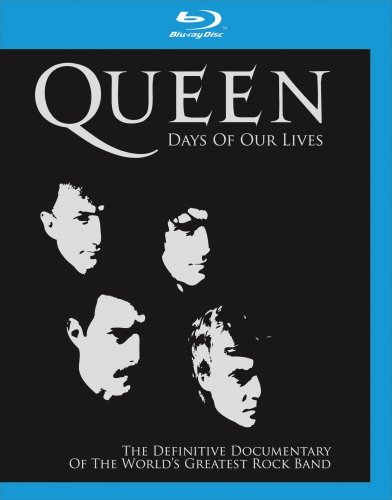
It has not been over 40 years since the inception of the band Queen, but it and its members Freddie Mercury, Brian May, Roger Taylor, and John Deacon, continue to be one of the most popular bands in the world, despite losing lead singer Mercury to AIDS some 20-odd years ago and not creating new material since then. This documentary tells their story in two episodes, spanning nearly 4 hours.

Narrated mostly through a small group of new and old interviews with the band and their friends, both episodes chronicle the band album by album. Fans will already know the history of each album inside and out, but it is still engaging to see their creative energies bouncing off of each other, and drawing in thousands of fans at each concert.

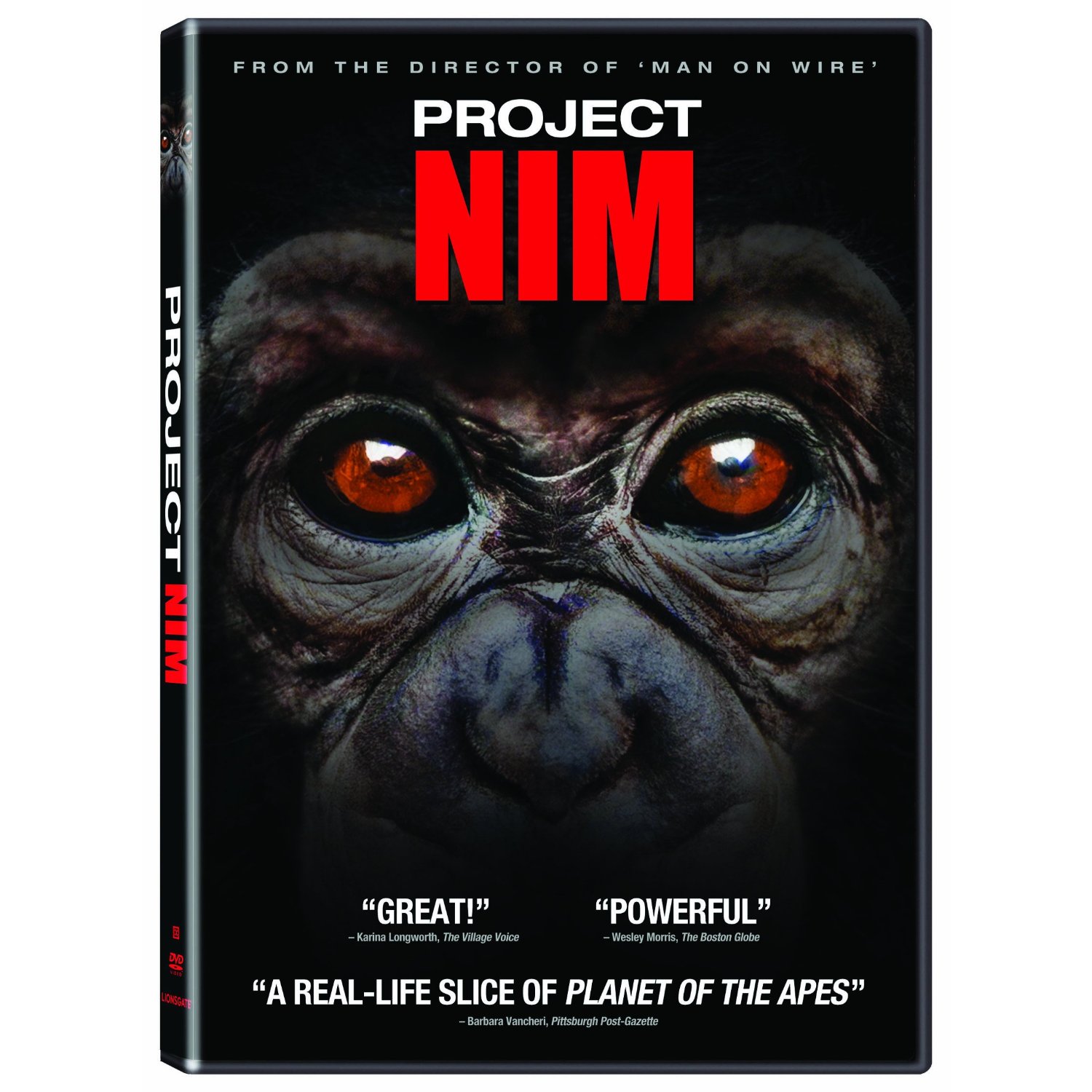
An infant chimp is taken out of his natural environment to be raised like a human by a family of curious, rich folk. Upon learning that this chimp, now named Nim, is capable of learning sign language, this family turns to professional educators to research and experiment with this concept further.

I promise to give praise to the filmmakers handling adept handling of their craft later in my review, but I cannot discuss the contents of this film without injecting my own personal opinion because this film, much to it's credit, stirred a very visceral reaction from me. The family that first adopted (adopted being an extremely delicate term, as many could easily argue that “nabbed” or “stole” would suite their actions better) Nim were a wealthy family, said wealth stemming partly from the father's success as a poet. They named him Nim Chimpsky (as a parody of Noam Chomsky, who theorized that language is inherit only in humans, and Nim was their attempt to disprove said thesis). This family dressed Nim in children's clothes and eventually tried communicating with it on a person to person level using American sign language. This experiment, albeit spurred some interesting results once true experts from Columbia University became involved, was born out of ignorance and arrogance. This family did what they did because they had the financial means to offer themselves the opportunity, without considering the unnaturalness of it. By unnatural I don't mean that their antithesis to Chomsky's idea is wrong or implausible. What I mean is the manner by which this animal was taken out of its mother (granted, not born in the wild but a facility) and treated like a human.

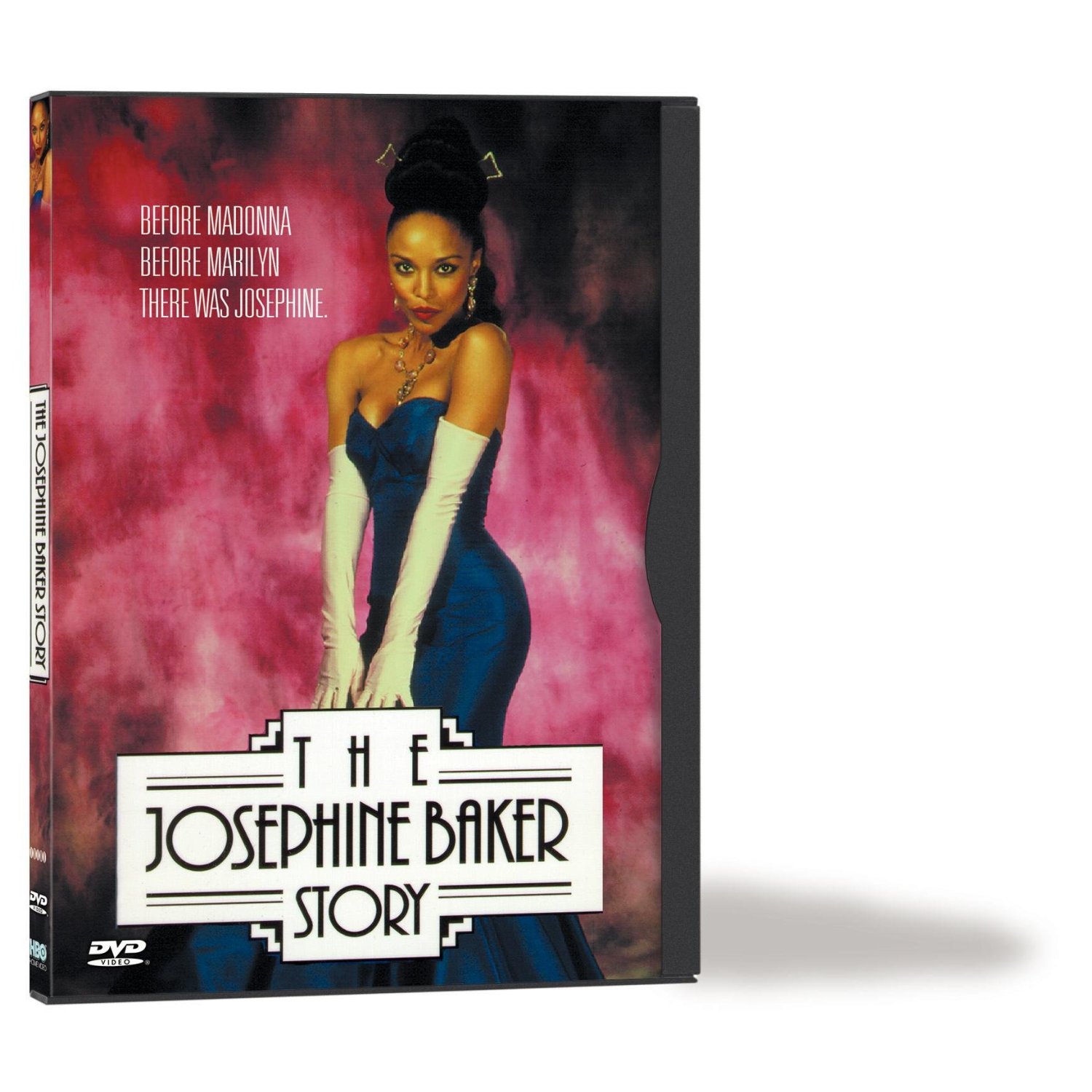
Josephine Baker was an international sensation who faced adversity all her career because of the colour of her skin. Terrified and sickened by the treatment of black people in the US, Baker fled to France where she found joy, fame and fair treatment as an entertainer. As her career exploded into super-stardom, she was more than just an exotic singer/dancer, she became a war hero and civil rights defender.

After being teased during the opening credits with visions of Baker performing an intimidatingly sexualized dance, we are shown her traumatic childhood experience of witnessing race riots in St. Louis; riots that cost the lives of many black people and helped to enforce Baker's decision to flee the US as soon as she could. Before her exodus, she made a name for herself as a vaudeville comedienne, often performing in black-face. Stifled by the racist laws of the early American 1900s, Baker did not hesitate to tour Paris with a band of performers. Said tour would turn into her permanent residence in France.

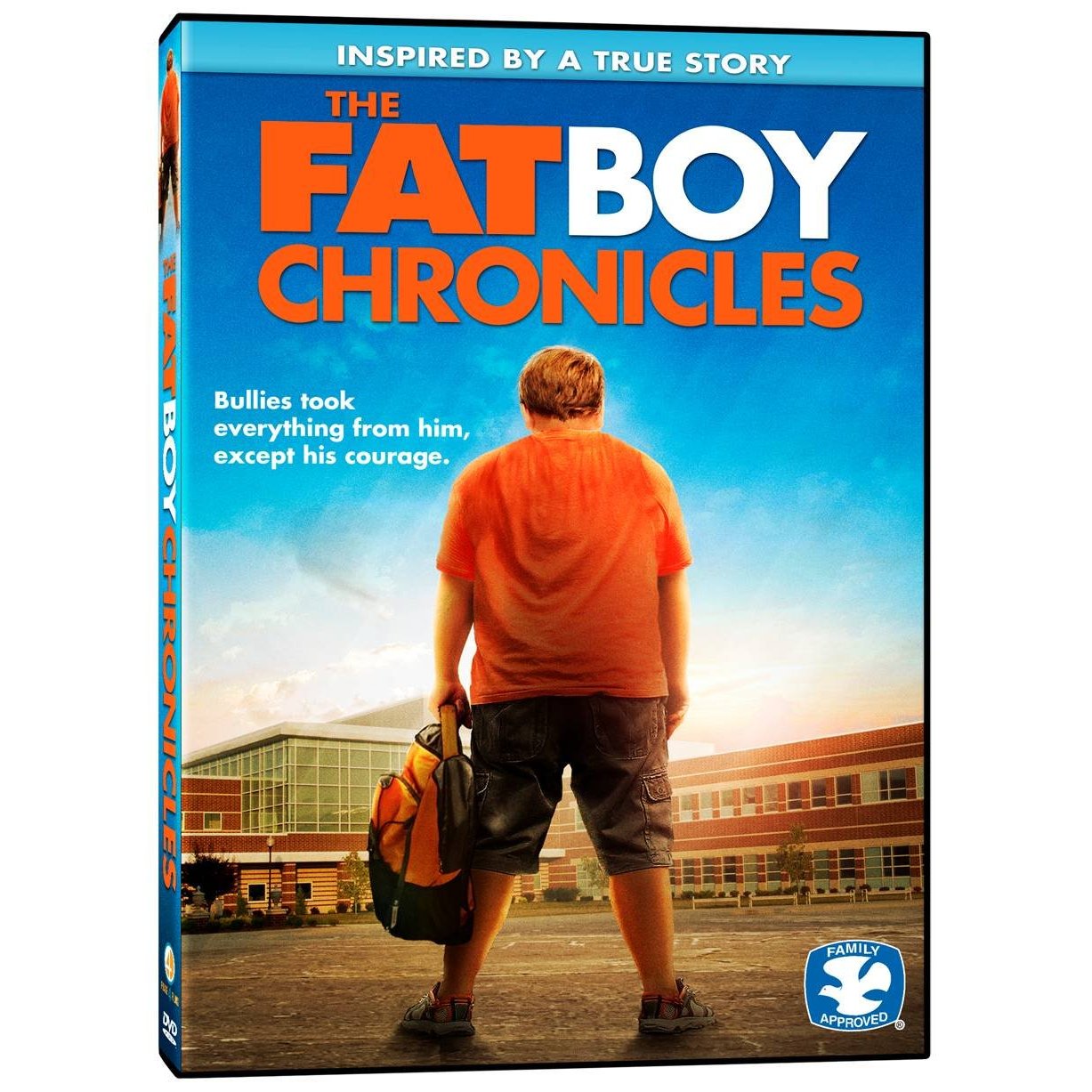
Jimmy is a clinically overweight teen who is starting high school. He is immediately the target for relentless bullying but tries ignoring his classmates' tormenting by focusing his attention on losing weight and trying to win over a girl he fancies in his classroom.


Based on a novel by Diane Lang and Michael Buchanan, this is a serviceable lesson about how children can attempt to keep a positive attitude despite facing all sorts of adversities. Said adversities Jimmy faces start as typical bullying, which is portrayed in this film in a realistic fashion, and escalates to extremely serious issues regarding his best friend, whom is facing even greater challenges living in a broken home with an alcoholic father.