1080p

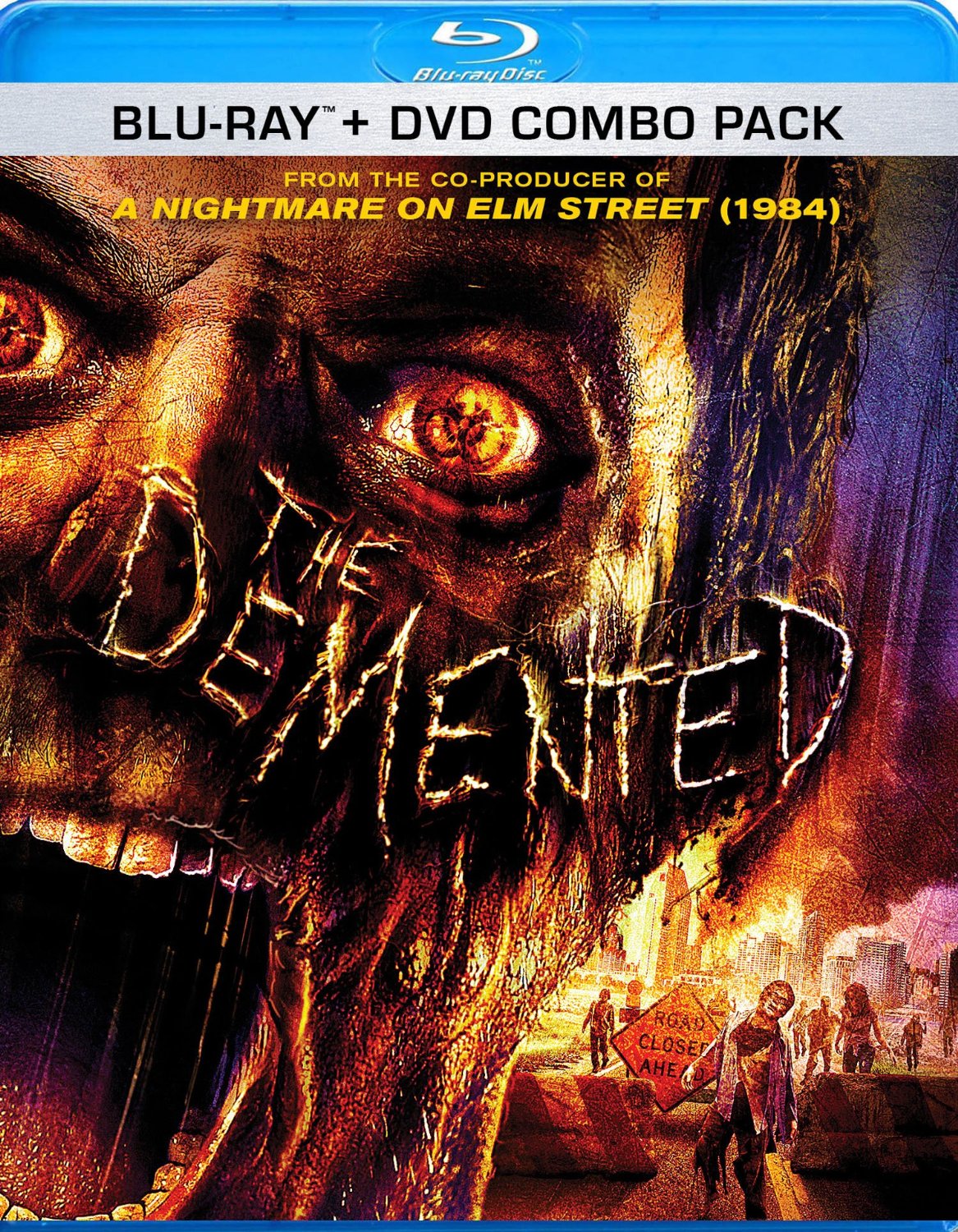
I don’t care if it makes me sound like an awful human being, but I wanted The Demented to be much nastier than it actually was. The packaging for this straight-to-Blu-ray offering trumpets the fact that it’s “from a co-producer of A Nightmare on Elm Street” and producer Steven Monroe, who directed the I Spit on Your Grave remake. Since I’m not delusional, I didn’t expect this film to be nearly as good as a horror classic like Elm Street. But I also didn’t think it was unreasonable to expect the competent thrills of the Spit remake. Instead, the filmmakers have given us a sub-SyFy gloss on 28 Days Later... and dozens of other (infinitely superior) horror movies.

If you’ve ever seen a horror flick, you know this story. Six young, pretty things — who happen to be conveniently paired off — convene at a remote location for some party time, but end up fighting for their lives. In this case, we have college friends hanging out and hooking up at a rich friend’s Louisiana estate. A rogue terrorist attack on the Gulf Coast unleashes a biological weapon that turns the infected into rabid and fast-moving killers. (Horror fans who passionately hate the idea of “fast zombies” just clicked away from this page.) How do we know a rogue terrorist attack occurred on the Gulf Coast? Glad you asked: the father of one of the characters calls the house where they’re staying and hilariously literally says, “there’s been a rogue terrorist attack on the Gulf Coast.”

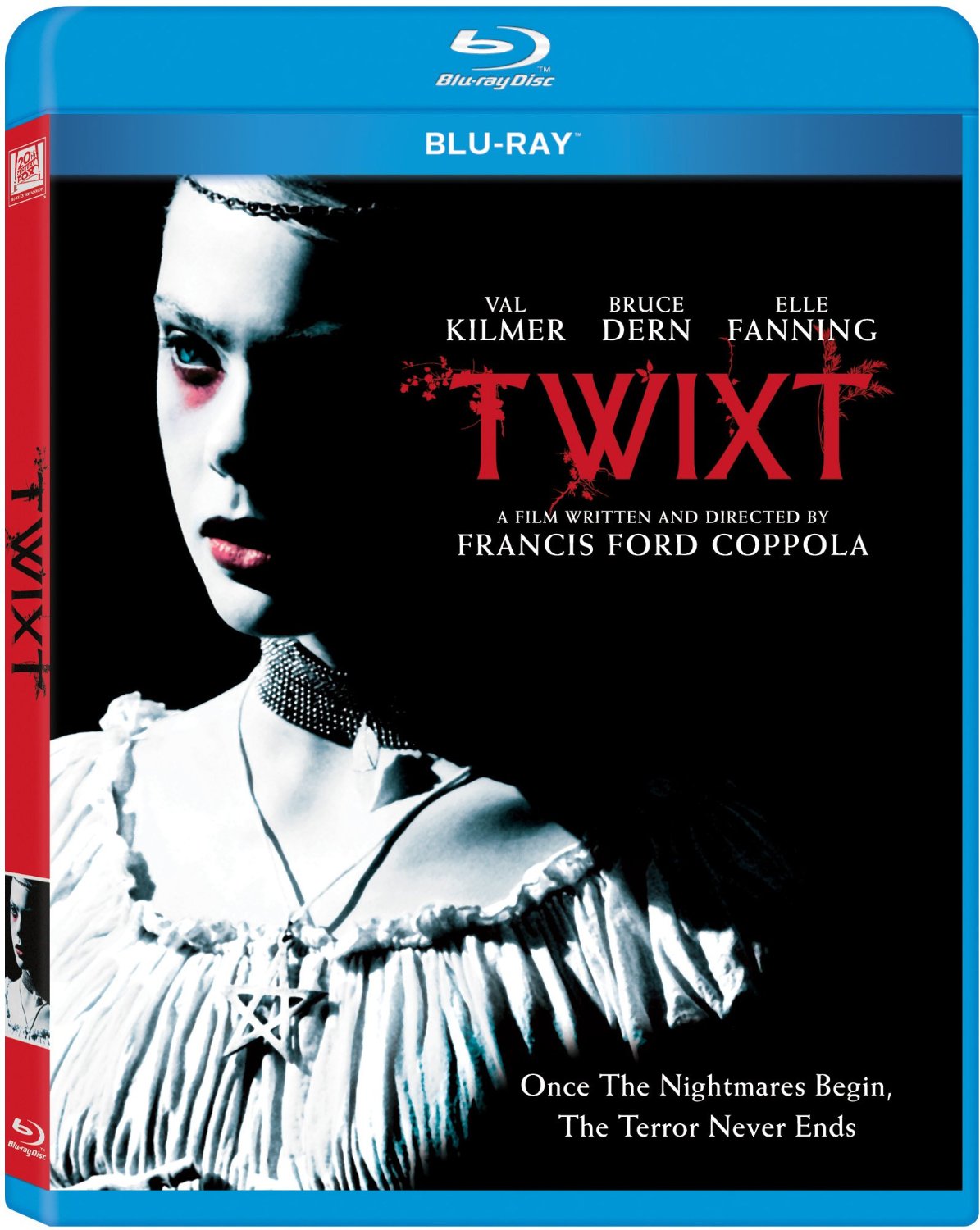
The 1970s famously produced many of the most daring, diverse and groundbreaking classics in movie history. All-time greats like Scorsese, Spielberg, Polanski, Altman and Lucas either broke out or did some of their most exciting work during the decade. But, even among these titans, Francis Ford Coppola separated himself from the pack. Four films — The Godfather, The Conversation, The Godfather Part II, Apocalypse Now — four undisputed classics. Batting 1.000 during the greatest moviemaking decade of all time earns you a ton of slack. In Coppola’s case, it has gotten him enough slack to make up for the fact that nothing he’s done in subsequent years can touch his ‘70s output.

That’s not to say there isn’t plenty to enjoy in the rest of his filmography. The Outsiders helped launch the careers of more than a handful of Hollywood heartthrobs. His gothic, lush take on Dracula is impulsively watchable, although the scariest thing in the movie remains Keanu Reeves’ English accent. Even his warm adaptation of John Grisham’s The Rainmaker managed to rise above the crowded pack of ‘90s legal dramas. After The Rainmaker, Coppola didn’t direct another movie for 10 years.

Some cult classics you have to just wonder how it is they manage to stand the test of time.  For the life of me I’ll never understand the love for The Rocky Horror Picture Show, but yet when someone mentions the cult classic Frankenhooker, I can’t help but light up with geeky delight.  As film geeks most can admit these cult classics are far from great films, but yet there is a charm about them we can’t resist, and not only do we rewatch these guilty pleasures, but we also have the irresistible urge to thrust these films on our friends.

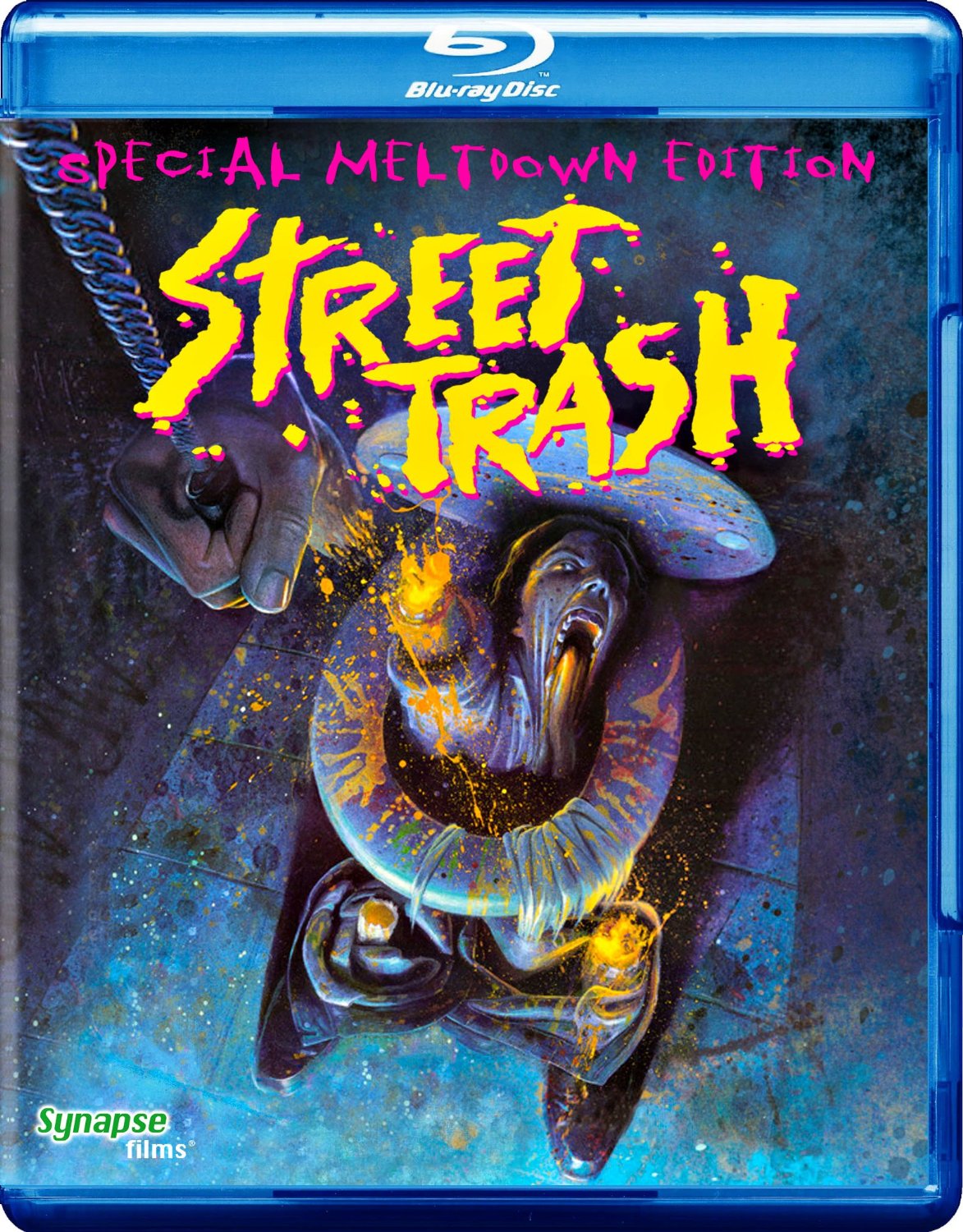
When a liquor store owner discovers a crate of unopened, cheaply made wine labeled “viper” in his cellar, he does what any good business man would and takes it up to the counter to sell it.  The trouble is this special brew does more than give you a hangover; instead it causes the body to swiftly break down and melt into a colorful puddle of goo.  Unfortunately it seems the only customers picking up this deadly booze are the local bums who have managed to scrounge up a buck to make their lethal hooch.

"The Earth. A world of water. Nearly three-quarters of our planet is covered in a massive blue patchwork of seas and oceans. What lies beneath the surface is an alien realm we've barely begun to explore. Within these depths mysterious and amazing life forms live in a beautiful but fragile world of immeasurable variety and environmental extremes. This is a journey into the Wild Deep."

Wild Deep is a seven-part nature series that takes us on a journey to the underwater worlds of each of the Earth's continents. While there is some coverage of the lands themselves, the focus here is what happens beneath the surface of those lands' oceans. The show ran on Animal Planet starting in January of 2013.

“You give me a uniform, you give me a number on my back — and I’ll give you the guts.”

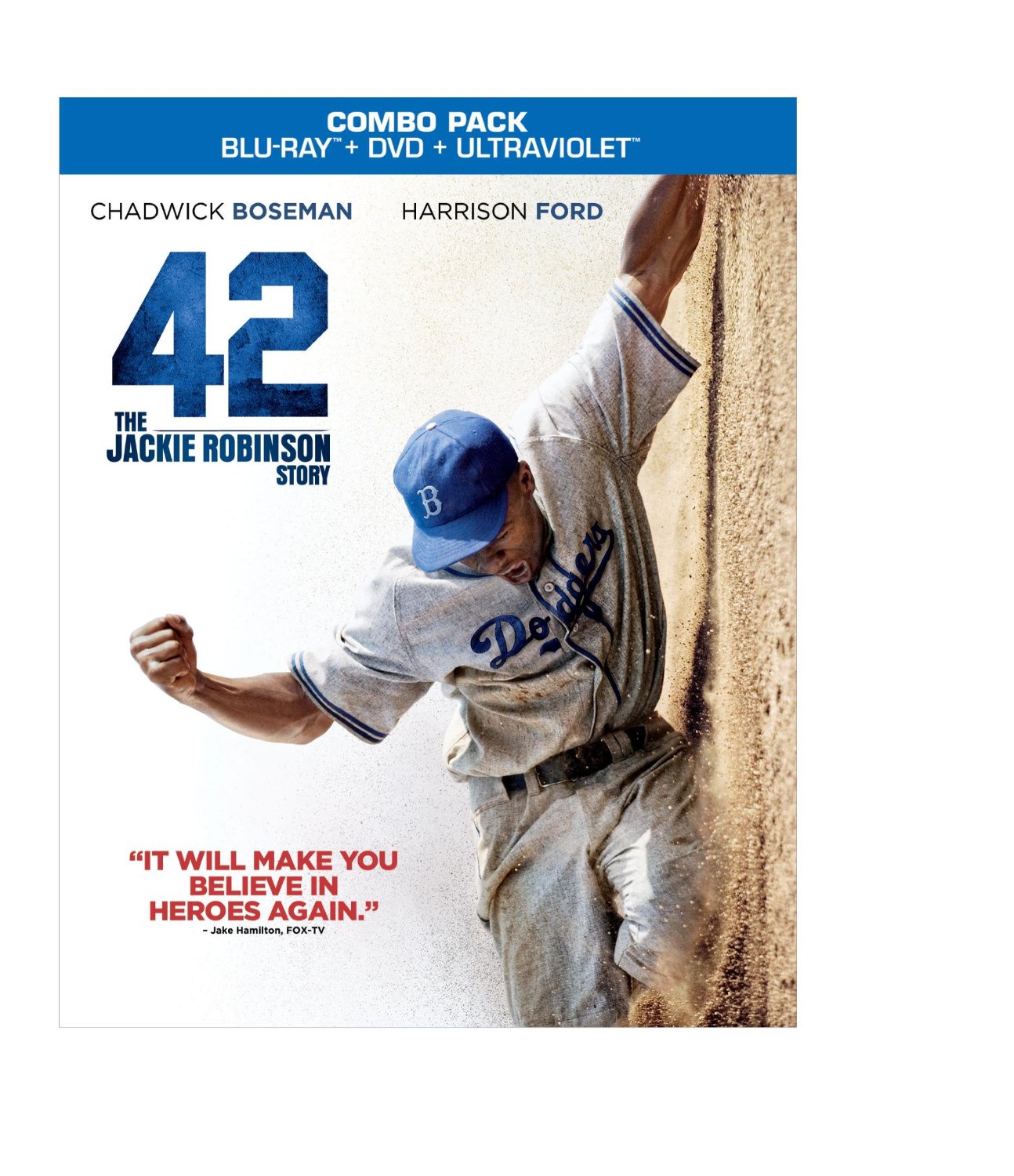
More than any sport, baseball is all about numbers. Unfortunately, some of those numbers — like 73 (home runs in a single season) and 500 (career homers) — mean a little less in light of the steroid era. Others, like 56 (Joe DiMaggio’s legendary hitting streak), seem destined to live on forever. The most significant number on that shortlist might be 42, worn by Jackie Robinson when he broke major league baseball’s color line on April 15, 1947. 42 — the film, not the number — is significant for a somewhat surprising reason. The movie succeeds as rousing, crowd-pleasing entertainment by functioning less as a straight-up biopic and more as the story of how Robinson became, arguably, the country’s first African-American crossover star.

It's hard to imagine that Sylvester Stallone and Walter Hill never crossed paths for an action movie in the early days of their careers. Both have established themselves as staples in the action movie genre, and they dominated the 1970's and 1980's. It seems like a dream come true that the actor and director have finally joined forces. Unfortunately, some dreams are actually nightmares, and if Bullet To The Head is any indication, the two stars would have been better off had they remained unaligned.

The story is based on the French graphic novel Du Plomb Dans La Tete by Alexis Nolent. I have never seen the book, so it would not be possible for me to compare the two. Here the story involves hit man James Bobo (Stallone). He's on a hit with his partner Louis (Seda). Things go smoothly until James decides not to kill a hooker witness. Is he going soft? Not really. It turns out the two have been set up by their boss Marcus Baptiste (Slater) who has sent another killer, Keegan (Momoa) to get rid of the team. James gets away, and now he wants to find out who set him up and killed his partner.

Cruel blood sport or culturally-significant art form? That’s been the centuries-long debate surrounding the practice of bullfighting. Personally, almost everything I know about bullfighting comes from Ernest Hemingway stories and Looney Tunes. So Blood and Sand — a grand, cynical bullfighting drama/Technicolor spectacle from 1941 making its Blu-ray debut — was an eye-opening experience in more ways than one.

Blood and Sand is the story of Juan Gallardo (Tyrone Power), who we first meet as a bullfighting-obsessed child (played by Rex Downing) in Seville. Juan’s father was a legend in the sport — and the kid will eagerly break a bottle over the head of any pompous critic (like the one played by Laird Cregar) who disagrees — and the brash boy is obsessed with following in his footsteps. (He routinely sneaks onto a ranch at night to work on his skills.) Eventually, he runs away from home with a group of friends and travels to Madrid in the hope of becoming Spain’s greatest bullfighter.

“There are only two reasons why a boat would go rogue. One is to defect, and the other is to start a war, and I don’t think we’re defecting. ”

Abraham Lincoln once said, “The best way to get rid of an enemy is to make him a friend.” That’s one way; however, Phantom proposes a different tactic: the best way to get rid of an enemy is to get someone else to do it. Which do you agree with more? Ed Harris and David Duchovny square off as two pieces on the opposite sides of the chess board locked in a submarine together with control of a nuclear warhead being the checkmate.

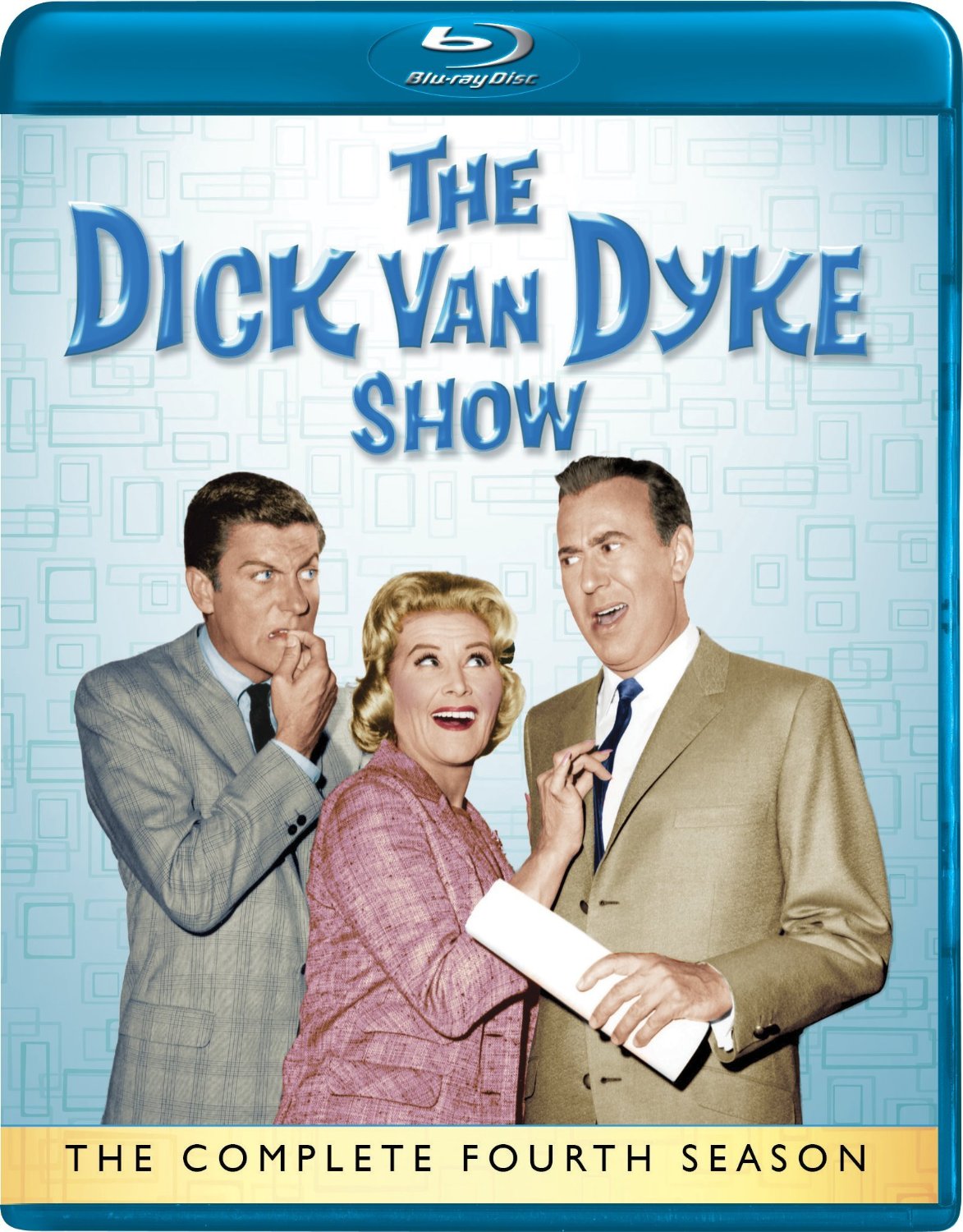
When one thinks of The Dick Van Dyke Show it's hard not to think of its star Dick Van Dyke. After all, it's his name on the opening credits, and he does play the lead character in this groundbreaking television comedy. There's little question that the show became a wonderful vehicle for his many comedic talents. But the genius behind the show wasn't really Dick Van Dyke at all. It was Carl Reiner (yes, Meathead's father) who is the true brains behind the show.

Reiner was a popular comedy writer in the early days of television. He made his name with Sid Caesar, writing for the very popular Your Show Of Shows. During that time he had been inundated with ideas for his own show. He wasn't happy with any of them and decided to write his own. The result was Head Of The Family. It starred Reiner as Rob Petrie, a television comedy writer living in the New York suburbs of New Rochelle. In a break from traditional sit-com style, he told his stories both at home and at the office. We got to see Rob with his fellow writers and with his wife and neighbors. If any of this sounds rather familiar...it should. It was a clever idea, but it stank up the ratings and was soon dropped.

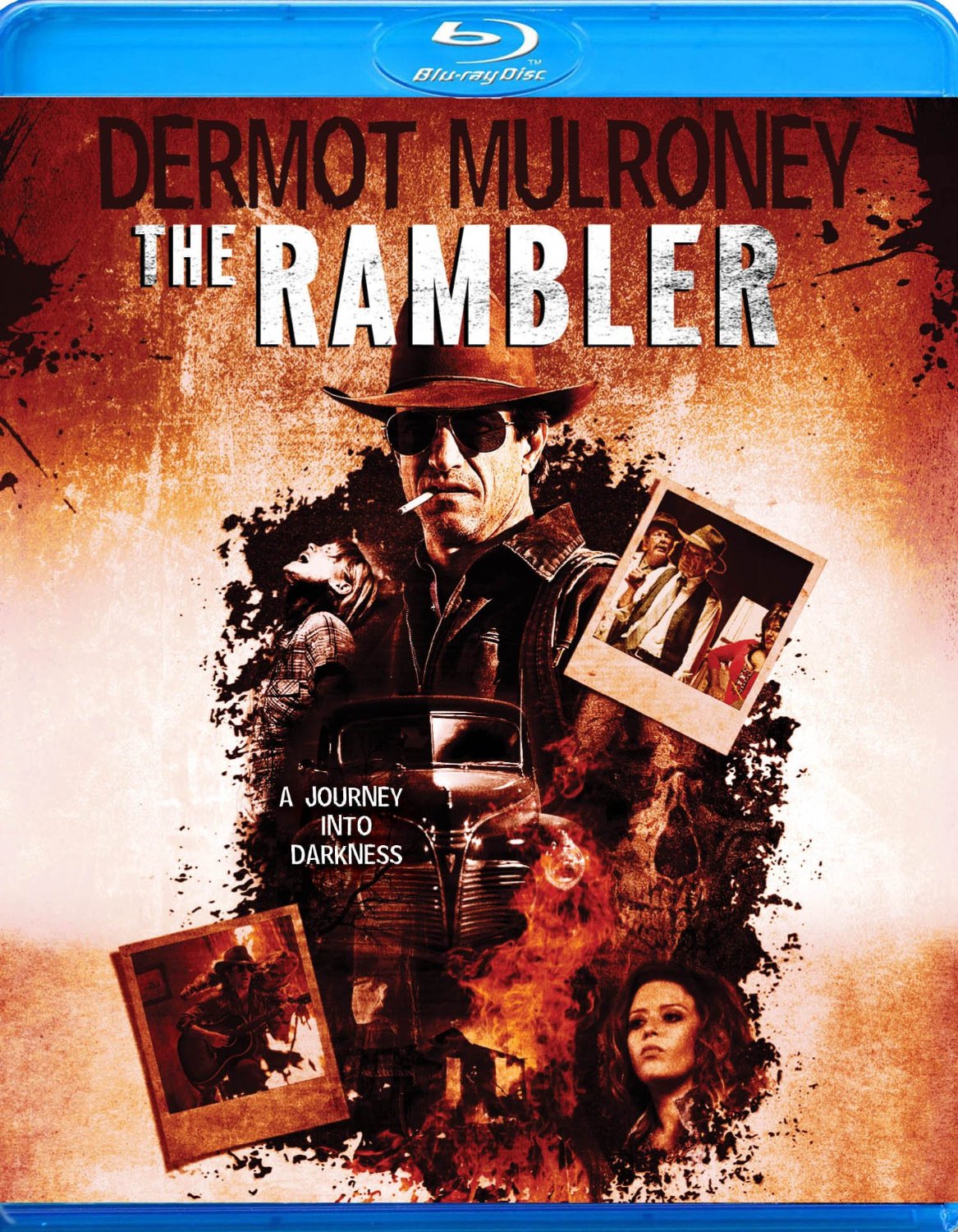
A fish has to swim, a bird has to fly, and a film has to entertain; those are the defining attributes for each of the  listed subjects, and in my opinion The Rambler didn’t meet its obligation as a film. The Dermot Mulroney-led film is a series of happenings, each of which are unconnected and wide open for interpretation, only tied together by one monosyllabic character. It seems that the story is whatever you want to make it, but therein lies the rub: many people don’t go to films that require them to form their own interpretation. They are looking to have a story told to them, not tell it to themselves.

The Rambler opens up with our titular character (Dermot Mulroney) observing a house on fire. Next it jumps to behind prison walls where The Rambler has ended up (whether it was due to the fire is not really explained). Through a quick montage sequence, we are given a recap of the character’s life on the inside up until he earns his release: smoking in his cell, smoking in the cafeteria, and smoking in the exercise yard.