1080p

“Whose move is it?”

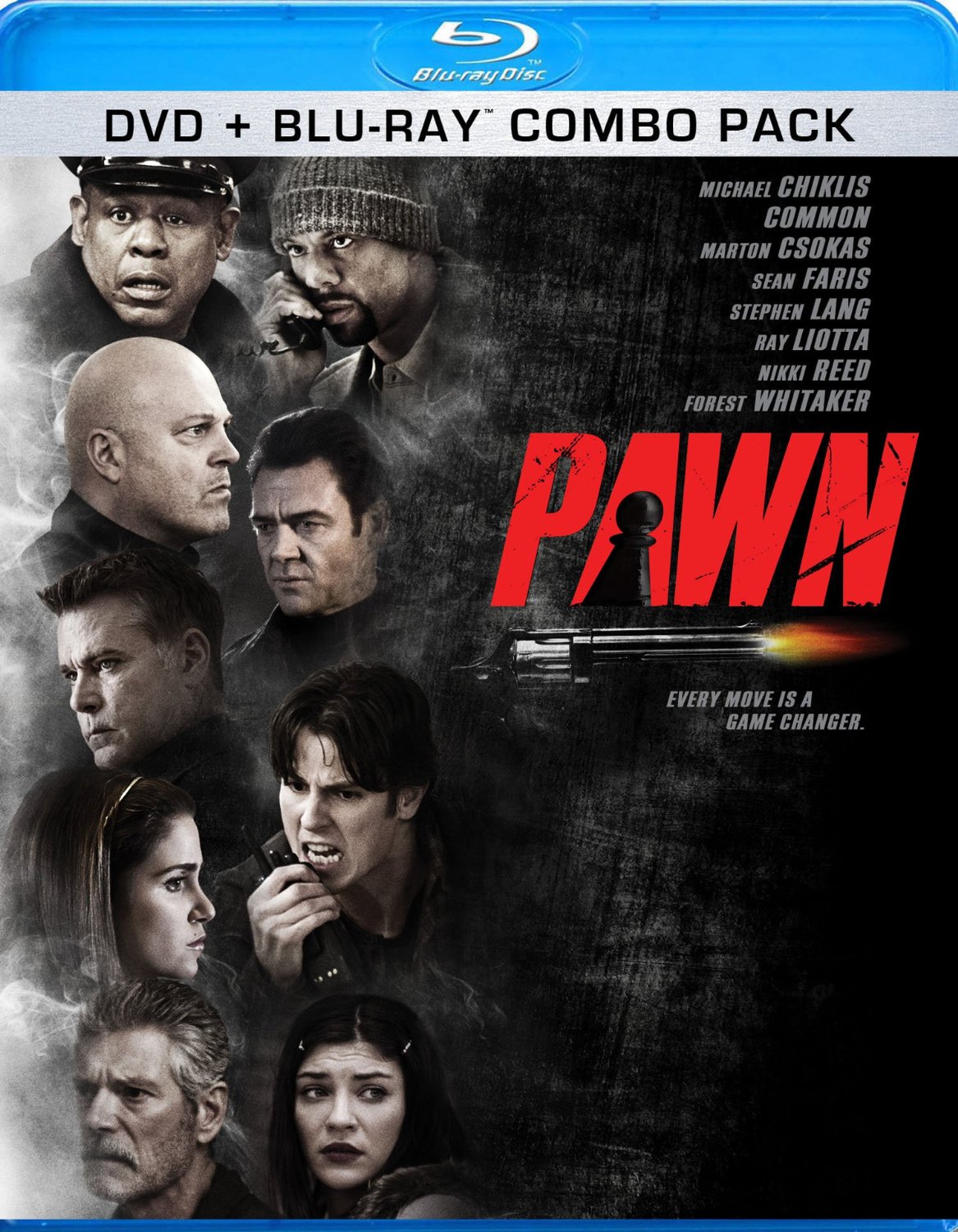
To be honest, I’m not much of a chess player. I know how all the pieces move and I enjoy the mental challenge, but I never really committed to becoming proficient at the game. (Now, if we’re talking Connect Four, you don’t want to run into me in a dark alley.) Pawn establishes its intriguing chess motif early on, before almost completely abandoning it in favor of becoming more of a generically twisty thriller.

“I want to visit a country of dreams, imagination and magic.”

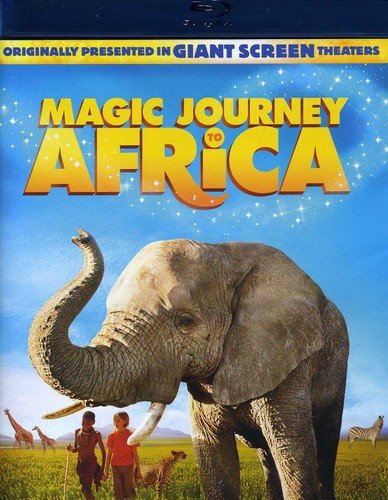
Instead of “dreams, imagination and magic”, the Africa presented in this confounding, family-friendly offering from Spanish filmmaker Jordi Llompart is a place of trippy visuals, head-scratching dialogue and horrid CGI. Magic Journey to Africa — billed as a “giant screen spectacle” — is now available for home consumption, where the film’s dazzling 3D presentation is its only saving grace.


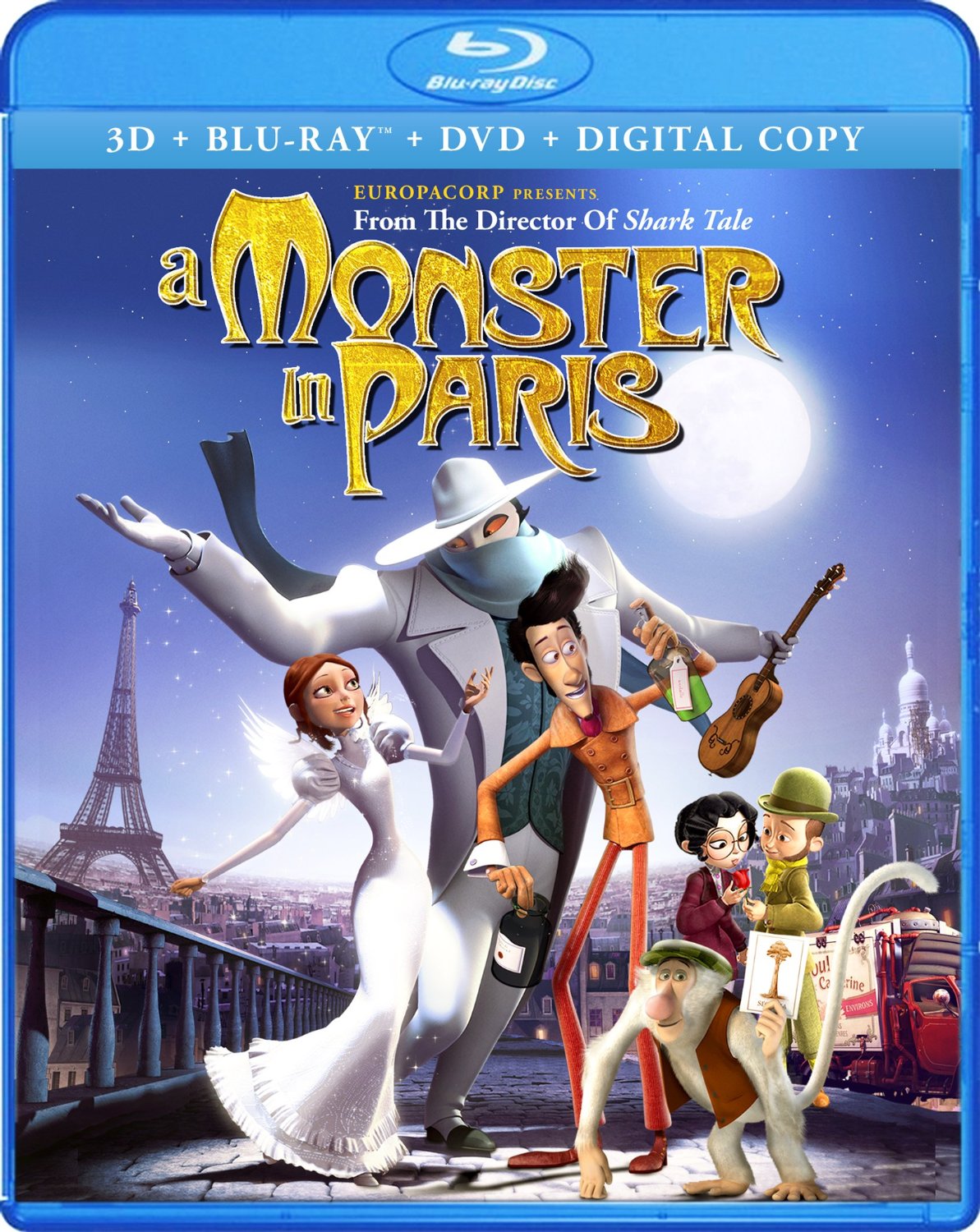
The computer-animated feature film has reached the point where you don't have to be one of the big boys to play. While Pixar and to a lesser extent Dreamworks have dominated this feature form pretty much since its inception, there have already been a handful of independent films that have managed to leave their mark on the landscape. Now the foreign market is getting into the act as well. A Monster In Paris, or Un Monstre a' Paris, is the result of that evolution.

The story is a rather weak one, to be sure. It's 1910, and there is a creature running around the streets of Paris. It is the result of a flea's exposure to a scientist's formula to make things grow. Like all of the good monster films of the Universal era, this monster is terribly misunderstood and doesn't want to hurt anyone. He is attracted to a theatre where Lucille (Paradis) is the featured singer and performer. The flea makes himself known to her, and instead of acting in fear, Lucille embraces the flea's musical talents. Together they take the stage by storm.

Sometimes a movie comes along that rises above simple entertainment and actually has something to say.  The Big Picture is the kind of movie that has profound ideas about love, family, and the pursuit of your dreams.  Is it possible to really have it all?  The perfect spouse, the perfect family and live out your lifelong passion and dream?  Many who have families, especially when starting young, can understand the idea of sacrifice for their families; it doesn’t mean they just cast their hopes and dreams aside, but once marriage and children are involved the direction your life may take was never the direction you had planned at all.  And it’s this life and compromise director Eric Lartigau thrusts us into.

When we first meet Paul (Romain Duris) he is a happy family man with a beautiful wife, Sarah (Marina Fois), and two children.  Though he is a successful lawyer, his passion is photography.  He continues to snap photos and develop them in his personal lab, but he understands the risk of setting out to be a freelance photographer and simply can’t give up the security of his job with the law firm.  Unfortunately, though, Sarah is not so content with her idyllic life and has dreams of her own as well as other desires she wishes to fulfill outside of the marriage.  As Paul discovers his wife’s infidelity and that it was with a close friend, he begins to crack, and with good reason.  Things only get worse when Paul confronts Greg (the man Sarah is having the affair with); their minor altercation leads to Paul accidently killing him.

“When I get a crush, it’s really bad.”

Everyone has experienced it before: you meet that special someone, and a crush sidelines you. They fill your head when you’re not with them. When they’re near, you act like an idiot. The downside comes when your crush is not reciprocated; or worse, they don’t even know you exist. Most people can move past the disappointment and heartbreak to get over a crush. But for an unlucky few, their crush can turn into a dangerous obsession.

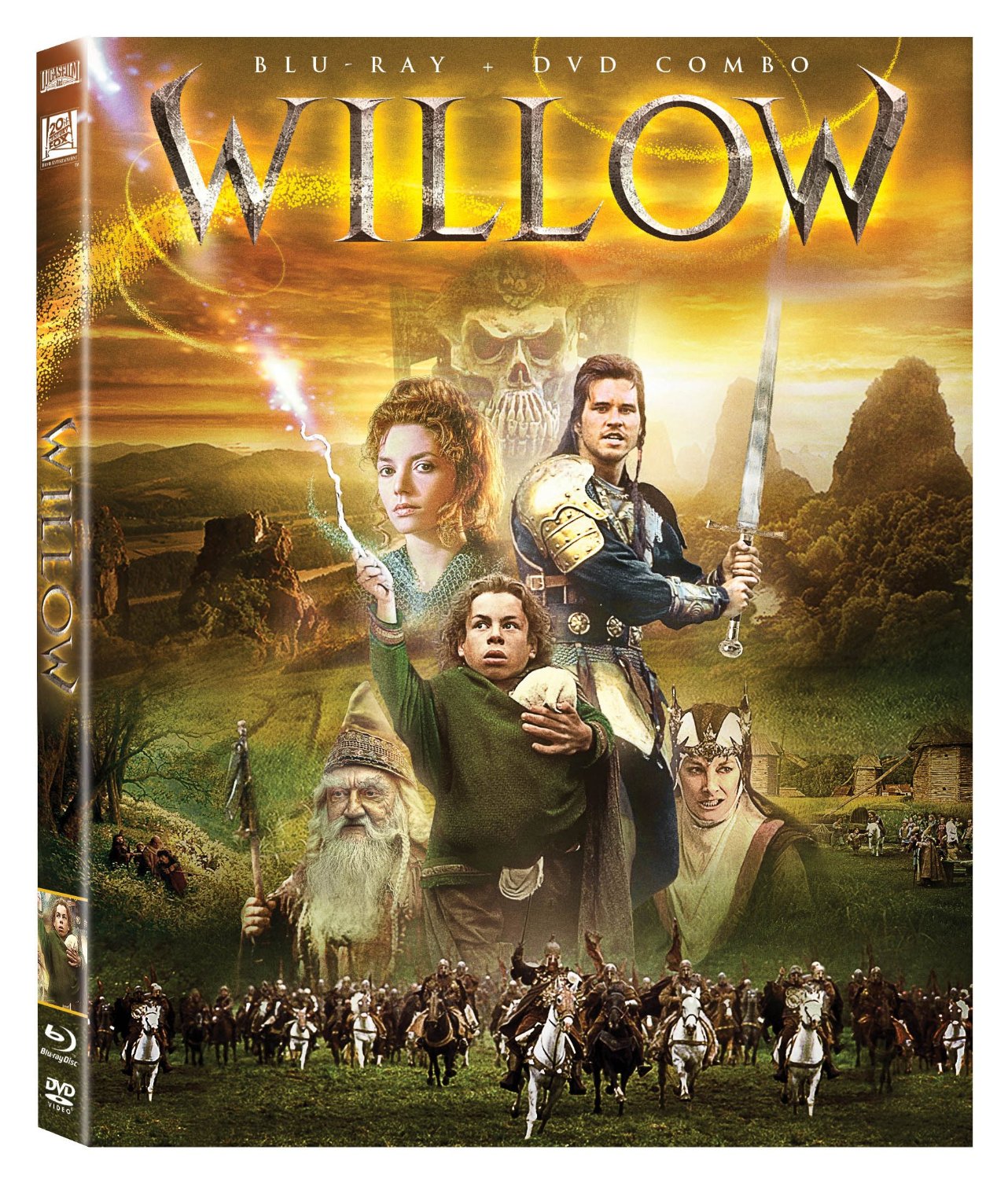
 Looking back, it’s amazing how far visual effects have come since 1988.  I can remember sitting in the theater watching Willow for the first time and believing everything I saw up on the screen wasn’t the work of movie magic, but I believed it to be reality.  Perhaps some far off land where there are swordsmen fighting evil sorcerers and trolls lurk in the shadows of abandoned castles.  This is a thought I’d like to believe I’m not the only one that hoped this was a reality, but if I am I’m fine with that.  Willow came out at a time when Hollywood was trying to bring large-scale fantasy to the screen with other releases like Excalibur, Legend and Conan.  Though these films are their own kind of awesome, the digital effects still hadn’t quite reached the level they needed to be to make these worlds as immersive as the Lord of the Rings films, for instance.  Where the film may not have held up over the years with the special effects, it’s the story that manages to captivate this viewer 25 years later.

Willow Ufgood (Warwick Davis) is not your ordinary hero, and for 1988 seeing a little person as the star of a film is even further for ordinary.  But Willow isn’t about ordinary; it’s about a journey of fantastic proportions where even the tiniest of men can be the biggest of heroes.  When Willow is tasked to return a baby to her people, he must venture away from his village to a land that seems to be on the verge of war, something Willow and his fellow dwarves want nothing to do with.  During Willow’s journey to find a proper protector for the baby, he encounters Madmartigan (Val Kilmer), who claims to be the greatest swordsmen that ever lived; unfortunately when he’s found he’s been left for dead in a cage.  This is one of the roles that has me wondering what happened to Kilmer; in this role he is simply fun to watch and dripping with charisma; the guy was meant to be a star.  And when we do get to see Madmartigan in action, I couldn’t help but wonder what it would be like if Madmartigan and Aragorn were to ever cross paths.

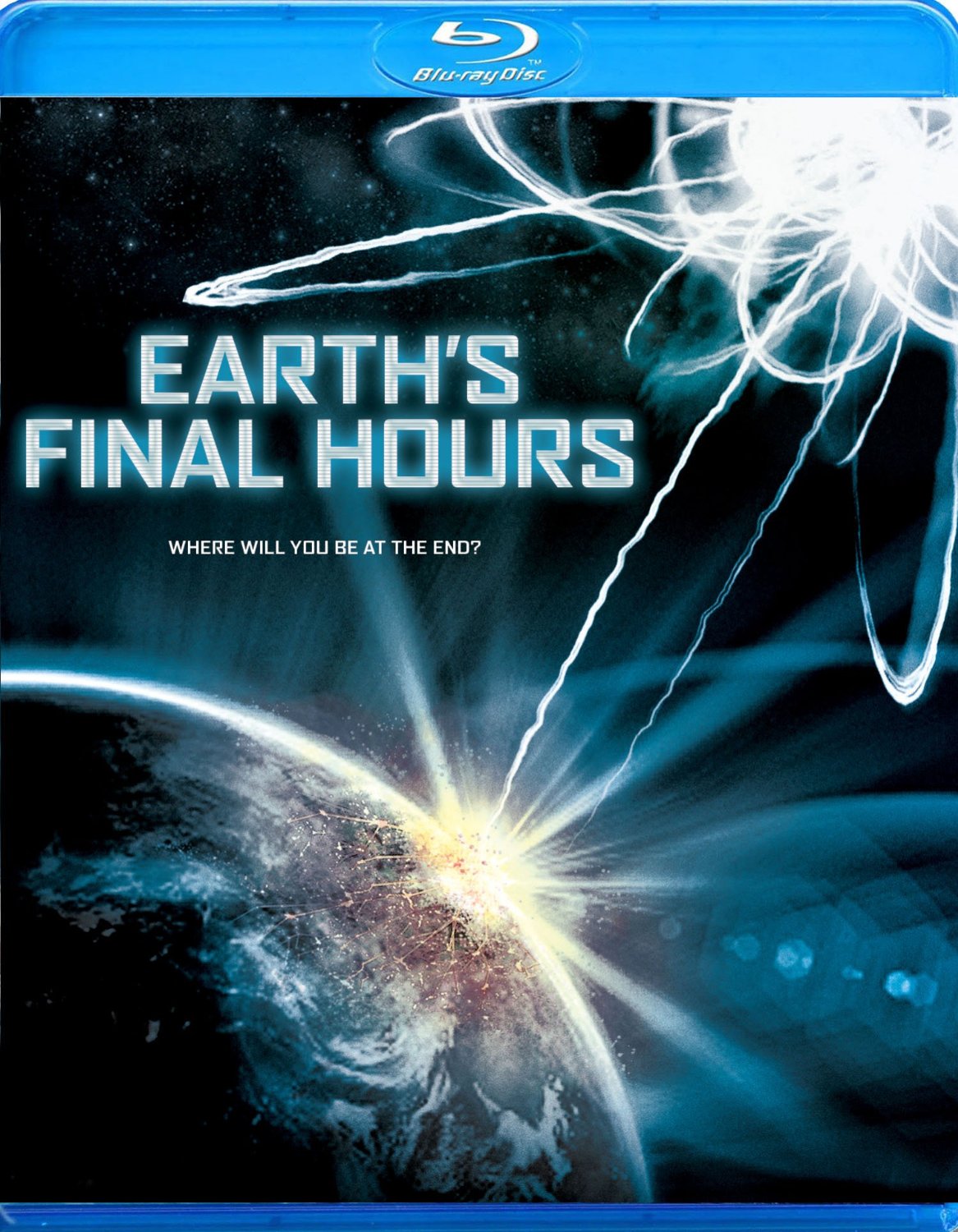
“Why save a few when we can save them all?”

An excellent question; have you ever noticed that in disaster films as soon as an apocalyptic event is discovered, plans go into motion to protect the elite such as the president, his cabinet, and a few select others while the rest of the world is left out in the cold to be lambs to the slaughter? Well, in Earth’s Final Hours, the lambs fight back, working to save the many rather than just the few.

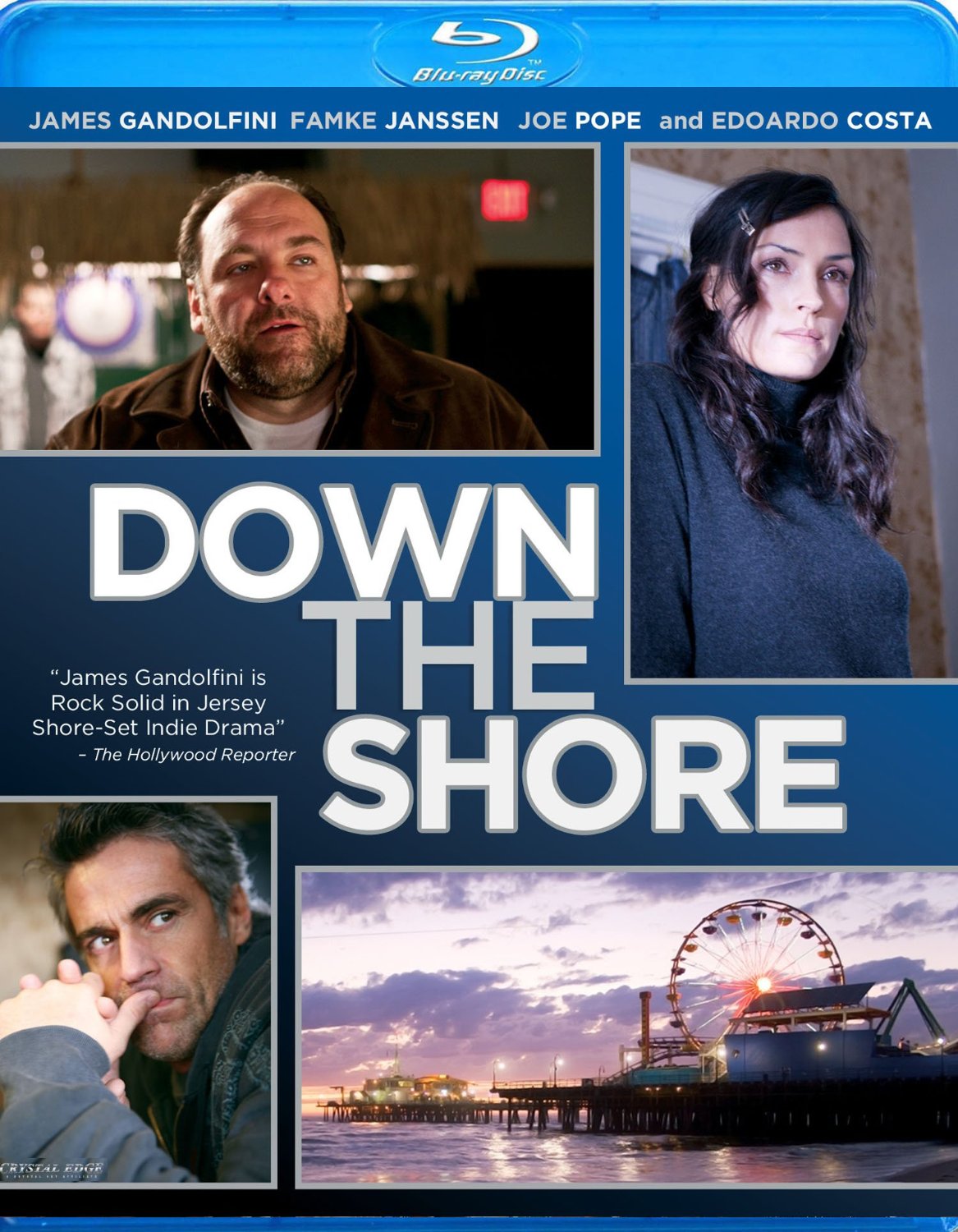
For better or worse — okay, it’s worse — it’s now impossible to hear the words “Jersey” and “Shore” without thinking of a certain group of knuckleheads on MTV. Down the Shore is a dreary, observant drama set in the region and starring James Gandolfini. If anyone is ever going to restore the area’s good(?) name, you figure the Sopranos star is a better bet than most, having previously dominated the Garden State from a pop culture standpoint by starring in the landmark television drama.

Funnily enough, Down the Shore actually opens in a sunny playground in Paris. The first scene is a meet-cute between French merry-go-round operator Jacques (Edoardo Costa) and American tourist Susan (Maria Dizzia). Fast forward three months later with Jacques traveling to the Jersey Shore to inform Susan’s brother Bailey (Gandolfini) that his younger sister is dead. On top of that happy news, Jacques and Susan had actually gotten married, and Susan left Jacques half of the house where Bailey currently lives. Bailey — who works as an amusement park operator on the Shore (apparently, Susan was drawn to certain types of men) — is understandably not happy about any of this, while Jacques is merely trying to carry out his late wife’s wishes and is willing to pull his weight at the park.

This is a review that I’ve been dreading.  It’s been a while since a movie has gotten me so worked up over its thoughtless execution that I struggle to find something redeeming out of it.  For those unfamiliar with non-linear storytelling, a simple definition would be a story told out of order, for instance Memento or Pulp Fiction.  Those two examples are of films that execute non-linear storytelling and use the structural device as a means to further their story.  As for the filmmakers involved with The Devil’s in the Details, they took a decent story and then tore it up into shreds, tossed it in the air, and pieced it together however they saw fit.

I feel sympathy for the performers here; even though what the actors had to work with was flimsy at best, they still deliver.  Ray Liotta plays Dr. Bruce Michaels, a former Navy Seal who now is a shrink to soldiers coming home from the war.  The performance is subtle and a far cry from the intensity he brought to Narc or his most notable role of Henry Hill in Goodfellas.  For those who are fans of Liotta, at least his performance is worth watching here.

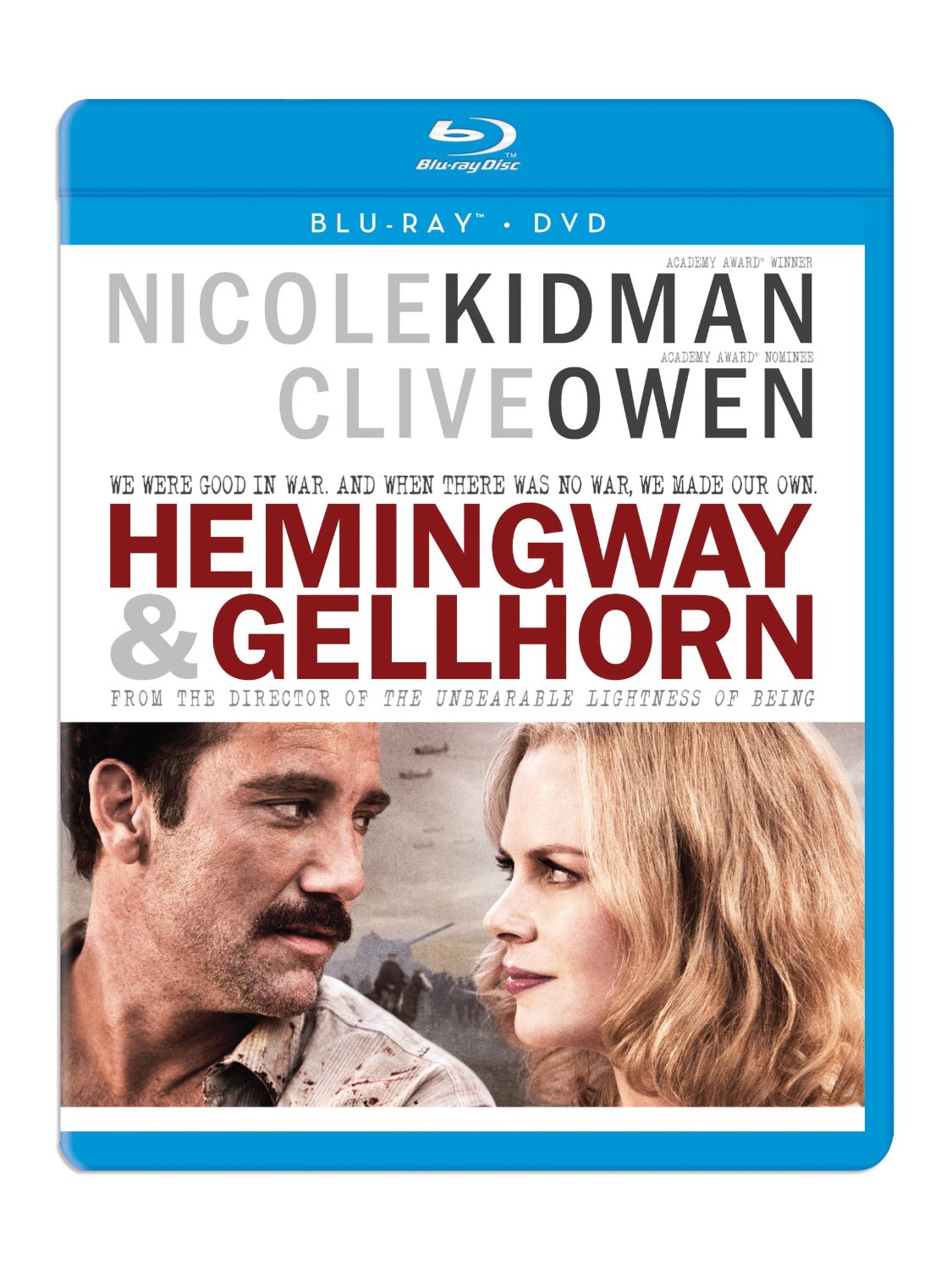
“The important thing for a writer is to tell a good story.”

Martha Gellhorn, considered by some to be the greatest war correspondent of the 20th century, was extremely adamant about not wanting to be a footnote in someone else’s life. So I’m thinking the writer — who died in 1998 — may have had mixed feelings about Hemingway & Gellhorn. On one hand, her life story gets the prestigious (and mostly sympathetic) HBO Films treatment, and Gellhorn is played by Oscar winner Nicole Kidman in a sensational, searing turn. On the other hand, the film had Gellhorn’s 60-year career covering every major world conflict to draw from, yet largely focuses on her combustible nine-year relationship — and five-year marriage — to Ernest Hemingway. I mean Gellhorn couldn’t even wrangle top billing in the film’s title, for crying out loud!