1080p

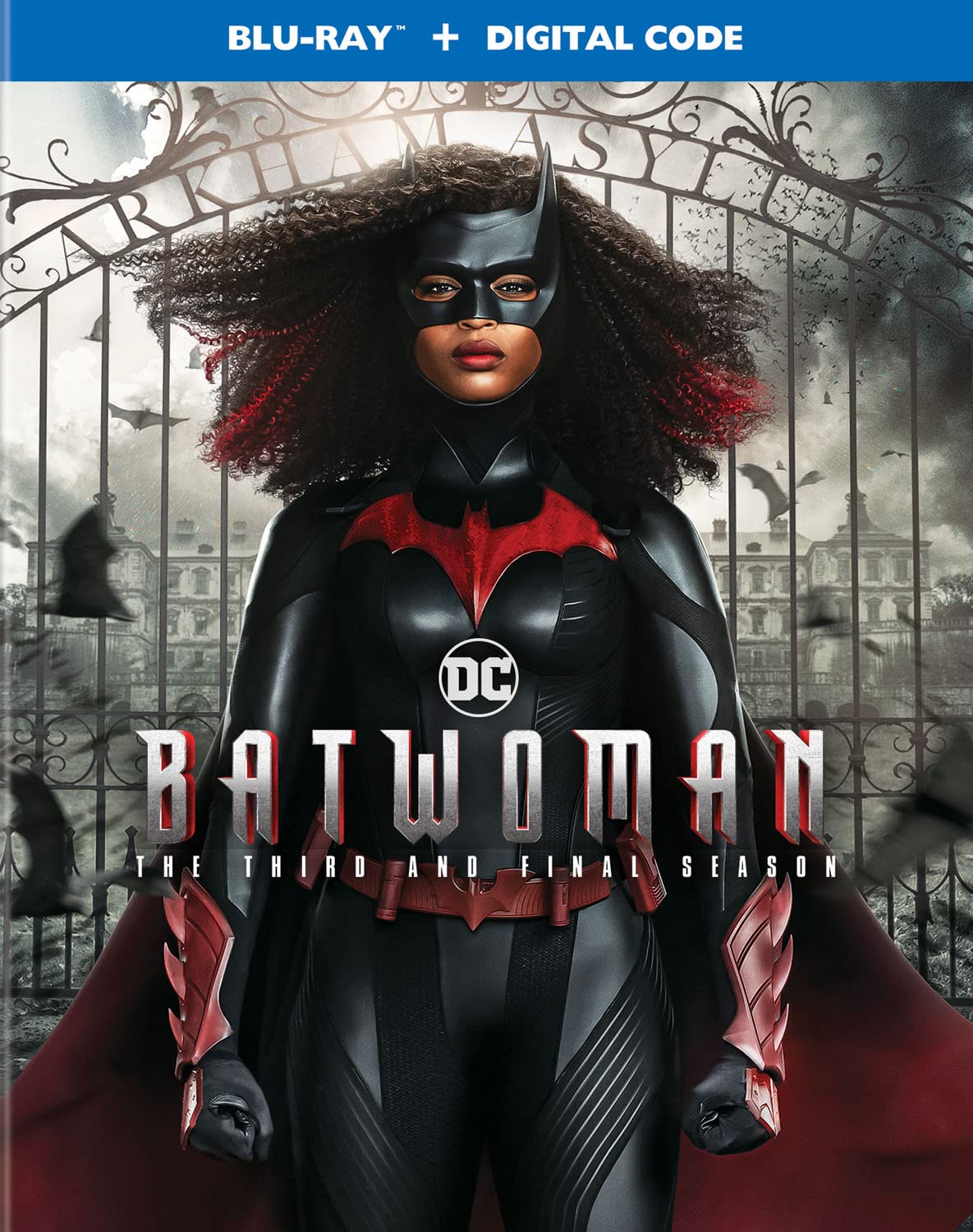
"Sounds like the Mad Hatter is throwing a tea party." 

Of all of the Arrowverse shows, I think Batwoman has had the hardest road of it. Ruby Rose was far from the dynamic character the CW or DC could have hoped for, and she spent most of her first season complaining or on the outs in some way or another. In her single season she was constantly outshone by her villain and pretty much everyone around her. It's bad when the one in the cape and cowl can't seem to attract any attention. It was a surprise to no one that Ruby Rose left the show after that first year. What did surprise me was that the show was going to continue. Instead of recasting Kate Kane, the powers that be brought in a completely different person to play the title character. Enter Ryan Wilder, played by Jevicia Leslie. She took the rap for a friend and ended up serving 18 months in prison for drug possession. Her foster mother was killed by some bad guys who never paid for the crime. Needless to say, she is carrying a lot of angst. Now she can't find a job or a place to live. She's homeless and living out of her van. She watches a ball of fire which turns out to be a plane crashing out of the sky. It hits near her van, and when she explores the wreckage, she finds the batsuit. Of course she puts it on and gets quite a kick out of the things she can do. She soon realizes the suit can help her get some revenge on the bad guys and starts kicking some butt.

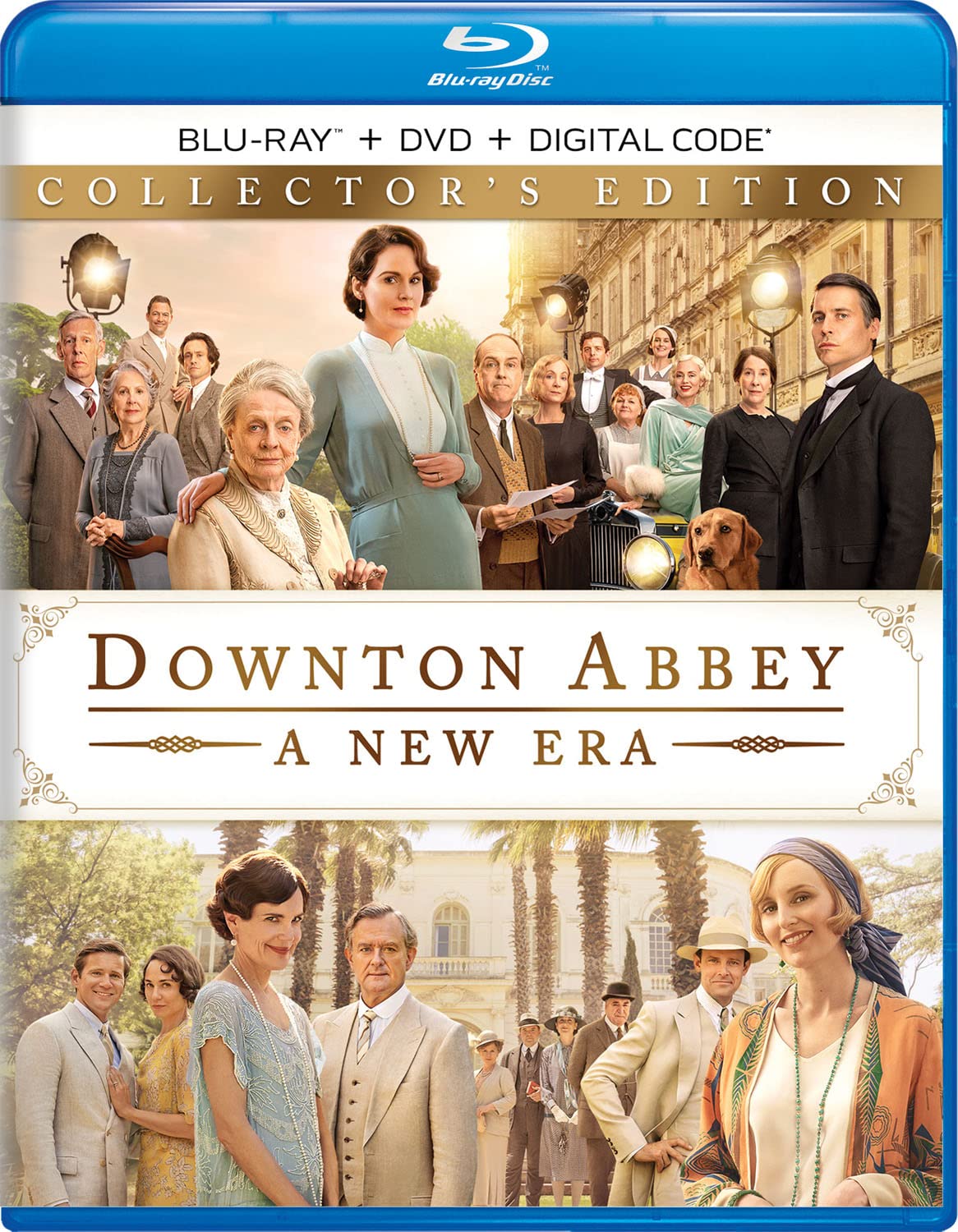
"The modern world comes to Downton." 

Downton Abbey spent six years on television and has amassed 52 episodes. In that relatively short run the series has also managed to collect over 200 award nominations and several Golden Globes along with other prestigious awards. Let's not forget a rather loyal fan base that has watched each episode with anticipation of the next sharp barb or character revelation. The fans have been vocal and strong enough that a new film franchise has been anticipated to fill the void left by the series and the first film. In one of its years it was the number-one binged series in the world. That's a lot of power, and it's little wonder that all of these ingredients are expected to create a little box office gold. But film franchises from television shows rarely go on to such golden heights. There are some notable exceptions, to be sure. But even here, expectations and changing caretakers often lead to both high points and flops. The Star Trek franchise is a perfect example of those kinds of ups and downs. Mission Impossible is an example of shows that have to be completely retooled to hit the high numbers. Where has Downton Abbey fit in this equation so far? I rather suspect the jury is still out, because the arrival of COVID put a bit of a spanner in the works, both in time between films and available cast. One thing I can tell you with complete confidence: the film will absolutely entertain fans of the series. There's no retooling to be found here, and you can expect the same kind of drama that you've been mainlining for 52 episodes and one film.

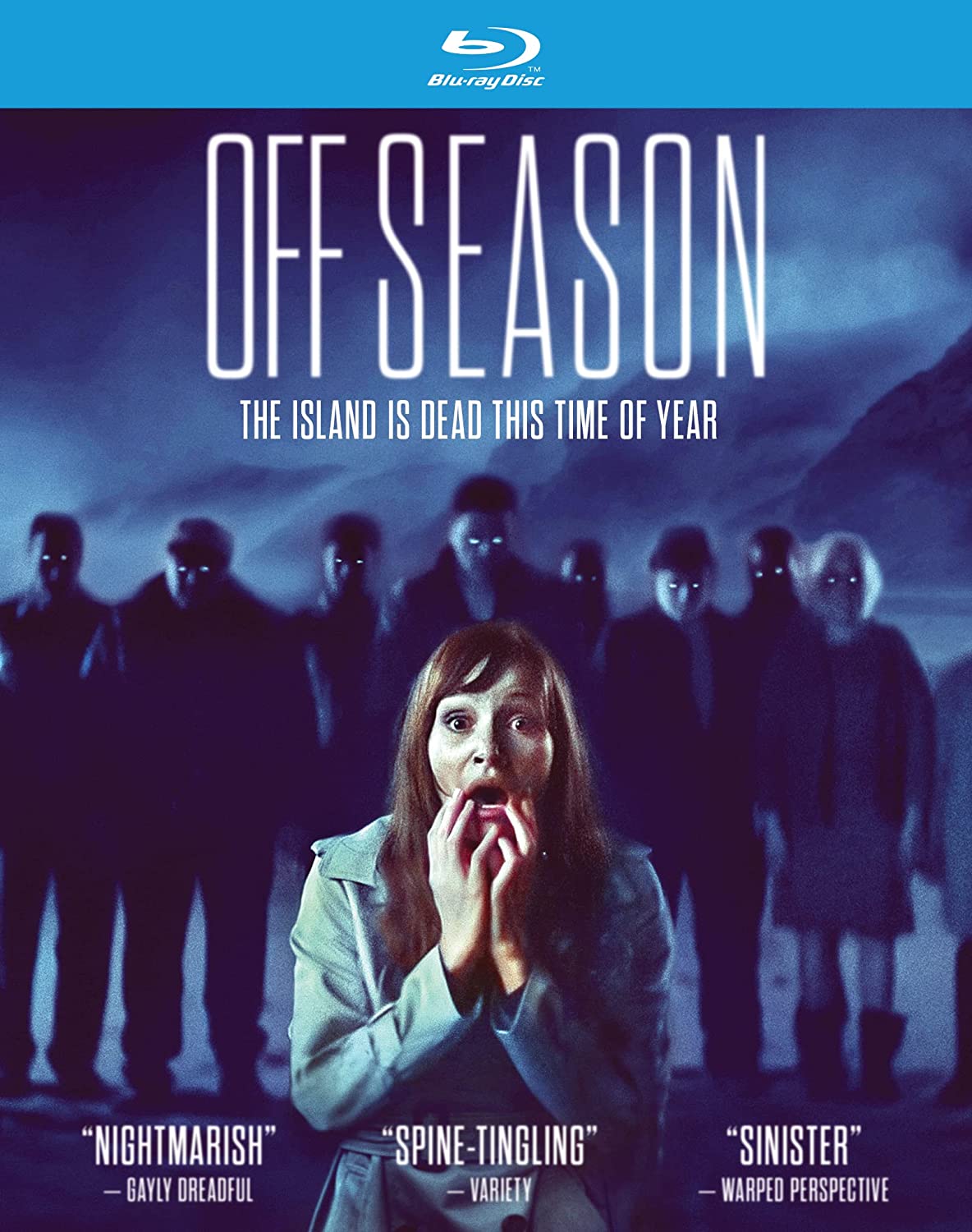
Offseason is the type of film we just don’t get a lot of anymore. It’s a film that heavily pays homage to HP Lovecraft and The Messiah of Evil and other films of the 70’s era, only there is little to no gore to show for it. There’s a strong Silent Hill vibe going on with the film, especially with the copious amounts of fog that seem to always be around.  It would seem that this film has all the makings to be a hit, especially when it seems to be going for tropes that I like in a horror film, but unfortunately this one just missed its mark by making two big mistakes. One, it was too obvious, and two, it just totally screws up the ending. I’m not expecting every movie to be the next Wicker Man, but it seems that writer and director Mickey Keating is trying so hard to be on the same level as Ti West and Robert Eggers that the film just comes off looking like a good-looking snore-fest we’ve seen before. I really wanted to like this, and it had a lot going for it, but it seems when you pull inspiration from too many sources, it can get pretty messy.

Marie Aldrich (Jocelin Donahue) gets a notice that her mother’s grave has been vandalized and that she must immediately come to the remote tourist island. We find out that her mother, Ava Aldrich (Melora Walters) never even wanted to be buried on this island, but that somehow her will was mysteriously changed, and she was still buried on the island. Marie knows little to nothing about the island, but she goes out there to see to the repairs that need to be made for her mother’s grave … trouble is that the island is being evacuated of tourists, and if Marie and her beau, George (Joe Swanberg) don’t get things sorted out in time, they run the risk of being abandoned on the island.

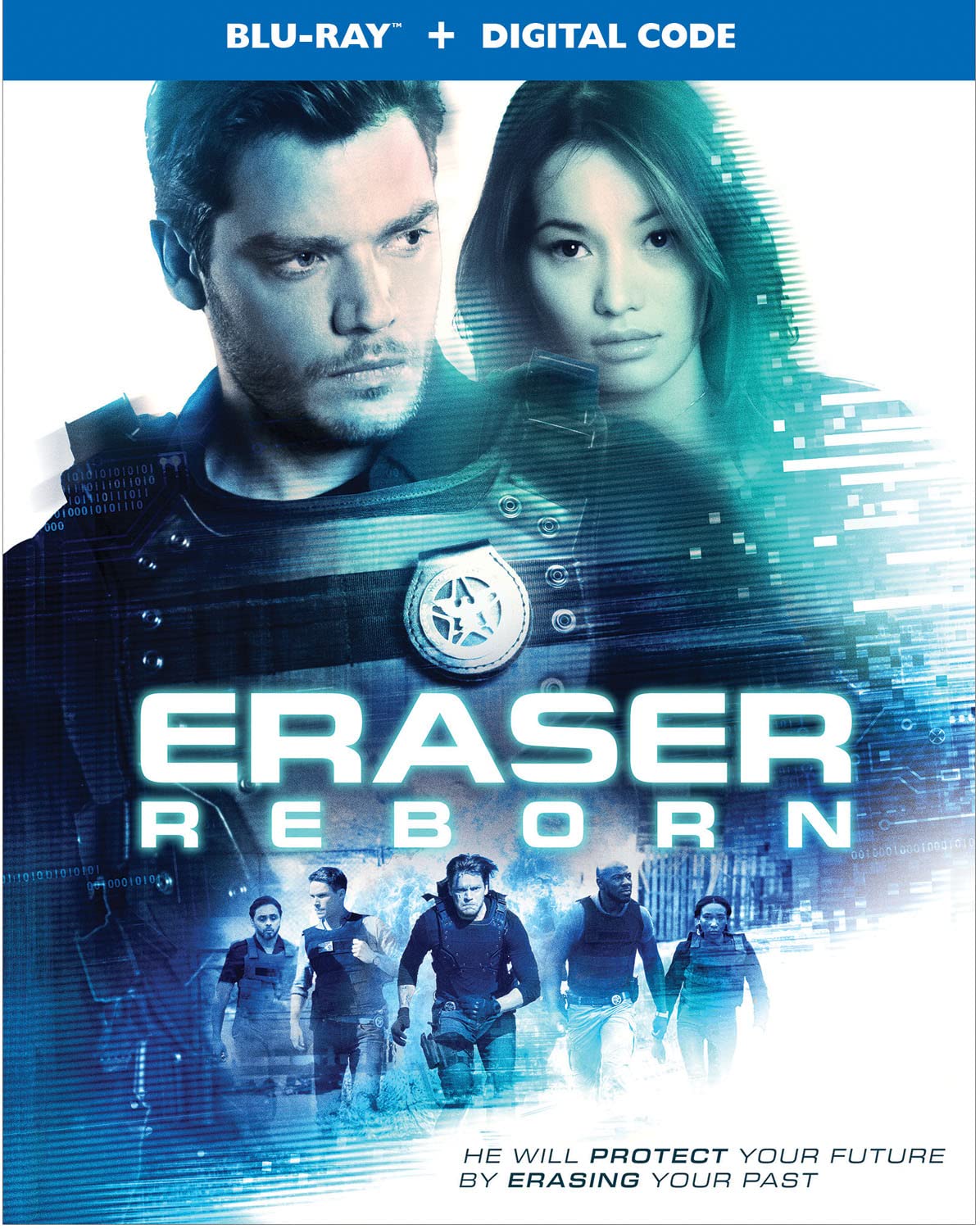
“Congratulations, you’ve just been erased.”

In 1996, when Eraser came out, it was pretty much what everyone expected from an Arnold Schwarzenegger film: lots of action and cheesy one-liners. It was far from Arnold’s finest work, but it was fun, and the big guns used in the film were pretty cool, too. Eraser is a film you can look back fondly on if you grew up in the 90s, because it was silly fun and nicely directed by the legendary Chuck Russell, who had a pretty good streak of films going when he did Eraser. Before he’d had success with the breakout Jim Carrey film The Mask, and before that he had the remake of The Blob and A Nightmare on Elm Street 3: The Dream Warriors. I bring this up because the reason Eraser worked when it did was because it had the biggest action star on the planet in its lead role and a talented director working behind the camera, and to top it off a $100 million dollar budget to play with. Now we are talking 25 years later, and Warner Brothers has given us a sequel no one in their right mind has asked for, and it doesn’t even have its star. Dusting off older properties is the rage in Hollywood, and at least most of these sequels are warranted, but Eraser: Reborn comes at us about as unwanted as solicitors on a Saturday morning when all we want is to sleep in. Despite everything, I still went in to this with an open mind, hoping maybe they returned to this intellectual property because they had something new and cool to bring to the table. Spoiler alert: they didn’t, but that’s why I’m here to take the visual bullet so you don’t have to.

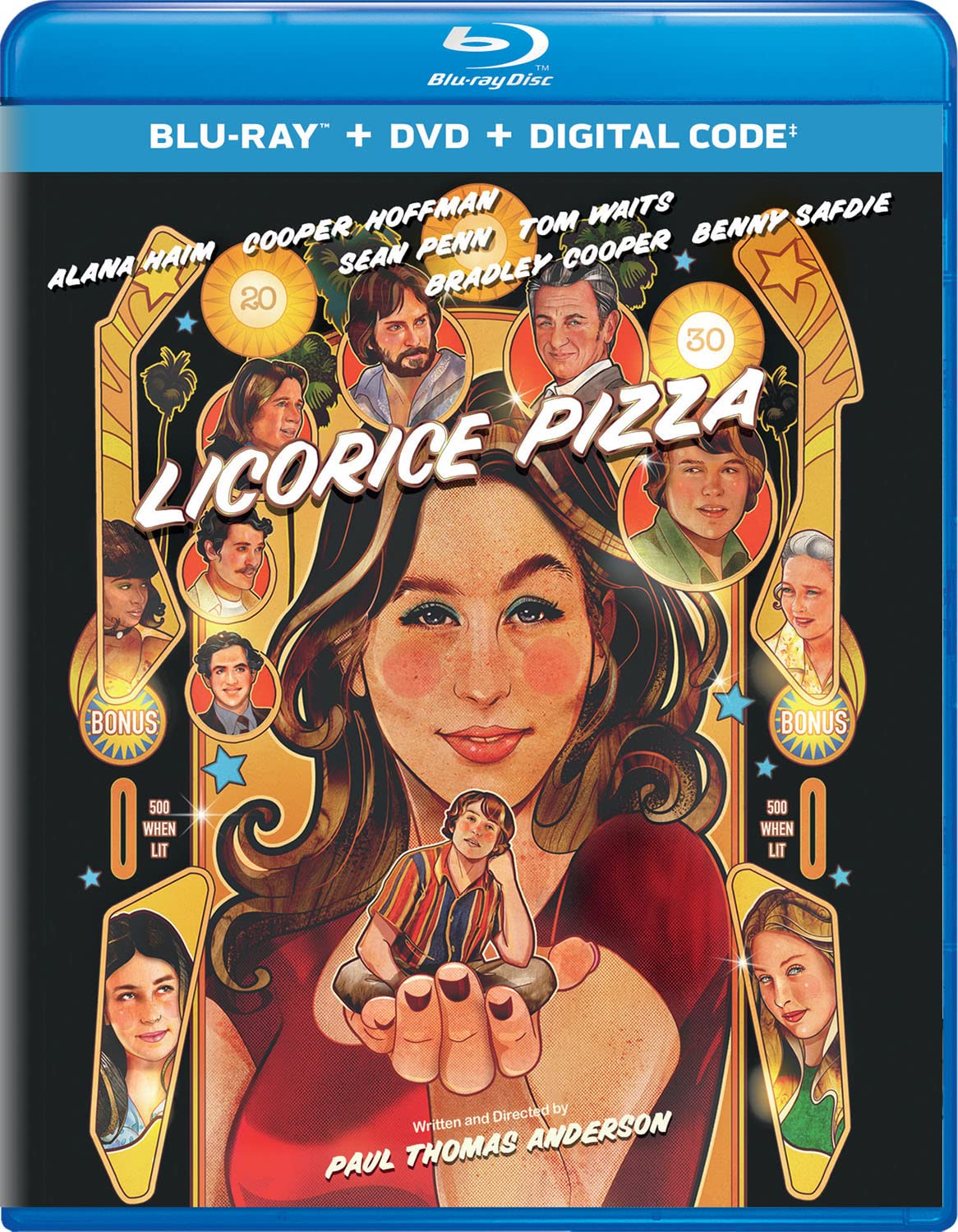
Licorice Pizza marks writer/director Paul Thomas Anderson’s 9th feature film, and it seems to be his most personal film to date, as it takes place in his hometown of San Fernando Valley during 1973. It’s difficult to go into a Paul Thomas Anderson film and not have high expectations. I can’t even guess the number of times I’ve watched Boogie Nights, and Magnolia is one that I adore just as much. These two films just impacted me from the first time I experienced them in the cinema and really fostered my appreciation for film and storytelling with large ensembles. Since then I’ve been waiting somewhat patiently for PTA to do another film like those two, but instead he’s grown as a filmmaker and genuinely become an auteur. While I can look at his films The Master, There Will Be Blood, and Phantom Thread, they are great cinematic achievements that show he can do award worthy films and that he’s definitely one of the best working directors out there, BUT I’d be hard pressed to say they have the re-watchability of his earlier films. It just seems he’s been chasing after that elusive Best Director award rather than simply having fun directing movies. Then Licorice Pizza comes along, and it is a sweet breath of fresh air, a film filled with the cinematic flair and great characters, along with a great soundtrack that got me to become a fan of Paul Thomas Anderson’s work.

The overall plot of the film is simple. Gary (Cooper Hoffman) is a precocious 15-year-old who is an actor and has started up a few businesses of his own. When he meets Alana (Alana Haim) on picture day at school, he is instantly smitten with the 25-year-old who works for the photography company. He’s persistent about getting Alana to go out on a date with him, and reluctantly she agrees in a way to call his bluff. She sets the ground rules that they are meeting, but only as friends. As the film progresses and the relationship gets more complicated, she has to keep reminding herself that they are only just friends … or are they? This isn’t a teenage sex comedy, but it is fun-spirited romance that is charming and innocent. Sure, this has some vibes that remind me of Rushmore (1999) with the precocious teen trying to win over an older woman’s affections. The difference I see is that in Rushmore, the main character was more fueled by jealousy, whereas Gary’s affections and actions are genuine.

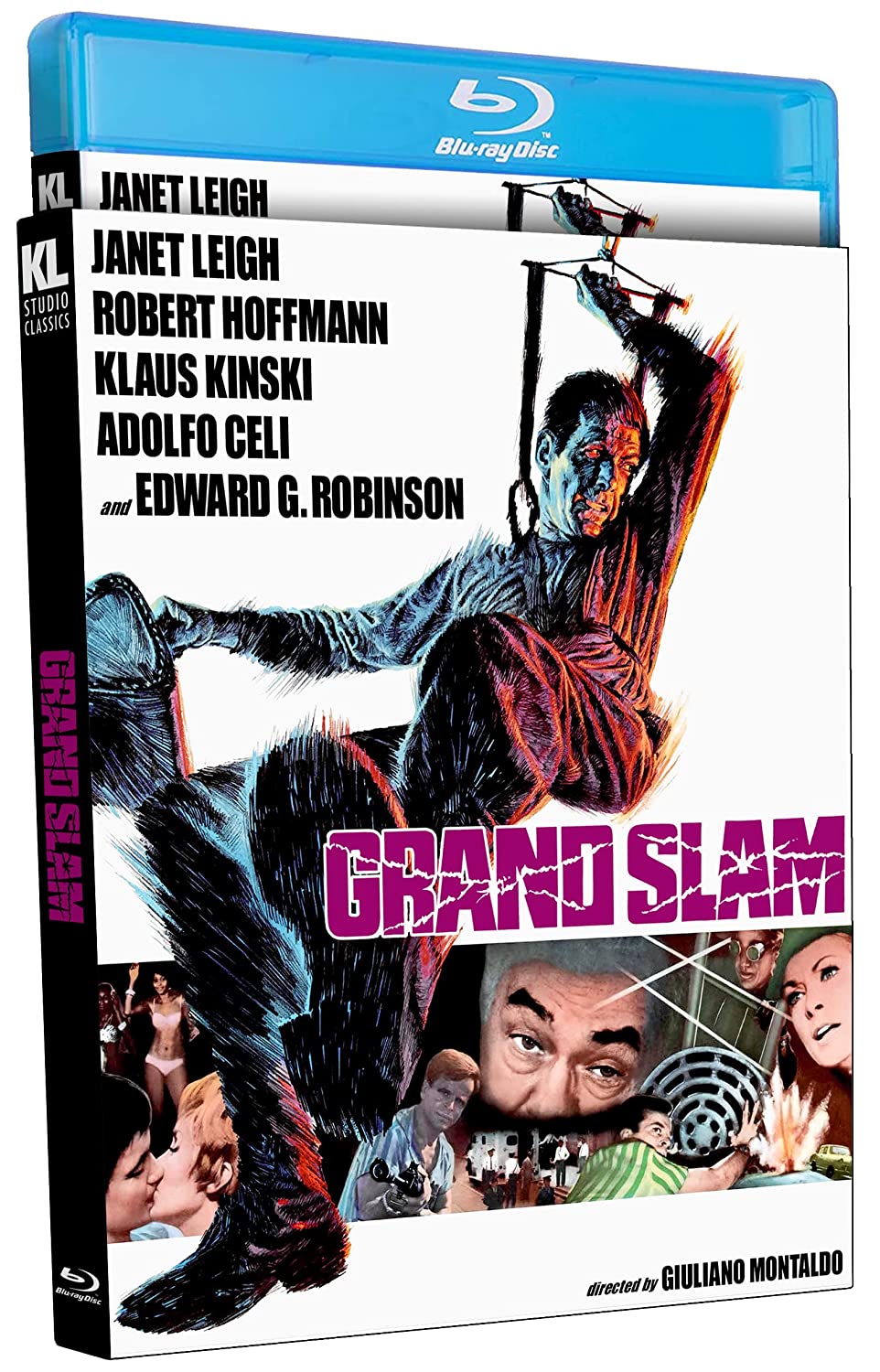
The original heist movie is often credited to The Asphalt Jungle, directed by John Huston.  A criminal mastermind, a million-dollar jewel heist, a band of outlaws, and the dame in a seamy and gritty underworld.  It had all the qualities that would set up that genre for decades to come.  Today's offering is another film that is often listed on top-twenty lists for the genre, Ad ogni costo, better known by its English title as Grand Slam.  In it, a retiring school professor recruits four criminal masterminds to steal ten million in diamonds.  We'll have to see if it makes the grade or is doomed to be held back for another year.

Rio de Janeiro.  Kids are shouting and singing as people board a plane to go to America.  In particular, these kids are wishing their former professor, James Anders (played by Edward G. Robinson) safe travels, as he happens to be going to New York.  Music is played, and a hearty goodbye is felt as we roll the credits.

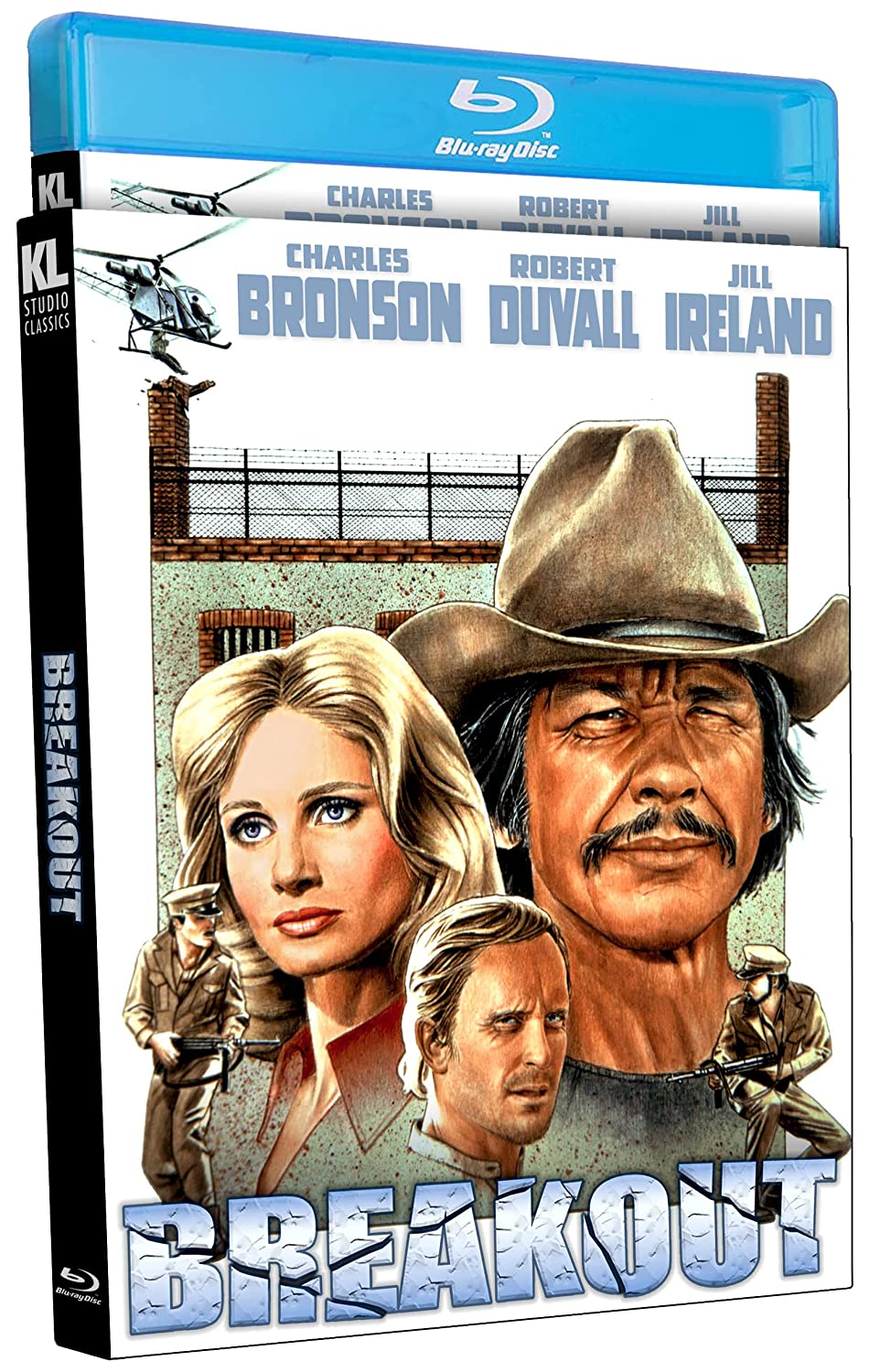
The year of 1975 was an interesting year.  I was born, Jaws was the top grossing film of the year, followed by One Flew Over the Cuckoo's Nest.  Other interesting films included Return of the Pink Panther, Three Days of the Condor, Rollerball, and The Adventure of Sherlock Holmes' Smarter Brother.  Somewhere after those films and others, we have a film called Breakout, which featured the action star Charles Bronson.  Fresh off his greatest film, Death Wish, Breakout would be one of the three films with Bronson that would come out during 1975 (other two being Hard Times and Breakheart Pass).  In Breakoutwe explore the topic of prison escape.  Let's make sure this one gets out with good behavior.

Mexico, 1971.  A bus drives through a small town.  Inside the bus are a couple of prisoners who are smiling at each other while two guards watch over them.  One of the prisoners hands over a bribe to the guard.  The guards hand them  some clean clothes.  The bus stops and the guards get out.  The prisoners also get out thinking their freedom is soon at hand.  The first prisoner runs off into the desert.  The guards hand the second prisoner a gun and tell him to shoot the first prisoner.  He shoots twice wildly but the third (and the fourth gunshot) hits him square in the chest, killing him.  Elsewhere, a briefcase is exchanged between two men and they shake hands.

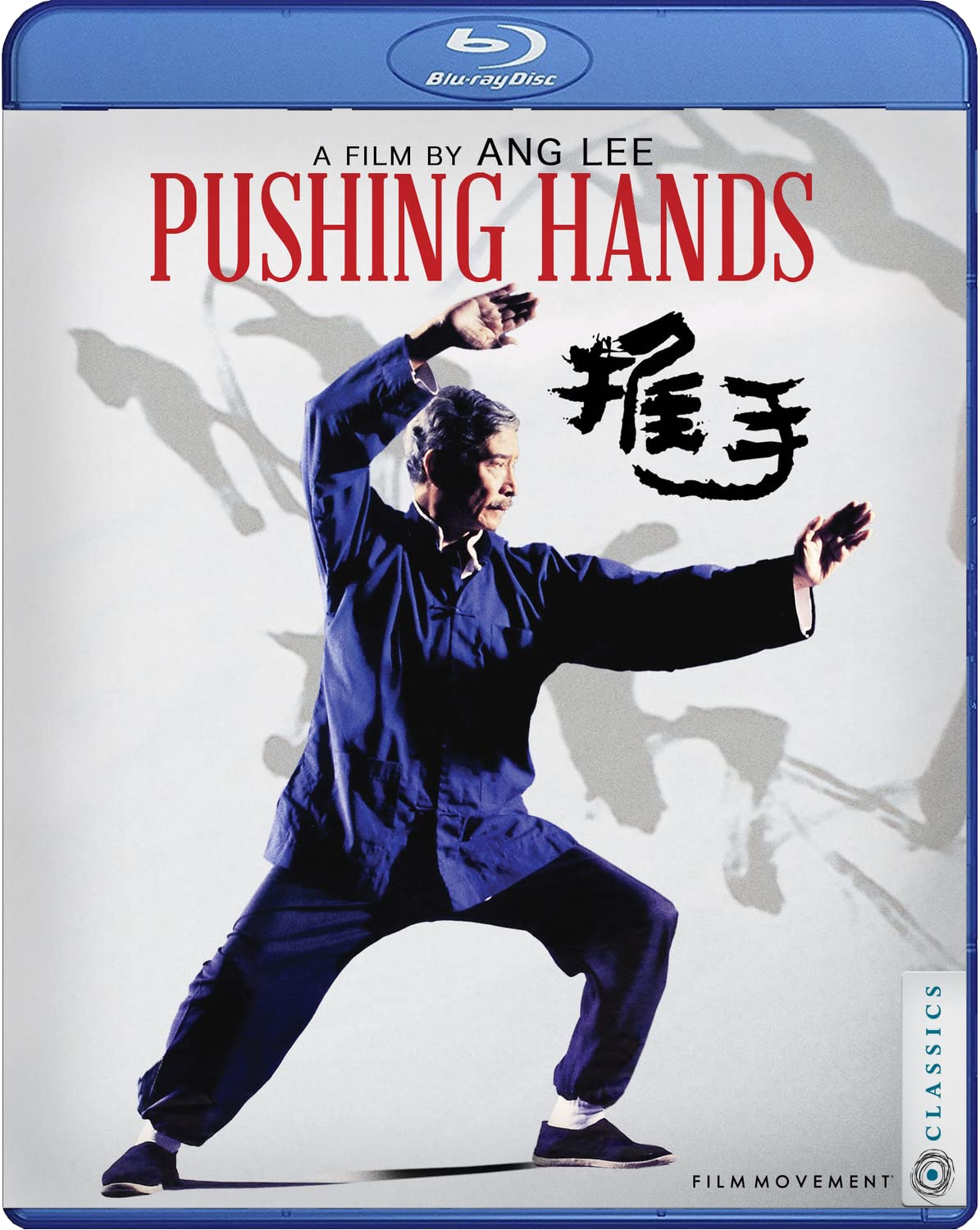
Director Ang Lee has come a long way since his 1991 debut film Pushing Hands.  When you look at Ang Lee’s impressive resume, the only film that stands out is sadly his only major misstep as a director, and that’s the 2003 film Hulk, the movie I feel audiences have been trying to forget and comic fans simply want to pretend doesn’t exist.  When you look at the rest of his resume, there are some impressive titles that have made a difference within the Hollywood cinema landscape.  Crouching Tiger, Hidden Dragon, Brokeback Mountain, and Life of Pi are just a few of his films that are standouts that were commercial successes but at the same time define his unique style and focus when it comes to character. Pushing Hands is character study that was released during the rise of independent cinema in the 90’s when film focused more on characters and finding unique voices that could tell great stories on a limited budget. What makes the film all the more unique is that it’s a martial arts film without the violence we’re used to seeing on the big screen, and instead its focus is more on the holistic methods of tai chi.

The film opens with Mr. Chu (Sihung Lung) and Martha (Deb Snyder), his American daughter in-law, at odds with one another.  The two butt heads most because of their cultural differences, and we get to see how difficult it is for them to live under the same roof. Back in China, Mr. Chu was a well respected tai chi master, but now he lives in America with no understanding of the language, living under his son’s roof, and he simply rejects the American way of living because he is stuck in his old ways. Martha is a housewife who is attempting to write her first novel but is thwarted by her father-in-law’s antics that are a constant distraction. Alex Chu (Bozhao Wang) is the dutiful son who is caught in the middle of being a loyal and loving husband while being the caretaker of his father. This dynamic and how it’s presented is very relatable for those in culturally blended families. If this was the only layer to the story the film would still be pretty good, but there is so much more going on that makes this a fun and charming viewing experience.

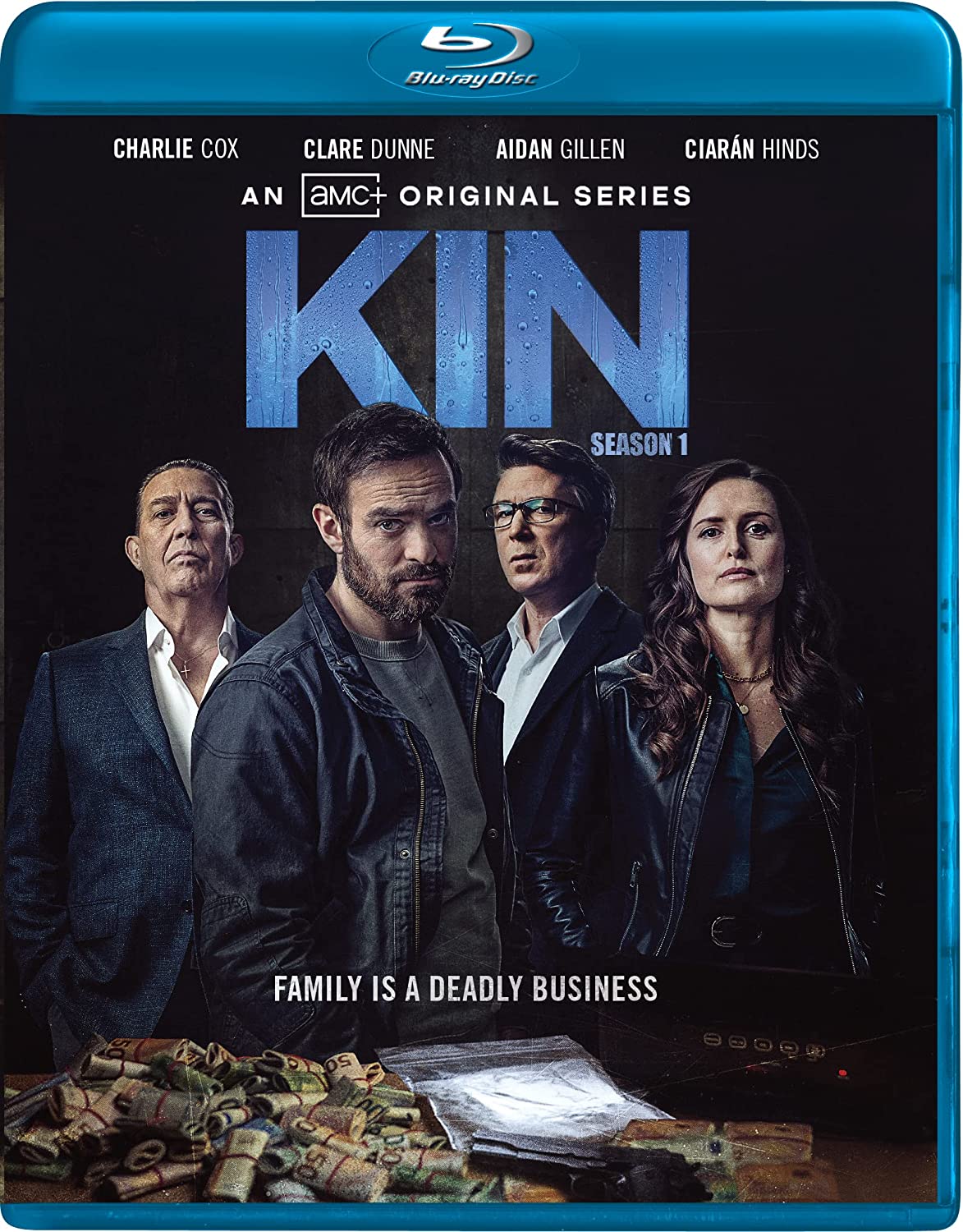
What do you get if you take The Sopranos and mix it with Animal Kingdom and place it in Ireland?  That’s pretty much the best way I’d go about describing the first season of the new AMC television show Kin. The show only runs for eight episodes, but I have to say this is the most satisfying gangster story I’ve seen in some time. No, I’m not about to say it is better than The Sopranos, but it definitely has the potential to be in the same league if the show continues with the momentum it has going for it. What’s a shame, though, is that with so many cable channels and streaming services out there, this is a show that has gotten lost in the mass of content, and it deserves to be recognized. The Kinsellas family is a small-time crime family based in Dublin. The family runs their business under Eamon Cunningham (Ciaran Hinds) who is pretty much The Godfather over all of Ireland. Mostly Cunningham deals with drugs, but literally if you are involved with any sort of crime, he’s still collecting on it. Then there is Frank Kinsella (Aidan Gillen, aka “Little Finger” from Game of Thrones) who is in charge of the Kinsella family and their small ring of criminal activity. Frank is a fun and complicated character who is a crime boss with a bad habit of using coke but also gay dating apps. Frank is also a family man who not only is trying to do what’s best for the Kinsella family, he has to also deal with his hotheaded knucklehead of a son, Erik “Viking” (Sam Keeley).  Amanda Kinsella (Clare Dunne) runs a car dealership that is used to help launder money for the family. Her husband, Jimmy (Emmet J. Scanlan) is one of the heads of the family who works beneath Frank. Frank’s brother, Michael (Charlie Cox) is recently released from prison, and he we can assume was the “heavy” for the family as we find out he’s responsible for a lot of deaths before his stint behind bars. And finally there is Bridget “Birdy” Goggins (Maria Doyle Kennedy), who is basically a family advisor. The power dynamics of this crime family are interesting, and how the show balances the “family” drama with the “crime” drama is definitely one of the show’s strengths.

Now that you’ve met the family, what is the show all about?

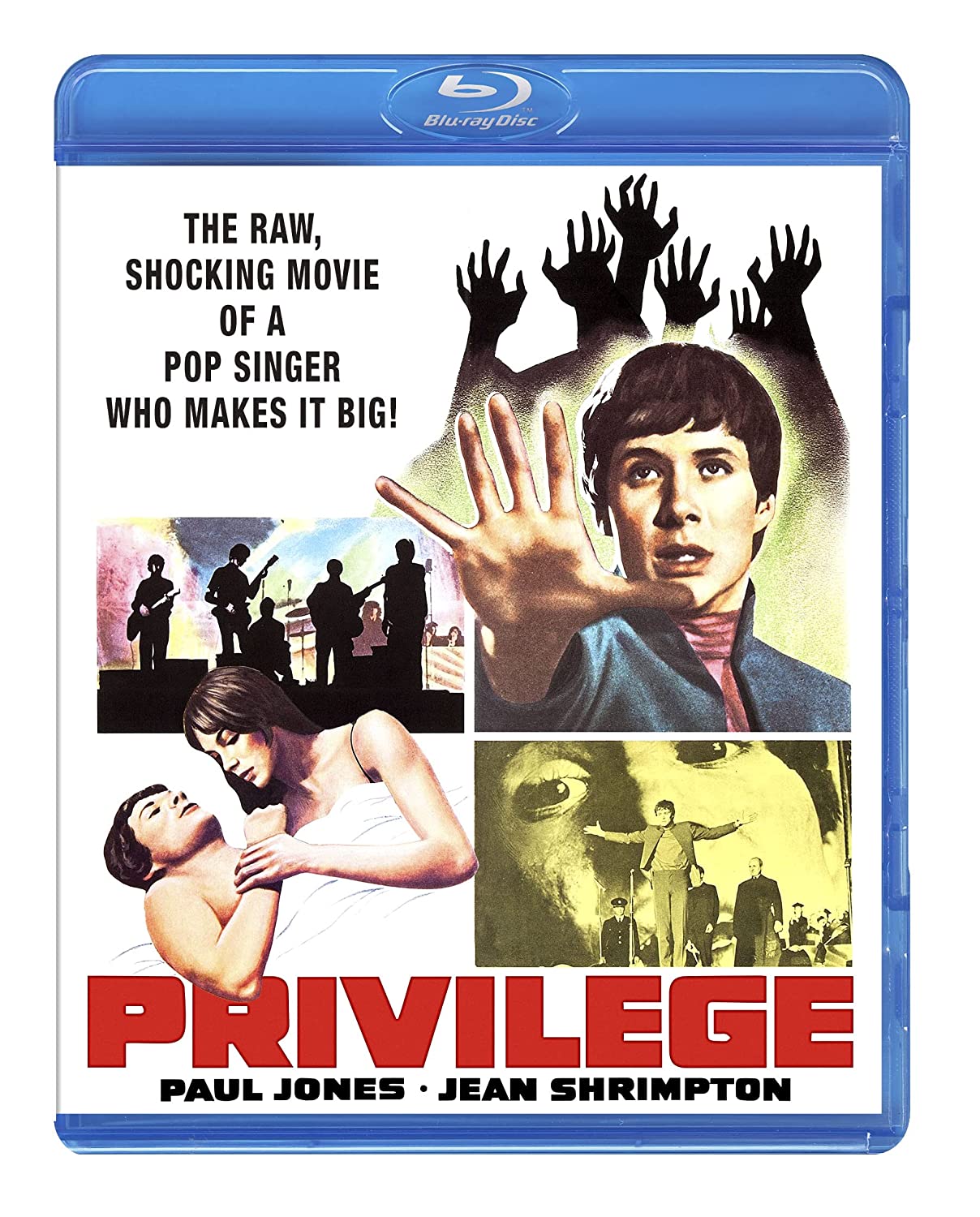
From the beginning of civilized history, the government regardless of where it resides has always preferred its society to conform, to act alike so that there is no trouble or dissenting.  It is far easier if people fall in line so that the ruling class can continue to prosper while its peasants struggle along.  Truth is that most citizens would rather not rock the boat, so they forsake their personality and their soul for another day that was like yesterday.  Even when there is conflict or angst within a society, it's often manufactured by the government in order to give its people a perceived outlet for their deepest and darkest emotions.  Today, we explore Privilege, a film that takes a look at the not so distant future where a British pop star takes the UK by storm, but little does the public know that the government is the one pulling the strings.

The narrator tells us that Steven Shorter (played by Paul Jones) is quite happy to be back in the UK after a successful American tour.  His adoring fans are being held back (well, most of them) from the pop singer.  He gives them the release they need from the state of the world and gives them an outlet for their emotion, which they gladly pour out for this musical icon.