1080p

"What's the word for when you're bad at expressing yourself...  Speechless."

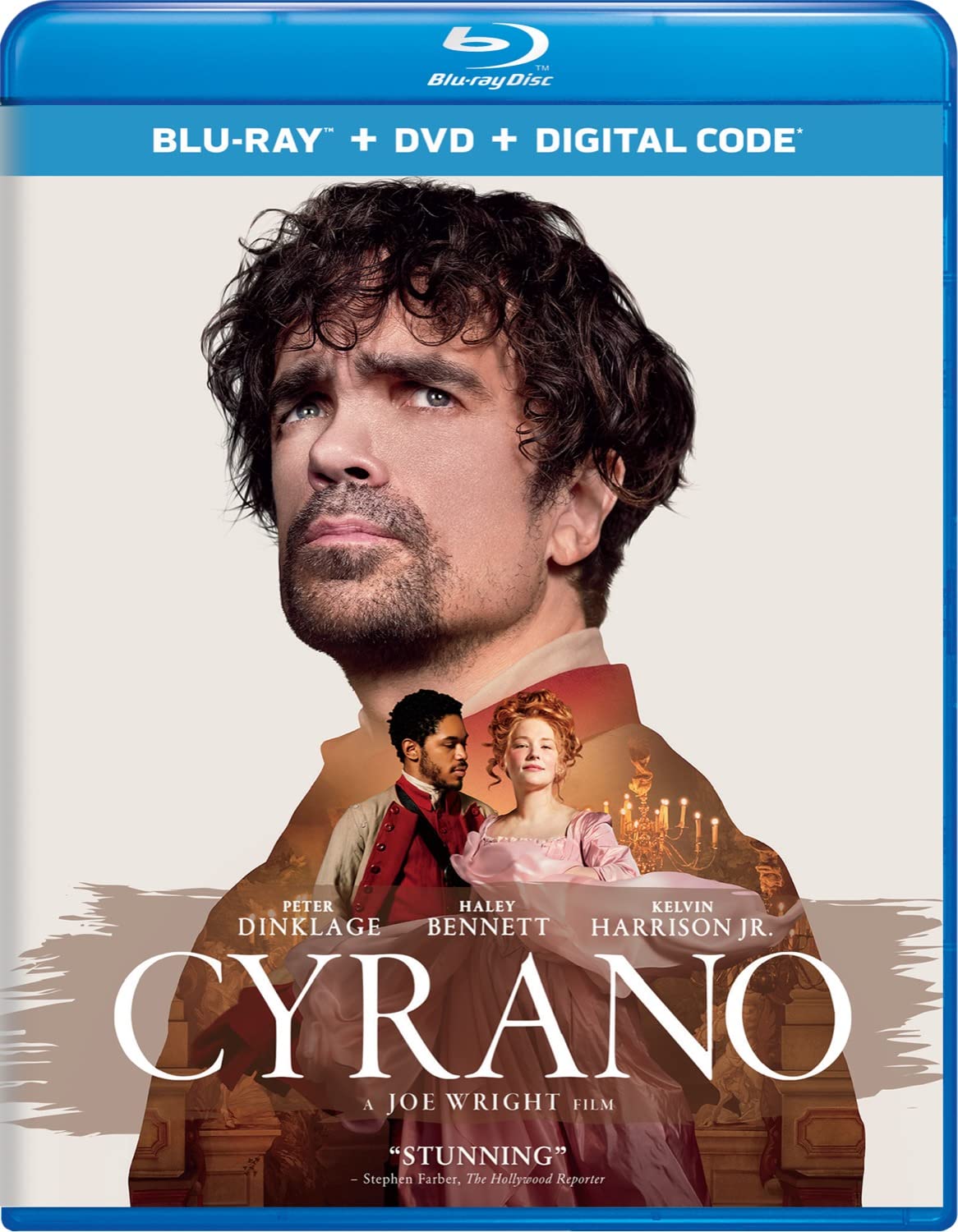
The story has been around for centuries. After Dickens' A Christmas Carol and Shakespeare's Romeo And Juliet, it might well be one of the most imitated stories on film and television. There have been countless plays on the Cyrano themes, from The Brady Bunch to Friends. It's a timeless story first portrayed in a stage production by Edmund Rostand in 1897, but the story goes back to the life of an actual historic figure from the mid-17th century. Of course, his life has been highly made up and likely little to nothing remains of fact from the actual person. The play was a hit, and the general ideas presented there remain popular to this very day. Now there's yet another screen version based on a play written by Erica Schmidt, who happens to be the wife of Peter Dinklage's wife. I was honestly not looking forward to the new film adaptation of Schmidt's adaptation of Rostand's adaptation of literary works going back to the 17th century. It's frankly been done to death, and the last thing I wanted to see was Peter Dinklage, as good an actor as he is, with a huge nose walking around trying not to be laugh-your-butt-off funny. Unfortunately, it was awards season, and I needed to see anything I could get the chance to see before my own votes were due. Fortunately, the film wasn't anything like I expected, and if I had checked out the modern play in which Dinklage also played the character on stage, I would have known that and been much more open to seeing the film. It was duty that brought me to that press screening. It was the chance to see a truly great film again that led to me jumping at the opportunity to review this Universal Blu-ray release. And by the way, there aren't any large noses to be found anywhere in the film.

Easter 2021.  I'm sitting in a hotel room.  My wife and son are asleep in the adjoining room.  Meanwhile, I'm sitting in a chair flipping through channels on the television.  I come upon PBS where music is typically opera or symphony-based.  However, on this particular occasion, I am witnessing something far different.  A lady dressed in a red vinyl dress is playing guitar at the Austin City Limits.  It's clearly rock with a bit of indie and pop thrown in for good measure.  But it's unique all its own and familiar at the same time.  At first, I'm drawn in by her beauty, but I stay far longer once I hear her music and captivating sound.  Within days, I'm buying Masseduction  (and have bought several of her other CDs since then).  Her name is St. Vincent.  As it turns out, even before I was in that hotel room late at night, she was working on a mockumentary called The Nowhere Inn.  After the film falling victim in part to COVID for its release, it finally made it's way to Blu-ray.  Let's take a look.

A long, desolate highway.  A limo passes by with Annie Clark, also known as musician St. Vincent.  She is as it turns out doing just that: listening to music.  The driver up front rolls down the windowed partition and asks who she is, because he's never heard of her.  Annie tries to explain, but the limo driver just goes on and on about how neither he nor his friend have ever heard of her.  Eventually he rolls up the partition and Annie goes back to listening to her music.

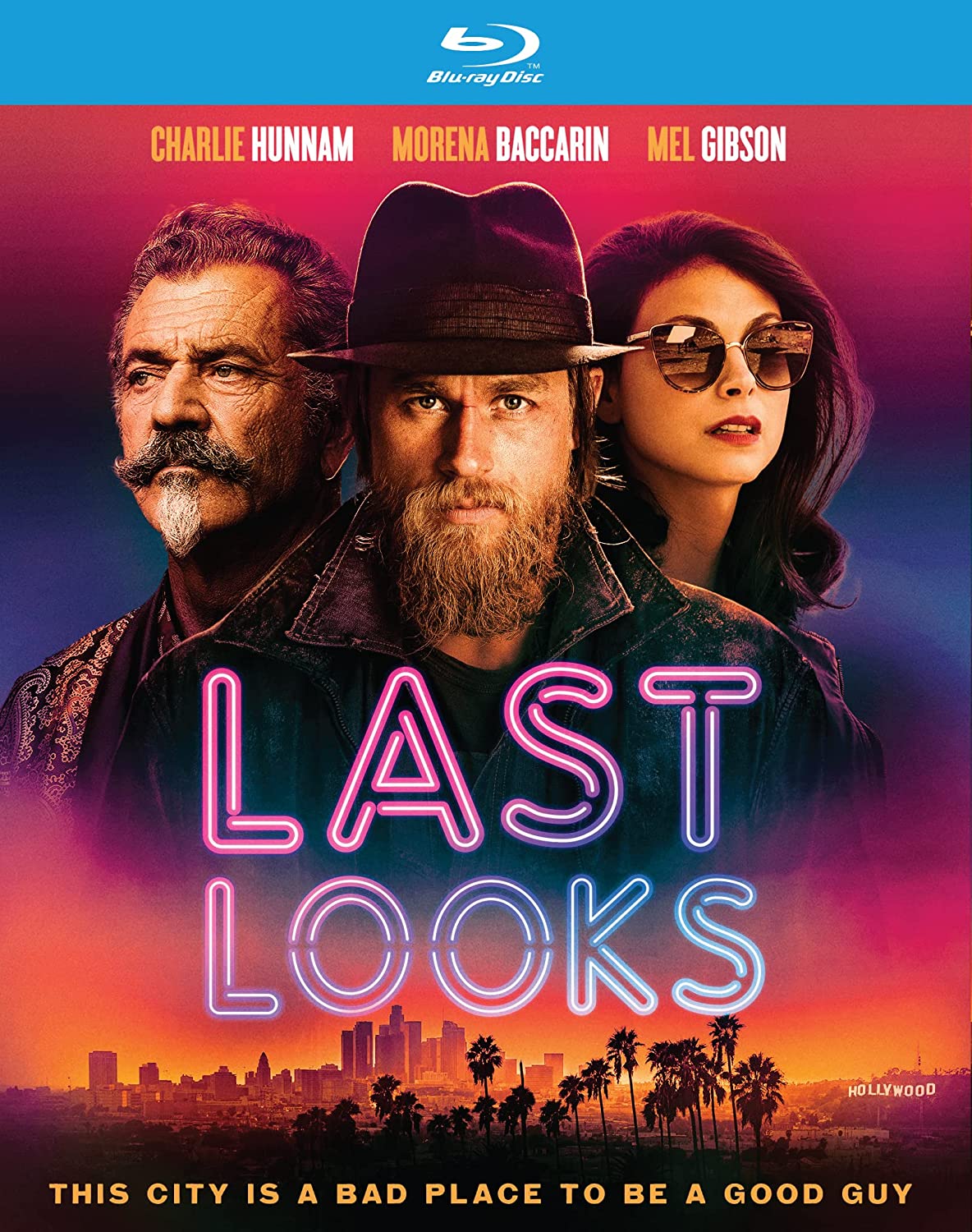
Most people want to do the right thing.  It's usually far easier in your private life to do the right thing than it is, say, in a job environment where you have people constantly breathing down your neck.  They are far more interested in the company's pocketbook or their image to society than what is right and wrong.  Therefore, it often leads to a lot of decisions (especially those in places of power) that from a surface appear questionable.  It's even worse when that company or organization is in the public eye every moment of the day.  Today, we look at a film where an ex-cop has retreated to the mountains in search of a simpler life away from the grey choices of the police force.  All based on trying to do the right thing.  Let's take a look.

Charlie Waldo (played by Charlie Hunnam) stretches in the woods and sits in silence meditating on his life.  Meanwhile we get some ecological narration about the future state of the planet and how awful the United States is at preserving it.  (Trust me, kids, China is much, much worse.)  After a brief morning, Charlie goes right back to meditating.  He also washes his clothes the old fashioned way.  All of the sudden he is greeted by a beeping horn of a car.

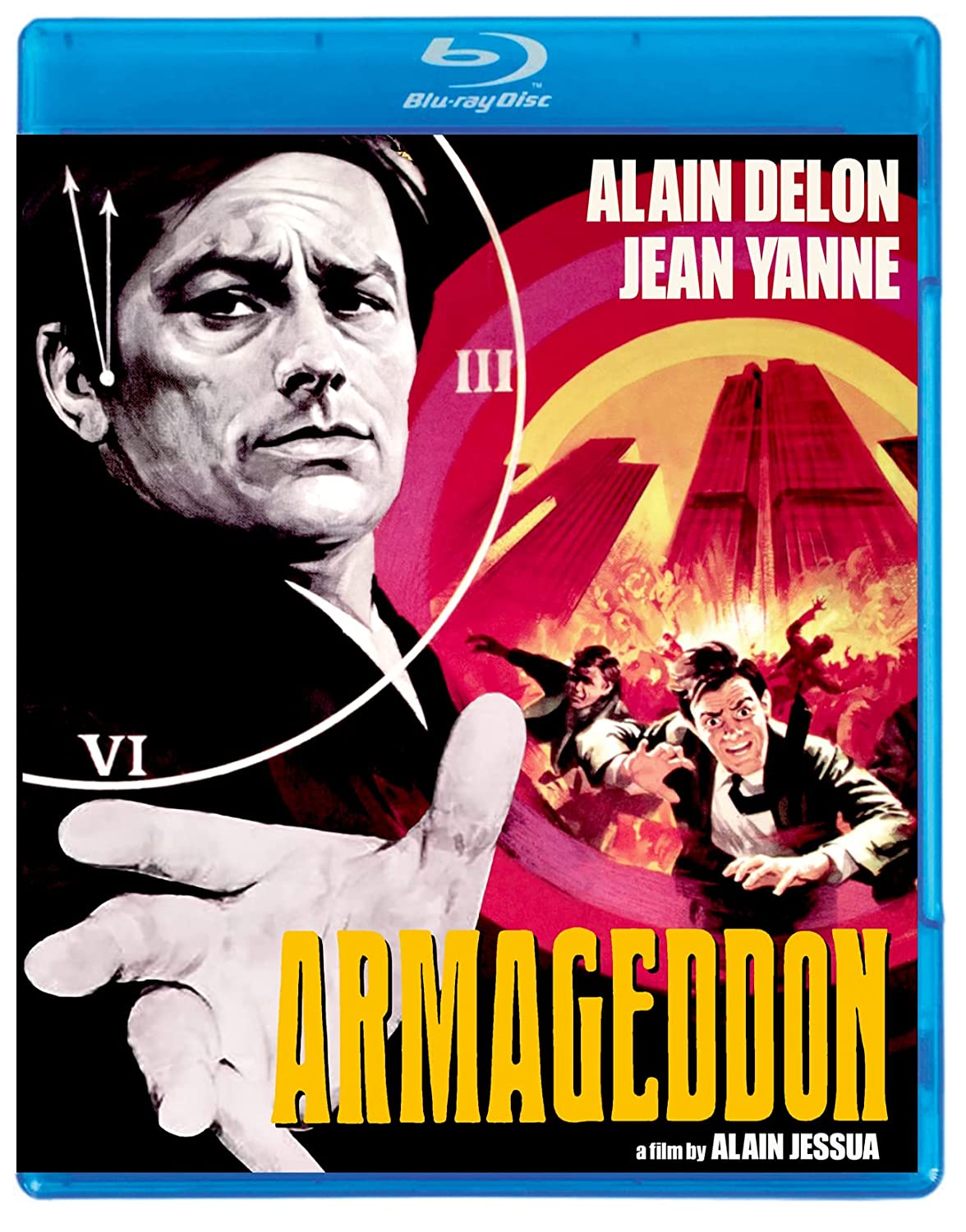
The power of the media is indeed one of the most powerful forces on Earth.  They have the ability to manipulate regardless of where the truth actually lies.  This exists on all sides of the political spectrum regardless of country, creed, or faith.  It is truly sad that such fabrication actually exists and even more unfortunate that people will take it in hook, line, and sinker.  Our film today, Armageddon, takes place in France, but plays havoc with manipulating those all over Western Europe by using the media to instill fear.  Fear of mortality, fear of losing life, a fear that makes the strongest person into a blithering child.  Let us take a look.

A SOS car stops, and a repairman by the name of Louis Carrier (played by Jean Yanne) steps out.  He yells at his friend, Einstein (played by Renato Salvatori) who is picking up trash that he just inherited 250,000 bucks.  It seems that his brother died and left behind a life insurance policy.  Furthermore, it is his lucky break, and he is saying goodbye to his dear friend.  Einstein asks him what he is going to do, and Louis replies, "Make the headlines."  Let's roll those credits.

"Hello, Dexter Morgan."

It's been almost 10 years since everyone's favorite serial killer disappeared into a hurricane and left the airwaves with a somewhat unsatisfying series finale. It wasn't quite as bad as David Chase's ill-conceived hard cut that ended The Sopranos, but unlike David Chase, Team Dexter gets a second chance to get the ending right. With the death of actor James Gandolfini, Chase won't ever get the opportunity to give Tony Soprano a better exit. But Dexter gets the sendoff he should have had back in 2013 with the limited revival series Dexter: New Blood. The 10-episode run returns Michael C. Hall to the role of Dexter Morgan. You don't want to break into these episodes without taking time to watch the original series. That's going to set you back about 96 hours, but the investment is necessary if you're going to truly appreciate this return. You can check out our reviews of those previous seasons by banging it right here: Dexter Reviews. I'll wait....

"It's called life."

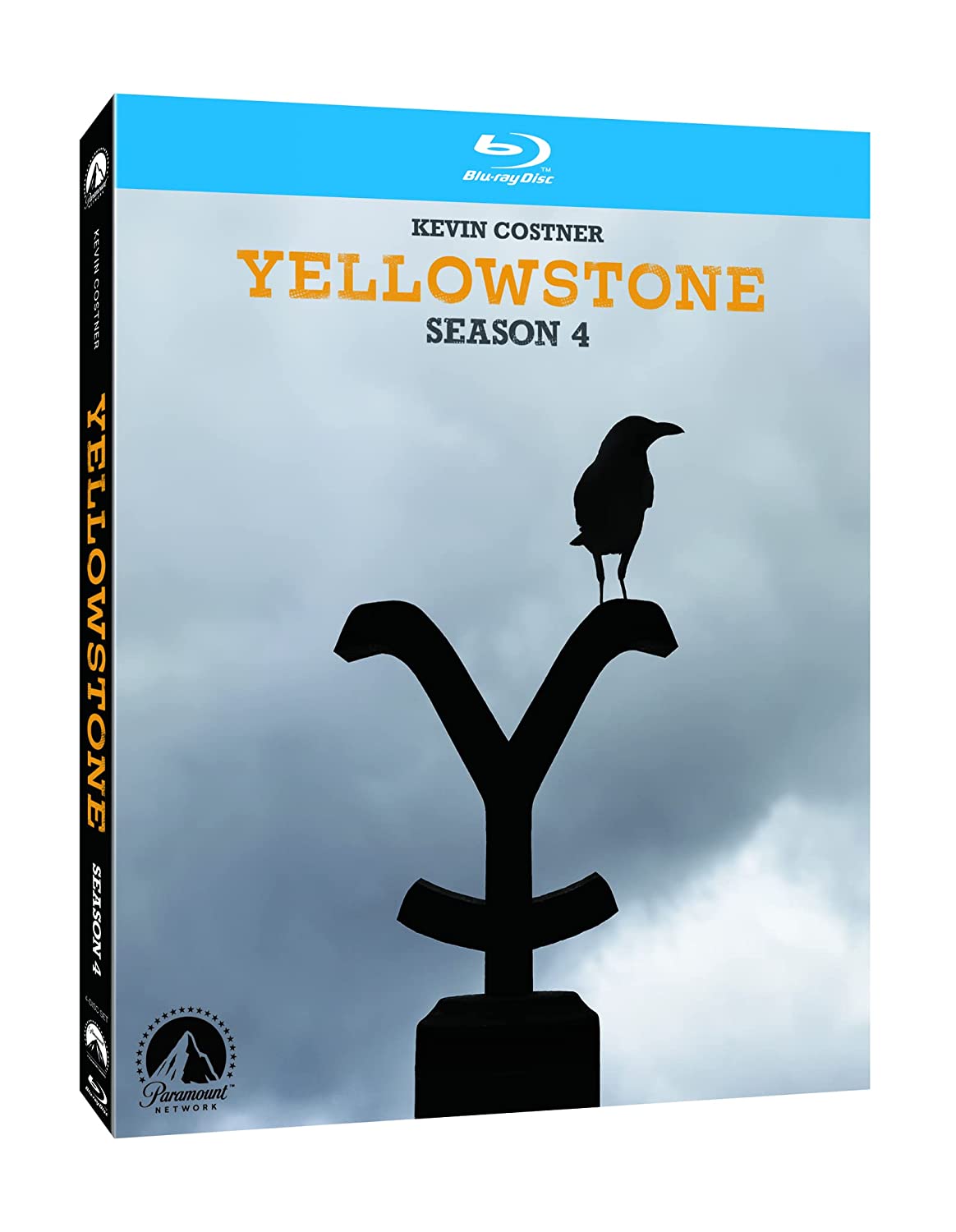
Kevin Costner plays John Dutton. The name itself recalls those years as a kid watching the myriad western shows that crossed our television screens throughout the 50's and 60's. He's the owner of Yellowstone Ranch, which takes up hundreds of square miles and borders on the national park of the same name, which we never do get to see. What we do see are the other borders of the Yellowstone. It borders a large and mostly impoverished Native American reservation. All of this takes place in the open ranges of Montana, where the Yellowstone Ranch looks very much like the fabled Shiloh of The Virginian. There's the big mansion where Dutton and some of his family live and the bunkhouse where the cowboys who work the cattle sleep, play cards, eat, and fight. Looking over the scenery, one can almost imagine you were back in the days of the untamed frontier. John Dutton might have some old-fashioned ideas of how to make a living, but he's a rich man who uses modern technology when it serves him.

"My name is Kara Zor-El. When I was younger, my home planet was dying. Saving it was hopeless. My father sent me to Earth to take care of my baby cousin who went before me, and I thought we were the only two survivors, and that everyone else from our planet was dead, including my father. I can't lose him again." 

They say all good things must come to an end, and for the fans of CW's Supergirl, that end has finally arrived. Arrow started it all so many years ago and has been off the air a couple of years even though the CW DC universe has been coined The Arrowverse. The Flash will remain as the likely flagship for the joined universe with Legends Of Tomorrow, Superman and Lois, and unfortunately Batwoman keeping the last embers alive. I suspect that it will all close shop within the next two years. It's been a good run with some exceptional superhero television and some memorable characters, but we're in the home stretch, to be sure. But you can't just step in after a decade of Arrowverse unseen. If you have not seen the show before, you must at least go back and check out the previous five seasons. It'll be worth the time. You can also take a look at all of our reviews of Supergirl here: Supergirl Reviews.


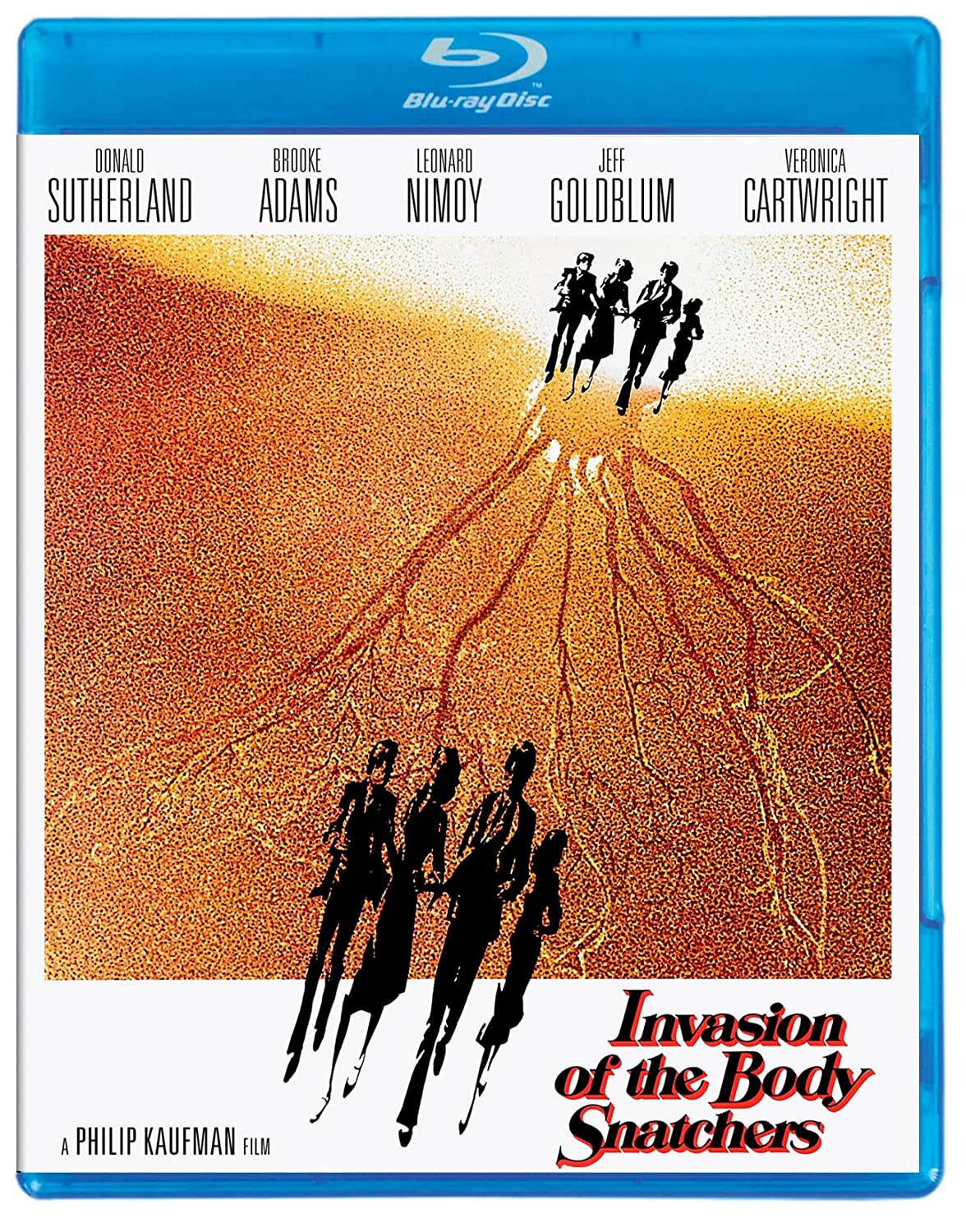
If I’m being honest, it’s been decades since I saw the 1956 Invasion of the Body Snatchers, and I’m not even sure I saw the whole thing, but I do remember the ending. It’s not that I feel it’s a bad film; I just have had no need to revisit it because I enjoy the 1978 version so much. The startling ending of this film is quite infamous. For those who haven’t seen it, I won’t spoil it for you, but it is a moment that has stuck with me since I first watched back in the old VHS days. Since the 1956 film has been out, there have been several takes on the material, and numerous bad knock-offs as well, but for me, the 1978 film with Donald Sutherland and Jeff Goldblum will always be the true classic in my eyes. Getting this title to review, it’s been ages since I’ve seen the film, so I was excited about revising this classic. I wasn’t sure it would hold up, but what surprised me most was simply how relevant the film remains with its themes of not conforming to the populace to even the paranoia about becoming a pod person in current terms infected with COVID.

The film opens up in space, spores traveling a great distance till finally falling to Earth and eventually spawning into small flowers and thus spreading from there. One of the highlights off the film’s opening few minutes is the cameo appearance of Robert Duvall as a priest who may be one of the first infected by the spores. The film then introduces us to Elizabeth (Brooke Adams). When she finds a strange plant she’s having trouble identifying, we as the audience knows that she shouldn’t be sniffing the flower and can already accept that she is doomed. To deflect our attention, Elizabeth starts to grow suspicious of her boyfriend Geoffrey (Art Hindle) when he starts acting strangely and she sees him meeting with other strangers from around the neighborhood.

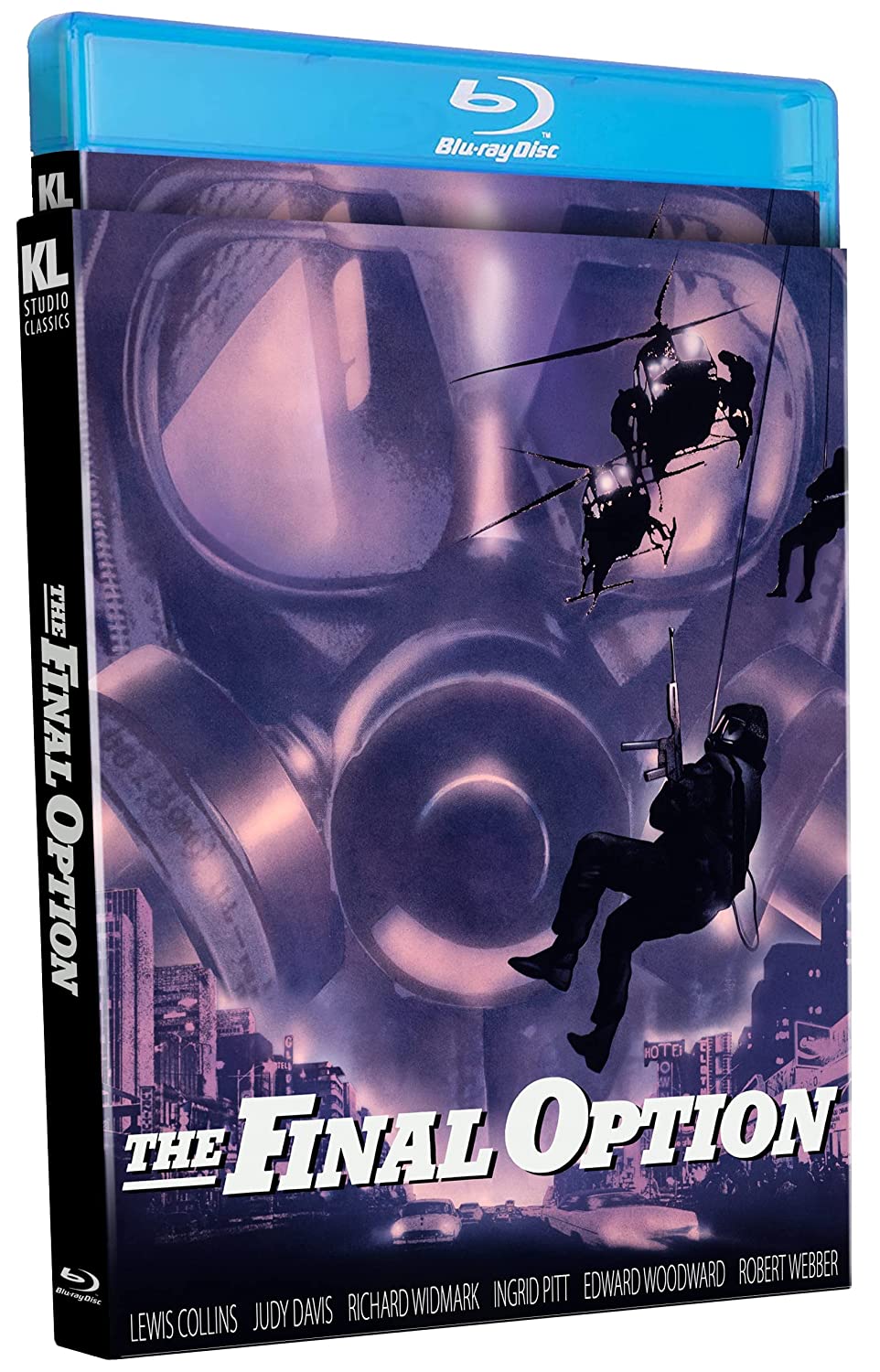
On May 5th 1980 film producer Euan Lloyd was on-hand for 17 minutes while the Iranian Embassy in London was raided by Britain's elite Special Air Service (SAS) to free hostages taken by a terrorist cell. He immediately ran back to his house and called his agent to register several film titles, including Who Dares Wins, which was the original shooting title and British release title of what in America came to be The Final Option. It's important to understand that it was never his intent to do a film about the exact event but use that inspiration to do a film that often mirrors that of the actual raid. Instead of using the actual terrorists and their motives, he felt it was important to make the story not about the bad guys so much as it would be a celebration of the bravery and actions of the SAS. He invited the actual SAS to participate. They declined but eventually offered him some under-the-table assistance when they saw what it was he was trying to do. Those motives have created a bit of a controversy over the film throughout the years, and Lloyd has been accused of making a right-wing propaganda film, which if you actually see the film, you'll quickly realize it is not. Now you have a chance thanks to KL Studio Classics and the Kino release of The Final Option.

The 1980 setting remains. This time the terrorists are domestic and have infiltrated a peace movement that has grown because of a new treaty Britain signs to allow American nukes on the islands. They use the framework of the legitimate movement to recruit and create the civil disorder they need to do something huge. That chance comes when they learn that several American Senate members and US cabinet members will be attending a dinner in their honor hosted by the Iranian embassy. But British Intelligence knows they are there, and they know something is up, so they start to prepare for the worst.

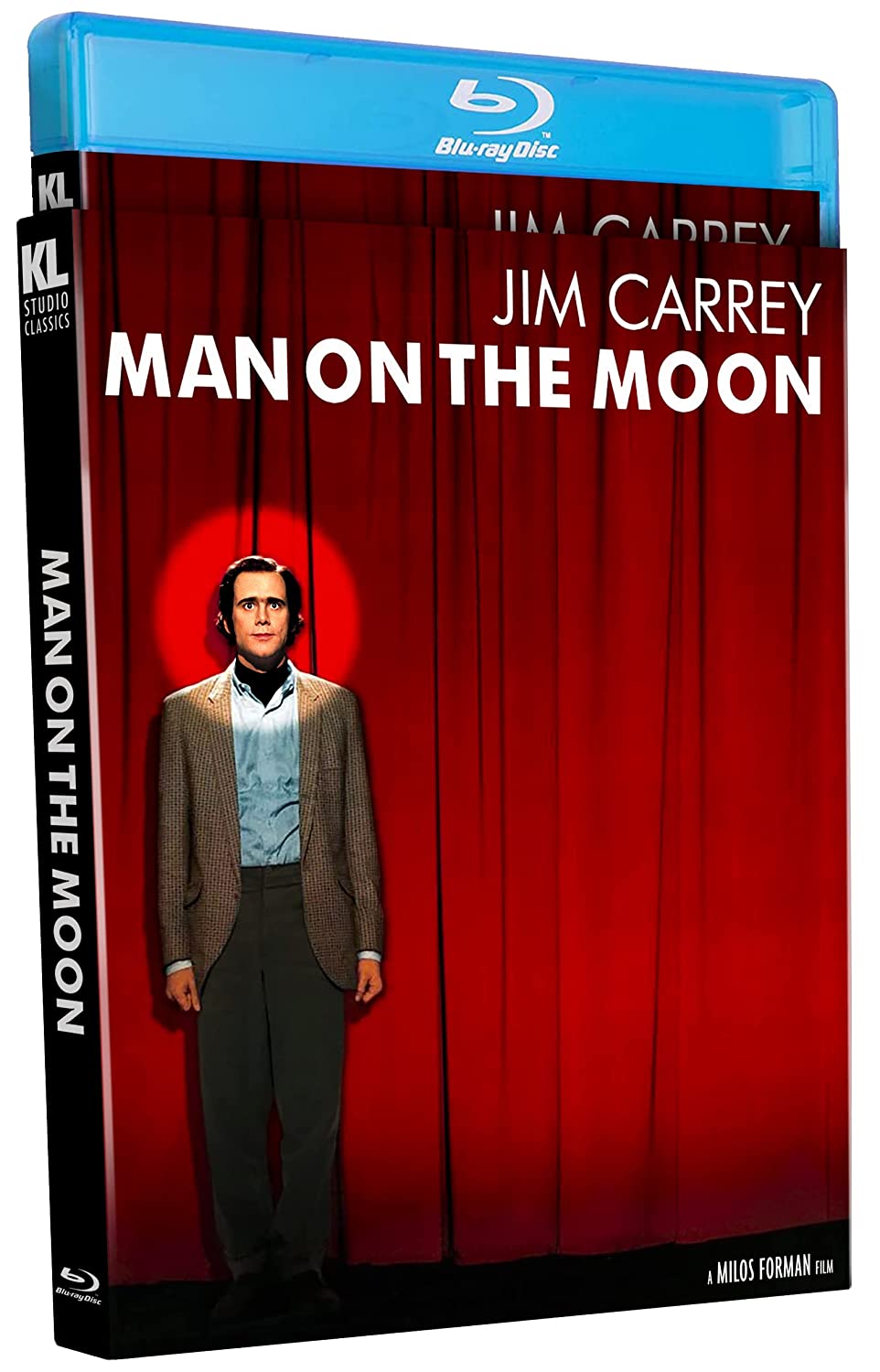
In 1999 when Man on the Moon was released, Jim Carrey was pretty much one of the biggest comedic stars in the industry, though at the time I don’t think audiences were prepared to see Carrey make such a departure despite it being a career best performance.  This was one of those box office failures that shouldn’t have been, but to be fair, 1999 is one of the most stacked years of great films, though how Carrey didn’t even get a nomination is baffling. So what are my thoughts after revisiting the Andy Kaufman bio-pic that was penned by Scott Alexander and Larry Karaszewski (Ed Wood and The People Vs. Larry Flynt) and directed by Milos Foreman (One Flew Over The Cuckoo’s Nest and Amadeus)? The opening scene pretty much sets the tone for the film you are about to see with Andy Kaufman (Jim Carrey) breaking the 4th wall to address the film the audience is about to see. He goes on to tell them that the movie is over, and the credits roll and eventually the screen goes to black. When I saw this in theaters, I was surprised by how many people in the audience actually walked out, but to be fair, if you’re not slightly amused by this gag, I don’t imagine you’ll enjoy the rest of the film. Andy Kaufman wasn’t simply a comedian but more of a performance artist who seemed to get pleasure out of entertaining himself first, and if other people enjoyed the gag, well, that was an added bonus. For Kauf was great, but if they got upset or walked out, even better.  When George Shapiro (Danny DeVito) catches one of Kaufman’s performances, he feels Andy is a unique talent and offers to be his manager.

The film lets us see the variety of characters that Kaufman developed, from his loveable foreign man that was made famous on Taxi when he was Latka to his obnoxious lounge singer alter-ego Tony Clifton. In some ways the character of Tony Clifton may be Kaufman’s greatest work that he created with his long time friend and comedy partner Bob Zmuda (Paul Giamatti). Seeing how Kaufman uses the character to pull one over on the studio and create drama on the set of Taxi is one of the more memorable yet cringe-worthy moments of the film.  What’s even more impressive is how the filmmakers were able to get so many people from Taxi to return and shoot segments for the film. But it’s not just the Taxi sequences where we see people pulled from real life to play themselves in the film. So many people from Kaufman’s real life are in the film, his real life manager, Zmuda, his Dad, and his granddaughter all are sprinkled in this film that attempts to capture the essence of Andy Kaufman.