Disc Audio

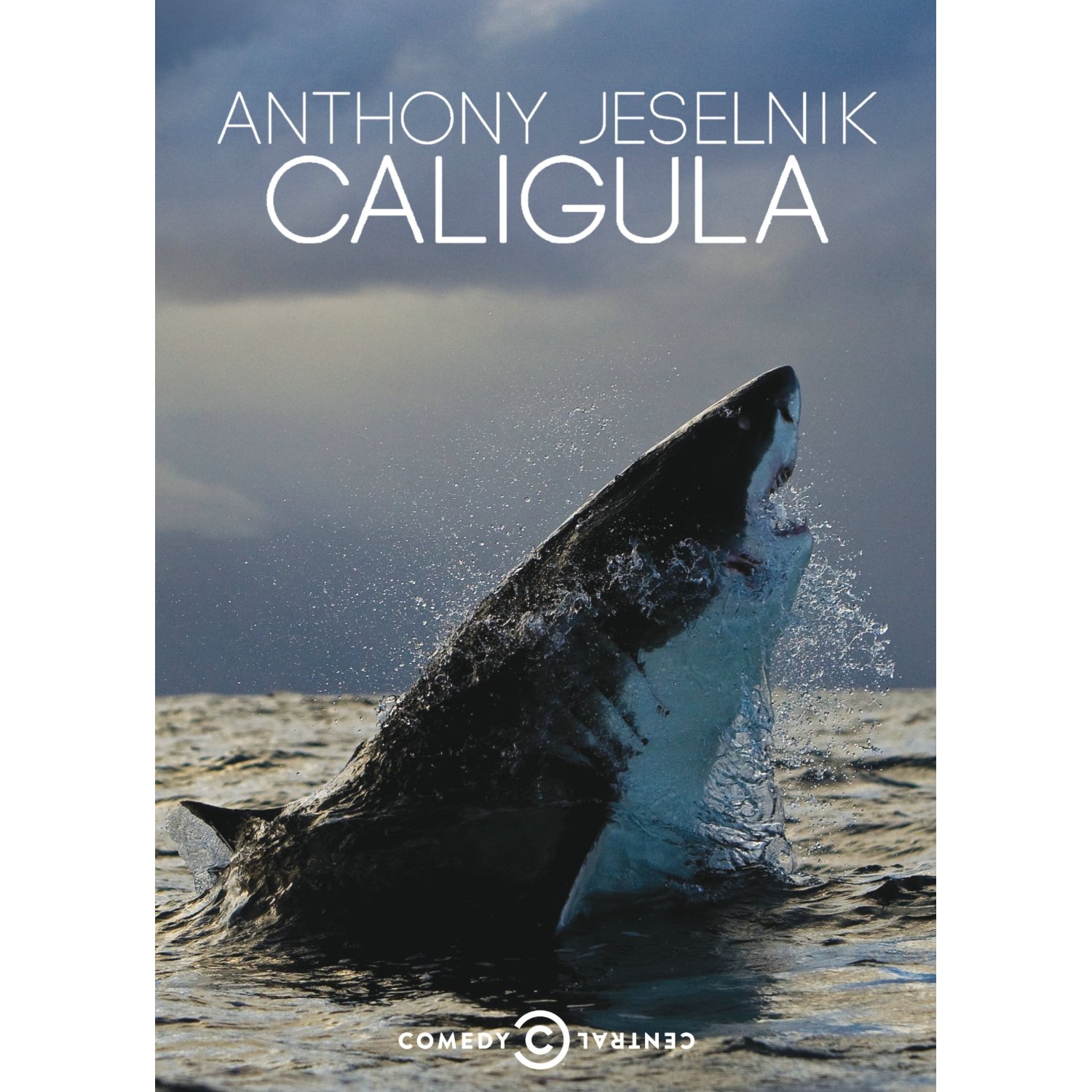
Probably most known for his roasts on Comedy Central, Anthony Jeselnik offers an hour (included the many long pauses) of stand-up comedy that is 100% bad taste. Dark humour and a huge ego are Jeselnik's shtick so you have absolutely every reason to walk away from this...except you might actually catching yourself laughing.

Jeselnik never attempts to make friends with the audience. It's common for a comedian to talk to members of the crowd and perhaps take a few shots at them. Jeselnik sets out to offend and elevate himself above everyone in the room with him. Again...this is his act. Could he be a true egomaniac? Perhaps. He's certainly good at portraying one onstage. More importantly, is it funny? The answer: sometimes.

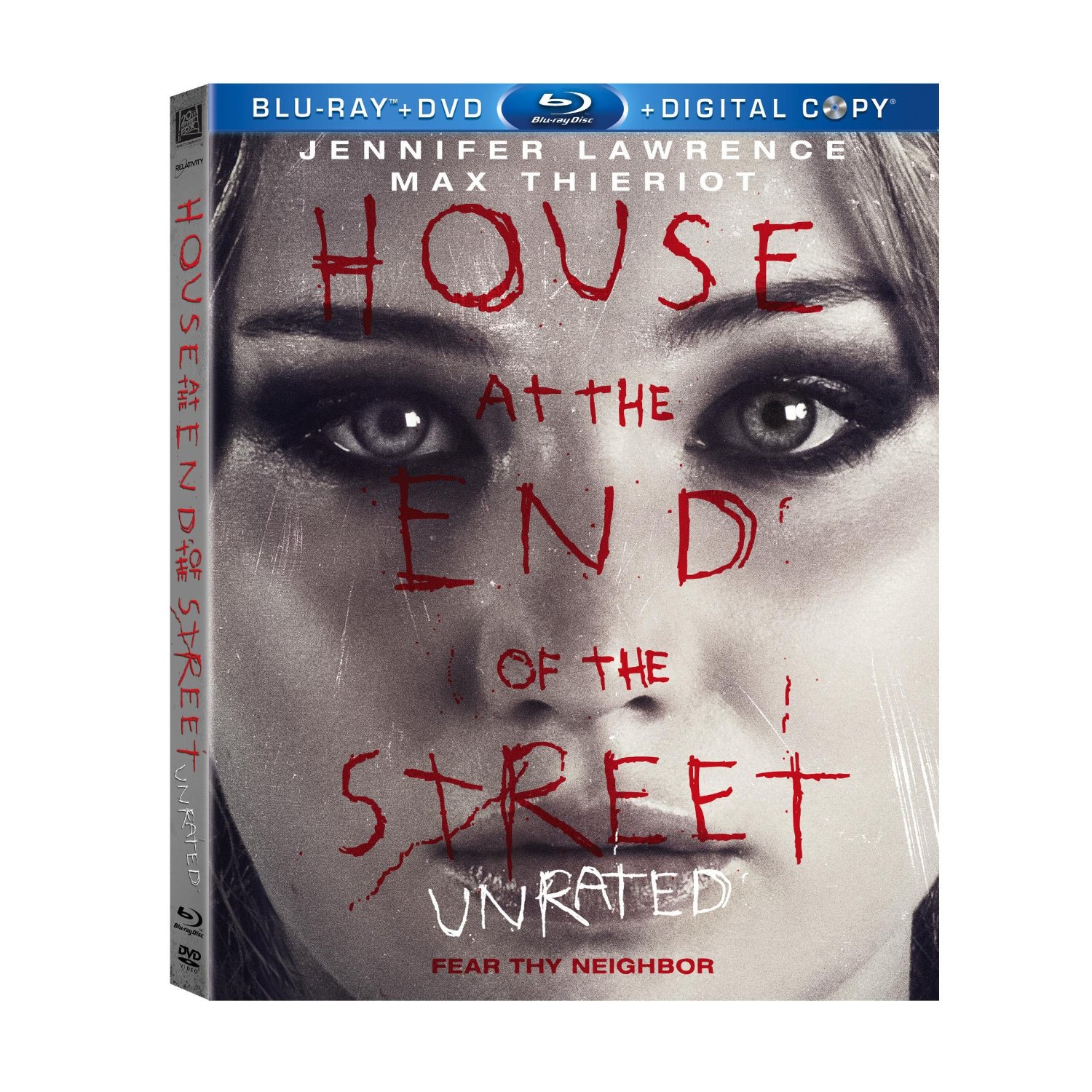
If it were possible to buy stock in any under-25 actress today, I’d pick Jennifer Lawrence first, Emma Stone would be a close second, and Kristen Stewart would be last. Lawrence has a pair of blockbuster movie franchises in her back pocket (The Hunger Games, X-Men) and is already a two-time Oscar nominee, thanks to her recent nod for Silver Linings Playbook. So if a studio were to have a Jennifer Lawrence film on its bench, September 2012 would probably look like some prime real estate.

Prime real estate and a murder-related discount are what attract Elissa (Lawrence) and her mom (Elisabeth Shue) to their new home in House at the End of the Street. Elissa becomes drawn to reclusive next door neighbor Ryan (Max Thieriot). Four years earlier, Ryan’s parents were murdered by his sister, who promptly disappeared. (That explains how Elissa and her mom got such a good price on their rental.) Ryan now lives in the house by himself, but a series of strange occurrences make it clear Ryan’s house hasn’t seen its last dead body.

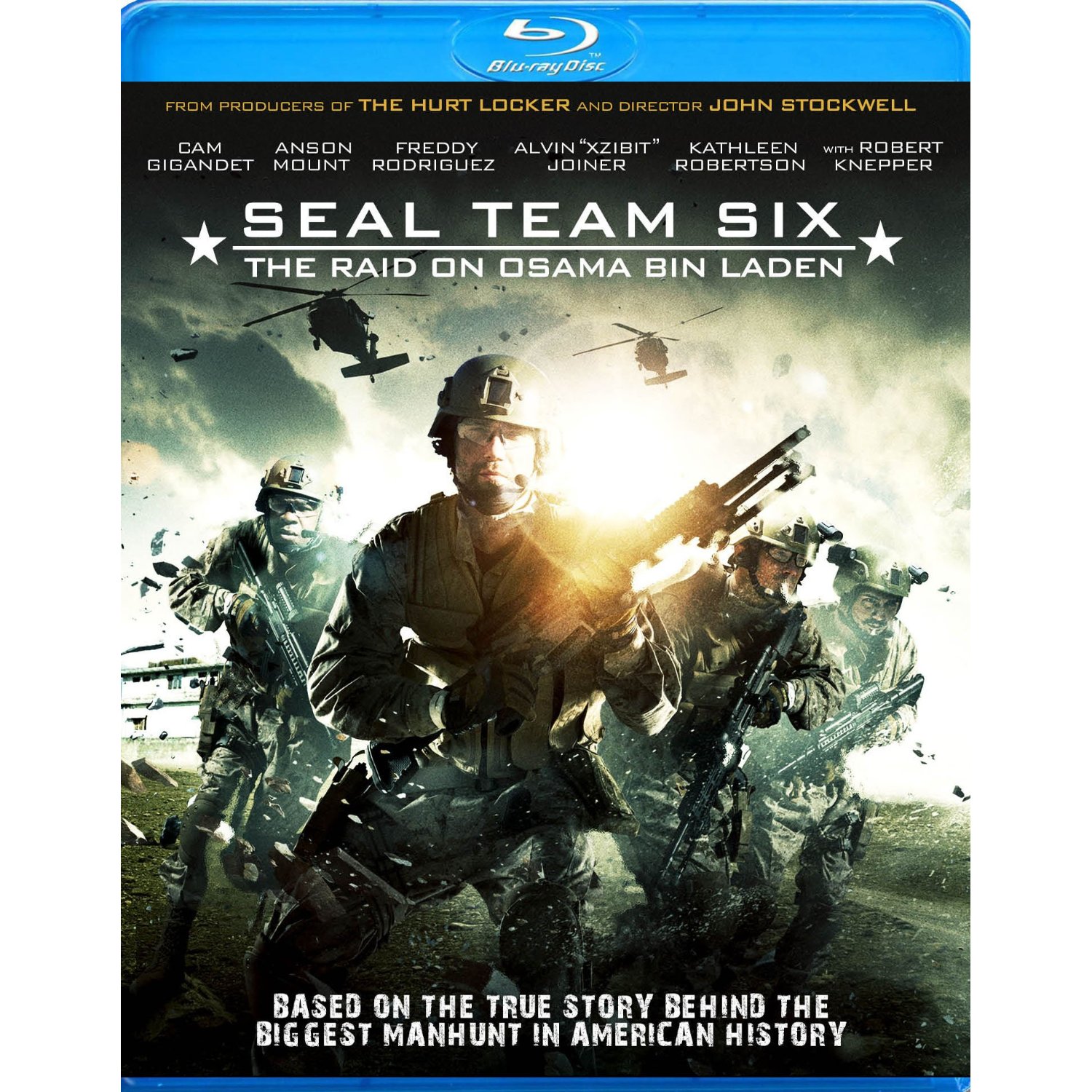
“Our enemy here is Al-Qaeda. It’s no secret they are not afraid to die. Neither are we. Tonight we know why we are here. We know who we are. Tonight we fight for something truly greater than ourselves. Tonight we ride.”

“It’s a good day to be a SEAL, good day to be an American.” Yes, I am aware that I’ve already opened with a film quote, but truthfully this film has quite a few good ones. Seal Team Six is the telling of Operation Geronimo, the successful mission that lead to the assassination of Al-Qaeda leader and engineer of the September 11th attack, Osama Bin Laden. I’m sure there are many that are thinking “why would a made-for-television film be made when on January 11, Zero Dark Thirty will premiere worldwide?” They may view the making of this film as a waste of money. They would be absolutely wrong.

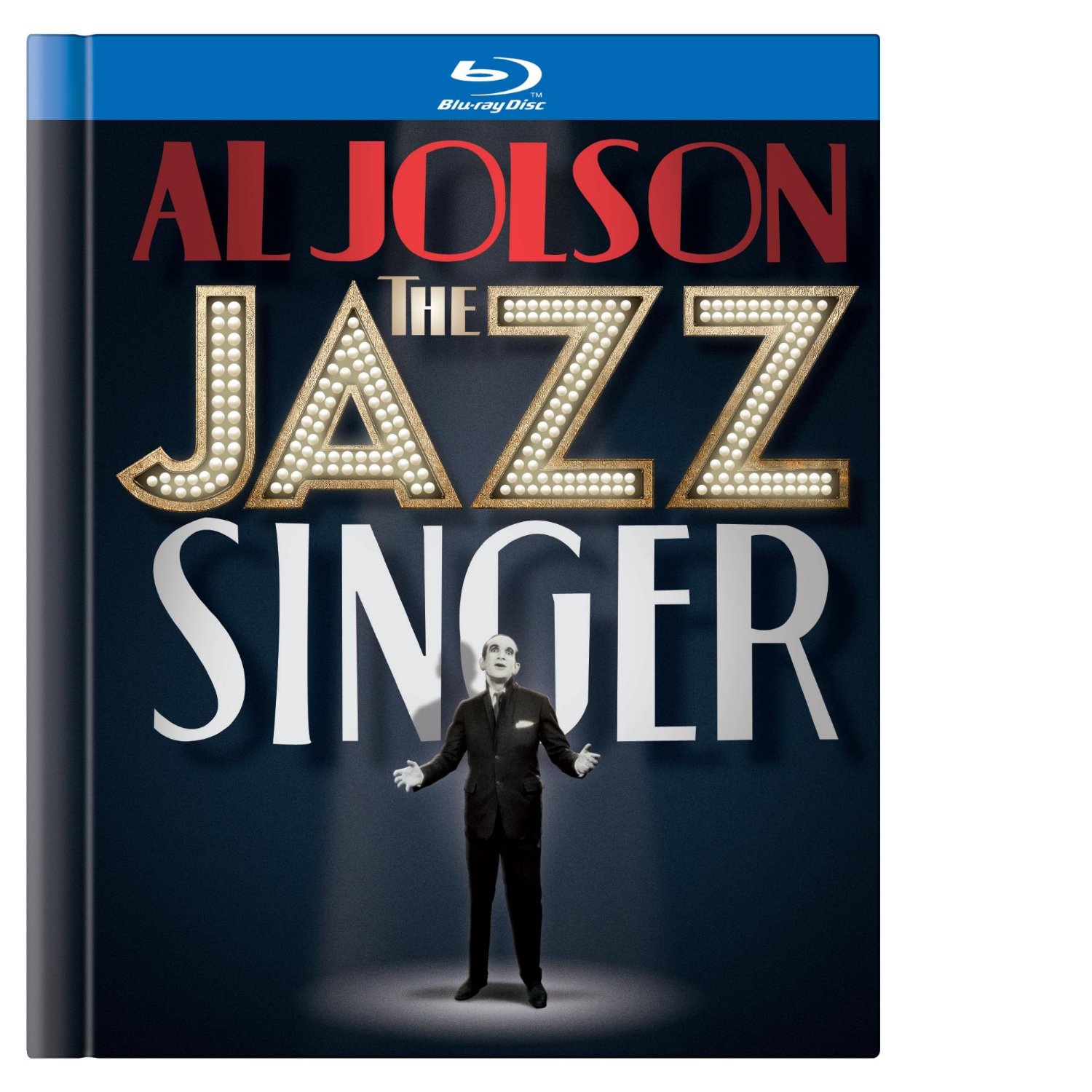
If you’re any sort of discerning cinephile — and if you’ve taken the time to visit our fine site, I’m going to assume you are — you’ve probably heard of The Jazz Singer. Of course, for the movie-going public in the late 1920s, The Jazz Singer was unlike anything they’d ever heard: the first feature-length motion picture with synchronized dialogue. Or, put more simply, the first “talkie.” Though you probably know it revolutionized the film industry, I’m betting it’s a lot less likely you’ve actually seen The Jazz Singer.

I liken it to Jackie Robinson’s place in sports history. Most of us know Robinson was the first African-American Major League baseball player in the modern era, but I suspect a much smaller number of us have seen footage of Robinson in action. Similarly, The Jazz Singer’s place in film history has been secure for decades, but even movie nerds with more than 700 titles in their collections (hi there) haven’t gotten around to watching it. Fortunately, Warner Bros. has released a spiffy new Blu-ray of the groundbreaking 1927 film to help remedy this situation.

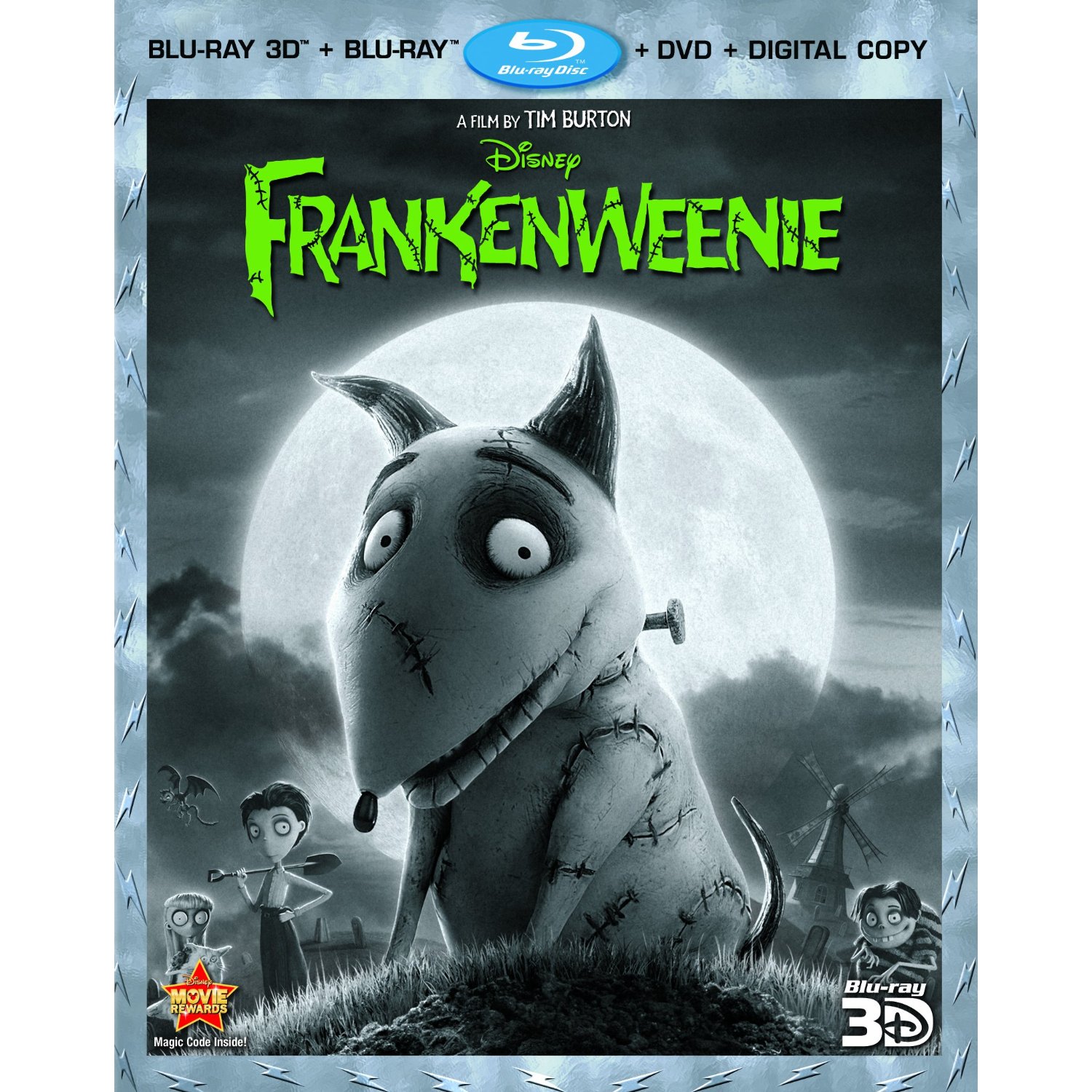
To his credit, Tim Burton has managed to keep the art of stop motion alive and well in Hollywood. He’s also proven that it can still be quite effective and just as commercial with such classics as A Nightmare Before Christmas. Since that time he’s had a modest number of hits and misses, but nothing that has come close to the holiday staple…until now. Frankenweenie is destined to become a Halloween tradition at our house, and I suspect I’m not alone.

Of course, Frankenweenie isn’t exactly a brand new idea. In 1984 Burton created a short film on the idea. It made the usual festival circuits and has shown up a couple of times as an extra on his more recent films. The original short certainly had its limitations, but it was a rather sweet little nugget that fans have been quietly enjoying for nearly 20 years. It’s actually a bit of a surprise that it’s taken the filmmaker this long to revisit the idea, but this time with a budget and running time geared for the mass audiences. Whatever the reasons for the delay, it was well worth the wait, particularly after Burton’s very disappointing take on Dark Shadows. While Frankenweenie might not completely redeem that colossal disappointment, it has gone a long way toward making me believe the filmmaker still has the wit and genius that have marked some of his earlier films.

(I have covered the first season on this site already so this review shall begin with that one then segway into new write-up for Season 2):

A successful writing team, who also happen to be a married couple, are the creators of an award-winning show in the UK that has just completed after four seasons. An American network wishes to create a US version of the show. The couple are flown to LA, put up in a lavish mansion and are introduced to the Hollywood method of creating television…and it nearly destroys them.

When it comes to writer/director Spike Lee, he seems to have a very polarizing effect on the people who watch his films.  I’d like to consider myself a fan of most of his work.  For me  Clockers, Summer of Sam, and The 25 Hour rank at the top of my list of favorites.  He’s a director with a very distinct style and voice that sets him apart from most filmmakers.  But it’s that voice of his that often times gets him in trouble, whether it is in the message of his films or oftentimes comments he makes (most notably his comments on Tarantino and Django Unchained). As for Red Hook Summer, I wasn’t sure what to think of it, hearing mixed reviews from the festival circuit.  For me when I heard this was supposed to be a unofficial follow-up to Do The Right Thing, I was already looking forward to checking this out.

When we first meet Flik Royale (newcomer Jules Brown) he’s in the back of the cab coming into Brooklyn for the first time with his face hidden behind his iPad 2 as he films everything.  Flik comes from a middle class family in Atlanta, so of course this move to spend the summer with his religious grandfather is more than just a simple culture shock.  At first it’s hard to sympathize with Flik simply because he comes off as nothing more than a spoiled brat, but as the film moves along I found myself warming up to him more and more.

The following sentence is taken directly from the back of the Blu-ray case for Charlie Sheen’s latest small-screen vehicle: “Charlie thrives on the chaos in his life while still battling his own anger issues.” So it’s fair to say FX’s Anger Management isn’t afraid to blur the line between reality and fiction. It’s actually a good move because the latest TV show tailored specifically to Sheen’s talents doesn’t have much else going for it.

Anger Management, created by Bruce Helford (The Drew Carey Show), is loosely based on the 2003 Jack Nicholson/Adam Sandler film of the same name. (And I really can’t emphasize the word “loosely” enough; the only things the two have in common is that one of the characters is an anger management therapist and, um, it features humans.) Sheen stars as Charlie Goodson, activating a little-known clause in his contract that stipulates he can only play people named “Charlie.” In this case, his Charlie is a disgraced former baseball player turned therapist who counsels a motley crew of patients with anger management issues out of his home.

In the financial world, the term “arbitrage” refers to the possibility of risk-free profit at zero cost. This seems to be the goal for Robert Miller (Richard Gere), a hedge fund manager desperate to sell his business and retire. The reason for his desperation is that his business is completely broke due to a bad investment. This goal has completely consumed Robert, and it affects everything he does. Robert treats his employees like slaves, is nervous around his family, and regards his mistress as little more than a plaything. One night after the sale suffers yet another setback, he convinces his mistress to come with him to his country cabin. While driving her car, he falls asleep at the wheel and has an accident. Now he has something else to cover up. From then on, there’s nothing he won’t do — no lie he won’t tell, no depth he won’t sink to — in order to keep his secrets and keep his family in the dark.

Arbitrage turned out to be a lot better than I thought it would be. Gere takes what could easily be a static evil character and really fleshes it out. We may not like the things he does when his world starts falling apart, but we understand and almost — ALMOST — sympathize with him.

The Hippocratic Oath all doctors take is simple: “First, do no harm.” Dr. Martin Blake (Orlando Bloom) throws that ideal out the window when a young woman named Diane Nixon (Riley Keough) comes under his care. After getting treated like a nobody by his fellow doctors and disrespected by nurses he feels are beneath him, Diane is the first person who appreciates what Martin does and makes him feel special. As he treats her, Martin becomes obsessed with Diane, going so far as to alter her medication to keep her sick. As Martin’s obsession grows, his actions become more and more drastic.

This is supposed to be a dark thriller, and I suppose it is from a script standpoint. The Good Doctor has a decent (if slightly over-used) plot of girl-meets-stalker, with the interesting twist of the stalker being her attending physician. It could have been a good suspense movie like Kiss the Girls with the whole “I’m going to keep the girl I’m obsessed with close to me” vibe had someone given the cast some espresso to wake them up before the cameras started rolling.