Disc Audio

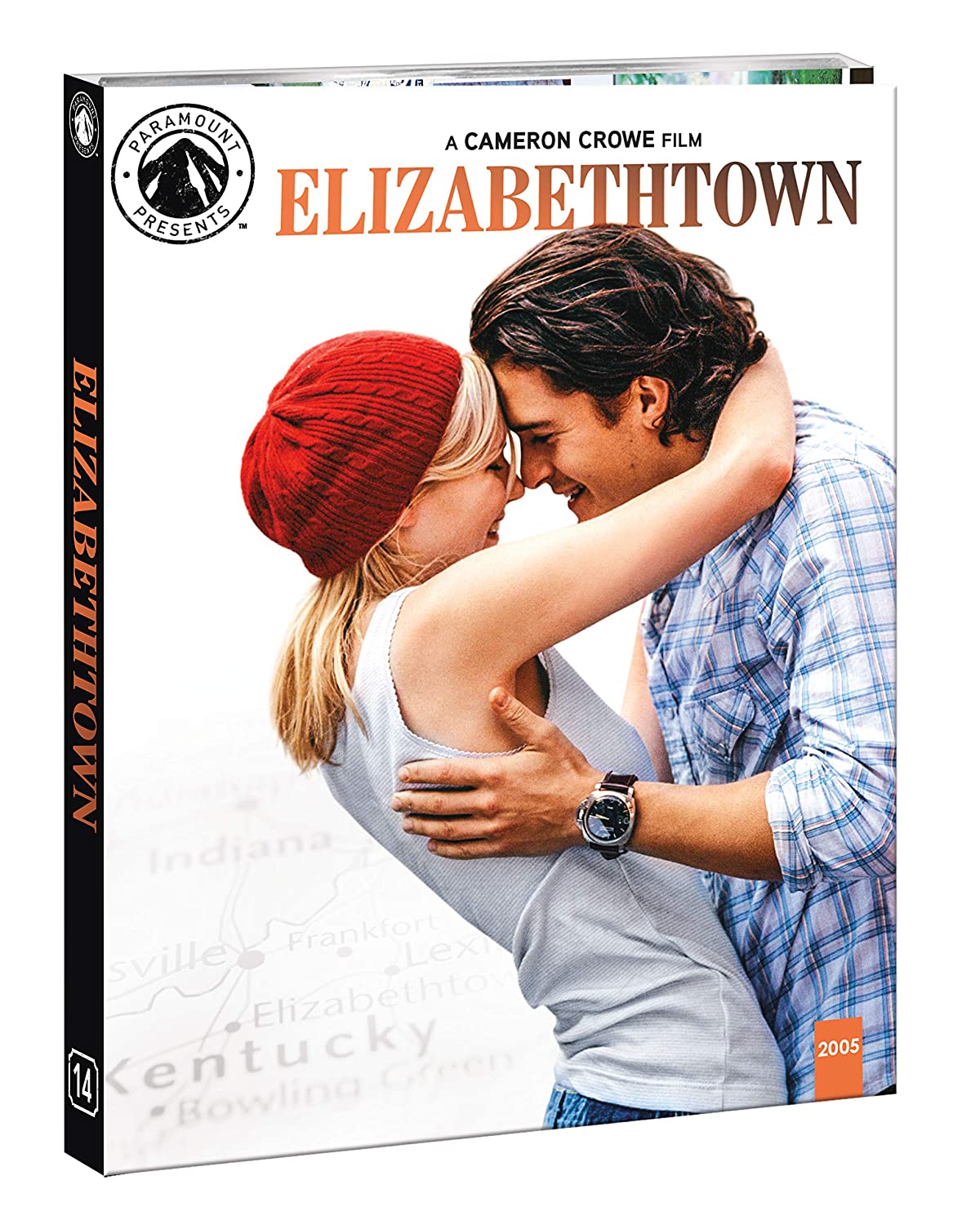
When it comes to Elizabethtown, I feel this is one of Cameron Crowe’s most divisive films.  Say Anything, Jerry Maguire, and Almost Famous tend to be at the top of people’s lists when they discuss their favorite films by the filmmaker.  Personally, Almost Famous is my favorite film by him, but Elizabethtown isn’t too far behind.  When it came out in 2005, the film seemed to get trashed by a lot of critics, but oddly enough, I didn’t care much about what they thought, Crowe at the time had a great track record for good films, and there was nothing that could sway me from seeing the film, except it was in and out of theaters pretty fast, so I had to see it on DVD.  It’s become one of my go-to films over the years, and I’ve found myself connecting to it more as I’ve been able to relate to various situations in the film (definitely not the near-billion-dollar fiasco Drew got himself in, thankfully).  Despite my love for the film, I can acknowledge it’s not without its flaws, so I’ll be as objective as I can be.


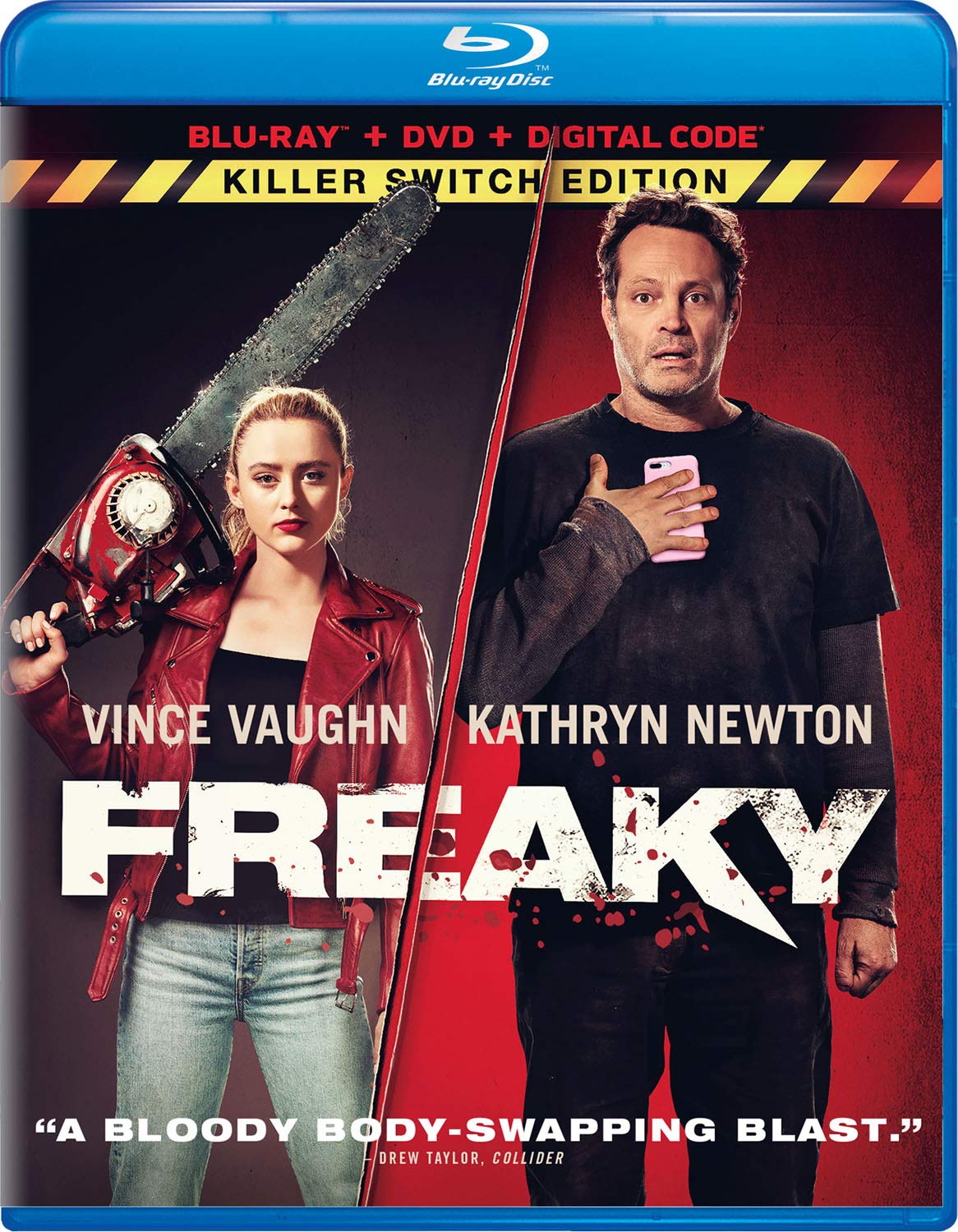
Despite the pandemic going on, 2020 managed to deliver when it came to the horror genre. The Invisible Man and The Dark and the Wicked were definitely some of the highlights, and then there was Freaky, a horror comedy that was delivering a twist on the body-swap story.  I’ll admit I was a little hesitant with embracing this idea, but when I saw it was being helmed by Christopher Landon, who brought us the Happy Death Day films; well, it gave me a little more confidence.  This is one of the few films that managed to get a theatrical release, but I’m still a bit hesitant on actually returning to the theaters.  Now that I’ve seen the film, I have to admit I’m a little bummed I didn’t get too see this with an audience. This is definitely one of those films that is a little more fun when you see it with an enthusiastic audience.  It’s pretty much Freaky Friday meets Friday the 13th, and, well, slashers always tend to play better with crowds.

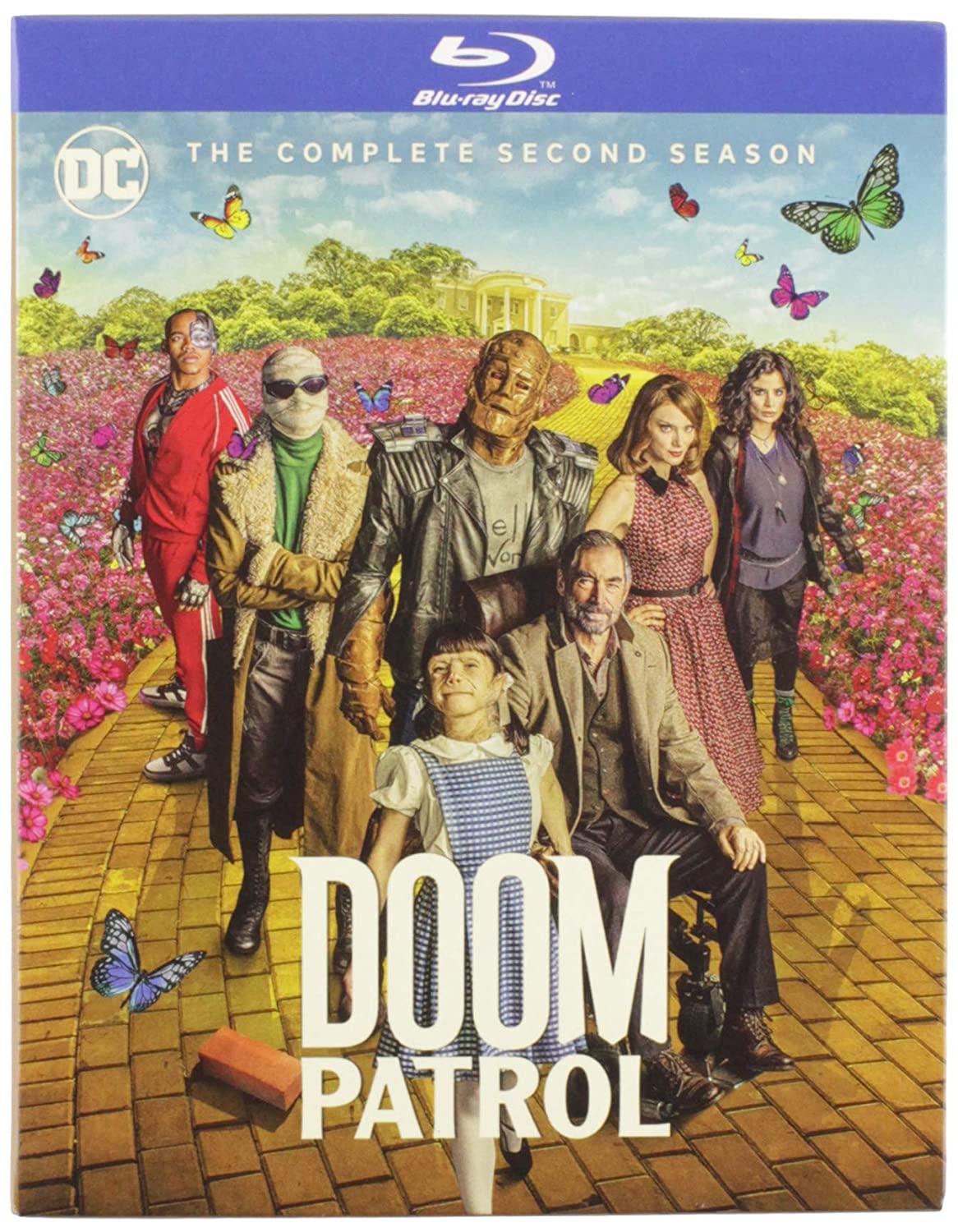
When it comes to the DC universe on television, I feel like Warner Bros. knows exactly what they are doing and truly understands the comics as well as their audience. Now that WB has merged with HBO, I was worried about whether some of the DC TV shows would continue on, since I’ve been impressed with the first two seasons of Titans and the first season of Doom Patrol.  I was even more curious about whether Doom Patrol could continue to deliver it’s WHAT THE F*** moments that were sprinkled throughout the first season. Now that I’ve come to the abrupt end that Season 2 delivered, I’m happy to say the show has managed to outdo itself.  One thing I want to get out of the way before I delve into this review: the season is only nine episodes long due to the pandemic, so the show does end with many story threads left wide open.

"The door to destiny is always open, for those who are brave enough. Now shut the door before you let the heat out!"

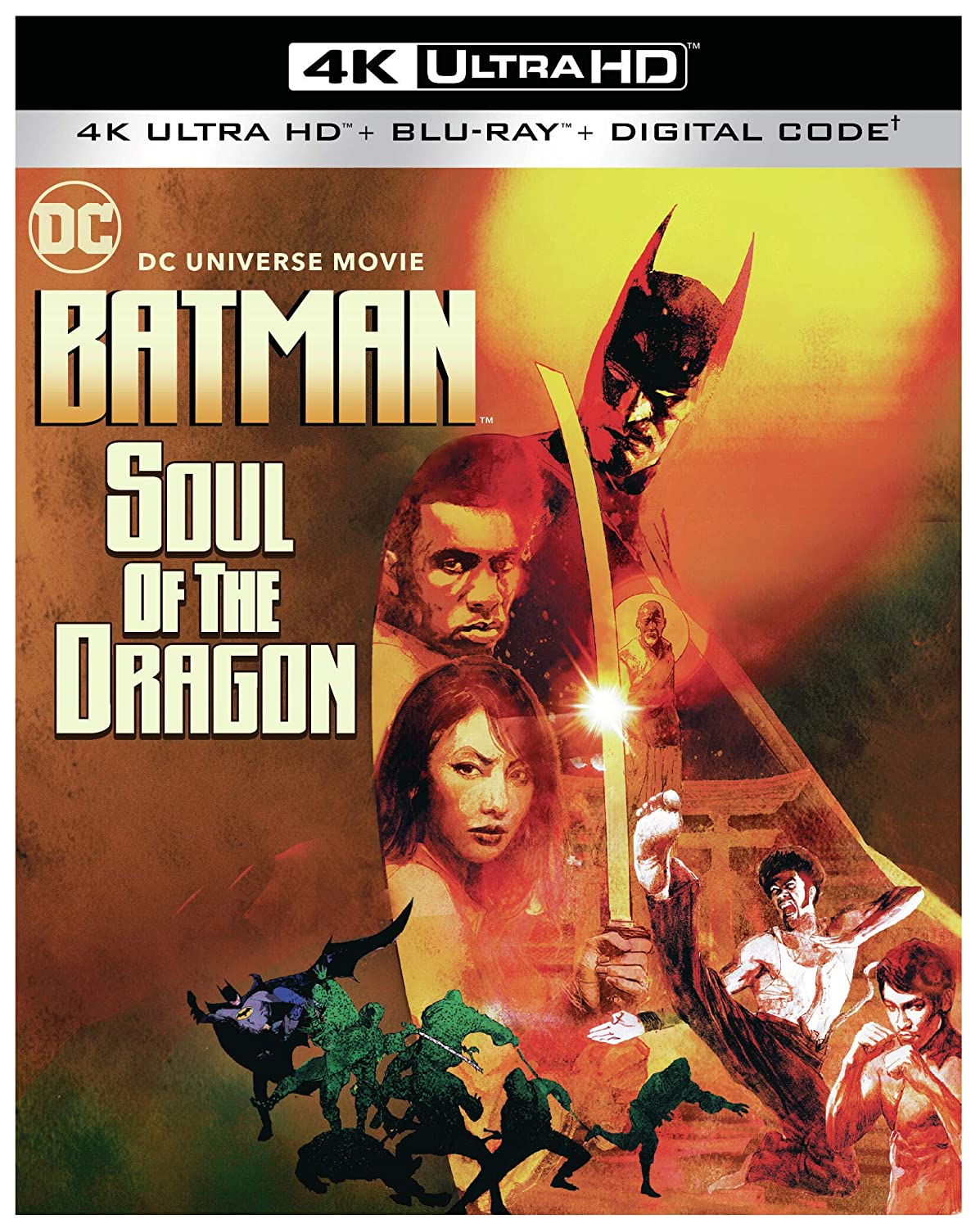
Cartoons are now called animated features, and just like the comic books that provide the source material for these DC Universe animated features, they haven't been for children since the 1970's. The latest and 40th entry into this animated series is Batman: Soul Of The Dragon. It's rated R, which means some pretty rough language and a few surprisingly chilling scenes. So while the film itself will bring you back to the 1970's in so many ways, this is strictly a modern-day animated film inspired by more modern-day comics. Most of these features are based on established comic story arcs, but this one is completely original, even if it borrows heavily from many sources including more recent Batman adventures. If you are old enough to remember many of the iconic elements of the 70's, this film is for you. And that means you ain't no stinkin' child.

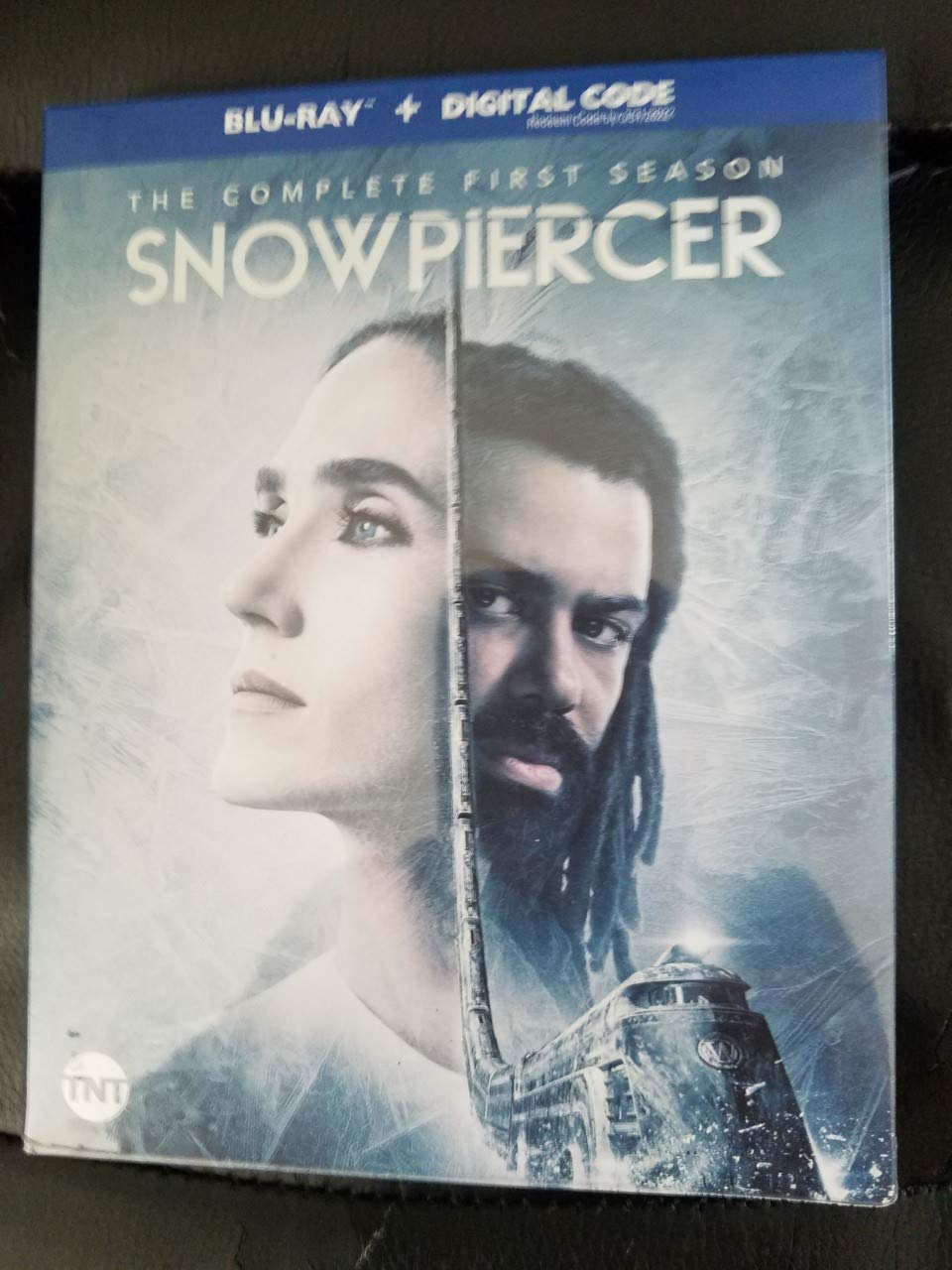
I’ll come out from the start and say how much I love the film Snowpiercer (2013). I was already a fan of Bong Joon Ho since I had seen The Host at a film festival, and I just thought his career would have exploded after the release of Snowpiercer. The tension created in that film as you see the tail section carefully move their way to the front of the train and the horrors they encounter along the way is engaging, and it speaks volumes.  The stories about cannibalism are heart-wrenching, and the violence is intense. You definitely feel the desperation and are rooting for the tail section from start to finish.  Sure, there was plenty of class warfare on display, but in the film it was very clear who was “good” and who was “bad”. Now we have a TV series inspired by both the graphic novels and the film, and this time those lines of good and bad are not so clear as it spins a new tale for us.  This isn’t simply a TV show version of the movie, which is something I’m thankful for, but instead this is another version of events that could have happened on this epic train that is essential to mankind’s survival.

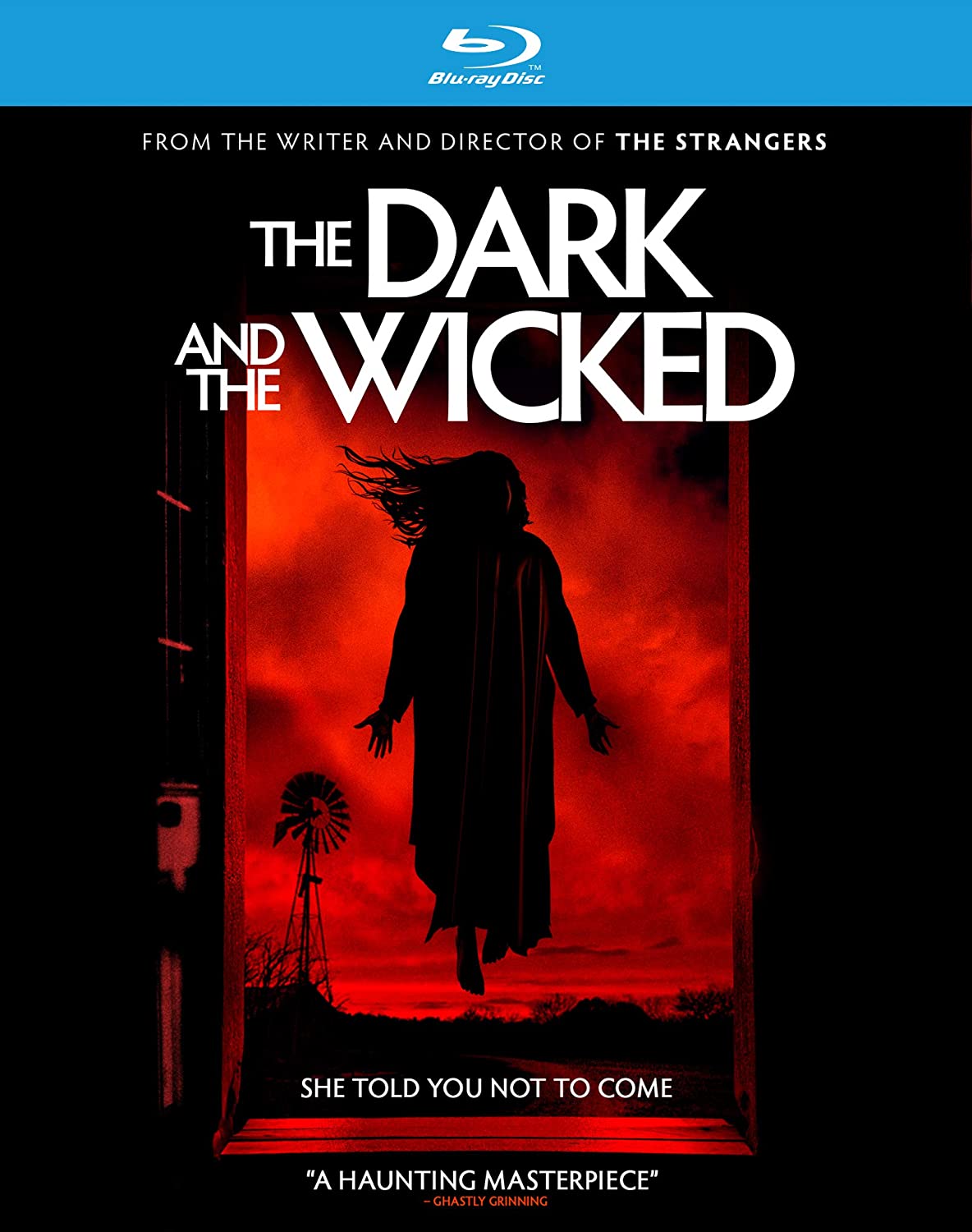
When I first saw The Strangers, I have to admit I was pleasantly surprised by how much that movie stuck with me.  Sure, there have been plenty of home invasion flicks over the years, but The Strangers is definitely right up there with the best like Funny Games and Inside.  Writer and director Bryan Bertino is one of modern horror’s underappreciated creators. He is so good at keeping things simple, utilizing small casts and single settings, and keeping the horror relatively grounded in reality.  With The Dark and The Wicked, he gives us his best work to date, and for me one of the best horror films in years. Personally, this is my favorite new horror release since 2016’s The Autopsy of Jane Doe.  I’m sure plenty of people will disagree with me, and for as much love as I have for Hereditary, what The Dark and The Wicked did that honestly very few horror films manage to do is genuinely get under my skin.  This movie actually creeped me out, and it didn’t use big gory FX or go for cheap jump scares. This literally is a master class in creating tension and delivering a story to audiences that starts off in familiar territory but takes us in new and fresh directions.

"Chances are if you are watching Season 3 you like it."

Kevin Costner plays John Dutton. The name itself recalls those years as a kid watching the myriad western shows that crossed our television screens throughout the 50's and 60's. He's the owner of Yellowstone Ranch, which takes up hundreds of square miles and borders on the national park of the same name, which we never do get to see. What we do see are the other borders of the Yellowstone. It borders a large and mostly impoverished Native American reservation. The ranch has apparently existed with an uneasy peace with the residents of the reservation. But there is a new chief in town. He's Thomas Rainwater, played by Gil Birmingham. Rainwater has some kind of a grudge that we never got to completely understand in the first season. He's a political beast who has turned Dutton and his ranch into a common enemy to fuel his own popularity and ambition.

When you check out the poster and Blu-ray cover art for this film, you could easily think that this was yet another cheesy teen romance, but the film is something else entirely.  There is a bit of teenage romance in the film, but mostly the focus is on the mental health of the film’s protagonist, Adam (Charlie Plummer) and his struggles with schizophrenia.  It’s a heavy topic, and somehow the film manages to tackle the topic in an honest way without being overly depressing.  This was challenging material, especially when your target audience is under the age of 18, and during the time of COVID, it’s a bold move for a studio to put out a film with this kind of heavy subject matter.  I didn’t expect to like this film, if I’m being honest, and I’ll happily admit that the film surprised me. That doesn’t mean that the film doesn’t come with its share of problems, but are they enough to discourage someone from checking out this film?

"Our true enemy has yet to reveal himself." 

If anything, the third part of the Godfather series of films is symbolic of when too many sequels are greenlighted, and consequently, the film is doomed to fail. More often than not, the reason why these films crash and burn is because of major studios acting like Adelphia executives and wanting more money, and in using the previous films’ successes as leverage, they lose sight of things like quality. It’s happened to other trilogies. And if you put together previous films with the reputation that the first two Godfather films have, the only question left to answer is whether or not the third film would be a minor or major letdown. Most of the essential players returned, with the exception of Robert Duvall. (Duvall said Francis Ford Coppola never really negotiated with him, while Coppola says that Duvall asked for more money, so who knows?) Mario Puzo helped out with another part of the story, so why did this film not live up to the hype?

In 2004 when Collateral first came out, Michael Mann gave audiences something they’ve never seen before: Tom Cruise playing the bad guy. Sure, he played the vampire Lestat in Interview with the Vampire, but he just never seemed all that menacing. In Collateral we get to see him as a cold, professional killer with his salt-and-pepper hair and nondescript gray suit.  Also at this time, Jamie Foxx was still carving out a name for himself as a serious actor; this was just months before the release of Ray (the movie that pretty much catapulted him into stardom).  I was stoked for this movie when it first came out because it was Michael Mann getting back to what I felt he was great at, the down and dirty crime films like Thief and Heat.  I have to admit, I do have a slight bias when it comes to Michael Mann films, and I’ve seen Collateral numerous times before doing this review. Considering it’s been 16 years since its release, sure, the film still holds up, but what I feel will surprise new audiences or those who are revisiting the film is the amount of talent that is on the screen.