Classic

By John Ceballos

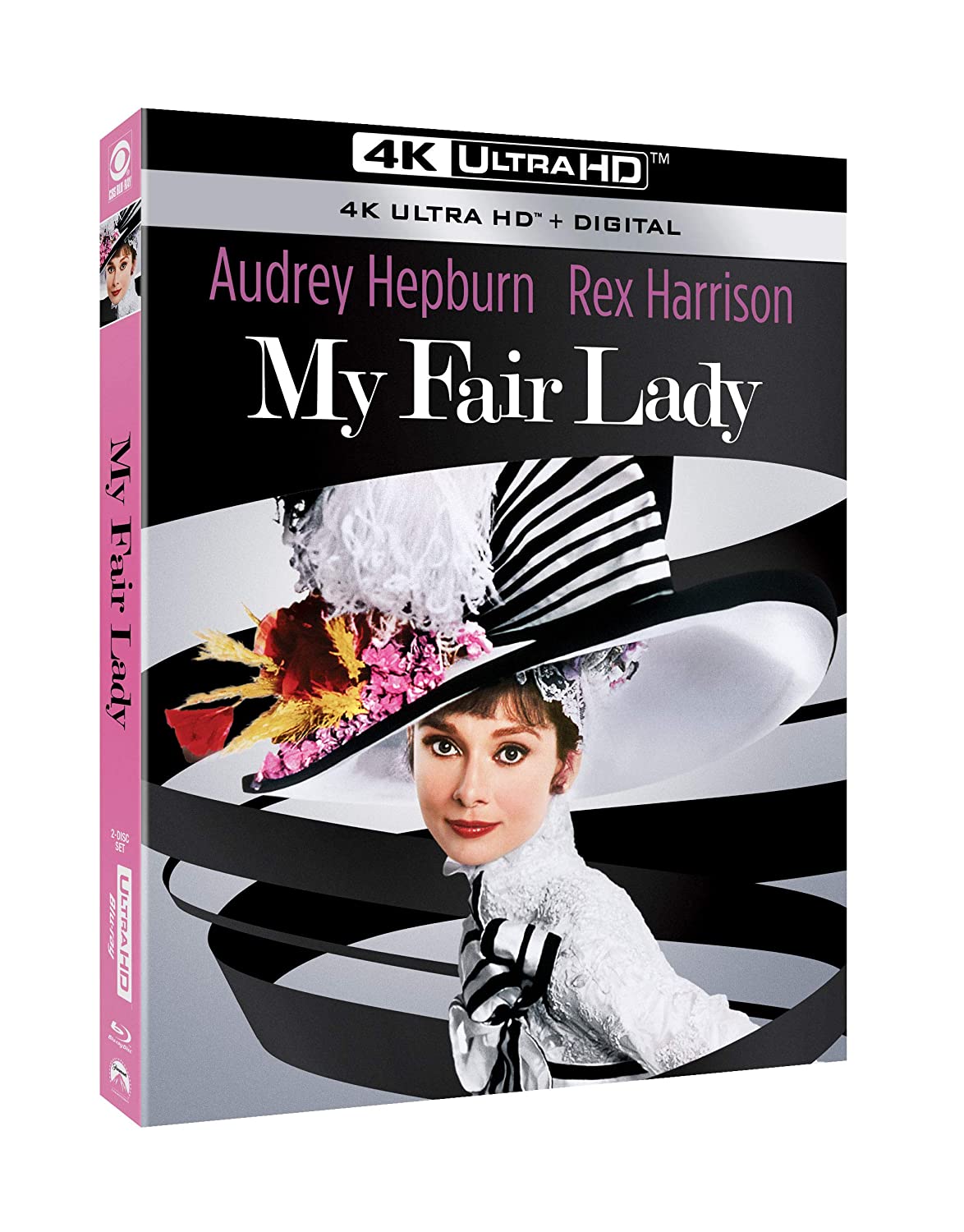
“She’s quite a common girl, very common indeed.”

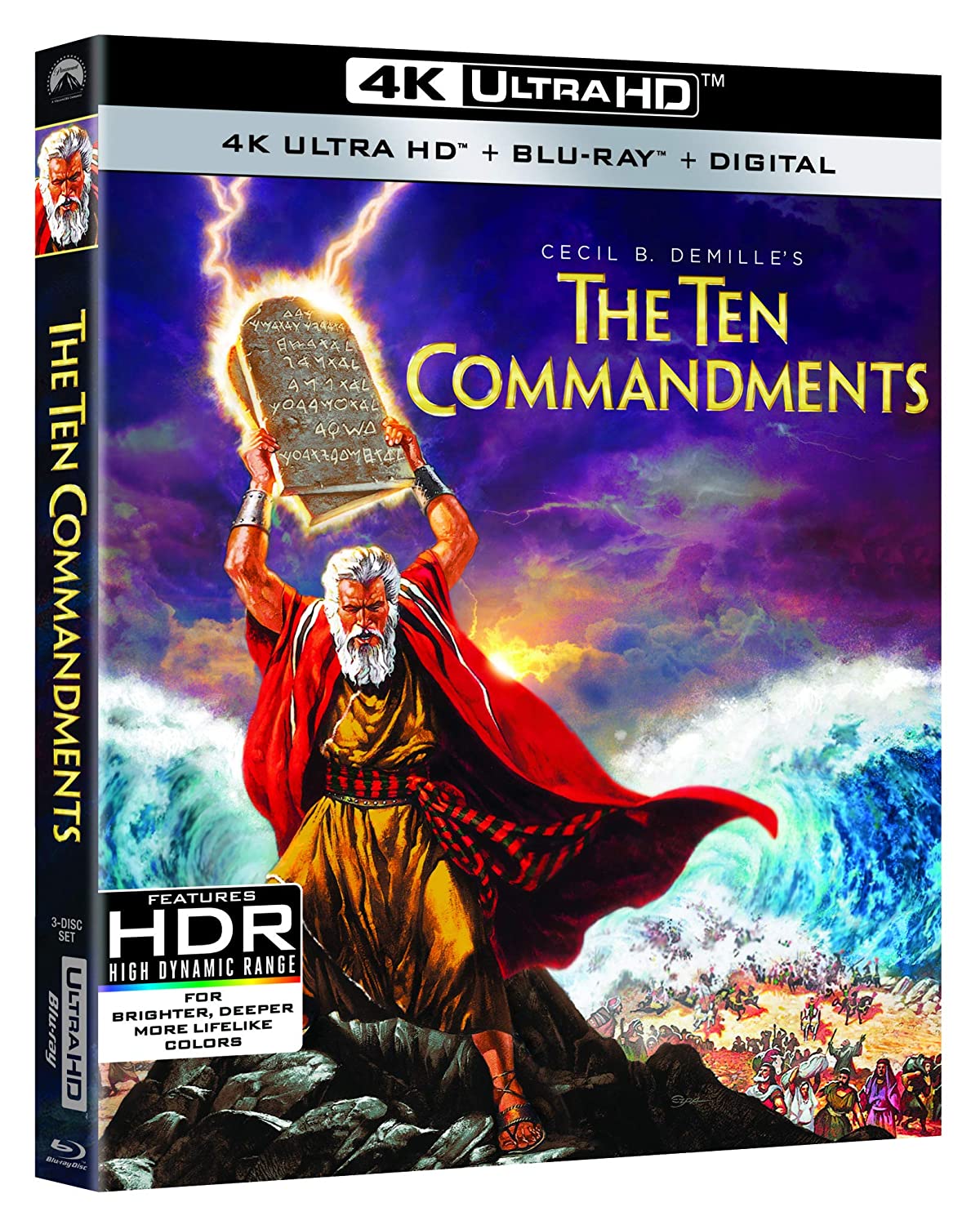
"The theme of this picture is whether man ought to be ruled by God's law, or whether they are to be ruled by the whims of a dictator, like Rameses. Are men the property of the state, or are they free souls under God? This same battle continues throughout the world today. Our intention was not to create a story, but to be worthy of a divinely inspired story, created 3,000 years ago, the five books of Moses. The story takes three hours and 39 minutes to unfold. There will be an intermission. Thank you for your attention." 

A sure sign that Easter is just around the corner is yet another home video release of perennial seasonal favorite The Ten Commandments. In years past, we got the multi-disc edition, complete with original silent version of the film. This particular version is rather more stripped down, as far as features go, but it does mark the film’s debut release on UHD Blu-ray and in 4K.  Unlike previous editions, this one takes full advantage of the superior source material. The film was shot on 70 mm film, and that gives us an equivalent of 8K in today's resolution terms. And while this recent remaster doesn't take full advantage of that fact, it does amount to a 6K restoration that goes above and beyond the current specs of this release. No new extras are provided, and this version does not include the earlier silent film, but it's a must-have for completely technical reasons. You'll enjoy the improvement here, and you'll get to enjoy the film in a format that is the best resolution at which anyone has seen this film since the 1950's, and it was likely a very rare theater that actually projected the film at 70mm, if any actually did. It's the best this thing will ever look. Well ... at least until the eventual 8K release, and that's going to be ... never mind; don't want to break any of those commandments reviewing the film.

“Hey, You Guys!” 

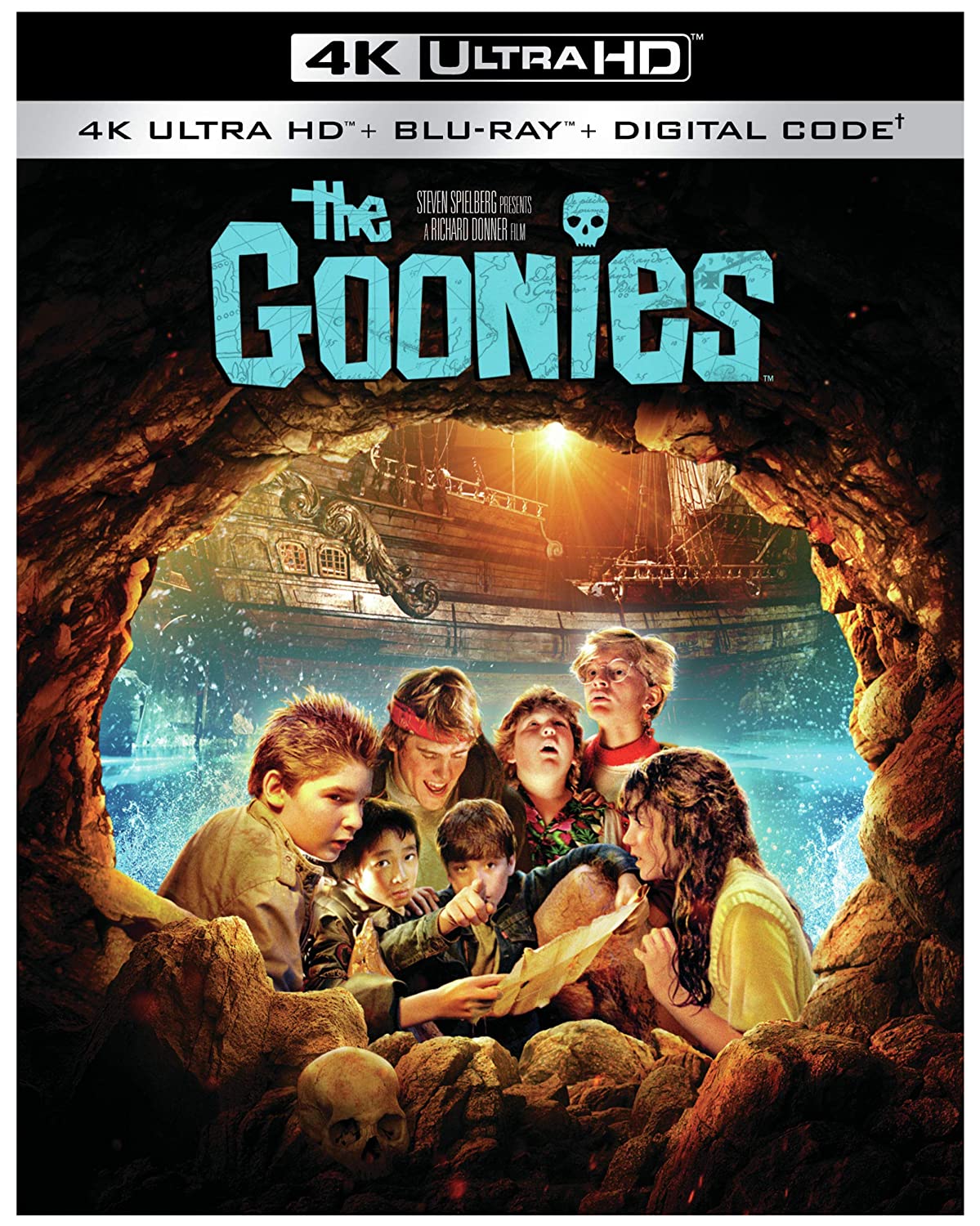
It was the summer of 1985 when my mom took me to see The Goonies, I remember standing in front of the movie theater and staring at the poster on display with a little nervousness and wonder. I was only five, and I simply had no concept about what I was about to watch.  I remember this day fondly, because this was the day I fell in love with cinema, though it would take me a few more years to wrap my head around these emotions.  I had seen movies before this, but the experience of seeing The Goonies simply floored my imagination, and it inspired me to want to know more about pirates, lost treasure, and all the possible adventures one could have.  As I’ve gotten older, despite how many movies I’ve seen, this is one that will always remain as one of my all-time favorite films.  For those 30 or older who still haven’t seen The Goonies, well, I feel bad for you; you’ve missed out on a cinematic treasure that stands  among the other classic films of the 80’s like Back to the Future, ET, Gremlins, and Ghostbusters (sure, there are others I’m not listing, but I think you get the point).  When Super 8 came along, then a little later Netflix put out Stranger Things, it started a small revival of the children-in-peril genre that flourished in the 80’s.  Despite how good some of these nostalgic revivals have been, they still can’t capture the magic of The Goonies.

“Beetlejuice…Beetlejuice…Beetlejuice…”

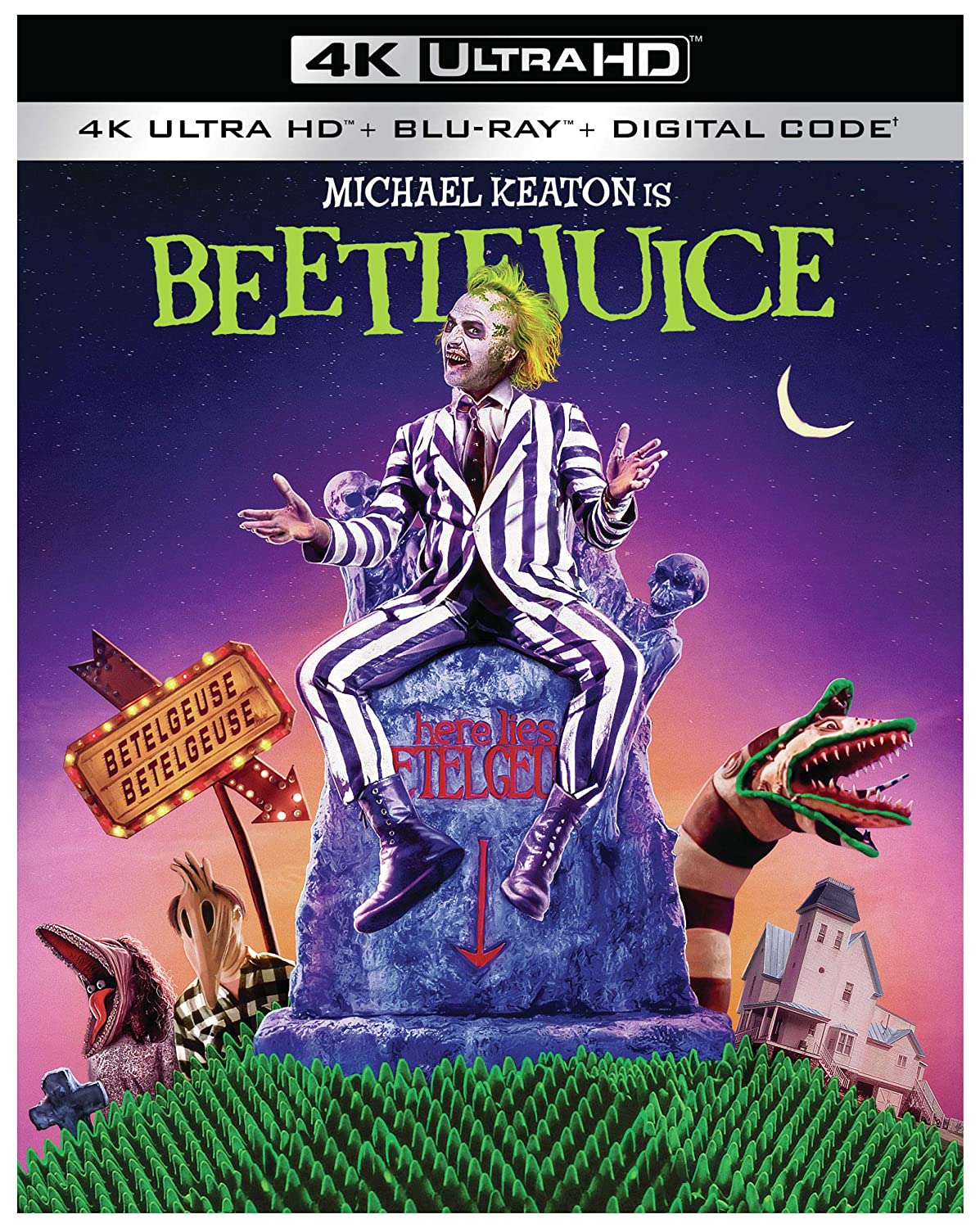
Before Michael Keaton put on the cowl to become the dark knight of Gotham City, he and director Tim Burton came together to create a film that helped launch a career and a trademark “gothic” style that would catapult Burton’s career. Sure, Tim Burton has made a name for himself doing CGI-bloated films lately, and though they’ve made money at the box office, they don’t quite have the same magic that his films had in the 80’s and 90’s, though I’ll make an exception with Big Fish (2003).  It’s impossible for me not bring a little bias to the table when discussing Beetlejuice. I loved the film as a kid and rewatched my VHS copy of it a ridiculous amount of times, and as I watched it again, I still continue to have giddy joy at seeing this film.  If for some reason this film has managed to escape you over the years, or perhaps it’s been a while since you’ve dusted off this classic, allow me a moment to reminisce.

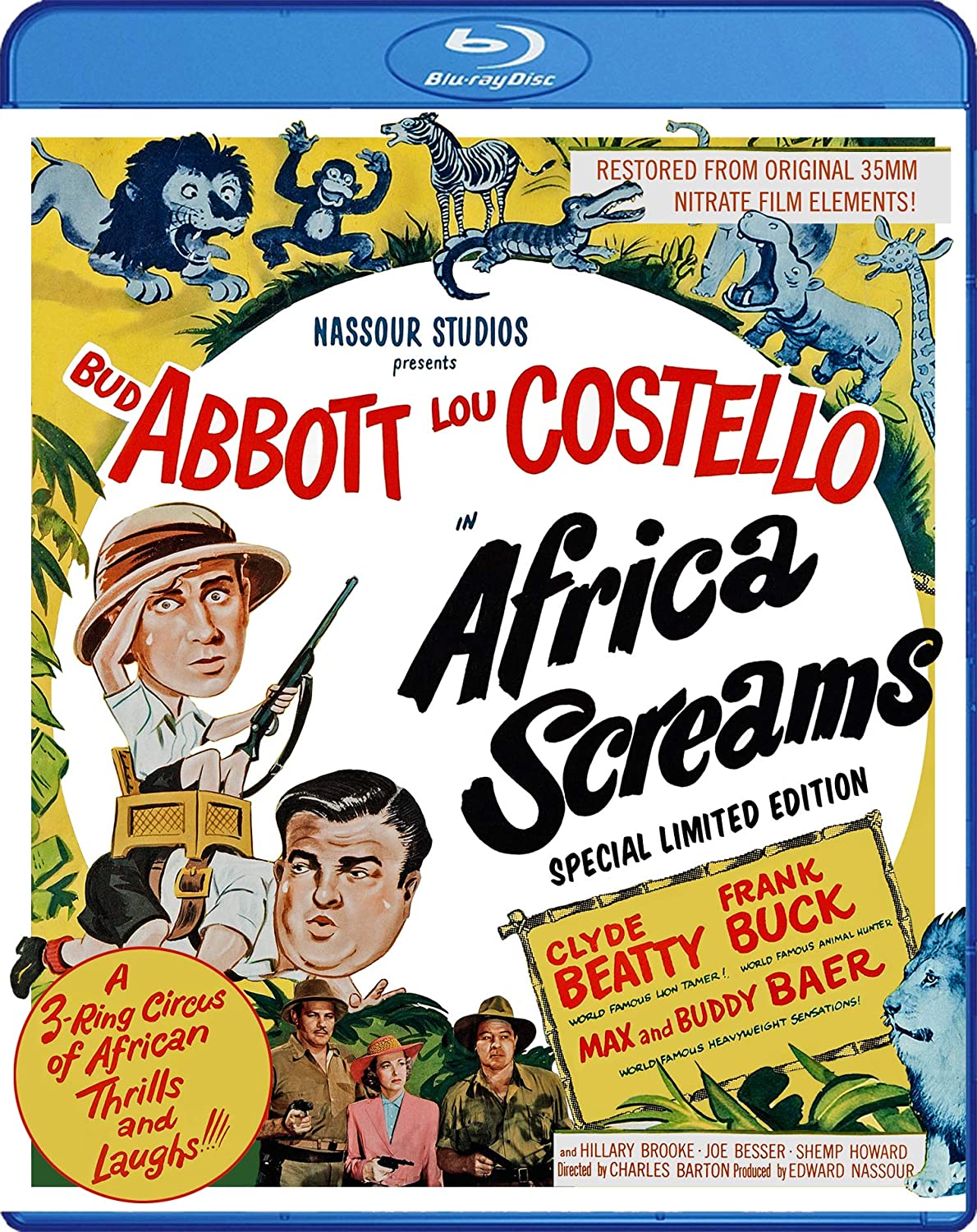
Despite my dad being away a lot on business as I grew up, he would often make the most of his time spent with me and leave lasting impressions on my mannerisms and character to this very day.  We would play baseball (even though I wasn't very good); he would teach me about money and how to be financially sound (which for the most part I think I do OK).  He would also introduce me to the things he enjoyed, like root beer floats and Abbott & Costello.  Even though these days I can't have many root beers, I can enjoy an Abbott and Costello movie almost any time I like.  One of those movies I remember watching with my dad was Africa Screams.  It was my distinct pleasure to watch that movie again and bring my review to you today.

Stanley Livington (played by Lou Costello) stares down a menacing creature with a gun and a whip.  Except when we pan to the fearsome creature, it's actually a small kitten.  But the tiny cat does have a snarl, and it's enough to send Stanley back into the department store from which he came.  Buzz Johnson (played by Bud Abbott) comes around to tell Stanley that the cat is not that scary, but Stanley is still a little concerned.

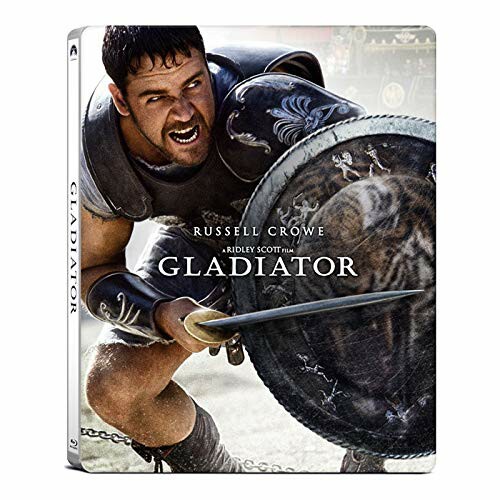
"My name is Maximus Decimus Meridius, commander of the Armies of the North, General of the Felix Legions and loyal servant to the TRUE emperor, Marcus Aurelius. Father to a murdered son, husband to a murdered wife. And I will have my vengeance, in this life or the next."

After nearly 20 years, it's hard not to already consider Ridley Scott's Gladiator a classic. But not in the same way we think of Blade Runner, which has become more of a cult classic, or Alien, which has all the trappings of a genre film, blending horror and science fiction into a nice little package. Gladiator is a mainstream film that took the deserved Oscar for best picture along with four others in the 2001 awards ceremony. With this film, Scott was able to explore more powerful themes that, like the actions of Crowe's Maximus, echo through eternity. Maximus (Crowe) is Rome greatest general and surrogate son to Marcus Aurelius (Harris), Caesar of the Roman Empire. Marcus wants Maximus to be his successor and turn Rome over to its people. Commodus (Phoenix), son of Marcus, has other plans. He murders his father, and when Maximus won’t pledge his loyalty, orders that he be executed. Maximus escapes. Nearly dead from the journey, Maximus discovers his family slaughtered. He is found and sold into slavery. Former gladiator Proximo (Reed) trains him to be a gladiator. With the same skills and presence he once used to defend Rome, he now wins the hearts of the people of the arena. Maximus uses this to bring him to Rome and a chance to avenge his family with Commodus. With the help of Lucilla (Nielsen), sister to Commodus and a former lover, Maximus conspires for the fall of his enemy. Unable to compete with Maximus in the hearts of his people, Commodus agrees to fight Maximus in the Coliseum after striking him with a poison dagger. Of course, Maximus has his revenge before joining his family in the afterlife.

"This is this. This ain't something else. This is this."

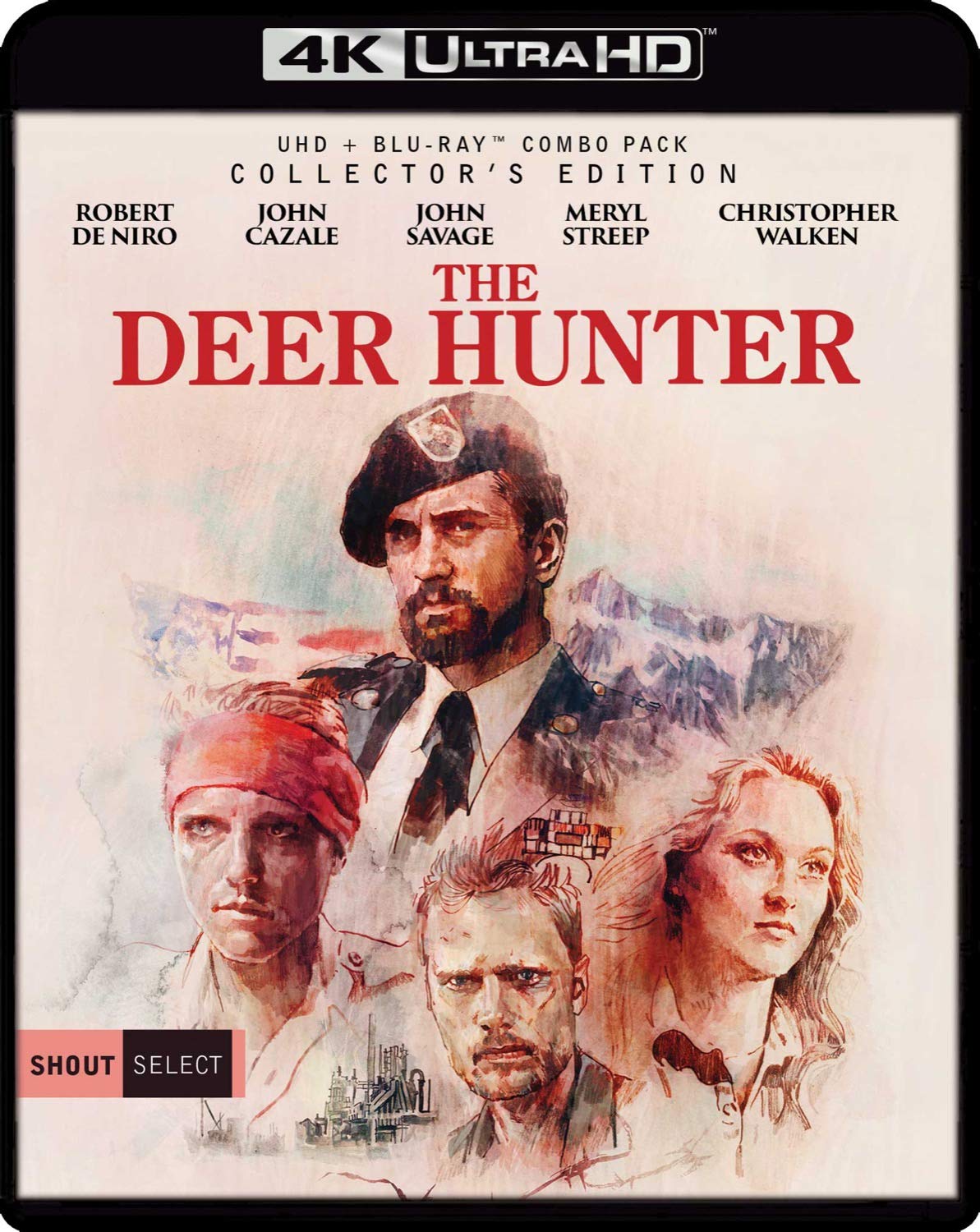
When it comes to picking “the greatest Vietnam War film” it’s one of those arguments that can get pretty heated with fans of cinema.  Platoon, Apocalypse Now, and The Deer Hunter are typically the three I tend to hear named the most, as for me it has always been The Deer Hunter, not just because of its intense portrayal of the war but because of the journey it sets us on, a journey so profound I can easily say it’s one of the best films ever made.  I don’t feel like I’m saying anything bold after all it did win Best Picture in 1978 as well as several other Oscars that year.  It’s a film though that every time I sit down and watch it, the experience manages to impact me in a way I’m never quite ready for.  I first saw it when I was a teenager, didn’t know anything other than it had Robert De Niro and Christopher Walken, I didn’t know what to expect and by the time it ended I was floored.  Everything from the visual scope of the film, the intensity of the violence, the performances, I was maybe 14 and didn’t quite have a grasp for what epic cinema could be  but after watching The Deer Hunter it became the film I’d hold others up to this standard.  It is now decades later and Shout Factory has gone through the process of restoring the film and released it in 4K, how does it hold up after all this time?

Every generation has had its Christmas classics, films that have become as much a part of the holiday family traditions as Christmas trees and candy canes. For me it has been the more modern A Christmas Story with ol’ Carl Kolchak himself, Darren McGavin. Kids today have taken more of a shine to even more recent films, but for more than one generation, Christmas wouldn’t be the same without Frank Capra’s It’s A Wonderful Life. Since 1947 the film became a seasonal fixture in neighborhood movie houses across the fruited plain. In the 1970’s the film temporarily fell into the public domain and was played relentlessly on local television stations as each holiday came and went. Unfortunately, these were usually prints in horrible condition, so that scratches and splice marks became a part of the experience, not to mention ads for department stores touting their early bird specials. It is with that experience that I, as did most from my generation, become acquainted with Jimmy Stewart’s George Bailey. When the home video market began to bloom with VHS in the mid 1980’s, a better print resurfaced, so that the experience improved dramatically, along with the loss of those commercials. Of course, this new resource of home entertainment created a fight for the rights to the film to once again be restored to a single owner. It ended up being the film’s score that would allow the rights to be enforced once again. The crappy television prints disappeared, and by the early 1990’s, efforts to restore the film began.

These restoration efforts invariably turned to the controversial subject of colorization. If anyone remembers Ted Turner’s push to colorize RKO films, including King Kong, you will also remember how bad those films looked. The color was an added texture of hue covering the picture so that the subject’s textures and subtleties were obliterated. It was almost as if some child decided to finger paint all over the negative. There was nothing magical or at all realistic about the process. It’s A Wonderful Life has been colorized no less than three times. In both 1986 and 1989 the film got the colorized treatment, both failures. In 2007, It’s A Wonderful Life had been colorized by a new process developed by Legend Films. This new process allows films to be colorized naturally, retaining all of the detail and texture of the original print. These are the guys who are working with legendary Ray Harryhausen to colorize and restore many of his classics. The new process uses a 16-bit grayscale, which offers over 64,000 shades of just gray. The process, called “Photo-Real”, can reproduce HD quality pictures with stunning, lifelike color. I was a very cynical skeptic of the process and was prepared to rip this color print to shreds in my review. I was blown away by how natural the color looks. You will be hard pressed to believe this wasn’t an original color print. Not only are the colors realistic, but the print retains the particular color palette of the 1940’s, so that the film still looks like one from the correct era. I know you’ve seen incredibly bad colorization before, and it likely has made you unwilling to even give this one a chance, but you owe it to yourself to check it out. And this is the version you get on the Blu-ray copy of the film.

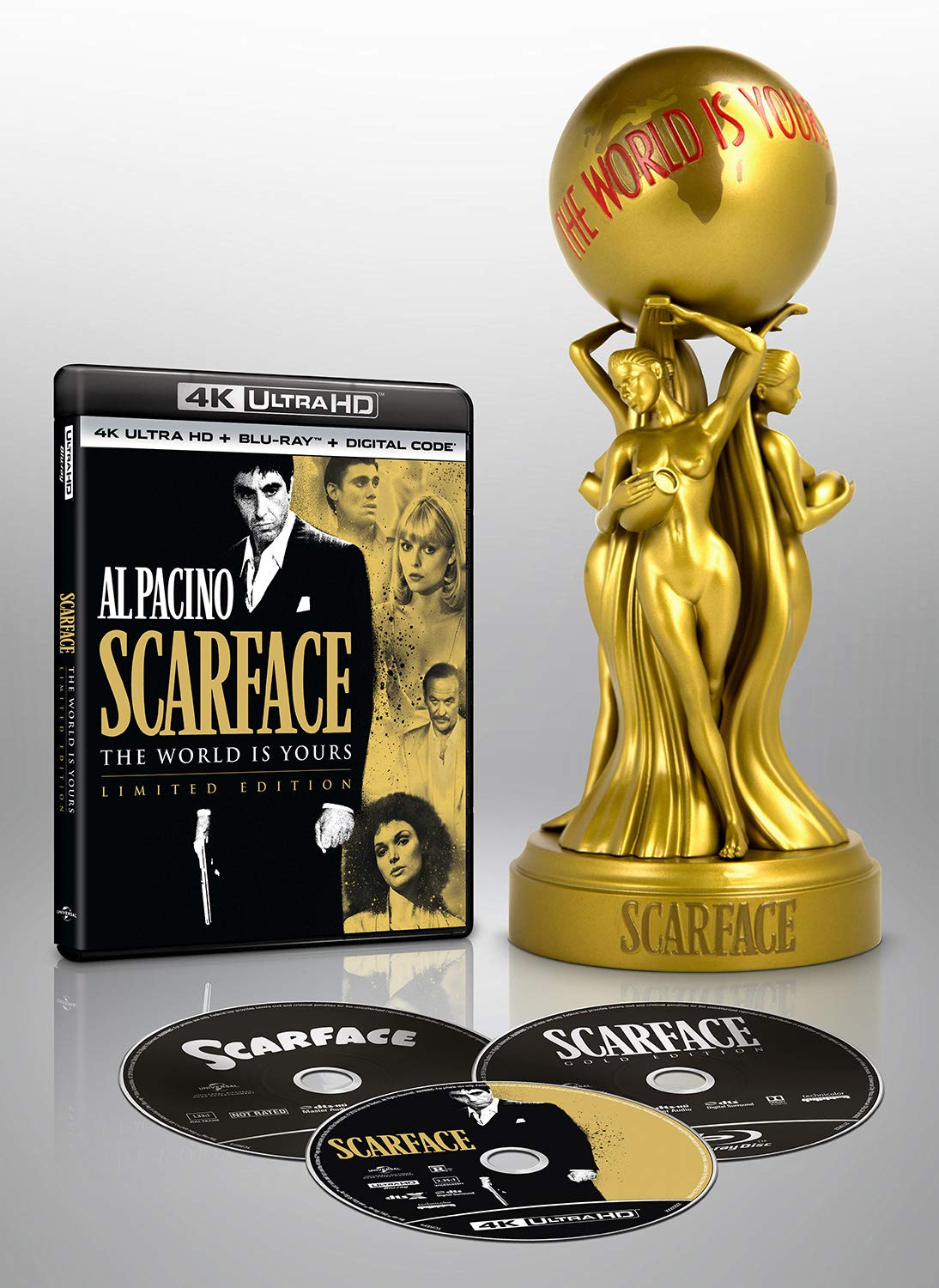
"In May 1980, Fidel Castro opened the harbor at Mariel, Cuba with the apparent intention of letting some of his people join their relatives in the United States. Within seventy-two hours, 3,000 U.S. boats were headed for Cuba. It soon became evident that Castro was forcing the boat owners to carry back with them not only their relatives, but the dregs of his jails. Of the 125,000 refugees that landed in Florida, an estimated 25,000 had criminal records."

One of those refugees was Tony Montana.

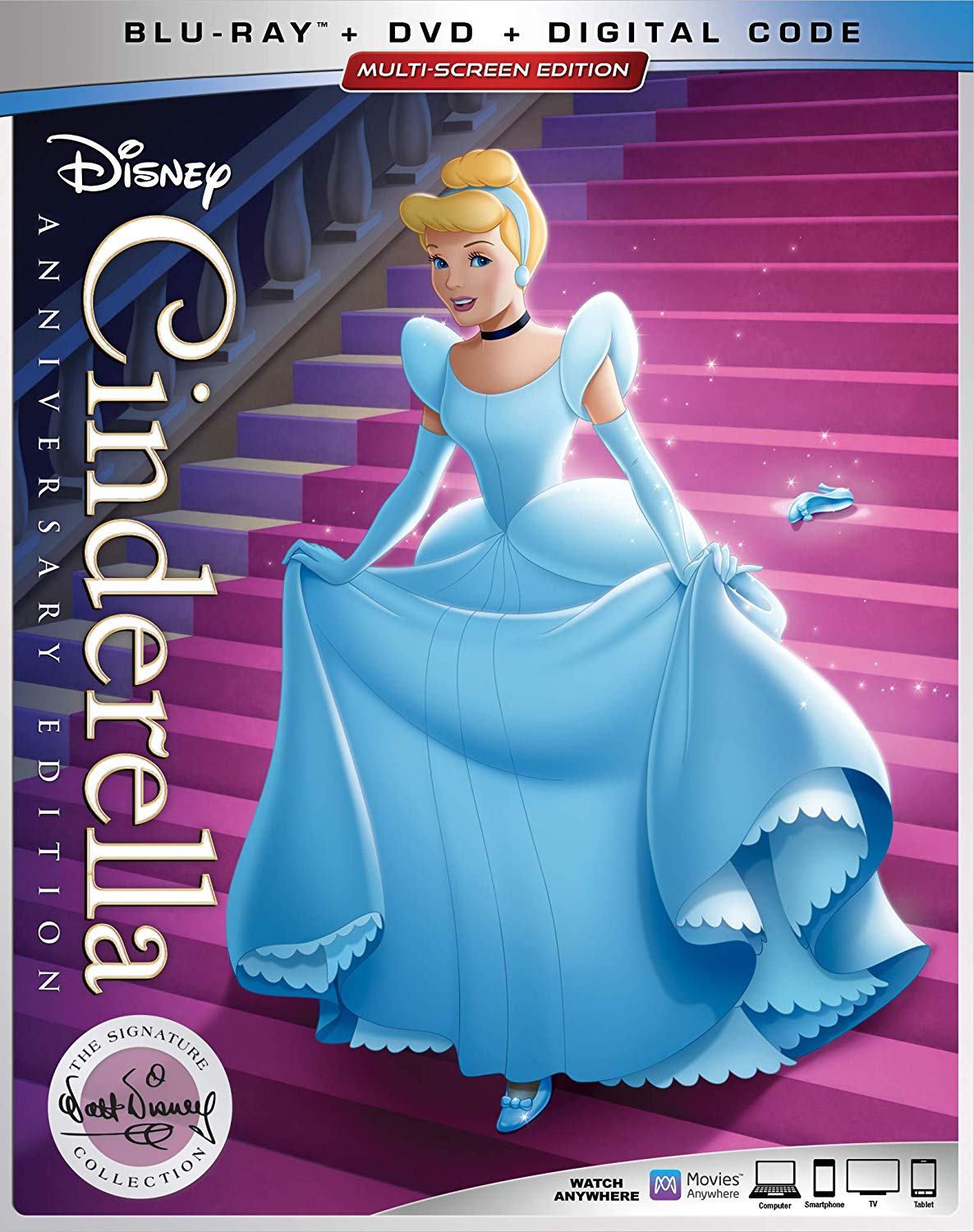
"Once upon a time in a faraway land, there was a tiny kingdom: peaceful, prosperous, and rich in romance and tradition. Here, in a stately chateau, there lived a widowed gentleman, and his little daughter, Cinderella. Although he was a kind and devoted father, and gave his beloved child every luxury and comfort, still, he felt she needed a mother's care. And so he married again, choosing for his second wife, a woman of good family, with two daughters just Cinderella's age, by name, Anastasia and Drizella. It was upon the untimely death of this good man, however, that the stepmother's true nature was revealed: cold, cruel, and bitterly jealous of Cinderella's charm and beauty, she was grimly determined to forward the interests of her own two awkward daughters. Thus, as time went by, the chateau fell into disrepair, for the family fortunes were squandered upon the vain and selfish stepsisters while Cinderella was abused, humiliated, and finally forced to become a servant in her own house. And yet, through it all, Cinderella remained ever gentle and kind, for with each dawn she found new hope that someday her dreams of happiness would come true." 

Snow White And The Seven Dwarfs put the Walt Disney Studios on the map. It's a literal truth. Walk had mortgaged his entire worth to make the film and used the incredible box office return to create what we today call Walt Disney Studios. But it wasn't quite the happily-ever-after fairy tale ending that Walt and his new studio might have hoped for. The studio churned out a couple of films that are classics today but didn't pull in the kind of money they needed to stay afloat. Both Pinocchio and Fantasia were masterpieces greatly appreciated today, but the years of WWII found little extra money for extravagances like going to the movies. The studio was in danger of closing, and they had pretty much one more shot to turn it around. Could lightning hit the same place twice? Cinderella proved that it could, and put the studio firmly back on solid ground.