Classic

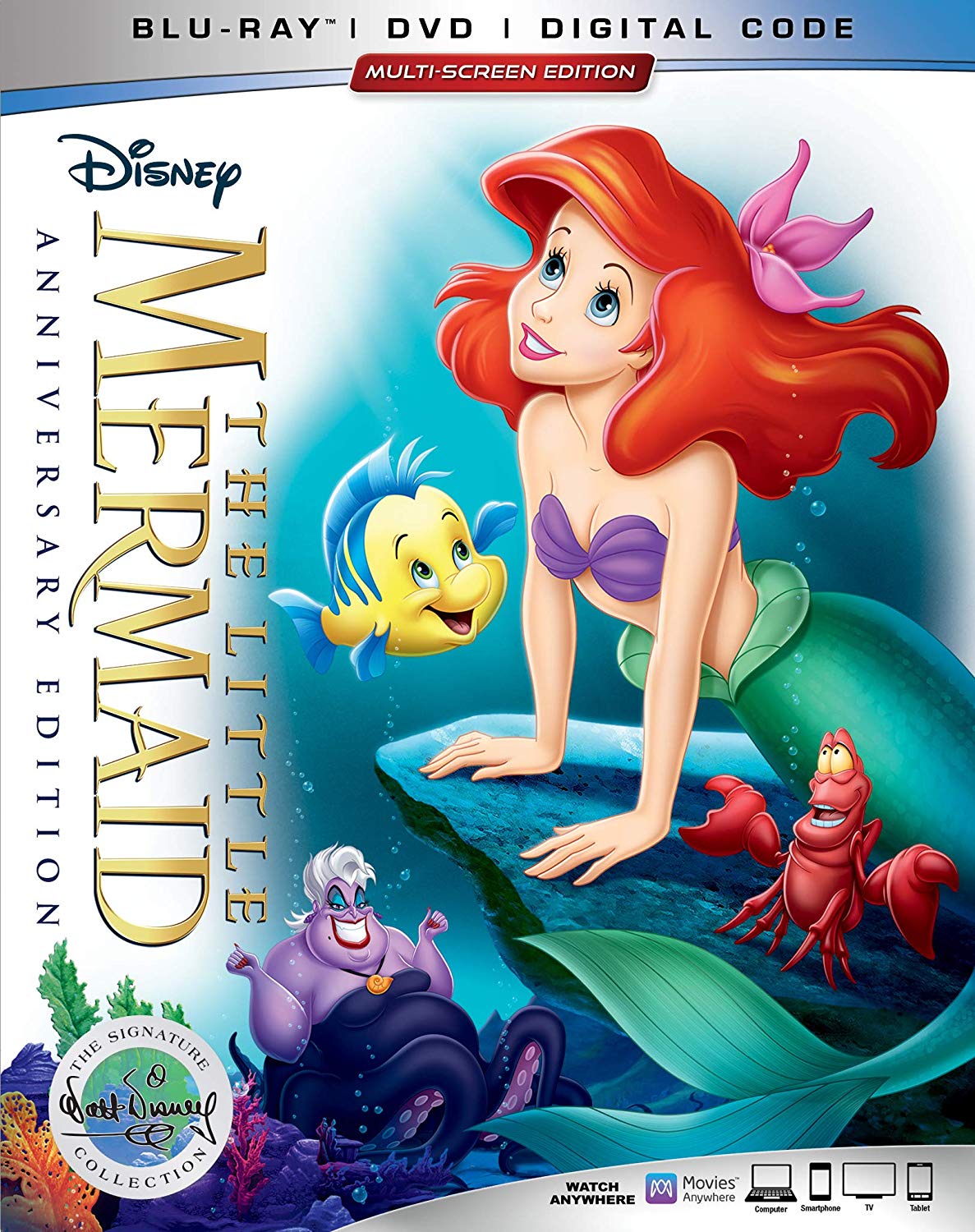
All good things must come to an end, and so it was at Walt Disney Studios. The Golden Age of feature film animation had started with Snow White and the Seven Dwarfs in 1937. By the end of the 1970's, it was all but gone. As the studio entered the 1980's the things had gone from bad to worse. Walt was gone, and so it seemed was the magic. Most of The Nine Old Men had either retired or passed away. The studio leadership was considering closing the animated studio and moving on to live-action films only. It was a dark time for the artists and creative folks at the Mouse House. A shadow had fallen. Sounds pretty much like the beginning of a Tolkien tale, doesn't it?

Enter a new regime. Michael Eisner became the new head of the company, and Jeffrey Katzenberg teamed up with Walt's brother Roy Disney to head the new studio. The first thing they did was banish the animation studios from the Disney lot and set them up in warehouse-like trailers in the middle of industry nowhere. It looked like the axe had finally fallen. But the exile turned out to be the best thing that ever happened to this new generation of Disney talent. Under the new leadership the creative forces banded together and began to do something they hadn't in a long time. They began to dream once again.

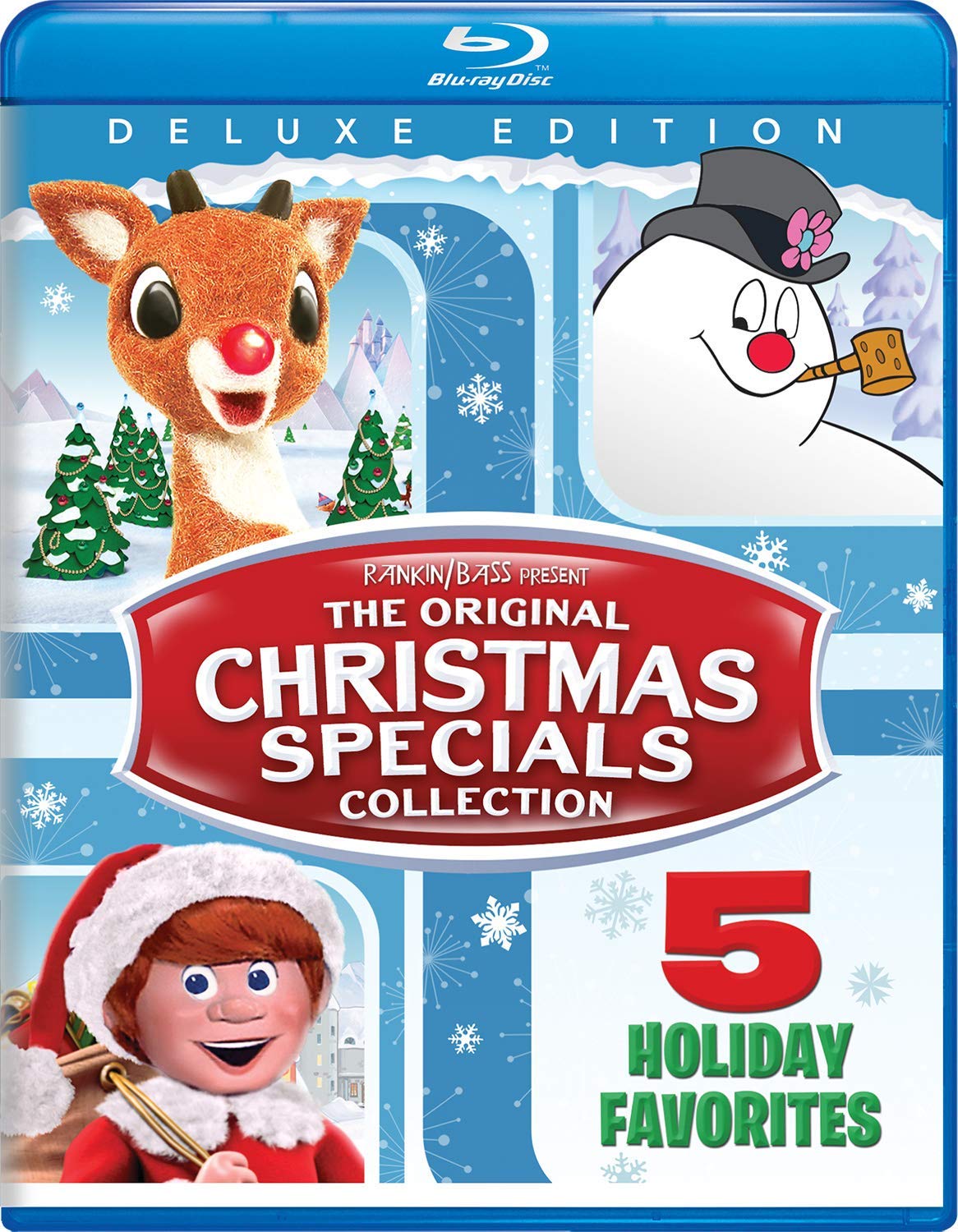
If you were a child in the 1960's or 1970's, you were around at the golden age of the Christmas television special. We just celebrated the 50th anniversary of A Charlie Brown Christmas, and there were a ton of holiday charms that came and went each year. But there were a handful that became classics and found their way to the airwaves every year in December. Of course, A Charlie Brown Christmas became one of these, and it is indeed among the best. It was not the only special to become beloved by generations of viewers. Now Dreamworks has brought together seven of the most memorable of these classics. This was a wonderful trip down memory lane for me, as it will be for millions of children of all ages who looked forward to these event broadcasts each and every year. Now you can watch them whenever you want. And they might not be just for Christmas anymore.

Rudolph the Red-Nosed Reindeer (1964)

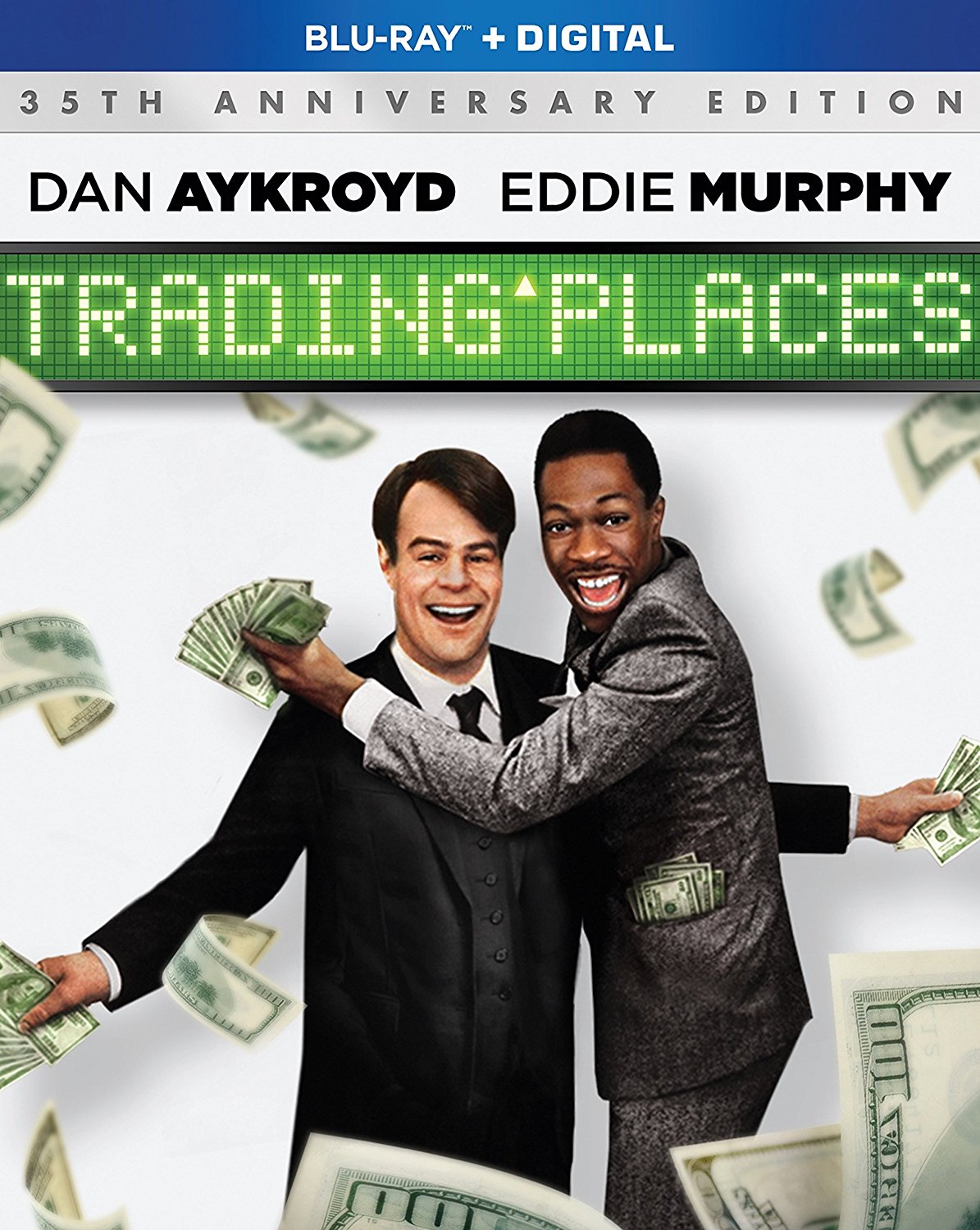
Eddie Murphy has a ton of films under his belt. If you’re like most folks, his antics have long ago become tired and worn out. Come with me now to a time when Murphy was young and full of energy. Trading Places was really only Murphy’s second film after 48 hours. In Trading Places, we get vintage Eddie Murphy. You can tell he was still hungry. Today he simply calls too many performances in. Dan Aykroyd was also at a turning point in his own career. It hadn’t been too long since he lost his longtime partner Jim Belushi to a drug overdose. He was just learning to stand on his own. Put these two guys together today, and there’s not much chance you’d get the solid gold that was possible in 1983. Fortunately for us, there is this HD release of Trading Places, when both actors still felt they had something to prove. The cast was brilliant all the way around. Jamie Lee Curtis displayed her obvious assets for the first time in a film. Known mostly as a scream queen at that time, Curtis was a choice the studio was not at all happy with. The Wolf Man’s own Ralph Bellamy, along with fellow veteran actor Don Amechi, played the Duke brothers to perfection. Finally, Denholm Eliott added his own understated brilliance as Coleman, the butler.

Trading Places was originally written as a vehicle for Gene Wilder and Richard Pryor. That team had had great success with a few films already, and it was felt they were the only ones capable of pulling off this kind of a film. I’m not sure how that might have worked. Certainly it still might have been a funny outing, but somehow I think everything worked out for the best. Trading Places broke many conventions of the time. The black and white stereotypes were a concern, as were other elements. Having a hooker play such a pivotal role was questioned. The studio even expressed some problems with the fate of Mr. Beaks. A little gorilla love went a long way toward the poetic justice these kinds of villians often require. John Landis stood his ground the entire time, refusing to budge. Remove any of these elements, and who knows what we might have ended up with.

"All this has happened before and will all happen again. But this time it happened in London. It happened on a quiet street in Bloomsbury. That corner house is the house of the Darling family, and Peter Pan chose this particular house because these were people who believed in him..."

In 1953, with a little help from some Walt Disney magic, generations of children, and adults, of course, would learn to believe in the boy who never grew up. Peter Pan began in the imagination of writer J. M. Barrie. He appeared in a number of works from the Scottish author beginning in 1902 with The Little White Bird. The character had always been a favorite of Walt Disney himself, and it was originally intended as his second animated feature following Snow White. It became quickly apparent that the technology wasn't quite where he needed it to be to tell the story he wanted to tell. It was put on a shelf, but never forgotten. The rights to the character were willed to the children of a children's hospital in London, and it was from there that Walt managed to obtain the film rights for the animated feature we have today. Peter Pan has enjoyed success in pretty much every medium possible. There have been hugely popular stage productions where Peter was usually played by a woman. The character has appeared in film, music, comics, television, radio plays and, of course, printed form. He's an endearing and certainly enduring character who has now added high-definition Blu-ray to the list.

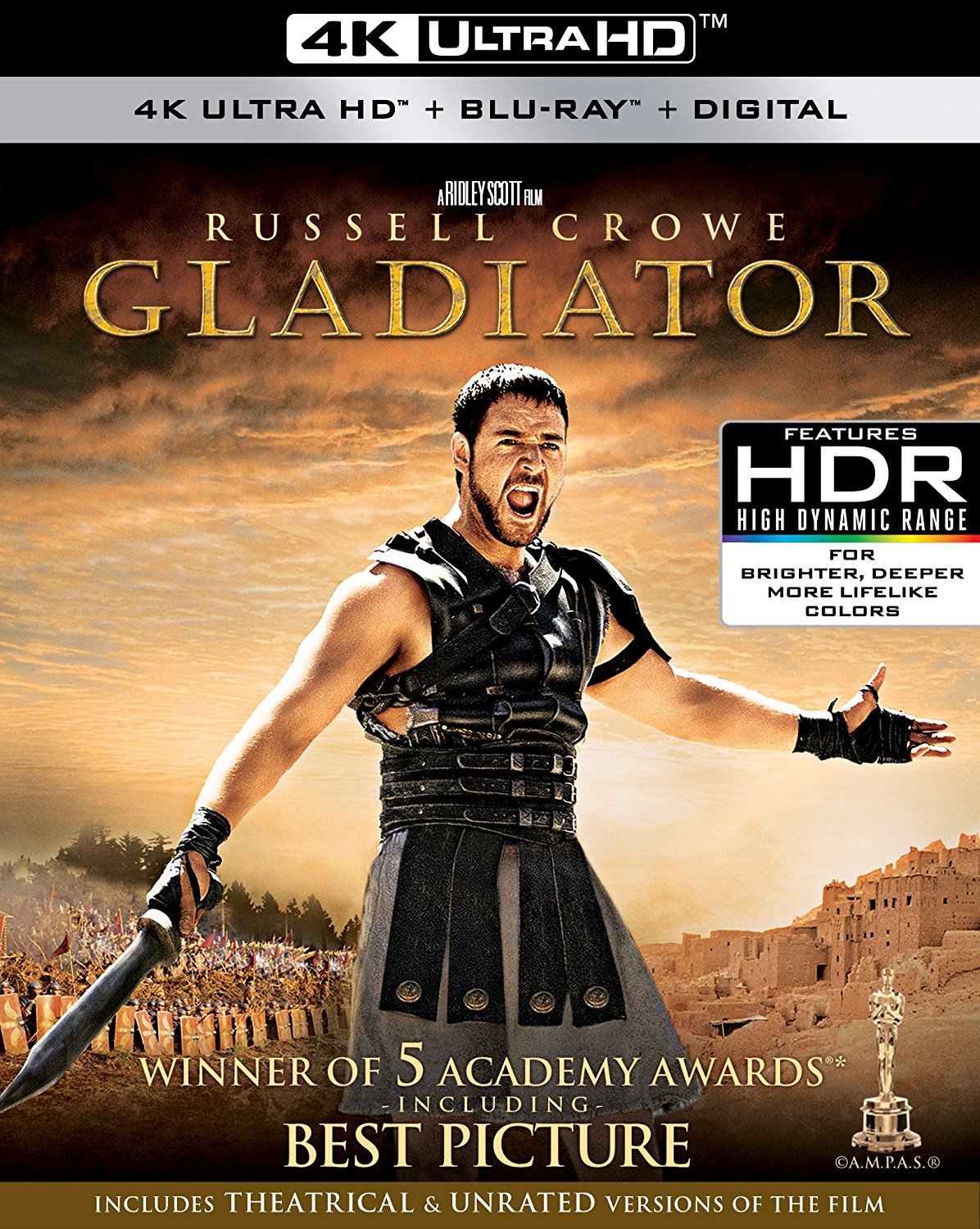
"My name is Maximus Decimus Meridius, commander of the Armies of the North, General of the Felix Legions and loyal servant to the TRUE emperor, Marcus Aurelius. Father to a murdered son, husband to a murdered wife. And I will have my vengeance, in this life or the next."

After nearly 20 years, it's hard not to already consider Ridley Scott's Gladiator a classic. But not in the same way we think of Blade Runner, which has become more of a cult classic, or Alien, which has all the trappings of a genre film, blending horror and science fiction into a nice little package. Gladiator is a mainstream film that took the deserved Oscar for best picture along with four others in the 2001 awards ceremony. With this film, Scott was able to explore more powerful themes that, like the actions of Crowe's Maximus, echo through eternity.

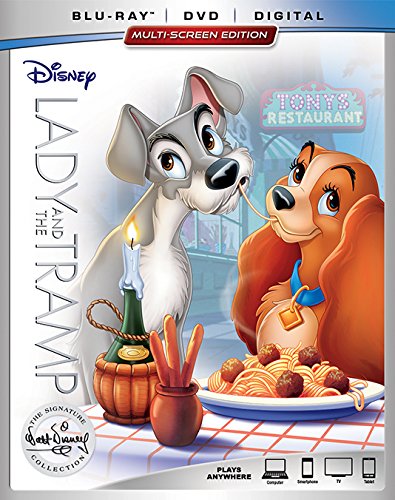
The yesteryears of Disney were full of classic movies, from Aladdin to 101 Dalmatians. Each of those films holds a special place in my heart due to its warmth and very colorful, cute story. Having never seen Lady and the Tramp before picking up this early copy, I didn’t know what to expect of the film. Many declare it to be one of Disney’s best, which is certainly a remark that is quite distinguished. Would Lady and the Tramp capture my emotions and heart like so many old, classic Disney films did years ago? Read on to find out.

The basic story to Lady and the Tramp is as follows. A man named Jim Dear gives his wife Darling a mysterious box for Christmas. Inside that box is the ever-so-cute little cocker spaniel puppy, which Darling decides to name Lady. Lady spends most of her period growing up with two neighborhood dogs, Trusty and Jock. One day a dog named Tramp walks over the railroad tracks. When Darling has a child, we are introduced to two super ugly and vicious cats, Si and Am, courtesy of Aunt Sarah. Due to these evil cats and the new baby, Lady winds up in the doghouse. What happens next is cinematic history: the spaghetti scene and the start of a romance between Lady and Tramp.

At first glance you would not expect 50 year old cartoon television specials to be this high on the UHD 4K list. Honestly, I was a bit surprised myself. But when you really think about the staying power of these cartoons you realize they've made an emotional connection to generations of children of all ages. I grew up on the Peanuts creations of Charles M. Schulz. Most of us have, in some way or another. His newspaper comic strip is one of the longest running and most successful strips of all time. The work has been translated into every language currently spoken on the planet. The images of Charlie Brown, Snoopy, Linus, and the rest of the Peanuts gang have appeared on just about any kind of product imaginable. Our pop culture contains too many references to the strip to mention briefly. For me, it was the television specials starting in the mid 1960’s that brought the gang into my life. The classics are running annually, still after nearly 50 years. A Charlie Brown Christmas, A Charlie Brown Thanksgiving and It’s The Great Pumpkin, Charlie Brown are the most mentioned and certainly beloved by generations of children and adults. I thought I never missed an airing.

A Charlie Brown Christmas

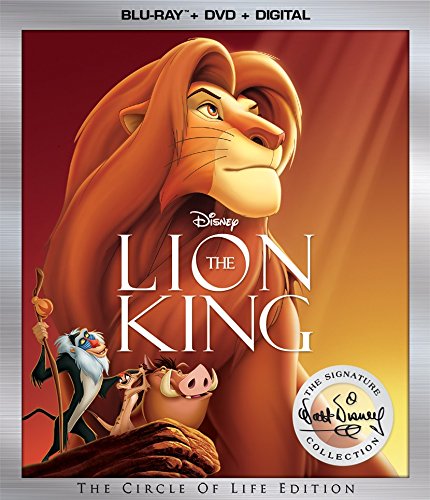
"From the day we arrive on the planet and blinking, step into the sun, there's more to see than can ever be seen. More to do than can ever be done. There's far too much to take in here. More to find than can ever be found..."

There's a period in the 1990's that has often been referred to as the second golden age of Disney animation. The studio had fallen from its once mighty perch, and most film historians tend to agree there was a creative dark ages through the 1980's. But the renaissance of the studio began with Aladdin in 1992 would go on to include such tremendous classics as Beauty And The Beast and The Little Mermaid. None of these films speak to the resurgence of the animated feature like The Lion King. The film set every animated record there was and holds some of those box office records today. It can be safely stated that the great flood of animated projects that followed can be traced to the impact of The Lion King. In 1996 Simba was the most popular name chosen for new housecats. Elton John saw his appeal extend to children, and there could be no mistake that the animated feature was back.

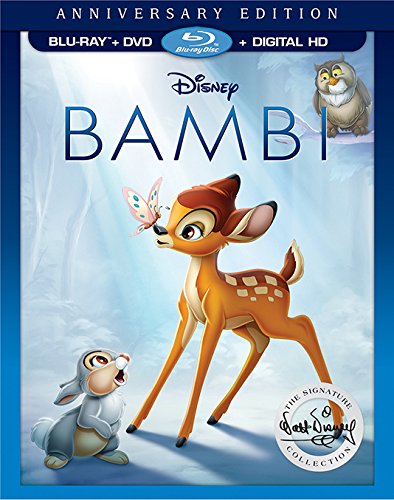
"Good morning, young prince."

The forest is alive with the news. It travels from tree to tree, from animal to animal. A new prince has been born, and the creatures of the woods gather to welcome the young fawn. His name is Bambi, and he soon wins the hearts of the entire population of the forest. From his first attempts to stand on his wobbly legs to his discovery of the things that surround him in this brand new world, Bambi takes us on an emotional journey through the circle of life.

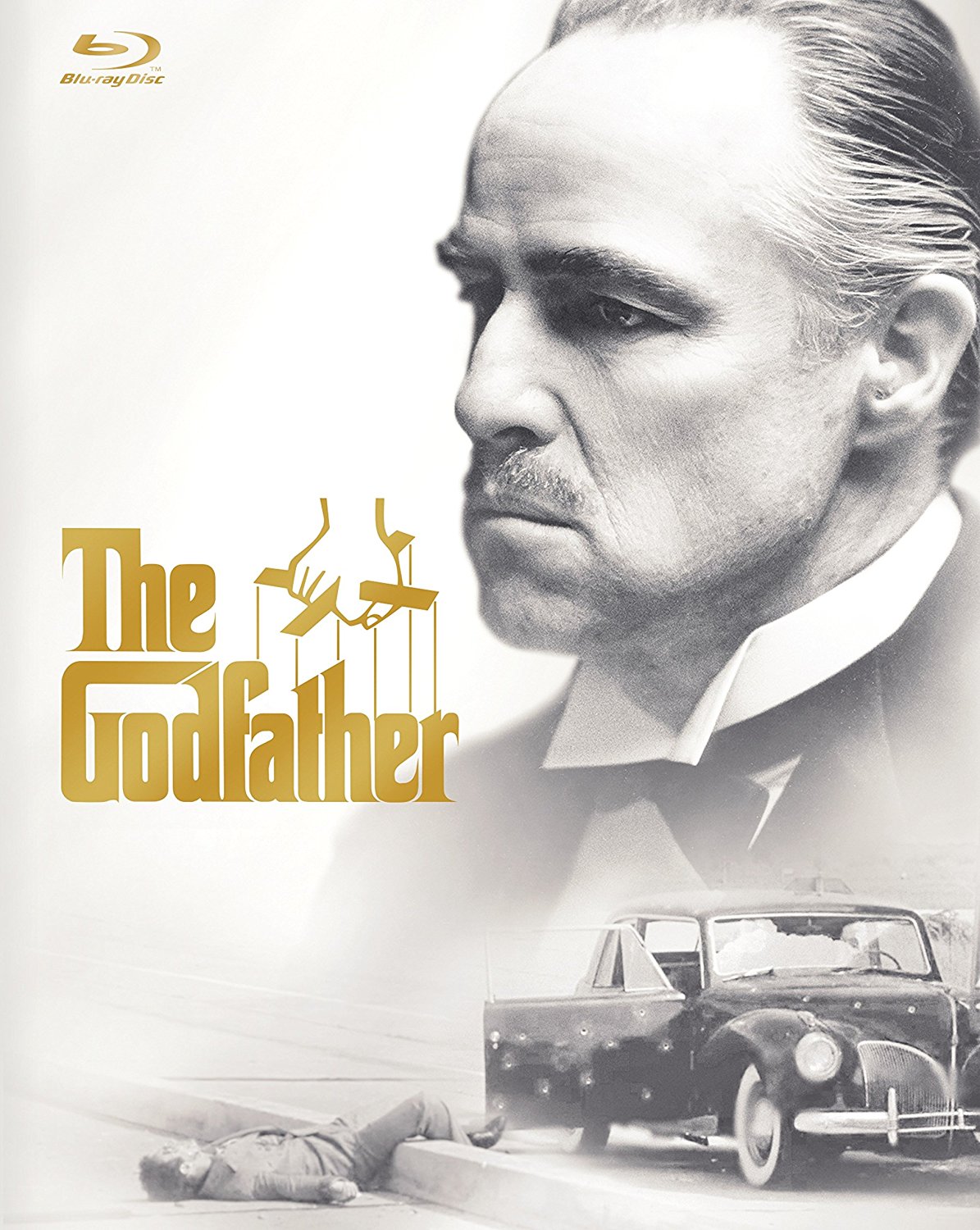
It's hard to believe that it has been 45 years since The Godfather first graced theater screens. The Godfather films changed storytelling forever. Films before that time, mobster or otherwise, had some very simple but unshakable rules. There was always a fairly clear distinction between the good guys and the bad guys. The good guys always win in the end, and the bad guys always succumb to justice before the final credits. For perhaps the very first time, we were given characters that we knew in our souls were evil men. They killed. They broke laws. They manipulated everyone around them through fear and terrorism to bend to their wills. Somehow, now they are the film’s core heroes, if you will. When Vito is shot, we cheer for Michael, who discards his contempt for his family’s criminal image and comes to his father’s aid. Suddenly this wasn’t just about a gang of mobsters. This was a story about a family. Most of us can’t relate to the mafia ins and outs, but we all have fathers, and even when we dislike what our fathers represent, we will more often than not come to their aid if they’re being threatened. This unique morality paved the way for an entire genre of such characters today. There just couldn’t have been a Tony Soprano or Vic Mackey without The Godfather. While there were certainly protests from aspects of the Italian-American community decrying the violent way our ethnicity was portrayed, most of us from that community saw more than violence and Mafioso. If you’re from an Italian family, you simply can’t help recognizing aspects of your own family in the Corleones. I could see my own grandfather in Vito, sans the mob boss occupation. Many of us took away the strict codes of honor and respect that drive Italian-Americans to this day in very normal lives. We’re a very passionate people, even if most of us are not part of an organized criminal element.

I’m not going to waste any time here taking you through the Godfather saga. Even if you’ve never seen any of these films, and I can’t imagine anyone hasn’t, you know the story and characters almost as much as if you had. For those of us who have seen these films, it has likely been an experience you have never forgotten. They are like potato chips in that you can not have watched them just a single time. For us these films are more than merely films. They are memories that we share as a culture. They have surely become a part of American mythology, as much as Homer’s tales of conquering heroes and mighty gods were for the ancient Greeks. We know the names of the Corleones as well as any of Shakespeare’s characters. We’ve quoted these films as much as anything short of the Bible itself. It is entirely outside of the realm of possibility, for me at least, to imagine American culture without them. While the films are now 45 years old, they still shape our films and literature today. What television series hasn’t done a spoof of The Godfather. Phrases like: “An offer you can’t refuse”, “Leave the gun. Take the cannoli”, or “Just when I thought I was out, they pull me back in” appear everywhere around us.