Comedy

It’s tradition. The night before a wedding, the groomsmen throw a party for the groom and the bridesmaids do the same for the bride. Usually, the bachelorette parties are tamer than their male counterparts. Unless, of course, the bride has the absolute worst bridesmaids in the history of weddings; like the ones Becky (Rebel Wilson, Pitch Perfect, Bridesmaids) chooses for her bridal party in Bachelorette.

When Becky asks Regan (Kirsten Dunst, the Spider-man trilogy) to be her maid of honor, Regan immediately calls her other two friends from high school: airhead Katie (Isla Fisher, Wedding Crashers, Rise of the Guardians) and sarcastic Gena (Lizzy Caplan, Cloverfield, TV’s The Class). Completely enraged that “Pig-Face” — Regan’s cruel high school nickname for Becky — is getting married before her, Regan flips out. Fast-forward to the day before the wedding. Katie and Gena have flown in for the rehearsal dinner determined to liven up the “boring” bachelorette party, with Katie hiring a male stripper and Gena toting a purse full of cocaine. When the drugs and the stripper ruin the party, Becky storms off. Left alone in the bridal suite with champagne and cocaine, the three friends decide to get drunk, high, and generally feel sorry for themselves.

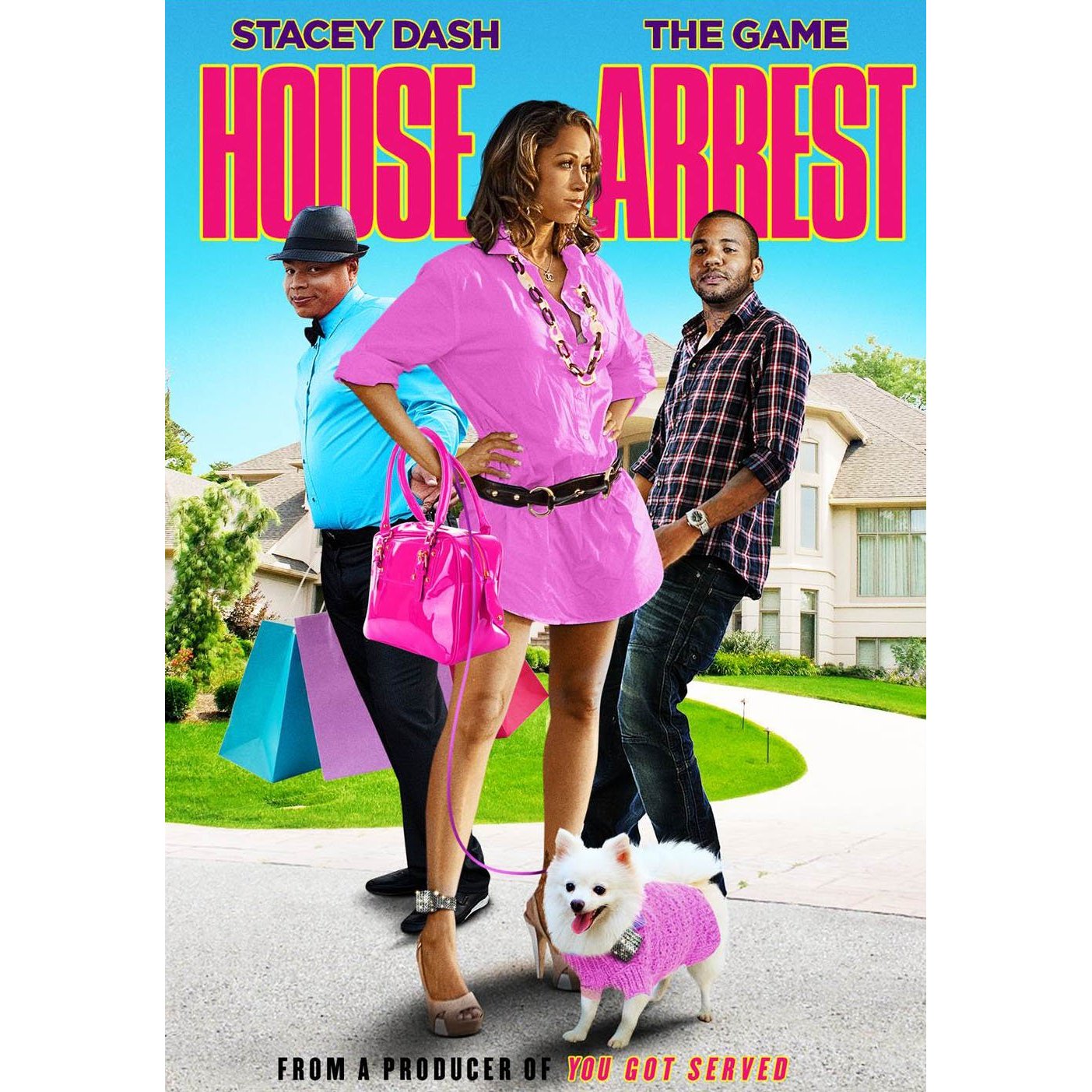
Sometimes you really can judge a book terrible movie by its cover. Beyond the awful Photoshopped shot of the film’s stars, the cover art for House Arrest boasts that the movie comes “From a Producer of You Got Served.” That set off a bunch of questions in my curious mind. Why just one producer? Is this really something a person would brag about? Most importantly, where are all the hip hop dance battles?! Worse than all that, the film itself completely muddles a worthwhile message about faith and the importance of family with shoddy storytelling and a steady stream of substandard performances.

House Arrest quickly introduces us to Chanel (Stacey Dash), a spoiled L.A. rich girl living the high life with her boyfriend, DeAndre (Jayceon “The Game” Taylor). You can tell Chanel is spoiled because she even has a tiny dog named Trixie that she carries around in her purse. While out shopping one day, Chanel and DeAndre are both arrested for the robbery of some valuable computer chips. (The crime is so vague and ultimately pointless that they may as well have been accused of stealing a box of vintage floppy disks.) Prior offender DeAndre is sent to prison while first-time offender Chanel is sentenced to house arrest in a much less ostentatious part of town under the roof of grandma Mee-Mah (Bebe Drake) and Chanel’s daughter Autumn (Kiera Washington). Chanel is innocent, but Deandre asks her to take the fall because she’d probably only get a probation — this guy is a real sweetheart — and because DeAndre’s crimes helped fund their expensive lifestyle.

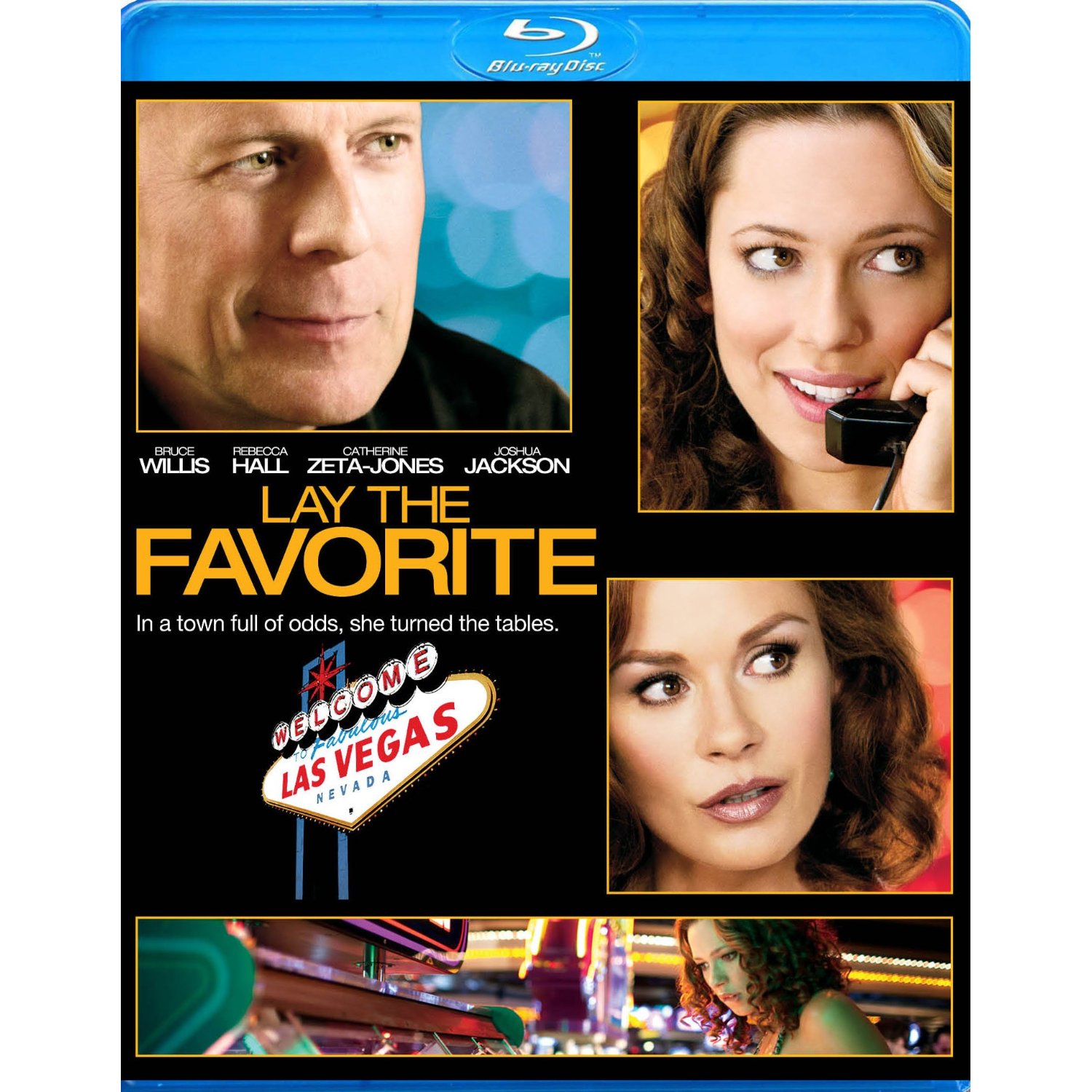
If a movie starring Bruce Willis, Catherine Zeta-Jones, Vince Vaughn and a few other notable names only grosses slightly more than $20,000 — BoxOfficeMojo.com assures us that’s not a typo — does it make a sound? The natural assumption is any film boasting that kind of star power must be pretty bad to be completely ignored by distributors and the movie-going public. Lay the Favorite is a disappointing, low-energy effort, but it certainly deserved to make more money than what A Good Day to Die Hard will probably earn in the time it takes you to finish reading this sentence.

The film follows sweet dim bulb Beth (Rebecca Hall), a stripper who feels unfulfilled in her life and dreams of moving to Las Vegas to become a cocktail waitress. (This movie’s title should’ve been Aim Higher.) Instead, Beth gets a job working for eccentric sports bettor Dink (Bruce Willis) and proves to be something of a gambling prodigy, much to the chagrin of Dink’s scary wife, Tulip (Catherine Zeta-Jones). As Beth and Dink’s relationship becomes more complicated, she gets romantically involved with nice guy journalist Jeremy (Joshua Jackson) and professionally involved with Rosie (Vince Vaughn), a volatile rival of Dink’s.

You don’t usually get too many legendary (and wildly polarizing) filmmakers coming off the biggest hit of their careers — unadjusted for inflation, of course — at age 77. Yet that’s exactly where Woody Allen found himself with To Rome with Love, his pleasant, witty, not-at-all-groundbreaking follow-up to Midnight in Paris. The writer-director originally named this film The Bop Decameron before changing it to Nero Fiddled. I’m guessing somebody (smartly) figured the suddenly buzzworthy director’s next film should have a less esoteric title; and if there was a way to incorporate a European city into the name, even better.

Luckily, the film’s more genetic moniker is actually a much better fit for this simple, engaging collection of stories set in the Eternal City. The movie is comprised of a series of parallel vignettes, but I really wish the director had found a clever way to connect these stories beyond the fact that they’re each set in contemporary Rome.

“It’s time for Animaniacs. And we’re zany to the max. So just sit back and relax, you’ll laugh ‘til you collapse. We’re Animaniacs!”

I am a 30-year-old man, and I didn’t need any help remembering the lyrics to the Animaniacs theme song. (Yikes! That sounds like a confession I should be making at my next Man-Child Anonymous meeting.) Similar to the influential work of Tex Avery and Chuck Jones, Animaniacs served as the first exposure many children in the ‘90s had to classical music and literary masterpieces. And like Looney Tunes, the show’s greatness lies in that it doesn’t just arbitrarily nod to the classics, it gets kids excited about them.

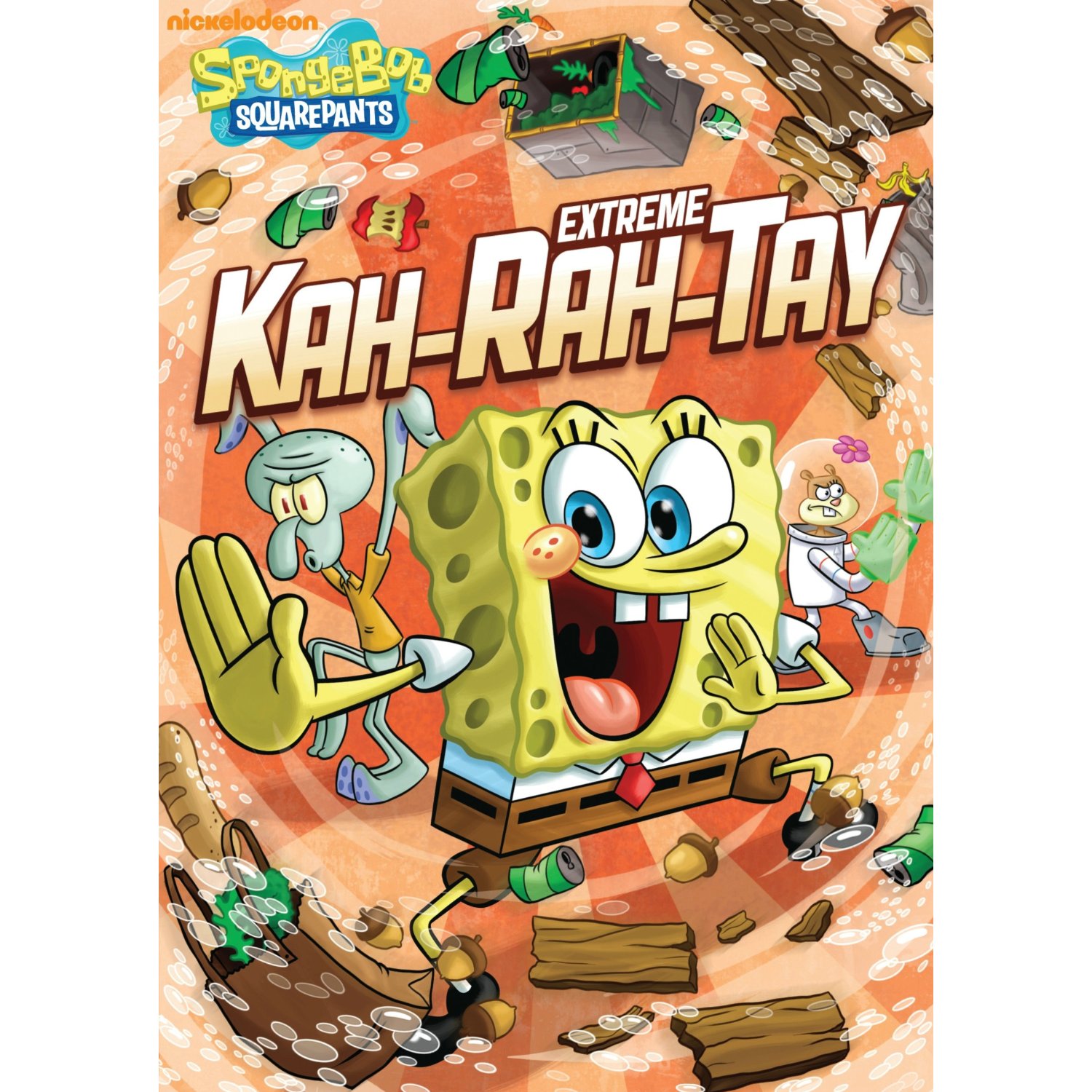
Spongebob Squarepants, the flagship cartoon for Nickelodeon for the last few years, has been churning out DVD specials inbetween releases of complete seasons. Sometimes these are linked by a theme (such as the Halloween DVD I reviewed in October https://upcomingdiscs.com/2012/10/15/31-nights-of-terror-spongebob-squarepants-ghouls-fools/ and this would mean taking episodes from numerous seasons. This particular special mostly contains more recent episodes, all of which have some sort of "extreme" or somewhat violent/action oriented story.

To avoid some redundancy I'll repost my summary of Spongebob from my previous review:
Spongebob Squarepants is the children’s show that seems geared more for the college-age crowd than toddlers. This is not a revelation in cartoons, but I feel like this particular DVD set emphasizes this fact about Spongebob more than previous DVD releases of this show. The zaniness translates to all ages (just as it has from Tex Avery right through Ren & Stimpy) but this particular assembly of episodes displays some unnerving imagery that younger viewers may not be able to appreciate as much as older ones. Yes, there are subtle jokes spliced in that kid’s will not catch (such as Spongebob’s best friend Patrick explaining that looking at clouds helps to calm his “inner demons”), which is perfectl harmless, but it might be a bit much for someone just entering grade school to see Spongebob’s eyes melt before bursting into a pile of spiders or being infested with the ghosts of snakes. Such imagery, to me, is a testament to how little concern this show for being stricly for youngsters, and how much it wants to be lapped up by that media hungry 14-30 crowd.

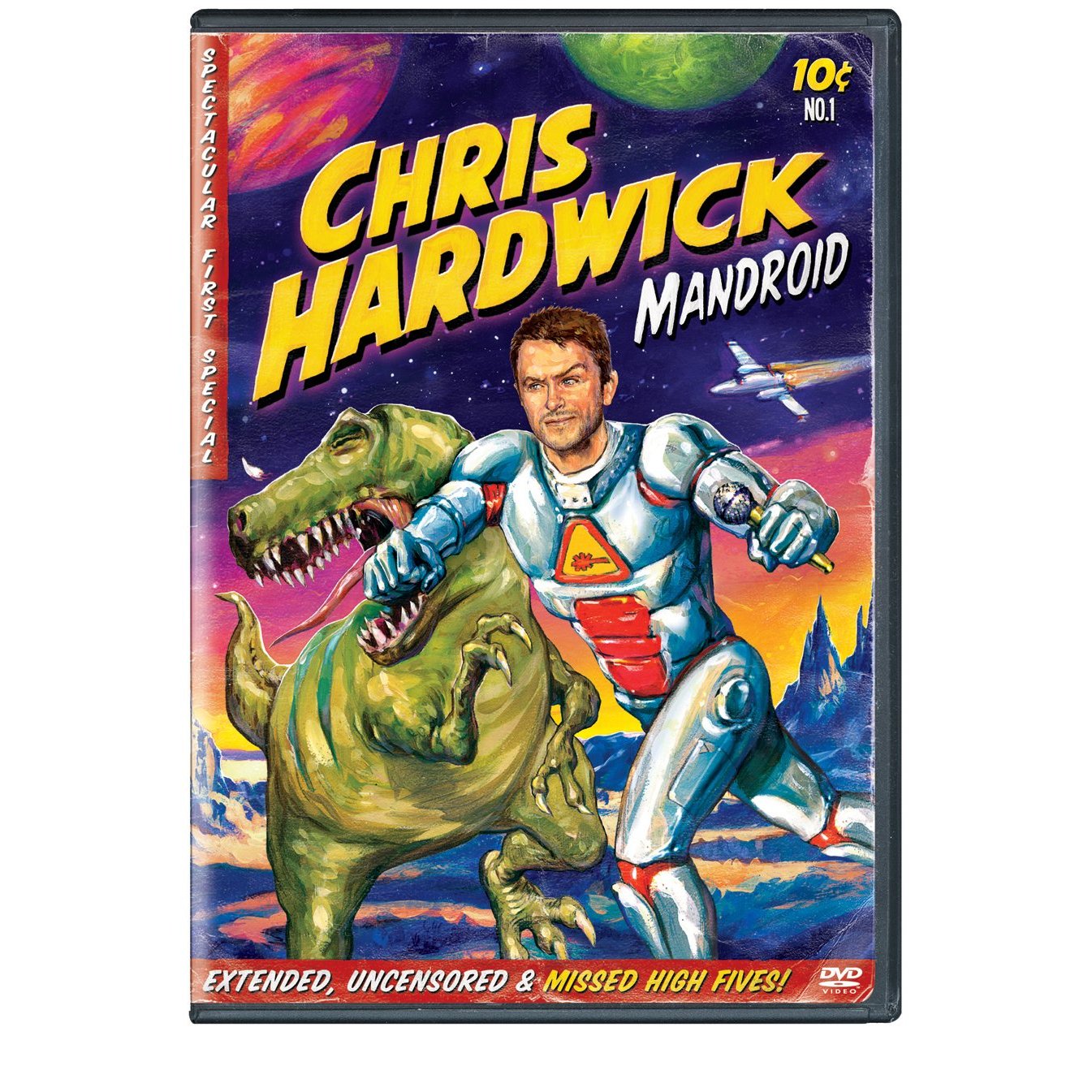
Chris Hardwick is a card carrying, flag-waving nerd. He is very proud of said nerdiness and has devoted the lion's share of his career expressing this. Probably best known for his various hosting duties, especially for the Nerdist podcasts, Hardwick gets to display his stand-up chops in his first, full-length DVD special and he does not disappoint.

Mandroid (if the title was the first hint) is certainly for the nerds. There are references throughout that may not be fully understood by those who have not been initiated into nerd kingdom. Though if you are a part of said kingdom, Hardwick may well be the leading jester. Also, if you a “nerd” (by nature or by choice) you could set up a pretty nice drinking game for every time he uses a Harry Potter reference..just sayin'...

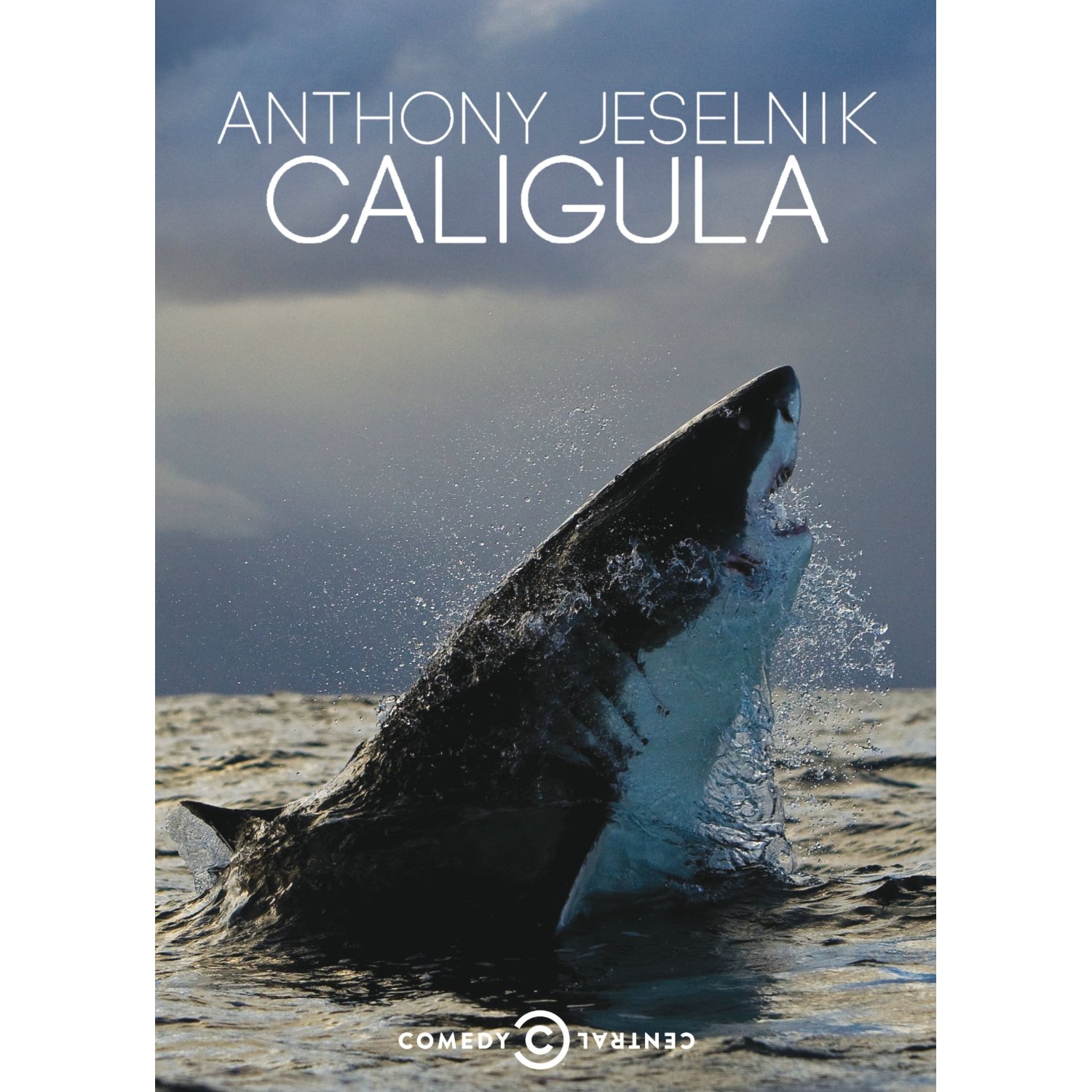
Probably most known for his roasts on Comedy Central, Anthony Jeselnik offers an hour (included the many long pauses) of stand-up comedy that is 100% bad taste. Dark humour and a huge ego are Jeselnik's shtick so you have absolutely every reason to walk away from this...except you might actually catching yourself laughing.

Jeselnik never attempts to make friends with the audience. It's common for a comedian to talk to members of the crowd and perhaps take a few shots at them. Jeselnik sets out to offend and elevate himself above everyone in the room with him. Again...this is his act. Could he be a true egomaniac? Perhaps. He's certainly good at portraying one onstage. More importantly, is it funny? The answer: sometimes.

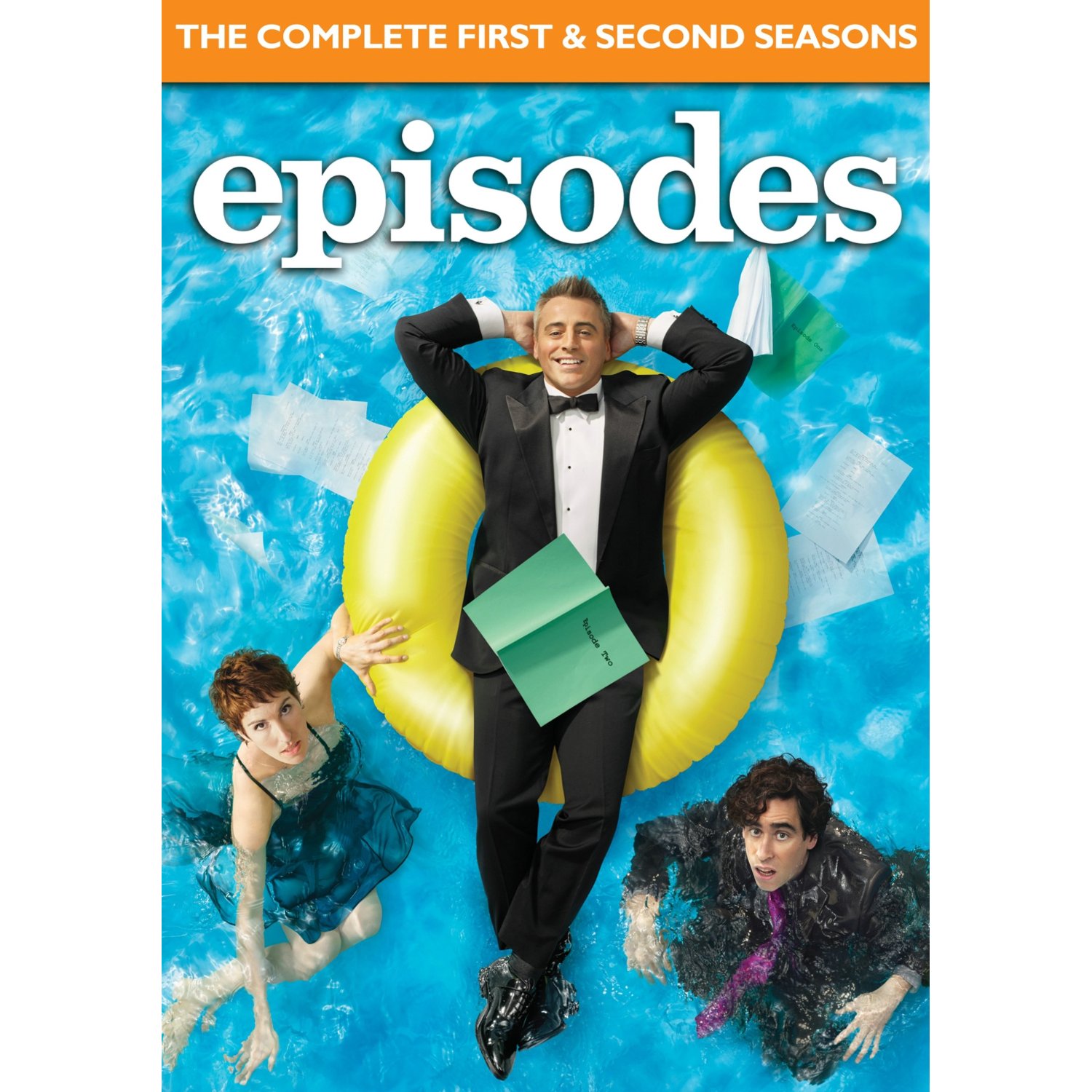
(I have covered the first season on this site already so this review shall begin with that one then segway into new write-up for Season 2):

A successful writing team, who also happen to be a married couple, are the creators of an award-winning show in the UK that has just completed after four seasons. An American network wishes to create a US version of the show. The couple are flown to LA, put up in a lavish mansion and are introduced to the Hollywood method of creating television…and it nearly destroys them.

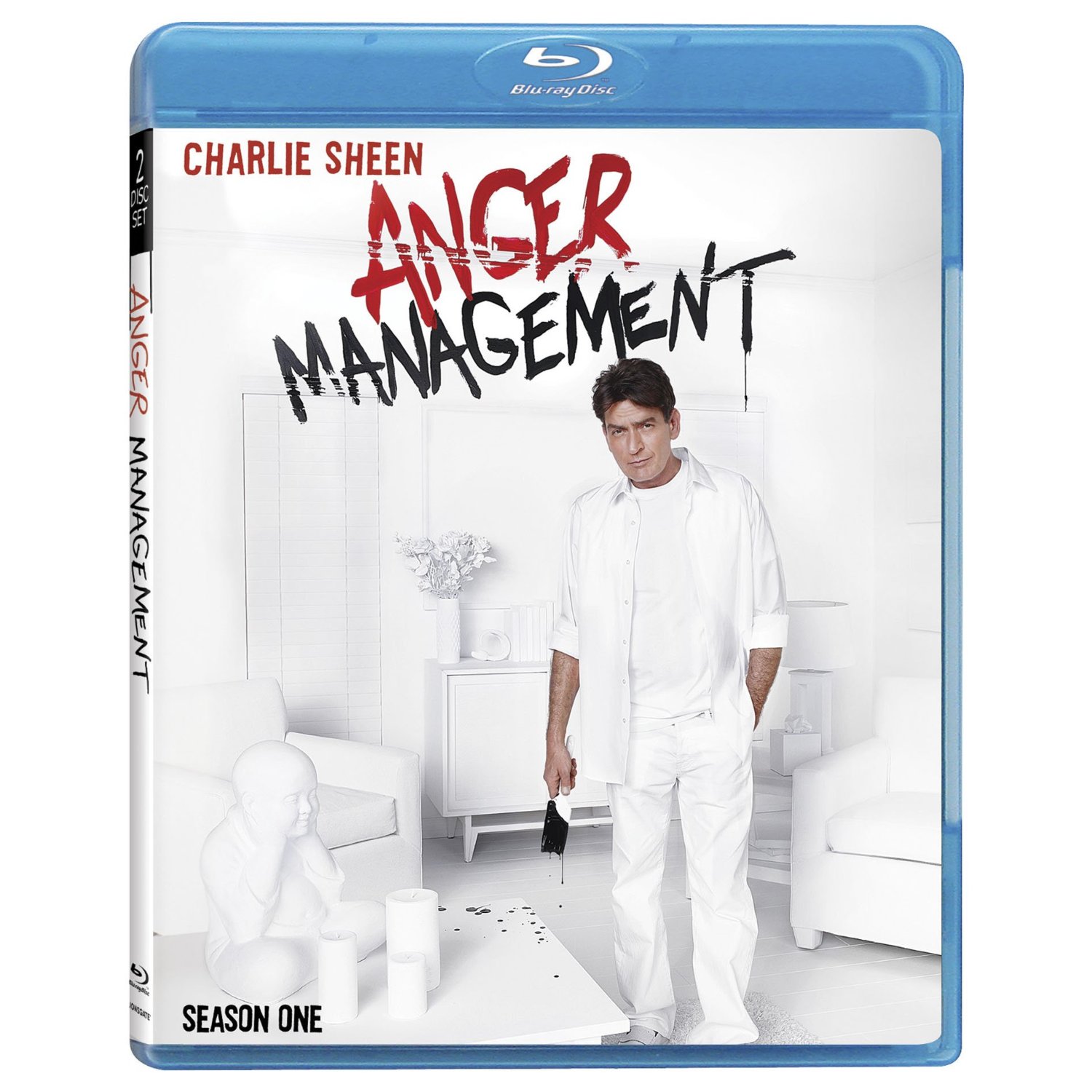
The following sentence is taken directly from the back of the Blu-ray case for Charlie Sheen’s latest small-screen vehicle: “Charlie thrives on the chaos in his life while still battling his own anger issues.” So it’s fair to say FX’s Anger Management isn’t afraid to blur the line between reality and fiction. It’s actually a good move because the latest TV show tailored specifically to Sheen’s talents doesn’t have much else going for it.

Anger Management, created by Bruce Helford (The Drew Carey Show), is loosely based on the 2003 Jack Nicholson/Adam Sandler film of the same name. (And I really can’t emphasize the word “loosely” enough; the only things the two have in common is that one of the characters is an anger management therapist and, um, it features humans.) Sheen stars as Charlie Goodson, activating a little-known clause in his contract that stipulates he can only play people named “Charlie.” In this case, his Charlie is a disgraced former baseball player turned therapist who counsels a motley crew of patients with anger management issues out of his home.