Horror

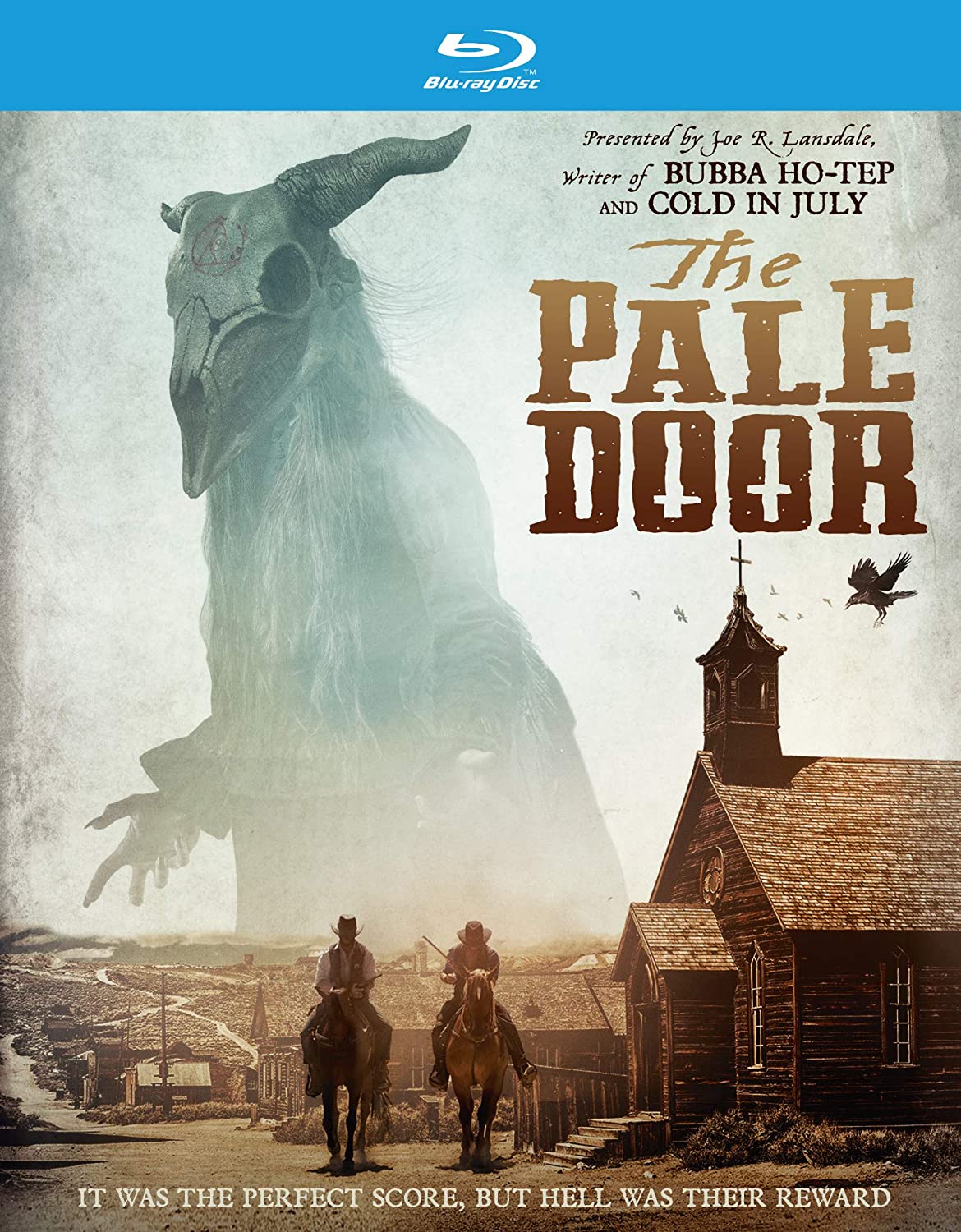
I always get a little worried when I’m handed a low-budget western. Despite it being one of my favorite genres, I’m just quickly turned off by a film when it visually doesn’t look authentic.  I like my westerns dirty and rugged, so when I see characters in costumes that look too clean as though they were just pulled from the rack, it’s a giant pet peeve.  What had me intrigued with the film was the involvement of Joe R. Lansdale, who happens to be one of my favorite writers, and he somewhat specializes in the “weird” western genre.  Bubba Ho-Tep or The Hap and Leonard series are what most would be familiar with from Lansdale. He may not have the name strength that Stephen King carries, but I’ve come to expect a good time from Lansdale.  Granted The Pale Door only has Joe  R. Lansdale attached as a producer, though his son was involved at some point with the writing of the script, so is that enough to make this film worth a watch, or is it a disappointment?

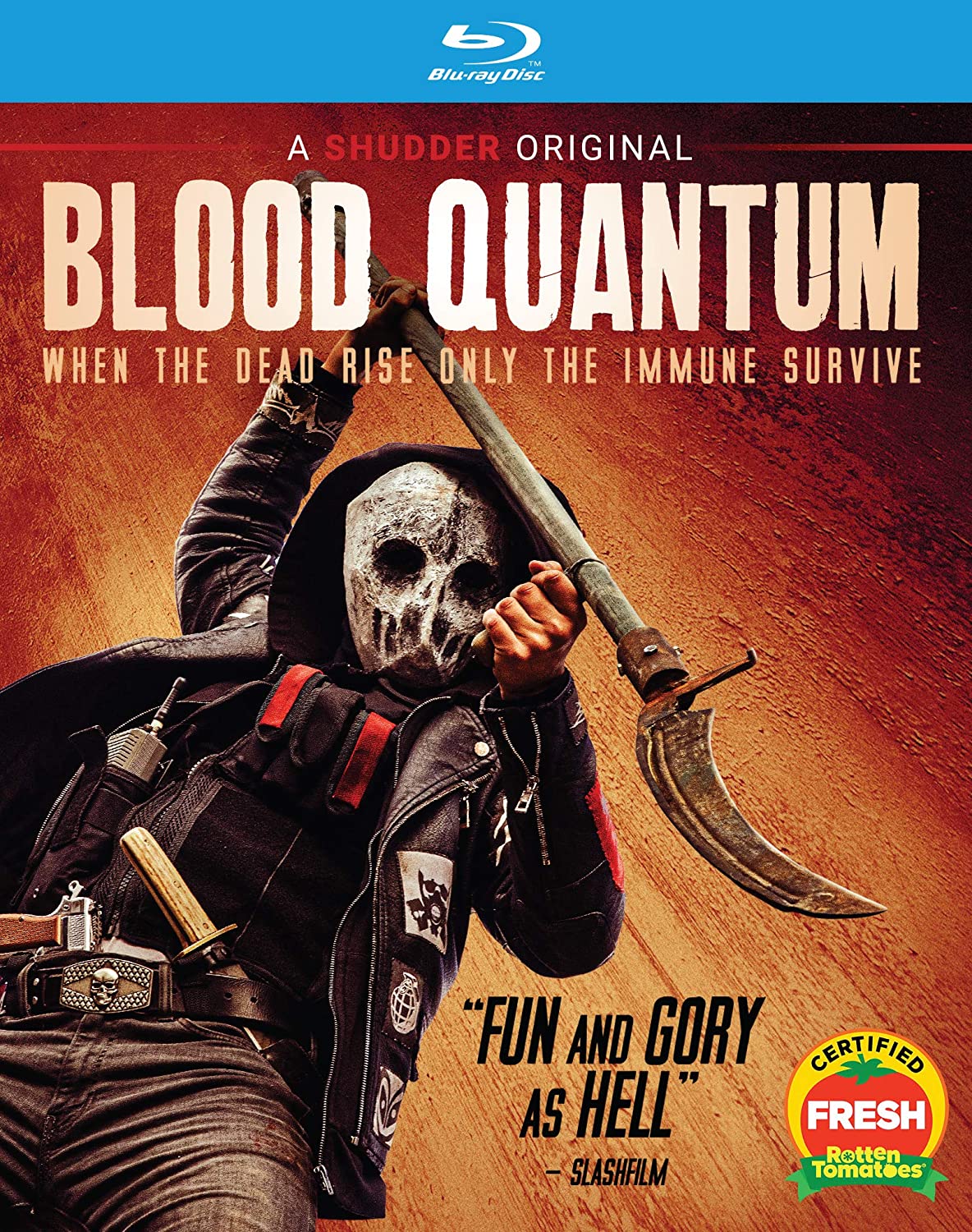
Ever since The Walking Dead first aired. it seems the zombie genre was not only revived but milked for all it was worth, and still studios continued to bleed the genre dry to the point even most diehard horror fans are sick of the sub-genre.  I’m a sucker for zombie films, and even I have tired of them, but I’ll always hold out hope for some writer or filmmaker to come along and inject some creativity into the genre.  It’s possible; I mean, look how long the vampire stories have been around, or even ghost stories, and yet there still are new takes on the subject matter that get us excited about them again.  That’s where Blood Quantum gave me some hope. Zombies on a Native American reservation. I was hopeful for some indigenous lore being injected into this, giving us a fresh perspective…but alas, we get a watered-down, unoriginal, snooze-fest with a little bit of gore  to keep viewers somewhat interested.

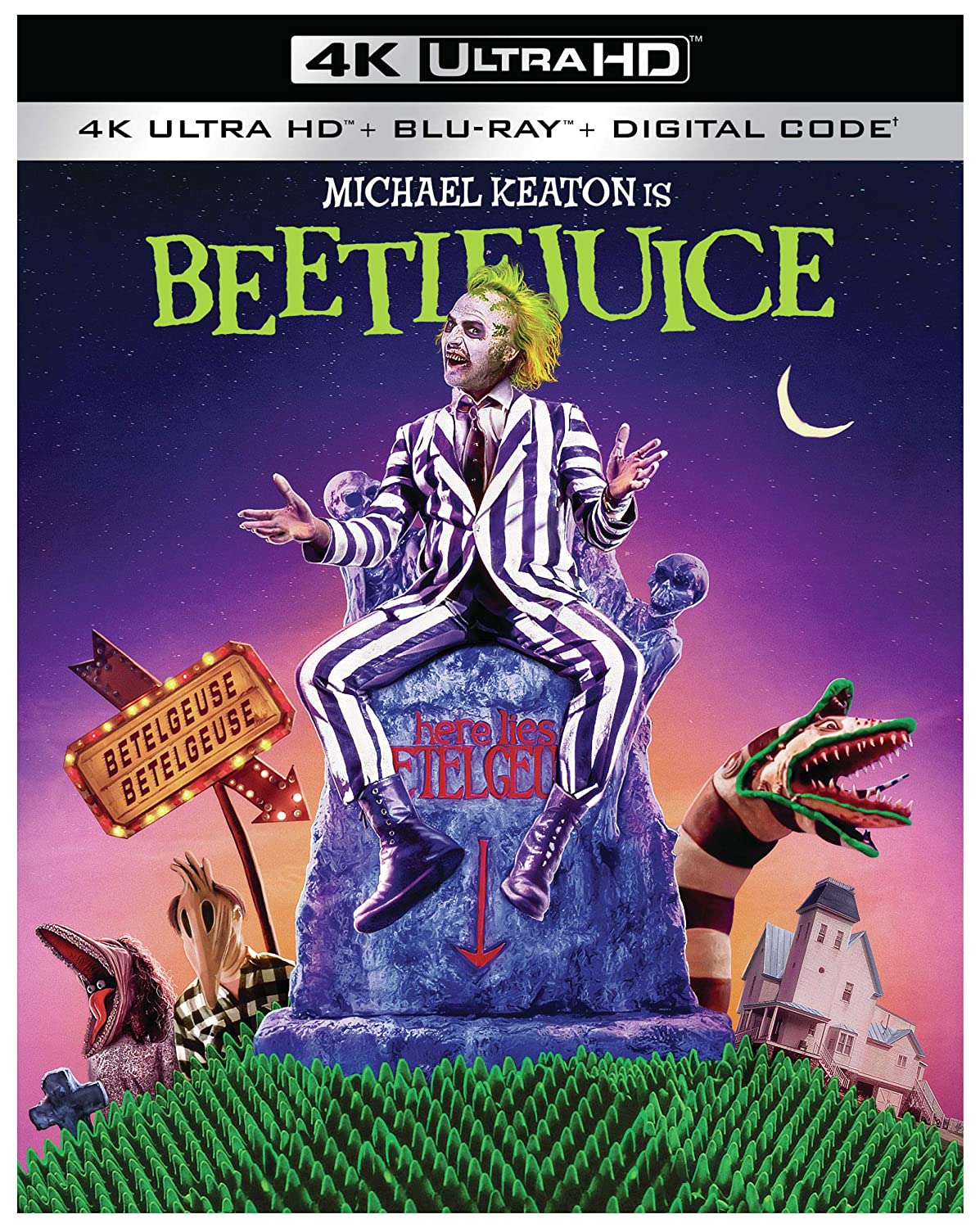
“Beetlejuice…Beetlejuice…Beetlejuice…”

Before Michael Keaton put on the cowl to become the dark knight of Gotham City, he and director Tim Burton came together to create a film that helped launch a career and a trademark “gothic” style that would catapult Burton’s career. Sure, Tim Burton has made a name for himself doing CGI-bloated films lately, and though they’ve made money at the box office, they don’t quite have the same magic that his films had in the 80’s and 90’s, though I’ll make an exception with Big Fish (2003).  It’s impossible for me not bring a little bias to the table when discussing Beetlejuice. I loved the film as a kid and rewatched my VHS copy of it a ridiculous amount of times, and as I watched it again, I still continue to have giddy joy at seeing this film.  If for some reason this film has managed to escape you over the years, or perhaps it’s been a while since you’ve dusted off this classic, allow me a moment to reminisce.

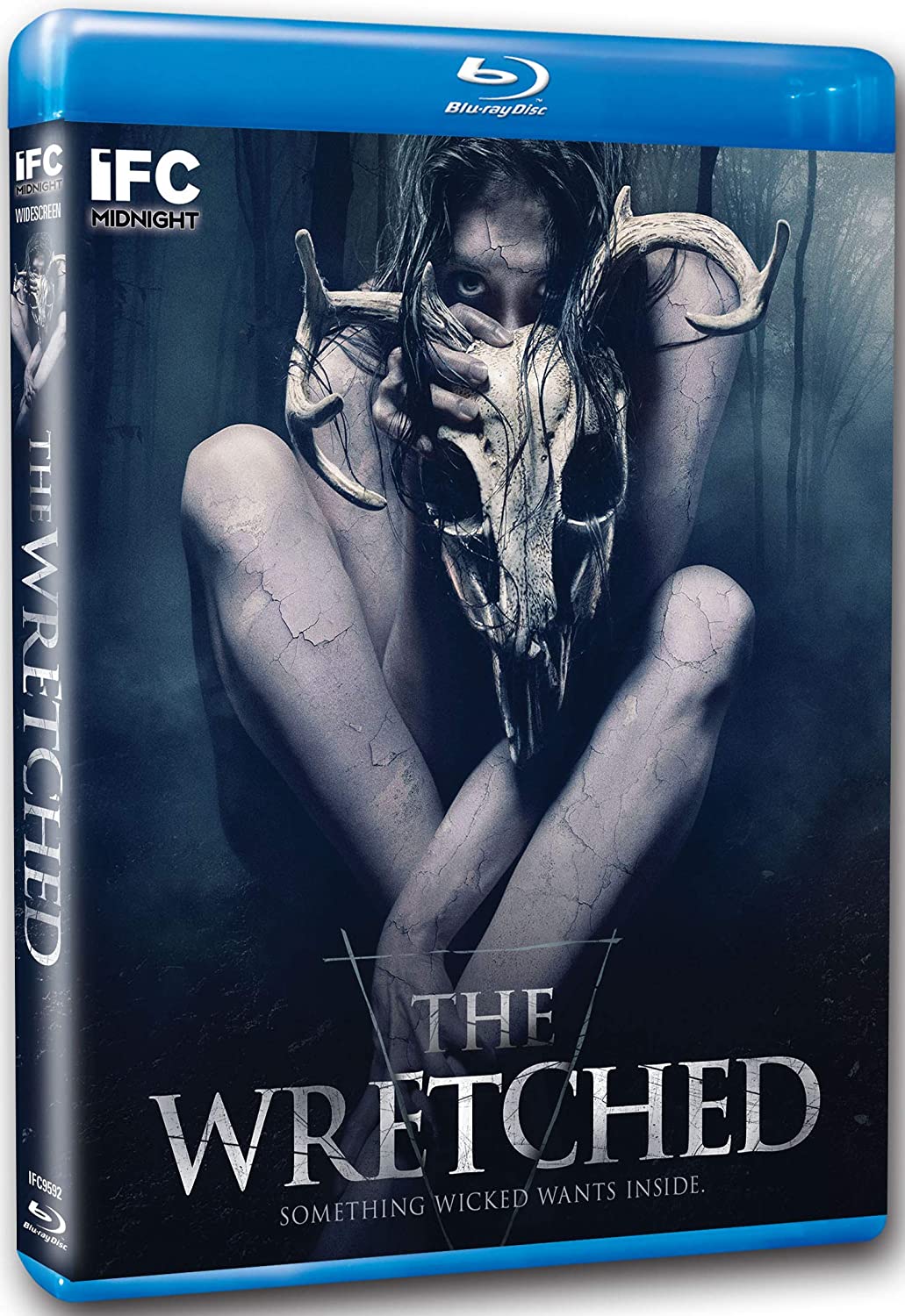
t’s a bold move when a film wants to compare itself to an 80’s classic like The Goonies. If anything, it more closely resembles the 2007 film Disturbia, and that film borrowed heavily from Alfred Hitchcock’s Rear Window.  Had this film stuck closer to the Hitchcock formula, I feel The Wretched could have easily been a stronger film, but the biggest problem the film has is that it tried to be too clever for its own good, and as a result it comes off a bit sloppy and contrived.  That doesn’t mean that this is a bad film; in fact it’s a fun late-night romp, but what’s frustrating is seeing how it could have been so much more.  While I know there was some buzz for this film earlier in the year, I’m kind of wondering if this buzz was generated by those who had actually seen the film or those who had only seen trailers? The film opens up with a young girl arriving at a house to babysit. It doesn’t take long for her to see that something is wrong at the home, and of course something is definitely going on in the basement.  This is our first introduction to the skin-walking, body-modifying witch.

"Surprise."

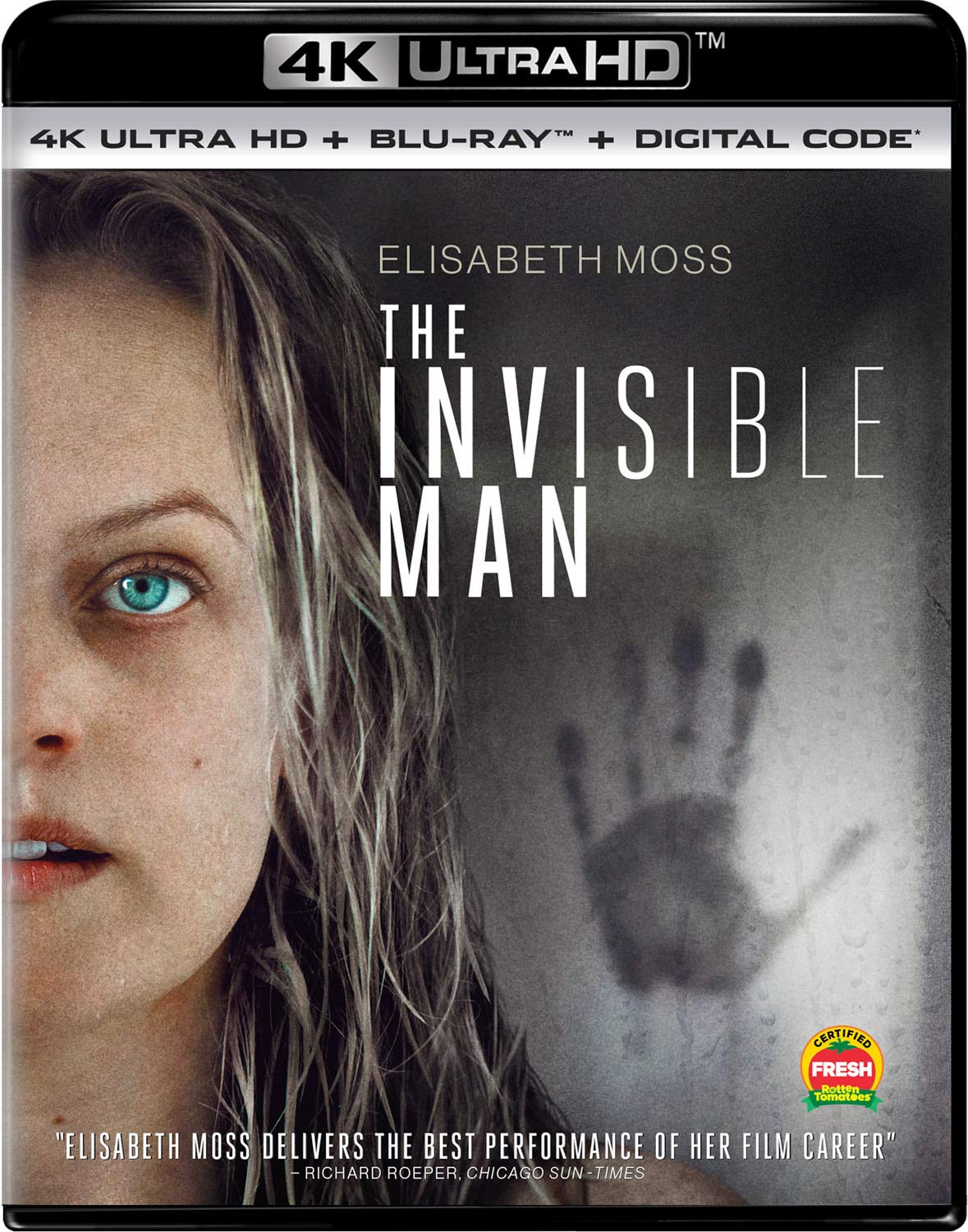
It wasn’t all that long ago that Universal was seriously attempting to develop a Dark Universe for their classic monsters.  Things changed after the releases of Dracula Untold and The Mummy and their poor box office showings, but having seen those two films, I feel fans were spared in the long run from a disaster that could have been.  Then in 2019 word got out that Blumhouse was going to be doing The Invisible Man, and this somewhat reignited the talks of a Dark Universe project.  When I first heard Blumhouse was backing the film, I was cautiously optimistic about the project; where the company does have its hits like Happy Death Day and Get Out, there are plenty of duds as well.  It’s when Leigh Whannell got attached that I had some hope for the film.  For those unfamiliar with the name, Whannell is the writer responsible for the Saw franchise as well as the Insidious franchise.  Now the wait is over and the film has been seen; how does it turn out? The film opens up with Cecilia (Elisabeth Moss) attempting to escape from her home while her husband is asleep.  This opening sets the tone masterfully, and as much as I hate the phrase “will leave you on the edge of your seat”, that is simply what this sequence is.  So much is revealed in the visuals of the home and the performance that Moss delivers that the audience can appreciate that characters need for escape.  If anything it’s in these opening moments of the film as Cecilia is wandering through the home that almost too much is revealed about the story that will follow.

"Who are we if we can't protect them? We have to protect them."

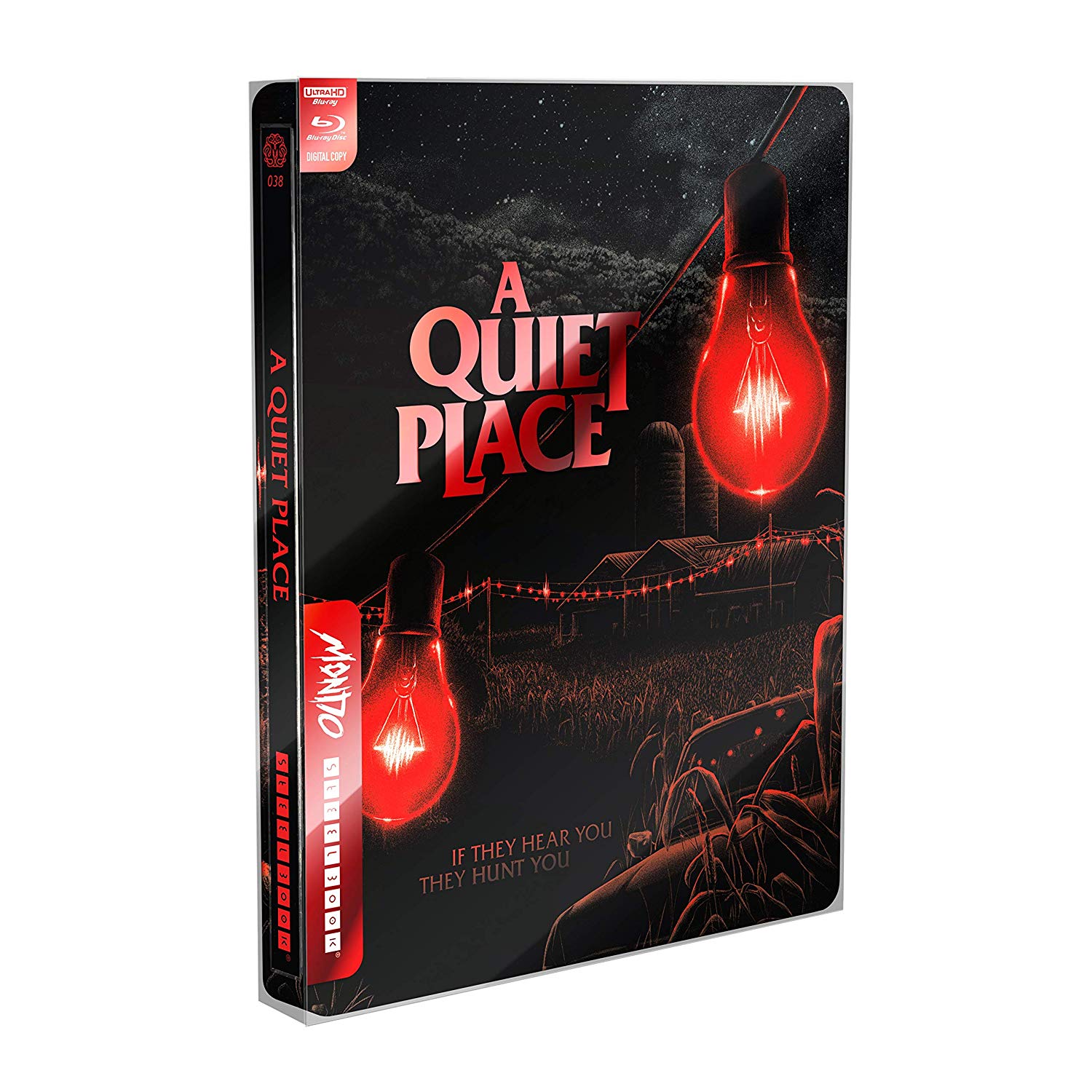
As I write this there's a truly "Zombie Apocalypse" attitude going on around the world. With the launch of A Quiet Place II delayed because of health panic this might just be the time to "quarantine" yourself in your home theatre and watch the film again on UHD Blu-ray in 4K. There's nothing different about this release except for the steelbook format and different cover art. The discs provided are exactly the same discs you already have if you own the previous 4K release. It makes a nice collector's item as you wait for the eventual follow-up, which I hope will be very soon. You might call me jaded, but I am pretty disappointed by the state of horror movies. It's not just the last few years. The truth is I haven't seen 10 really good horror movies in over a decade. Now that I've had a chance to see A Quiet Place, that number isn't going up. A Quiet Place is not a really good horror movie. It ends up making a lot of the same mistakes that filmmakers think define a horror film in the modern age. It relies too heavily on jump scares and characters who do some of the most idiotic things, thus placing them in a somewhat self-created dangerous situation. But I will make the argument that A Quiet Place is still a pretty good horror film because of a rather clever and unique concept and a filming process that allows us care for these characters more than the usual horror film red-shirt fodder that too often leaves me rooting for the monster in a Darwin-like weed-out-the-gene-pool kind of way.

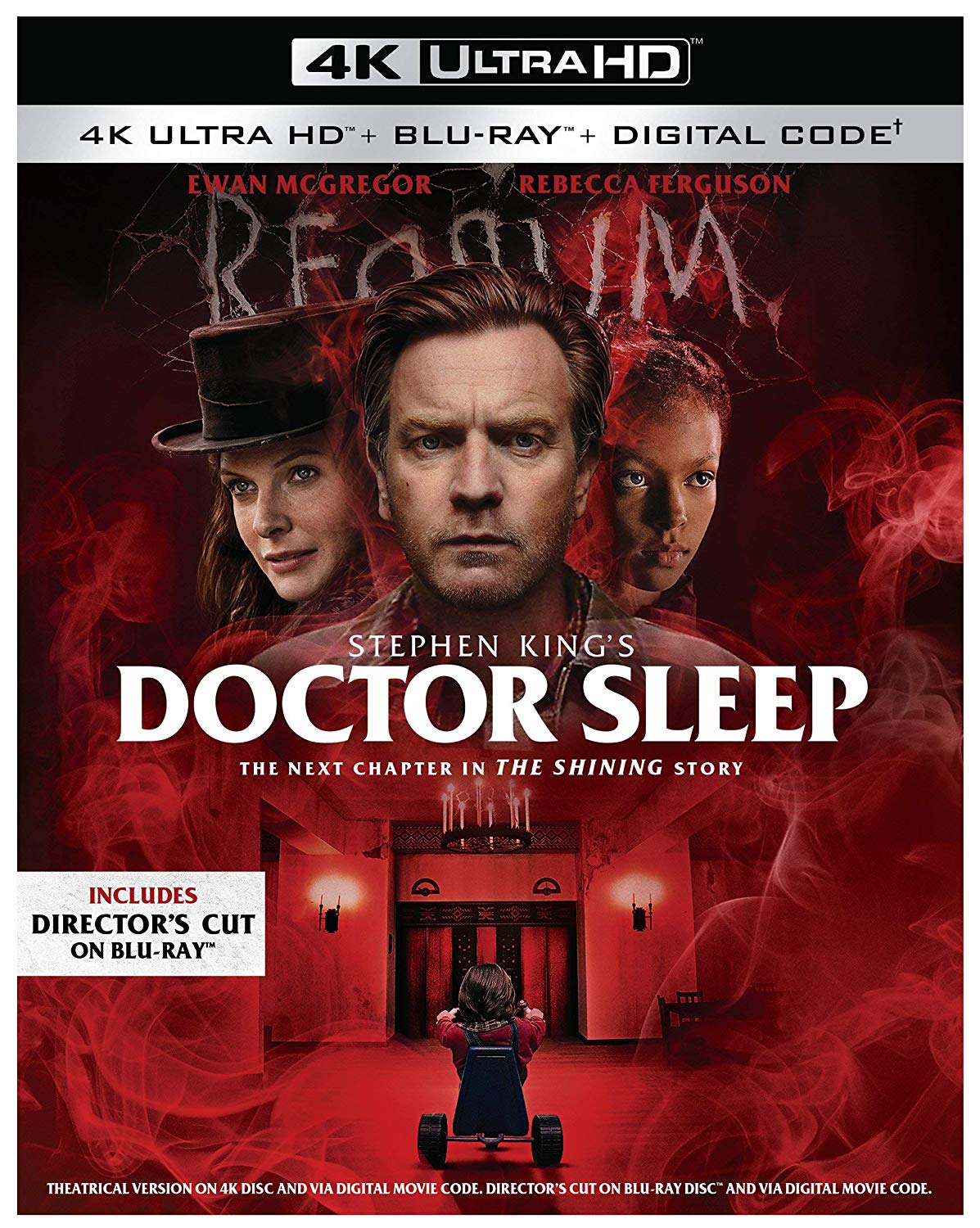
It would seem like audiences are suffering from a bit of Stephen King fatigue, as 2019 saw three theatrical releases of his films and each of them seemed to under-perform at the box office. Pet Sematary was a lackluster adaptation, and It Chapter 2 was fun, but still disappointing when considering how good the first was, and then there was Doctor Sleep, the long awaited sequel (depending who you ask) to The Shining.  When it comes to The Shining, I’m a fan of both King’s book but also of Stanley Kubrick’s take on the material.  King has always had his problems with the Kubrick version due to the many liberties taken with the material, and many people tend to forget how personal that story was for King and how it dealt with his own personal struggles with alcohol and addiction.  Because of all this, I believe it’s why the announcement of Doctor Sleep as a book and eventually a film was so shocking and even polarizing for some.  When I read the book, it was a fun and unexpected journey that eventually leads back to the Overlook, but most enjoyable was the journey on getting there as King created a sequel that delved more into what “the shining” is rather than simply return to a haunted hotel.  So how was the film, and how does the director’s cut differ from the theatrical cut?

“This meeting of the Losers’ Club has officially begun.”

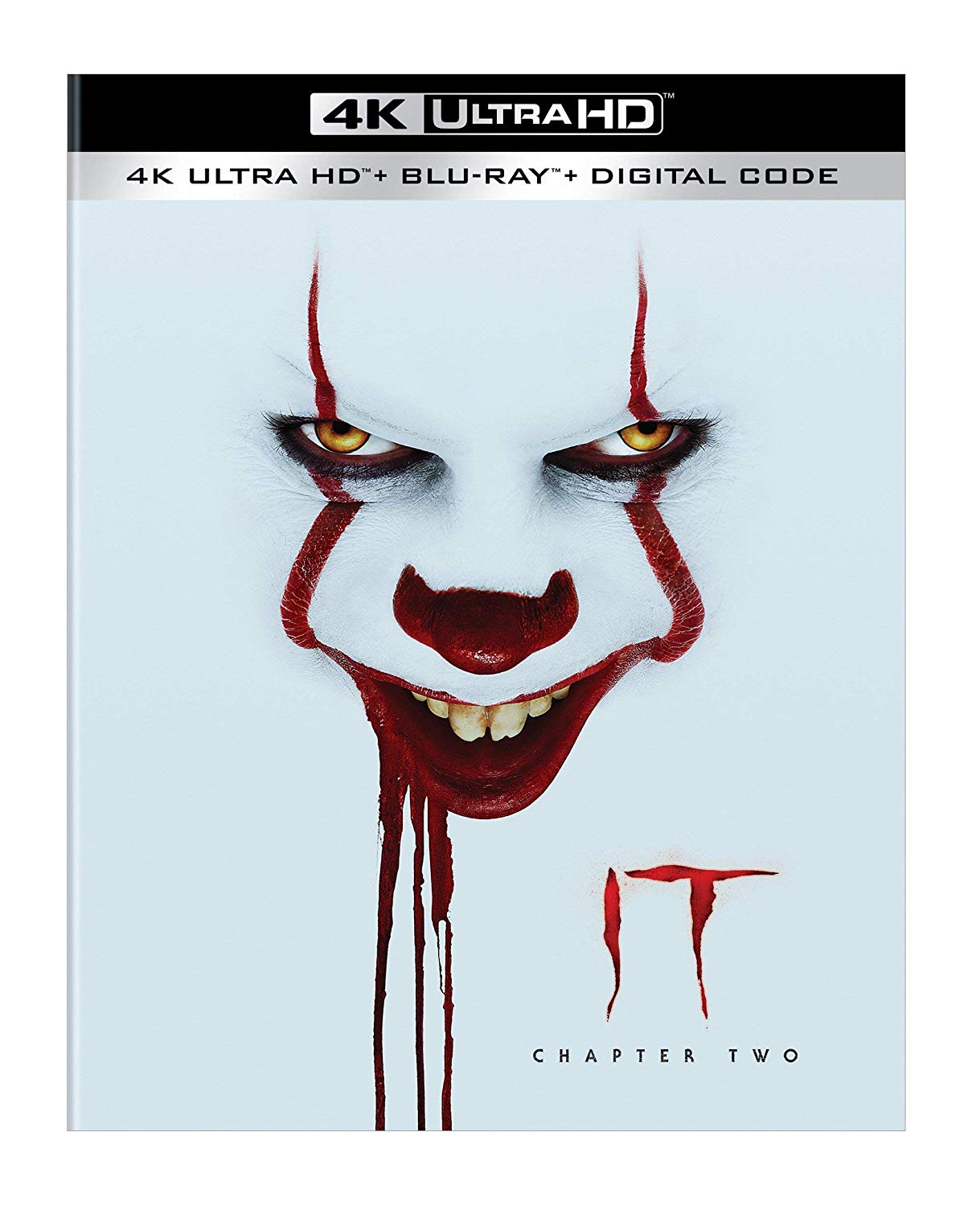
I don’t think I’d be exaggerating by saying It Chapter 2 might be the most highly anticipated horror film in quite some time. Two years ago when the first It hit the cinemas, sure, I expected it to be a hit, but the film went on to be a pop culture sensation.  Pennywise was already well known because of the books by Stephen King, but also because of the loyal fan base of the 90’s mini-series.  Debates were heated about which Pennywise was better and more terrifying, while other debates went on about which adaptation was better.  I always felt it was unfair to compare this new version to the mini-series simply because we only had half a film, and now finally this weekend we have the conclusion to the story about our favorite Losers’ Club, only instead of teenagers they are all grown up.  Now that the wait is over, how does this film stack up alongside the first half and the mini-series? Well, I’ll say it’s better than the mini-series but doesn’t quite have the magic of the 2017 film.

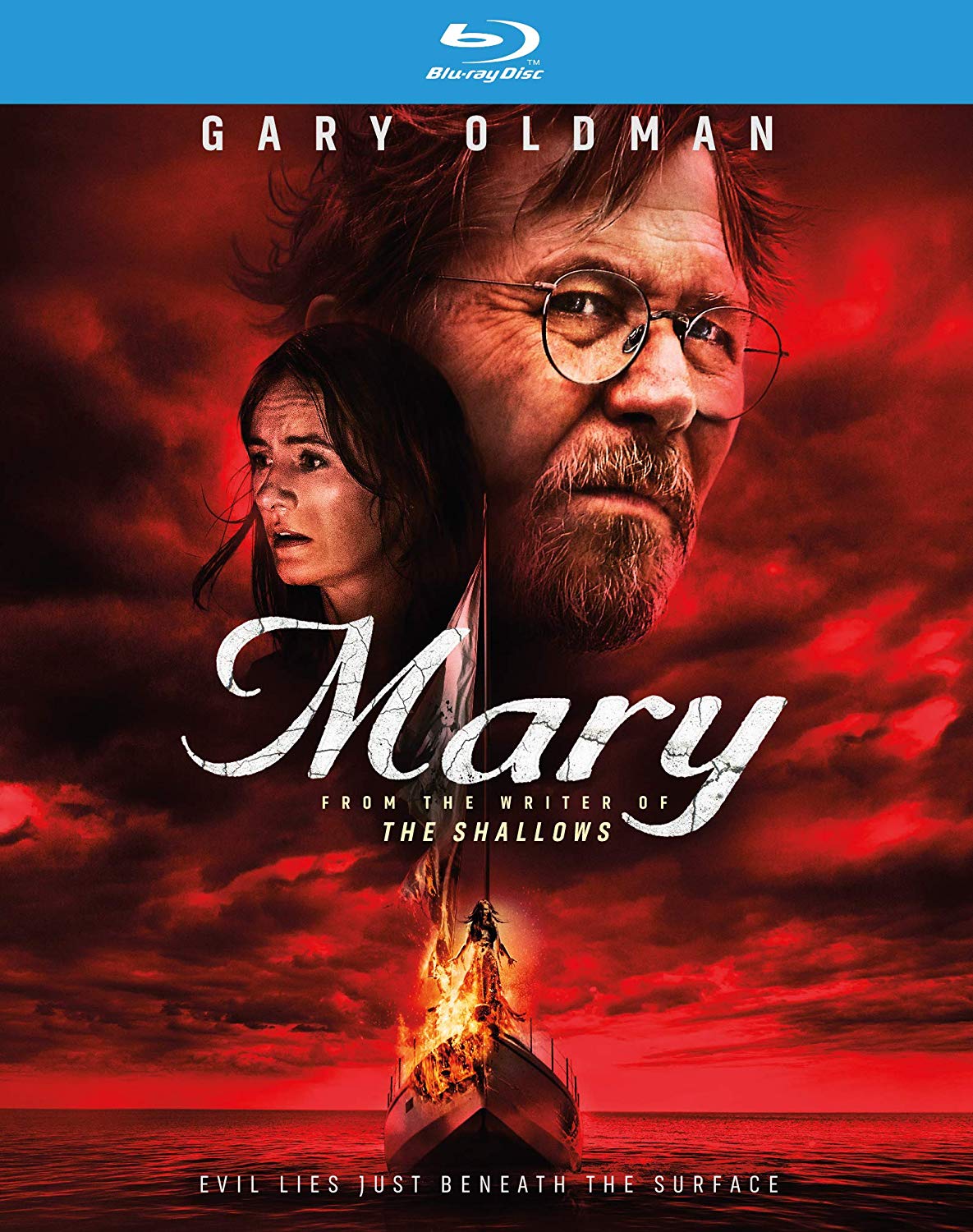
For some the ‘haunted house’ sub-genre is a bit stale. Sure, there have been some great films and TV shows that have tackled the sub-genre, but many of the films tend to be recycled trash.  Personally I’m a fan of haunted house flicks, even the bad ones I tend to find at least somewhat enjoyable.  Mary may not fall into the classic definition of the haunted house film, mostly because it takes place on a yacht and in the Atlantic Ocean, but really it plays by the same rules.  Seeing a familiar story unfold in a different location, where the characters have no place to run to, is enough to inject new life into a stale story, but is it enough to keep viewers engaged to the very end? Mary is a ship that that David (Gary Oldman) finds at a boat auction and ends up purchasing with hopes of turning it into a vacation sailboat his family can use to run a business with.  To say Mary is a “fixer-upper” would be the understatement of the decade, as it seems to be falling apart from the inside out.  We’ve seen it before, where the protagonist finds some busted-up car, bike, boat, etc., and what follows is the required montage of the protagonist fixing up the boat. Well, the film of course delivers the montage, but as montages go this one is lame … It’s as though the filmmakers never saw a film in the 80’s ( a time when every film seemed to have a montage cued by some 80’s pop or rock song).  It doesn’t take long before his family suspects that there could be something wrong with the boat.


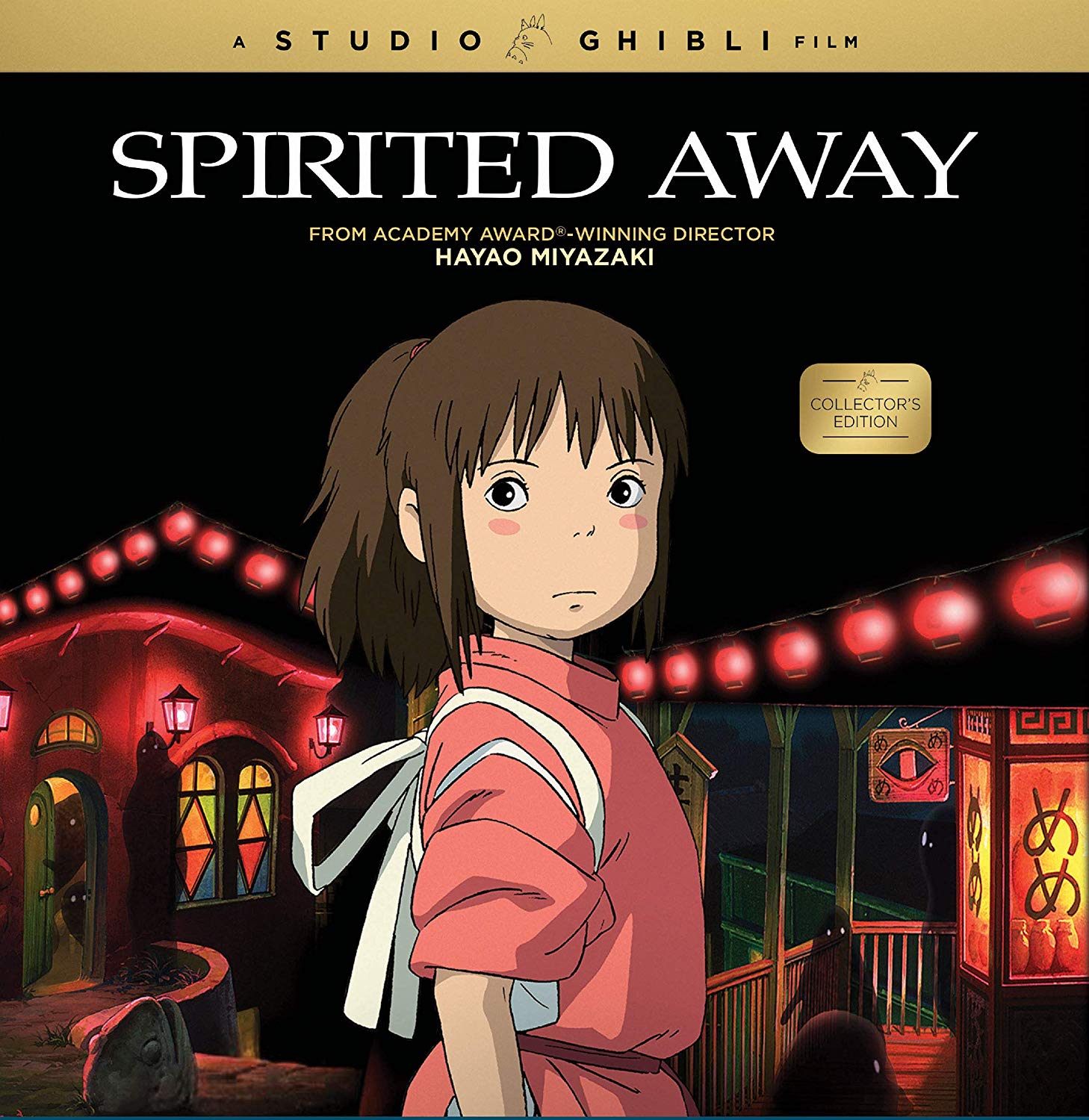
We are back with another collector's edition from Shout Factory.  This time we tackle the much celebrated Spirited Away, directed by Hayao Miyazaki, which was released in 2001, when it did so well that it ended up on our domestic shores in the following year.  It was absolutely adored by critics, and here is a fun fact.  I have never seen it.  Little did I know that the American trailers I was seeing around this time were warping my idea of what the film was really about.  Finally, after all of these years I have had the opportunity to watch and digest such a fantastic film.