Television

Writers are a ridiculous class of people who make everything about themselves.”

For many, the current face — and oft-naked body — of “writers who make everything about themselves” is Lena Dunham, the creator/star/writer/director of HBO's Girls. The equal-parts brilliant and maddening quarter-life crisis comedy became one of the most polarizing shows on TV over its first two seasons, as self-involved heroine Hannah Horvath sought love and a career as a writer in NYC. At the start of season 3, Hannah has both of those things...which is why I'm astounded — and, frankly, pretty impressed — that she remains as egotistical as ever.

The most remarkable thing about Looking might be how thoroughly unremarkable it is. This is a double-edged sword for HBO's dramedy, which follows the love lives of three gay friends living in modern-day San Francisco. The series sidesteps the headline-grabbing sensationalism that accompanies many other shows that prominently feature gay characters. (Looking at you, Ryan Murphy.) On the other hand, Looking is often low-key to the point that it bypasses being funny or particularly entertaining. What the series does have on its side is a naturalistic tone that makes the show more engrossing and immersive as the first season progresses.

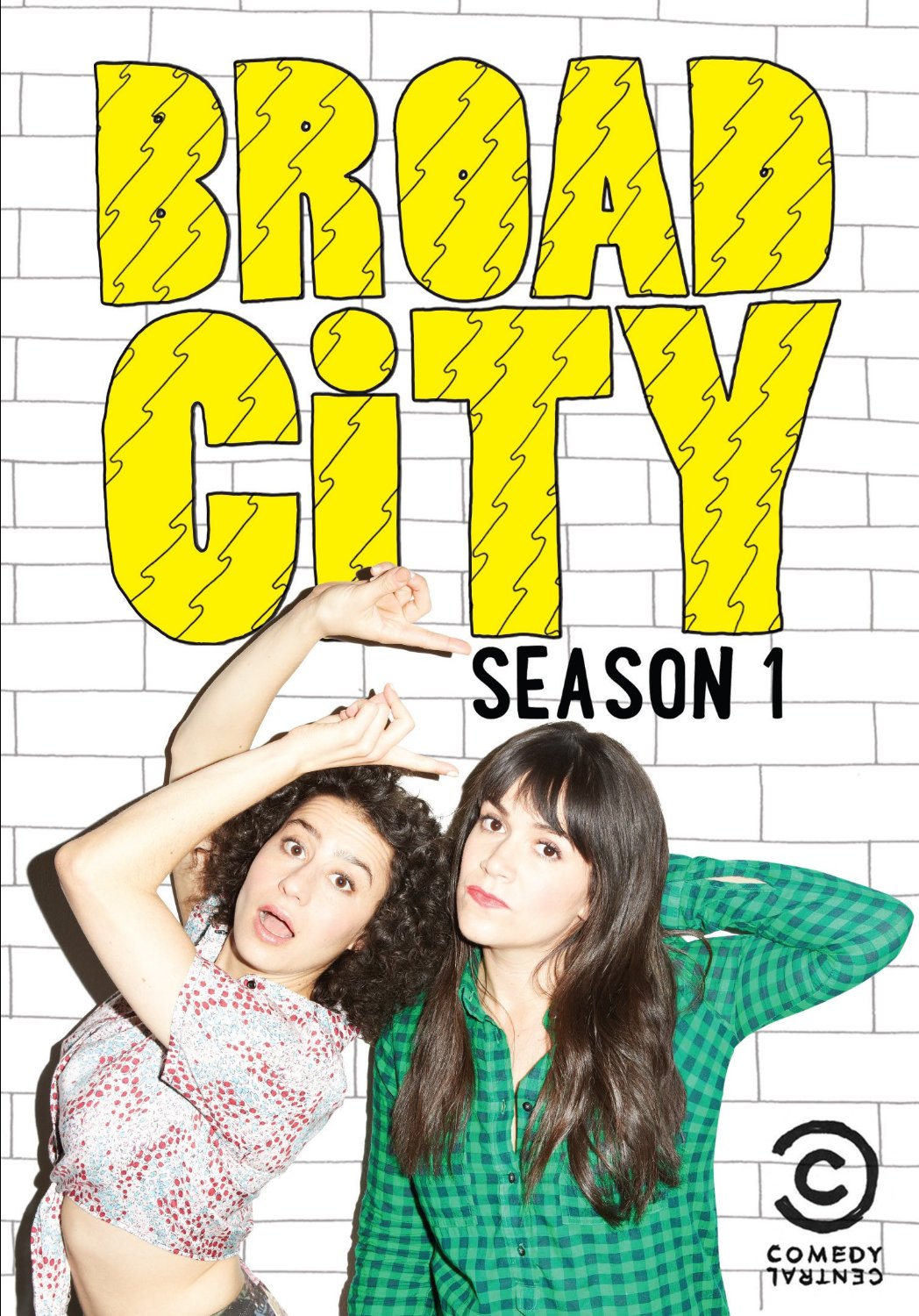
Stop me if you've heard this one before: single gal(s) looking for love — among other things — in the big city. On television, the trope dates back to the days of Laverne & Shirley and continues with more contemporary entries like Sex and the City and Girls. It's an effective, well-worn story hook that has now gotten a funny, tremendously weird spin thanks to Comedy Central's Broad City.

“How the hell did this happen? I mean, I’m on the other side of the planet, and people know who I am and they’re laughing at my jokes.”

Despite his status as one of the biggest draws in stand-up comedy, Jeff Dunham really does seem taken aback by his success. On one hand, you wouldn’t necessarily expect a ventriloquist to be one of the hottest names in comedy in 2014. Then again, the hard work and precision he has put into his act is evident every time he takes the stage. For his latest comedy special, Dunham packed up his puppets and took his show on the road like never before.


I had never seen a single episode of Hot in Cleveland before I sat down to review this season 5 DVD set. So why did it feel like I'd been watching this show my entire life? Turns out, it's entirely by design. On the surface, it doesn't seem like I'm the target audience for Hot in Cleveland: I'm under 50 years old, and I'm a man. But if you look beyond the plastic surgery jokes and geriatric humor, you'll find a show that aggressively channels — and ultimately appeals to fans of — many of the classic, multi-camera sitcoms of the past. In other words, Hot in Cleveland feels like you're watching re-runs of a show you've already seen...and still enjoy plenty.

It's noble work. It is useful. You are angels of mercy...I just never thought that I would end up here.”

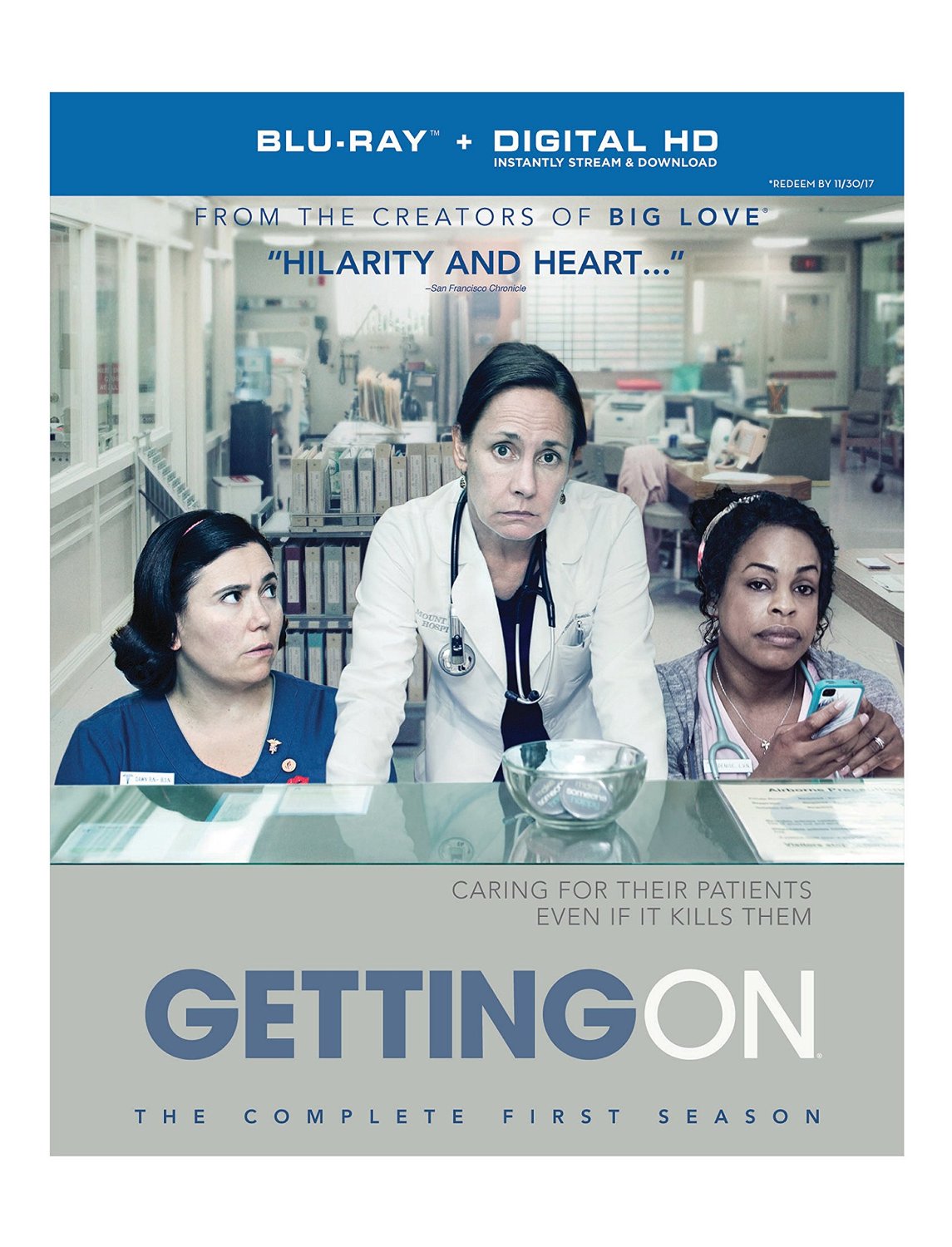
The geriatric care wing of a hospital — where the employees are undermanned and overworked, and many of the patients are in a near-catatonic state — is not the most obvious sitcom setting. As a result, HBO's comedy series Getting On isn't exactly what I'd call a gut buster. But even though much of the humor seems hyper-specific to this particular circle of workplace hell, anybody who has ever been underpaid to do a hard, crappy job should be able to relate.

“We don't have the trust of the public anymore.”

- “Get it back!”

The Newsroom took a pretty decent beating during its first season. Sure, plenty of people praised the show's exceptional acting and ambition, but too much of the conversation seemed to revolve around its flaws and its polarizing creator. In this Blu-ray set's bonus material, Aaron Sorkin cops to being “overly earnest” and “aggressively uncool” in his work.

Billy Crystal has built a legendary career as one of the most multi-faceted entertainers in all of showbiz. He's a successful actor, comedian, writer, producer and director. At various points, Crystal has been a major star on television, on stage, and at the movies. He's entertained everyone from musicians to movie stars, thanks to his gigs as a three-time Grammy host and nine-time Academy Awards emcee. But what works best about his return to the stage in 700 Sundays — Crystal's Tony-winning one-man show — is how it illustrates the idea that virtually every entertainer gets his or her first round of applause in the family living room.

If you've ever asked someone, “What kind of music do you listen to?”, chances are you've heard the phrase, “I like everything...except country.” By that logic, a significant portion of TV viewers automatically dismissed ABC's Nashville when it premiered two years ago. The flawed, entertaining musical drama has deservedly made it to a third season, which kicked off a few weeks ago. However, I think it's useful to revisit Nashville's sophomore season. This set of episodes significantly re-calibrated the series — not always for the better — and marked the start of a shift toward the version of the show that is currently on the air.

Everyone on TV has nicer clothes and a bigger home than you do. And I’m not just talking about fictional doctors or lawyers. Even small-screen characters with relatively modest incomes manage to live in palatial apartments. Need proof? The 2 Broke Girls in CBS’s hit sitcom have an apartment that is literally big enough to fit a horse. (Hi, Chestnut.) Season 3 brings a new pet (Ep. 3/“And the Kitty Kitty Spank Spank”) and briefly threatens to remove Max and Caroline from their home (Ep. 22/“And the New Lease on Life”). I don't think I'm giving anything away by saying things work out in the end. By now, the show's crass predictability has become oddly comforting.