Television

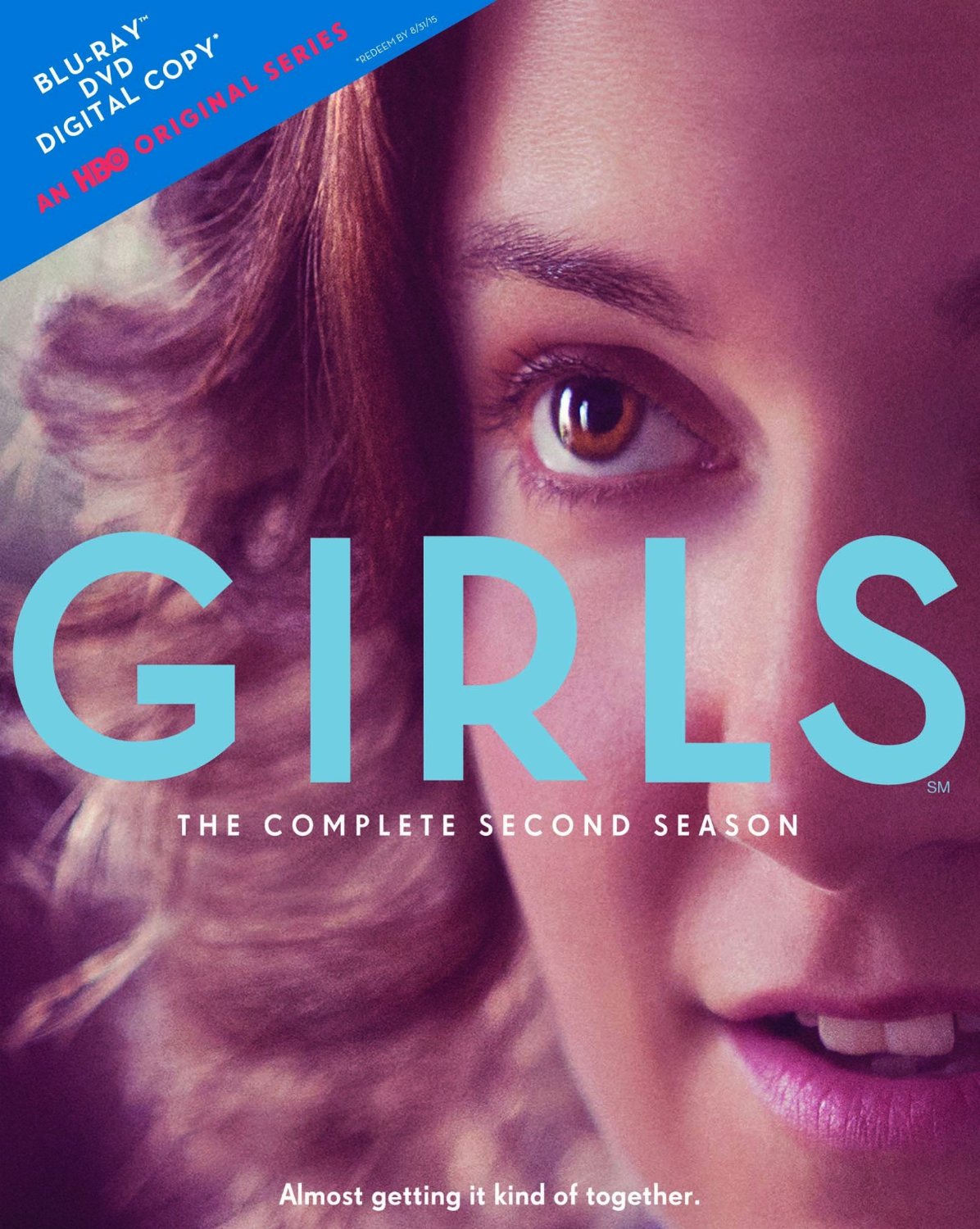
“Well, when you love someone you don’t have to be nice all the time.”

In this current age of message boards and morning-after recaps, the pressure is on to make your voice the loudest if you want to be heard in the wilderness of the Internet. For snarky TV critics, that often means declaring something is either the “Best ____ Ever” or the “Worst ____ Ever”, with little room for anything in-between. But even within these sharply-divided times, I believe HBO’s Girls — which is brilliant just as often as it is maddening — stands out as the most polarizing show on TV.


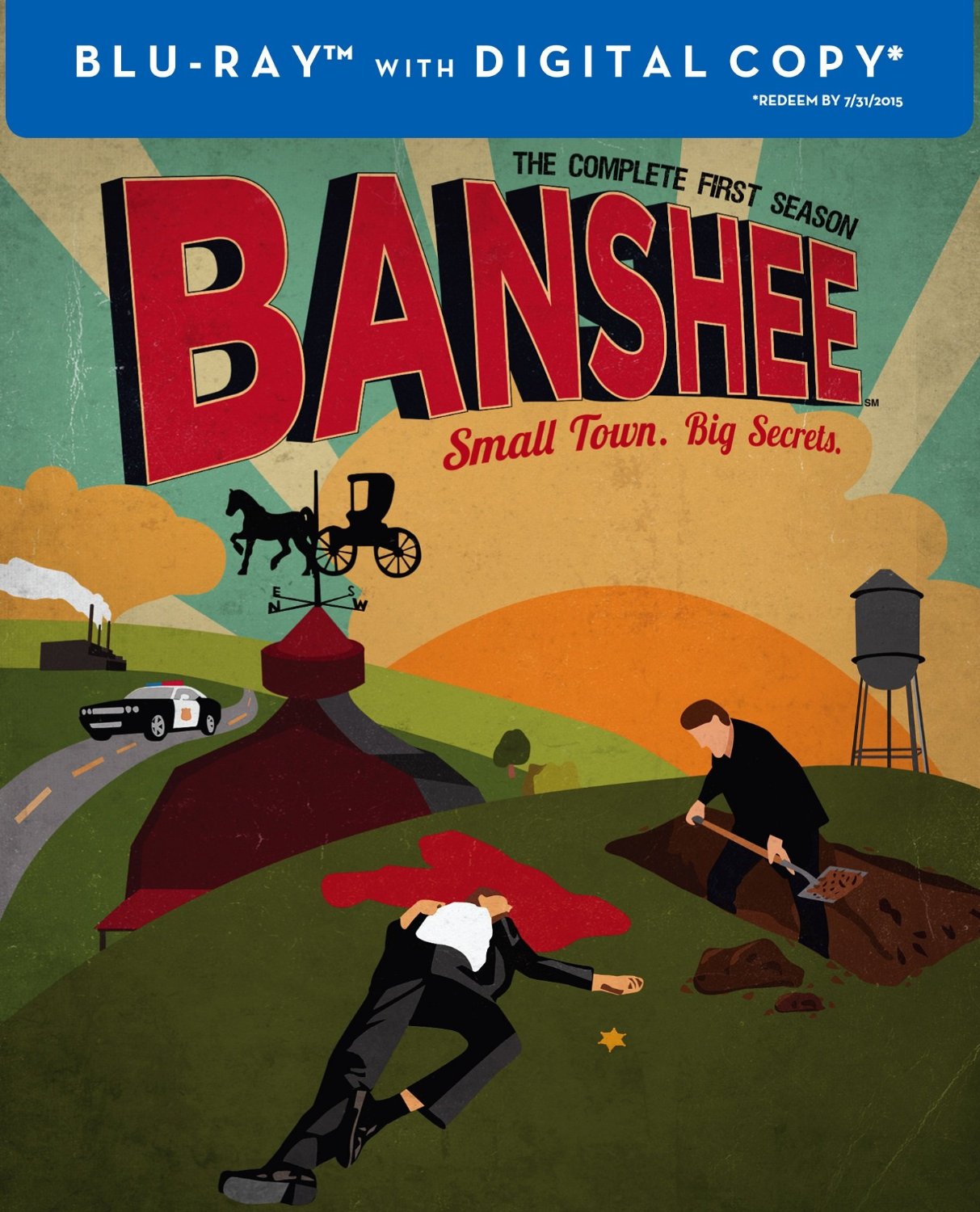
"With a name like Banshee how can you not be drawn in?"

Alan Ball got my attention in 2001 with HBO's black comedy Six Feet Under. It was one of the most original shows I had ever seen, and to this day I find it hard to characterize the series when asked to do so. It was there that he also introduced me to Michael C. Hall, who continues to amaze me in the role of Dexter over at Showtime. When Six Feet Under left the airwaves, Ball didn't waste very much time in bringing his quirky style back, this time to the horror genre. True Blood would put a rather strange twist on the lovesick vampire craze, and while that show has not kept up the same kind of clever writing and wickedly brilliant stories, Ball has lent his name and talents to another cable show. This time it's on Cinemax, and the series is Banshee. And while Ball is a producer and not the day-to-day runner of the series, it is nonetheless another pretty strange show that defies any particular genre or characterization.

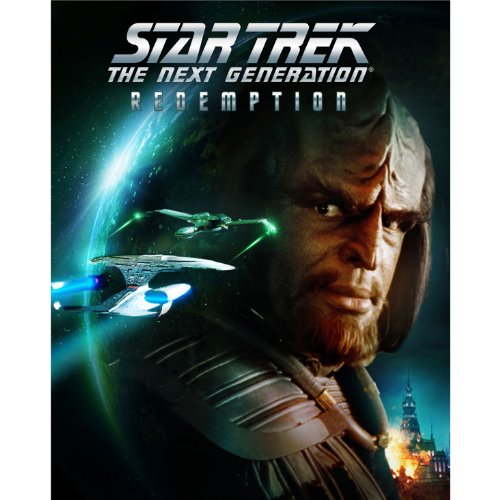
"Space... the final frontier. These are the voyages of the starship Enterprise. Its continuing mission, to explore strange new worlds. To seek out new life and new civilizations. To boldly go where no one has gone before."

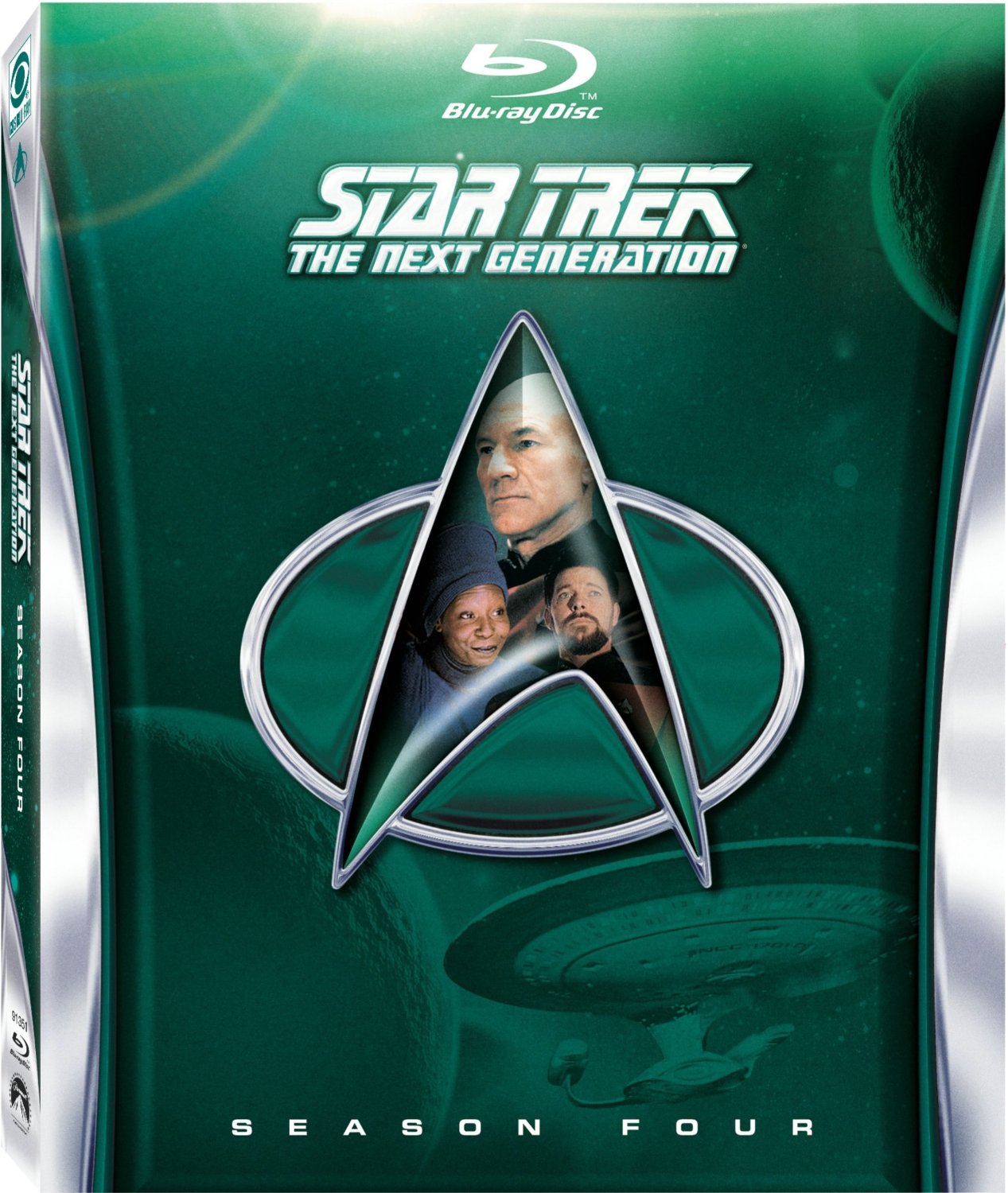
With the success of Best Of Both Worlds, Star Trek: The Next Generation would make frequent use of the season-ending cliffhanger. Believe it or not, that wasn't so common in those days. The fourth season ended with part one of Redemption.

The fact that Kumail Nanjiani decided to call his first Comedy Central special Beta Male immediately gives you a sense of his self-deprecating style. Fortunately, the ability to laugh at himself is merely one of many comedic gifts this on-the-rise comic possesses. This consistently funny, frequently hilarious hour-long set — filmed in Austin’s Moody Theater — touches on a wide range of topics, including his Muslim upbringing, cats disguised as pizza delivery men, and outdated rollercoasters.

Nanjiani has made his way into numerous “Comics to Watch” lists, but most audiences probably know him from scene-stealing turns in Franklin & Bash and Portlandia. He’s also got plenty of comedy geek cred, lending his voice to Adventure Time and collaborating with Michael Showalter and Michael Ian Black for the short-lived Michael and Michael Have Issues. This is my drawn-out way of telling you Nanjiani’s humor ticks a lot of boxes with audiences.

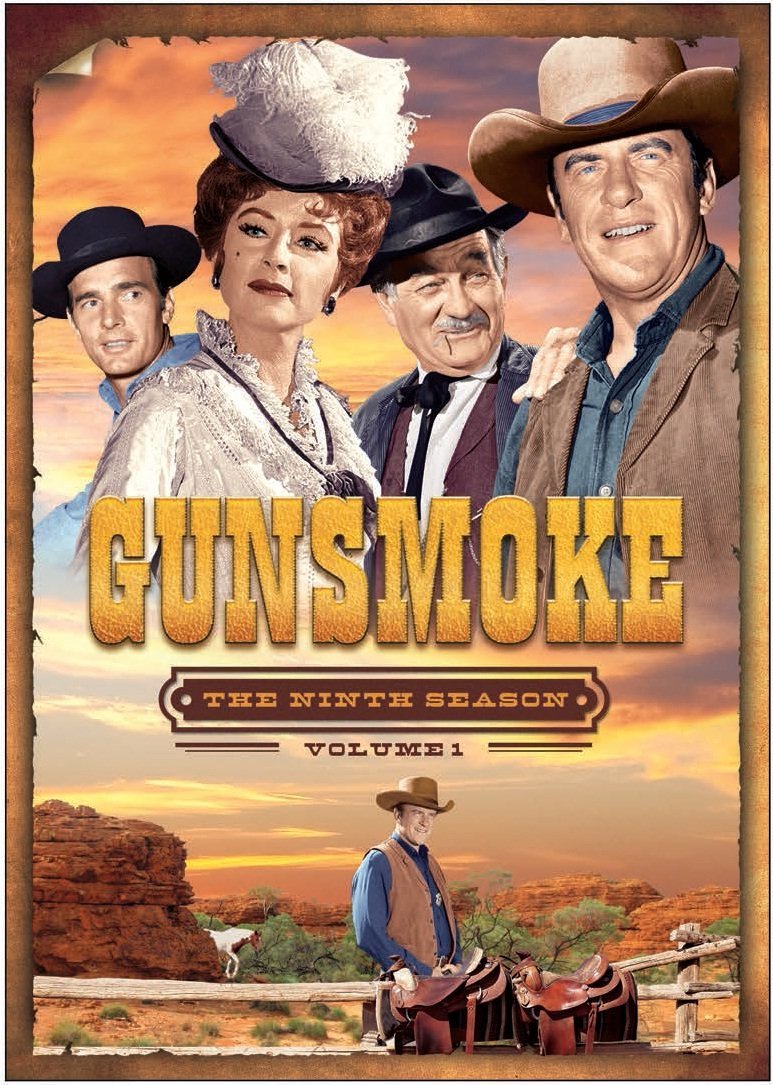
I’ll say this about a program that has remained  consistent in quality for twenty seasons…it makes for challenging reviews. Talking about each season of Gunsmoke is difficult in that you either write briefly to try to avoid redundancies, but might seem too hasty, or you have to labour over each episode, in which case, you’re only going to have hardcore fans paying attention. Since this website has touched on previous seasons: ( https://upcomingdiscs.com/?s=gunsmoke ) I shall opt for the former option, and hope y’all out there catch that I’m not being hasty…but respect a show that warrants no fresh complaints after 9 years a-runnin’ thus far.

The format has been full hours stories since season 7 and it hasn't lost any steam in season 9. The cast saw a little shifting as Ken Curtis' character Festus is introduced just before longtime sidekick Chester (played by Dennis Weaver) departs at the end of this season.

"Space... the final frontier. These are the voyages of the starship Enterprise. Its continuing mission, to explore strange new worlds. To seek out new life and new civilizations. To boldly go where no one has gone before."

The fourth Season of Star Trek: The Next Generation erased any doubts that the show could stand on its own. The series had developed its own characters and situations that allowed the show to somewhat separate itself from the confines of the original series. The Best Of Both Worlds cliffhanger and fourth season resolution would become one of the top-ranked episode of all of Star Trek, and with a shot across the bow from the Borg, Star Trek: The Next Generation had truly arrived.

“You want to end this once and for all? Now’s your f---ing chance.”

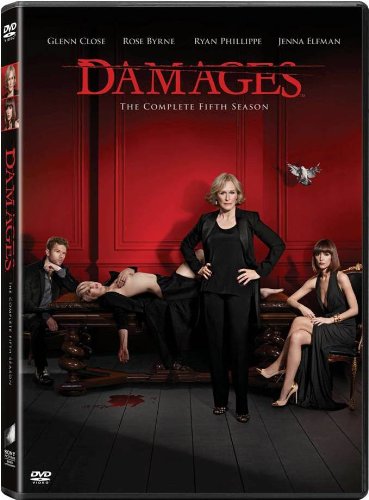
And with those words, spoken during the closing minutes of the fifth and final season premiere of Damages, Patty Hewes sets the stage for her ultimate showdown with protégé/frenemy/surrogate daughter Ellen Parsons. (As you can see, Patty also takes advantage of the fact that the show — which began its life on FX — migrated to DirecTV for its final two seasons, allowing her to drop that F-bomb.)

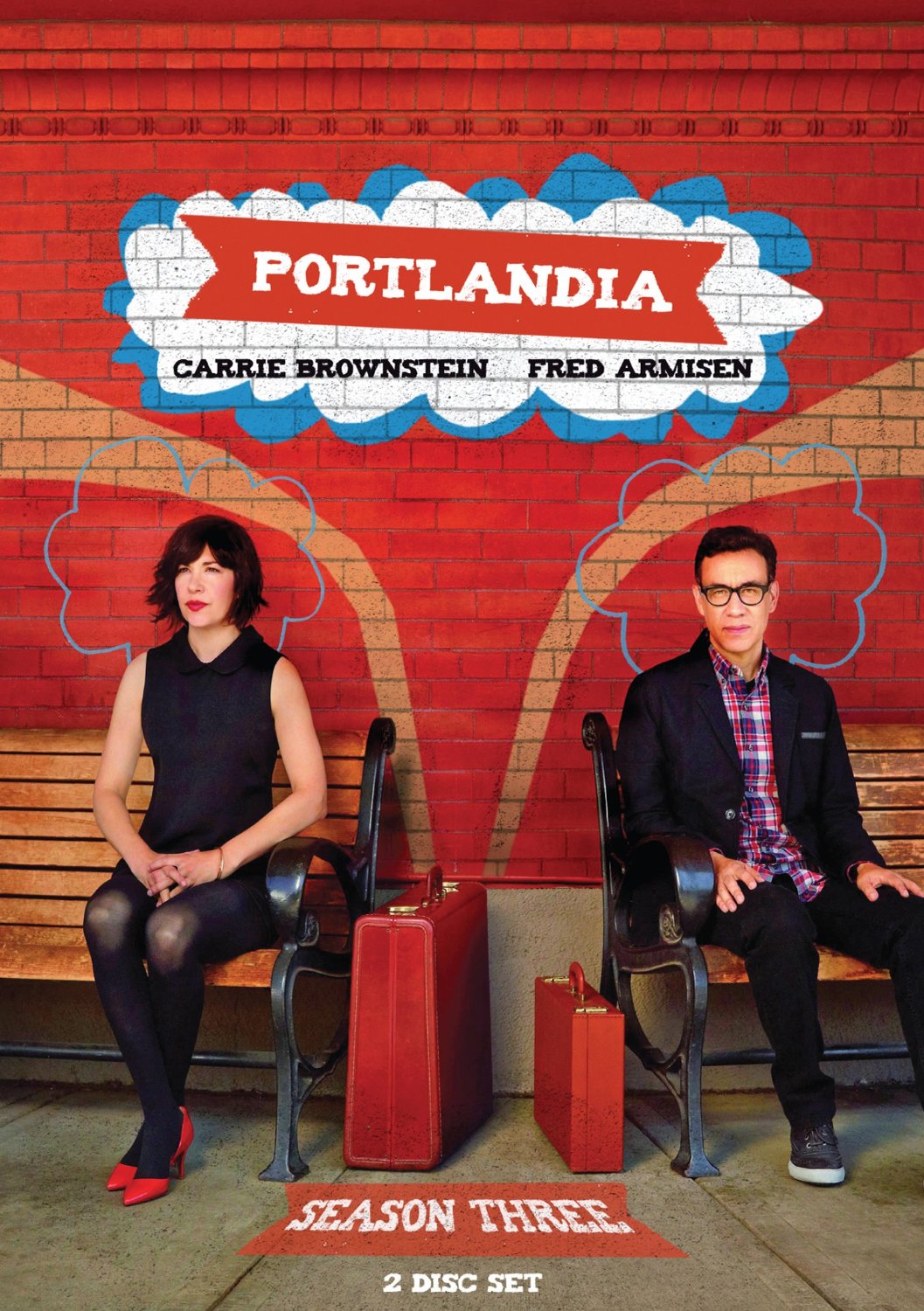
Oregon may have been the 33rd state to join our union — and Portland may be its most populous city — but Portlandia is a (dog-dressing, raw milk-drinking, Seattle-hating) state of mind. And after three seasons of lovingly mocking upper middle class indulgence along with the denizens of the Pacific Northwest, Portlandia — created by stars Fred Armisen, Carrie Brownstein and director Jonathan Krisel — feels more like a fully-realized destination than ever.

Armisen and Brownstein still star in almost every sketch, and the versatile duo has created a solid stable of recurring oddballs to anchor the show. The Portlandia “Winter Special” — which aired a few weeks before the season 3 premiere on IFC — features some of their most popular creations: feminist bookstore owners Toni and Candace try to get Candace’s son to accept (another) vagina pillow, while a Peter and Nance sketch finds ineffectual Peter deciding to cut pasta from his diet to hilariously disastrous results.

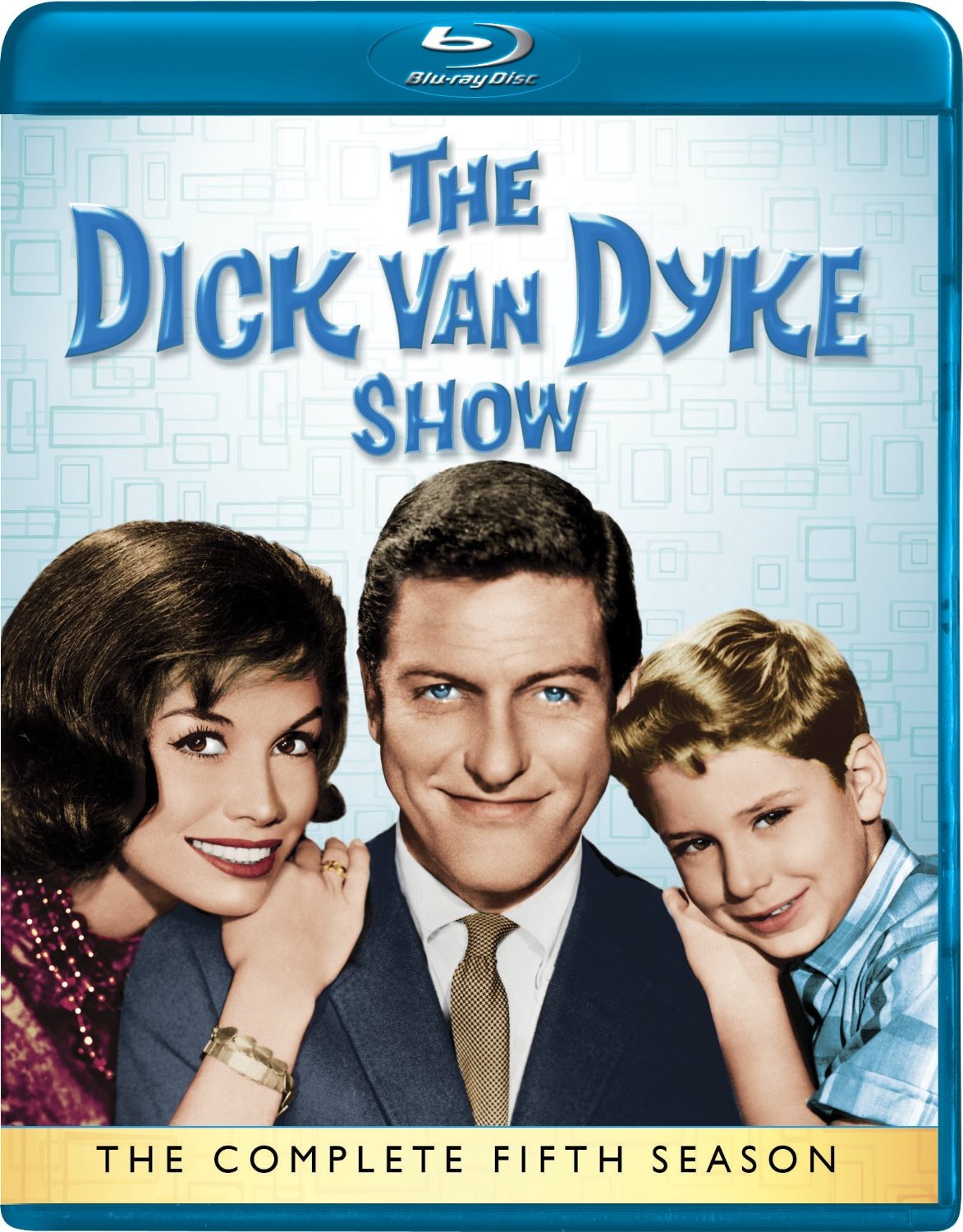
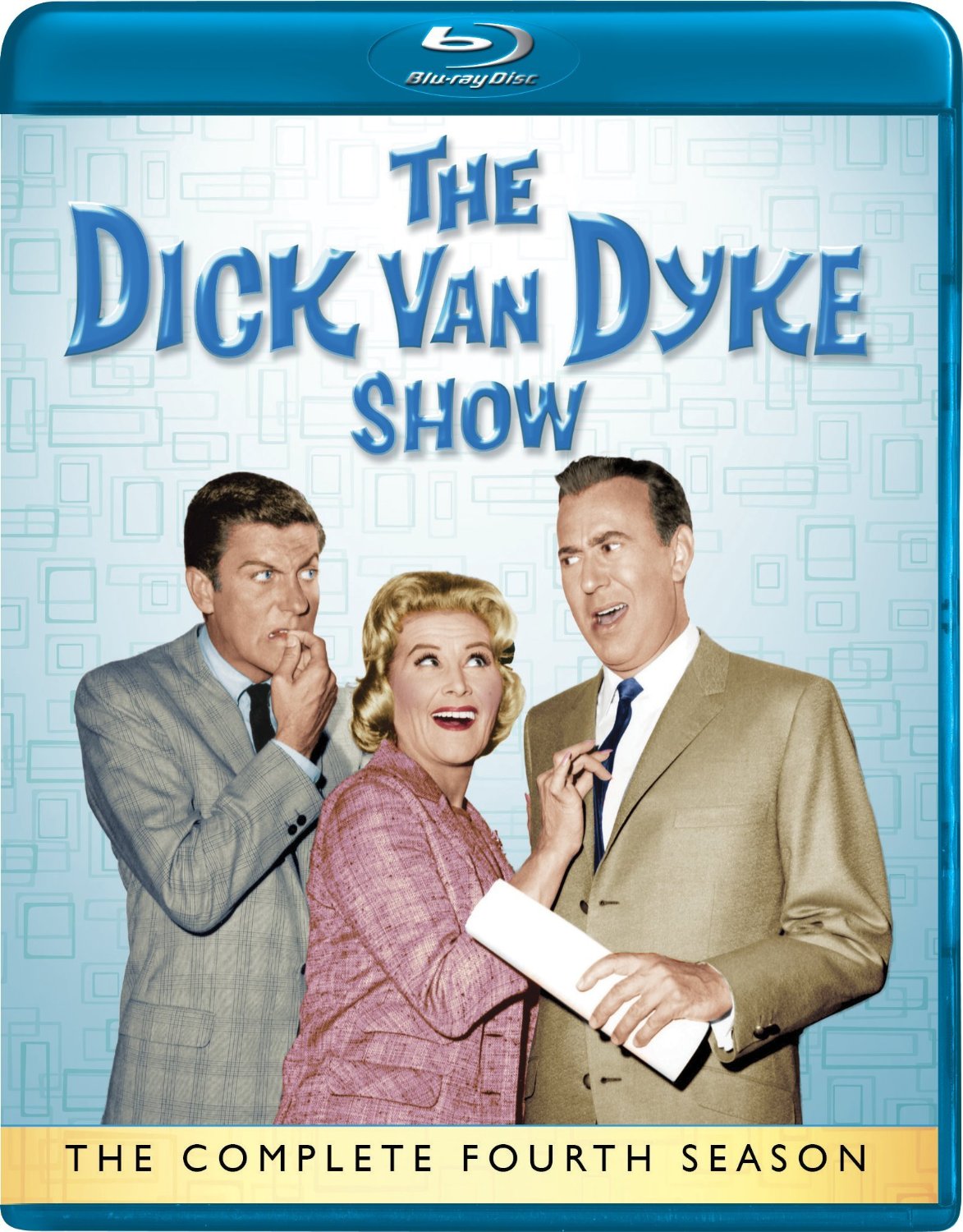
When one thinks of The Dick Van Dyke Show it's hard not to think of its star Dick Van Dyke. After all, it's his name on the opening credits, and he does play the lead character in this groundbreaking television comedy. There's little question that the show became a wonderful vehicle for his many comedic talents. But the genius behind the show wasn't really Dick Van Dyke at all. It was Carl Reiner (yes, Meathead's father) who is the true brains behind the show.

Reiner was a popular comedy writer in the early days of television. He made his name with Sid Caesar, writing for the very popular Your Show Of Shows. During that time he had been inundated with ideas for his own show. He wasn't happy with any of them and decided to write his own. The result was Head Of The Family. It starred Reiner as Rob Petrie, a television comedy writer living in the New York suburbs of New Rochelle. In a break from traditional sit-com style, he told his stories both at home and at the office. We got to see Rob with his fellow writers and with his wife and neighbors. If any of this sounds rather familiar...it should. It was a clever idea, but it stank up the ratings and was soon dropped.

“The 1860s was a decade in which one of the most terrible civil wars in history was to begin and end. But far from the bloody fields of Gettysburg and Shiloh, changes — which were to alter forever the face of the American West — had already begun.”

And that pioneering spirit continued to capture the American public’s imagination 100 years later. The Western was the big boy on the block during the 1950s and ‘60s on both television — peaking in 1959, which saw 26 such shows air in prime time — and in the movies. How the West Was Won — starring John Wayne, Jimmy Stewart and Gregory Peck, among others — is one of the more enduring titles from that era.