Western

“The 1860s was a decade in which one of the most terrible civil wars in history was to begin and end. But far from the bloody fields of Gettysburg and Shiloh, changes — which were to alter forever the face of the American West — had already begun.”

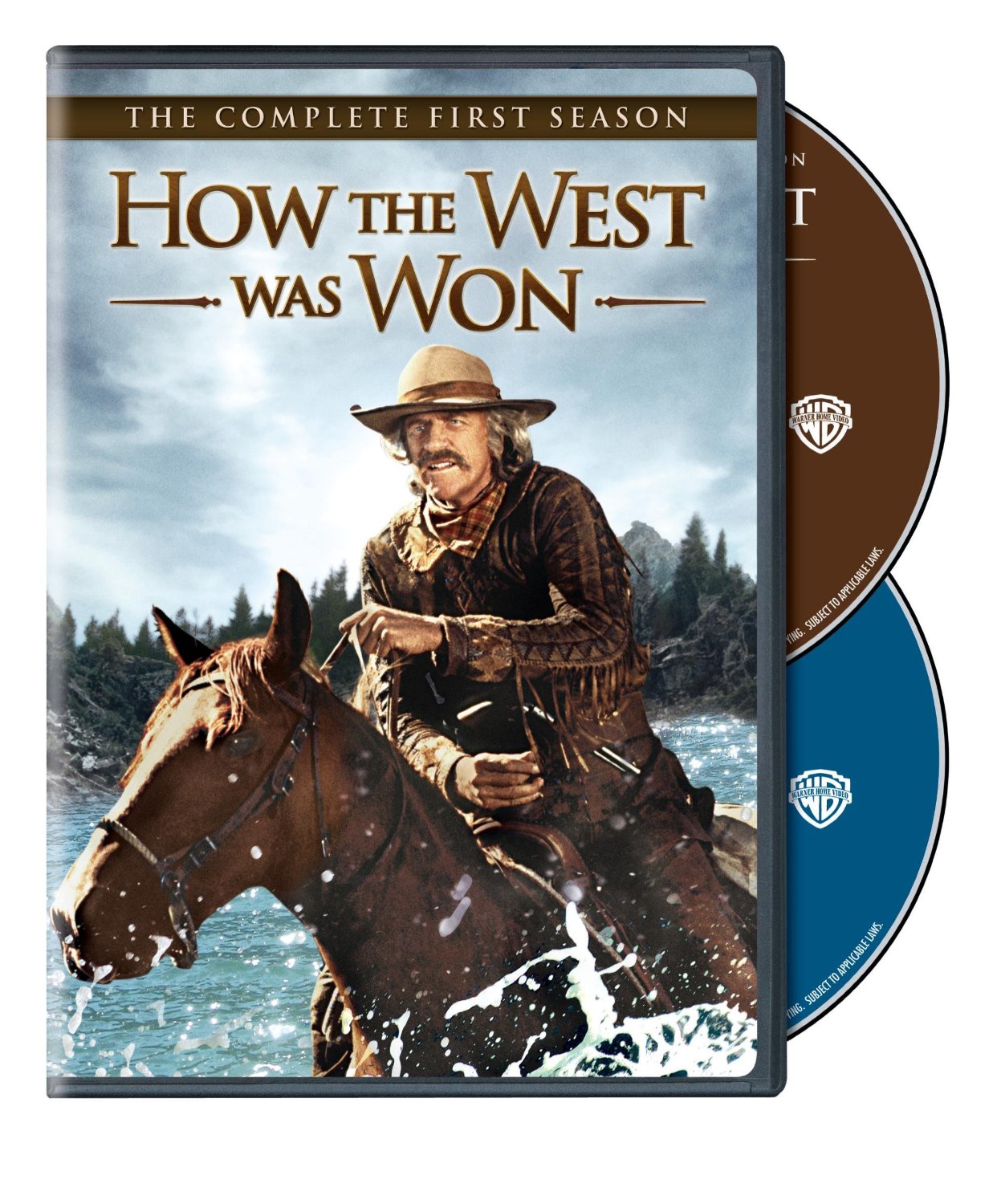
And that pioneering spirit continued to capture the American public’s imagination 100 years later. The Western was the big boy on the block during the 1950s and ‘60s on both television — peaking in 1959, which saw 26 such shows air in prime time — and in the movies. How the West Was Won — starring John Wayne, Jimmy Stewart and Gregory Peck, among others — is one of the more enduring titles from that era.


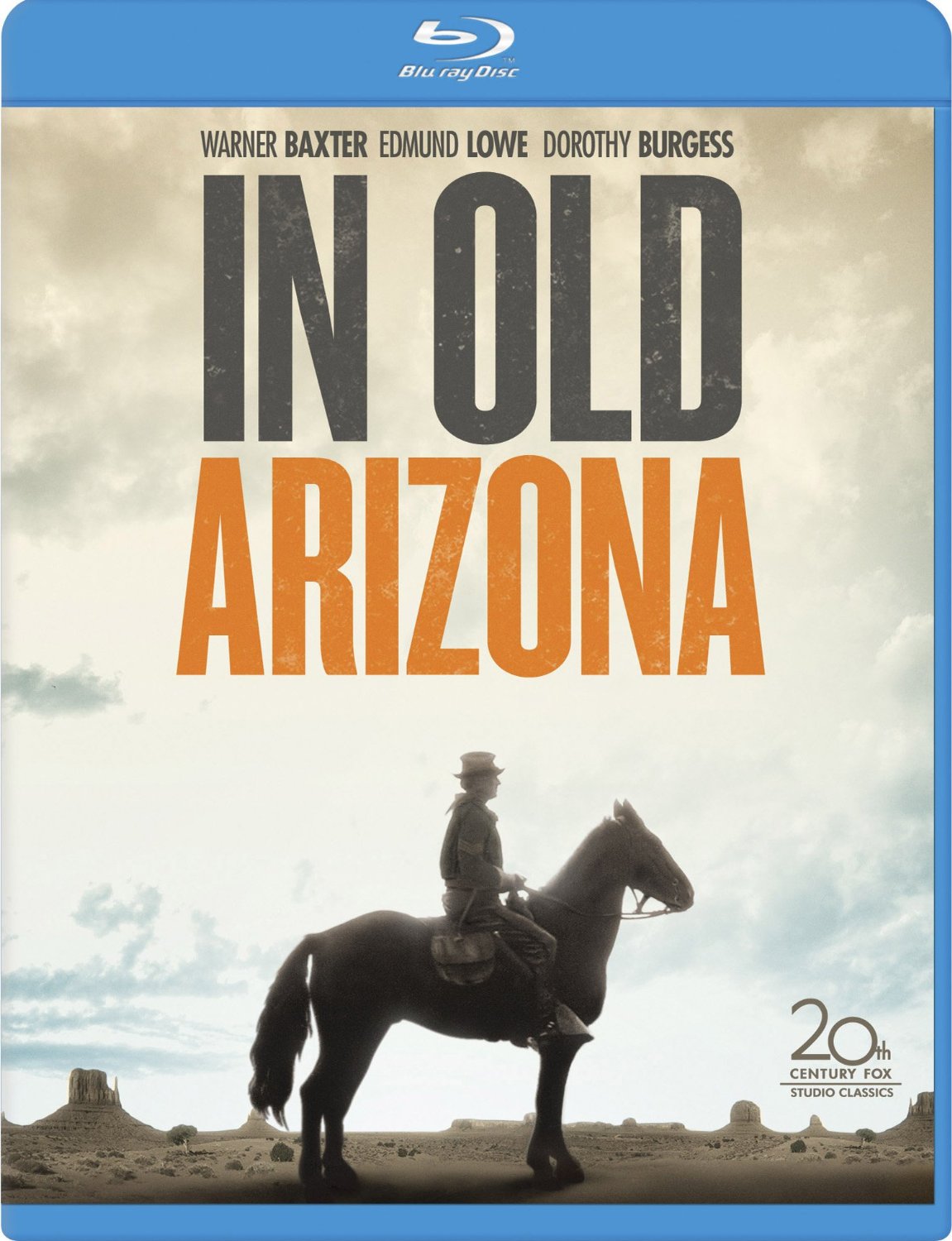
For a significant part of the last century, the Western was the dominant form of entertainment, ruling the Hollywood roost on both the big and small screen. Some of moviedom’s most iconic sounds — galloping horses, trusty six shooters, Ennio Morricone’s best work, “In this world, there’s two kinds of people: those with loaded guns and those who dig” — have come from the genre. And it all started In Old Arizona.

The 1929 Fox film was one of the most groundbreaking and innovative motion pictures of its time. In Old Arizona was the first major Western to use the new sound technology, as well as the first “talkie” to be filmed outside the confines of a cozy studio lot. (Filming took place in Utah, California, but, ironically, not Arizona.) Star Warner Baxter won an Oscar for his portrayal of the charismatic Cisco Kid, a performance that served as an early prototype for the singing cowboy on film.

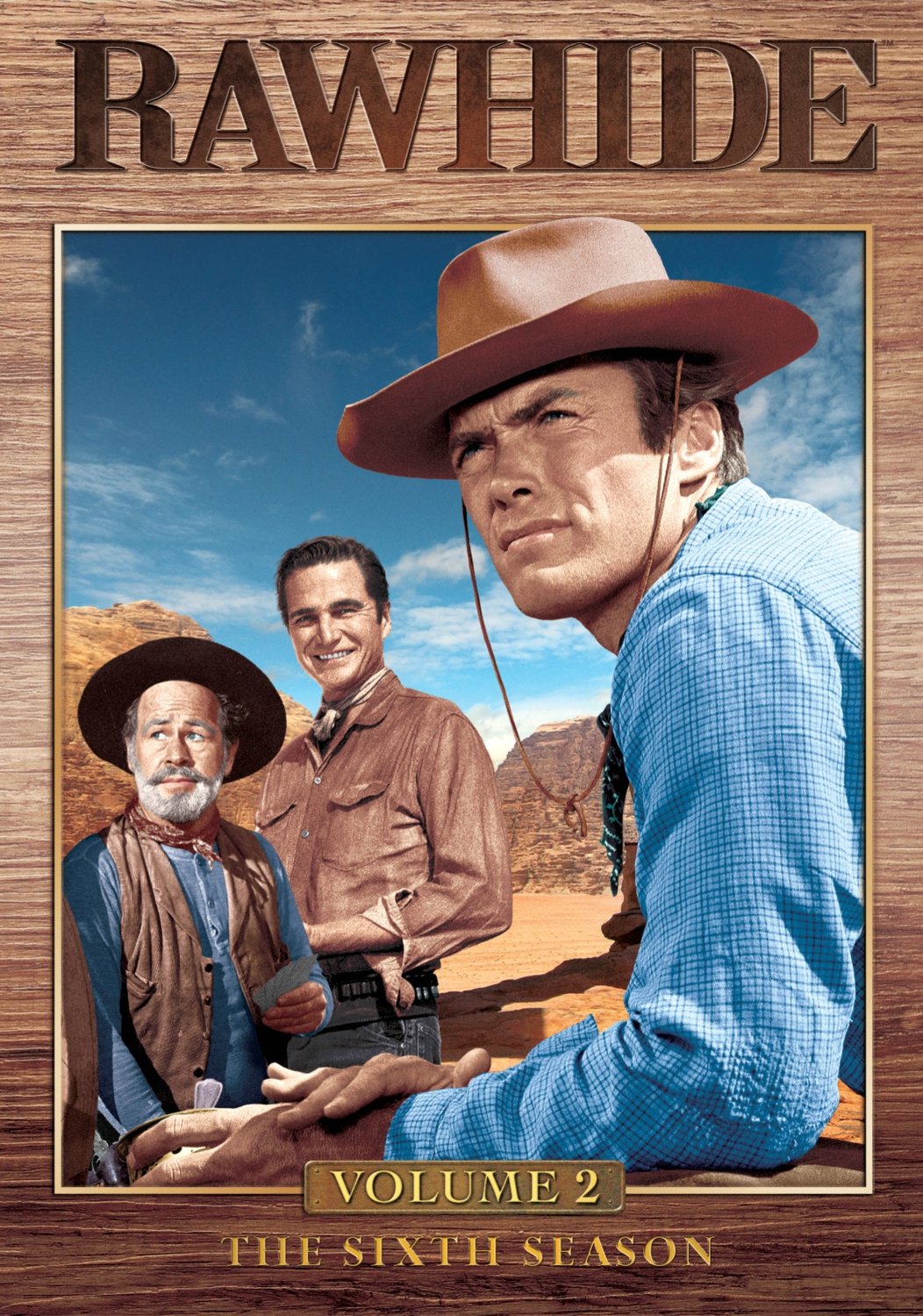
For 8 long seasons Rawhide followed the adventures of a cattle drive. Season 6 was separated into two releases. Here we shall look at what Part Two has to offer. Feel free to browse previous releases covered by Gino on this same site: https://upcomingdiscs.com/?s=rawhide

Clint Eastwood got his first major role playing foreman Rowdy Yates for the entire run of this series. By the sixth season, Eastwood seems to be a far more comfortable and confident actor than what we saw in earlier seasons. A real white hat, Yates is often the voice of reason when his Trail boss (played by Eric Fleming) has his doubts. Although sometimes he needs a boost as well, and that comes in the form of support from their ever-lovin' cook Wishbone (played by Paul Brineger).

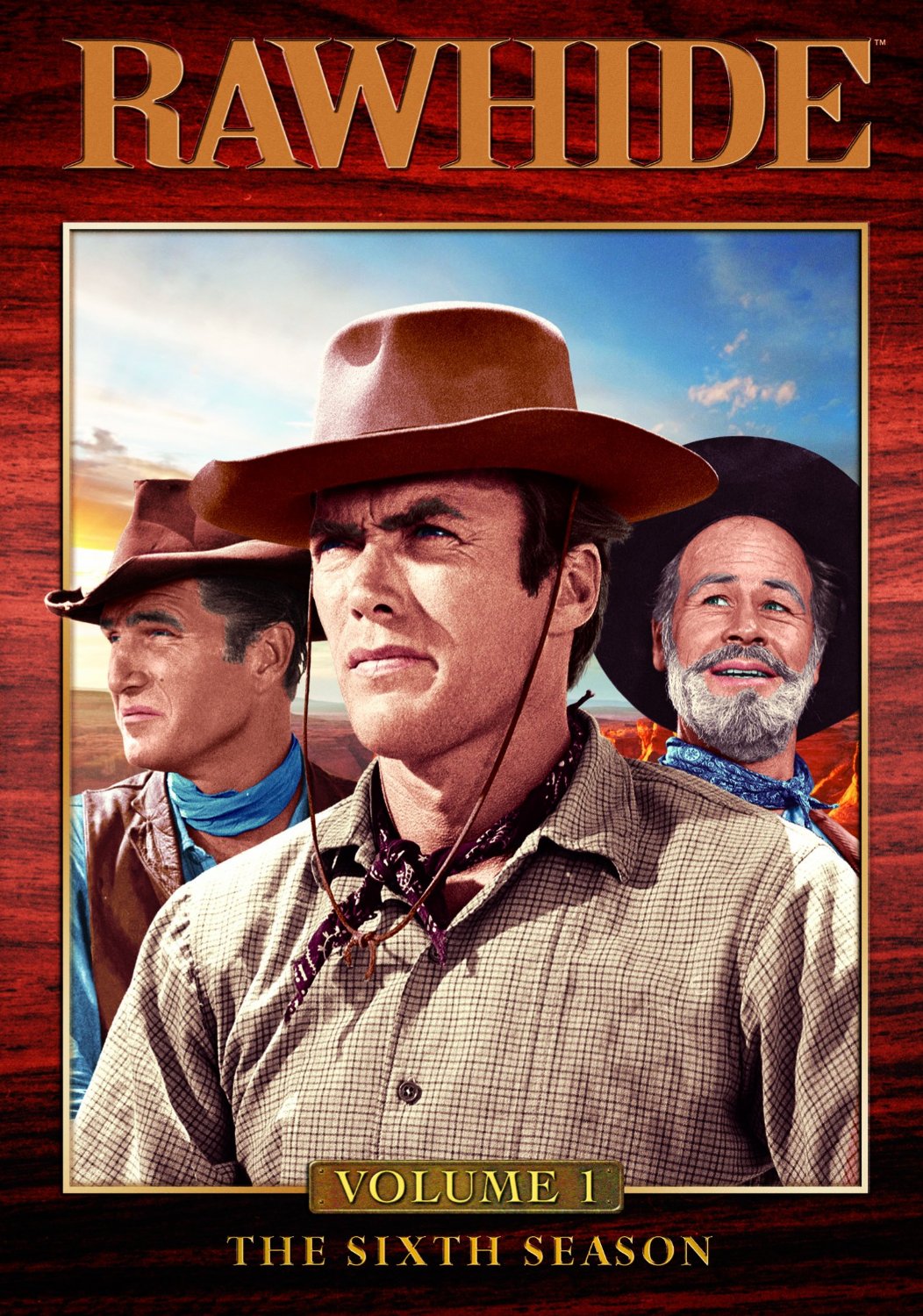
For 8 long seasons Rawhide followed the adventures of a cattle drive. Season 6 was separated into two releases. Here we shall look at what Part One has to offer. Feel free to browse previous releases covered by Gino on this same site: https://upcomingdiscs.com/?s=rawhide

Clint Eastwood got his first major role playing foreman Rowdy Yates for the entire run of this series. By the sixth season, Eastwood seems to be a far more comfortable and confident actor than what we saw in earlier seasons. A real white hat, Yates is often the voice of reason when his Trail boss (played by Eric Fleming) has his doubts. Although sometimes he needs a boost as well, and that comes in the form of support from their ever-lovin' cook Wishbone (played by Paul Brineger).

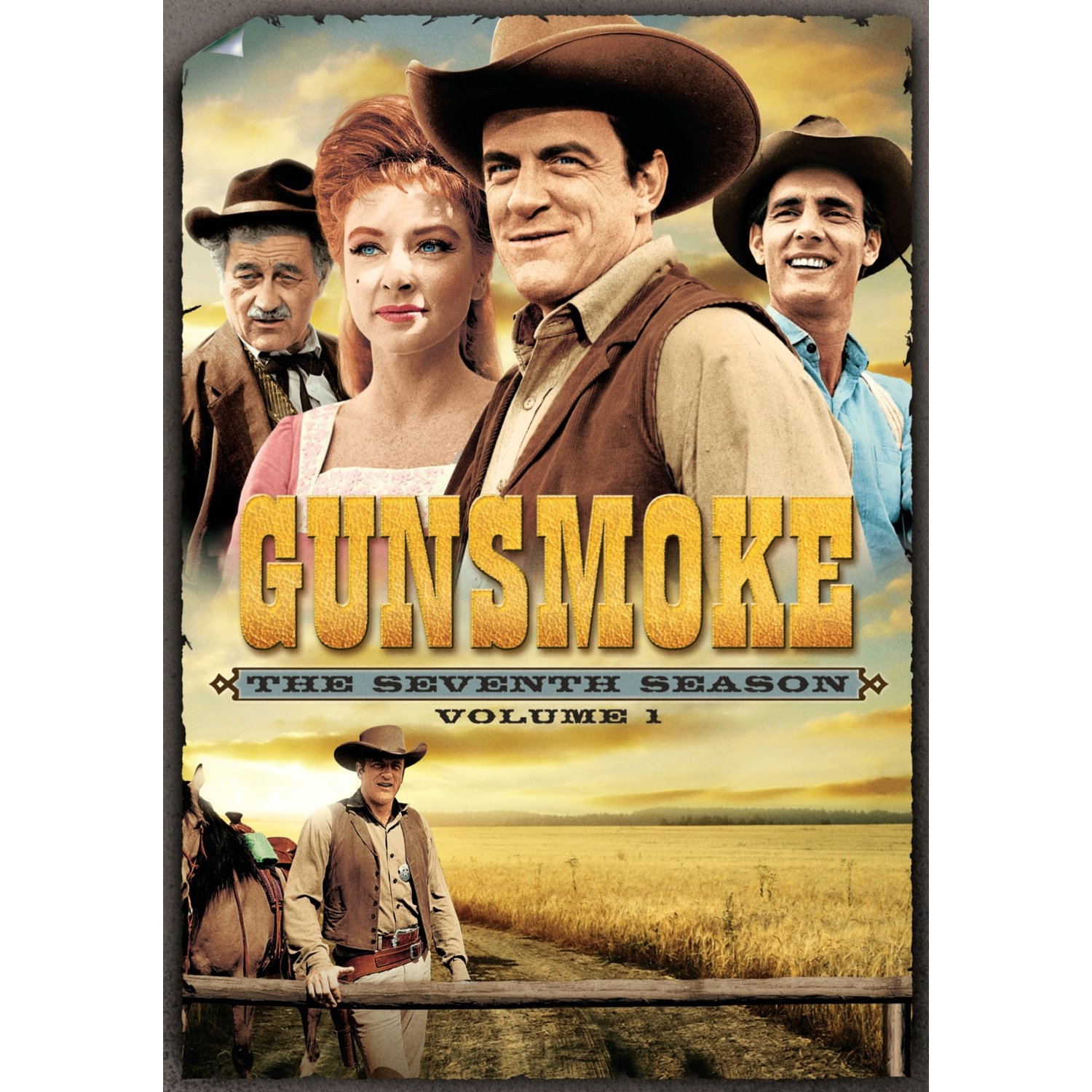
I’ll say this about a program that has remained  consistent in quality for twenty seasons…it makes for challenging reviews. Talking about each season of Gunsmoke is difficult in that you either write briefly to try to avoid redundancies, but might seem too hasty, or you have to labour over each episode, in which case, you’re only going to have hardcore fans paying attention. Since this website has touched on previous seasons: ( https://upcomingdiscs.com/?s=gunsmoke ) I shall opt for the former option, and hope y’all out there catch that I’m not being hasty…but respect a show that warrants no fresh complaints after 7 years a-runnin’ thus far.

The most obvious change to the show that happened in this Seventh Season is expanding from half and hour to a full hour for each episode. This can be a great challenge for a show that was not originally created in this format. Doubling the length of each episode has allowed for more focus on developing the guest characters. There are no major plots that overlap several episodes so we can see how the hour long format aids this type of show, as well as helping to lay the groundwork for hour-long adventure and/or crime dramas to follow.

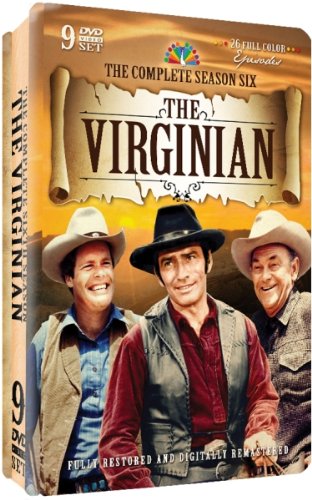
The changes in the 6th season of The Virginian were not intentional, to be sure. They were the direct result of a real-life tragic event. Actor Charles Bickford who was playing John Granger became ill. He was temporarily replaced by John McIntire, who joined the cast as his brother Clay. Clay and his wife Holly, played by McIntire's real-life wife Jeanette Nolan, were looking after the ranch while John was out of town. Bickford continued in the credits, but was not fated to return. His illness lead to his death, and the characters of Clay and Holly remained. McIntire finally replaced Bickford in the opening credits and nothing more was ever said about John Granger. It's a bit of a surprise the death was not addressed and left hanging.

The Virginian set itself apart from the others in two ways. The first was found in the source material. The series was based on a 1902 novel by Owen Winsler, a man who actually lived in the Wyoming badlands during the time the series was set. The source material helps to add a sense of authenticity that might well have been a slight step ahead of the rest. It wasn't as violent as the others, again reflecting a more realistic sense of direction.

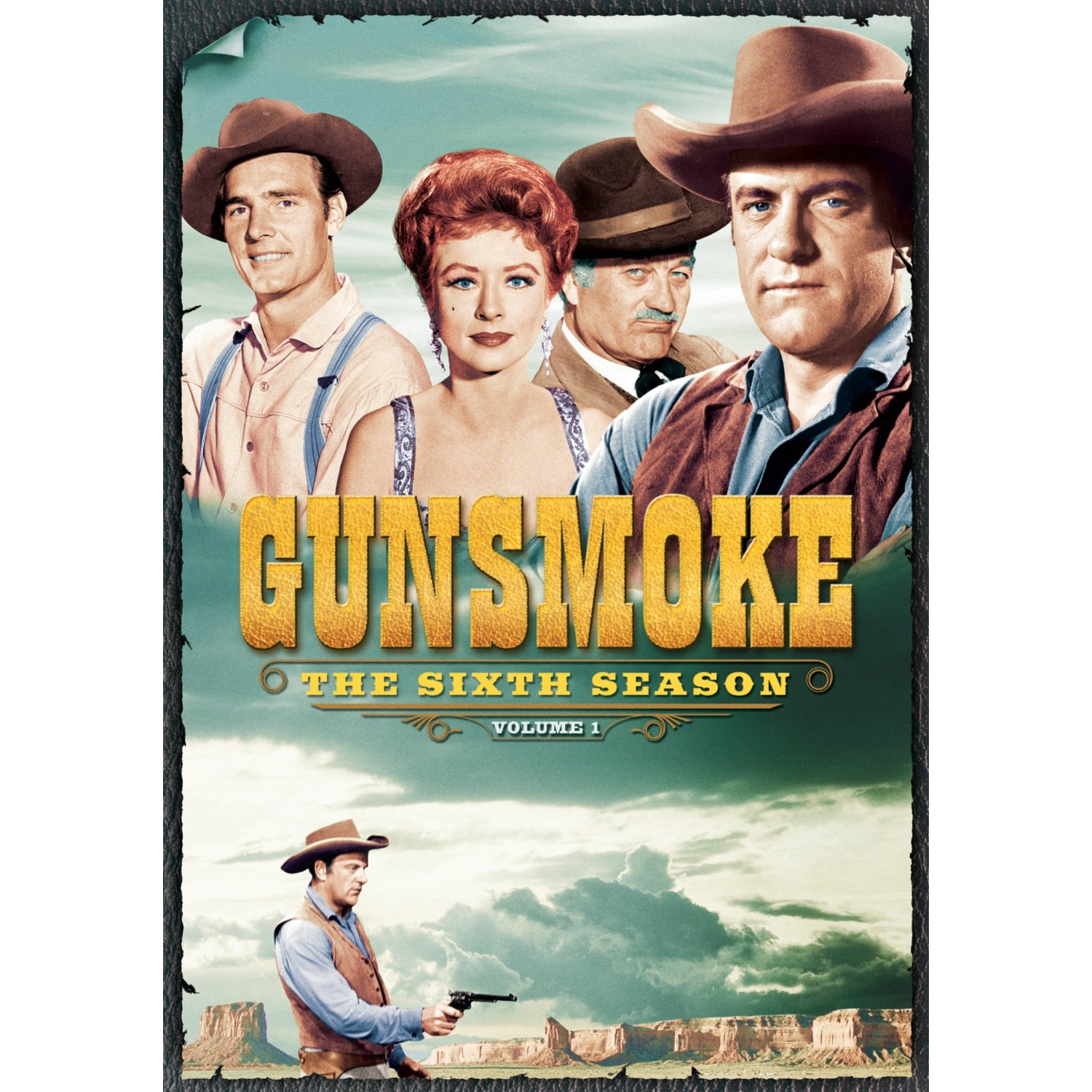
I'll say this about a program that has remained  consistant in quality for twenty seasons...it makes for challenging reviews. Talking about each season of Gunsmoke is difficult in that you either write briefly to try to avoid redundancies, but might seem too hasty, or you have to labour over each episode, in which case, you're only going to have hardcore fans paying attention. Since this website has touched on previous seasons: ( https://upcomingdiscs.com/?s=gunsmoke ) I shall opt for the former option, and hope y'all out there catch that I'm not being hasty...but respect a show that warrants no fresh complaints after 6 years a-runnin' thus far.

James Arness’ Marshall Matt Dillon is still the imposing, yet warm, lawman of Dodge. The tales in season 6 are frequntly violent, more violent than I recall in reviewing the previous seasons. This might not be saying a whole lot about a show whose opening credits are entirely comprised of a scene where the star of the show kills1 a man, but there just seemed to be that much more gun play in this season.

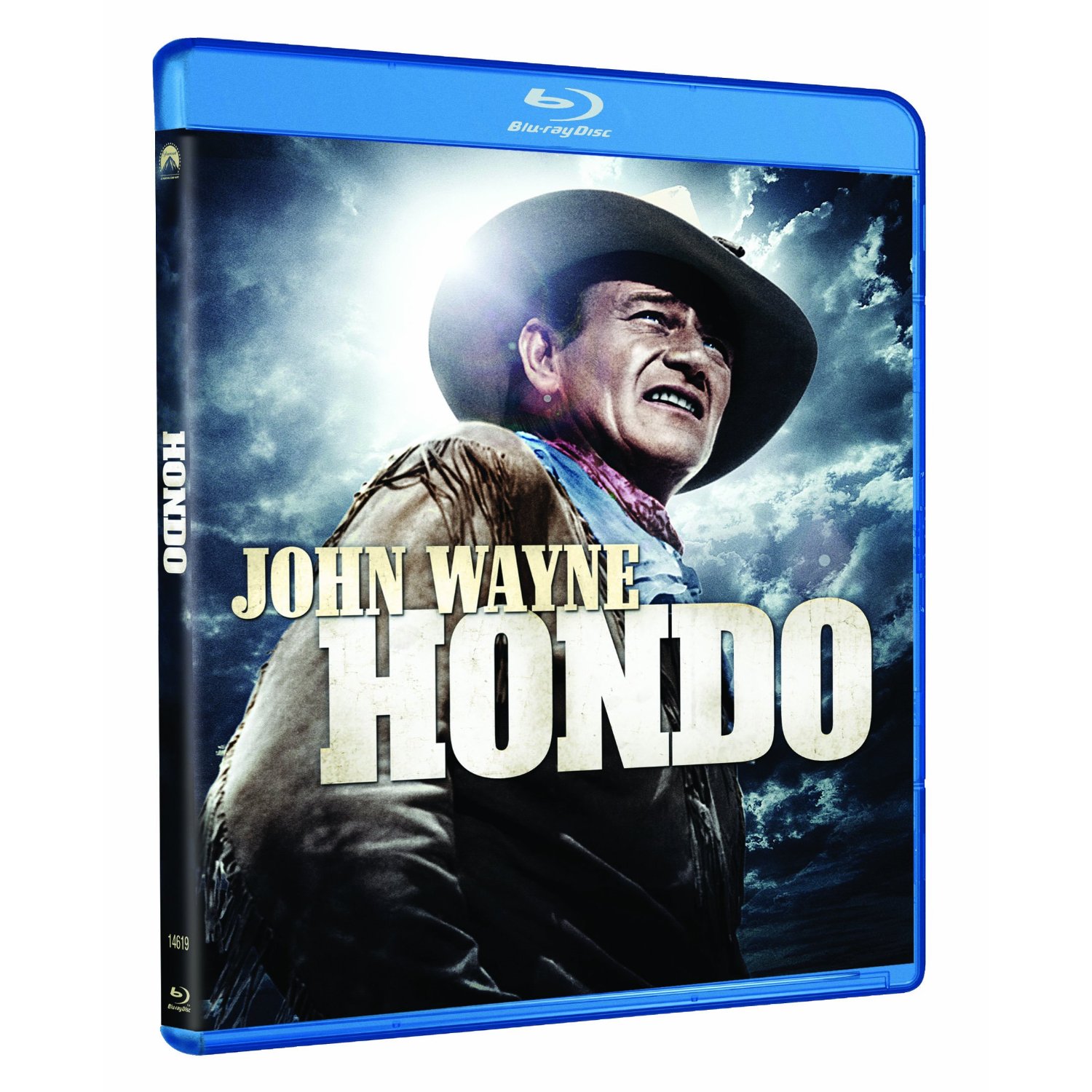
There are countless John Wayne Westerns in existence, but a hearty handful stand out above the rest. Hondo is a part of said handful. The story is a somewhat familiar one; that of a lone gunman seeking redemption by helping out a young woman fight off Indians...it just howls “John Wayne Western.” That being said, there are some standout performances and the portrayal of Native Americans is tad more progressive than what was within Westerns of the previous decade.

This film was created at the tail end of the first wave of 3D films, in the 1950s, and it only seems to be utilized during the opening credits and the climactic battle scene (mostly via arrows being shot almost towards the camera). 3D is a term that seems to imply a certain level of campiness, but Hondo avoids that pitfall by developing its characters and enriching the story with some (non-corny) twists and subplots that help move past the larger, cowboys vs. Indians story.

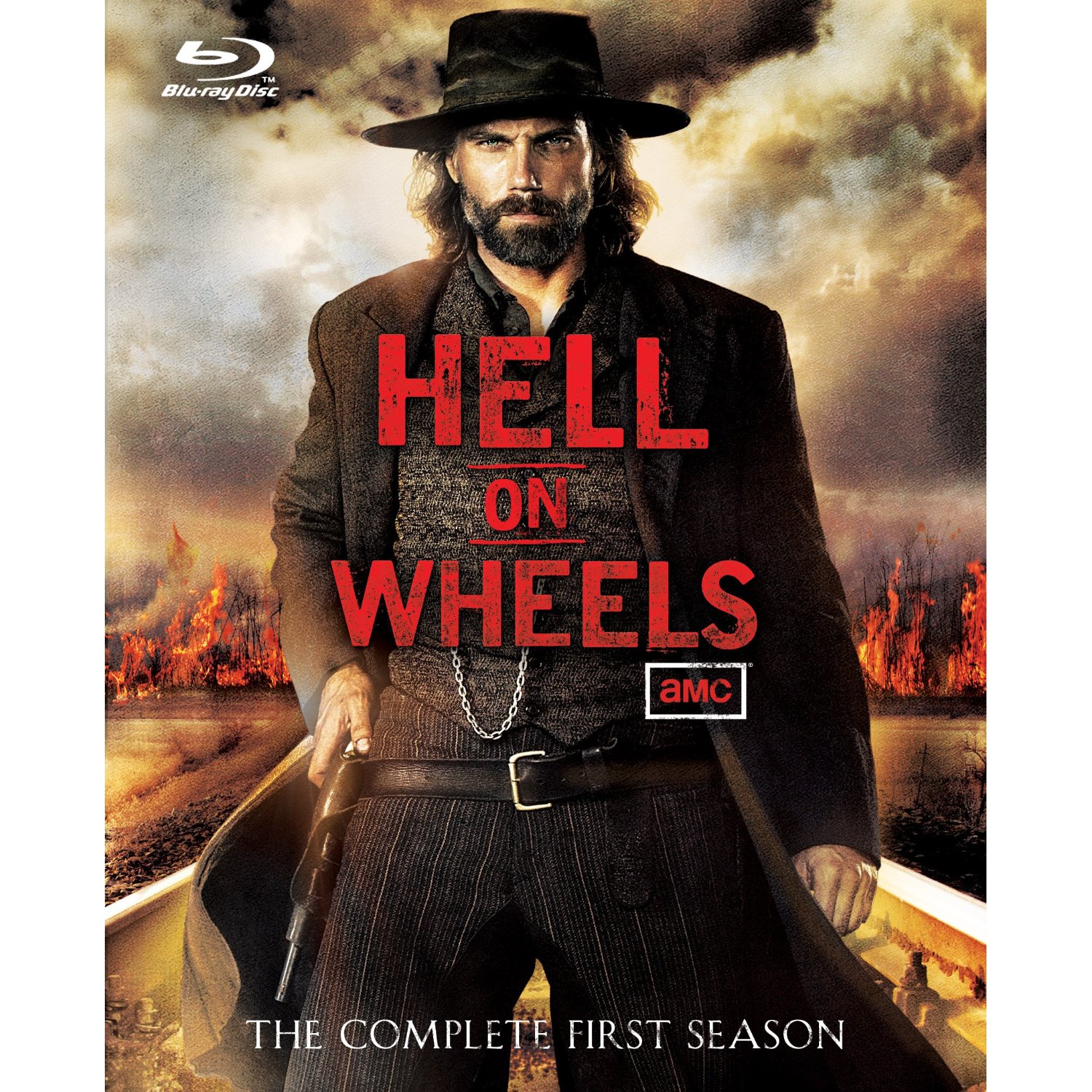
"Make no mistake. Blood will be spilled. Lives will be lost. Fortunes will be made. Men will be ruined. There will be betrayal and scandal and perfidy of epic proportions."

With a statement like that, how can you not want to check out AMC's newest drama series Hell On Wheels? I've been told the title sounds like it's about motorcycle gangs, and I couldn't agree more. The term refers to the mobile tent city that housed the workers on the Union Pacific Railroad and the support entourage the camp attracted. It was a virtual tent city that had all of the essentials: a church, bar, and whorehouse. It was just after the Civil War, and the American government believed that a railroad connecting the East and West coasts was just the kind of project the country needed to pull back together and heal still-festering wounds. As one of the filmmakers accurately points out, this was the Apollo moon project of the day. Long believed impossible by the brightest engineers of the day, the railroad would cut the time it took to go from coast to coast from six months to just under seven days. It was a truly remarkable feat, and it carried with it more than a fair dosage of corruption and blood. Now AMC has brought those days from 1865 back to our television screen with an ambitious and smartly produced series. It's a must see.

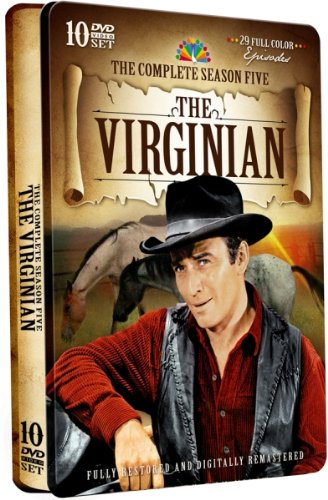
There were a ton of changes in the 5th season. There would be a rather large cast shake-up. Lee Cobb and Roberta Shore were now completely gone. It was only a matter of time for Cobb, who was never really happy doing the show but never let it get in the way of his performance or attitude toward the rest of the cast and crew. Enter Charles Bickford in his only season as the Granger family head, John. He brings his grandchildren Elizabeth, played by Sara Lane, and Stacy, played by Don Quine.

The Virginian set itself apart from the others in two ways. The first was found in the source material. The series was based on a 1902 novel by Owen Winsler, a man who actually lived in the Wyoming badlands during the time the series was set. The source material helps to add a sense of authenticity that might well have been a slight step ahead of the rest. It wasn't as violent as the others, again reflecting a more realistic sense of direction.