Disc Reviews

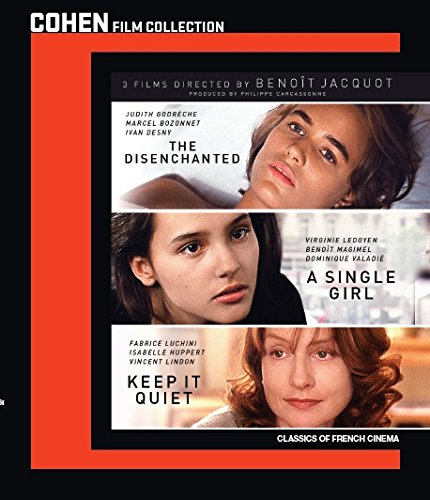
Un, deux, trois! Cohen Media Group has given us an engrossing triple dose of French director Benoit Jacquot. The films —The Disenchanted, A Single Girl, and Keep It Quiet — span a decade and coincide with the moment when the post-New Wave filmmaker started gaining international acclaim. Each of the titles makes its HD debut with this release, and they all offer an intriguing look at Parisian life. The movies also feature some enchanting performances from their leading ladies.

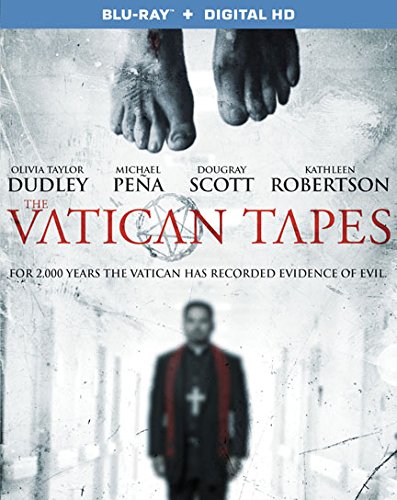
"Dark forces are rising. The frequency of possession is increasing all over the world."

Must be Global Warming...check that ,Climate Change. It seems the whole warming thing wasn't exactly working out for these guys. So like a business with a bad reputation you change the name and pretend that's what it's been like all along. There is an alarming increase in the frequency of movie possessions all over the world. But it's not Global Warming or Climate Change that's to blame. Hell, it isn't even Bush's fault. It's got to do with the color green.

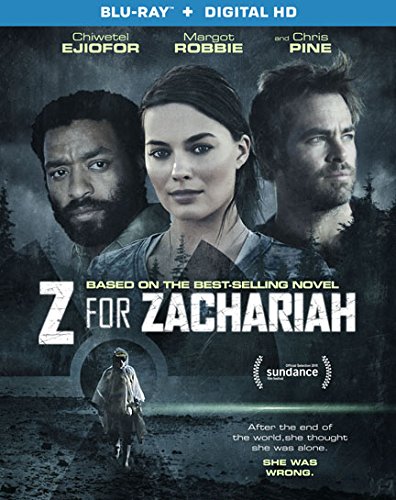
Between Judgment Day, zombie apocalypses, and various other doomsday scenarios, we've gotten a pretty good look at what the end of the world is supposed to look like. One of the most striking things about Z for Zachariah — an otherwise straightforward and deliberate drama that takes its story from a 1974 novel of the same name by Robert C. O'Brien — is that, for the most part, the end of the world looks an awful lot like paradise.

Dustin P. Anderson

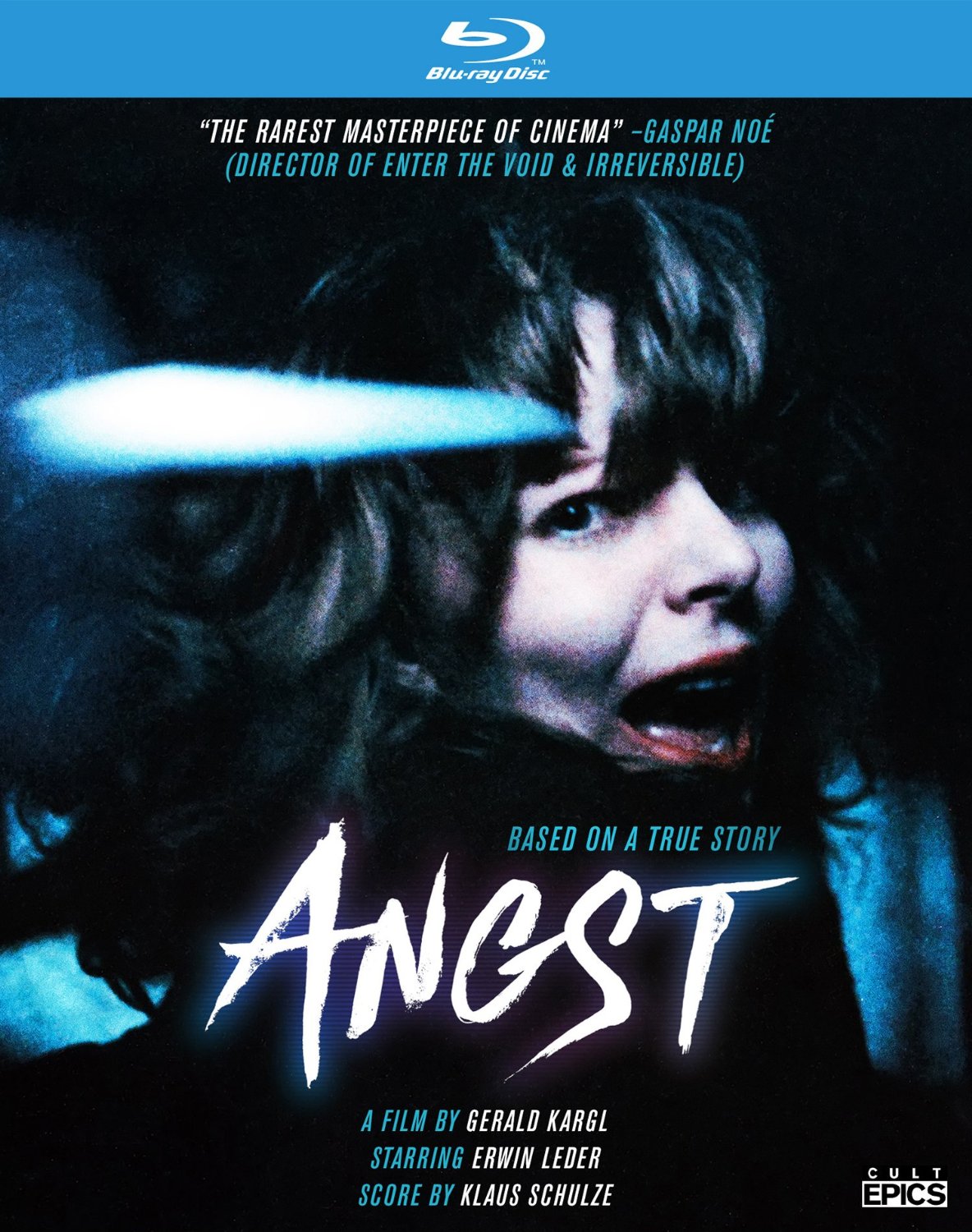
As far as a synopsis for this movie goes, there isn’t too much to it. We are given a brief look inside the mind of a real-life serial killer. A psychopath has been given a conditional release from jail and is only interested in satiating his lust for killing. After some failed murder attempts, the killer finds an empty house and waits for the occupants to come home.  This movie has a lot to say, while being easy to summarize. The story is basic, but there is so much more to it than just the events that take place. It does a great job at making the killer seem more human when we see how clumsy he is at killing people. During the killer’s beginning inner monologue, he states, “this time he won’t get caught,” which, I thought meant he had some grand scheme in place to kill a bunch of people and never see the inside of a jail cell again.

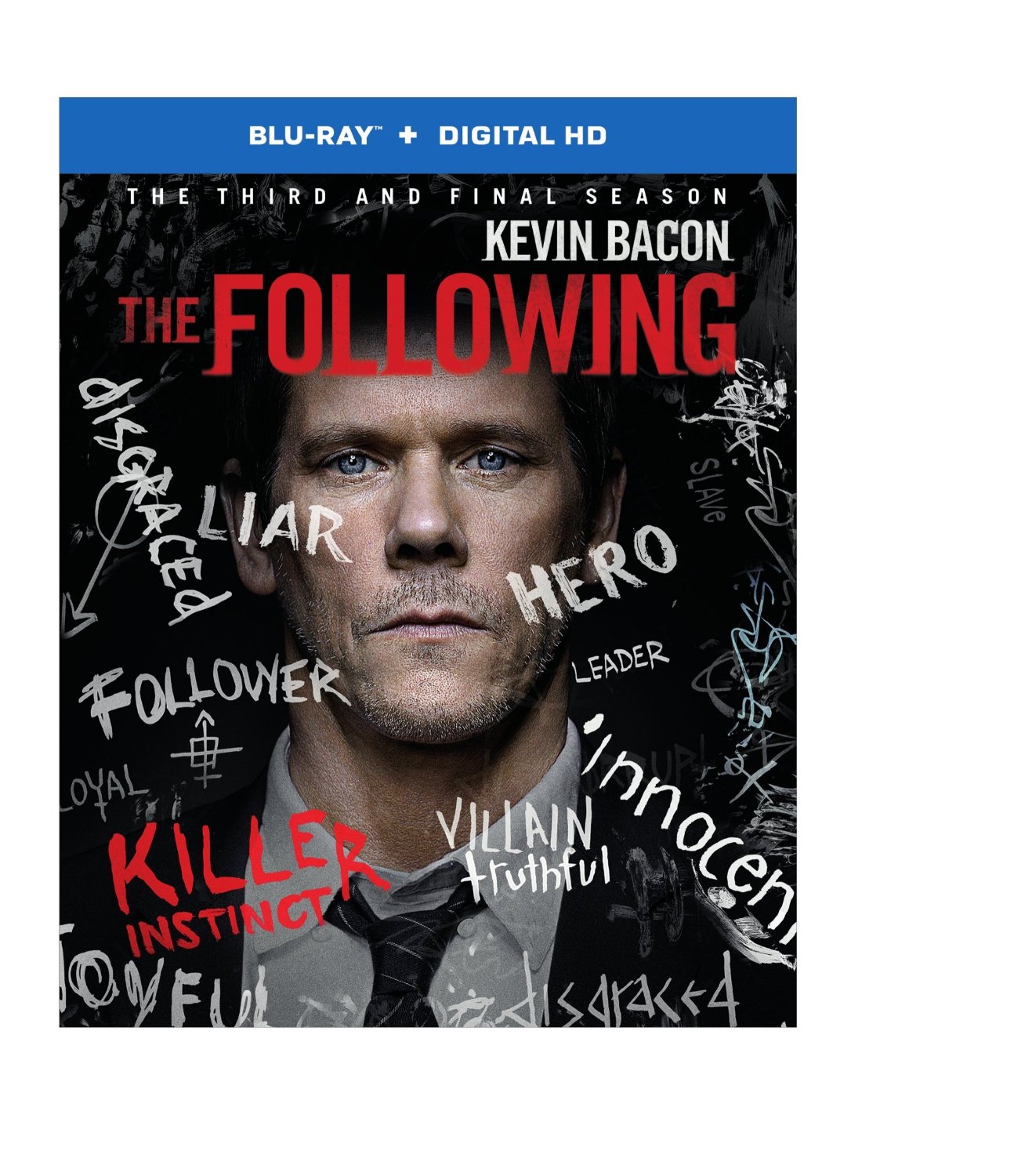
"Looks like the crazy is starting."

Actually, it started three seasons ago. The creator of Dawson’s Creek and The Vampire Diaries, Kevin Williams, delivers a thriller that is a bold new entry in the crime drama for television. The Following was 15 episodes of nail-biting bliss that kept the viewer guessing and riveted long after its gut-wrenching cliffhanger season after season. For a while I was beginning to wonder if Williamson had lost his touch with the Scream series, but what you’ll discover here is that Williamson may just be the king of creating and penning one of the darkest serial killers on the small screen. 

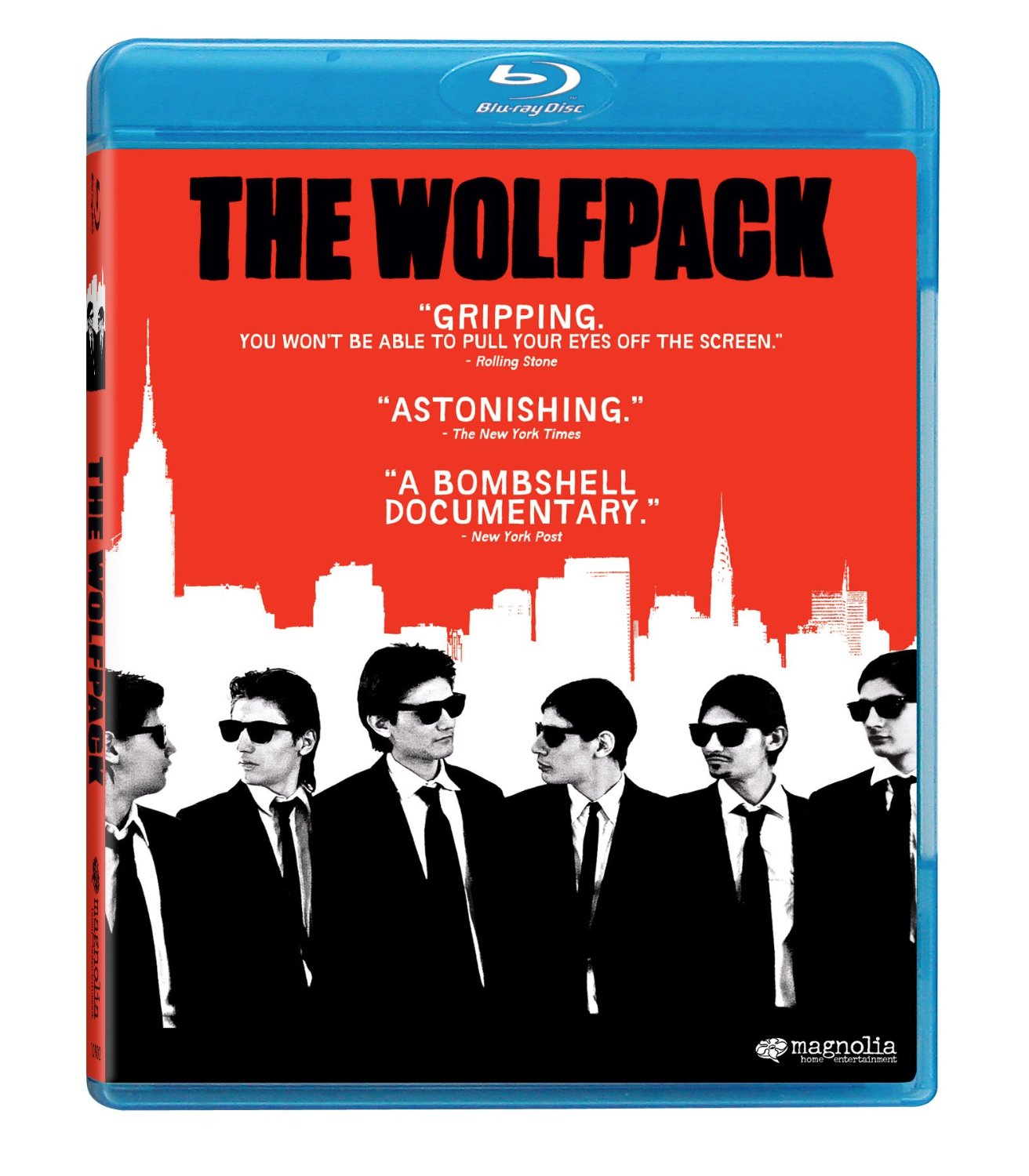
“If I didn’t have movies, life would be pretty boring.”

That statement obviously applies to those of us who spend an inordinate amount of time watching and thinking about movies. (If you’re reading this, chances are you visit this site with some regularity, so I feel good about including you in that group.) However, the notion that movies serve as a source of escape — in every sense of the word — is remarkably expressed in the captivating, stranger-than-fiction tale of the Angulo family. Unfortunately, it’s pretty apparent that The Wolfpack — a vague, shapeless documentary — doesn’t give us the full story.


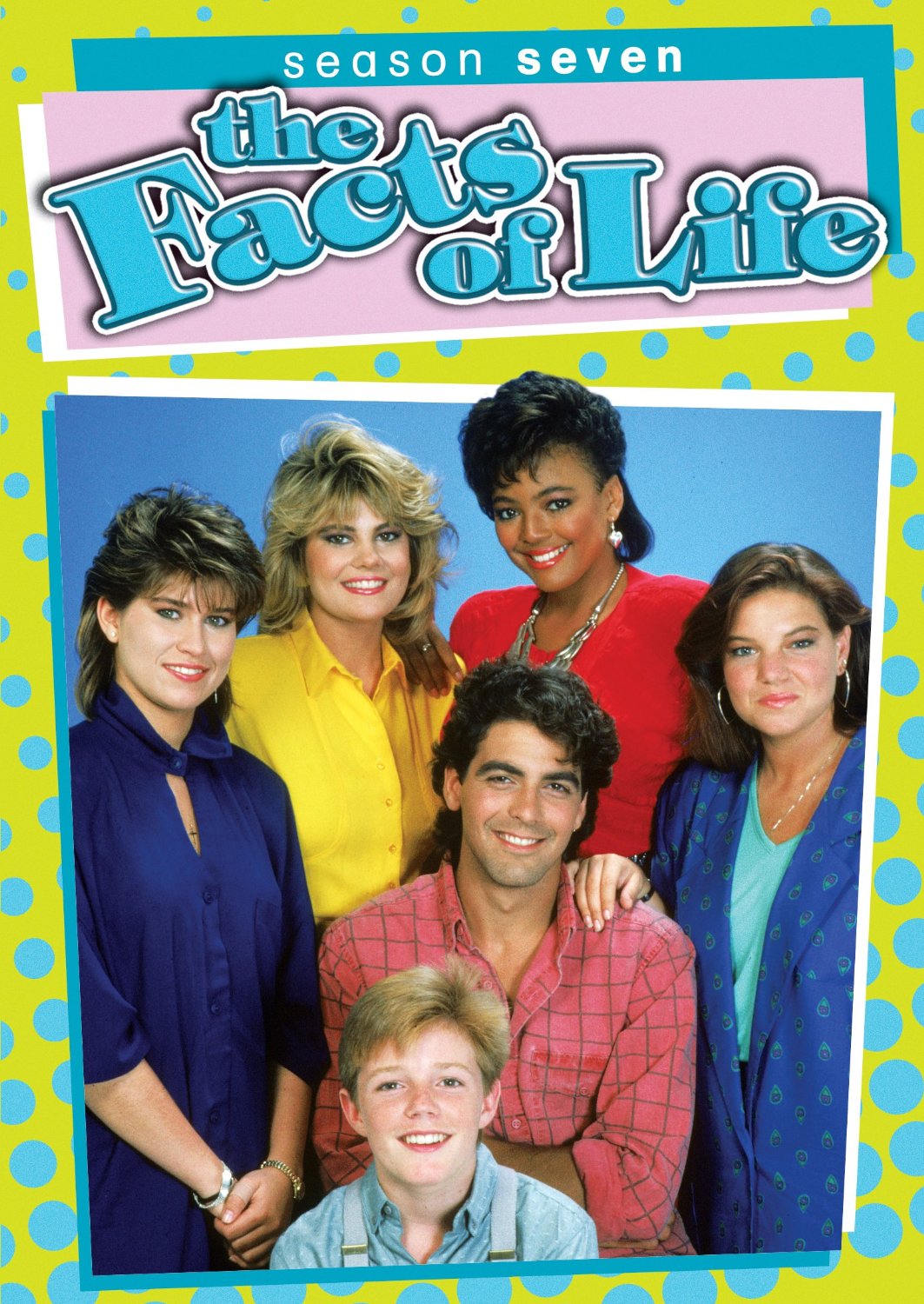
Does anyone remember The Facts of Life? The show ran from 1979 to 1988, but then there was syndication and some reunion movies. So it had a long life and was consistently popular for its predominantly female cast. Where are they now? Blair (Lisa Whelchel) did very well on the 2012 season of Survivor, for one. They were all very young when the show started but were beginning to consider college and apartments in the final years, leaving behind the safe confines that Edna Garrett (Charlotte Rae) had provided. But over the years various cast members came and went. There is a young wise guy in this season who later became a big star.

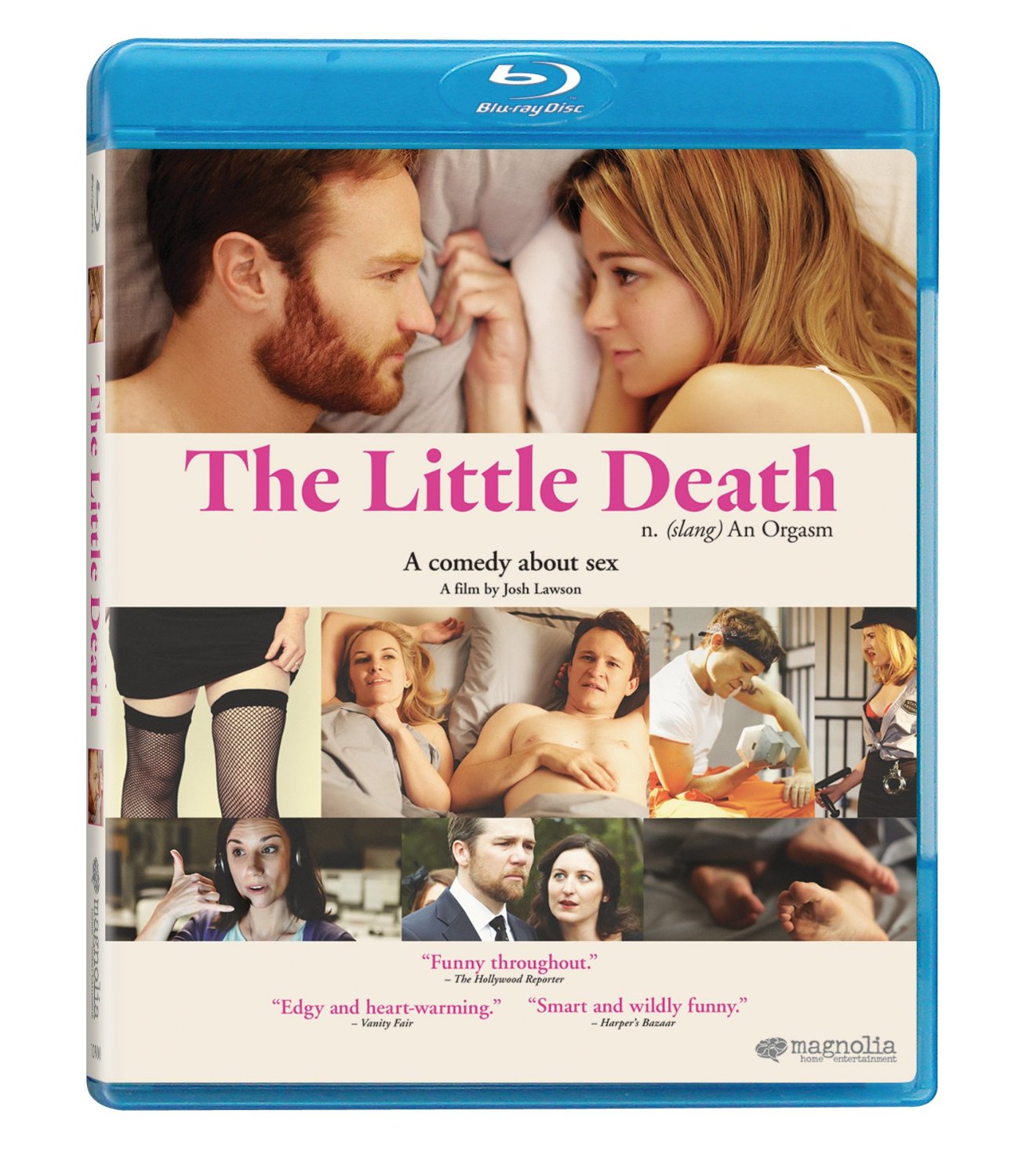
“Whatever happened to good old-fashioned, run-of-the-mill sex?”

On its surface, The Little Death looks and sounds like the glossy, crowd-pleasing romantic comedies Nora Ephron (Sleepless in Seattle, You’ve Got Mail) used to make. But it becomes apparent rather quickly that no one in this funny, insightful, uneven Australian comedy is having “run-of-the-mill sex.” The movie’s jazzy, jukebox-y score also made me occasionally think of Woody Allen films, which is fitting because Everything You Always Wanted to Know About Sex* (*But Were Afraid to Ask) easily could’ve been an alternate title for The Little Death.

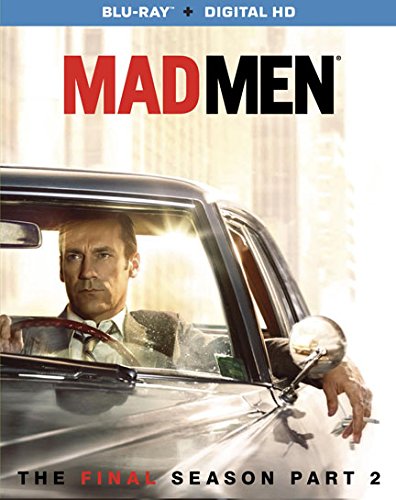
“This is the beginning of something, not the end.”

There weren’t any Lost-style mysteries to be resolved here. And unlike The Sopranos or Breaking Bad, this particular series never really hinged on whether the lead character lived or died. (Although a moment in Ep. 5/“Lost Horizon” seems to nod toward fan speculation that Don Draper would take a tumble similar to the silhouette from the show’s iconic opening credits.) Instead, the final season of Mad Men — more than any other all-time great show I can remember — is directly about the end of things.

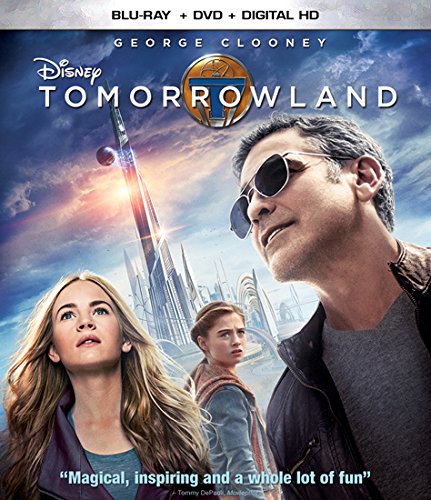
Walt Disney was a dreamer. Some of his dreams were realized. Some were not. Disney built a kingdom. He built more than one, in fact. One of Walt's dreams that was not realized was the experimental prototype community of tomorrow (EPCOT). He did incorporate some of the ideas of EPCOT into the Disney World theme park, but it was a mere shadow of the original dream. One of the essential elements of EPCOT was, and is, Tomorrowland.  Disney was widely admired in the 1960's by urban planners for his visionary views about the possibilities of the future.
Unfortunately, Disney died in 1966, and the board of directors severely cut back Walt's original vision.