Disc Reviews

“I'm not a scientist, although I do play one on TV occasionally. Ok...hell, more than occasionally.”

The “I'm not a _____, but I play one on TV” catchphrase transcended its humble origins to become the go-to, jokey line for anybody who feels empowered to speak outside their area of expertise. Merchants of Doubt, however, isn't concerned with soap opera actors trying to sell Vicks on television. Instead, this flashy, funny, well-researched documentary examines the select group of people who present themselves as scientific authorities to the public. It also argues that they purposefully create confusion with the goal of maintaining a very lucrative status quo.

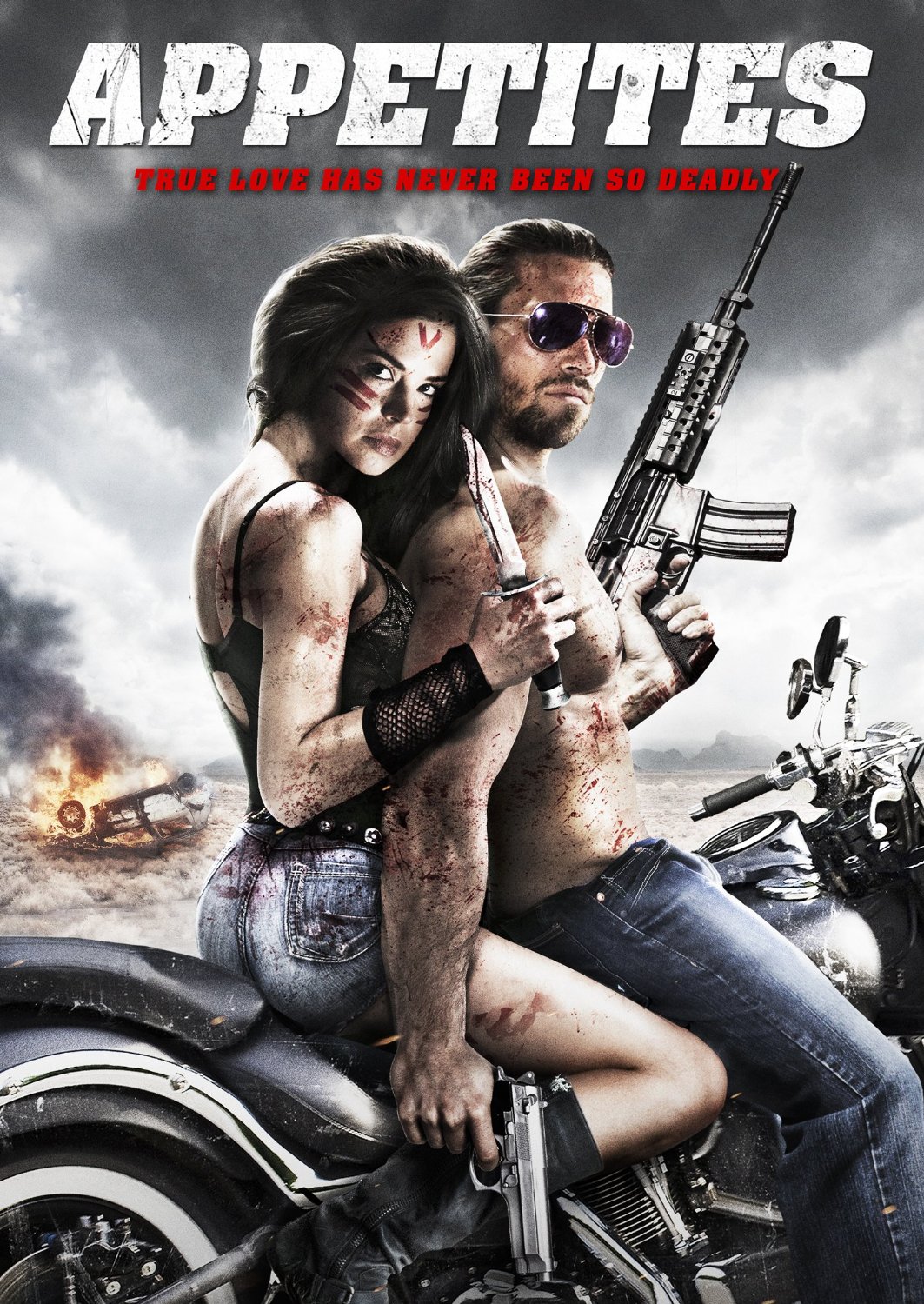
"When I first took the deal to become an undercover informant in a biker gang, I did it to save my own skin. But over the next three years, putting bad guys away became my personal mission. I saw it as a chance to make amends for my past mistakes, but I paid a heavy price. I'm Charles Falco, and this is my story." 

So, who the heck is Charles Falco? For a while he was a rather successful meth cook who was pulling in 100 g's a month. He appeared to have it all: fast cars, big house, and a trophy wife. The problem is that he got hooked on his own product. That leads to mistakes, and he lost it all when the cops came busting in to topple his drug empire. He faced 20 years or more in prison, and there was only one way out of the mess. The feds had just lost their informant inside the infamous Vagos motorcycle gang. When I say lost, we're talking a hole in the head followed by an unmarked hole in the desert. Falco could work off his time by infiltrating the gang. Of course, he didn't even know how to ride a bike. This should get interesting, and sometimes it does. The problem is that sometimes it doesn't.

by Dustin P. Anderson

We follow Tony Duran, a washed up performer who was never a big name to anyone, and whose life is starting to fall apart. He has become an obese alcoholic who stacks lies on top of lies in order to not seem like the bad guy to the people who still care about him (all two of them). After one last attempt to get some money so he can pay off some of his increasing debt, his son turns away from him. In the aftermath of this, Tony’s friend Jerry challenges him to become a better person. He gets Tony to sing in front of people (like he once did), and Tony’s eyes finally open to the truth. He sets off to lose some weight, stop drinking, and prepare for a show that Jerry has lined up for him.

Awaken is a fantastic example of the idea that less is more. The film has a great deal going for it: an intriguing story, a rather noteworthy cast, and a strong leading actress, among other things. But at what point do filmmakers decide to say, “when”? Each of the film’s strengths I have listed end up overflowing, causing a rather disappointing mess that could have been avoided with just a little less of everything. Beginning with the interesting concept, the basic plot is as follows: Billie Kope (Natalie Burn) wakes up on an island with no recollection of how she got there. Upon further exploration, she meets a group of people who are being hunted by military personnel for an unknown reason. Once they regroup, she learns that each individual of the group similarly woke up on the island without recollection of getting there. The plot thickens when we learn that they have been carefully selected by their rare blood type and brought to the island as “donors” for clients who are willing to pay top dollar to harvest needed organs for either themselves or their loved ones.

While the idea of “strangers mysteriously appearing somewhere” is a frequently used plot device, I think the initial intervention of harvesting the organs was unique enough to carry the film where it needed to go. However, the writers did not. Instead, they introduce a parallel plotline for Billie’s character. She ends up on the island while following clues, leading to her long-lost sister. Ultimately this plotline was rather weak, and when combined with the more intriguing story, it feels as if it were an awkward juggling act. This hurt the climax of the film, as the falling action involved an underdeveloped bond between Billie and her sister. I appreciate the eagerness to bring more originality into the aforementioned “strangers” formula, but much of the additional plotline didn’t blend well with the initial intriguing concept.

Maggie is a slow zombie movie. You might assume I'm describing where this film falls on the fast zombie vs. slow zombie spectrum. (For the record, the monsters in Maggie do move at a decidedly deliberate pace.) However, the deliberate pace also applies to the way first-time director Henry Hobson unfurls his story in this bleak zombie drama. Everybody in this film — including a playing-against-type Arnold Schwarzenegger — shuffles and lumbers their way through their lives, whether or not they've been infected with a lethal virus. In other words, this is pretty much the last thing you'd expect from a movie that has both Schwarzenegger and zombies...and that's a big reason of why I dig it.

The action picks up a few months after the worldwide outbreak of the Necroambulist virus. I find this to be a curious and interesting time to check in on a global catastrophe. (Think 28 Weeks Later.) Most films either dramatize this sort outbreak as it's happening and our heroes try to prevent it, or they are post-apocalyptic stories that don't begin until well after the world has been laid to waste. As a result, Maggie can probably be best described as “mid-apocalyptic.”

"During the long, dark period of the Great Wars, an elite class of soldier rose from battle. Their unbreakable code was simple: possess a noble heart of courage, right conduct, and absolute devotion to one's master. From out of those years of bloodshed an empire would emerge. Its power would assimilate persons of every color, creed, and faith. This uncontested rule eroded the traditions of the great knights... but not for all."

Last Knights is an ambitious direct-to-video production. It sports a rather elite class of actors headed by Morgan Freeman, who adds a ton of gravitas to any role he plays. The sets and computer-generated extensions provide the film a rather stirring environment in which to tell an epic tale that owes more than a little to the classic Ronin 47 story. The snow-driven locations in the Czech Republic provide that final sweet element that takes this film far above the usual kinds of films we find in the direct-to-video market.

Anybody can jump a motorcycle. The trouble begins when you try to land it.”

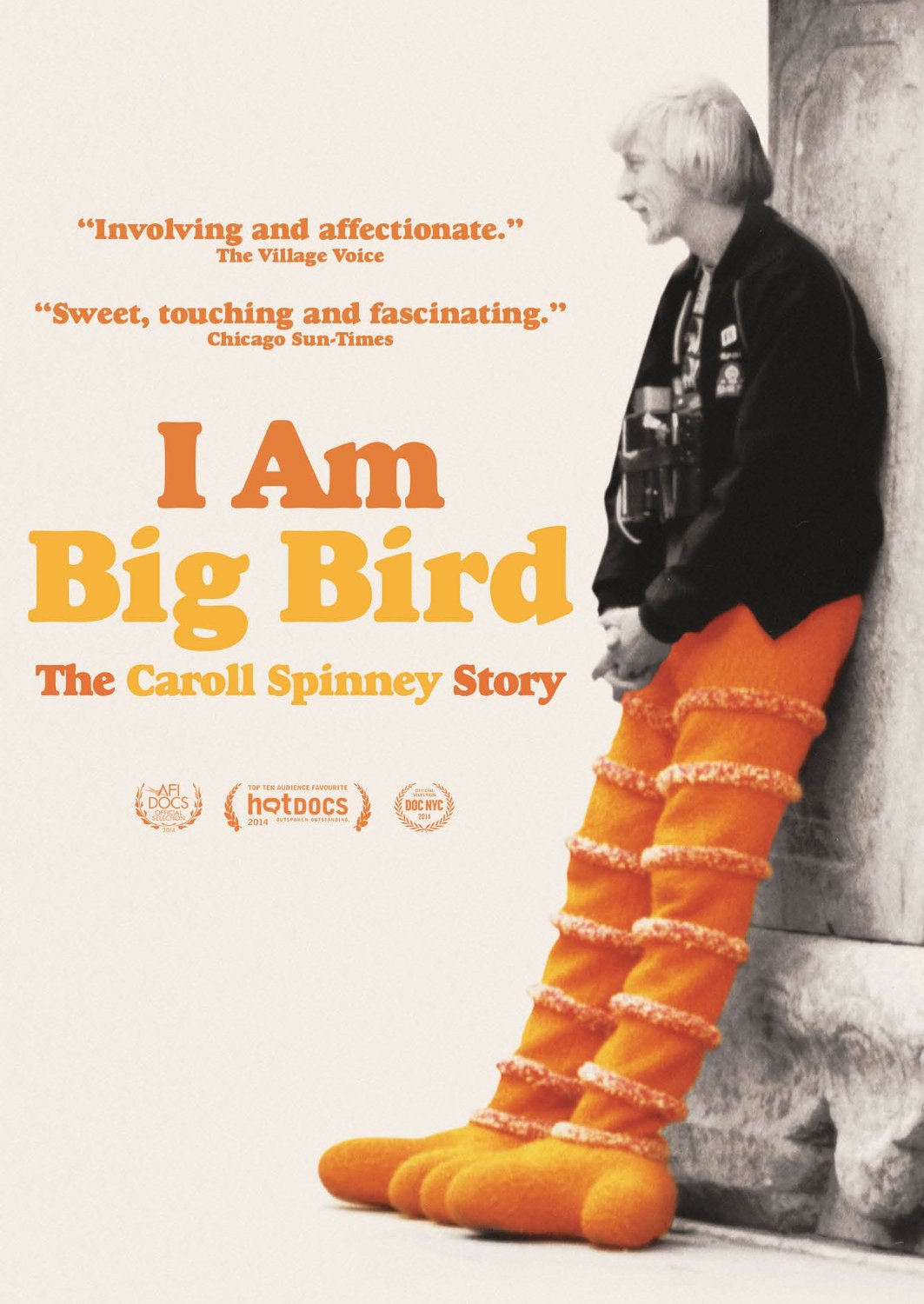
There's a segment in I Am Evel Knievel that features some of Knievel's contemporaries — along with a few of the younger extreme sports athletes he inspired — breaking down just how difficult it is to jump a motorcycle across vast distances. (Especially when you're using relatively primitive equipment the way Knievel was.) Long story short, the crucial components are guts and a mental makeup that doesn't allow you to overthink or dwell on the insanity of what you're about to do. This entertaining documentary succeeds in illustrating how Knievel had both of those qualities in spades.

What young 1970’s pup, learning to play a guitar for the first time, didn’t, at one time or another, attempt to imitate Pete Townsend’s windmill power chord strum? I count myself in that group. While I was not a very dedicated Who fan, I had an appreciation for the musicianship. There were still songs like Pinball Wizard and Behind Blue Eyes that I would embrace as if they were my own anthems in those days. It would be hard to deny that The Who is one of the most successful rock bands in history. Part of the original British Invasion of the 1960’s, there are few such acts that are even still around, let alone able to fill the huge stadiums and halls of Rock’s yesteryears. Their songs have become anthems, and their antics have become legend. The band wrote the soundtrack for an entire generation, and proudly touted the fact in aptly named song, My Generation. Banned from all Holiday Inns at one time for their well publicized trashing of rooms, they weren’t any easier on their own instruments. Smashing their instruments and amps on stage became a staple, for a while, of the whole Who experience. They’ve inspired a legion of superstars, and now after more than 40 years of rocking, they soldier on.

Their influence goes beyond just rock music. All three of the CSI franchise shows sport Who songs for their opening credit sequences. They’ve been lampooned on South Park and The Simpsons. They were once referred to as The Band That Wouldn’t Go Away, and that was more than 30 years ago. And it was about that time just a little over 30 years ago that the band performed a legendary show at New York's Shea Stadium. Looking at the Mets abysmal 65-win season in 1982, it looks like The Who might have had more hits there than the baseball team.

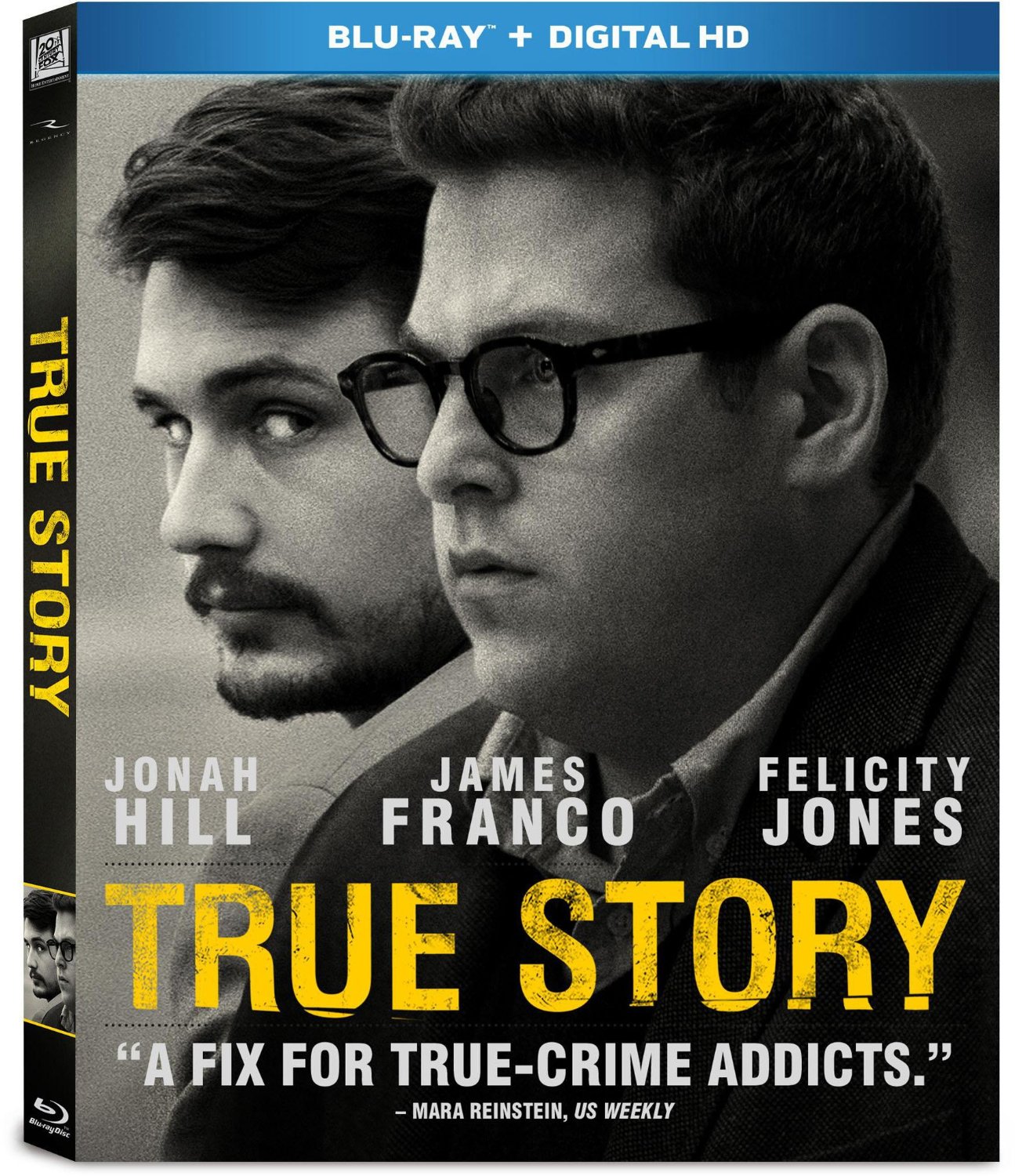
Interpretation, that’s pretty much all a true crime story is. The thing about interpretation is it does not guarantee an accurate account of the facts, just one person’s perspective of transpired events, meaning what you see could either be true, partially true, or a complete fabrication.  When it comes to We are Monsters, what you believe will be entirely up to you, because it definitely doesn’t pull any punches whatsoever. Told from the perspective of the killer, the story shows his decline into madness as well as a multitude of flashbacks that simply left me questioning how this guy wasn’t locked away sooner and why the key wasn’t encased in a concrete slab.

The story starts with Rob Stewart entering what seems to be a minimum-security facility for juvenile offenders. Through some kind of error, the guards do not have all the details about this offender at their disposal, such as his psych records and prior offenses. Believing him to be a non-threat, he roomed with another offender who is due to be released in a few weeks. What the guards miss is Stewart, a delusional psychopath with racial violent tendencies. Throughout the film, several instances illustrating the threat Stewart poses are brought to the attention to the superintendent of the facility, ranging from racial explicit letters to an inmate relocation request, all of which are ignored due to the facility’s overcrowding as well as what can only be viewed as a general lack of motivation and caring on the part of the staff.  The continuation of Stewart’s delusions as well as the inaction of the guards all culminate in an act that will leave a family devastated.

It is always a privilege to watch an Official Selection of the Sundance Film Festival.  I have had the pleasure to screen a few films from Sundance 2013, and I have not been disappointed. Soldate Jeanette (‘Soldier Jane’ translated to English) is not the most captivating I have seen from Sundance, but with its digital camera aesthetics and visually striking images, it definitely carries a certain charm. Director Daniel Hoesl’s first feature-length film focuses on Fanni, an aging woman who is faced with eviction from her apartment. Fanni considers rent an unnecessary expense after twenty long years of living in her home, so she has refused to pay rent for the last three. Instead she spends her money on leisurely activities such as Tae Kwon Do classes or going to the Cineplex to watch silent films. Eventually her ignorance of standard living expenses catches up to her, and she escapes to the country, evading every necessary payment possible, be it a train ticket or a rental car (she takes a dealership car for a “test drive”).  Soon Fanni finds herself at a farm run by a group of men and a woman named Anna, who begins to look at Fanni with jealousy. Eventually, Fanni and Anna develop a meaningful friendship.

This film’s biggest enemy is its pace. While it has very intriguing content, the amount of time it takes to either resolve conflict or introduce new conflict is very difficult to sit through. I am normally a fan of long takes or lingering shots, but in this film they are a dime a dozen. Because they are so frequent, it is hard to find a solid purpose in their existence (if they have any purpose at all). Largely, they are frustrating. If viewer frustration was Mr. Hoesl’s goal in consistent lingering scenes or long takes of minimal activity, he certainly achieved it. This is unfortunate, as the film has such incredible strength behind the snail-like pace.