Disc Reviews

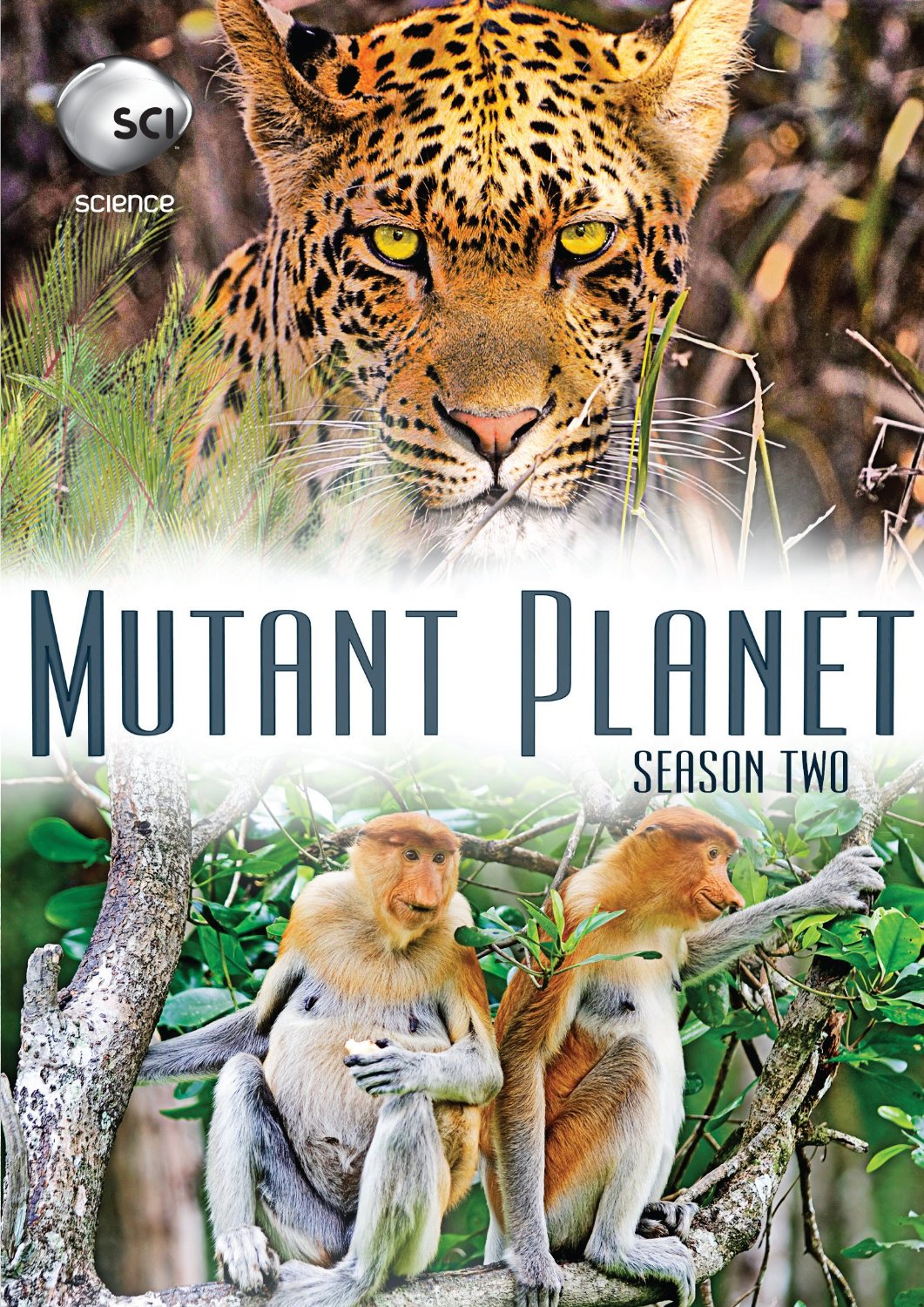
As one who uses animal shows as a precursor to taking a nap -- much like Pavlov’s theory when I hear the melodious voice of the narrator, I drift off into a restful slumber -- I expected the same experience with the second season of Science Channel’s Mutant Planet. Having never experienced season one, with popcorn and large cup of coffee in hand, sitting – not reclining -- in my living room recliner – I was ready to ward off the yawns. Boy, was I was wrong. Mutant Planet Season Two in its glorious five-episode 220-minute runtime is, in one word, amazing. I was not expecting to say “wow” every 10 or so minutes, but that’s exactly what I did watching what animals did to adapt to their ever-changing surroundings.

"What you're talking about is a one-way street, you understand? Once you start there is no going back."

Ah, but there is going back if you're watching Kill Me Three Times. I don't necessarily mean that you'll want to watch the film over again (you might). Kill Me Three Times is a bit of a collection of vignettes that continue to circle back upon each other. Each time you get a different perspective or a bit of new information is unveiled. For those of you who insist on a linear logic to your films, this one's not for you. In fact, those of you who insist on logic at all might not quite get this one.

Typically I do not seek out modern war films for leisure watching. They may take great strides to make battles seem realistic, or just more extreme. Normally with the focus on cinematography and editing, the depth of the story is sacrificed in the process. Sure, you have a narrative to follow, but ultimately what satisfies is the visual masterpiece. For me, ’71 followed this pattern accurately, though I was pleasantly surprised with the visuals, as they went above and beyond my expectations.

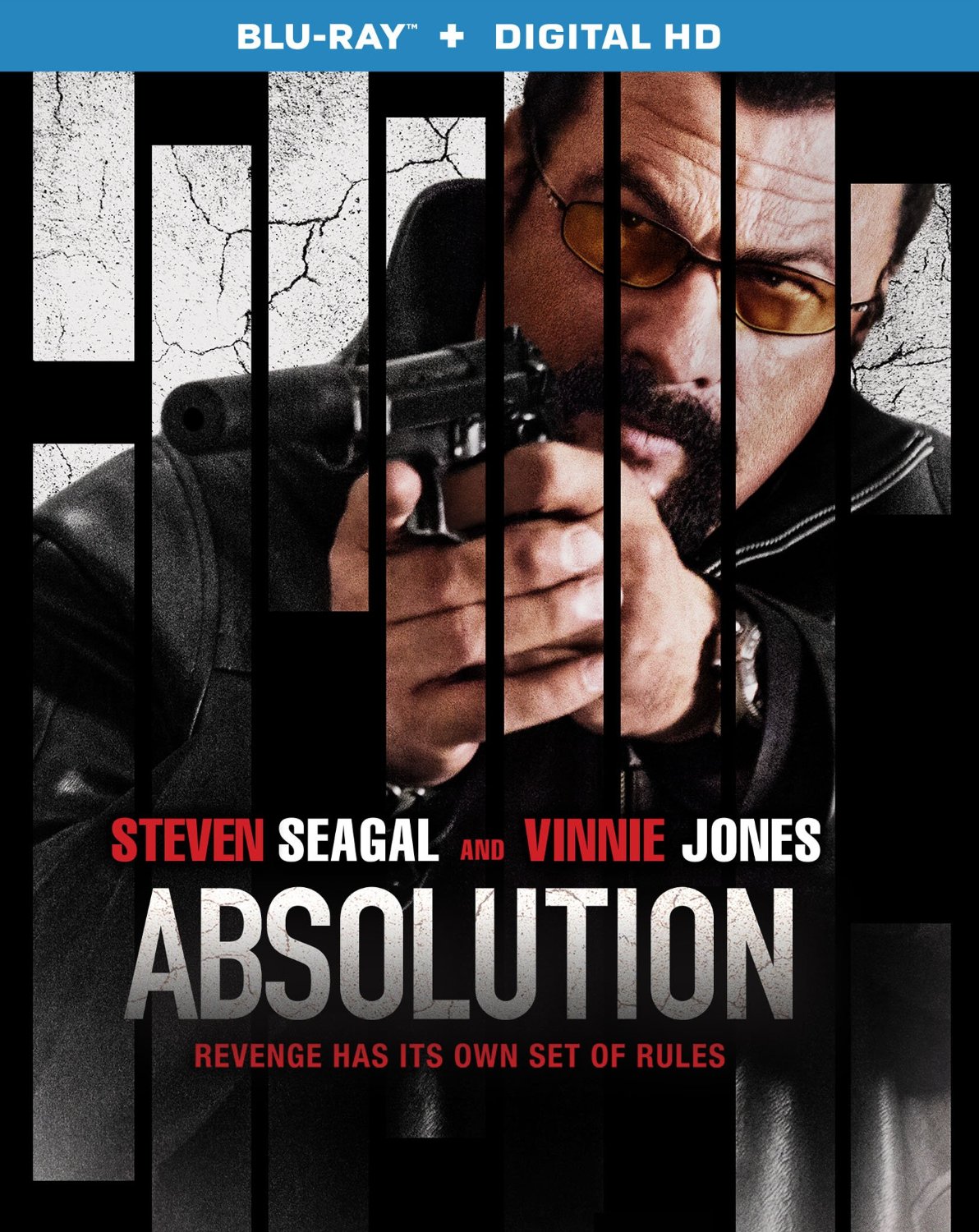
I wanna tell you something. I've been a bad man...I've been a very bad man most of my life. So, I decided I want to do one thing in my life. One good thing in my life before I die.”

Those words are spoken by elite contract killer John Alexander at the start of Absolution, a straight-to-DVD offering that is largely cobbled together from the spare parts of other junky action flicks. The film stars Steven Seagal, who was a very bad man on-screen during his early '90s heyday. John wants to do one good thing before his time is up; coincidentally, all I want is for Seagal to make one action movie that at least comes close to recapturing the spark that made him a star. Absolution is not that film.

I have often wondered how blood feuds got started in the western times. The Hatfield and McCoy feud is the most legendary, of course, except before long how the whole ordeal started just became a bunch of he said/she said. In the case of Echoes of War, it turns out that the feud that is sparked between the McCluskeys and the Rileys began over a just cause; however, the battle was bit one-sided and slow-paced for my liking. Not the mention the film does a bit of a 360 on me that really turns me against the person I spent the entire movie sympathizing with.

by Dustin P. Anderson

Jaden and friends are back for another semester at dual academy. Some friends have changed, like Syrus, who is now a Ra Yellow, and Cyrus’ brother Zane, who is now in the Pro League. This time, since Jaden’s old pal Chumley is gone, he is joined by another Ra Yellow student, Tyranno Hassleberry, a dinosaur dualist with a military mindset; however, with new friends comes a new evil for Jaden to fight, the light: a mind-controlling entity that is taking over the school, trying to take over the world, and has Jaden is in his crosshairs. Can Jaden save his friends, and save the world, without getting controlled by the light?

"There was a time when, if you told me werewolves existed that I would have laughed. I don't laugh at much anymore."

From the very beginning one can see there is great potential here. The show is based on a collection of books that appear to be popular. They're called The Outworld series, written by Canadian author Kelley Armstrong. The show avoids most of the standard clichés. There is no full moon reference at all here. The werewolves "change" at will or when emotionally charged (“you won't like me when I'm angry”). There are no silver bullets.

by Dustin P. Anderson

There is no real story here. This is set as a competition/reality TV Series. The goal is for one team of survivors to get out of an infected zombie prison. The twist is that the contestants are all YouTube personalities. They must first get out of the room they wake up in, then go to get an antidote, then give the antidote to a doctor, then get out of the facility. The concept for this was intriguing, but the application was sloppy at best. During the entire production you are reminded of how low-budget this series is, whether you are listening to the overly cliché horror music or getting motion sickness from the camera.

In 1976 a New York media group conducted a survey of the NYPD detectives. The question was: “Of all the TV cop shows, which most accurately portrays life as a detective?” The overwhelming response was the comedy Barney Miller. Seems real cops related to the daily grind and weekly wackos of Barney Miller. Let’s not put aside that this was also one of the most consistently funny shows on television. I remember it took me a while to accept Abe Vigoda in such a light role as Fish. My first exposure to Vigoda was the ruthless mobster in The Godfather. Barney Miller always managed to be funny while still telling a good short story. The characters were always wonderful.

There's a moment about halfway through Slow West where the two main characters partake in some absinthe. What follows is a disquietingly vivid dream and our two “heroes” essentially wobbling around until sobering up the next morning.The sequence is actually a pretty perfect encapsulation of what it feels like to watch Slow West, a woozy and refreshingly off-center entry into the Western canon.