Disc Reviews

It was 2007 when Veronica Mars concluded its three-season run on the CW.  The door was left open for more seasons, and the season three set came with a bonus that showed us the direction things could have gone.  But after one of the most successful Kickstarter campaigns and seven years later, fans of the show will finally get to see their favorite little marshmallow, Veronica Mars, on one last investigation.  I’m going to come out and say it; I was a big fan of the show. The high school noir series was more than just your standard teen melodrama.  Veronica Mars seemed to always evoke the hard-boiled spirit of Raymond Chandler detective yarns, only it boasted a good-looking cast that spit witty dialog and pop culture references.

The film introduces us to a  more mature and refined Veronica (Kristen Bell) who has moved on from being the teenage private eye and is now applying to law firms.  She’s come a long way, (literally across country) and has tried to make a life for herself in New York with her boyfriend Piz (Chris Lowell).  Everything was going as planned until Veronica sees on the news that her old flame, Logan Echolls (Jason Dohring) is under investigation for murdering his girlfriend.  The heart strings are tugged for Veronica, and she hops a plane to travel back home to Neptune and help him out.

Call Me Crazy is about mental illness. It tells five different stories with women’s names as titles (well, one exception confirms the rule). Mental illness is an extremely important topic because an enormous part of the population is mentally ill. This collection deals with women mostly, but it should be noted that men are just as crazy but in different ways. This film is a followup to another film called Five about breast cancer. Both films have a heavy group of heavy hitters on both sides of the camera. They are produced by the Lifetime network, and both films are to be considered prestige projects for them. Mental illness is more of a sad secret in most families (although having a mastectomy still has some stigma, as well). It is something to be hidden and ashamed of. It shouldn't be. That is part of the point to Call Me Crazy. It wants to show that we should all work together to help people with mental illness. These problems are as real as cancer. I have seen it many times firsthand.

Lucy (Brittany Snow) is a law student with a little problem. She hears voices all the time, and they hate her and torment her. That is called schizophrenia, which is carefully pointed out to be completely different from multiple personality disorder. She winds up at a fancy hospital with serene psychiatrist Dr. Nance (Oscar winner Octavia Spencer). It is directed by movie star Bryce Dallas Howard, daughter of movie star/famed director Ron Howard (she even throws a small part to her uncle, Clint). Lucy has come to see that Dr. Nance was right all along when she said that medications would allow her to live a more normal life. She has a brief encounter with Bruce (Jason Ritter, son of John) in group therapy. He is sweet to her but then has to leave when his insurance runs out. It is obvious her story is not over.

Craig Morrison was in his late 80’s the first time he got in trouble with the law. Still Mine tells the real-life story of the Canadian octogenarian who found himself in court facing the prospect of jail time. In case you’re wondering, Morrison didn’t rob a bank or cheat on his taxes. He merely wanted to build a modest house on his own property that could better accommodate his ailing wife. And he insisted on doing it himself.

The film opens with a tired-looking Craig (James Cromwell) preparing himself to make a statement in court. The action flashes back two years, and we see Craig on the expansive 2,000-acre New Brunswick property he shares with his wife Irene (Genevieve Bujold). We eventually learn the couple has been married for 61 years, but the playful, tender rapport between Cromwell and Bujold conveys that connection within minutes. Just as surely as we get glimpses into their loving relationship, we also get hints at some of the problems beneath the surface. Craig’s cattle and strawberry businesses begin to falter, while Irene absentmindedly leaves an oven mitt laying across a hot stove and forgets that some misplaced actually belongs to her.

Following the live performance of Madea’s Neighbors From Hell captured on this DVD, Tyler Perry joins his fellow cast members on stage after they’ve all taken their bows. Perry has ditched his Madea drag and takes to the microphone to thank his fervent, loyal fans for their support. You probably know Perry because of the phenomenal success he has enjoyed in TV and movies. (And because he puts his name on practically everything he does.) However, Perry is quick to remind his audience that it all started on the stage.

Madea’s Neighbors From Hell premiered in Atlanta last year. As you probably guessed from the title, the play features Perry’s most famous creation: the towering, tough-talking Mabel “Madea” Simmons. I realize the character is Perry’s bread-and-butter, but it’s still a little jarring to see the uber-rich multi-hyphenate treading the boards in a direct-to-DVD movie.

"Let's Be Careful Out There!"

It started as a mid-season replacement on NBC and ended up anchoring NBC's famous Thursday night lineup for seven years. In that time Hill Street Blues racked up enough awards to fill a lot of trophy cases. The face of television would be changed forever. There was nothing like it before, and there hasn't been anything like it since. It was a breeding ground for brilliant television show-runners like Scott Brazil (The Shield), David S. Milch (Deadwood), Walon Green (ER), Dick Wolf (Law & Order), Ken Olin (Alias) and David Black (CSI:Miami). In football they talk about coaching trees which include successful coaches who came under the tutelage of certain iconic men. In television you won't find a larger coaching tree than Steven Bochco and Hill Street Blues. You can add the likes of David E. Kelley (Boston Legal) and Rick Wallace (The Closer).

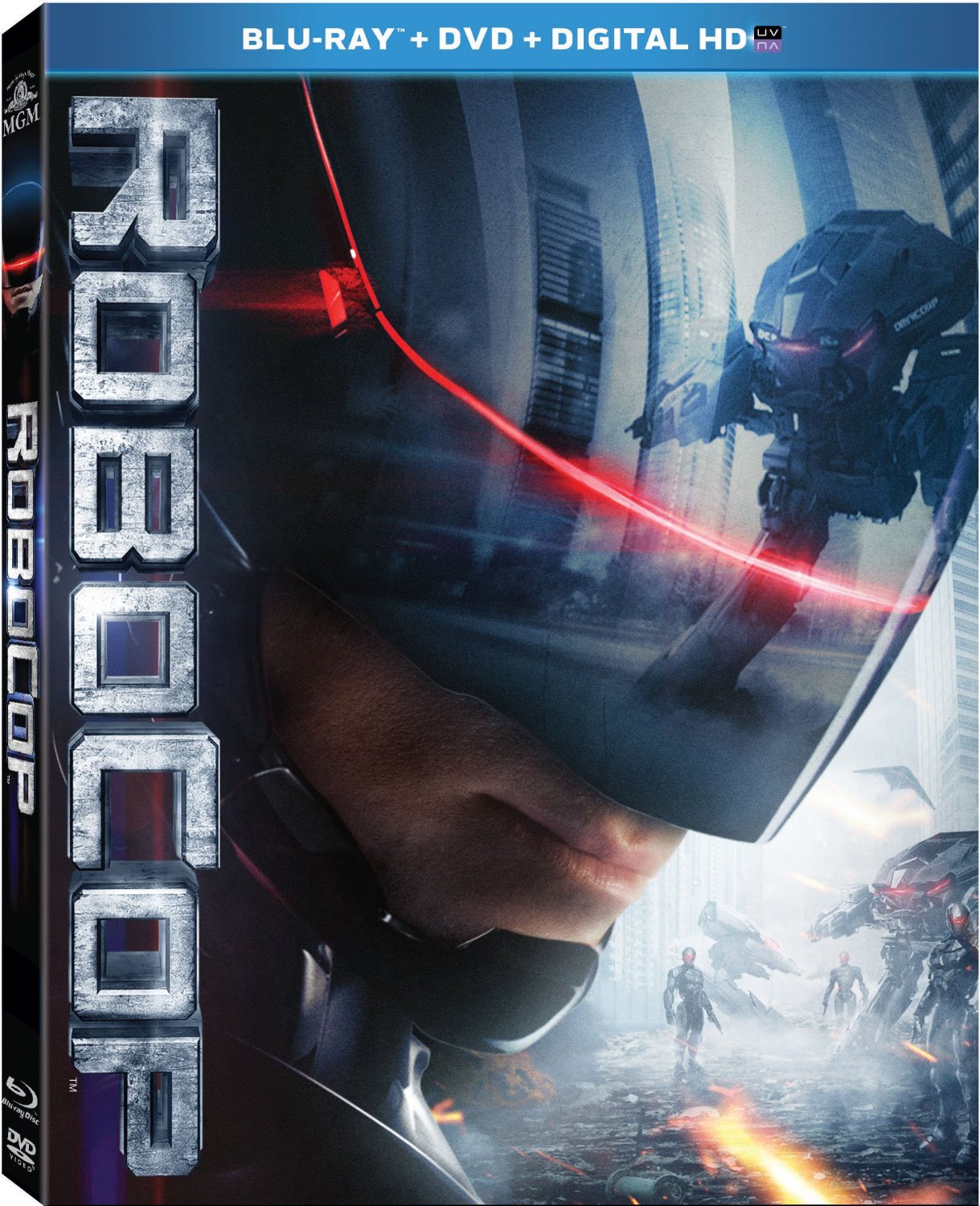
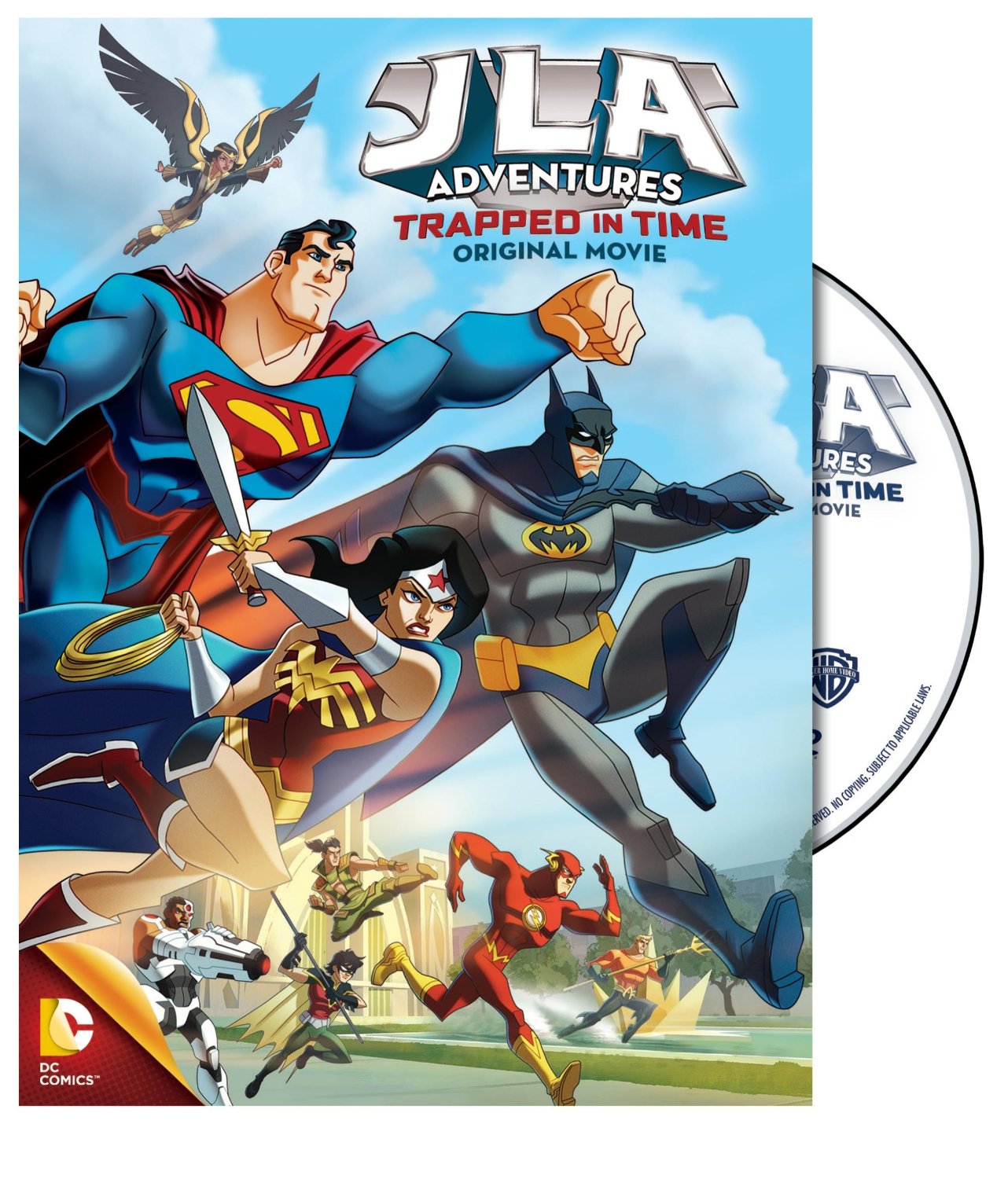
When it comes to the feud between Marvel and DC film adaptions, I think we can all agree Marvel at this point may be winning the battles on the big screen, but when it comes to the animated films DC has been delivering hit after hit. Perhaps it’s because the landscape in animation is virtually unlimited and comes with a significantly smaller price tag to deliver.  With the new animated release from Warner Brothers we get a new Batman film that goes where we haven’t seen the caped crusader go, and that is into the shoes of fatherhood.  Before you get to thrown by the idea, this isn’t a costume hero version of Three Men and a Baby, but instead something much darker and well deserving of its PG-13 rating.

The League of Assassins are in the middle of training when we first meet Damien (voiced by Stuart Allen); he’s the grandchild of the leader of the league as well as a long standing foe to Batman Ra’s al Ghul.  Damien hasn’t simply lived the life of luxury, but instead has lived a life training to be a deadly assassin.  I’d love to see this kid in public school dealing with school yard bullies, but this isn’t that story.  His mother, Talia al Ghul (voiced by Morena Baccarin) is firm but loving, and her true nature comes through as the temple is attacked by an army of armed ninjas.  The battle is intense, and despite all the training by the League of Assassins, they are simply no match for the firepower that is unleashed.  Damien isn’t one to run and hide; he doesn’t hesitate to pick up a weapon and fight.  Leading this hostile takeover is Deathstroke (voiced by Thomas Gibson); he’s filled with rage and wants to rule the league and kills Ra’s al Ghul in the process.

I do wish I could be content, but...”

You cannot.”

It’s been a while since a movie has been released that broke the rules on how we expected a film to be made.  Avatar was the last game changer, I would say, considering it gave audiences a new way to see films in 3D.  Sure, hundreds of millions of dollars were invested in that film, and the reward for bringing audiences something different is it being the highest box office grosser ever.  Escape From Tomorrow goes in the opposite direction, and to be matter of fact about it, the film shouldn’t even exist.  But writer/director Randy Moore pulled off something that is an achievement that deserves praise for filming his sci-fi satire on location at Disney, without their permission.

I’ll be the first to admit, the gimmick of filming a movie without permission on the grounds of any amusement park intrigues me.  It’s the film student in me that curses Moore for pulling this off, but I have so much respect for this guerilla filmmaking spectacle.  And that is what this film is about, the spectacle of Disney and the pedestal we put it on in our society.  As kids we all had these hopes and dreams of just what it would be like to experience the Magic Kingdom, and as many people get older we wish to share this experience with our own kids and hope to recapture that experience when we were younger.  But age has a funny way on changing our perspectives, and though certain things may never change, our understanding of things seems to evolve.

There is something I find unsettling about an amusement park after hours, when all the rides are shut down and the laughter and screaming of kids running around are gone.  These parks, for the most part, are designed to take us to another time or another world where reality is how the park engineers design it to be.  So when Skip (Jason Spisak) arrives at the Old West theme park to be the overnight janitor, I could appreciate the surreal world he would be stepping into.  As we go along with him on a tour during his first day, his guide and superior is played by Jon Gries, who seems to have a story for just about everything at the park.

The setup for the anthology is a bit hokey considering all these objects are supposed to tie into these grand little tales that the guy is telling, but it does keep the film going.  The first story is in fact also the most enjoyable of the films. It’s the story of a boxer who is down on his luck and seems to be on the verge of losing his career until a suspicious older man hands the boxer a pair of beat up old gloves.  Ricky Schroder fills in the gloves of the boxer and actually brings in the most notable performance of the film.  As he laces up his gloves and he steps into the ring, he transforms into a mean and lean fighter, and it becomes a challenge for him to hold back with opponents, one of whom he beats to death.  Unfortunately this story ends too soon, and from here on the film simply goes downhill.

It’s easy to envision the elevator pitch for Devil’s Due. You only need five words: “Rosemary’s Baby meets Paranormal Activity.” The upside is obvious. The idea of a demonic pregnancy has terrified and unsettled expectant mothers since Ira Levin published Rosemary’s Baby in 1967 and Roman Polanski adapted it for the big screen the following year. Meanwhile, the Paranormal Activity films made low-budget/found-footage domestic horror hugely profitable. The downside? You’re probably not topping Rosemary’s Baby, and horror audiences seem to be suffering from an acute case of found-footage fatigue.

“Children, it is the last hour. And as you have heard that the antichrist is coming, so now many antichrists will come. Therefore we know is the last hour.”