Disney

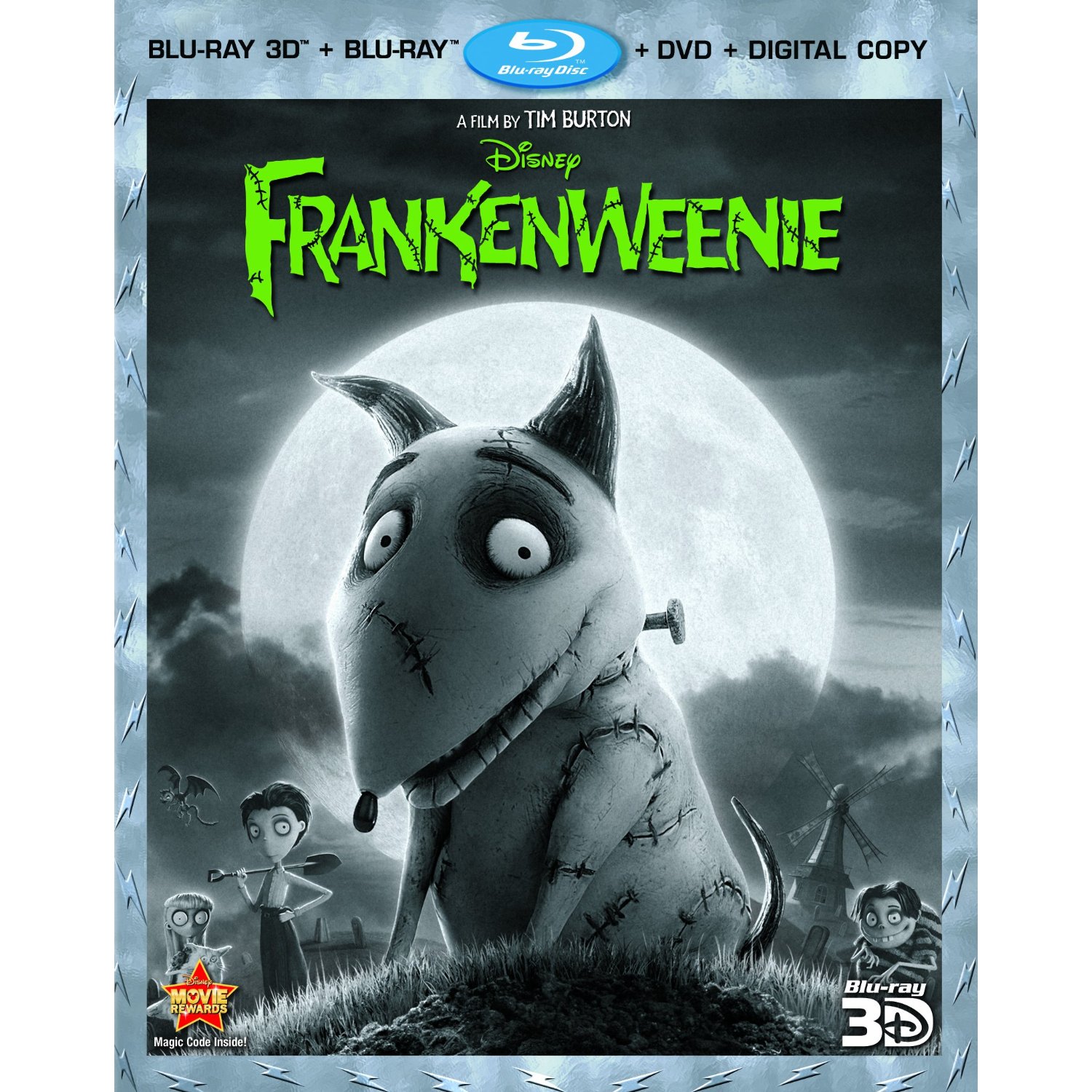
To his credit, Tim Burton has managed to keep the art of stop motion alive and well in Hollywood. He’s also proven that it can still be quite effective and just as commercial with such classics as A Nightmare Before Christmas. Since that time he’s had a modest number of hits and misses, but nothing that has come close to the holiday staple…until now. Frankenweenie is destined to become a Halloween tradition at our house, and I suspect I’m not alone.

Of course, Frankenweenie isn’t exactly a brand new idea. In 1984 Burton created a short film on the idea. It made the usual festival circuits and has shown up a couple of times as an extra on his more recent films. The original short certainly had its limitations, but it was a rather sweet little nugget that fans have been quietly enjoying for nearly 20 years. It’s actually a bit of a surprise that it’s taken the filmmaker this long to revisit the idea, but this time with a budget and running time geared for the mass audiences. Whatever the reasons for the delay, it was well worth the wait, particularly after Burton’s very disappointing take on Dark Shadows. While Frankenweenie might not completely redeem that colossal disappointment, it has gone a long way toward making me believe the filmmaker still has the wit and genius that have marked some of his earlier films.

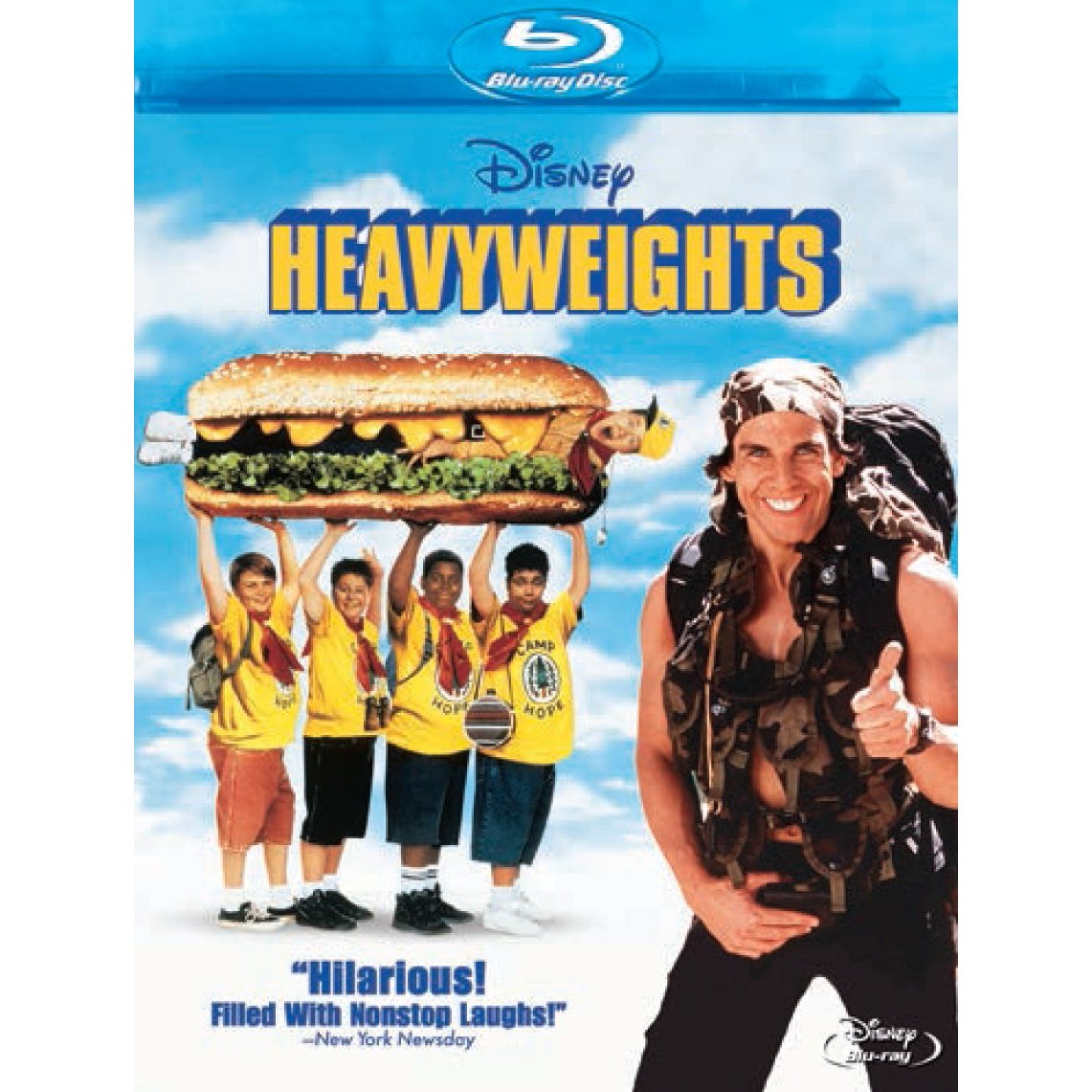
Most Disney live-action kid’s films do not have a kind memory in my heart. They feel contrived, full of soft characters and contain tons of bad comedy. They also proceed to force upon the audience some kind of weak message about morals and attempt to make us feel better about ourselves. This never works. However, today I have a shining light in the sea of bad Disney live-efforts and that film is the 1995 cult classic, Heavyweights.

The clock counts away the seconds until 3:00pm. The bell rings, it is the last day of school. Gerry Garner (played by Aaron Schwartz) misses his school bus and tries to run after it to no avail. He eventually gets home through some mishaps and his parents (played by Jeffery Tambor and Nancy Ringham) call him into the living room. There Gerry runs into a gentleman named Roger Johnson (played by Tim Blake Nelson).

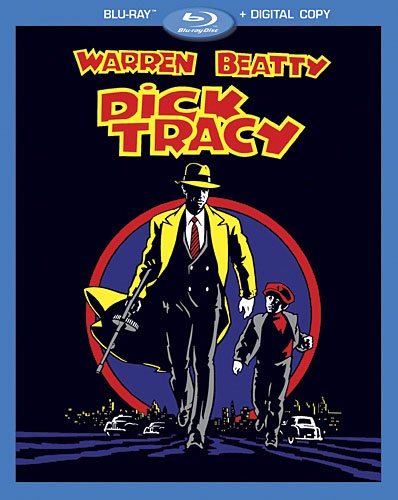
At the turn of the millennium, we seemed to collectively decide that we wanted our heroes to be dark and gritty. The X-Men traded in their yellow spandex for black leather in their first big-screen adventure. Batman went from exchanging quips and painful puns with Mr. Freeze to brooding magnificently for director Christopher Nolan. And Hollywood almost completely stopped making candy-colored spectacles like Dick Tracy.

It’s not difficult to understand why this happened. Though I have a soft spot for pulpy ‘90s period pieces like The Rocketeer, The Shadow and even The Phantom, they didn’t exactly set the box office on fire. The star-studded Dick Tracy was actually the most successful film from this group, grossing over $100 million, earning seven(!) Oscar nominations and winning three of those trophies. However, the fact that Dick Tracy’s closest doppelganger is probably the ultra-violent Sin City — another tale with tough-talking cops and crooks that looks like it was ripped directly from the pages of its source material for the big screen — tells you where moviemaking has gone from then to now.

"When you said you wanted an ocean view, you didn't think you'd get the whole ocean, did you?"

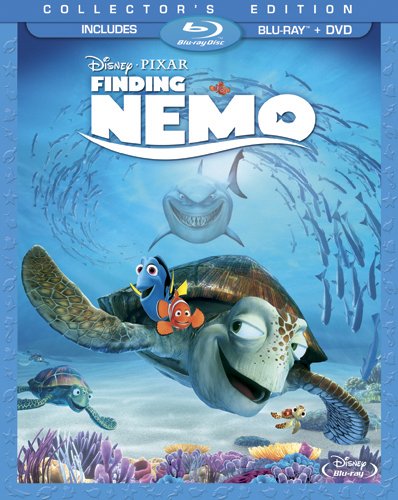
When Finding Nemo was released in May of 2003 there were a ton of skeptics. It was certainly a divergence from the tried and true Pixar formula, and even the people involved with the project were concerned that it would become Pixar's first flop. They needn't have worried. The film was far from a flop. It took in over $70 million in just its first weekend. The final total would be just shy of a billion dollars. The animated feature took the Oscar for best animated feature that year. But that would be just one of 35 awards the film would go on to win. Still, the true success of a film can not always be found in the box office take. Truly classic films are timeless. It's been one of Walt Disney's defining characteristics over the decades. It might be too early to tell if Finding Nemo will fit that timeless classic mold, but it has already left a pretty strong impact on our pop culture.

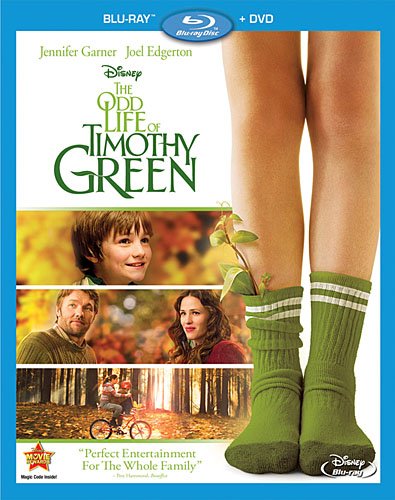
Some movie titles are almost comically blunt. Recent examples that didn’t leave much to moviegoers’ imaginations include Cowboys & Aliens, The 40-Year-Old Virgin and, of course, Snakes on a Plane. So when I saw the title of Disney’s latest live-action, family-friendly offering, I wondered just how odd this movie could really be. (At the end of the day, we’re still talking about a Disney film here.) Turns out, The Odd Life of Timothy Green is a strange little flick for a variety of reasons.

Jennifer Garner and Joel Edgerton star as Cindy and Jim Green, a childless couple living in fictional Stanleyville, “the Pencil Capital of the World.” The movie very quickly and subtly — no need to bum out or bore the younger members of the target audience — establishes Cindy and Jim are not able to have children of their own. The couple is understandably dejected. To cheer his wife up, Jim suggests they write down the qualities their ideal child would possess — including having a big heart and being honest to a fault — and place the pieces of paper in a box, which they bury in their garden.

"The ancients spoke of it. It is the heart of this fierce land. It is carried in the wind. Born of our legends, and when we are put to the test, it is the one thing that we must always be."

Readers of this site already know that I have a particular fondness for most of the films that have come from Pixar. The studio pretty much invented the computer-animated feature film, and they've been setting the bar higher with each new release. I've always thought it was rather fitting that the studio ended up as part of Disney. After all, it was the Mouse House that invented the animated feature to begin with. It all has a certain poetic destiny feel for me. Pixar is still leading the cutting edge. My favorite to date has been Monsters, Inc., and I am eagerly waiting for the Monsters University prequel, which is now only a year away. In the meantime, the powers that be over at Pixar have tossed us yet another original story: Brave.

“A dragon. A dragon. You bet we saw a dragon. So big and brave he came to save a village in distress. He kept the ship from crashing when he heard the SOS. He faced a group of villains and he fought them with success…”

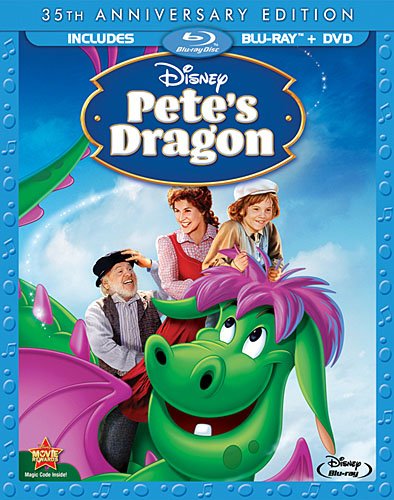
When Walt Disney Studios released Mary Poppins, the entertainment world was turned on its ears. The integration of live action footage with animation had never been done with such success before. The studio that nearly singlehandedly perfected modern methods of animation was also the studio that learned how to combine it almost seamlessly with real breathing actors. With the release of Pete’s Dragon many years later, audiences couldn’t wait for a peek at how far Disney had perfected the process in those years. While as children we got a big kick out of Pete’s Dragon, anyone looking for the latest in integration technology was in for a dragon-sized disappointment. The creature effects bore no resemblance whatsoever to that earlier technique. The animation itself was crude, by Disney standards at least, and never, not for a second, appeared as if it existed in the same place as the rest of the film. The beast’s green color would fluctuate in hue as well as brightness. There were many obvious mismatches where the two media connected. Even many of the actors’ sightlines were far off the mark. Walt Disney Studios took several steps backwards with the 1977 release of Pete’s Dragon.

Written by Bob Ross and David Annandale

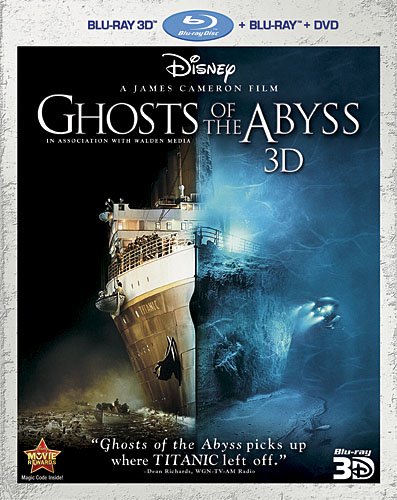
Bill Paxton accompanies James Cameron on another expedition to the Titanic, and narrates this documentary about their exploration of the ship. Though the narration is hobbled by an endless stream of pseudo-profundities, the underwater photography is simply stunning. Thanks to two remote-controlled robots, we get to see the interior of the ship. Computer animation and superimposed extras (the ghosts of the title) both re-create the ship as it once was, and help us visualize where…we are in the wreckage, and what transpired there.

"On the clearest of nights when the winds of the Etherium were calm and peaceful, the great merchant ships with their cargos of Arturian Solar Crystals felt safe and secure. Little did they suspect that they were being pursued by pirates."

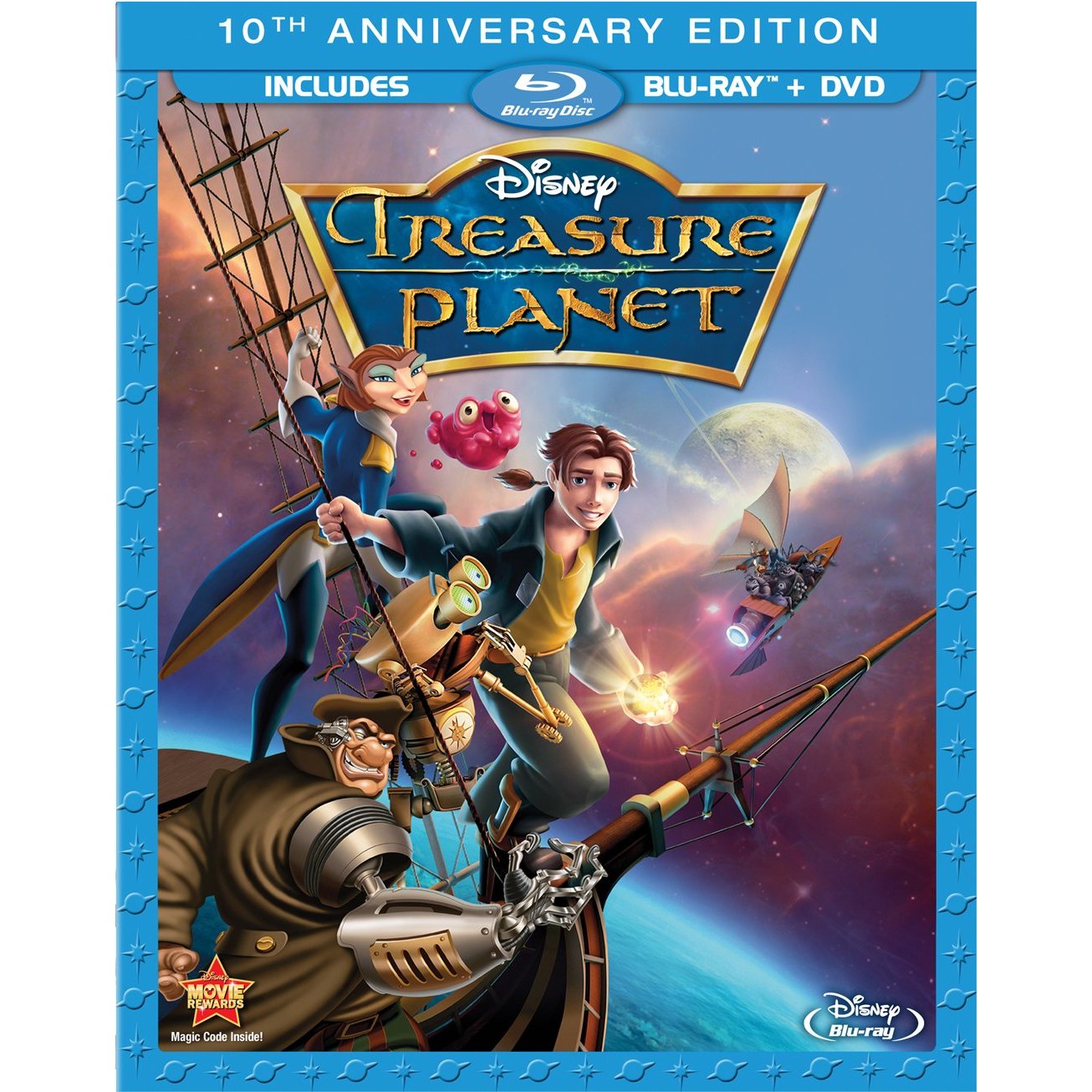
Everybody loves a pirate story, and Walt Disney Studios has made a good bit of money from that particular fact. The Pirates of the Caribbean ride and eventual Johnny Depp films have gone a long way to fill the booty chests of the studio to overflow. But, of course, Disney didn't invent the pirate sensation, and they were not the first to fully capitalize on their popularity. That honor might well fall to Robert Louis Stevenson and his 1883 novel Treasure Island. The book has been a favorite of daydreaming young boys and girls for well near 150 years. More than just a story of pirates and adventure, it's a story of self-discovery and coming of age. It's quite a timeless tale and has had several film versions over the years. In 2002 Walt Disney Animation took on the task and created an animated feature that used the material rather loosely and opted for a grand space adventure. The result was Treasure Planet.

The “Patch of Heaven” farm is about to be seized by the bank, unless $750.00 can be raised, and raised quickly. By lucky coincidence, that is precisely the reward being offered for the capture of cattle rustler Alameda Slim. Three plucky cows (voiced by Roseanne Barr, Judi Dench and Jennifer Tilly) decide to capture Slim and win the reward, thus saving their home.

The opening moments, with a series of Tex Avery-style catastrophes befalling an unfortunate rabbit, are very promising. Here and there are other patches of inspiration, such as when Slim reveals that his foolproof secret for stealing cattle is to hypnotize them by yodeling (leading into one of the stronger musical numbers). Unfortunately, in between are long stretches of flat storytelling and dull jokes. Roseanne Barr is as annoying a presence as a voice artist as she is an actor, and Cuba Gooding Jr.’s horse character is a pale imitation of Eddie Murphy’s work on Mulan and Shrek. There aren’t enough bones tossed to adults, and the two kids I was screening this with were bored out of the room in five minutes flat.