Disney

Athena here. That’s right, I’m the Siberian Husky that kind of runs things here at Gino’s house. Since I did such a great job doing the review on Snow Dogs, I decided to step in when I saw Gino watching yet another dog film. This time it was Walt Disney’s classic 101 Dalmatians. Naturally the film would have been better if it had been called 101 Siberian Huskies, but unfortunately the film was based on a popular children’s book by Dodie Smith who happened to have Dalmatians herself, so let’s not blame her; she didn’t know any better. Walt Disney himself discovered the story and took a personal interest in having it made into an animated film. 

I’ve gotten to see a lot of these Disney classics, and the first thing that I noticed is the film was made in a dramatically different style than the previous Disney projects. The studio decided to abandon its smooth animation with fluid motion in exchange for a far more art-deco look. I don’t know about you humans, but this movie was a little harder on this doggie’s eyeballs. Lines jitter and move in such a way that there is always movement even if everything is standing still. You have to understand that this was not a studio getting cheap or failing in its own quality control. The animation style was a conscious choice by production head Bill Peet. Walt himself was publicly dissatisfied with the style. He was far more attached to the very fluid style his studio had become known for. The look had much to do with a new Xerox process that allowed the original artist drawings to, for the first time, be transferred directly to the transparent cel. This, of course, put a lot of artists out of work who used to do those transfers. The cruder character design was offset by a far more detailed background design. Using actual photographic plates of London locations, the animators created visually detailed backgrounds for the film. The movie is front-loaded with the credits in some clever dog-spot animation. It takes nearly four minutes to get to the story. Your human puppies might get a little impatient. By the way, look for Dodie Smith’s small credit size. It was the only thing she complained about in the film of her book.

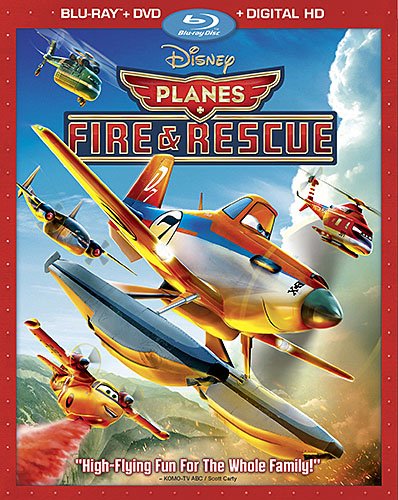
Flying into home entertainment, the animated comedy adventure Planes: Fire & Rescue delivers a fun film for the whole family.  The film features some of the characters from the original and a whole lot of new ones.  Brightly animated, having fine direction and with a new storyline, the film has several good values including heroism and friendship. In this episode we find Dusty Crophopper returning from his around-the-world racing tour and about to participate in annual Corn Festival.  During a practice run with his flight instructor Skipper, the gearbox in Dusty’s airplane gets damaged.  Not having another gearbox because the model is out of production, Dusty finds himself having to slow down.  Following a fire he caused, Dusty volunteers as a firefighter.

The film continues showing his training and later his heroism during a huge forest fire that threatens a vacation lodge. Director Roberts Gannaway keeps his film exciting and interesting showing how the different planes and ground firefighters work together to fight fires.  Introducing many new characters including Dipper, an airplane that drops water from the air onto fires, Blade, a helicopter that guides the aircrafts to the fire, Windlifter, who carries the ground crew, and the Jumpers, a group of vehicles that clear trees to stop the fires from spreading.   The film shows the heroism of the characters, their self-sacrifice and the importance of training to do the job right in order to save lives.

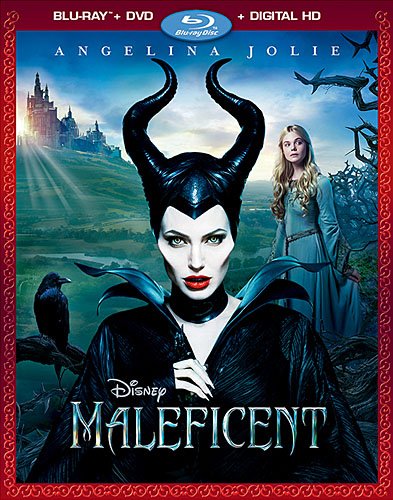
"Let us tell an old story anew, and we will see how well you know it."

If Christopher Nolan’s take on The Joker isn’t the very best example of modern cinematic villainy, then it’s near the top of the list. Obviously, a tremendous amount of credit goes to Heath Ledger’s Oscar-winning performance in The Dark Knight, but I’d argue the real thrill comes from the character’s arbitrary, inexplicable approach to evil. By having its Joker invent tragic (fake) backstories on the spot, the film made a mockery out of the notion of having to explain a movie monster’s past. Disney’s Maleficent, on the other hand, is the latest misguided attempt to redeem a character who was better off being unredeemable.

By John Delia

Most every child knows the story of Disney’s Sleeping Beauty from early video, books and DVD.  Unless you went to see the movie at a theater back in the 1959, however, you probably saw a version that was not crisp and colorful. Finally, after what seems forever, the family animated fantasy has been Blu-ray remastered and digitally restored in super widescreen. The Blu-ray, DVD and Digital HD have new bonus features and include the DVD release’s special extras as well.

Baseball is huge, and Bollywood is huge, so imagine if you put them together. In many ways, Million Dollar Arm is about Indian culture and what a separate world it is from ours. The film starts out in Los Angeles where J.B. Bernstein (Jon Hamm from Mad Men) is a sports agent who has broken off from a big agency to start his own firm. His partner, Aash (Aasif Mandvi of The Daily Show), is very nervous about where their next client is coming from, since they lost a big one right at the start of the film. Bernstein, thinking on his feet, decides to pursue an untapped market for baseball and the big-money stars who are big-league pitchers. He sees India as completely virgin territory for baseball. But the problem is there are no baseball players in India. Aash gives him the idea by talking about cricket on cable.

Clearly, cricket and baseball are totally different, but Bernstein is desperate. He pitches his idea to a big-shot money man. The money man, Chang (Tzi Ma), listens and agrees with big conditions. They are basically impossible conditions, but again, Bernstein is desperate. Bernstein had a great life once, and he still has the big expensive house and the Jaguar, but his time to make this big gamble work is running out. A nurse (Lake Bell) rents his guesthouse. She's a sweet person, but Bernstein usually has a different model girlfriend on a regular basis. Her washing machine is broken just as he is walking out the door to head halfway around the world. He gives her keys to the house and tells her to just use the machine and be careful.

"Hi, little guys."

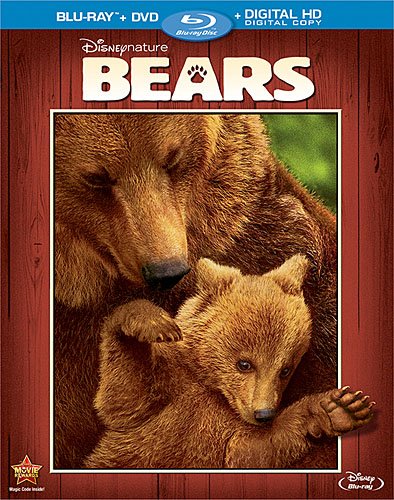
There was a time, decades ago when Walt Disney Studios was doing quality documentaries on a pretty regular schedule. Many of them appeared on the television show The Wonderful World Of Disney, and more than a few were released as feature films. And while that tradition has continued somewhat, it's been a while since I was truly impressed by a Disney documentary. That all changes with the release of Bears.

The Muppets debuted in 1955, and the late great Jim Henson’s creations have been delighting audiences (and fellow entertainers) of all ages ever since. They’ve made their mark on the small screen — most notably with The Muppet Show (1976-81) — and at the movies, starring in eight feature films across four different decades. However, 2011’s The Muppets was their first big-screen outing in a dozen years, and the movie spent most of its time wondering if the Muppets’ old-fashioned, irreverent charm still had a place in a more jaded pop culture landscape. The answer was a warm, if not quite resounding, yes. With that out of the way, Muppets Most Wanted is a return to the sort of zany showbiz farce that made them movie stars.

“Doggone it…it looks like they’ve ordered a sequel!”

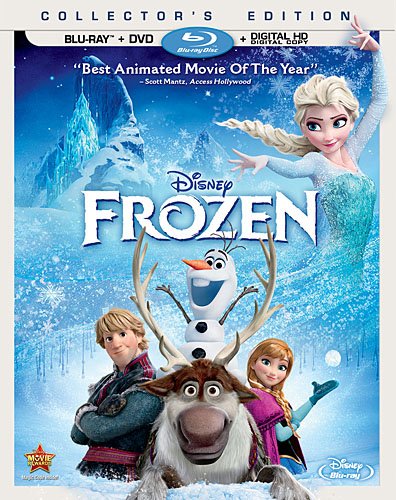
"Beautiful. Powerful. Dangerous. Cold. Ice has a magic that can't be controlled."

Like the very best that Disney has offered over the decades, Frozen has its roots in a very old classic fairy tale. Walt himself was interested in doing the Hans Christian Andersen story The Ice Queen immediately following Snow White And The Seven Dwarves. The film was given a production number along with some brief notes. Nothing else remains of the idea, and no one knows exactly what Walt intended or why the story was put on hold. The same thing had happened to another Andersen classic, The Little Mermaid, which took 40 years to finally go from Walt's original investigations to the Disney classic film it is today.

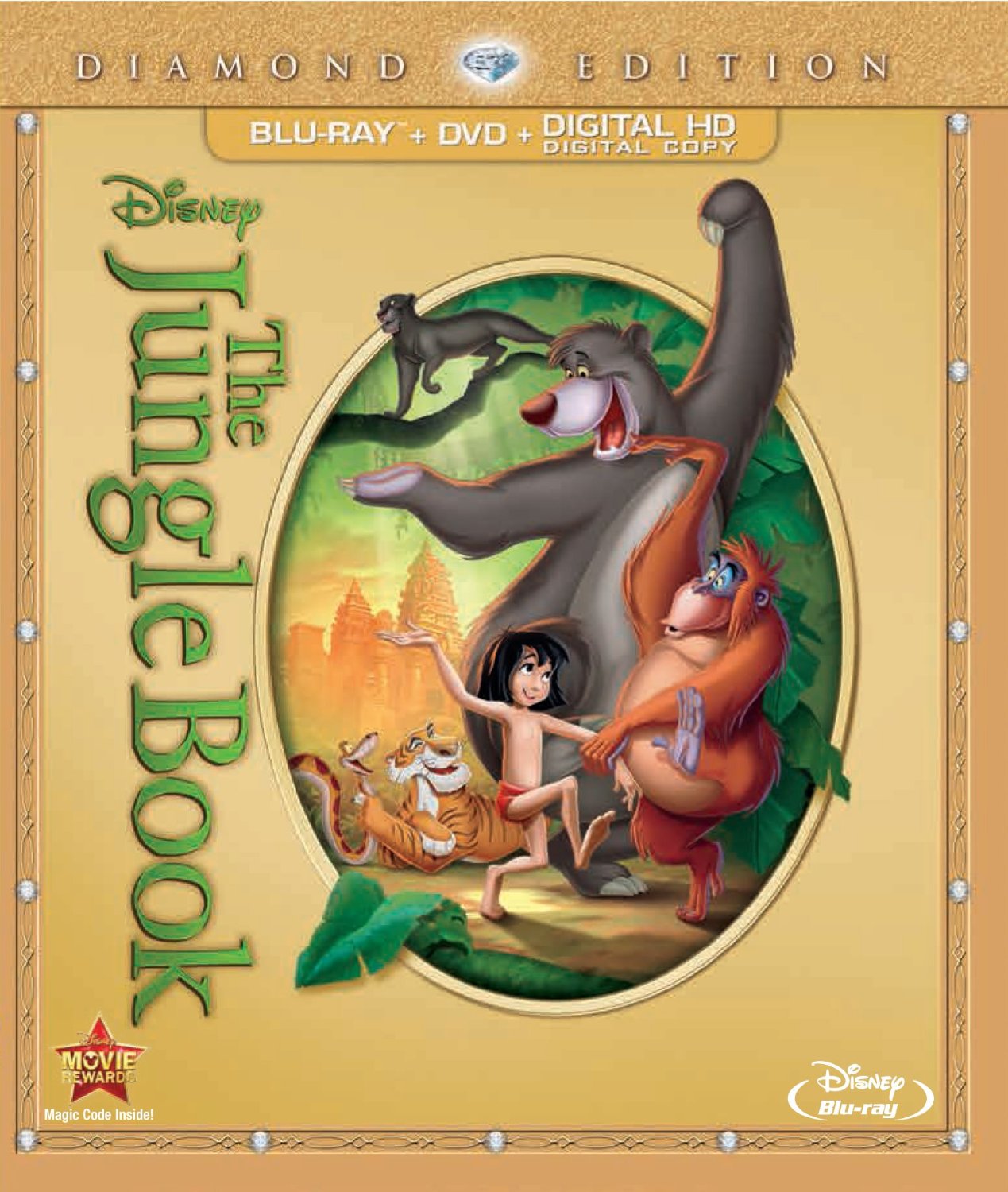
There are two very distinctive schools of thought about Walt Disney’s The Jungle Book. There are the Kipling fanatics who have never forgiven Disney for taking a story considered sacred in literary circles and creating something that honestly bears (pardon the pun) little resemblance to the original work. These folks rightfully point out that the story contains almost nothing recognizable about the story and characters from Kipling’s beloved classic. I have often condemned projects that take names like The Night Stalker and Battlestar Galactica and create a vision incompatible with the traditions I associate with them. Therefore this review might seem a bit hypocritical when I tell you I side with the other camp that considers this film to be a milestone, not only in Disney animation, but in animation history itself. The characters might be distantly removed remote ancestors to Kipling’s creatures, but they are truly classic creations in their own right. What better definition of a classic can there be than the influence that The Jungle Book still has 40 years later, not only on our pop culture but on the careers and lives of today’s artists. I venture to say that more people are familiar with Disney’s renderings of these characters than Kipling’s; I agree the caparison isn’t exactly fair, but it is accurate.

So why do I think this isn’t the same as the “reimaginings” I’ve condemned in these very pages?  I begin by pointing out that we’re talking about a film that has stood the test of time, perhaps enduring beyond its own roots. The second is the fact that this version is not the same medium as its original. When ABC aired The Night Stalker, it was reinventing its original in the same medium, that of a television series. Disney’s The Jungle Book is an animated film whose audience is nothing like that intended for the stories. This distinction was not lost on Walt Disney himself, who lost a close friend and colleague over his decision to create this vision of The Jungle Book. Long-time “go to” man Bill Peet had originally developed the Kipling story for Disney. He kept quite close to the source material and submitted storyboards that told a decidedly darker story with far more dire consequences and darker characters. The impasse led to his leaving Disney Studios forever. As Peter Jackson discovered, film is a far different presentation than the written word, and what works for one does not often translate verbatim to the other. Ask anyone who’s ever tried to develop a Stephen King novel. Walt Disney was attempting to deliver a children’s film that the whole family could enjoy. He rightly deduced that the compelling tale Kipling intended simply wouldn’t translate into the kind of adventure Disney fans were already expecting by 1966. Instead, Disney ordered his staff to avoid reading Kipling and concentrate on delivering characters that the entire family could enjoy. The result is, simply put, unforgettable.

Journalism today is in disarray. I say that not because there aren’t many, many passionate journalists who want to do the best job possible. I say it because there are just many, many, many more bloggers who don’t know how live up to those standards or why it’s even important. The internet changes everything in the music industry, the movie industry, and the media industry. That doesn’t necessarily mean it’s a bad thing. It just means that it’s chaotic, and it often seems like no one is in control. The head of Amazon just bought one of the most venerable papers in the world, The Washington Post. The head of eBay is supposedly organizing a new media venture that will adhere to the strictest journalistic standards. Again, journalism today is in disarray.

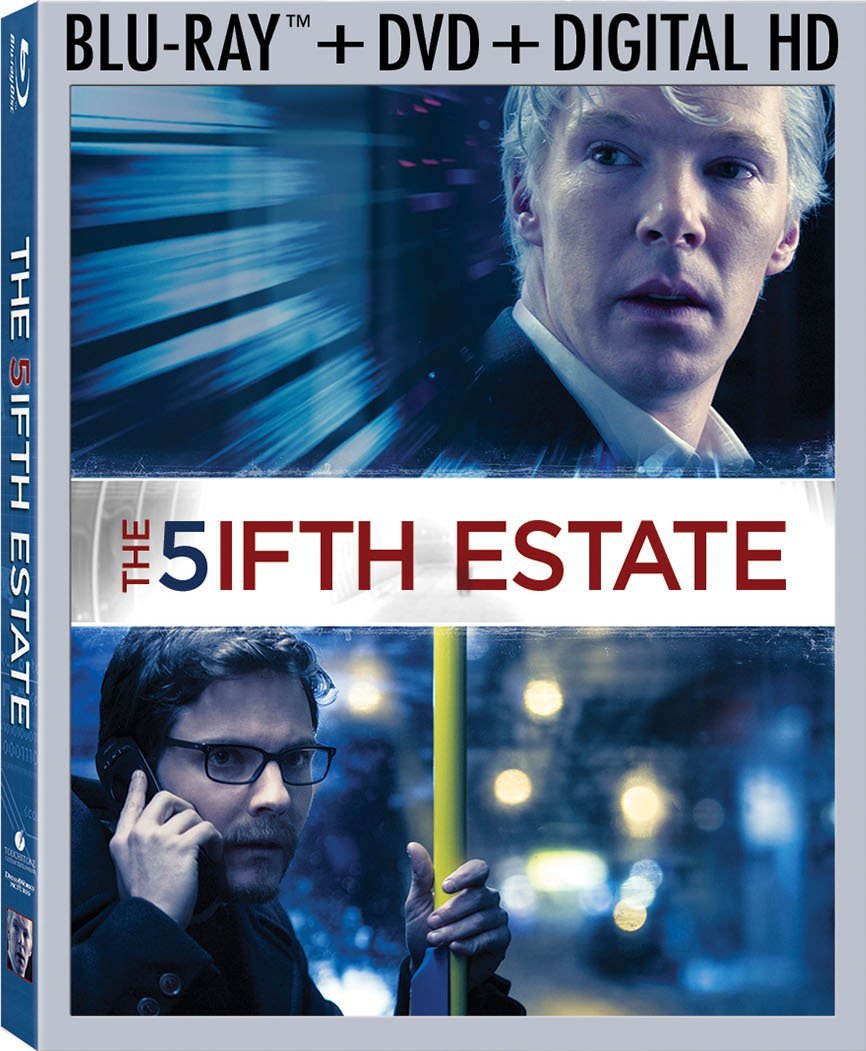
The Fifth Estate is a movie about the frenzy surrounding Wikileaks and Julian Assange. The title suggests there is a successor to the fourth estate, which is the news media (don’t ask about the first three estates since they are church, state and nobility, which may be irrelevant now). I don’t know if anybody knows what a fifth estate is yet, but Wikileaks is a big deal. It is also justifiably considered to be extremely controversial. Wikileaks is an international online organization that claims to protect the identity of any whistleblower trying to reveal classified and secret information with the hope of undermining worldwide corruption. I’ve seen the documentary We Steal Secrets: The Story of Wikileaks and was able to compare that to The Fifth Estate. They are quite different, but in small ways that can add up to a lot.