Magnolia Pictures

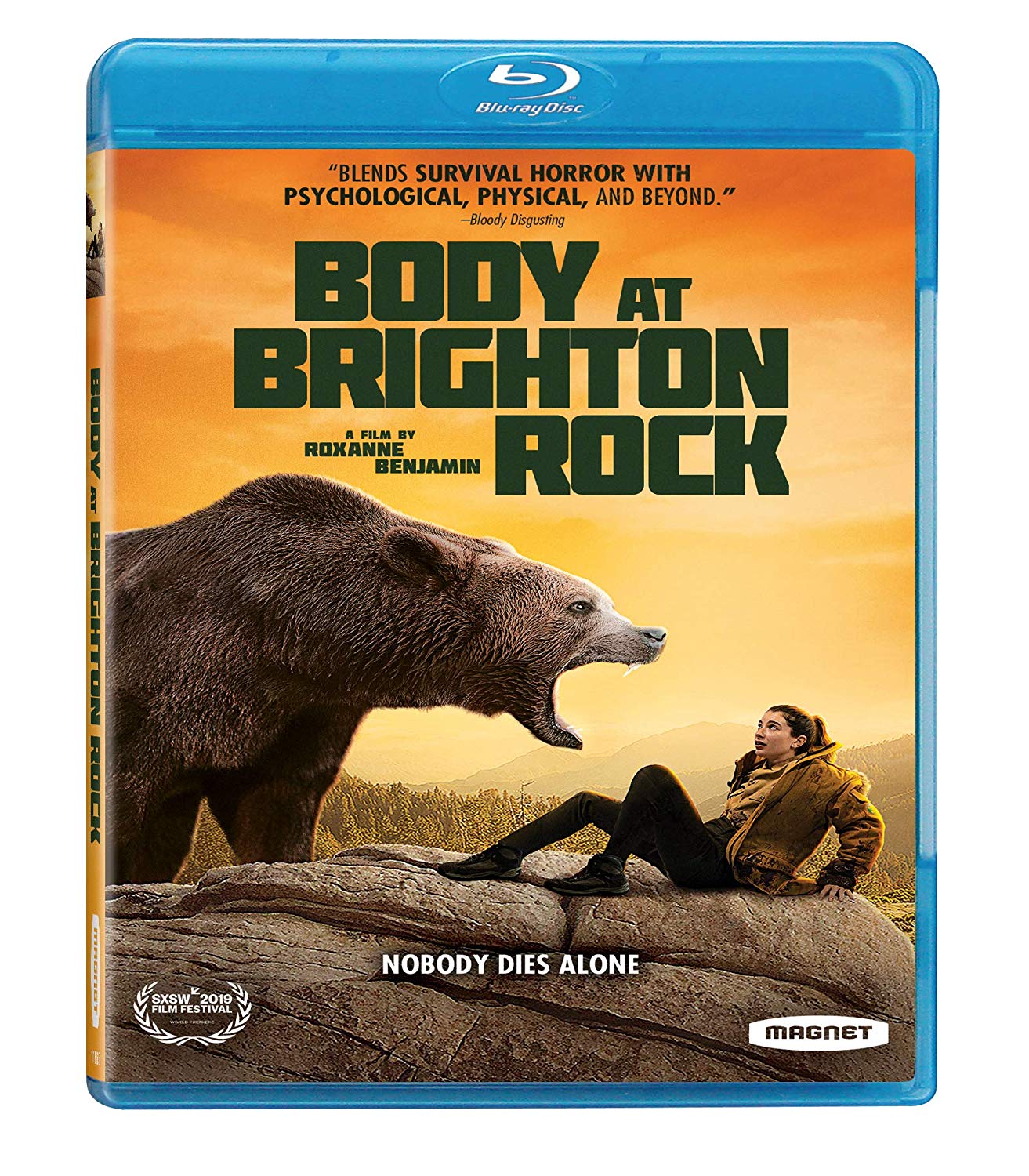
When it comes to Body At Brighton Rock, there was an opportunity for this to be something pretty awesome.  After all, when you think about it, only a few years ago The Revenant was showing just how great a film can be about surviving in the wilderness and how intense a bear attack can be.  Well, to be fair, I don’t believe Body At Brighton Rock was aiming to be in the same ballpark of The Revenant, but as I was watching this, it was difficult to not think about what could have been.  Really, the film is a simple little tale about a state park employee who gets lost in the woods and stumbles upon a dead body in the process.  It’s a good start for the film, but sadly this turns into a bit of a snooze-fest despite some spurts of promise.

When we meet Wendy (Karina Fontes), she’s already late for work, something she seems to do quite often.  She works for the State Park Service, which seems to have more people on duty than I would have guessed.  Wendy from the start just doesn’t seem to be right for the job. Even her coworkers can’t help but make jokes at her expense.  But to help a friend out, she decides to swap positions with her, so rather than sticking to the indoors, Wendy sets out on the trails to post signs and do whatever it is a Park Service officer does.  It doesn’t take long before she gets lost, and in the process of trying to find her way she stumbles across a body.  Sure, I can believe anyone can get lost in the woods, but when it comes to Wendy’s abilities in the wild, well, it’s hard to believe she’d ever be hired not knowing simple basic survival skills.  Another frustrating aspect: she’s carrying around a pack just for the specific purpose of helping keep her alive in case of emergency, but it seems nothing you would actually need is in this pack.

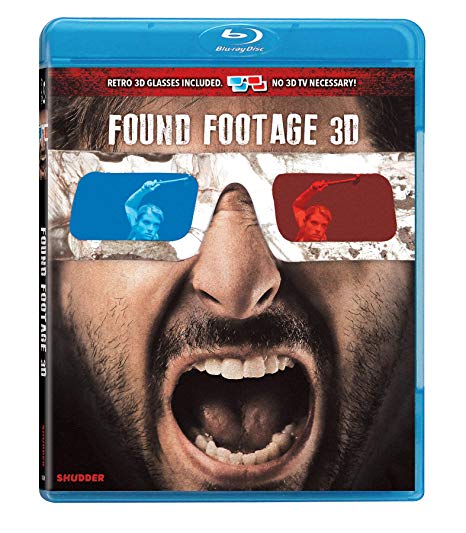
It’s okay to groan. I get it.  Just when you thought the found-footage genre was dead, another film manages to get released.  I think at this point we all simply have to accept that this is a genre that will never completely die on us, but we can always hope that it will eventually produce a hit every once and a while.  When it comes to Found Footage 3D, it’s a bit of a mixed bag for me, and since the Blu-ray came with both a 3D and 2D version, I did in all fairness watch both versions, and there is definitely a version that won out, and if the time comes that I check this out again, I know how I plan on doing so.  In case you were wondering, the disc does come with two individual 3D glasses, not the ones you can pick up at your local theater, but instead the throwback red and blue kind.


The clever twist that Found Footage 3D has going for it is that it is found-footage film about a film crew that is setting out to make a horror film in 3D.  It doesn’t take long before we realize how the film is very self aware understanding the numerous typical tropes that are in the genre and knows there are two key rules they need to follow.  Rule #1: give a reason for why the people are videotaping every moment, and Rule #2: when the third act comes along, have a good reason to explain why they are still filming and not tossing the camera aside. Derek (Carter Roy) is the over-the-top filmmaker with a vision to make the first found-footage horror film in 3D and is overly ambitious by also having the making of the film shot in 3D as well.

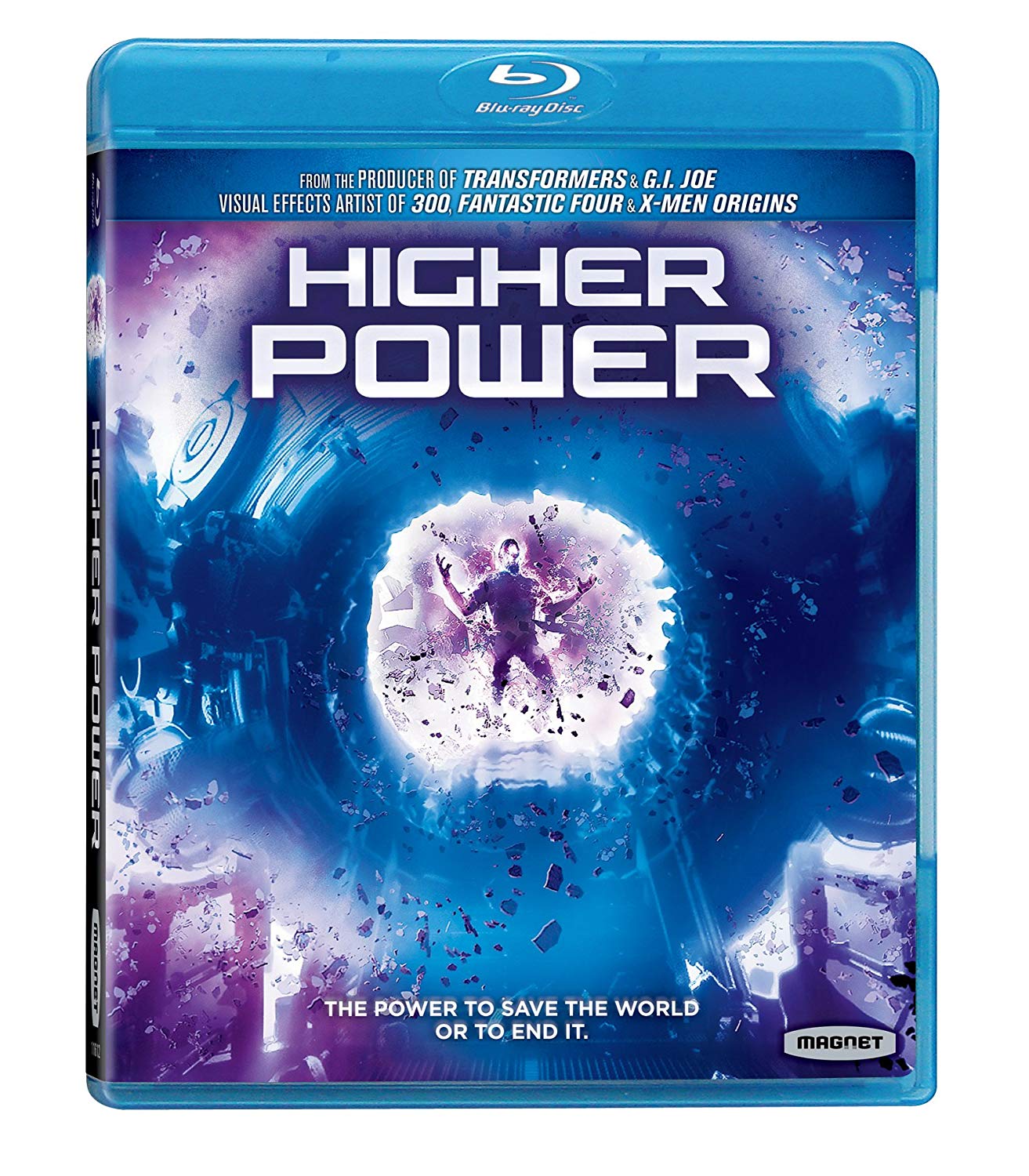
There is something about the notion of movie magic that I believe can grab hold of an audience member and pull them from their living room seat and into the story they are watching.  This movie magic seems to occur more often these days, as special effects seem to take leaps and bounds every year as new technology is created to dazzle us all.  Here’s the thing, though, sure, it’s great how we can now see lifelike 50-story monsters destroying cities, or how underwater worlds can exist, but none of it matters if the story or the characters are not relatable.  If the story isn’t there, then your big effects are nothing more than overpriced cartoons that will be forgotten by the time the audience has exited the theater.  When it comes to Higher Power, the best way to describe it is to use the overused expression, “all style and no substance.”

Co-writer and director, Matthew Charles Santoro comes from a special effects background, and you can tell he’s leaning heavily on his strengths with this film, and the result is a film that plays out more like a demo reel than an actual movie.  Sure, there is a cast of characters to move the story forward, but the problem is none of it makes any sense.

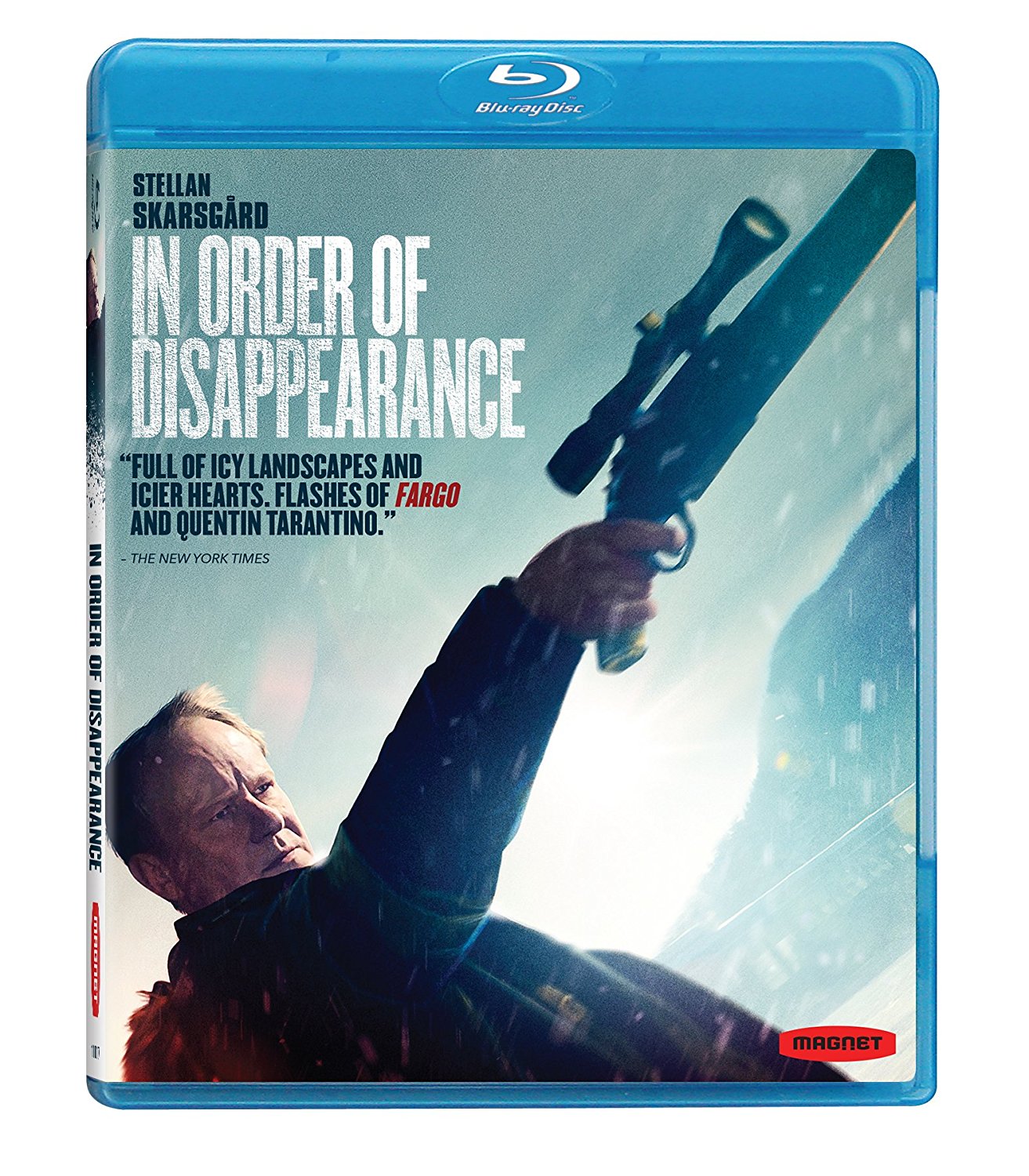
Coming out of Norway we have In Order of Disappearance, a film I knew nothing about aside from the cover art. To be , it pretty much reminded me of any of the numerous revenge films we’ve seen Liam Neeson in.  Stellan Skarsgard instead stars in this revenge romp that I feel got lost in translation with me.  It’s not that I couldn’t understand the base of the film being a revenge tale; this is very much clear as day, but it is the film’s sense of humor that borders on being dry and black, to other points I feel it’s just a Norwegian thing.  Usually one of the first things I do with a foreign film is I make sure everything is set to the original language track and use the subtitles to follow along (never been a fan of dubbing).  As it would turn out, whoever decided to subtitle this film decided to use white lettering. Normally that wouldn’t be a problem, only for this film most of the backgrounds are filled with snow, so the white on white forced me to listen to the dubbed track, and the actors doing the dubbing are really bad at times and ruin the experience.

Nils (Skarsgard) is just your average guy who has been awarded an honorary citizen of the year award; he’s humbled by this but continues on with his day-to-day life as a snow blower. His life gets thrown into chaos when he discovers his son has been murdered, and over drugs.  It’s the kind of news no parent wants to hear, and just when Nils is ready to take his own life, he comes across a drug addict who knew his son and has the answers to what “really” happened to him.  Not to throw you any curve balls, but Nils decides he wants blood and is going to go after anyone and everyone who was involved with his son dying.  As you can imagine, there is a lot of bloodshed to follow.

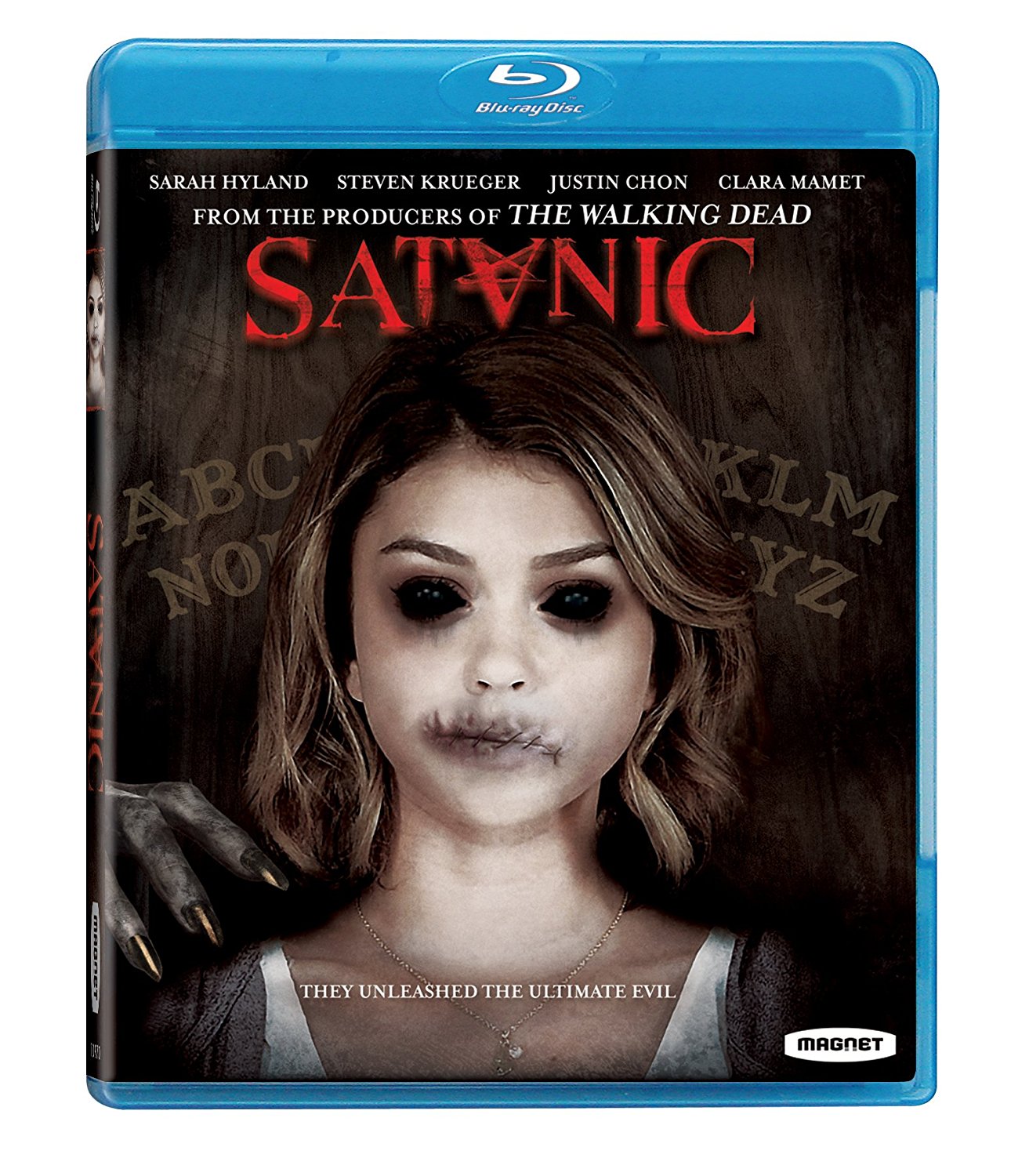
When you have a title like Satanic, it’s kind of hard to not start to build up expectations right out of the gate.  I like a horror film that isn’t afraid to go dark and play with the subject matter of the occult, because honestly it’s the only topic that can manage to get under my skin.  The Exorcist in my opinion is hands down the best horror film of all time and manages to haunt me after a viewing simply because the boy I once was who went to Catholic mass every Sunday knew that it could happen.  That’s the thing about films like Satanic; you have a built-in audience that you already will have hooked from the start and have a reason to be afraid, simply because of faith. So when a movie has so much momentum going for them and it delivers such a lackluster result, it shows that certain people just shouldn’t be playing in the horror sandbox.

Chloe (Sarah Hyland) is on a road trip to a music festival with her boyfriend David (Stephen Krueger), but along the way they’ve decided to make some stops at the locations of some famous occult murder sites.  The decision to make these stops comes at the suggestion of Elise (Clara Mamet), her cousin, along with Elise’s boyfriend Seth (Justin Chon).  If not for the blood relation between Chloe and Elise, it would be difficult to imagine these couples ever being together, since Chloe and David seem to be more traditional college students, while Elise and Seth seem to be nothing more than Goth kids who are trying so desperately to be “dark”.  This is a problem I had from the start; I never bought into this Goth couple.  We’ve seen this story played out before in Kalifornia, where two odd couples go on a reluctant road trip to visit murder sites, but what worked is  they cast the roles and made it more believable.  By making Elise and Seth a joke from the start it simply pulls away any chance for attachment to these two despite blood relation. Even trying to imagine people on a road trip to the Coachella but deciding to detour for this murder tour is a hard leap for me.

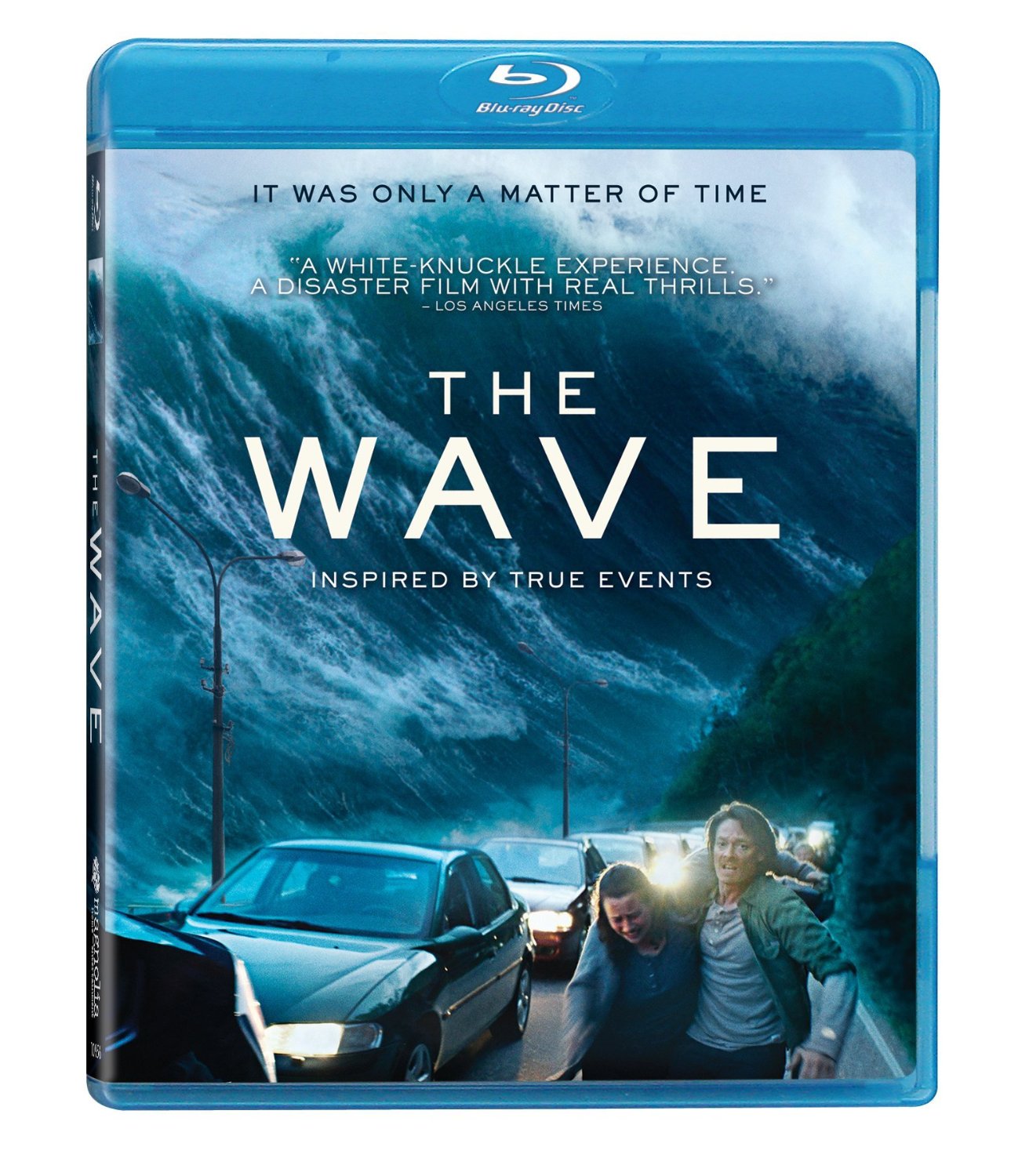
Disaster films are something that for me screams American cinema of the 90’s.  I know there were films before that had come out, but a good portion of my teen years of the 90’s were of the mega-blockbuster variety like Twister, Dante’s Peak, The Perfect Storm, and so forth.  Now we have The Wave, the first disaster film to come out of Norway, and from the looks of the trailers they were going for something BIG.  This is a film that comes out with so much potential and is a film that could even possibly find an American audience that could look past the fact that subtitles may be involved.  With the way technology has come along over the years, smaller countries have been able to produce films as big as anything released in our cinemas here in the states.  Now here’s the question: is it any good, though?

Welcome to the small mountain town of Geiranger, Norway.  It’s a quaint little town that attracts tourists with its isolation and beautiful landscape.  But having this little slice of vacation paradise comes at a price.  Geiranger sits in an area that has a lot of activity with the rocks moving beneath the surface, this movement geologists believe will one day cause a collapse of a mountain spilling into the fjord below which will create a massive Tsunami. Basically Geiranger is a town simply waiting to be wiped out by this massive wave.  This is where we meet Kristian (Kristoffer Joner), a geologist that has been studying Geiranger for years but is now moving away to the city for a “better job”.  It comes as no surprise that as he and his family are packing and ready to move that Kristian is troubled by recent recordings from around the area and has a feeling something bad is going to happen.  (One thing I’ve learned from disaster films, always listen to the nut job that believes the end is coming.)

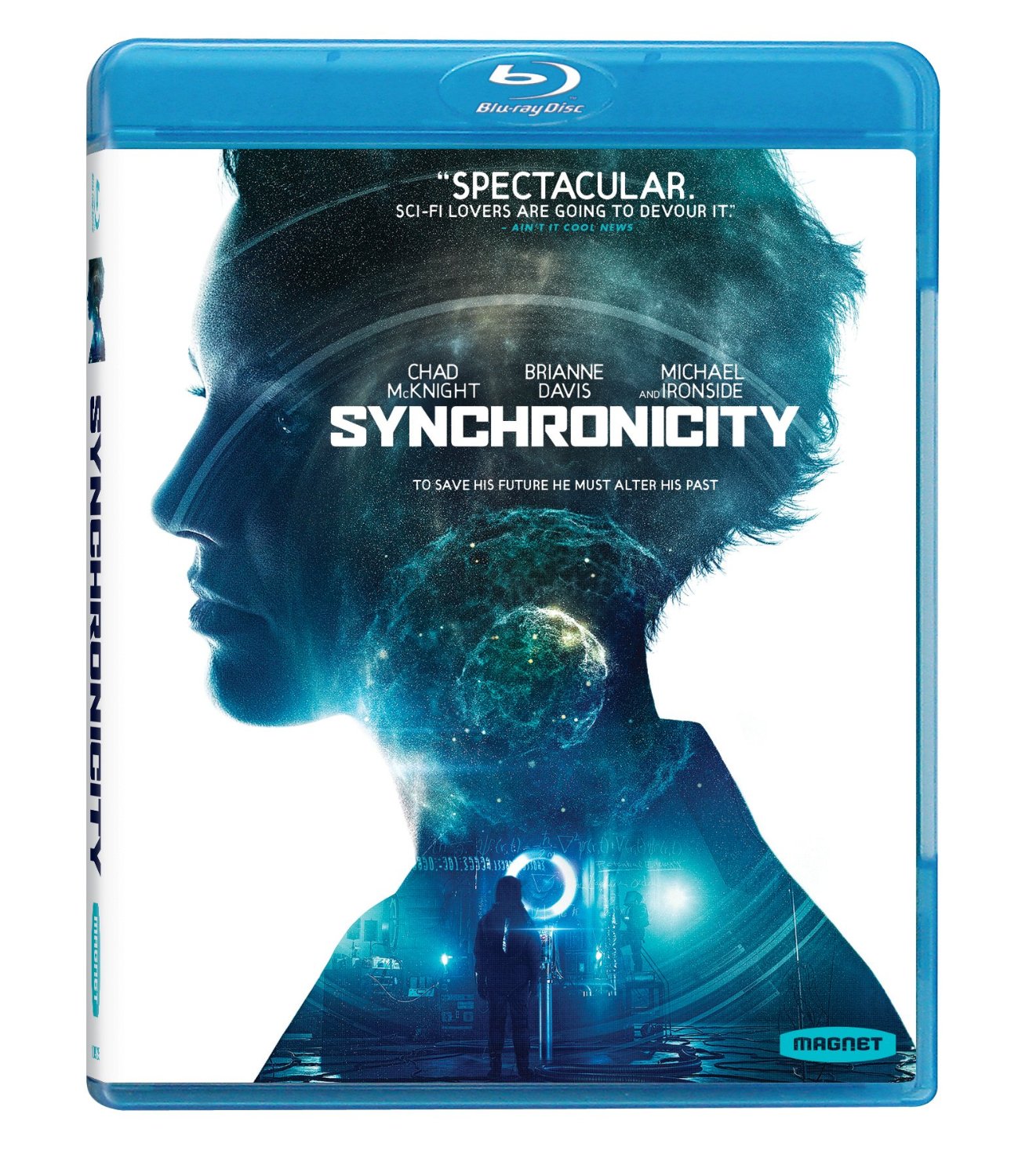
Time travel films have been around for years, and with each film there are viewers who just enjoy it at face value and others who watch it to poke holes in the film’s theories.  I have to admit I fall somewhere in between.  With a film like Back to the Future, I don’t look at it as anything more than silly fun, but then a film like 12 Monkeys comes along, and I just go bananas over its theory and execution.  So when a title like Synchronicity came along, I went into it with an open mind.  I know you don’t need a giant budget to pull off a time travel film; what matters first and foremost is the story and the characters that lead the narrative tale for us.

It’s inescapable to not see the influence Blade Runner has on this film; everything from the set design to the lighting simply screams at us to see the influences. Some may even pick up a familiar Dark City vibe.  Setting these visual tones was for me what worked best for this film, because it at least made it visually fun to look at and to wonder if this story could be happening in the sync with the other two films; after all, the film does bring up the idea of numerous parallel universes.

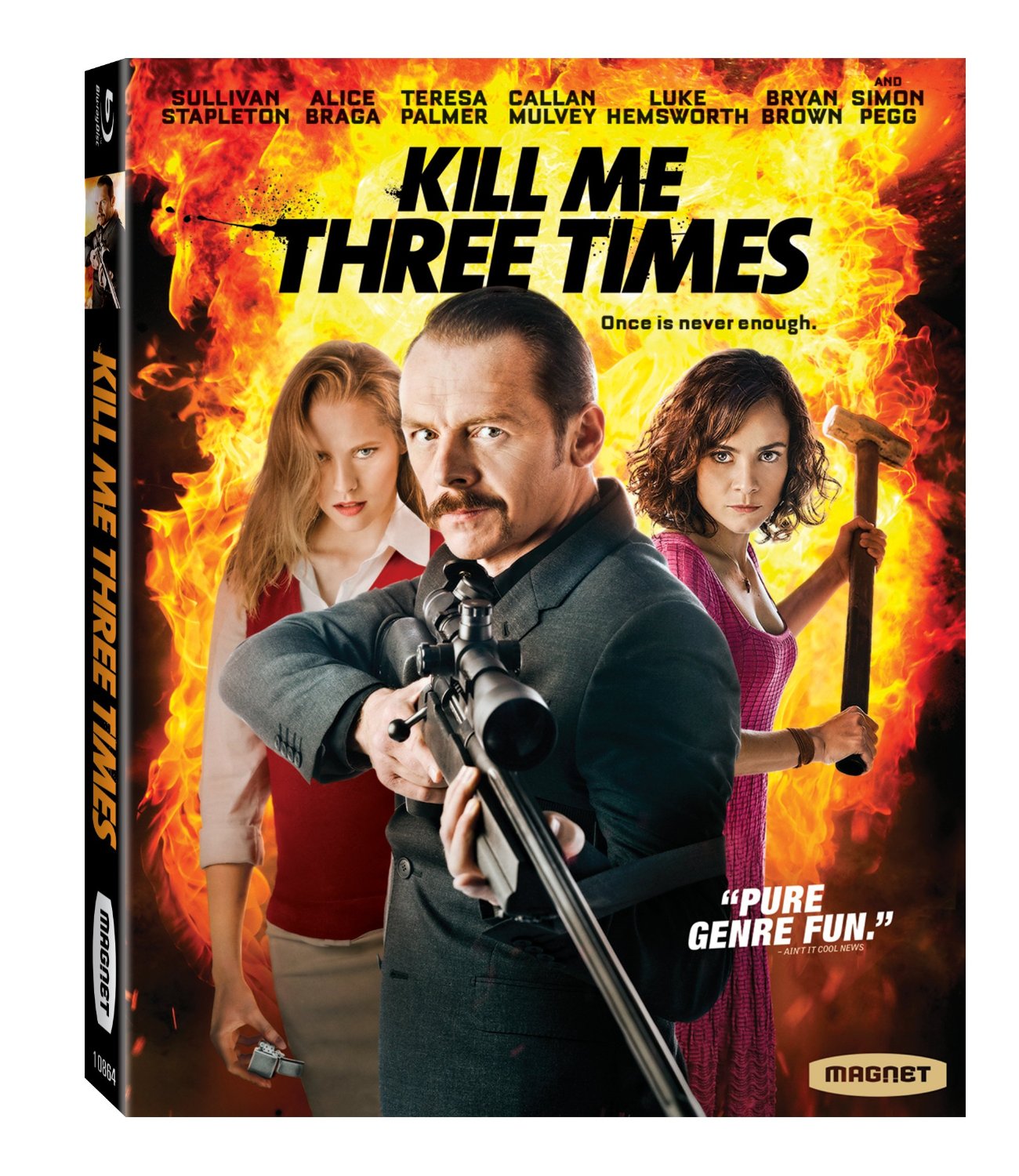
"What you're talking about is a one-way street, you understand? Once you start there is no going back."

Ah, but there is going back if you're watching Kill Me Three Times. I don't necessarily mean that you'll want to watch the film over again (you might). Kill Me Three Times is a bit of a collection of vignettes that continue to circle back upon each other. Each time you get a different perspective or a bit of new information is unveiled. For those of you who insist on a linear logic to your films, this one's not for you. In fact, those of you who insist on logic at all might not quite get this one.

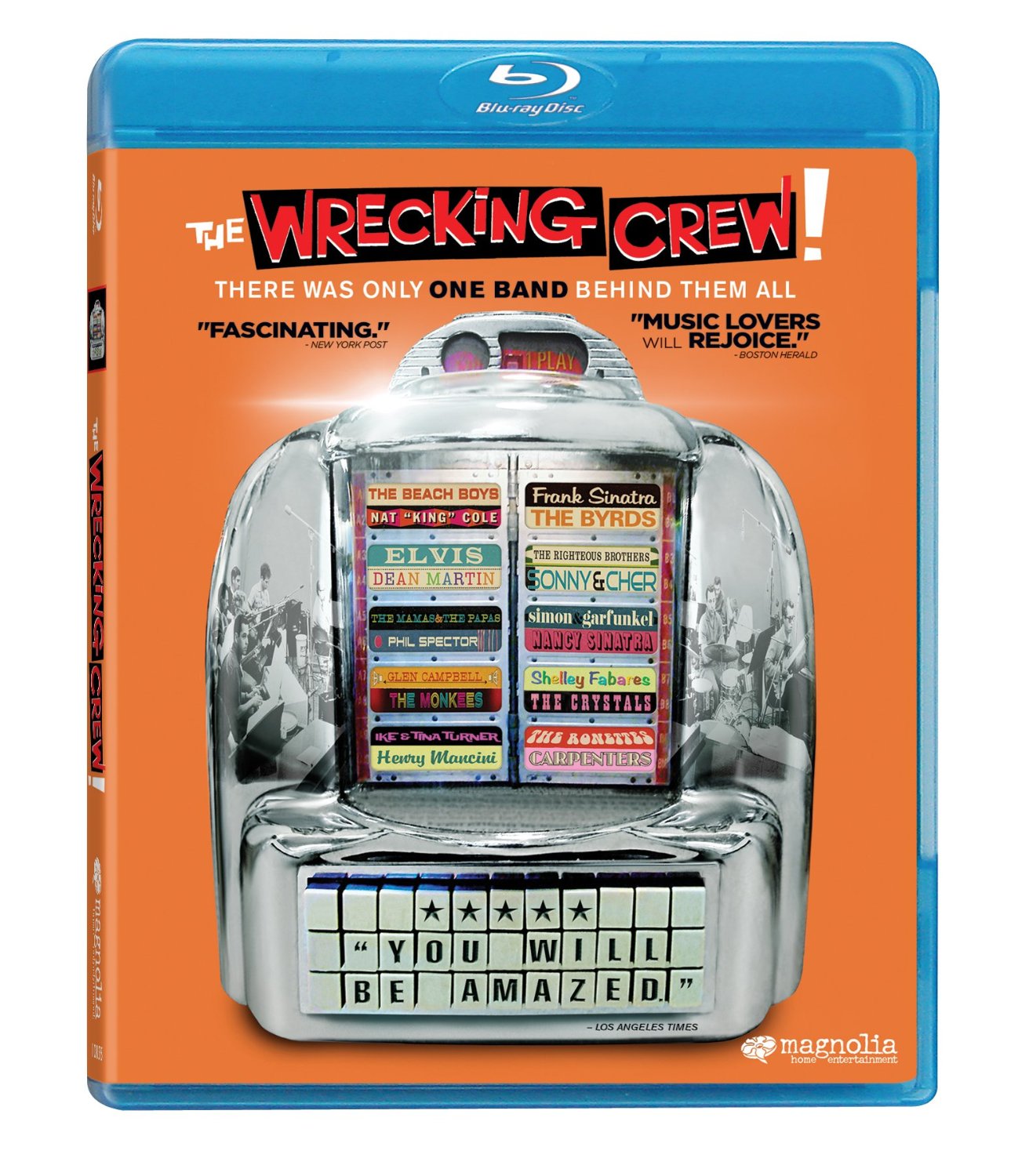
What do Elvis Presley, Frank Sinatra, The Beach Boys, Sonny & Cher, The Monkees, and Nat King Cole have in common? (Besides, of course, their undisputed status as musical icons and the adoration of millions of fans.) Well at various points in their illustrious careers, they were each backed by The Wrecking Crew, a tight-knit group of session musicians responsible for cranking out some of the most familiar hits of all time. This documentary is a lively love letter to that incredibly charismatic and cohesive group, whose contributions remained largely anonymous for decades.

Early on in The Wrecking Crew, we are presented with some snippets from the group's work as if we were scanning stations on car radio; it doubles as a tour through the history of pop music in the 20th century. The film is directed by Denny Tedesco and we quickly learn his very personal motivation for making this movie. His father, Tommy Tedesco, was a master session guitarist whose work can be heard on everything from Sinatra's “Strangers in the Night” to the Bonanza and Batman themes. But the general public's lack of awareness regarding Tedesco's contributions was magnified after his 1997 death. (The film points at a few televised obituaries, which misspelled his last name or called him “Tony Tedesco.”)

The Norwegian oil boom of the early 1980s isn’t the most obvious setting for a thriller, but director Erik Skjoldbjærg manages to squeeze plenty of intrigue out of what seems like a pretty dry subject. Of course, Pioneer could never be described as “dry” in the literal sense since the film follows a group of commercial divers in Norway as they try to establish the country’s first petroleum pipeline 500 meters underwater.

Petter (Aksel Hennie) is a brash professional diver obsessed with reaching the bottom of the Norwegian Sea. Norway has partnered with American company Deep Sea Diving to lay the country’s first oil pipeline. (Avatar’s Stephen Lang plays an American supervisor.) Petter and his more family-oriented brother Knut (Andre Eriksen) are part of the group of divers, which also includes a jealous American rival (Wes Bentley). The movie opens with a hallucinatory training exercise that sets the film’s hazy tone.