Studio

“I’m match for any man.”

The idea that “behind every great man, there’s a great woman rolling her eyes” far predates its adoption as a feminist slogan in the middle of the previous century. The White Queen — a sumptuous, rushed combination of Game of Thrones-style high-stakes scheming and Tudors-style regal bodice ripping — uses Britain’s late medieval history as a jumping off point for pushing a number of notable women to the forefront.

How did the stripper get in the maid's room?”

That question sounds like the set up for some juvenile, profane joke, but it also tidily encapsulates the plot of Afternoon Delight. The film is about the plight of an affluent, quietly desperate housewife who takes it upon herself to “rescue” a young, down-on-her-luck stripper. What the quote doesn't quite capture is how this funny and frank outing from first-time feature filmmaker Jill Soloway is really about the universal quest for intimacy.

Collision is ostensibly about a honeymooning couple who gets stranded in the desert, and how the harsh, unforgiving terrain shines a light on their many secrets. But the coolest thing about this thriller — besides the spectacularly violent car crash that sets the plot in motion and gives the film its title — is how the story could've been told from any of the marooned characters' perspectives. I just wish writer/director David Marconi hadn't taken the most winding, contrived road possible to arrive at his destination.

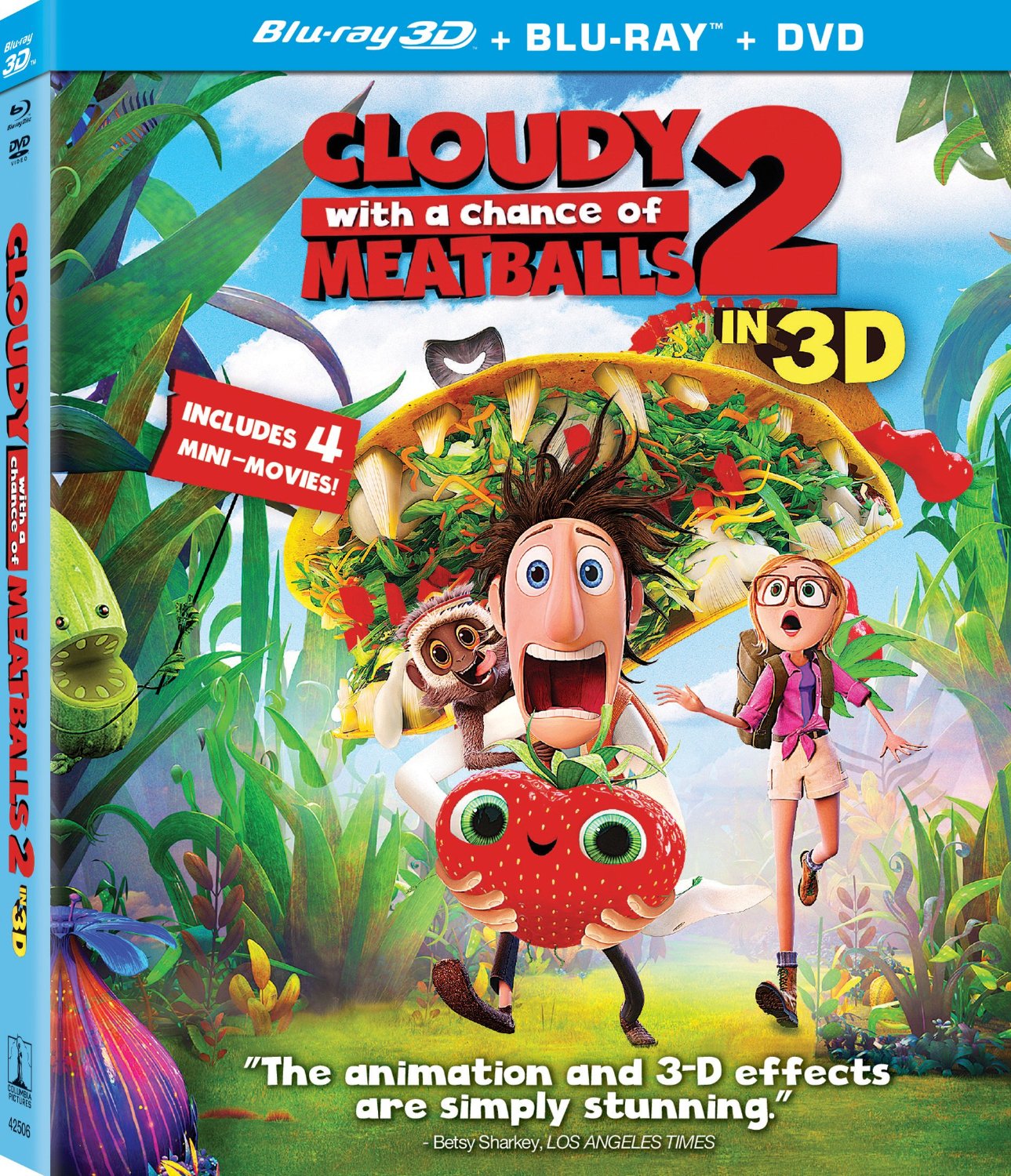
"My name is Flint Lockwood. My whole life I always wanted to be a great inventor just like my hero. It was like Chester V. was speaking directly to me using the language of science."

In 2009 Sony Pictures had finally learned to use the language of science when it comes to the world of animation. I'm talking the computer-animated feature film.  Of course, they've been in the game for a while, but it was with the release of Cloudy With A Chance Of Meatballs that this reviewer believes they delivered on the kinds of things that Pixar and Dreamworks have been delivering

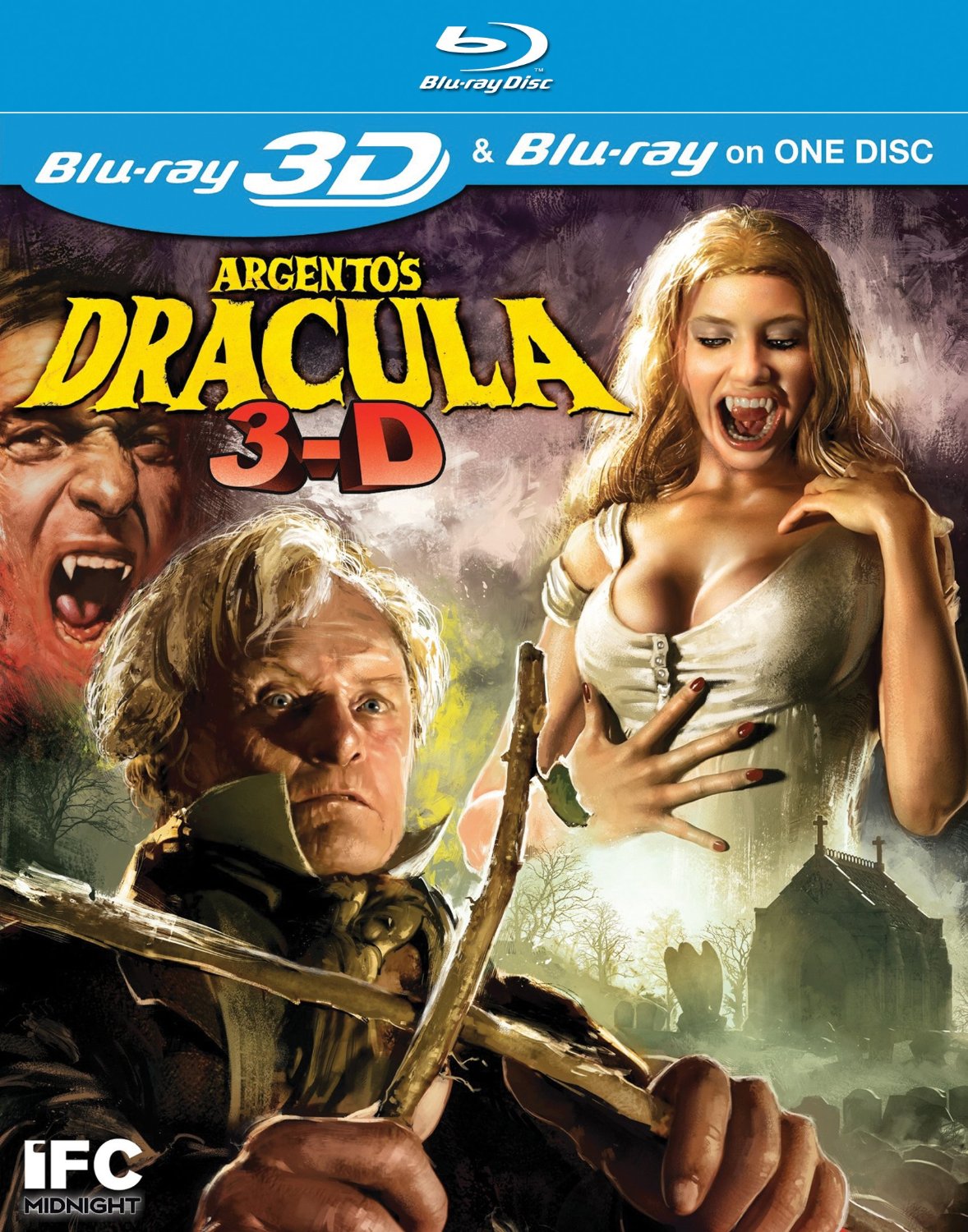
"This evening I finally met Count Dracula. He is younger than I expected, although his behavior and his demeanor seem to somehow contradict his appearance."

Dracula and vampires in general have taken on many appearances and personalities over the years. He has been portrayed as the suave European gentleman and a vicious gaunt creature best left to the shadows. Lately vampires have taken on the angst and yearnings of adolescence. Dracula has been around since 1897 when Bram Stoker wrote his groundbreaking novel.

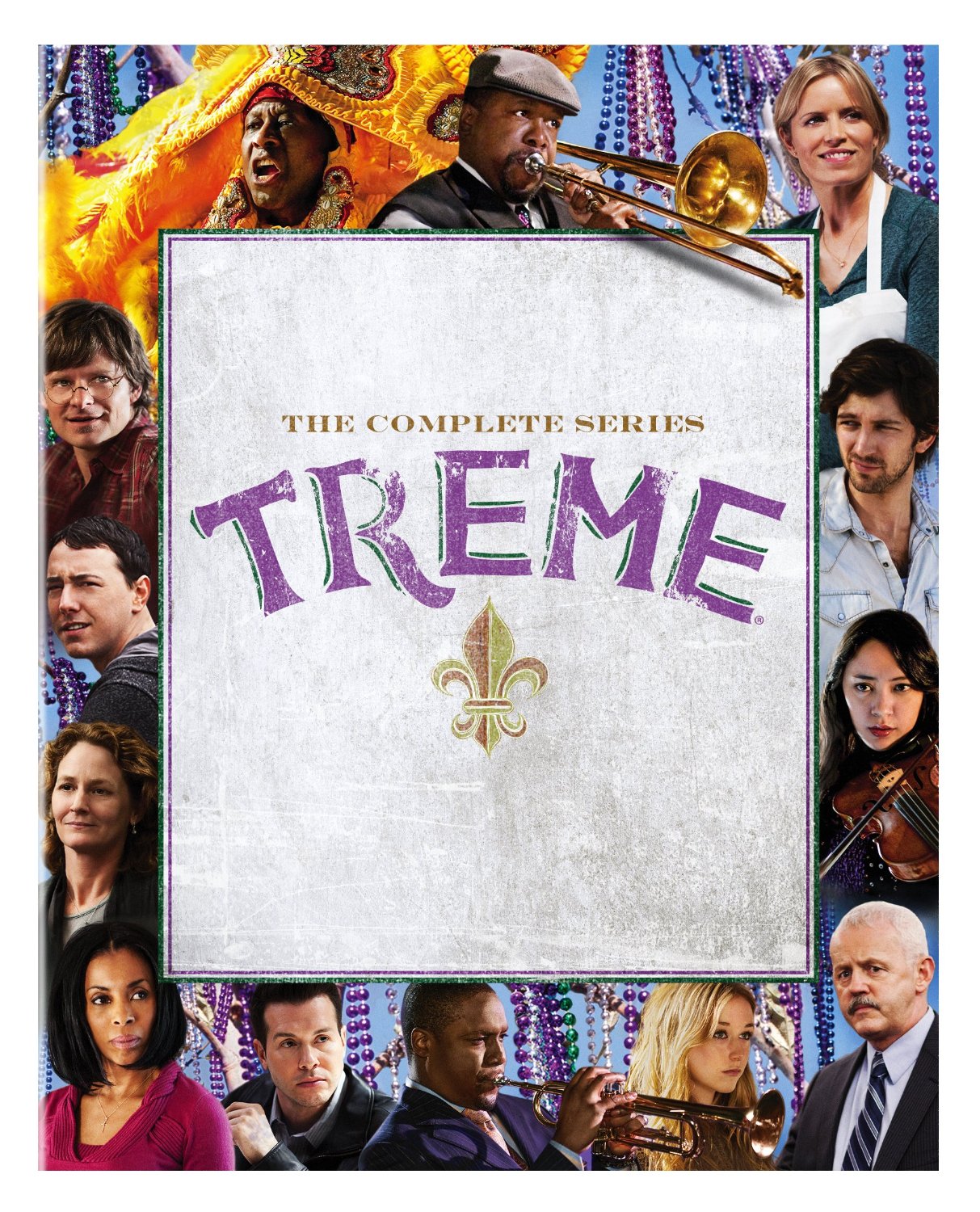
Creator David Simon (The Wire and Generation Kill) has never been a show runner concerned about cliffhangers or plot twists; instead he thrusts his viewers into the day-to-day life of the everyday Joe and shows that real life generates more conflict than most fiction can ever deliver.  Ever since I first watched The Wire I’ve considered myself a fan of Simon’s work, and I feel it could be argued that what Simon did with The Wire is a large factor in why we have the quality of television that we do today

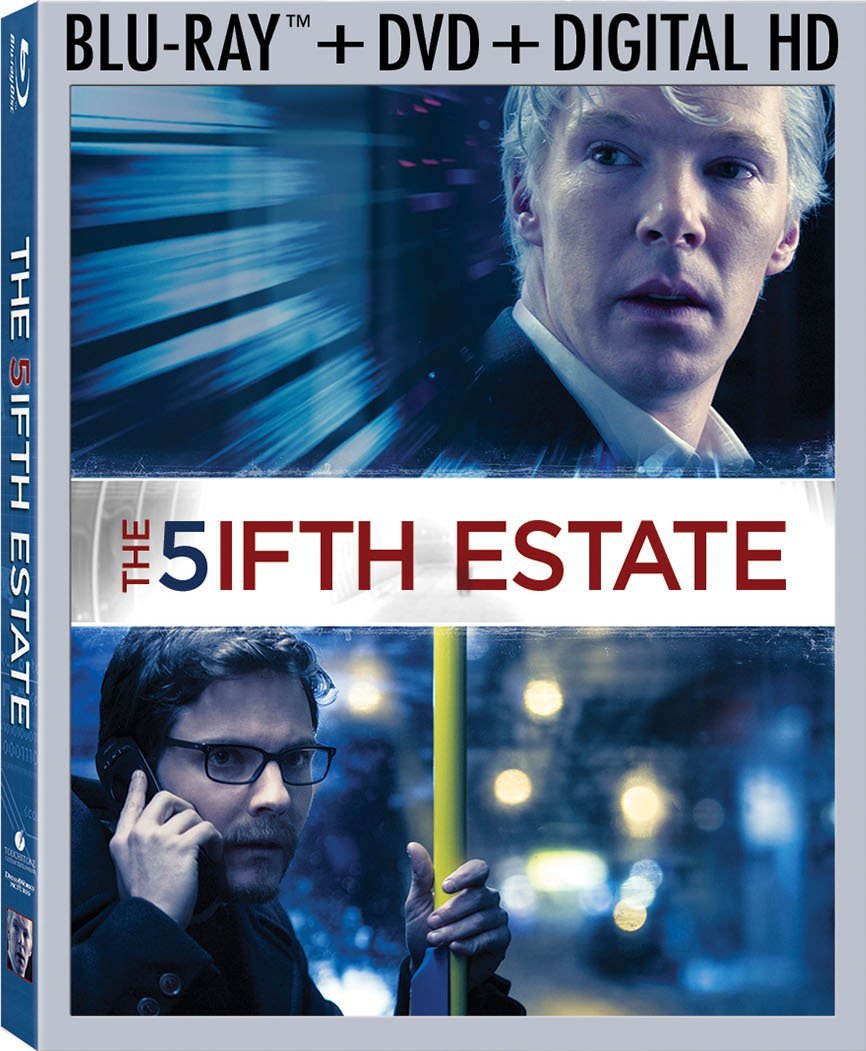
Journalism today is in disarray. I say that not because there aren’t many, many passionate journalists who want to do the best job possible. I say it because there are just many, many, many more bloggers who don’t know how live up to those standards or why it’s even important. The internet changes everything in the music industry, the movie industry, and the media industry. That doesn’t necessarily mean it’s a bad thing. It just means that it’s chaotic, and it often seems like no one is in control

Stonados...I'll be damned.”

They say if you're going to steal, you should steal from the best. Well, that's the exact opposite of what SyFy has done with the hilariously shameless act of self-cannibalization known as Stonados. Say what you will about Sharknado — and snarky commenters excitedly blew up Twitter shortly after its premiere — but at least that particular slice of premium B-movie cheese was inspired in its lunacy and stupidity. Stonados, on the other hand, is pretty obviously a way for the network to capitalize on the unexpected heat generated this past summer by the perfect shlock storm of Sharknado.

"One … two… Freddy’s coming for you, three… four… better lock the door, five… six… grab your crucifix, seven… eight better stay up late, nine....ten … Never Sleep Again."

Freddy is one of the more memorable monsters from the slasher era that also brought us the Halloween and Jason films. Freddy might have been born in the mind of Wes Craven, but he grew and developed in the knife-wielding hands of Robert Englund. Granted, not all of these films are equal in quality. The first and third are the best story-wise, while the last might be the most unpredictable and original.

In the 1990s, the French action films of Luc Besson (La Femme Nikita, Leon: The Professional) and Euro-centric offerings like John Frankenheimer’s Ronin provided a sleeker, more exotic alternative to the outsize, muscle-bound exploits of Stallone, Schwarzenegger and Van Damme. Besides movies with the words “Fast” or “Furious” in their title, American action flicks have mostly moved away from lo-fi, knucklehead thrills and turned to PG-13 heroes in CGI adventures. Meanwhile, European filmmakers have stayed in their stylish, car/foot-chase-loving lane. The result is entertaining yarns like The Prey/La Proie, which stands out thanks to its thuddingly simple action movie pleasures.