Studio

“It’s been a long time getting from there to here.”

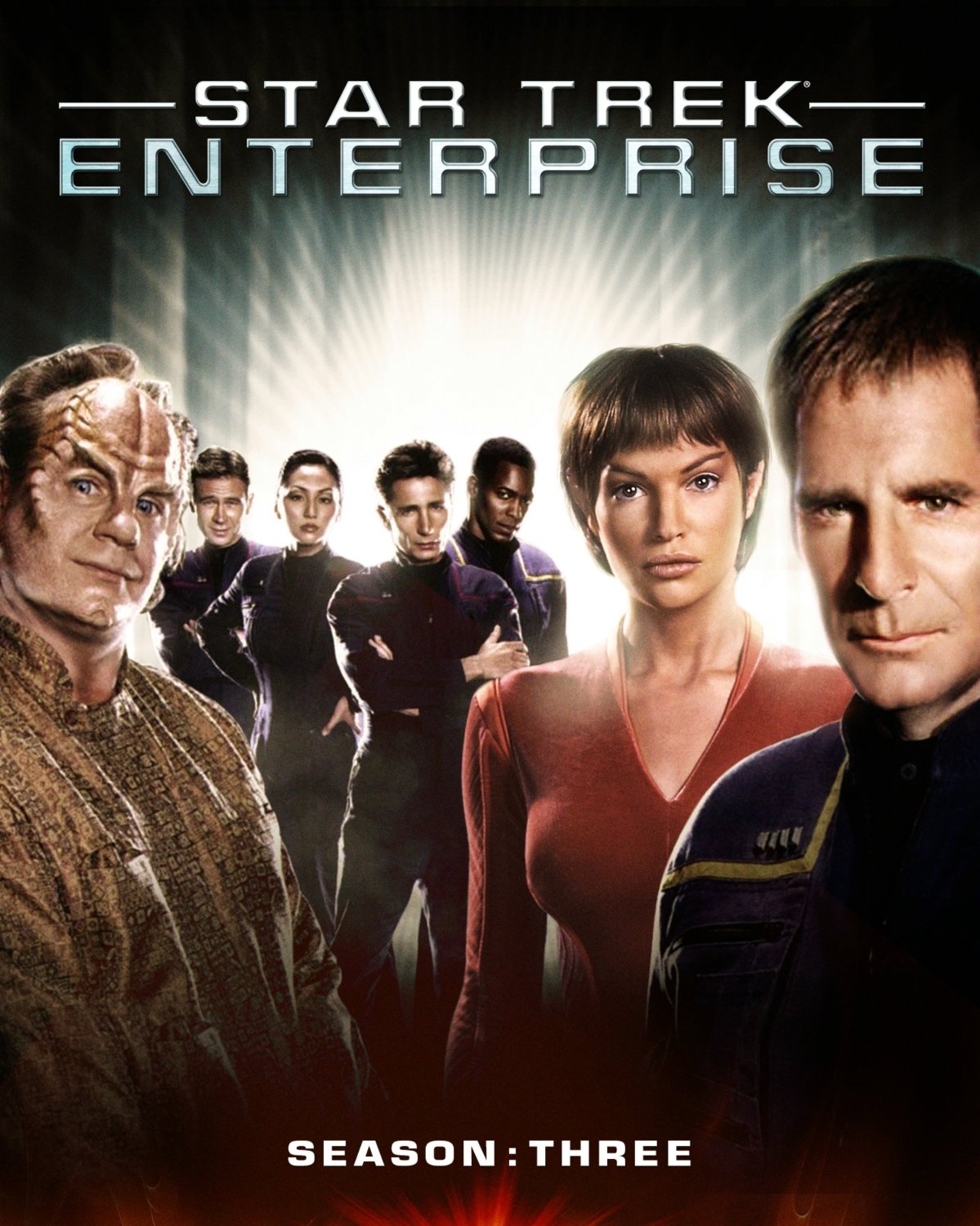
Thirty-five years to be exact. Enterprise is the fourth spinoff from the original 1960’s hopeful series. The Earth is finally ready to send its first starship to explore the vast galaxy. This first starship Enterprise is smaller than the ships we’ve become used to. There are no shields or photon torpedoes. The transporter has only been cleared for inanimate objects. Not that this stands in the way of its occasional “emergency” use. The ship is very much like the cramped spaces of today's submarines. It adds an even greater sense of reality to the show. The crew is composed of Captain Jonathan Archer (Bakula), First Officer and Vulcan High Command liaison, T’Pol (Blalock), Chief Engineer Charles (Trip) Tucker (Trinneer), Tactical Officer Malcolm Reed (Keating), Denobulan Dr. Phlox (Billingsly), Pilot Travis Mayweather (Montgomery) and Linguist/Communications Officer Hoshi Sato (Park).

“Getting what you want comes with a price.”

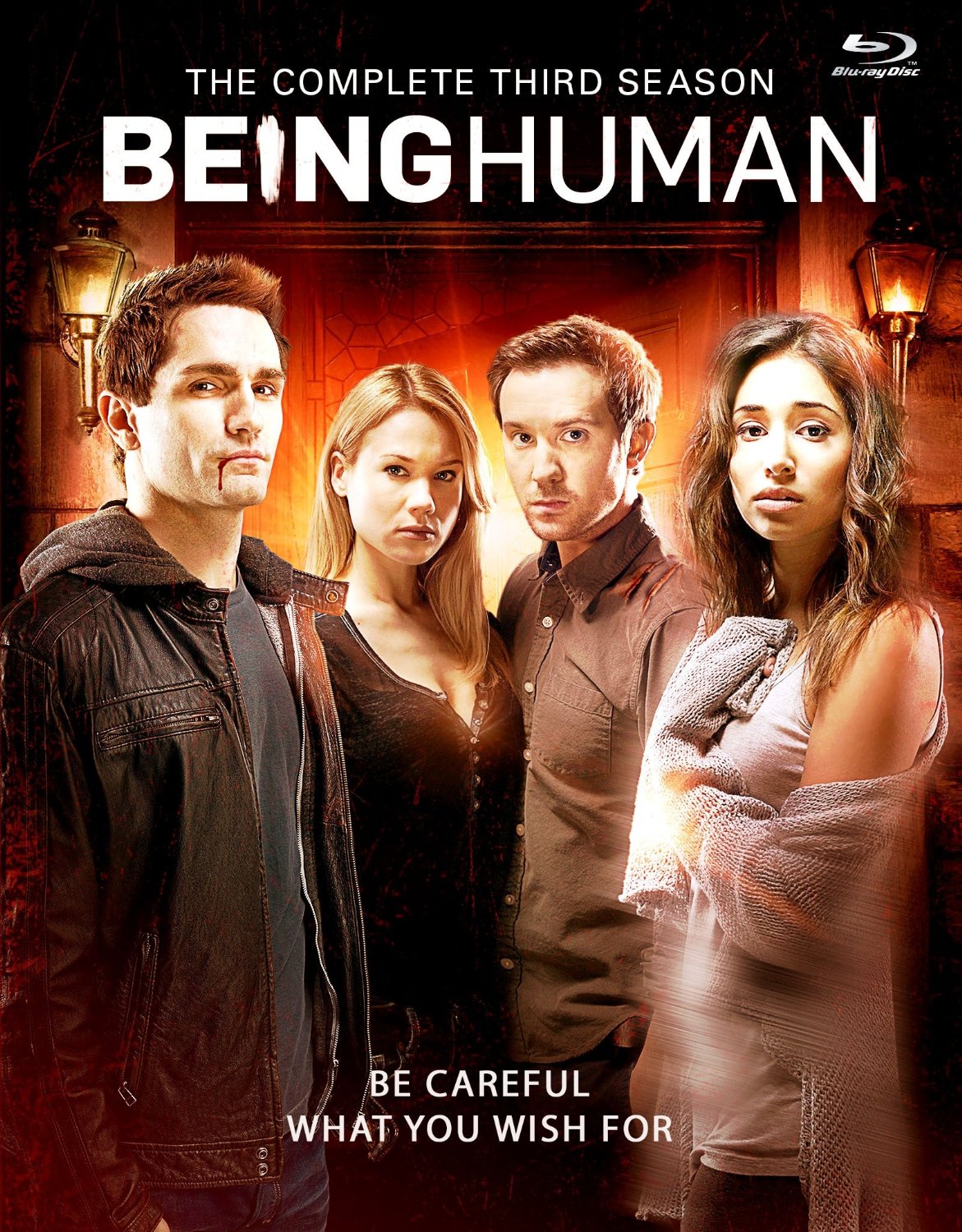
Much has changed in the world of Being Human this season. However, let’s recap for a moment just to make sure everyone is on the same page. Sally (Meaghan Rath), after shredding her own spirit to get to limbo so she can rescue Scottie and Nick, has bitten off more than she can chew as she finds herself stranded in limbo with the very people she sent to limbo. Aidan (Sam Witwer), after losing his lover Suren and his failed attempt to assassinate her murderer, the vampire matriarch known as “Mother”, is buried alive for his transgression. As for Josh (Sam Huntington), after deciding to kill his maker Ray before the full moon in order to free him and Nora (Kristen Hager) from the curse inflicted on the both of them, finds himself in a standoff that includes Ray, Nora, and himself.

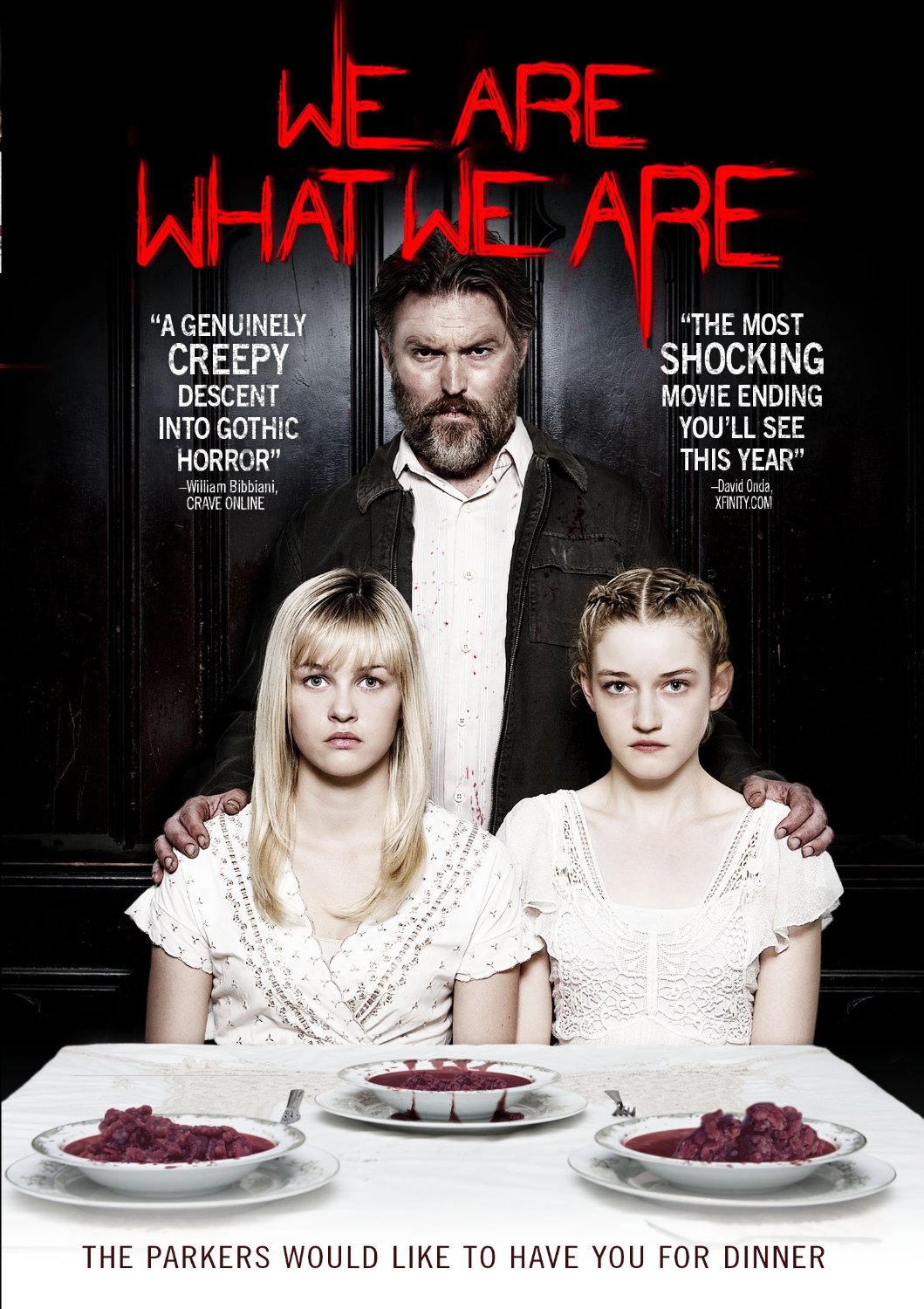
Within the first few minutes of We Are What We Are, the Parker family suffers an immense loss. The death doesn't exactly come as a shock because the film opens with a series of arresting and foreboding images doused by a torrential rain that fails to wash away the family's worries (or incriminating evidence). This atmospheric, thoroughly creepy horror movie winds up going to a number of grisly places, but, in a lot of ways, it's really just the story of how the reclusive clan deals with that loss.

We Are What We Are is technically a remake of the 2010 Mexican film Somos Lo Que Hay. I say “technically” because the new film — directed stylishly and confidently by Jim Mickle (Stake Land) — is more of a companion piece to the original. The two films share a basic premise about families who experience a sudden death and struggle to carry on their gruesome traditions, but Mickle and writer/actor/frequent collaborator Nick Damici have transplanted the action from inner-city Mexico to upstate New York.

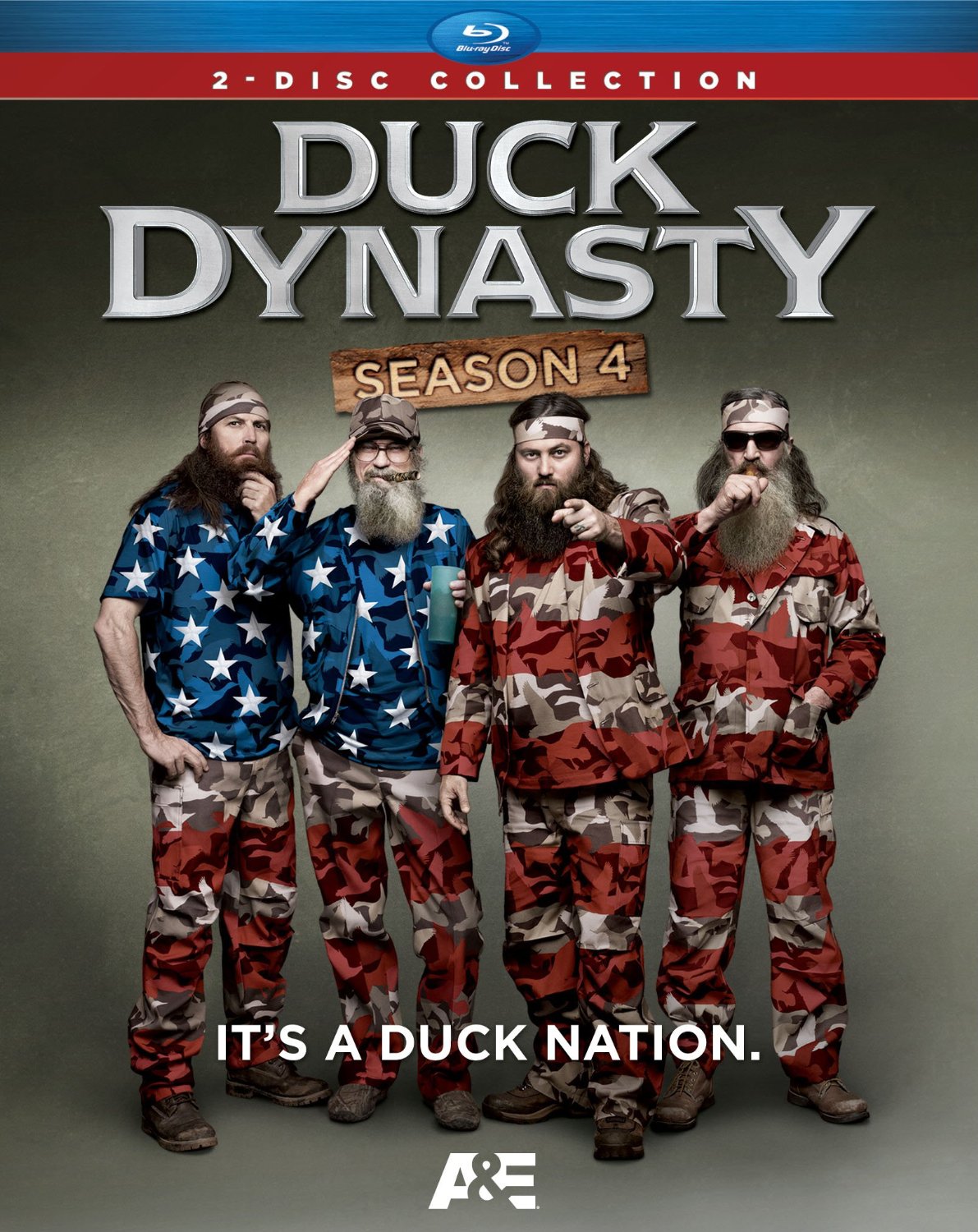
In case you’ve managed to miss the tabloids lately, it would seem that Phil Robertson, the founder of Duck Commander, has found himself in some hot water over some comments he made in GQ magazine.  These comments managed to get him suspended from the show, but not long after, he was brought back.  I’m not here to point fingers or even add fuel to the fire. Instead I simply want to say these kinds of scandals are inevitable when a hit series is involved; this especially becomes the case when the show is reality-based.  The result that usually follows is the fans end up with the short end of the stick.  If Phil were to be removed from the show it simply wouldn’t be the same show, and the thought of replacing him with another family member just wouldn’t work for me.  This is the danger of having a successful reality show; scandal and drama are bound to occur, and people are bound to get upset by decisions made. I hope this is a situation that can sort itself out, because this show is one of the few guilty pleasures I have, and it would be a shame to lose it.

OK, stepping off my soapbox and on to the review.  Season 4 starts off with Phil and Kay renewing their vows after 48 years of marriage.  Normally I don’t really go for these sap-trap (cheesy romantic stuff) episodes, but what saved it was Uncle Si’s trip down memory lane that he takes Phil and Kay on.  Uncle Si, no matter how much of a ham for the camera he is, I can’t help but enjoy the moments he graces the show with his screwball antics.  This episode works as a prime example for my one gripe I have: for a show that is supposed to be reality-based, every aspect felt scripted.  It’s  not that I have a problem with the shows being mapped out, but it’s starting to feel more as though the Robertsons have become caricatures of themselves, and it just doesn’t feel as genuine any more.

We all know looks can be deceiving, but Voodoo Possession takes that notion to the extreme. Almost nothing about the film’s DVD cover art correlates to what you’ll actually see on screen. Cult favorite Danny Trejo gets top billing despite playing a largely inconsequential role in the story. (You know a movie’s in trouble when it’s banking on Trejo’s star power; even the Machete movies relied mostly on stunt casting.) The cover is dominated by someone who looks like Samara from The Ring standing in front of Shutter Island. (Naturally, the girl has nothing to do with this movie.) At least there is, in fact, voodoo in this occasionally intriguing, ultimately lousy low-budget horror flick.

The film follows Aiden (Ryan Caltagirone), a troubled young man who travels to Haiti with his on-again/off-again tabloid reporter girlfriend Bree (Kerry Knuppe) to search for his missing brother Cody (David Thomas Jenkins). Cody is a doctor who had set up shop in an abandoned hospital, where he was exploring the medical effects of voodoo before he went missing. How does Danny Trejo play into all of this? Well, he really doesn’t. Trejo “stars” as Kross, the dubious hospital administrator/exposition machine we see working alongside Dr. Cody in video files discovered by Aiden and Co.

We’ve been conditioned to expect certain things when it comes to movies about love. The genre has become synonymous with chance encounters, kisses in the rain, and last-second declarations of love. (A tragic/downer ending is purely optional.) The most interesting thing about Last Love is how it explores the sort of deep connection between a man and a woman that isn’t necessarily tied to physicality or even romance. It’s such a refreshing change from the love story norm that it made the parts of the film that don’t quite work more palatable.

Last Love — shortened from its original title, Mr. Morgan’s Last Love, and based on a French novel opens with an arresting image of a grief-stricken man sitting at his dead wife’s bedside. Even before he opens his mouth to speak, Michael Caine uses every line on his hangdog face to convey immense personal loss. The action flashes forward three years with retired philosophy professor Matthew Morgan (Caine) living alone in his impossibly handsome French apartment and casually/unsuccessfully trying to kill himself by downing a handful of pills.

“Violence is never the answer.”

That statement is said unironically by a character in Sweetwater, but we know better; in the movies, violence is pretty much always the answer. This is especially true when it comes to the revenge genre which, the films of Quentin Tarantino notwithstanding, is largely a man’s game. (Risk-averse Hollywood studios are much less likely to greenlight WoMan on Fire.) This bloody, straightforward Western from twin filmmakers Logan and Noah Miller is not terribly original, but it does try to put its own spin on the hallowed tradition of cinematic payback.

Futurama was the brainchild of Simpson veterans Matt Groening and David X Cohen. With the growing popularity of their iconic cartoon, it was no surprise that Fox would tap the team to bring another show to the network. When Futurama premiered in 1999, it was a combination of The Jetsons and The Simpsons. That would be ironic for those of us who think the Simpsons theme is a direct knockoff of The Jetsons. It was 1000 years in the future, and the joke was that no matter how much things changed, they hadn’t really changed at all. The space-age series would use many of the writing and art team from The Simpsons. That meant the character designs, at least the humans, would look exactly like the people in the other show. The writing would include that same subtle wit that implanted tons of references for the adults who were watching. The show never seemed to click with the kids, but it was not really meant to. The subject matter was considerably more adult in nature, and there really weren’t any cuddly characters. All of this likely led to Fox’s decision to cancel the show after four years. It wasn’t a quick and painless demise, either. The show suffered through months of purgatory. It was on, then off again. The final episodes were moved around and often rescheduled. In the end it was an uphill battle, and Futurama lost.

But the cancellation was not to be permanent. The show found new legs on cable and finally with a handful of home video movies. Interest was once again high, and Futurama was back from the grave. Unfortunately, the show really has reached the end now. This collection contains the show's last episodes.

“You gotta be grateful for the little things in life, otherwise you’ll never be grateful for nothing.”

I’m not so sure the same fans who made 2007’s The Ultimate Gift a hit on the home video market — and spurred the creation of this sequel — will be very grateful for this tepid follow-up. The Ultimate Life stiffly and earnestly re-iterates the first film’s emphasis on appreciating non-material delights, and sprinkles in a worthwhile message about the importance of leaving a strong legacy behind. Unfortunately, this film’s own legacy places it with the long list of sequels that don’t live up to the original.

Cliff Richard’s music stardom predates that of the Beatles. So the fact that I wasn’t at all familiar with the British pop singer’s music before sitting down to review this Blu-ray probably says more about me than it does about him. Lucky for me, this career-spanning concert — which includes music from his time with the Shadows, some solo hits, and even his duet from the movie that partly inspired the creation of the Razzies — also doubles as a lively, CliffsNotes glimpse into Richard’s incredibly prolific and successful career.

Richard is 73 now, but he’s still able to tirelessly work every inch of the mammoth stage at the iconic Sydney Opera House, where this concert was filmed earlier this year. The singer made his first record at age 17, and had reached #2 on the British charts shortly after turning 18. The man knows how to entertain, even if he’s fooling absolutely no one with his unnaturally dark brown hair. (Tom Jones and Paul McCartney know what I’m talking about.)