Studio

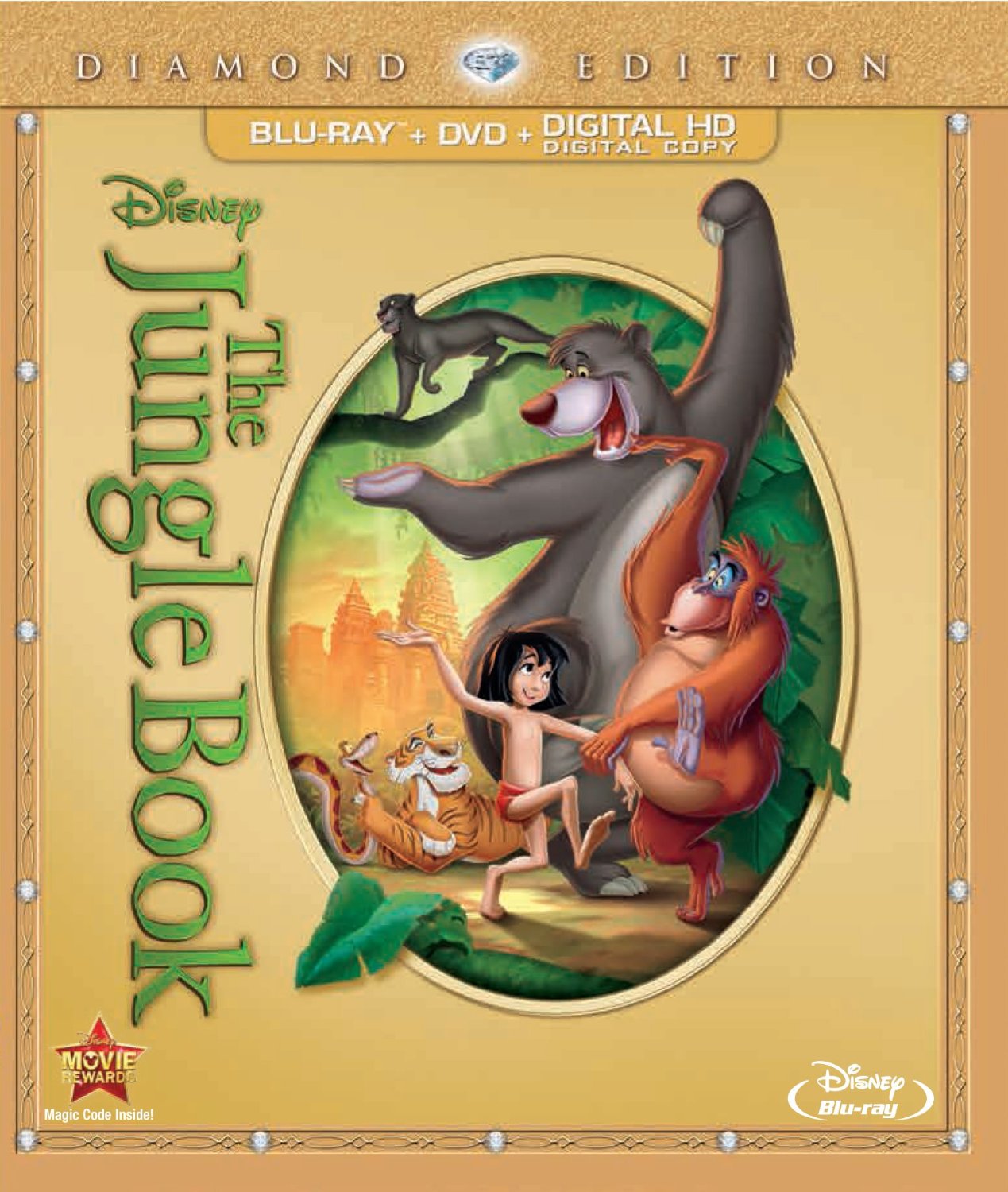
There are two very distinctive schools of thought about Walt Disney’s The Jungle Book. There are the Kipling fanatics who have never forgiven Disney for taking a story considered sacred in literary circles and creating something that honestly bears (pardon the pun) little resemblance to the original work. These folks rightfully point out that the story contains almost nothing recognizable about the story and characters from Kipling’s beloved classic. I have often condemned projects that take names like The Night Stalker and Battlestar Galactica and create a vision incompatible with the traditions I associate with them. Therefore this review might seem a bit hypocritical when I tell you I side with the other camp that considers this film to be a milestone, not only in Disney animation, but in animation history itself. The characters might be distantly removed remote ancestors to Kipling’s creatures, but they are truly classic creations in their own right. What better definition of a classic can there be than the influence that The Jungle Book still has 40 years later, not only on our pop culture but on the careers and lives of today’s artists. I venture to say that more people are familiar with Disney’s renderings of these characters than Kipling’s; I agree the caparison isn’t exactly fair, but it is accurate.

So why do I think this isn’t the same as the “reimaginings” I’ve condemned in these very pages?  I begin by pointing out that we’re talking about a film that has stood the test of time, perhaps enduring beyond its own roots. The second is the fact that this version is not the same medium as its original. When ABC aired The Night Stalker, it was reinventing its original in the same medium, that of a television series. Disney’s The Jungle Book is an animated film whose audience is nothing like that intended for the stories. This distinction was not lost on Walt Disney himself, who lost a close friend and colleague over his decision to create this vision of The Jungle Book. Long-time “go to” man Bill Peet had originally developed the Kipling story for Disney. He kept quite close to the source material and submitted storyboards that told a decidedly darker story with far more dire consequences and darker characters. The impasse led to his leaving Disney Studios forever. As Peter Jackson discovered, film is a far different presentation than the written word, and what works for one does not often translate verbatim to the other. Ask anyone who’s ever tried to develop a Stephen King novel. Walt Disney was attempting to deliver a children’s film that the whole family could enjoy. He rightly deduced that the compelling tale Kipling intended simply wouldn’t translate into the kind of adventure Disney fans were already expecting by 1966. Instead, Disney ordered his staff to avoid reading Kipling and concentrate on delivering characters that the entire family could enjoy. The result is, simply put, unforgettable.

“I know many of you are probably wondering, ‘What the hell is Mike Tyson gonna do up here on stage tonight,’ right? Frankly, I’m wondering the same thing too.”

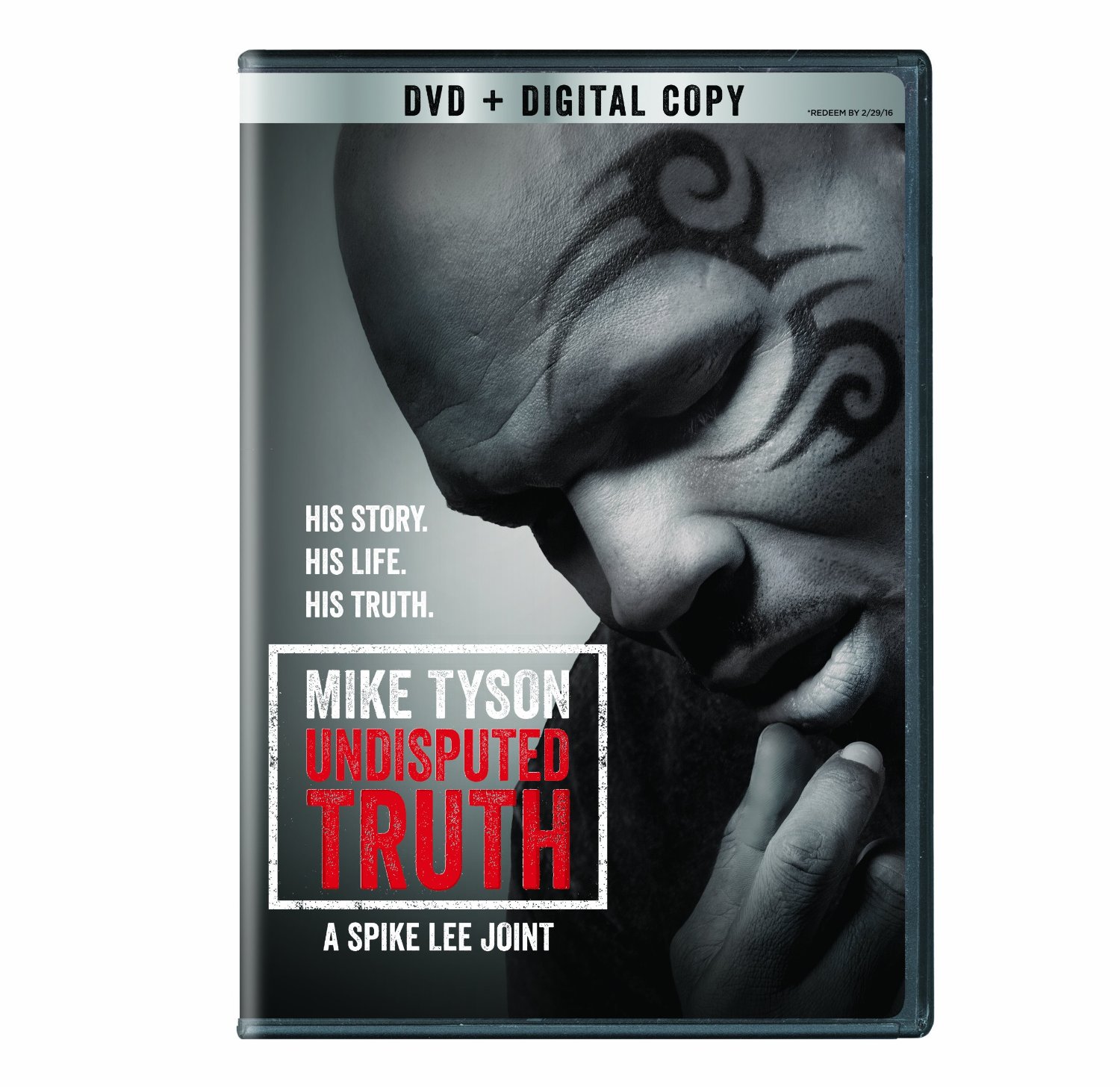
If you or I decided to get a face tattoo, it would almost definitely be the craziest thing that’s ever happened to either of us. On the other hand, I’m not sure Mike Tyson’s now-infamous facial ink even cracks the Top 5 list of most insane things he’s ever said or done. That very unpredictability is what makes him an ideal, endlessly compelling subject for a one-man show.


You have to interfere in what is wrong to make it right.”

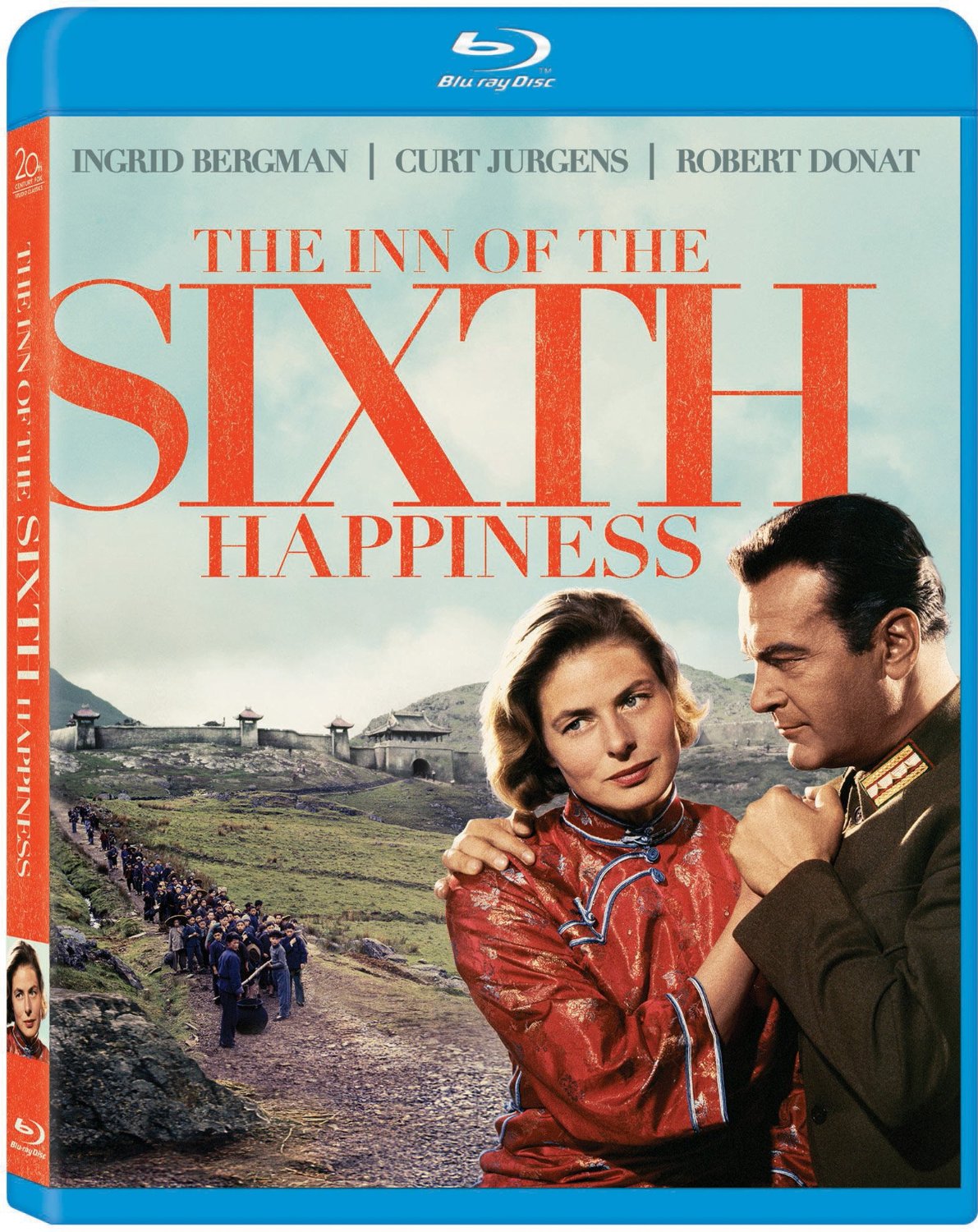
When a movie is described as a “timeless classic,” the implication is the film contains a level of artistic merit and cross-generational appeal that has made it relevant decades after its release, and will make it watchable decades from now. The flip side is the type of film that is very much of the time it was created. Despite what ought to be a universal message about caring for one another, The Inn of the Sixth Happiness — making a welcome debut on Blu-ray as part of the Fox Studio Classics series — belongs in the latter category.

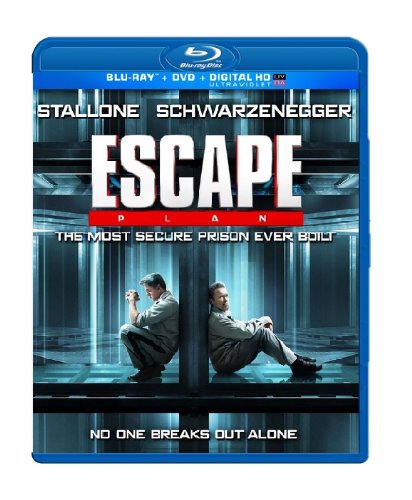
“A successful breakout depends on three things: Layout, Routine, and Outside Help.”

You know, there was a time when the public could only dream of an Arnold Schwarzenegger and Sylvester Stallone team-up. Now thanks to a little film called The Expendables, when it comes to the realm of action star team-ups, anything is possible. Case in point: Escape Plan. When this film was first announced, I figure it would be devoid of any real substance and just another attempt to capitalize on the success of  Expendables (the first one; the second is not that great), but the film surprisingly holds up on its own without having to cling to anything else.

Don't try to figure this out...I'm just a crazy, horny bitch.”

This column strongly opposes cheating on your significant other. But if you absolutely can't help yourself, you've got to be smarter about it than the numbskull played by Billy Zane in this film. In Scorned — a junky, over-the-top cross between Fatal Attraction and Misery — his girlfriend is an admitted manic-depressive who regularly takes as much medication as she can stuff in her purse. So what exactly did this dolt think would happen when she found out that he was sleeping with her best friend?

"Sometimes I like to think that fever of an unexpected origin, that I never came out of the other side. And that the rest of my life, none of it ever happened, especially that part where I got shot 37 times, giving my Bonnie Parker her big ending."

When you're telling the story of Bonnie and Clyde, it's very hard to say anything new. The exploits of the pair were followed closely by the entire nation. Newspaper accounts and silver screen newsreels took advantage of every turn of events in the case. Most of you think that today's wall-to-wall coverage of tragic events is something new and disturbing. Not so; the case of Bonnie and Clyde covered not just the crimes, but the lifestyles. They published Bonnie's rambling poetry and posed photos the pair themselves sent to the papers. Film trailer voices boomed the events with dramatic telling. It was all out there to see.

“I’m match for any man.”

The idea that “behind every great man, there’s a great woman rolling her eyes” far predates its adoption as a feminist slogan in the middle of the previous century. The White Queen — a sumptuous, rushed combination of Game of Thrones-style high-stakes scheming and Tudors-style regal bodice ripping — uses Britain’s late medieval history as a jumping off point for pushing a number of notable women to the forefront.

How did the stripper get in the maid's room?”

That question sounds like the set up for some juvenile, profane joke, but it also tidily encapsulates the plot of Afternoon Delight. The film is about the plight of an affluent, quietly desperate housewife who takes it upon herself to “rescue” a young, down-on-her-luck stripper. What the quote doesn't quite capture is how this funny and frank outing from first-time feature filmmaker Jill Soloway is really about the universal quest for intimacy.

Collision is ostensibly about a honeymooning couple who gets stranded in the desert, and how the harsh, unforgiving terrain shines a light on their many secrets. But the coolest thing about this thriller — besides the spectacularly violent car crash that sets the plot in motion and gives the film its title — is how the story could've been told from any of the marooned characters' perspectives. I just wish writer/director David Marconi hadn't taken the most winding, contrived road possible to arrive at his destination.

This English-language French thriller counts Luc Besson among its producers. Yet instead of touting Leon: The Professional or even The Fifth Element, the Blu-ray case for Collision boasts that it's, “From the producer of The Transporter and Taken 2(?!) And that's how a Blu-ray case can instantly make you feel old.

"My name is Flint Lockwood. My whole life I always wanted to be a great inventor just like my hero. It was like Chester V. was speaking directly to me using the language of science."

In 2009 Sony Pictures had finally learned to use the language of science when it comes to the world of animation. I'm talking the computer-animated feature film.  Of course, they've been in the game for a while, but it was with the release of Cloudy With A Chance Of Meatballs that this reviewer believes they delivered on the kinds of things that Pixar and Dreamworks have been delivering for quite some time. Cloudy With A Chance Of Meatballs was a pretty big hit with both adults and kids, a combination absolutely essential to creating box office magic with a computer-generated animation feature. Based on the children's book by Judi and Ron Barrett, the film contained incredible charm. It pulled in a modest $135 million at the box office, but the film had pretty good legs on home video. It was pretty much a foregone conclusion there would be another one. But sequels are rarely as good as the original film, and it's even more rare to find one that is actually better than what came before. Consider Cloudy With A Chance Of Meatballs 2 one of those uncommon events. The original was, as I mentioned, charming. It was pretty good. The sequel is better than good. The franchise has a future that is anything but cloudy.