Studio

“At this very moment, I have no desire to stab you in the neck.”

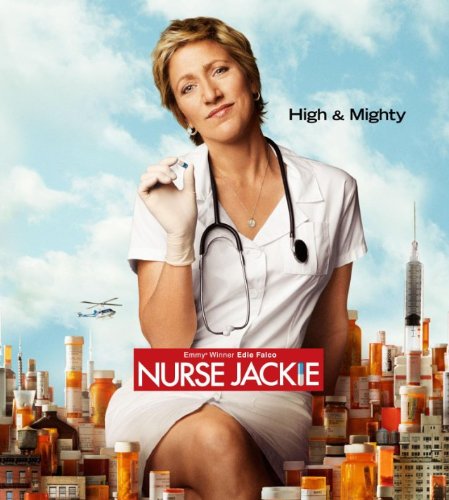
Between Weeds and Nurse Jackie, Showtime has the corner on shows about drugged up, ethically challenged women. The great Edie Falco somehow keeps Nurse Jackie relatable even though she is an unrepentant drug addict, thief and manipulative narcissist. It doesn’t hurt being surrounded by such a smart supporting cast and given lines that crackle with poignancy and humor.

One of the more popular characters from the Shrek franchise steps into the starring spotlight here, in an adventure whose locale is rather different from the familiar swamp-forest-castle fairy-tale settings of the parent films. Seeking to steel magic beans from the husband-and-wife thugs Jack and Jill, Puss (Antonio Banderas) and rival Kitty Softpaws (Salma Hayek) become caught up in a wild scheme masterminded by the duplicitous Humpty Dumpty (Zach Galifianakis).

The plot is really more of a premise, serving as the means to set up a grab bag of set pieces (an extended flashback showing Puss and Humpty’s past, and how the latter betrayed the former; the spectacular sprouting of the beanstalk; the dance-off between Puss and Kitty and the Glitter Box). There is a lot going on here, and the jokes come a fast clip. Younger viewers will likely get the most out of this, but there are plenty of bones thrown to the adults in the crowd, including such touches as the in-joke casting of Banderas and Hayek bringing in a whiff of Desperado to the antics. The animation is stunning, and while I can’t speak to the 3D theatrical incarnation of the film, it looks simply stunning in 2D.

"There's no need to fear. Underdog is here!"

Indeed, Underdog was the champion of many a child's fantasies in the 1960's when it first reached the airwaves. The show would become the most famous title from the team at Total Television Productions who also brought us the likes of Tennessee Tuxedo and his many friend.

After watching The Son of No One, I'm afraid I have some good news and (significantly more) bad news. The good news is that I get to say the following sentence for the first time in at least ten years: Al Pacino was probably the best thing in this movie. The bad news is Pacino has only a relatively tiny role in this dramatically stagnant crime drama that ends up squandering a talented cast, a vividly-realized setting and some interesting ideas.

Channing Tatum stars as Jonathan White, a young cop who has been transferred to the 118th Precinct in Queens where his late father was a cop and located in the same district where White grew up. The precinct's captain (Ray Liotta) is troubled by some anonymous letters published in a small local newspaper by a persistent reporter (a miscast Juliette Binoche). The letters claim the police covered up two murders 16 years ago in the same neglected housing project where White grew up.

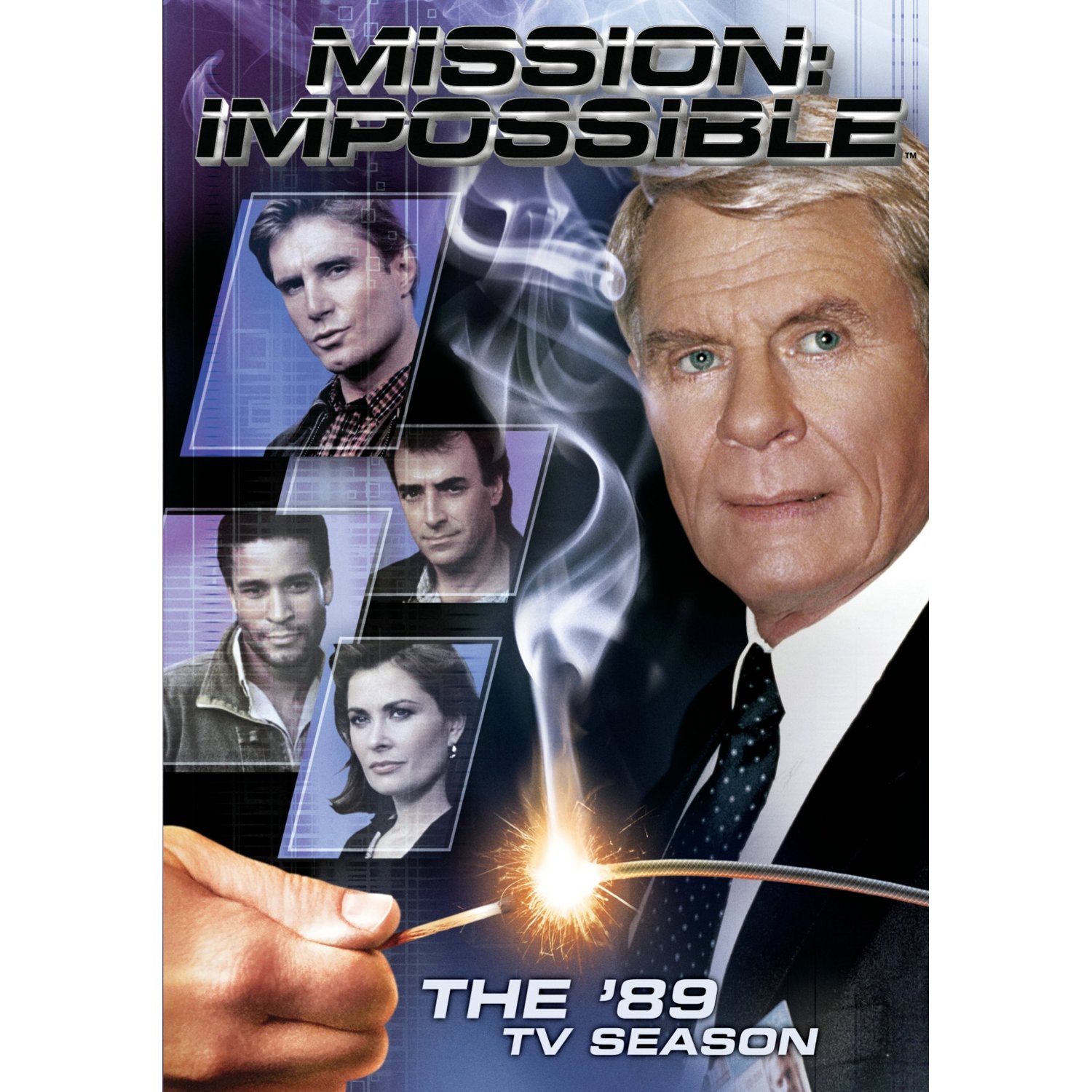
The seventh season of Matlock brought more of the same. If you’re a fan, that’s very good news indeed. What is that, you ask? Imagine Sheriff Andy Taylor older and now an attorney, and you pretty much have the setup for Matlock. Forget for a second that both characters were played by Andy Griffith. That’s not all they have in common. Matlock is every bit the “southern gentleman” that Taylor was. He might be a little smarter, but he walks and talks like Andy Taylor. The series did, however, jump networks with this season. After spending six seasons on NBC, the show moved to ABC with a couple of changes. Michelle, played by Nancy Stafford left the show as the 6th season was originally considered the series finale. As the 7th opens Matlock's older daughter Leanne enters the partnership, played by Brynn Thayer. Law graduate Cliff Lewis, played by Daniel Roebuck, also joins the firm as a new lawyer.

Matlock began life as a television movie from Dean Hargrove, who brought us Columbo. Hargrove would later work the same magic with Dick Van Dyke in Diagnosis Murder. In fact, the two shows could easily have been companion pieces. Both featured sit-com stars from the 1950’s and 60’s who had become somewhat iconic characters. Both would don the role of professionals. Both shows would subscribe to the “formula” mode of storytelling. Diary Of A Perfect Murder would set up the Matlock formula. It’s simple, really. Matlock was a lawyer in Atlanta. Some wronged defendant, usually charged with murder, would show up asking for Matlock’s help. Matlock and his team would investigate the crime with an eye toward, as OJ Simpson is fond of saying, finding the real killer.  His team consisted of his daughter Charlene, herself a competent lawyer, and Tyler Hudson (Holliday), his private investigator. In the pilot the Matlock character was less Andy Taylor and a little more slick at first. I’m sure that while it was intended to show Matlock’s prowess as a high-priced attorney, somewhere along the line it became obvious that the show’s finest asset was Griffith himself and that southern charm he was already famous for. Whatever the reason, you can see the character soften significantly during the early episodes of the season. And that decision was a smart one, as Matlock would continue for nearly a decade.

Looking over my sports dvd library, one might notice a lot of contact type titles. From Wrestling to MMA to high intensity action films, I have my fill of male testosterone fueled viewing. The question remained what would I think of some bare knuckled fist fighting in the documentary that took over ten years to make: Knuckle. Would it be simply too barbaric or would I crave more?

We see a man punching a bag held by another man with his bare fists and then the same guy sparring later on the beach. This soon prompts a scene with a police cruiser where they have to explain themselves that not only are they shooting a documentary that has lasted the last ten years but this Irish man is preparing for an upcoming fight in London. This man is simply known by the name of James Quinn McDonagh. And the credits roll.

"The darker picture is always the correct one. When you read the history of the world you are reading a saga of bloodshed and greed and folly the import of which is impossible to ignore. And yet we imagine that the future will somehow be different."

One thing that is absolutely different is HBO's The Sunset Limited. I can assure you that this film is unlike any movie you've ever seen before, or are likely to see again. There are a lot of reasons for this, of course. The most glaring difference is that the film is staged and performed very much like a live stage performance. You will get the feeling almost immediately that you are watching a play rather than a movie. It's a natural enough sensation when you consider the film has been written by Cormac McCarthy from his own stage play. The entire film takes place in a rather depressing and claustrophobic tenement apartment. The furniture is sparse and worn. The smell of poverty prevails in every inch of the small space. All of this brings us into more intimate contact with the players and enhances that feeling of watching a play.

I completely understand if you bailed out on Weeds a long time ago. The fact is the current show bears little resemblance to the subversive, suburban sitcom that became one of Showtime's first comedy smashes. That's partly because the tone of the show took a dark turn into Mexican cartels and human trafficking after the end of season 3. Even worse, the once-fresh characters had become, at best, reliably annoying — think Kevin Nealon's Doug Wilson ­— or, at worst, completely unlikable (like Mary Louise Parker's Nancy Botwin, the leader in the clubhouse for the title of TV's Worst Mom.)

But here's why I'm actually ok with the way Weeds has played out (besides my immense crush on Mary Louise Parker): what else were creator Jenji Kohan and her team supposed to do? If season 7 rolled around, and Nancy was still dealing pot in Agrestic, the show would get crushed for never evolving. In fact, given Nancy's relentless ambition and reckless behavior, I think the show has progressed in a semi-realistic way. Well, except for the part where she always gets out of impossible jams.

Jimmy is a clinically overweight teen who is starting high school. He is immediately the target for relentless bullying but tries ignoring his classmates' tormenting by focusing his attention on losing weight and trying to win over a girl he fancies in his classroom.

Based on a novel by Diane Lang and Michael Buchanan, this is a serviceable lesson about how children can attempt to keep a positive attitude despite facing all sorts of adversities. Said adversities Jimmy faces start as typical bullying, which is portrayed in this film in a realistic fashion, and escalates to extremely serious issues regarding his best friend, whom is facing even greater challenges living in a broken home with an alcoholic father.

Make no bones about it, Storage Wars is one of my favorite television shows of all time. Most people would refer to it as a modern day treasure hunt, but when it comes down to it, the cast of characters is what keeps me watching. Of course, the "what is behind Storage Locker #1?" is going to lure me to the dance though. Needless to say I was pretty excited to see a second volume of Storage Wars hit my door. Let us see what the boys (and girl) find this time around.

Since Storage Wars has not received a review on this site as of yet (Season One is readily available), I thought I would take some time and share the basics. Ever rent a storage locker? Sure, most of us have. We tend to throw just about everything in there, from absolute crap we can not bear to get rid of to perhaps something valuable that we are saving for a rainy day. Well, just like anything else that costs money, some people decide not to pay it. Well, unfortunately the owners have to do something about it to recoup their losses. Auction it off to the highest bidder.