Posted in: Disc Reviews by Jeremy Butler on February 1st, 2020
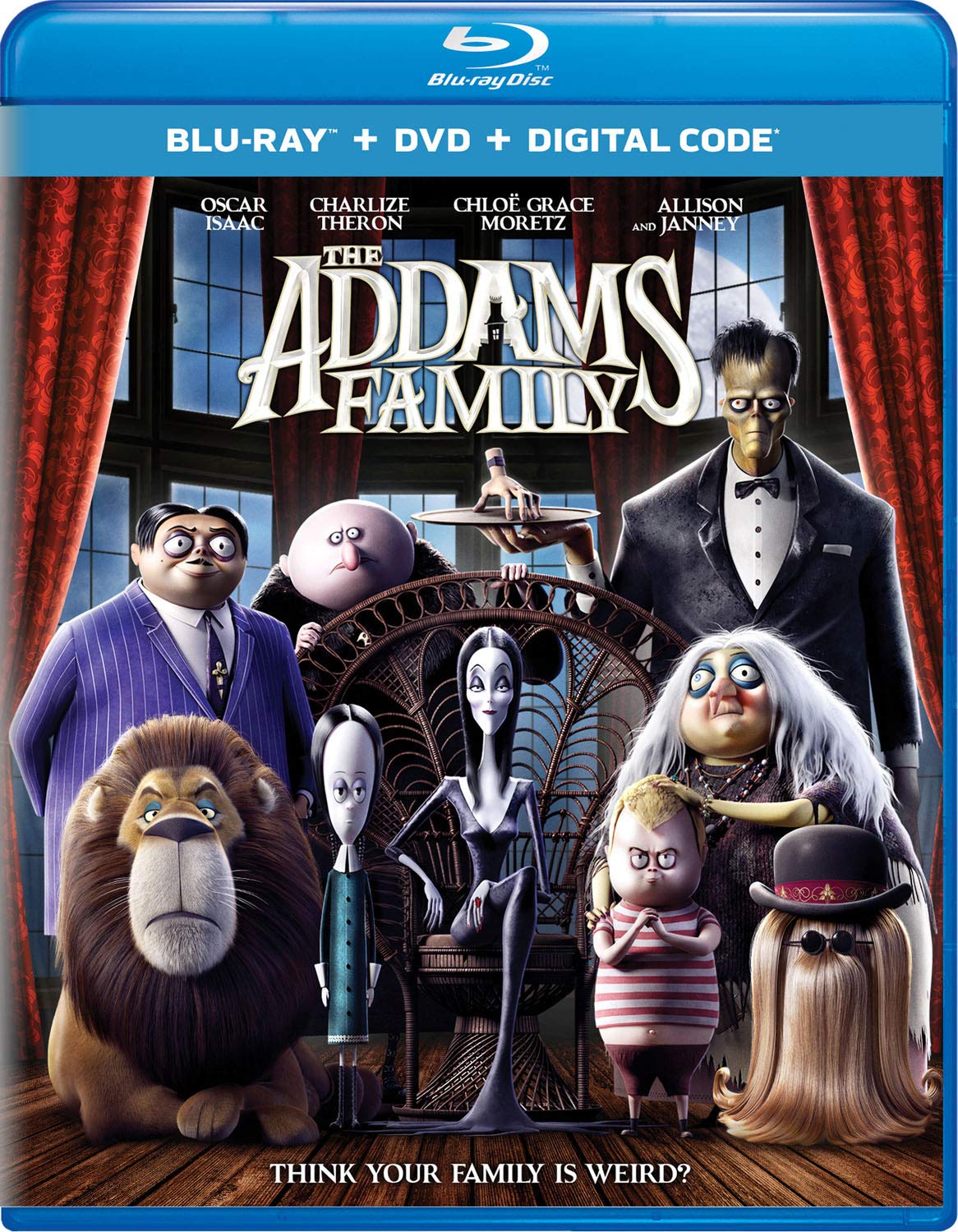
“They're creepy and they're kooky, Mysterious and spooky, They're altogether ooky, The Addams Family.”
That is for those who read my Addams Family double feature post regarding the Addams Family theme song. Of course that is merely the first verse of the song. Have no fear, as the animated film features the full version. It must be kismet, as I had the privilege of reviewing the animated film so soon after reviewing the double feature, though I suspect that this was by design. Though this cartoon does not fit the traditional view of what a horror film is, I would argue that the subject matter is more than enough to grant it entry. Featuring a lighter tone than its subject material, this incarnation is an enjoyable experience that can be shared with the whole family, which was my experience as I was able to bring my daughter to the film with me, and I’m happy to say it got her stamp of approval.
Posted in: Disc Reviews by John Delia on February 1st, 2020
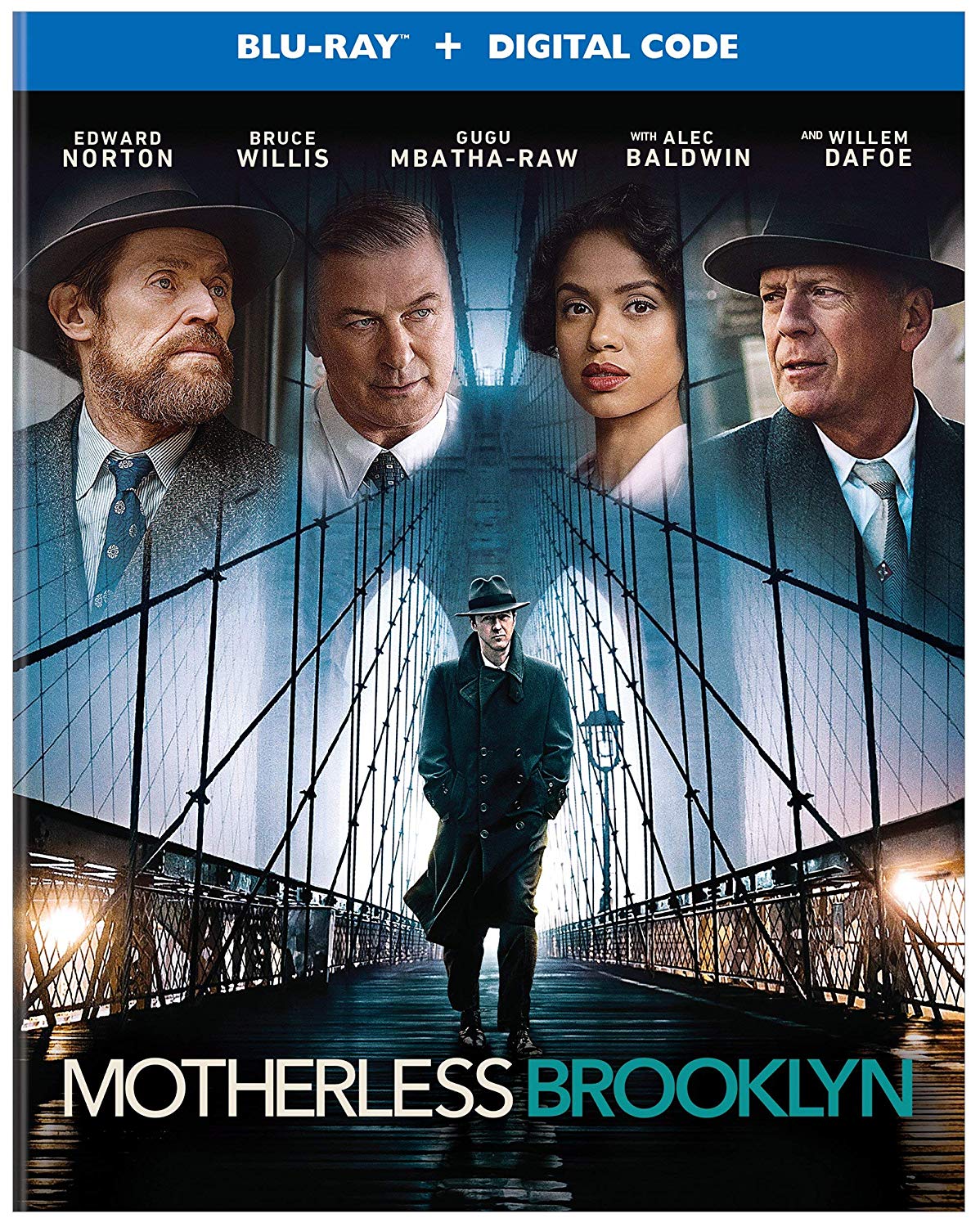
During the 1950’s, being a private investigator wasn’t always a safe and sure way to make a living. But it was a popular way to make some cash for returning soldiers or ex-police officers. During these times things were beginning to modernize, and the world was becoming more dependent on advancement in the skyline. With these changes, corruption and deceit became more evident, and private investigators became more popular. When Frank Minna’s (Bruce Willis) agency gets a chance to make some real money, things begin to get ugly fast. In his crew there is Lionel Essrog (Edward Norton), an orphan with Tourette's syndrome that Frank took under his wing when Lionel was 13; they have been friends ever since. Then there is Tony Vermonte (Bobby Cannavale), Gilbert Coney (Ethan Suplee), and Danny Fantl (Dallas Roberts). Frank has known these guys for many years and trusts them with helping to investigate the cases for his company.
When a job goes awry, the team has to discover what went wrong and how far this assignment will actually take them. Lionel takes the initiative and starts on this case that will bring him among the very powerful and the group these power-hungry men want to take down. Following the breadcrumbs brings Lionel in many directions, but it all somehow centers on Laura.
Posted in: Disc Reviews by Jeremy Butler on January 20th, 2020
When we last saw the Mistress of Evil (which also happens to be the title for the sequel) she was more of a hero rather than a villain. However, the sequel sees her return to her previous status as the feared fairy that ruled the Moors. How quickly people forget her contributions. Though not traditionally scary, the film features plenty of magic and carnage courtesy of Jolie. Additionally, the film features the return of Elle Fanning, Sam Riley, and Harris Dickson as Aurora, Diaval, and Prince Philip. With the addition of Chiwetel Ejofor and Ed Skrein, as well as Michelle Pfeiffer as Queen Ingrith, Philip’s mother, who gives Maleficent a run for her money for the title of Mistress of Evil. In the five years that have passed since then the original film, Aurora has continued to reign as Queen of the Moors and is beloved by her subjects, and especially by Prince Phillip, who works up the courage to propose marriage. Aurora accepts, but then comes the hard part: telling their parents. For Phillip the difficulty comes from her mother, who feels that their people have a right to pillage the Moors and worries about losing her son to Aurora, who rules the land she would like to acquire. For Aurora, the difficulty is much more challenging, as she has the unfortunate task of telling her godmother, the protector of the Moors, Maleficent. Though initially opposed to the idea, Maleficent grants her permission. However, this is only the beginning of their troubles.
At a formal dinner to celebrate the union, heated words lead to a declaration of war between the two kingdoms, as well as a curse. As a result, a rift is formed between Maleficent and Aurora, who sides with her new family. Adding to the situation, Maleficent suddenly learns that she is not alone in this world, as she discovers more like her and her origins.
Posted in: Disc Reviews by Brent Lorentson on January 20th, 2020
Back in the 80’s and 90’s it was a glorious time for crazy, over-the-top action films. The names that most notably come to mind when I think of this time in action cinema are Don Simpson and Jerry Bruckheimer. They were the guys who knew how to make a popcorn action film: Beverly Hills Cop, Days of Thunder, Bad Boys, and many more. While Line of Duty isn’t quite in the same league of these films, it definitely has its roots in these films, and for a VOD action film, well, this film is all kinds of absurd fun. Director Steven C. Miller has had some duds over the span of his career, though I did enjoy his take on Silent Night, but Line of Duty shows that the man is capable of helming a white-knuckle action film if given a proper budget and script to work with. When it comes to Aaron Eckhart, I’m kind of surprised we don’t see him as the lead in more tent pole action films. Sure, many of us know him for his turn as Harvey Dent in The Dark Knight, but he’s a guy with so much untapped talent. It was nice to see it on display in this film. Frank Penny (Eckhart) is a disgraced cop who is responsible for getting a kid killed and is now stuck working as a beat cop. It doesn’t take long for the film to ramp up as Frank is caught up in a foot chase with a suspect involved with the kidnapping of the chief of police’s daughter. There is a lot of running in this opening act, and things go bad to worse for Penny when he’s put in a situation where he kills the only lead to finding the kidnapped daughter.
Miller does a good job at sucking us into Penny’s world and sympathizing with him, but the film unfortunately takes a miserable turn with the introduction of millennial, social media reporter Ava (Courtney Eaton). Maybe I’m showing my age, but geez, was I annoyed by the introduction of this character. Even worse is the character Clover who runs the site Ava reports for. I know it’s only January, but I’m quite certain the character Clover will be the worst character of the year, from her actions and dialog in the film, she’s basically the millennial character everyone rolls their eyes in annoyance over.
Posted in: Disc Reviews by Brent Lorentson on January 15th, 2020
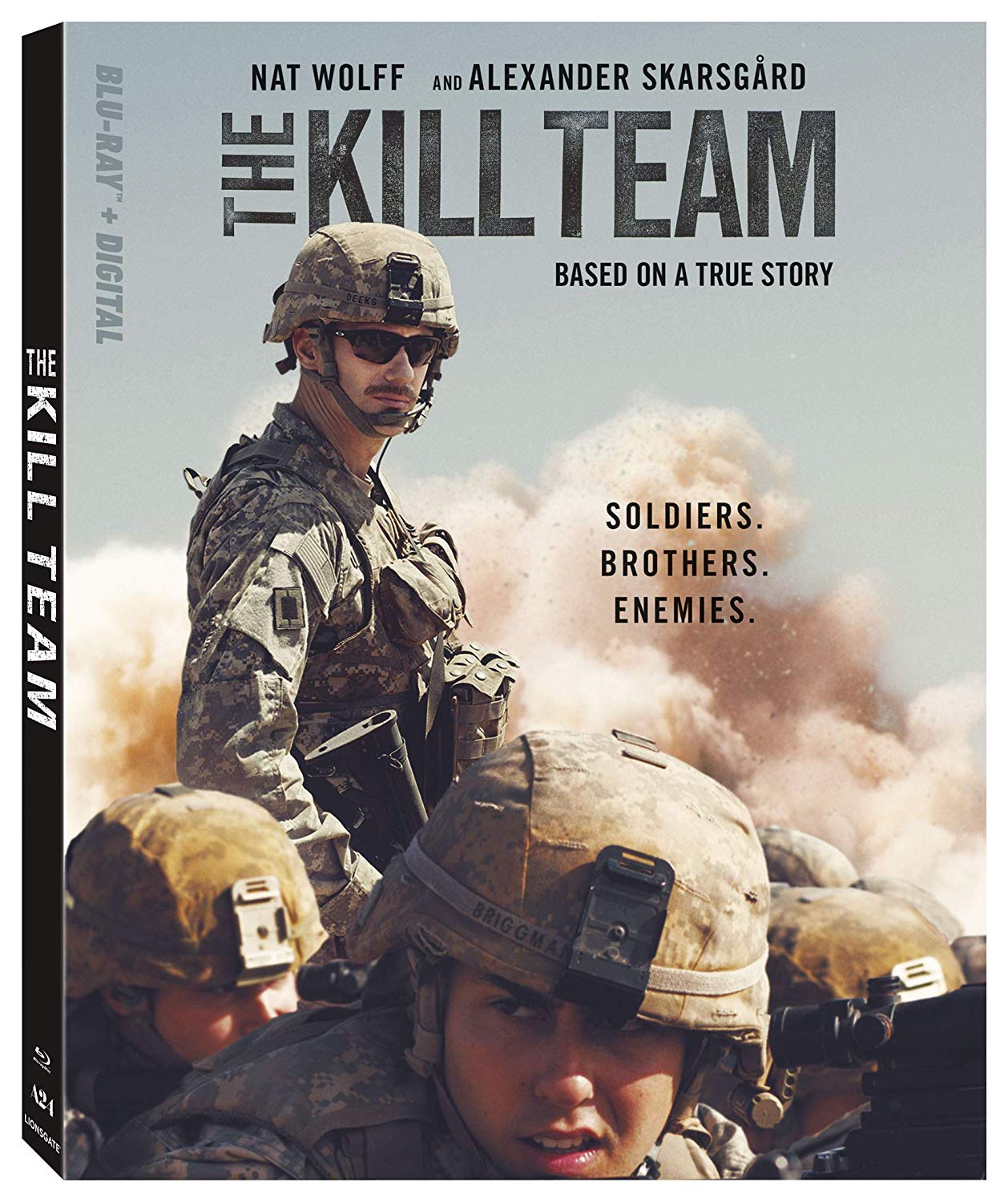
This is yet another war film that is “based on true events”. Considering how long troops have been over in Afghanistan, it’s no surprise how many films seem to be coming out about the subject. I’ll admit going into this film I didn’t exactly have high hopes, but I’m pleased to say not only did the film not disappoint; I found myself actually enjoying it. Granted this is no 1917, but it’s definitely better than the dumpster fire film that I reviewed about a month ago called D-Day. The Kill Team follows new recruit Andrew Briggman (Nat Wolff), who is wide-eyed and ready to see combat, but once he is confronted with the very human side of the war that the troops are facing, well, his conscience begins to weigh him down, and things only get more complicated for him as his time in Afghanistan stretches on. From the start, the film seems to have a very idealistic view on how the soldiers can and should act, and it’s this “moral compass” that gets in the way of telling the story. When it comes to war films that delve into the cruelty that occurs, you can’t let morals dictate the story. It’s the equivalent of doing a western where the bad guy wears the black hat and the good guy wears white. Sure, you’re spelling it out for your audience, but when depicting real life, it’s never quite that easy to tell wrong from right.
The film wastes no time in getting us into the story, as we see Briggman on his last day being a civilian to him being in Afghanistan. He seems disappointed that instead of seeing combat he’s stuck with his team travelling to villages attempting to build relationships with them, but things quickly go sideways after an explosive takes out his Staff Sergeant. It doesn’t take long before a replacement comes in, and it’s Staff Sergeant Deeks (Alexander Skarsgard) who comes in to make some changes to the unit. He’s not about being friendly with villagers; instead, he’s ready to hunt down some bad guys responsible for making bombs that have killed numerous soldiers over the year. Here’s the thing: I was onboard for this being about a military unit simply out for blood killing potential terrorists. If you’re going to do a film about morally corrupt soldiers, I figure you just go all in and make them a ragtag team of anti-heroes. Well, writer and director Dan Krauss had other plans, and instead focuses on the inner termoil Briggman is going through about his unit murdering “innocent” people. Because Krauss previously directed a documentary about soldiers that were involved with the same situation, he uses his insight to deliver a very grounded take on the subject matter.
Posted in: Disc Reviews by Brent Lorentson on January 8th, 2020
When it comes to B action films, there is a threshold for what your expectations should be for the film. In the grindhouse era there were some pretty good quality action films, but as the sub-genre stretched into the 80’s and 90’s, the quality just got worse, though they’d always find some star whose celebrity was on the verge of fading. Dolph Lundgren has managed to hang in there and continue to get roles even though it’s been more than a couple decades since he last had the top billing for a Hollywood blockbuster. Personally I’ve always liked the guy; he can still be a charming badass or also play the heavy when need be for a film. Sure, he’s aged, but I can still believe he’d have no trouble kicking some onscreen ass. The one thing that the filmmakers of Acceleration got right was to cast Lundgren in their film where we get to see him play the good guy as well as the bad guy. As for the rest of the film, well, they had a good idea and a nice lineup of B-movie action stars as well as former UFC fighters, but the result falls well short of its potential.
One of the biggest mistakes this film makes is having an opening that makes little to no sense to the viewer as we are seeing Vladik (Lundgren) and Rhona (Natalie Burn) gearing up to kick some ass. The film then backpedals eight hours to where Rhona is having to go on these five mini-missions while Vladik is watches her from the privacy of a room filled with monitors; to watch Rhona, he has a camera in her car. Basically this film has no concept of three-act structure and has decided viewers don’t need to have characters set up or plot set up; they just throw us into the action. It takes a while till we learn Rhona’s son has been kidnapped, and the only way to get him back alive is to complete these five tasks in the span of eight hours. Then there is the side plot of Kane (Sean Patrick Flanery), who is the big crime boss who is trying to figure out who has stolen from him. The threads connecting all this together are thin, and despite how hard they try to make Kane seem like a menacing threat, it’s just hard to take him seriously because of his actions. An example of his menacing actions … sexual innuendo involving pie at a café where he randomly runs into Rhona … then there is a terrible scene that seems to want to recreate the tension of the Russian roulette game in The Deer Hunter. I don’t blame Flanery for this, because his performance is one of the things that saves this character, but it’s the situations the character is put into where I could never believe he was a successful crime boss.
Posted in: Disc Reviews by Michael Durr on January 7th, 2020
I think most people have had the fantasy of what a film of their life would look like through the camera lens. The high points, the low moments, and everything in between. Perhaps it would be boring (probably most of us), or just perhaps it would be brimming with excitement. Whatever the situation, we just hope that somebody else would find it interesting or at least star our favorite actor or actress. Today, we bring to you a review of an anime that tells the story of Chiyoko Fujiwara, an experienced actress, through one filmmaker Genya Tachibana's passion and the lens of his cameraman, Kyoji Ida.
We are in space where a female astronaut says her goodbyes as her crew pleads with her not to go. The countdown starts. The screen shifts back to Genya Tachibana, who is watching this presentation, which we now realize is a film staring the great Chiyoko Fujiwara. An earthquake shakes the film room where Genya is watching. It stops after a minute, and Kyoji Ida comes in and tells him that they need to go. The filmmaker gets up and starts to follow. He stops and then decides to rewind the tape he was watching. As he leaves, we watch the monitor display various moments of Chiyoko's film career. Cue credits and emotional music.
Posted in: Disc Reviews by Jeremy Butler on December 29th, 2019
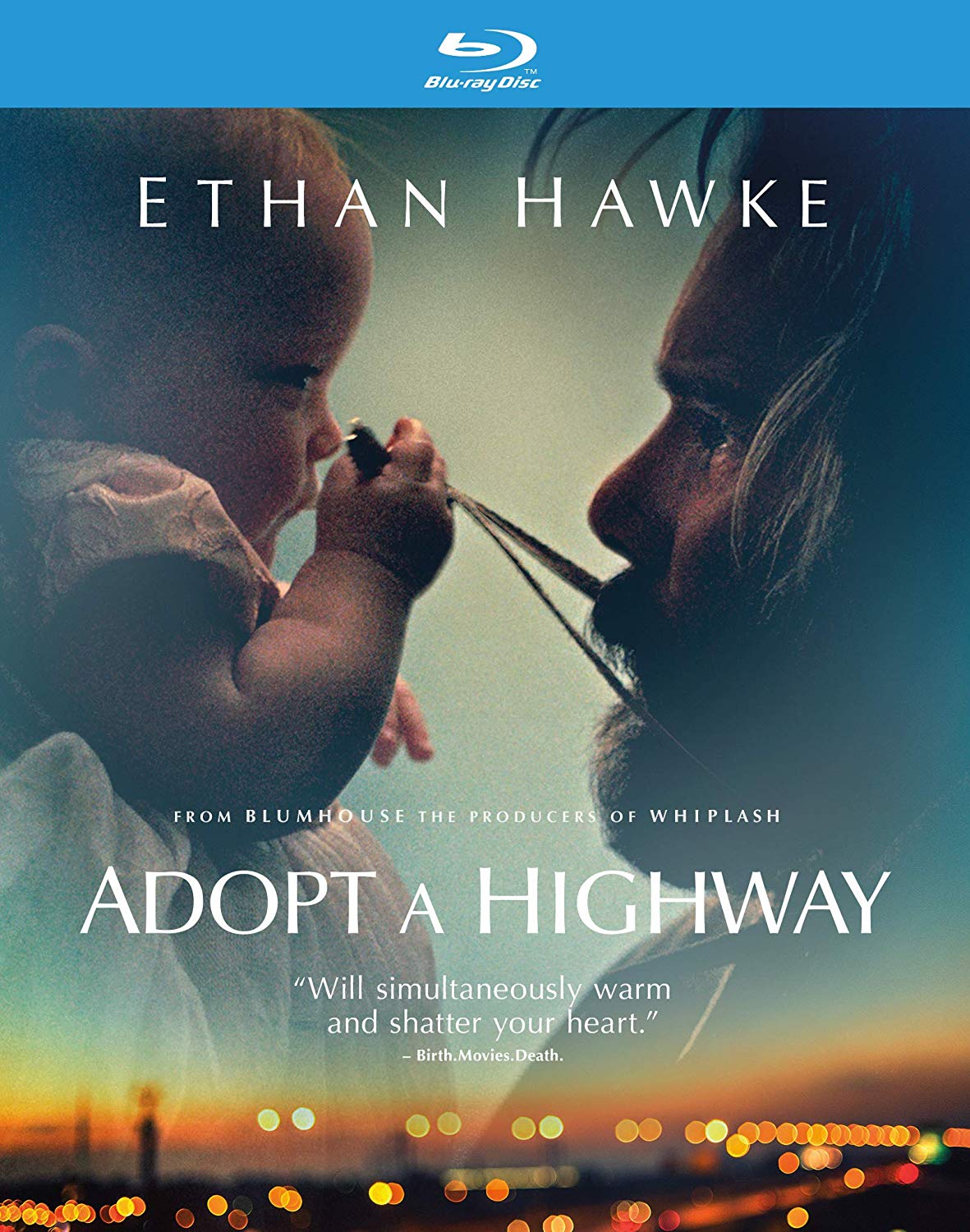
It’s been a while since a film has come along that has frustrated me as much as Adopt a Highway has. The film opens up with numerous sound bites that are discussing the “three strike law” from the Clinton era. This is pretty much used to set up a bit of a back story for Russ Millings (Ethan Hawke), a “victim” of this third-strike law that resulted in him serving 21 years for possession of an ounce of weed. With this kind of opening, I’d be expecting this to be a film that would delve into the unfairness of this law and how it affected many individuals, but instead, this film had other plans. The film takes on the journey Russ takes from his last day in prison to being thrust out into the free world again, but over the course of two decades, the world is nothing like it was before. Russ is in a unique situation where he went into prison in the late 90’s, and upon his release he’s now in the digital age. Basically he’s never had an email, nor has he had the chance to discover internet porn or YouTube. There is so much potential with this character, but at the same time, while watching this, I couldn’t get past his numerous bad decisions.
The first of his many bad decisions comes when he finds a baby in the dumpster behind the fast food restaurant where he works. With the baby there is a note that reveals the babies name is Ella. Conflicted about what to do, Russ decides to take the baby to his motel room, wanting to take care of it. If he found a dog or a cat, then I can understand him wanting to take care of it, but seriously, this guy thinks he can take care of a baby? At first it’s adorable seeing him make bad decisions with taking care of the baby, but very quickly we see how fragile this baby’s life is in his hands. Just as the film seems to have its footing and we think it’s going to be about Russ and his adventures with the baby, the film takes a sideways turn. This plot change could have worked if only the following story were just as interesting, but instead it’s a bit dull by comparison, and before you know it this film is already wrapping up, and you’re wondering, “That’s it?”
Posted in: Disc Reviews by Gino Sassani on December 20th, 2019
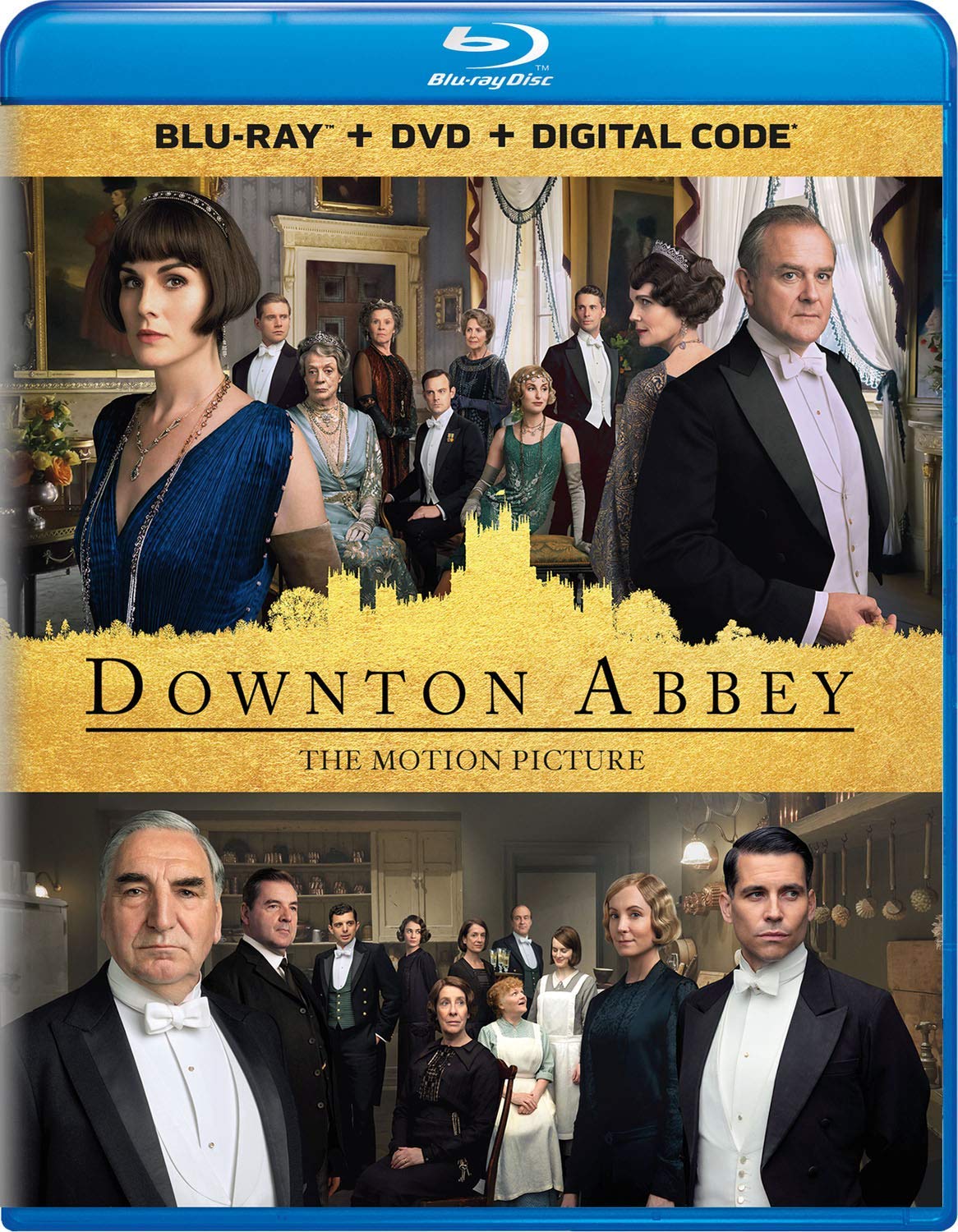
Downton Abbey spent six years on television and has amassed 52 episodes. In that relatively short run the series has also managed to collect over 200 award nominations and several Golden Globes along with other prestigious awards. Let's not forget a rather loyal fan-base that has watched each episode with anticipation of the next sharp barb or character revelation. The fans have been vocal and strong enough that a new film franchise has been anticipated to fill the void left by the series. In one of its years it was the number-one binged series in the world. That's a lot of power, and it's little wonder that all of these ingredients are expected to create a little box office gold. But film franchises from television shows rarely go on to such golden heights. There are some notable exceptions, to be sure. But even here, expectations and changing caretakers often lead to both high points and flops. The Star Trek franchise is a perfect example of those kinds of ups and downs. Mission Impossible is an example of shows that have to be completely retooled to hit the high numbers. Where will Downton Abbey fit in this equation? I rather suspect the jury is still out. One thing I can tell you with complete confidence: the film will absolutely entertain fans of the series. There's no retooling to be found here, and you can expect the same kind of drama that you've been mainlining for 52 episodes.
The original series left the Crawley family at the Christmas of 1925. A little over two years have passed, and we rejoin the family in the summer of 1927. The family appears to have come to a point where they have to face the possibility that the aristocracy in Great Britain might be finally coming to an end. There is much conversation about having the family finally give up Downton Abbey and place themselves into somewhat normal British society. The manor doesn't bring in the kind of wealth it once did, and keeping it going will require making some serious cuts and sacrifices. Amid this crises of conundrum, Robert Crawley (Bonneville) is informed that the King and Queen of England have decided to visit the Abbey and spend an evening there. The occasion brings about a flurry of preparations. One of these preparations involves the newly promoted butler. Thomas Barrow might not have the right experience or demeanor to handle such a huge job. Lady Mary (Dockery) decides to reach out to their seasoned but retired former butler, Mr. Carson (Carter). It's actually a quite clever way of giving the show some kind of major story and a great excuse to bring back the familiar character so that fans can get at least one more visit with things very much as they were at Downton Abbey.
Posted in: Disc Reviews by Brent Lorentson on December 17th, 2019
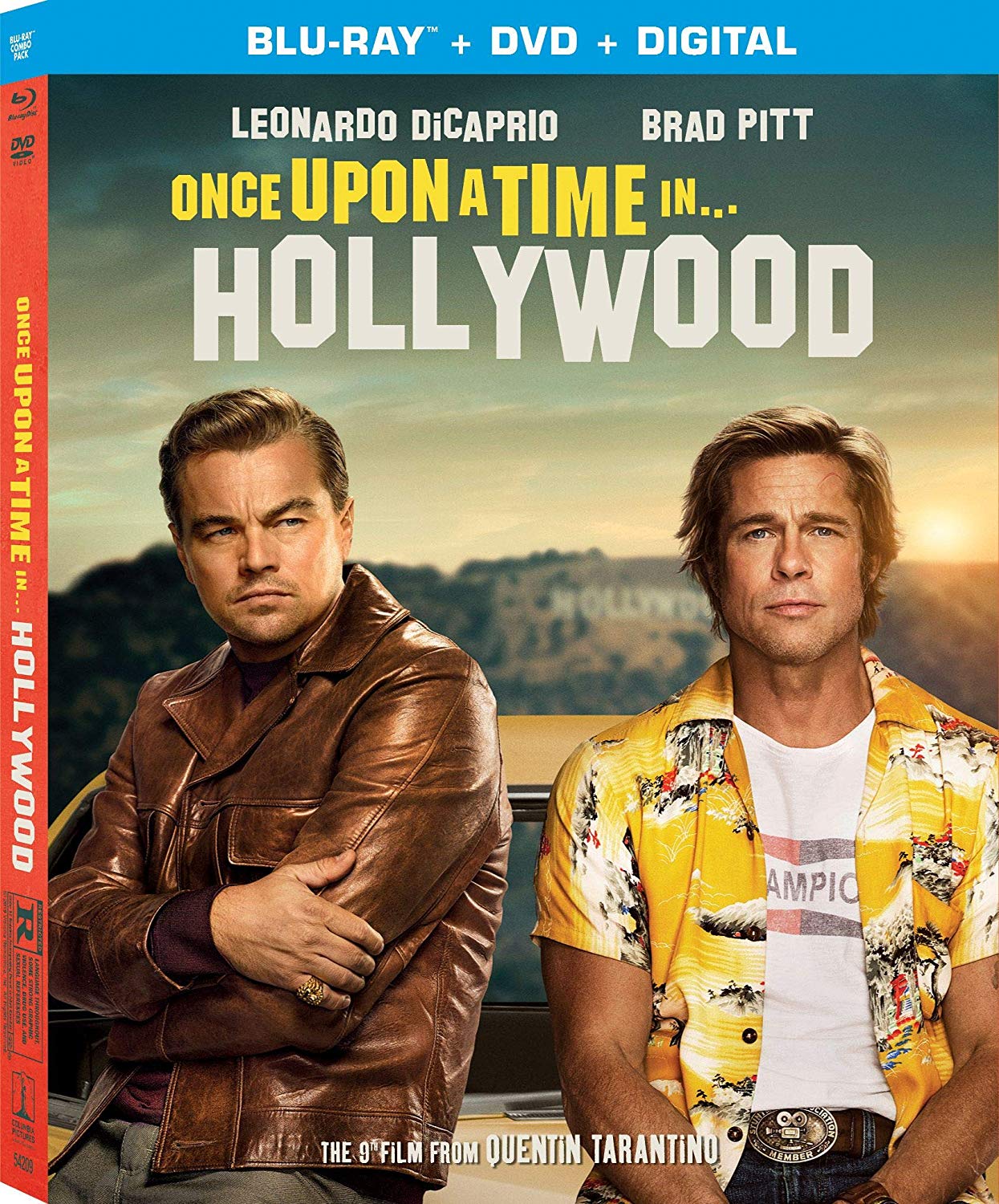
When it comes to Quentin Tarantino’s ninth feature film, Once Upon A Time in Hollywood, while it may be the most personal film that QT has put out, for some fans this may be his hardest to embrace. For many fans, when they think of a Tarantino film the go-to titles are Pulp Fiction and Kill Bill, and there is nothing wrong with that, but if you’re going into this film with expectations for it to resemble those films, well, you’re going to be disappointed. Instead what Tarantino delivers this time around is something more ambitious; while it may not be heavy on plot, what it thrives on is character and its ability to take us back in time to Hollywood in 1969 as it was closing in on the end of an era. Other fans may be coming into this film expecting this to be a story that delves into Charles Manson and his followers because of the film having Sharon Tate in it; well, again, this is something where you need to put expectations aside and allow Tarantino to let his story unfold for you, because as expected, he takes this film into an unexpected direction.
The film is about Rick Dalton (Leonardo DiCaprio), a fading TV western star, and his stuntman and best friend Cliff Booth (Brad Pitt). Rick is being offered an opportunity to make some films in Italy as a last-ditch effort to salvage his career, while Cliff is doing what he can on a day-to-day basis to stay afloat in Hollywood as a stuntman, though mostly he is Rick’s gopher and driver. The relationship between these two men is the strength of the film despite them having little screen time together, but when the two do share the screen, it’s something special that’d I’d compare to seeing Newman and Redford together. Tarantino knows what he has with these two together, but these characters are both on very different journeys in the film. Rick is doing a guest spot on the hit western TV show Lancer, while Booth is doing work at Rick’s house and meeting a charismatic hitchhiker.