1.85:1 Widescreen

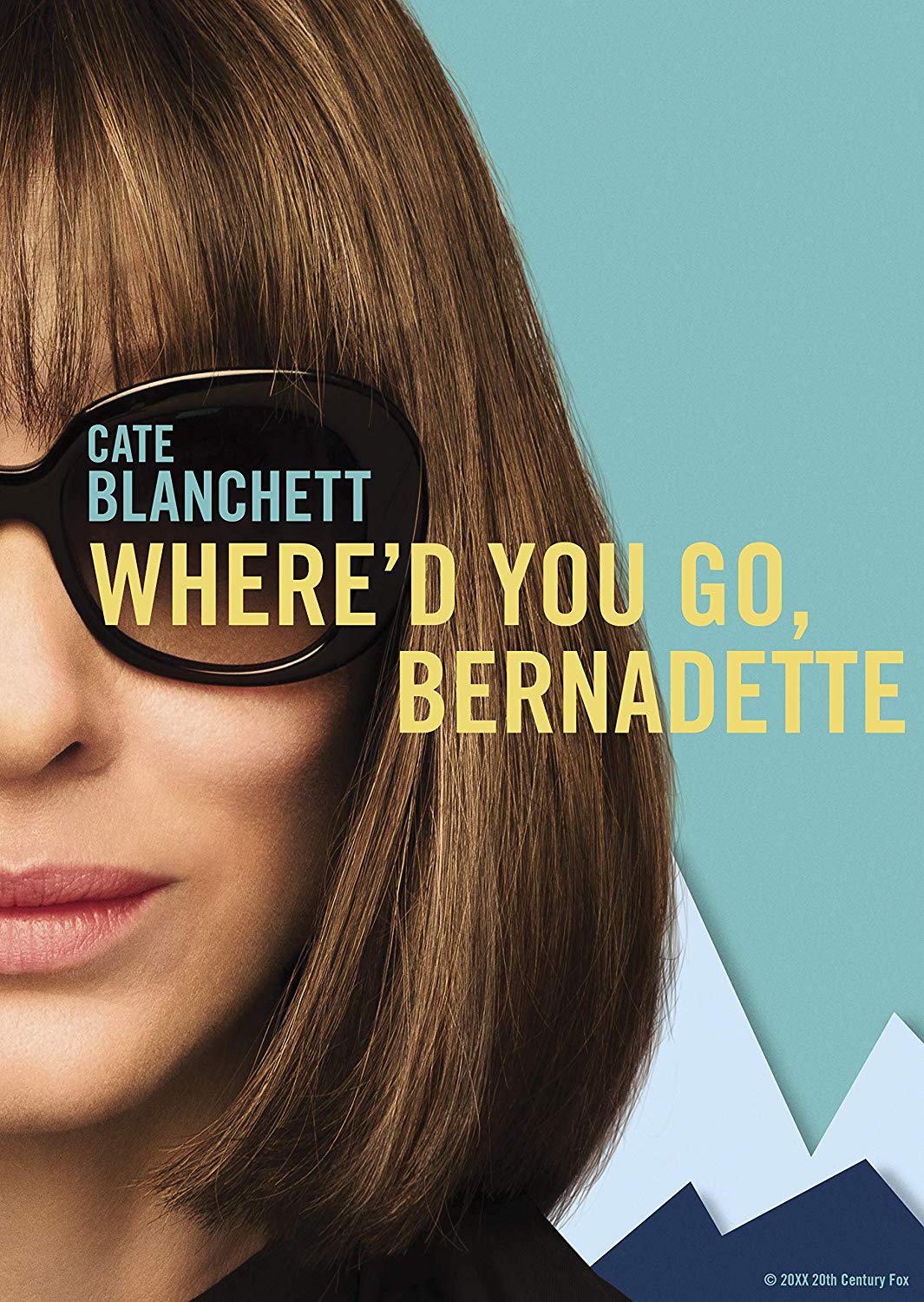
When a film comes along directed by Richard Linklater, I’m always going to have a little interest in what he’s up to.  He’s one of those directors I’ve followed from the 90’s that every few years he cranks out a film that I can’t help but enjoy.  Dazed and Confused, his Before Sunrise series, Boyhood, Everybody Wants Some!!, School of Rock, and several other of his films are proof enough that he has a solid filmography, but he’s never quite been  the guy to make a splash at the box office. Because of his track record, I’m a bit surprised to see his new film Where’d You Go, Bernadette managed to squeeze into the tail end of the summer when the trailers would have me thinking this could be an awards-caliber film.  Well, as it turns out, the film is a swing and a miss.  While I still enjoyed the film, it’s a bit frustrating, because this film seems like it’s so close to being something great, but it just manages to disappoint throughout.


Bernadette Fox (Cate Blanchett) is a bit of a mess, to put it lightly.  She’s more than a little difficult to get along with, she heavily self-medicates, drinks, and seems to hate most people with the exception of her family.  From the start it’s a bit difficult to decide if Bernadette is simply a quirky individual or if she is genuinely just an unlikeable person. The problem is the film doesn’t seem to know either, so with each awkward situation we see Bernadette get into, she just becomes a frustrating and tiresome character.  We see she doesn’t get along with her neighbors, and her relationship with her husband, brilliant computer animator Elgie Branch, played by Billy Crudup, is odd in its own way as well.  It’s hard to understand why they’d be on board for a last minute trip to Antarctica.

"He picked me out of a pile of pups, a tangled mass of paws and tails. He'd stopped at the farm on his way home from the speedway at Yakima. Even back then, I knew I was different than other dogs. My soul just felt more human."

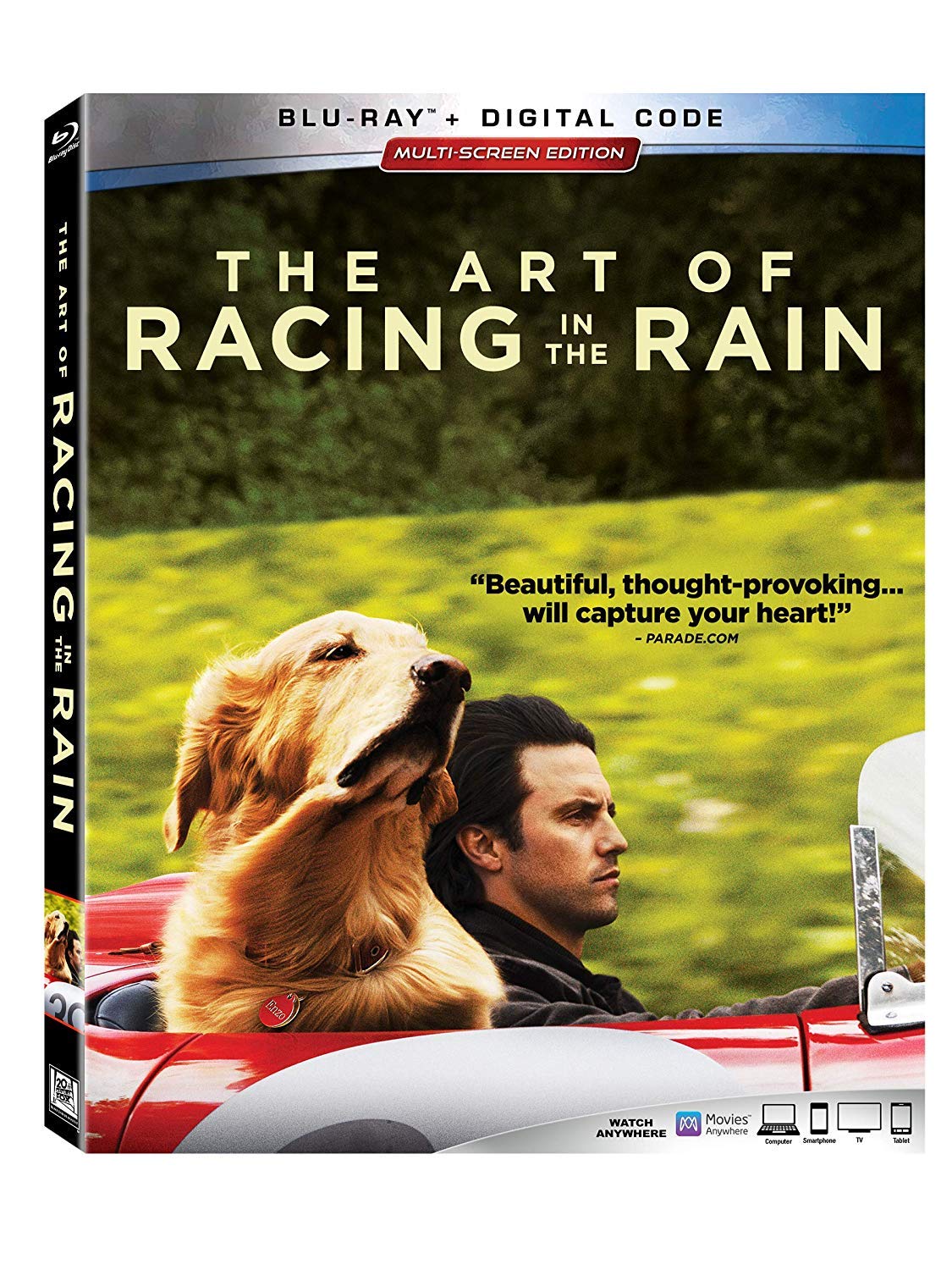
There was a time when this kind of film would have been reviewed by Baby, the German Shepherd/Chow who used to run security here at Upcomingdiscs as well as fill in for the occasional dog film review. Baby's gone, and we haven't yet trained Aurora the Siberian Husky who resides at Upcomingdiscs to pitch in on reviews. The problem is getting her to put her ball down long enough to pay enough attention, let alone write a review. But we're working on it. Until then these duties have fallen back to me, the occasional dog lover, which usually depends on what Aurora is up to at any particular moment. As Baby would have said: "Let's not talk about that right now." The task at hand is another talking dog film which followed quickly on the heels of A Dog's Purpose and its sequel A Dog's Journey along with the most recent A Dog's Way Home. It's a trend that has produced some emotional moments at the cinema for those of us who have spent a large part of their lives with our canine companions. This time out we have The Art Of Racing In The Rain, which is based on the novel by Garth Stein. If you're hoping to have that same kind of emotional ride that these other films brought, I think you'll be in for a little disappointment.

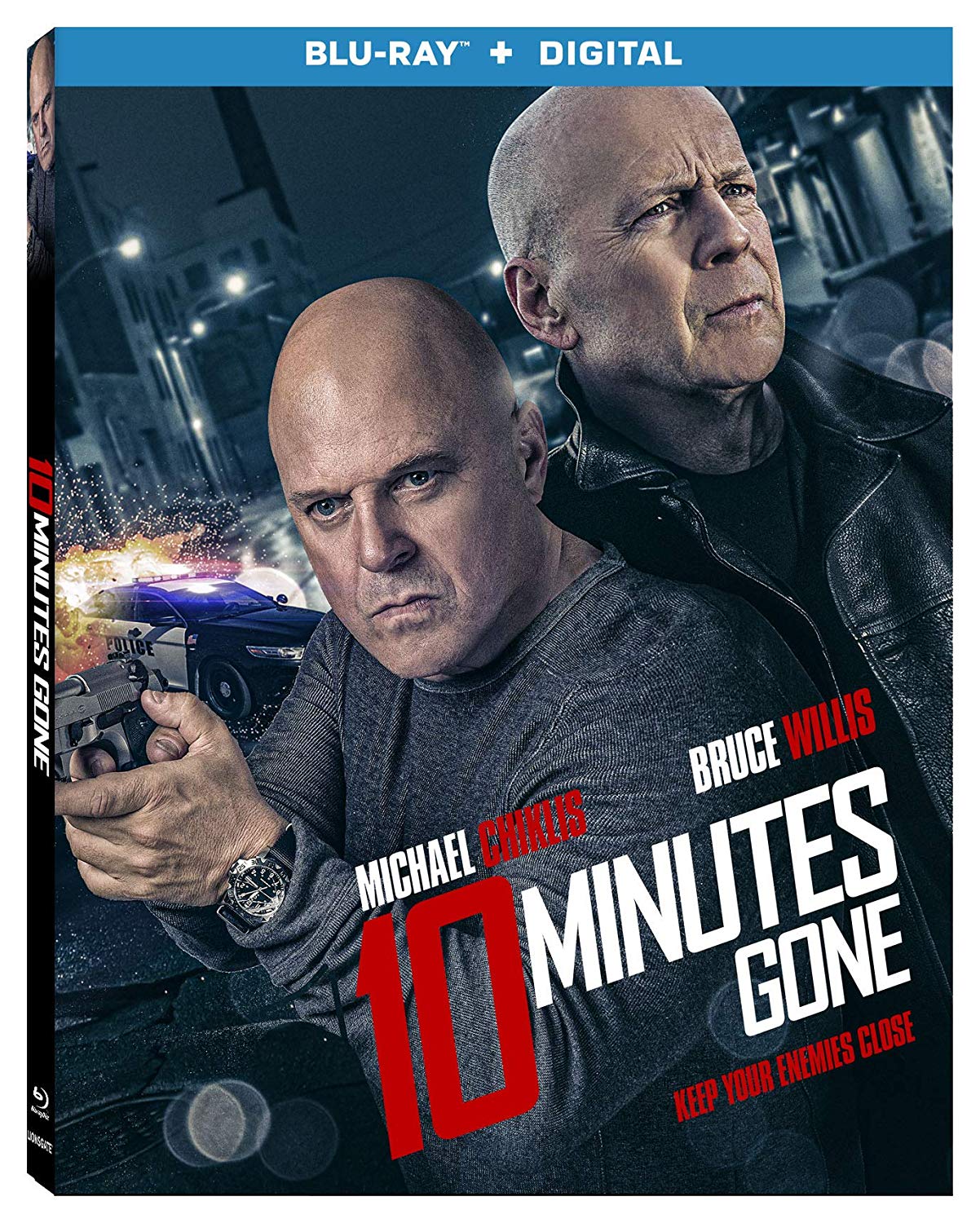
It’s frustrating seeing a film starring Michael Chiklis and Bruce Willis and knowing before you’ve even watched five minutes of the film that it’s not going to be good.  I mean, come on; you have the star of The Shield and then an action movie icon, but neither can save this film.  10 Minutes Gone is one of those films where on paper it seems like a surefire hit, but somehow instead of a white-knuckle action thriller, the result is a snooze-fest that will keep you guessing as to why these actors signed on for this film. Frank (Chiklis) has been hired by Rex (Willis) to pull off what seems to be an easy heist.  Frank and his team seemed to have thought of everything and have even put together some backup plans, but as expected, the heist ends up going bad, and in the process Frank is knocked out cold and loses 10 minutes. In this time he’s lost possession of the jewels, and he needs to figure out what happened to them before Rex has him killed.  It’s not a bad idea for a movie, but it’s the execution of this film that is a mess.  Willis and Chiklis do their best to make the dialog work, and at times the can make the scenes flow, but once the film shifts to any other character you start to wonder if this film was written by a 12-yea- old boy who just binged a bunch of older action/ detective films while chugging Red Bull and snorting lines of sugar.

The big mystery of the film is who set up Frank and his crew; the film does a good job at setting up a variety of suspects, though it doesn’t take much to figure things out.  One thing, though, that is rather frustrating is when Frank goes to question one of his guys and the guy is “hiding out” at some underground gambling room.  I have my issues with this character’s decisions already, but what is more distracting is how the scene is shot. The amount of lens flares in this sequence is nauseating.  This might be one of the worst shot scenes I’ve seen in a film. Sure, Spielberg uses lens flares, and the world knows how JJ Abrams gets carried away with them, but this sequence is a technical marvel at how just about everything has a lens flare, and someone actually thought that this looked good and it wasn’t a distraction.

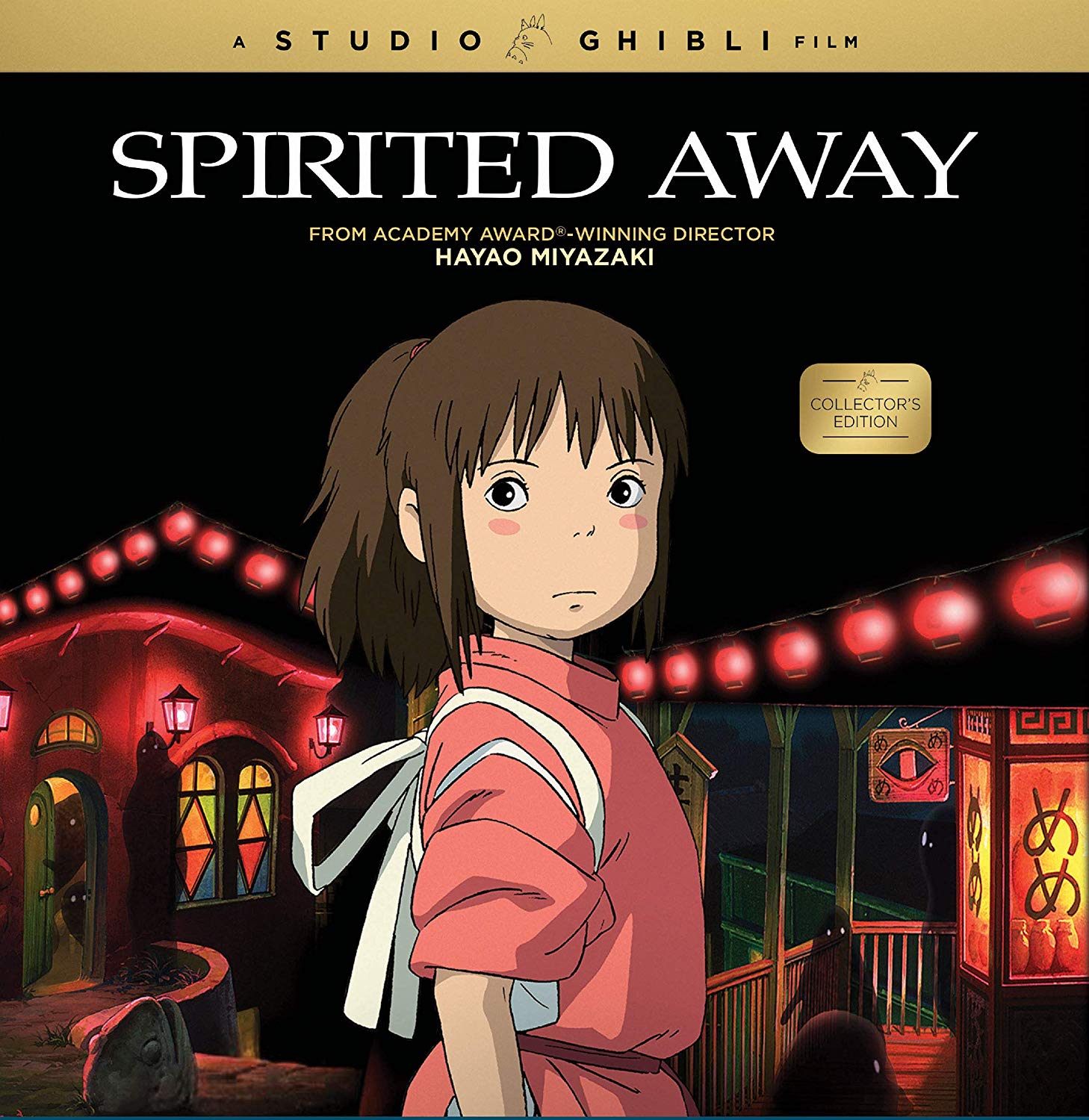
We are back with another collector's edition from Shout Factory.  This time we tackle the much celebrated Spirited Away, directed by Hayao Miyazaki, which was released in 2001, when it did so well that it ended up on our domestic shores in the following year.  It was absolutely adored by critics, and here is a fun fact.  I have never seen it.  Little did I know that the American trailers I was seeing around this time were warping my idea of what the film was really about.  Finally, after all of these years I have had the opportunity to watch and digest such a fantastic film.

Chihiro, a ten-year-old girl, is trying to relax in the back of her parents' car.  They are on their way to a new city, with a new school, and the young girl is having none of it.  As they search for the house where they are going to live, the father decides to use his four-wheel-drive and take off into the forest in hopes of making a shortcut.  But rather than finding their new house, they end up at a long building with a dark tunnel that appears to go somewhere exciting according to the parents.

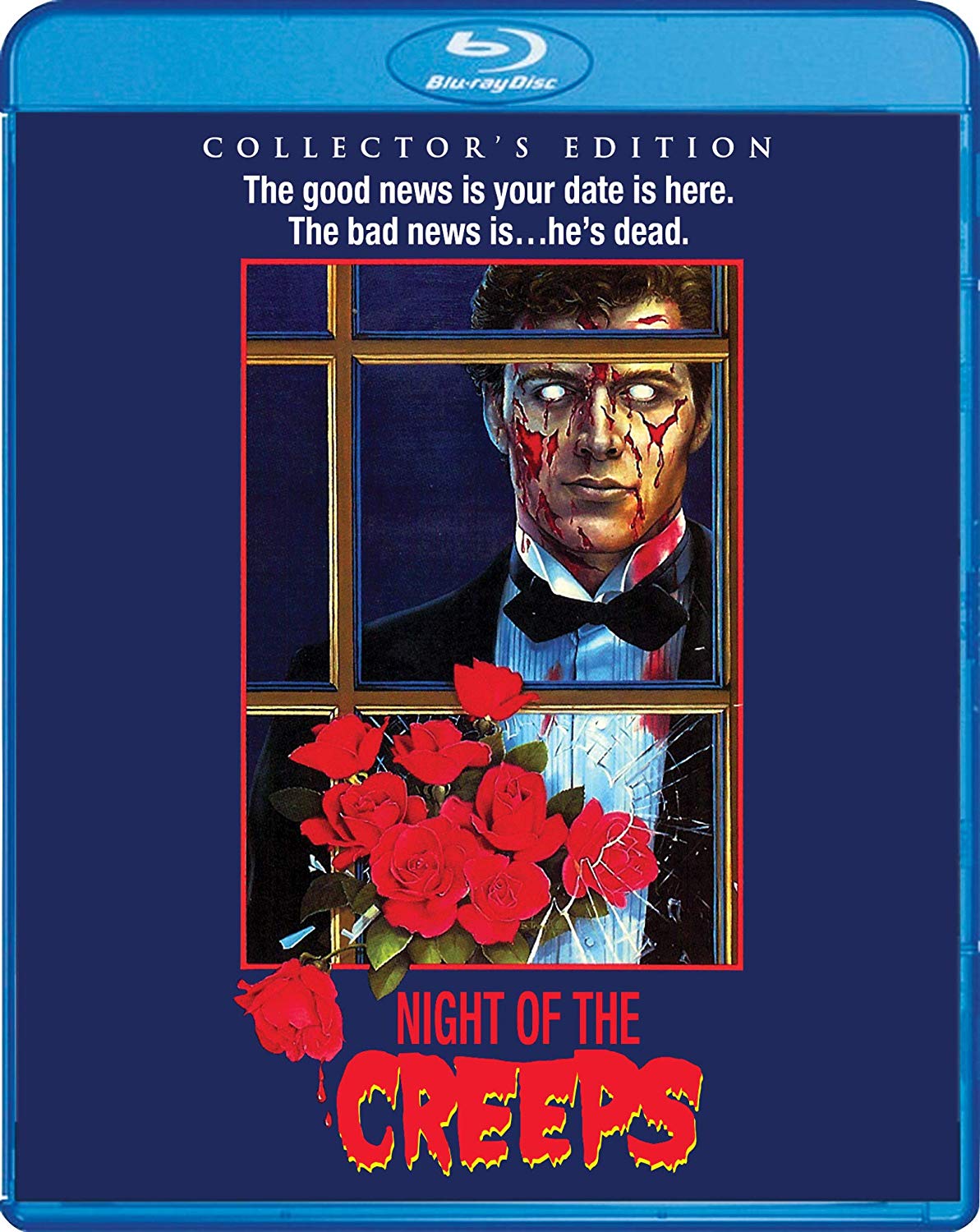
“Thrill Me!”

When it comes to catch phrases, at least in this household “Thrill Me!” is easily the most used, and it’s all because of Night of the Creeps. I’m not quite sure how many times I’ve seen this film, but for me, when you name off classic horror films, this makes my top 10.   I was only six when this film first came out, and I actually discovered it in the mid-90’s upon realizing it was directed by Fred Dekker who was responsible for The Monster Squad (the movie I blame and love for my introduction to horror). What I’m trying to get at is, I’m not sure if it is possible for me to be “objective” with this film.  Night of the Creeps is simply a film that is fueled with nostalgia, but I feel has aged better than most horror films from the 80’s. For those who are fans of the film, at least the ones I’ve met, can agree on the film’s awesomeness and its fun B-movie campy-ness that manages to toe the line perfectly between remaining fun while playing a homage to the old 50’s monster films while being a legit horror film.  Also there is Tom Atkins, who is a legend in my eyes because of this film.

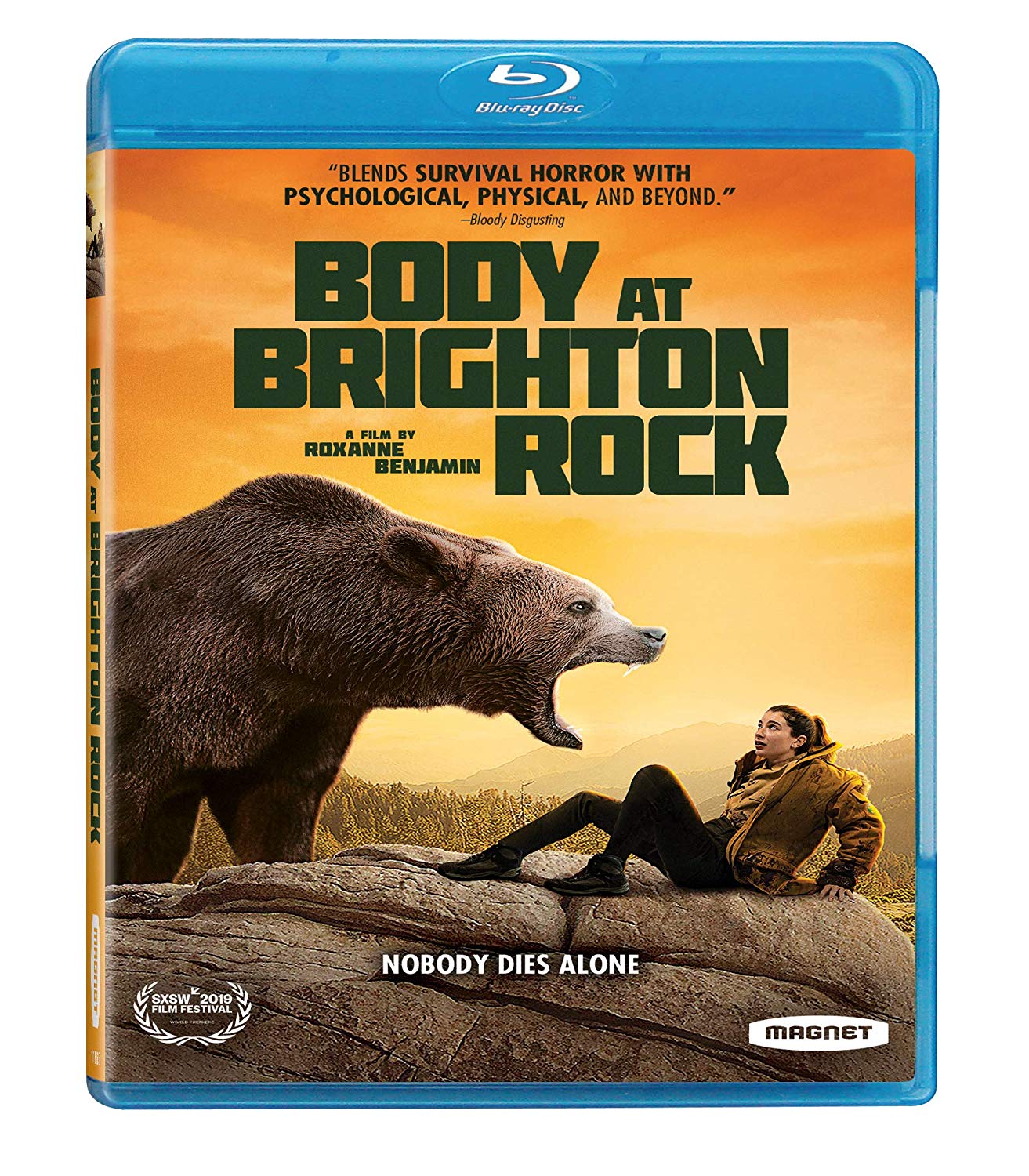
When it comes to Body At Brighton Rock, there was an opportunity for this to be something pretty awesome.  After all, when you think about it, only a few years ago The Revenant was showing just how great a film can be about surviving in the wilderness and how intense a bear attack can be.  Well, to be fair, I don’t believe Body At Brighton Rock was aiming to be in the same ballpark of The Revenant, but as I was watching this, it was difficult to not think about what could have been.  Really, the film is a simple little tale about a state park employee who gets lost in the woods and stumbles upon a dead body in the process.  It’s a good start for the film, but sadly this turns into a bit of a snooze-fest despite some spurts of promise.

When we meet Wendy (Karina Fontes), she’s already late for work, something she seems to do quite often.  She works for the State Park Service, which seems to have more people on duty than I would have guessed.  Wendy from the start just doesn’t seem to be right for the job. Even her coworkers can’t help but make jokes at her expense.  But to help a friend out, she decides to swap positions with her, so rather than sticking to the indoors, Wendy sets out on the trails to post signs and do whatever it is a Park Service officer does.  It doesn’t take long before she gets lost, and in the process of trying to find her way she stumbles across a body.  Sure, I can believe anyone can get lost in the woods, but when it comes to Wendy’s abilities in the wild, well, it’s hard to believe she’d ever be hired not knowing simple basic survival skills.  Another frustrating aspect: she’s carrying around a pack just for the specific purpose of helping keep her alive in case of emergency, but it seems nothing you would actually need is in this pack.

"You've seen a horsefly. You've seen a dragonfly. You've even seen a housefly. But you haven't seen anything until you've seen an elephant fly. Let's get ready for Dumbo."

So, Dumbo was never one of my favorite Disney classics. In fact, when news initially broke about a live-action version being filmed, I wasn’t moved one way or the other. I figured I would end up seeing it for the sake of my daughter, but I figured it would just be something that I would have to endure. I speak these words with the full knowledge that I now have to eat them, as Dumbo has gone from one of my least favorite Disney films to one of my favorite movie experiences of the year. With an all-star cast that includes Colin Farrell, Eva Green, Danny DeVito, and Michael Keaton, Dumbo is a fantastical and wholesome family experience that I will be taking my daughter to, but dragging her to it if she puts up a fight. Helmed by Tim Burton, Dumbo is the first of three live-action Disney movies expected this year, with the others being Aladdin and The Lion King. Of those three, I was expecting The Lion King to be the biggest audience draw, but as it stands, Dumbo has set the bar extremely high, and the other two have a lot of work to do if they expect to compete.

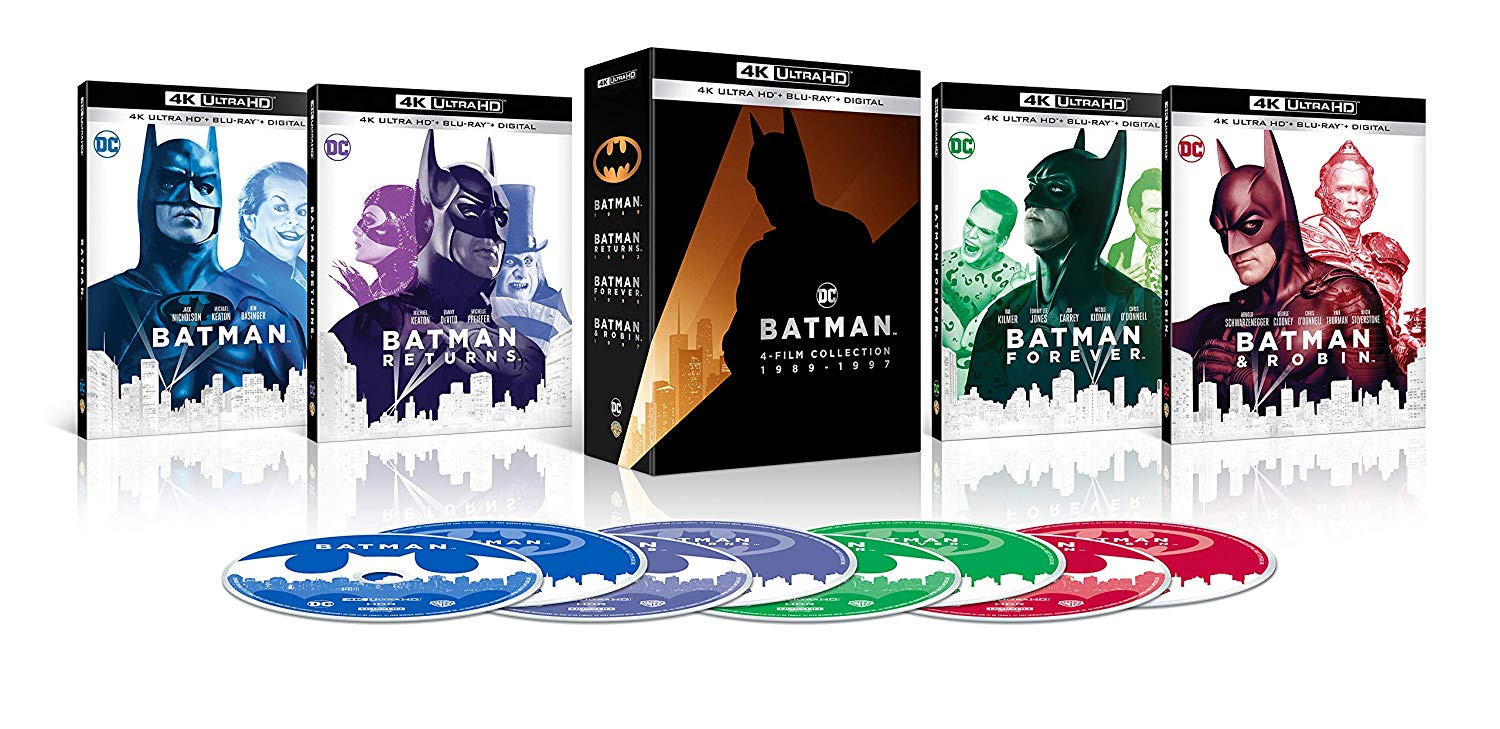
In the late 1980’s Batman was in trouble. No, he wasn’t tied to a table saw by The Joker. Catwoman didn’t have her claws on him. It was the camp residue of the 1960’s television series. The idea of a Batman film was clamored after by fans, but the studios couldn’t get the Adam West series out of their minds. And, while the success of Superman might have awaken the studio bosses to the appeal of comic book films, there was surprisingly very little interest in a Batman film. Since DC Comics had become a part of the Warner Empire, it seemed only logical that they would want to do the film. But even Warner resisted for several years as a team tried to get the Caped Crusader back on the movie screen.

The Dark Knight was the brainchild of a young comic artist named Bob Kane. He was actually inspired by a Leonardo DaVinci drawing and quote. He was looking at the bat-like wings DaVinci designed for human flight and immediately set to work on creating the follow up to Superman. Unlike Superman, Batman had no superpowers. His parents had been killed in front of his eyes, gunned down on their way home from the theater. The young millionaire’s son grew morose and dark. When he matured, he used the vast resources of his wealth to design weapons, armor, vehicles, and gadgets all around the theme of the bat. With the help of the family butler, who raised the young lad after the death of his parents, Bruce Wayne became the night avenger, Batman. The comic was an almost overnight success. Now there was a superhero who didn’t rely on supernatural powers. This hero relied on his own intelligence and resourcefulness to fight the criminals of Gotham City. The comics would lead to movie serial reels and animated adventures. In the 1960’s Batman would explode on to television screens in a campy, not-so-serious incarnation. Graphic novels in the 1980’s would bring the comic book out of the shadows of guilty pleasures for adults and bring these conventions to the mainstream world of literature. Artists like Frank Miller would bring the Dark Knight back to its roots and expose the world, once again, to Batman. By 1989, the time was right to bring Batman back to life -- live action, that is. And who better to capture the dark and psychologically disturbed world of Batman than Tim Burton.

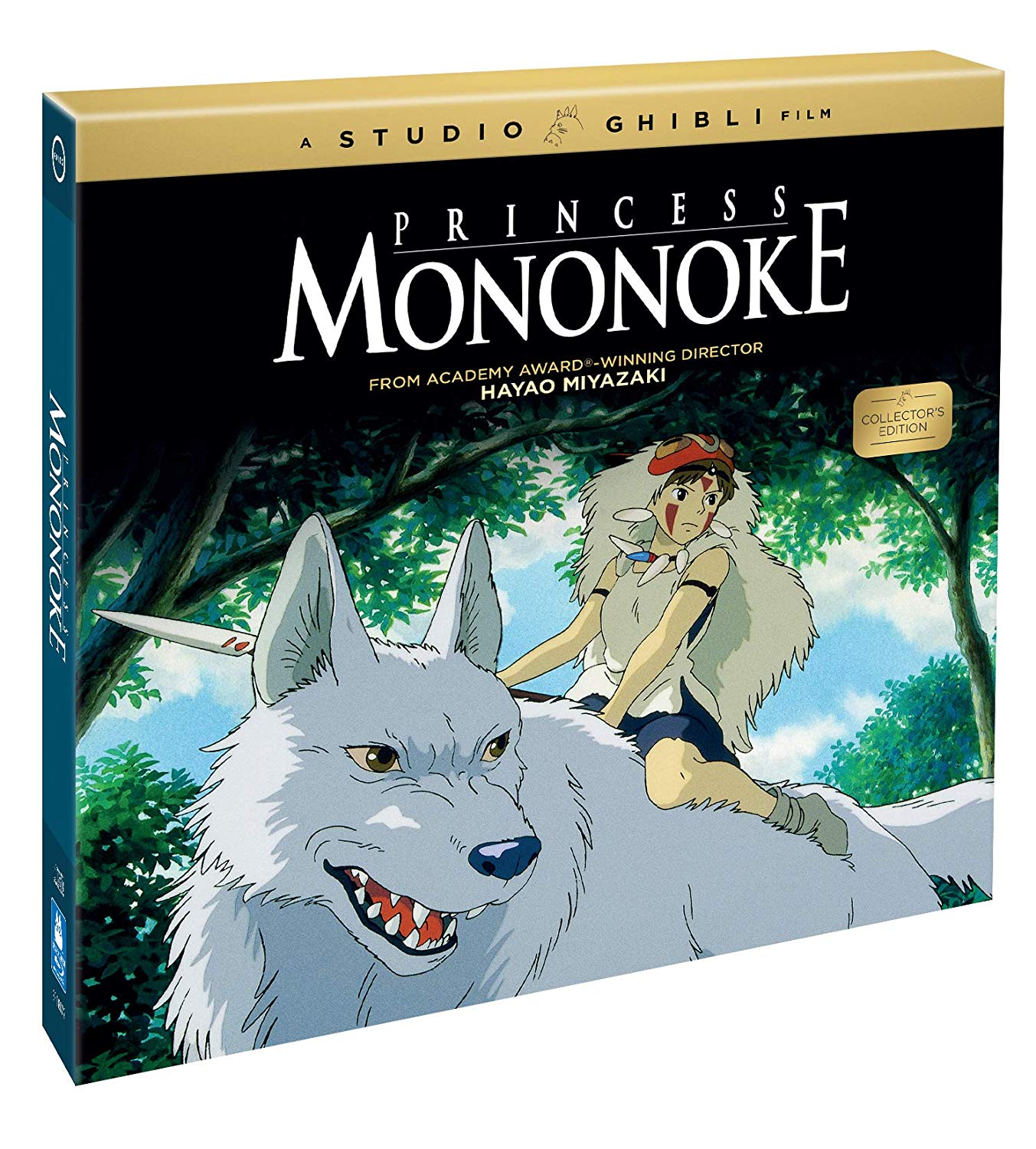
Hayao Miyazaki is an amazing Japanese animator and filmmaker.  His films include Kiki's Delivery Service, My Neighbor Totoro, and Howl's Moving Castle among other legendary pictures.  I can safely say I have enjoyed most of his films but unfortunately only owned a couple at the time of writing this review.  That's why I was quite astonished when this collector's edition of Princess Mononoke came across my desk.  I was ready to dive in with both feet and re-visit this movie that I had not seen since, well, almost twenty years ago.

In ancient times, the Land lay covered in forest.  Here dwelt the spirits of nature from time immemorial.  

"I love a comedy. Is there cake?"

The Favourite is a somewhat awkward film. Director Yorgos Lanthimos took on a rather brave but dangerous task when he decided to create a farce. Most audience members don't understand the term. They use it rather synonymously with comedy or spoof, but it is truly something very different. A comedy is meant to deliver as many laughs as possible. You get pratfalls, one-liners, slapstick, and other over-the-top methods to bring about those laughs. Spoofs take a specific subject or genre and expose some of the more innate aspects of the material, all in good fun. Leslie Nielsen was a master of the spoof with his Airplane and Naked Gun films. All of these are popular and understood forms of entertainment. The farce is a totally different thing altogether. While there might be laughs to be had, the primary directive of a farce isn't to actually be funny. The farce is a world of the absurd. It's a ridiculous portrayal in which everyone involved plays it completely straight. The actors/characters don't know they are in a farce, so there aren't any clever one-liners or overt attempts at humor. The film is presented as a serious attempt, and there is no one winking at the audience. It's a difficult thing to pull off, and The Favourite pulls it off wonderfully, but the unfortunate result is that most people merely shook their heads, not knowing what to make of the entire thing. So the film is misunderstood, and that in itself is a bit of a tragedy. It's somewhat appropriate, I suppose, because Shakespeare was a master of both farce and tragedy. Go figure.