1.85:1 Widescreen

"Antarctica, an inhospitable wasteland, but even here, on the Earth's frozen bottom, we find life. And not just any life: penguins. Joyous, frolicking, waddling, cute and cuddly life. Look at them, tumbling onto their chubby bum bums. Who could take these frisky snow-clowns... seriously?"

This one has been a long time coming. I like the Madagascar movies and have been fairly positive about them in these pages. Each time I pointed out that the highlight of these films were the antics of those military-minded penguins and their grand schemes. The film's powers that be have also noticed this, as the penguin characters have been trending with more screen time as the franchise went along. Now those flightless maniacs have finally gotten a film of their own, and dare I say it, The Penguins Of Madagascar are flying higher than the source films with this frosty little tale.

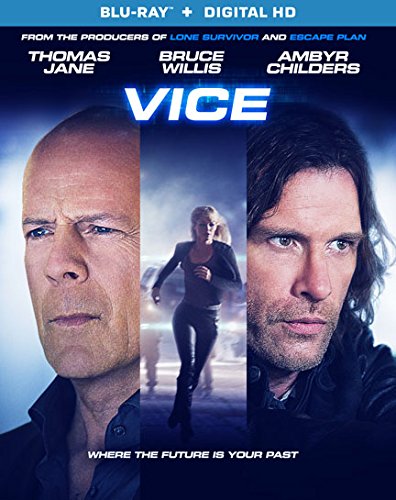
What if there was a place where you can act out your wildest fantasy, whether it be murder, theft, or sex, and at the end of the day you could go home as though nothing happened?  That is the tease Vice offers its audience in a sci-fi action film that blends bits of Blade Runner, Stange Days and Westworld into one tight little package.  For fans of the sci-fi genre, the movies I reference are staples in the genre, but let me be clear; at no time does Vice measure up to these films. When we meet Kelly (newcomer Ambyr Childers), she is an android leading a life behind the walls of VICE where she is programmed to live the same day over day after day.  For all androids within the walls of VICE, they all are living out a Groundhog Day life, only what changes are the outsiders that pay to do some pretty horrible things.  I feel a little horrible saying this, but I wish we got to see more of these horrible activities take place, and in a weird way I think that’s the most obvious plot hole of the film.  Why is there not constant mayhem occurring behind these walls?  In a world where it is a free for all to kill and maim these androids; instead filling the background are well-to-do folks just minding their own business and sipping martinis.  This is still Kelly’s life, and early on we see her in a violent encounter that leaves her and her friend dead.

Being dead means very little to an android who has their memory wiped every day, so after Kelly is patched up she is ready to function for another day and face whatever violent act awaits her.  That is till she starts having flashbacks from her previous memory swipes, and we get to see she has been a part of some pretty cruel activities.

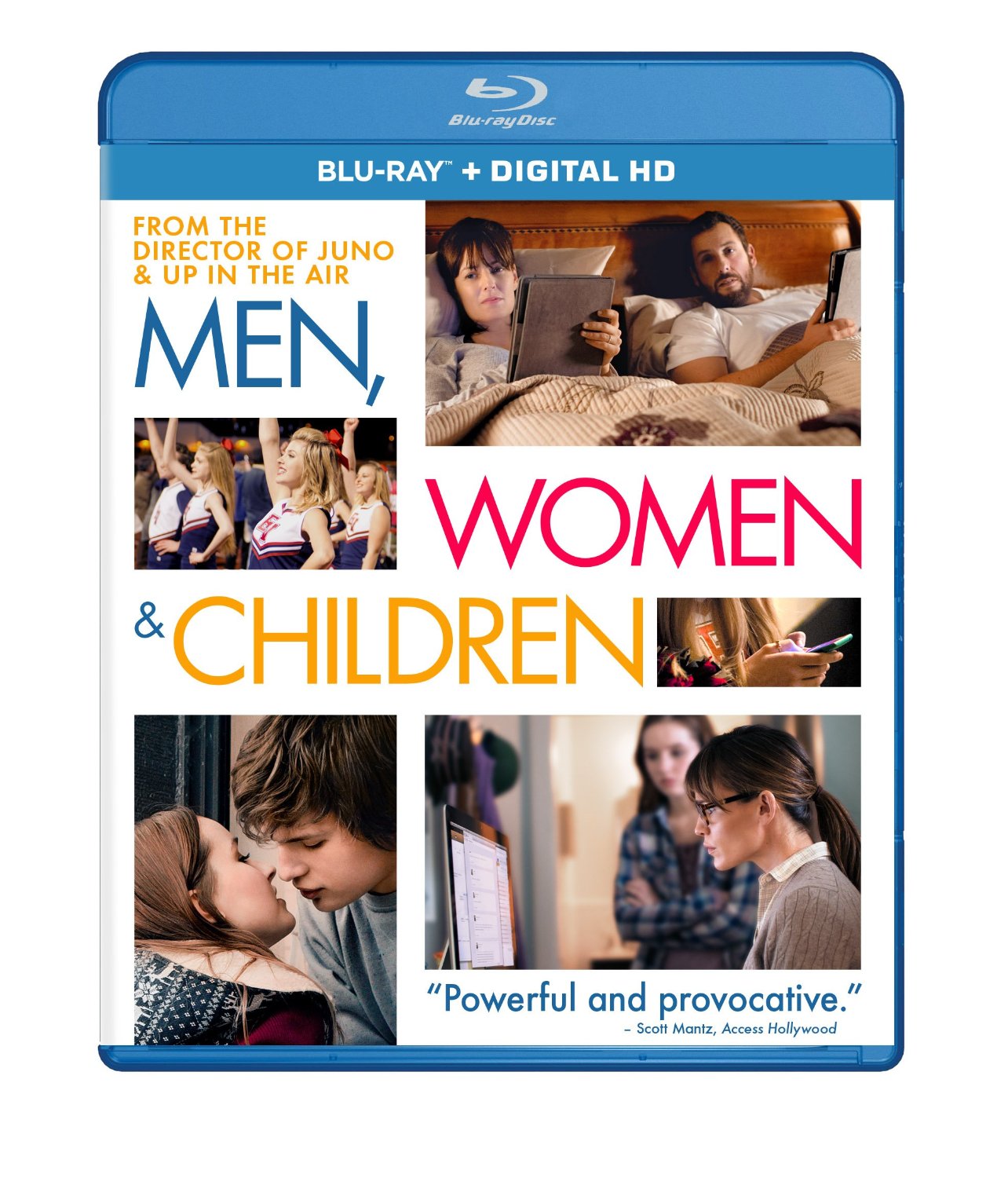
The internet is destroying everything. It seems crazy, but it's true, and most people know it. I mean that so many businesses have been destroyed by the tremendous growth of the internet and its insidious and unchecked influence. The newspaper business, music business, broadcast business and probably the movie business have been fundamentally and permanently altered. Men, Women and Children addresses how it affects each and every one of us on a daily basis. We're all aware of this. It's our lives now, and it wasn't 10 years ago. Texting on iPhones is so addictive with some people that they are oblivious to how obnoxious it is. Most of us are aware, on some level, how much computers and phones are sucking away what used to be our lives. We know it, but the die is cast. That's the problem with Men, Women and Children. We know everything already, and this movie shoves it down our throat. The subject is definitely timely, but too much of what happens in this movie is like a parade of clichés.

Jason Reitman (Juno, Up In The Air, Thank You For Smoking) is a good director, but he has been losing his touch, citing films like Labor Day and Young Adult. This film is packed with good actors, but they all seem wasted, even Adam Sandler. Sandler is the big star here, making another stretch into dramatic territory. Sandler has done very good work in other people's movies before like Punch Drunk Love, Reign On Me and Spanglish, but not here. Here he is a limp, washed-out nothing, which is what the character demands but still is not a good thing to see. Most of the other good actors like Rosemarie DeWitt, Jennifer Garner, Judy Greer, J.K. Simmons, Dean Norris, Ansel Elgort, Dennis Haysbert and Emma Thompson here seem wasted with predicable and dreary functions in aid of a boring puzzle.

The internet is destroying everything. It seems crazy, but it's true, and most people know it. I mean that so many businesses have been destroyed by the tremendous growth of the internet and its insidious and unchecked influence. The newspaper business, music business, broadcast business and probably the movie business have been fundamentally and permanently altered. Men, Women and Children addresses how it affects each and every one of us on a daily basis. We're all aware of this. It's our lives now, and it wasn't 10 years ago. Texting on iPhones is so addictive with some people that they are oblivious to how obnoxious it is. Most of us are aware, on some level, how much computers and phones are sucking away what used to be our lives. We know it, but the die is cast. That's the problem with Men, Women and Children. We know everything already, and this movie shoves it down our throat. The subject is definitely timely, but too much of what happens in this movie is like a parade of clichés.

Jason Reitman (Juno, Up In The Air, Thank You For Smoking) is a good director, but he has been losing his touch, citing films like Labor Day and Young Adult. This film is packed with good actors, but they all seem wasted, even Adam Sandler. Sandler is the big star here, making another stretch into dramatic territory. Sandler has done very good work in other people's movies before like Punch Drunk Love, Reign On Me and Spanglish, but not here. Here he is a limp, washed-out nothing, which is what the character demands but still is not a good thing to see. Most of the other good actors like Rosemarie DeWitt, Jennifer Garner, Judy Greer, J.K. Simmons, Dean Norris, Ansel Elgort, Dennis Haysbert and Emma Thompson here seem wasted with predicable and dreary functions in aid of a boring puzzle.

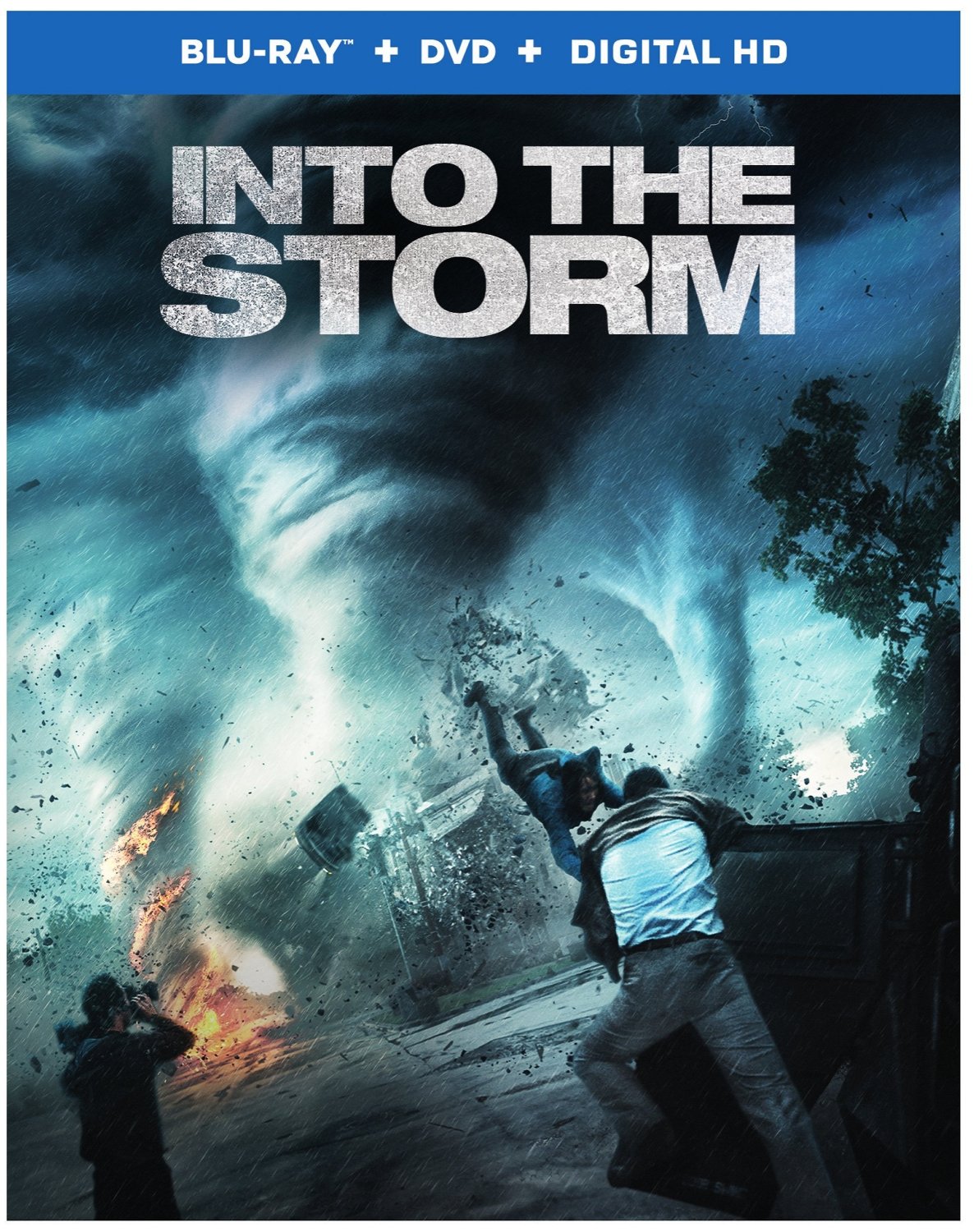
Breaking news: anyone who goes to see movie called Into the Storm is probably more interested in “the Storm than they are in any of the people running away from it. The good news is the film understands this, to an extent, and clocks in at a slender 89 minutes. Of course, the titular Storm doesn’t appear for every one of those 89 minutes. This is very bad news because Into the Storm is populated with characters and storylines that are both forgettable and irritating. It’s basically Twister with somewhat better effects, but much less interesting people.

Into the Storm is mostly set in and around the fictional town of Silverton, Okla. A group of storm-chasers — led by cranky, road-weary Pete (Matt Walsh) — has been struggling to film tornadoes, and Pete is taking out his frustrations on the entire team. That includes data-driven meteorologist Allison (Sarah Wayne Callies), who steers the team toward Silverton. The decision looks like a bust until a dissipating system comes back with a vengeance. The storm erupts during a high school commencement ceremony, where Vice Principal Gary Fuller (Richard Armitage) realizes his oldest son is missing (and very inconveniently hanging out in an abandoned paper mill with his would-be dream girl). Gary eventually crosses path with the storm chasers, who help him in his quest to find and rescue his boy.

Welcome to the Space Show looks like what would happen if you combined Steven Spielberg’s E.T. — or the openly-Spielbergian Super 8 and Earth to Echo — with the boundless imagination and quirky charms of anime. The result here is intermittently dazzling, but this particular kid-friendly alien adventure is ultimately less than the sum of its parts.

The film immediately grabs your attention with a high-octane action sequence: two bumbling, strange looking creatures are being pursued through a forest by a spastic smaller blur that looks and behaves as if it’s on fire. What’s most intriguing about this opening is that director Koji Masunari makes it impossible to tell whether we should be rooting for the two creatures to get away or for the pursuer to catch them. After the action-packed prologue, Welcome to the Space Show settles into its main story. A group of elementary school kids heads to a summer camp that has a mildly alarming lack of adult supervision.

Personally I’m not a fan of the Fast and Furious franchise, despite the fact that I tend to enjoy films from the genre.  For me, I’ll take the old school films like Vanishing Point, Two-Lane Blacktop, and the original Gone in 60 Seconds over these big budget productions any day.  All I can figure is that these films that I do enjoy are working with budgets that force the directors to be creative and understand most of their elaborate stunts only get one take and are not polished with CGI, but instead whatever the camera captures that is what we see on the big screen. The stunts are simply incredible, and the cars in my humblest opinion were simply cooler back then.

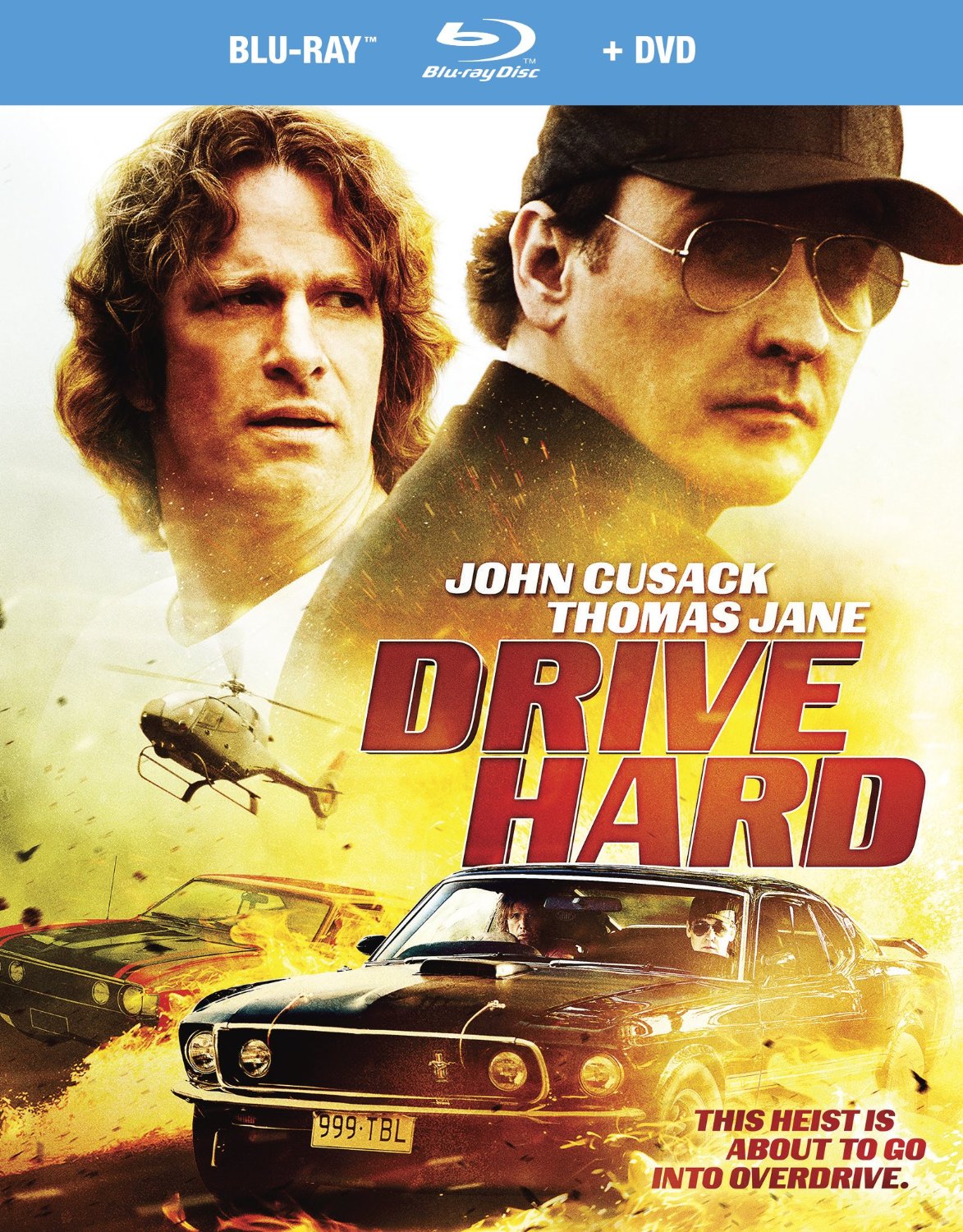
Drive Hard is a fun throwback to chase films that lived in an era of drive-in theaters and grindhouse cinema.  Thomas Jane plays Peter Roberts, a former race car driver who gave up what could have been a successful career to be a father.  Sure, this is a respectable decision, but it’s a decision that has haunted him, as he now has taken on a career as a driving instructor.  Despite Roberts being a parent, he still hasn’t managed to give up the dream of being something more than an instructor, only it’s hard to imagine he could have expected Simon Keller (John Cusack) would be the person who would become the motivating force.  Simon isn’t just a regular student of Peter’s; in fact, Simon has specifically found Peter to once again take a spot behind the wheel, only this time around it is in the form of being a getaway driver.

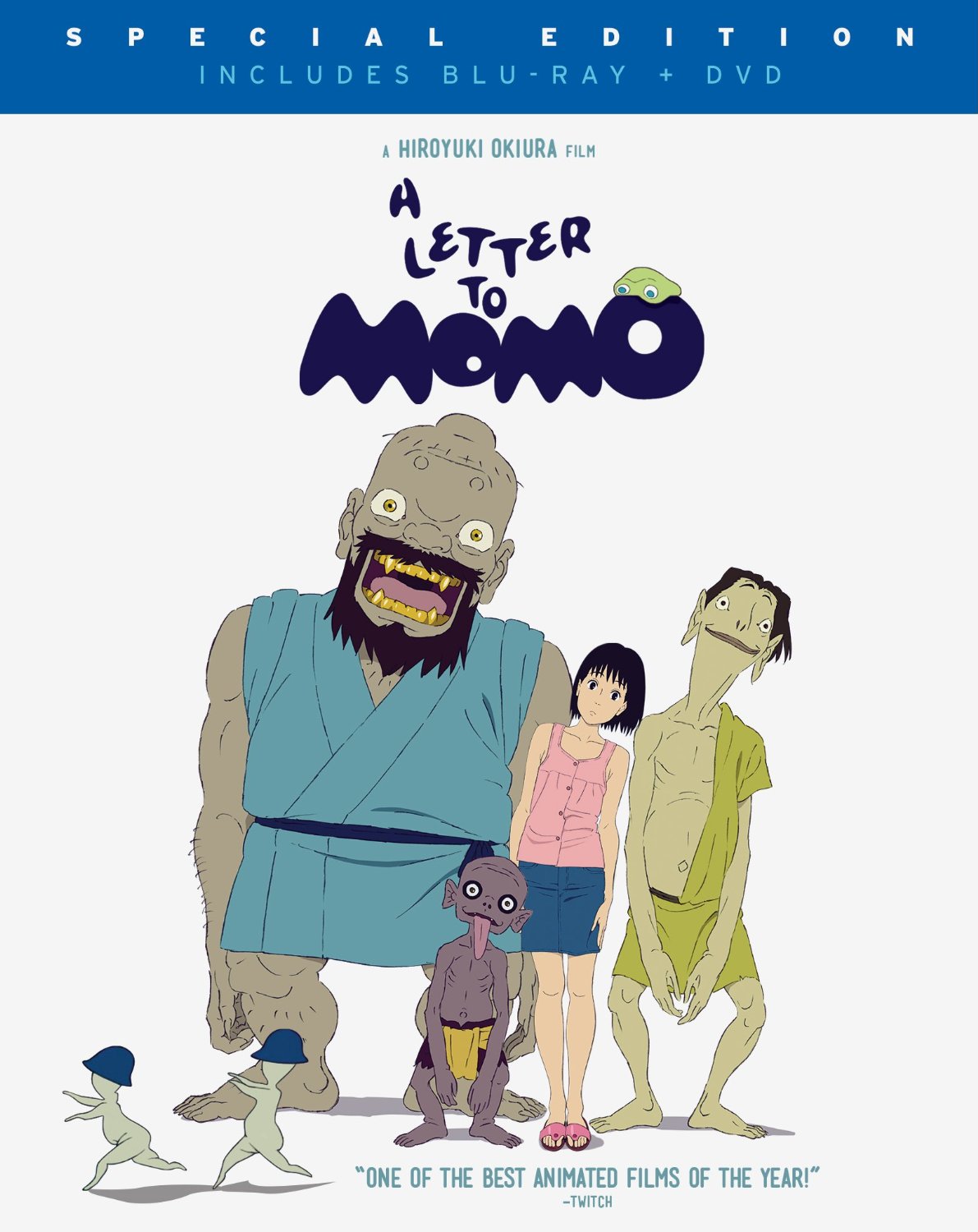
As the spookiest holiday of the year draws closer, we're all probably a little more sensitive to anything that goes bump in the night. Almost every creature associated with Halloween is meant to terrify us, but what if some of those horrific-looking monsters were actually tasked with watching over us? In the Japanese animated drama A Letter to Momo, a young girl encounters a trio of mischievous spirits that only she can see and hear. The monster shenanigans, however, were merely one aspect in what turned out to be one of the more affecting family films I've seen this year.

Momo (voice of Karen Miyama) is a grief-stricken girl who recently lost her father. Her mother Ikuko (Yuka) decides to uproot Momo from their Tokyo home and move to the island of Shio, the sleepy seaside community where Ikuko grew up. In addition to the grief Momo feels over losing her father, she is also overwhelmed by guilt; Momo had been cruel to her father prior to his unexpected death. As a result, Momo clings tightly the last memento her father left behind: an unfinished letter that started with the words, “Dear Momo.”

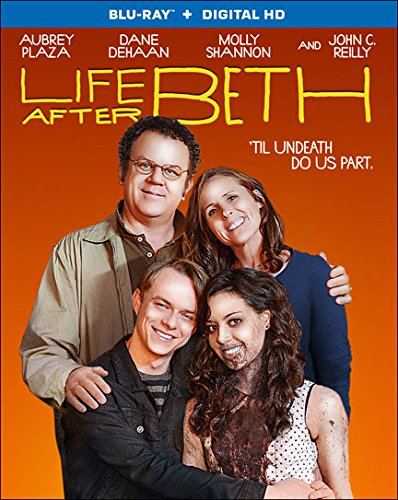
Imagine if you had a second chance to tell that loved one you lost how much you loved them, or were able to do the things you wished you had done the first time, but you hesitated because you didn’t take into account the fragility of life.   Life After Beth shows us the joys that can come with when getting that second chance while at the same time revealing the dark consequences that may come with this new opportunity.  There are numerous zombie films and series out in the market, but Life After Beth may be the most unique take on the genre in some time.

Zach (Dane DeHaan) is a grief-stricken young man who is suffering from the tragic loss of his girlfriend Beth (Aubrey Plaza).  All he can think about is how the two had last talked and it had been on bad terms and how losing her only seems to have made it clear how much he truly loved her.  Her parents (played by John C. Reilly and Molly Shannon) as you’d expect are taking the tragedy badly.  The parents take Zach in; after all, he seems to be the only one who can seem to understand the kind of pain they are going through.  Back home Zach’s family couldn’t be more opposite and border on insensitive; besides, to Zach no one can seem to understand the pain, loss and guilt that he is feeling.  But all this changes when by some miracle Beth returns from the grave.

Sibling filmmakers Howard J. and Jonathan Ford seem to be huge believers in the “Location, location, location” real estate adage. The duo — collectively known as The Ford Brothers — previously made The Dead, which was billed as “the first zombie road movie set against the spectacular scenery of Africa.” I actually wasn't a fan of that flick, but saw enough technical skill and enough potential in the concept to make me curious about a follow-up. With The Dead 2: India, the Ford Brothers have once again transplanted old-fashioned zombie thrills to an exotic, under-explored location. Only this time, they brought a story and more engaging performers along for the trip.

The Dead 2: India features an all-new cast and a plot that is mostly unrelated to its predecessor. (The most we get are radio transmissions that allude to the African zombie crisis from the first film.) This time around, the action follows American turbine engineer Nicholas (Joseph Millson), who finds himself hundreds of miles away from pregnant girlfriend Ishani (Meenu) when the zombie epidemic begins to spread through India. Ishani and her family — including disapproving father (Sandip Datta Gupta) — find themselves trapped near the slums of Mumbai as Nicholas fights his way to the city with the help of a young orphan named Javed (Anand Krishna Goyal, making a nice feature film debut).