2:39:1 Widescreen

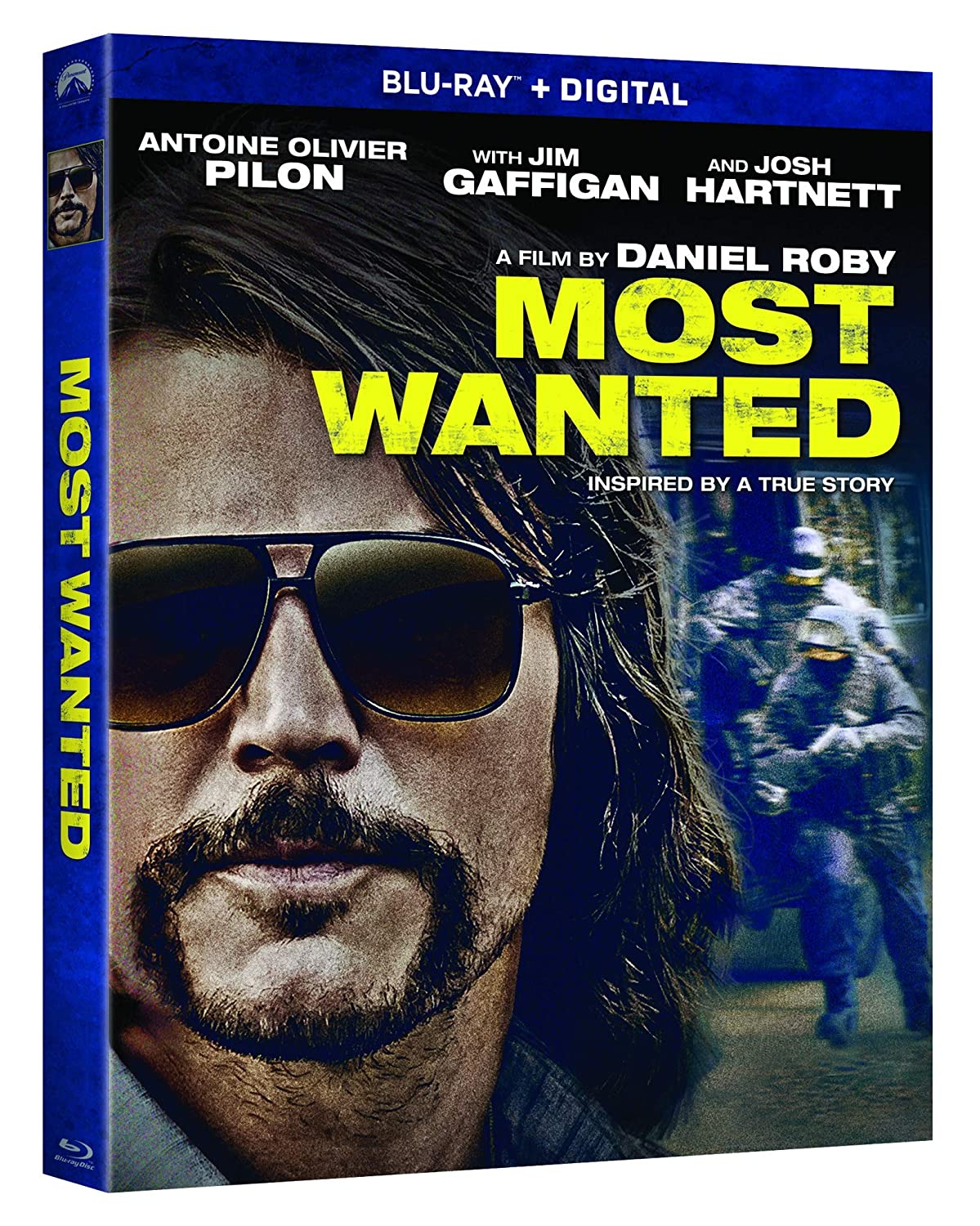
Hollywood is no stranger to films about citizens being falsely accused in a foreign land for crimes they didn’t commit or having the charges overly exaggerated. Midnight Express is perhaps the best of the bunch, and in the 90’s there was Brokedown Palace and Return to Paradise.  I’m somewhat of a fan of these films, but the problem is that they become a bit formulaic, and really, they are already an offshoot of the “wrongly convicted” prison dramas, so it’s no surprise that we really haven’t seen a film like Most Wanted in a while despite it being based on a true story.  Thankfully Most Wanted brings a new take to the table as it shows us how far some dirty cops are willing to go in an attempt to get a high-profile bust.

Most Wanted is about Daniel Leger (Antoine Oliver Pilon), a young, struggling heroin addict who is getting by in his day-to-day life by getting high and pulling small crimes to support his habit. I’m not the type to sympathize with an addict, but if Leger has any redeeming qualities, it’s that he doesn’t seem to want to harm anyone and he’s just looking for someone to accept him for who he is. He finds this acceptance in Glen Picker (Jim Gaffigan), a small-time drug dealer who employs Leger to help out on his “fishing boat”.  The relationship between Leger and Picker at first seems like it could be a good thing; that is until we discover Picker has motives of his own for taking Leger under his wing. This eventually leads to Picker introducing Leger to a potential big client to help in negotiating a drug deal in Thailand. Just how does this young Canadian guy have massive connections in a foreign land? Well, that’s where a simple misunderstanding steamrolls into something Leger has to figure out under the threat of being killed.  What’s worse is that Picker has manipulated Leger to do this deal with undercover cops just so he can go about running his business and his life as he pleases.

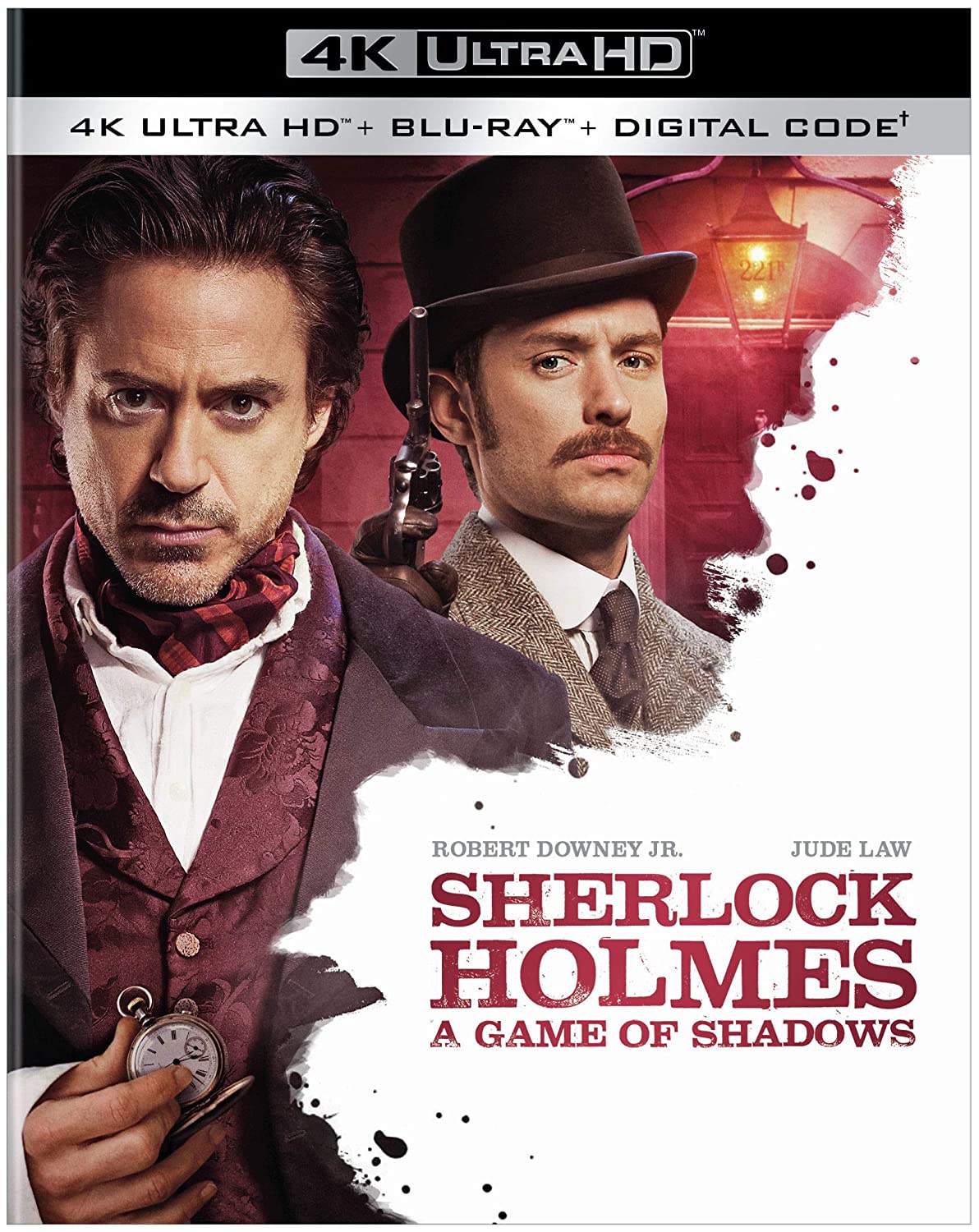
"I'm a consulting detective of some repute. Perhaps you've heard of me? My name is Sherlock Holmes."

In 1887, readers of the popular periodical Beeton’s Christmas Annual were to receive quite a special treat. There wasn’t much fanfare or hype to the event. Inside the pages of the magazine was a story called A Study In Scarlet. It was a detective story, perhaps like many published before, except for the detective himself, a certain Mr. Sherlock Holmes. Together with his faithful companion and chronicler Dr. Watson, Holmes would win the hearts of those holiday readers. It might have been an ordinary day, but the world was about to change. Sherlock Holmes would become the most famous detective in the world. His stories would remain in print nearly 130 years later. Over 100 films would be made featuring the character. There would be television shows and cartoon spoofs. No other character has appeared in more productions. When his creator dared to kill the beloved detective in order to move on to newer stories, his very life was threatened. It would seem that Doyle was on the verge of becoming a victim much like those in his stories. There was only one man who could save him from such a grim fate, and he did just that. It was Sherlock Holmes himself.

"Surprise."

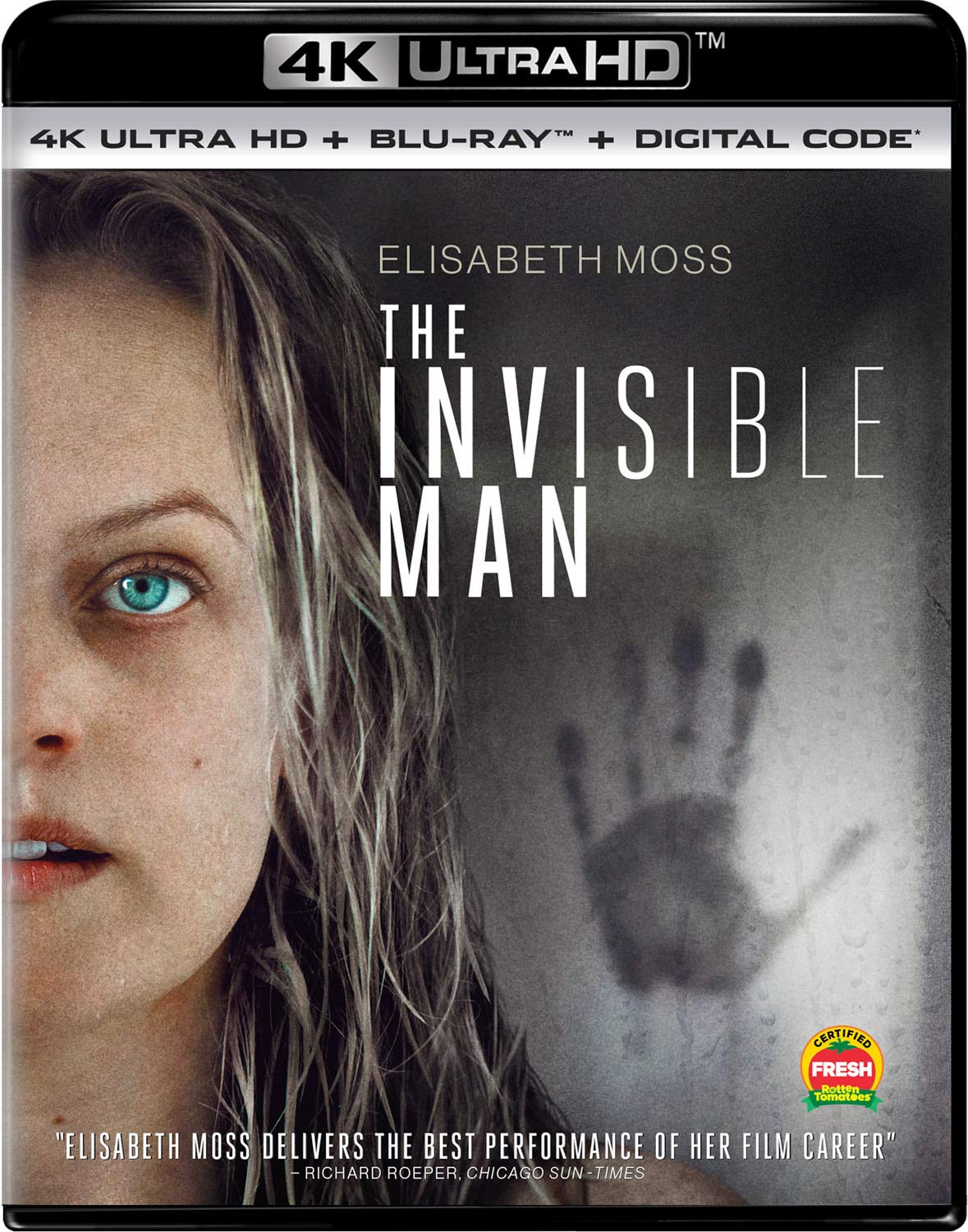
It wasn’t all that long ago that Universal was seriously attempting to develop a Dark Universe for their classic monsters.  Things changed after the releases of Dracula Untold and The Mummy and their poor box office showings, but having seen those two films, I feel fans were spared in the long run from a disaster that could have been.  Then in 2019 word got out that Blumhouse was going to be doing The Invisible Man, and this somewhat reignited the talks of a Dark Universe project.  When I first heard Blumhouse was backing the film, I was cautiously optimistic about the project; where the company does have its hits like Happy Death Day and Get Out, there are plenty of duds as well.  It’s when Leigh Whannell got attached that I had some hope for the film.  For those unfamiliar with the name, Whannell is the writer responsible for the Saw franchise as well as the Insidious franchise.  Now the wait is over and the film has been seen; how does it turn out? The film opens up with Cecilia (Elisabeth Moss) attempting to escape from her home while her husband is asleep.  This opening sets the tone masterfully, and as much as I hate the phrase “will leave you on the edge of your seat”, that is simply what this sequence is.  So much is revealed in the visuals of the home and the performance that Moss delivers that the audience can appreciate that characters need for escape.  If anything it’s in these opening moments of the film as Cecilia is wandering through the home that almost too much is revealed about the story that will follow.

"Control is an illusion, you infantile egomaniac. Nobody knows what's gonna happen next: not on a freeway, not in an airplane, not inside our own bodies, and certainly not on a racetrack with 40 other infantile egomaniacs."

Back in 1986 a young Tom Cruise teamed with director Tony Scott for Top Gun. The film ended up pulling in over $170 million. A sequel appeared out of the question, but that wasn’t going to stop this box office dynamic duo from figuring something out. They decided to just refilm Top Gun. So, if jets go fast, what else goes fast? Before long someone realized that racing cars go fast. So, before you know it Tom Cruise was once again teaming with Tony Scott as a cocky young upstart, this time in the race game. If you watch the two films back to back, the code really isn’t that hard to break. All of the same plot points and beats are exactly the same, just in a new environment. The public wasn’t fooled then; the film took in less than half what Top Gun brought. You shouldn’t be fooled now. Days Of Thunder is Top Gun redux.


“If you wish to be the king of the jungle, it's not enough to act like a king. You must be The King. And there can be no doubt. Because doubt causes chaos and one's own demise.” 

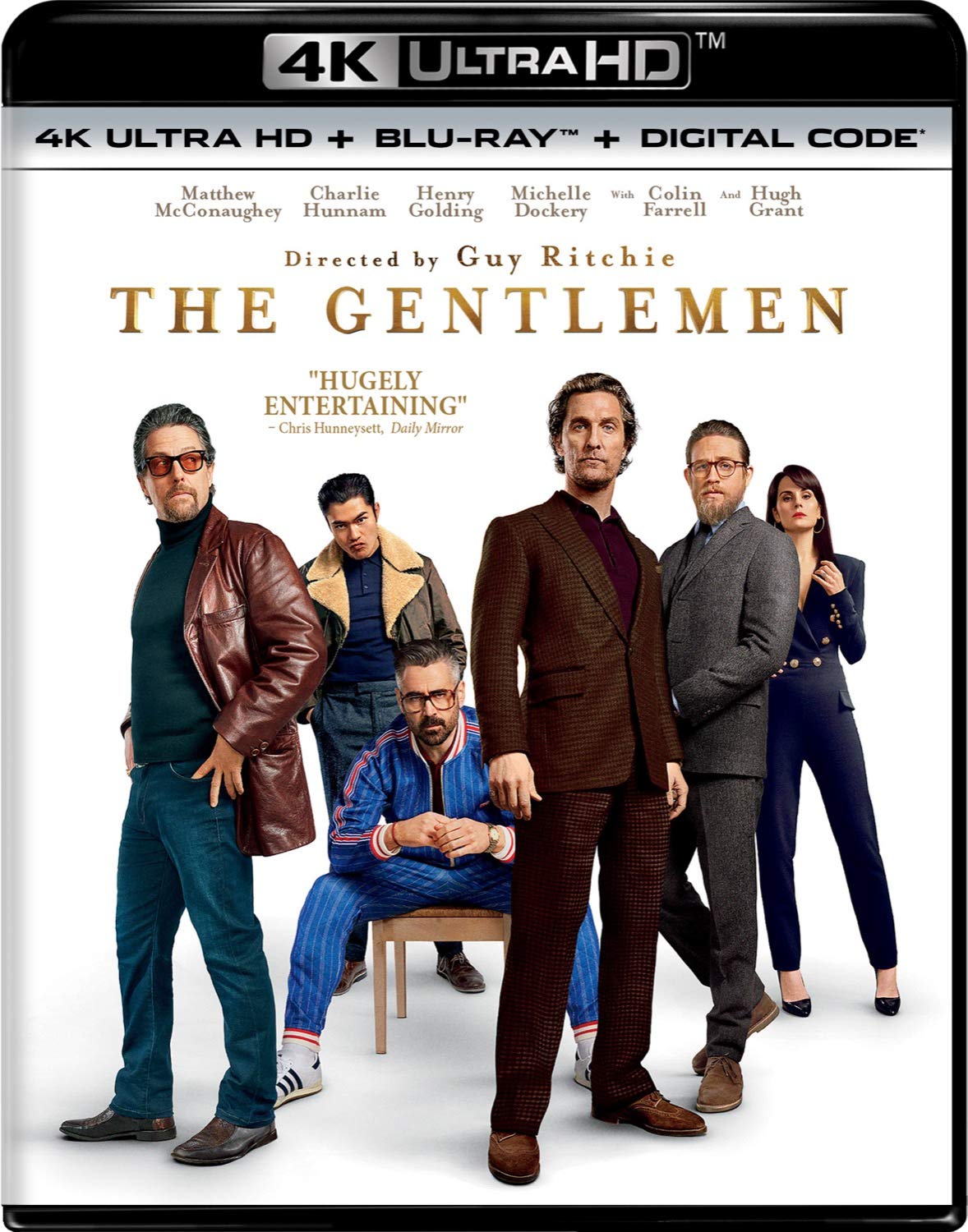
After the horrific attempt at King Arthur, Guy Ritchie was dead to me. His films have always been more style than substance, but there have been moments when that style really told a story and told it well. Of course, I’m talking about films like Lock Stock & Two Smoking Barrels. That was just a fun film to watch. King Arthur wasn’t fun to watch. So when The Gentlemen showed up on my doorstep in UHD to be reviewed, it was a roll of the dice for me. Which version of Ritchie was going to show up? Fortunately, it was the brilliant filmmaker who knows his strengths as well as the strengths of his cast and plays completely to those strengths. And with a few irritating flaws, this was the kind of film I’ve been waiting for from the director for several years. Universal has released it on a rather nice UHD Blu-ray (4K) release, and it should be a fun night of action for anyone who gets their hands on it.

"The First Order wins by making us think we're alone. We are not alone. Good people will fight if we lead them. Leia never gave up, and neither will we. We're gonna show them we're not afraid. What our mothers and fathers fought for, we will not let die. Not today. Today we make our last stand for the galaxy. For Leia. For everyone we lost. They've taken enough of us. Now we take the war to them."

It was 1978 when it all began. That's when George Lucas and a fairly unknown band of filmmakers and actors introduced us to that galaxy far, far away. We met characters like Han Solo and Princess Leia. We fell in love with droids named R2D2 and C3PO. We booed and hissed at the classic villainy of Darth Vader. And the hero of it all was a young farmer boy who pined for adventure on a backwater planet where nothing exciting ever happened. That's where we met Luke Skywalker, and for three films ending in 1983, we were treated to an epic adventure. This unknown band would become cultural icons, but it was all over after five years of space swashbuckling and good old good versus evil. At some point Lucas made it known that the first Star Wars film was actually the fourth film in a trilogy of trilogies. Star Wars would gain the tag A New Hope, followed by The Empire Strikes Back and Return Of The Jedi. Of course, while Lucas teased there was a prequel trilogy and a sequel trilogy, we were told not to get our hopes too high. But in the 1990's Lucas felt ambitious, and he delivered on that prequel trilogy with underwhelming result. Surely the rest of the story would remain untold.

For a while it was looking like 2019 was going to be a lackluster year for films, but once fall rolled around, we seemed to get bombarded with some quality award-worthy films. Aside from Once Upon a Time in Hollywood, nothing jumped out at me as Best Picture.  Sure, Joker was great, and I had a great time with Uncut Gems, but when 1917 rolled around, this was the film that left me in awe. Sure, there have been some great war films over the years. Platoon and Apocalypse Now are great Vietnam films, Saving Private Ryan is definitely a contender as the best film about WWII. Really, it would have been difficult to say what’s the “best” war film out there …well, that is, until now.  It’s a bold statement, and I know many will disagree with me, but after two screenings of 1917, I’m feeling pretty confident when I say this is the best and my favorite war film.  What’s even more impressive is how 1917 manages to standout from the big blockbusters, sequels, and comic book films and stand alone as a film that can remind viewers about that magic that comes with seeing a movie on the big screen and in Dolby sound.

The film’s setup is relatively simple. Lance Corporal Blake (Dean-Charles Chapman) and Lance Corporal Schofield (George MacKay) are tasked with the mission to cross into enemy territory to deliver a message to prevent an attack that will lead 1,600 men into a trap.  The pair must complete their mission before daybreak the next day; failure will pretty much mean certain death for Blake’s brother and most of the troops. No time is wasted in getting the story in motion, and once the two men set off on their journey, the film simply doesn’t slow down.  The film takes us along their journey from deep into the trenches, to across a blood-soaked, corpse-riddled battlefield, to booby trapped dugouts, and cities in ruin from the war.  I couldn’t help but think to myself the second time around how the journey of Blake and Schofield isn’t all that different from the journey the Frodo and Sam took on their adventure to destroy the ring by taking it to Mordor, only the distinct difference is 1917 is set during WWI.

“This is a vile waste of taxpayer dollars.” 

Will Smith and Tom Holland team up for an animated spy movie; talk about a draw for the crowd. This premise alone was enough to get me and my daughter drawn into the movie. Of course there is a bit more to it, as it also involves Will Smith’s character being accidentally turned into a pigeon. An interesting twist of fate, but honestly, I think it would have been great if it just stayed a straight spy film, without the pigeon addition. Not to say that the film wasn’t still a success with this addition, because as it is the film tackles a very critical subject matter: the use of violence. Who said that a feature film can’t impart an important life lesson, especially with a younger audience? Granted, I did have to spell it out a bit for my daughter, but she’s eight; what are you gonna do? In addition to Smith and Holland, who is making a name for himself in the world of voiceover animation, the cast is rounded out with familiar faces, or should I say voices, such as Ben Mendelsohn, Karen Gillan, Rashida Jones, Reba McEntire, and DJ Khaled.

It’s hard to believe as a cinephile that Terrence Malick isn’t a more celebrated director.  Sure, he has his fans, but his films virtually never translate to box office success, which is a bit of a shame.  His past few films have managed to sneak into movie houses and disappear with little to no fanfare. Honestly, I was a bit surprised to realize how many films Malick has managed to release since the release of The Tree of Life. I understand how most will look at his films and say they are “pretentious” or even “boring”. To be fair, his films are not for everyone, but the one thing I think anyone can take away from his films is that they are each visually stunning.  Malick doesn’t simply make your typical tent pole adventure film. Instead they all have a tendency to be contemplative and have a more spiritual or philosophical message.  When it comes to A Hidden Life, he delivers just that, and while I’d consider labeling this one of his better films, its nearly-three-hour running time has this film feeling as though it’s overstayed its welcome.

A Hidden Life follows Franz Jagerstatter (August Diehl), an Austrian farmer who is called upon to fight with the Nazis in World War 2.  We get to go along with Franz as he goes into training to be a soldier, but quickly we see how he wants to be no part of it; he’d rather be back at home on his farm with his wife and three kids.  It doesn’t take long at all to get that Franz is a good guy who holds firmly to his beliefs, but is he willing to make the sacrifice of remaining true to himself and his nature by continuing to refuse to fight and not pledge loyalty to Hitler?  Franz understands the consequences of his actions, and the film follows Franz and his family as it stretches over four years till he is finally faced with the ultimate decision of life or death. The plot is so simple, but Malick isn’t trying to tell a compelling story but rather film the experience of making such a difficult decision.  We see the pain and turmoil that Franz and his family endures over the years, from Franz and his physical and emotional confrontations with Nazi officers at the prison, to the struggles Fani (Valerie Pachner) encounters at the farmhouse.

"There's a bomb in Centennial Park. You have thirty minutes."

Clint Eastwood is about to hit 90, and there are no signs that it's slowing him down. Last year he even returned to the front of the camera for The Mule. Now he's back as just the director, and it appears that Eastwood has found two of his favorite subjects in one film. He's always been attracted to the isolated man. If you look back at the men he himself has portrayed over the years, they were misunderstood loners. In recent years he has taken a bit of a shine to telling true stories that usually deal with unlikely heroes who are thrust into a dangerous situation and must act. Heroes like Chris Kyle in American Sniper, airline captain Chesley Sullenberger, the WWII heroes who raised the iconic flag at Iwo Jima in Flags Of Our Fathers, and the brave ordinary tourist who stopped a terrorist attack on a passenger train in The 15:17 To Paris. These heroes always pay a price for their actions, and often they are even persecuted for what they've done, as in the case of Sully. Eastwood has combined that true story and unlikely hero for his latest work, Richard Jewell. It's a cautionary tale that is worth watching, particularly in an age where we are constantly told that if we see something, we must say something. After watching Richard Jewell, you might just experience a potentially catastrophic hesitation. And who could blame you?