2.40:1 Widescreen (16:9)

In 1979, Ridley Scott taught us that in space no one can hear you scream. More than 35 years after Alien established him as a top directorial talent, Scott has slightly amended that statement to read “in space no one can hear you…blast disco music and binge watch Happy Days.” These lighthearted coping mechanisms — used here to deal with a truly horrifying and hopeless situation — are strong indicators of what you’re in for with The Martian, which is both brainier and much funnier than your average space epic. Now the sci-fi blockbuster returns to home video with an Extended Edition.

“Mark Watney is dead.”

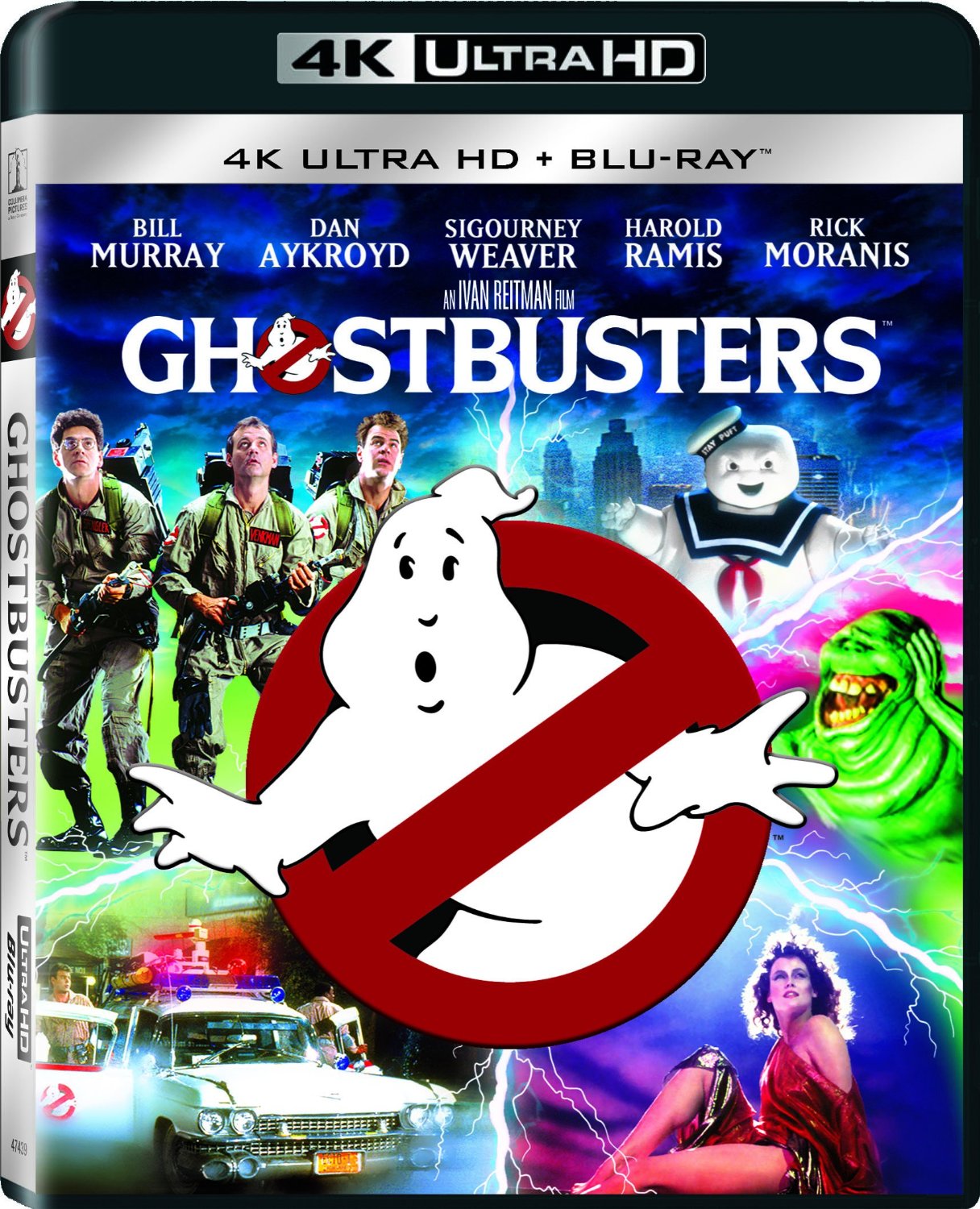
“Who you gonna call?”

By now everyone knows the answer. Dan Aykroyd, Bill Murray, Harold Ramis, and Ernie Hudson are the Ghostbusters. As their ad proclaims, they’re ready to believe you. Ghostbusters was originally conceived by Aykroyd as a vehicle for John Belushi and himself. When Belushi died, reportedly from a drug overdose, the project sat on the shelf a few years. Harold Ramis would eventually team up with Aykroyd and finish the script. It’s been said that “Dying is easy. Comedy is hard.” Leave it to these …two knuckleheads to combine the two and create a phenomenon. Like pretty much anyone else, I’ve seen Ghostbusters many times in the last 20 years. And just like all of you, I’m still not tired of it. I am, however, done with the repetitive theme song.

"Who you gonna call?"

This time?

Hi…it’s been a long time.”

If Project Runway has taught us anything, it’s that “in fashion, one day you’re in and the next day you’re out.” To a lesser extent, that adage can also be applied to comedy stars, since audiences’ tastes seem to shift almost as often as style trends. (There was a point in time when Pauly Shore was a movie star…that really happened!) As a result, any sequel to 2001’s Zoolander — Ben Stiller’s really, really, really, ridiculously good looking absurd fashion satire —had the odds stacked against it.

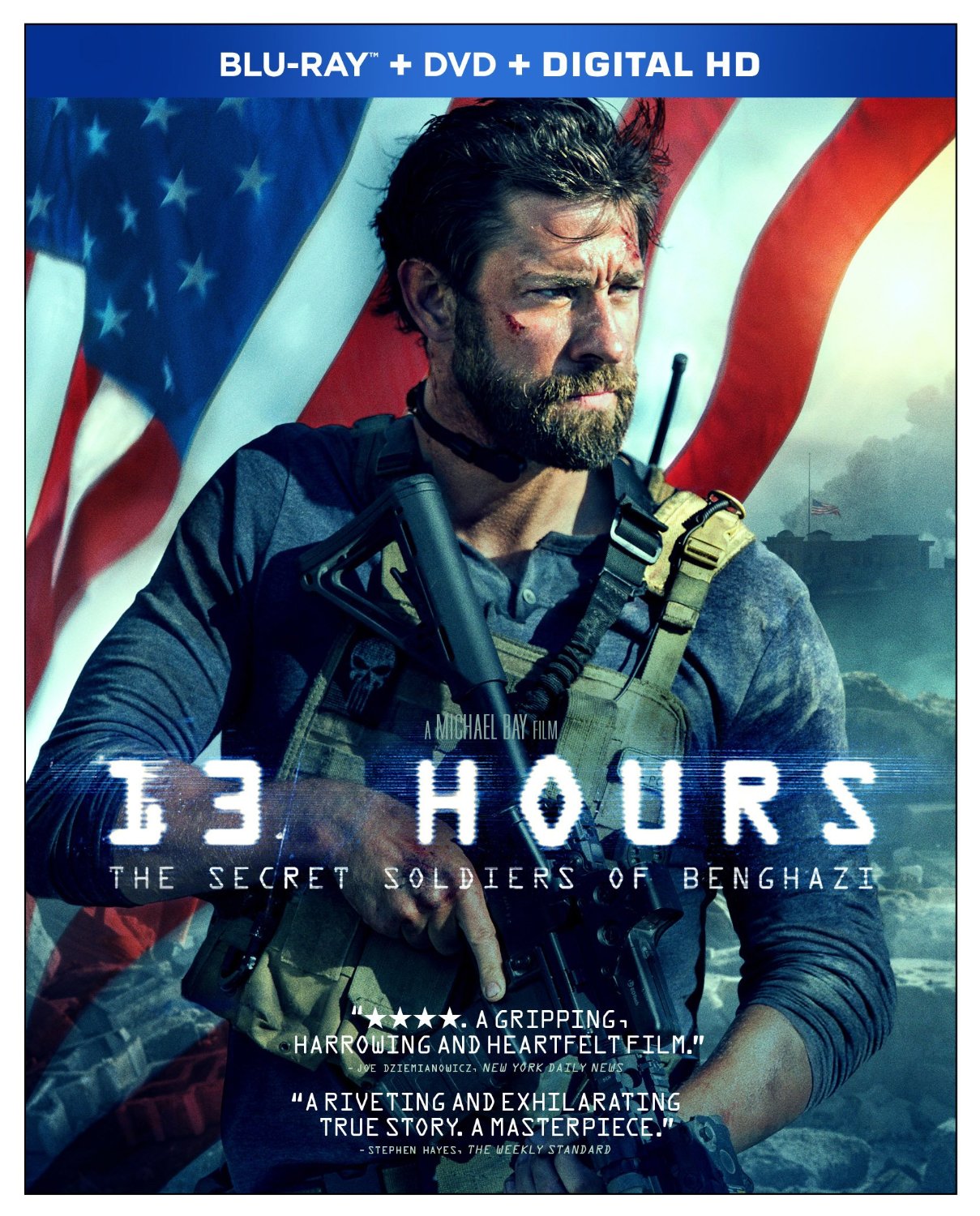
"Welcome to Benghazi."

It shouldn't matter what your politics might be. The events in Benghazi on September 11th, 2012 bring up some very important questions. Contrary to one 2016 presidential hopeful's declaration, it does make a difference. It did to the people who were there. It does for the families of the four who lost their lives. And it should make a difference to you. With such a political hotbed issue, you'll find that 13 Hours goes out of its way to avoid the political questions. Some might view this as an oversight, but I think it gives the film a greater sense of credibility and makes its impact on the audience to fill in their own political blanks.

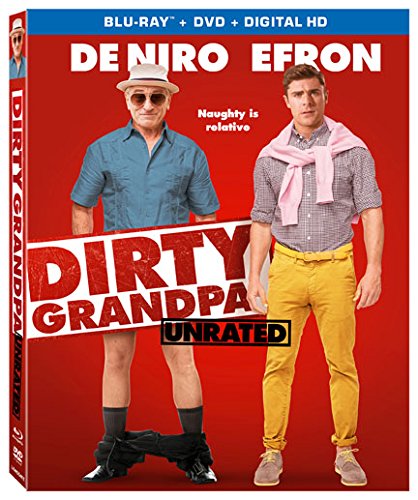
Robert De Niro and Zac Efron have a combined seven Academy Award nominations and a pair of Oscar wins to their names. So it was only a matter of time until these titans of cinema joined forces on the big screen. All joking aside, none of us were expecting Dirty Grandpa to pump up De Niro’s Oscar tally. What *is* a bit surprising — other than how truly bad this charmless, dimwitted, mean-spirited “comedy” turned out to be — is that Efron kind of outclasses his legendary counterpart.

DeNiro stars as Dick (tee-hee) Kelly, who recently lost his wife of 40 years. After attending his grandmother’s funeral, strait-laced Jason Kelly (Efron) agrees to drive his grandpa from Georgia to Boca Raton, Florida at the older man’s request. Dick and Jason used to be thick as thieves, according to the poorly Photoshopped pictures in the opening credits. The pair drifted apart after Jason abandoned his passion for photography to go to work as a corporate lawyer for his dad/Dick’s son (Dermot Mulroney, getting absolutely nothing to do). The road trip is supposed to be one last opportunity for Jason and his grandpa to bond before Jason marries his uptight, controlling fiancée Meredith (Julianne Hough, admirably leaning into her character's awfulness).

"Some of the best love stories start with a murder." 

Deadpool may be one the most singular and unique characters in the history of comic book lore. His character has a very rabid fan base among the elite of Marvel comic nerddom, and they have been watching very carefully to see that he has been treated properly by the Hollywood people. He hasn’t been in the past, but more about that later. He may not be the biggest name in the Marvel universe, but he might be the most extreme. Just in case you live in a cave or under a rock, the Marvel universe is inexorably taking over the actual universe with films like The Avengers, Iron Man, Thor, Captain America, Ant-Man, Spider-Man, X-Men, Guardians of the Galaxy, The Hulk, Wolverine, Daredevil, and on and on. To get back to what happened to Deadpool in the past, we go to the movie X-Men Origins: Wolverine. This also gets into the 20th Century Fox vs. Disney battle over the rights of Marvel characters (which is actually only a small part of the picture, since Columbia owned Spider-Man for a long time, but let’s not go down that rabbit hole). Lots of hard-core comic book fans were incensed at how far 20th Century Fox was straying from the origins and substance of the source material with the X-Men movies, but especially in the case of Deadpool, who is sacred to many. I shouldn’t say sacred, but what can you do, since the character of Wade Wilson (A.K.A. Deadpool) is very profane and NSFW.

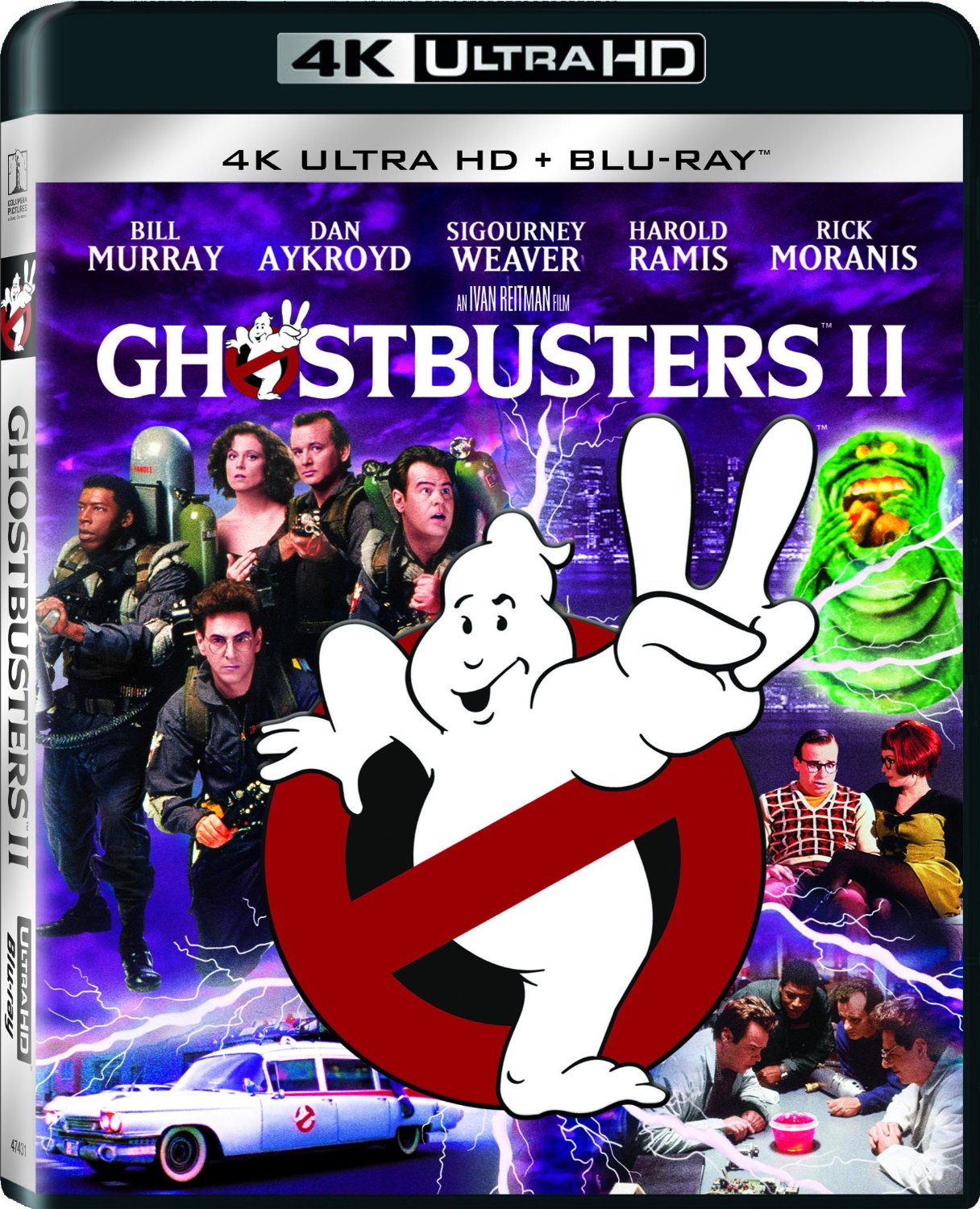
“Hello boys…I’m baaaaaack!”

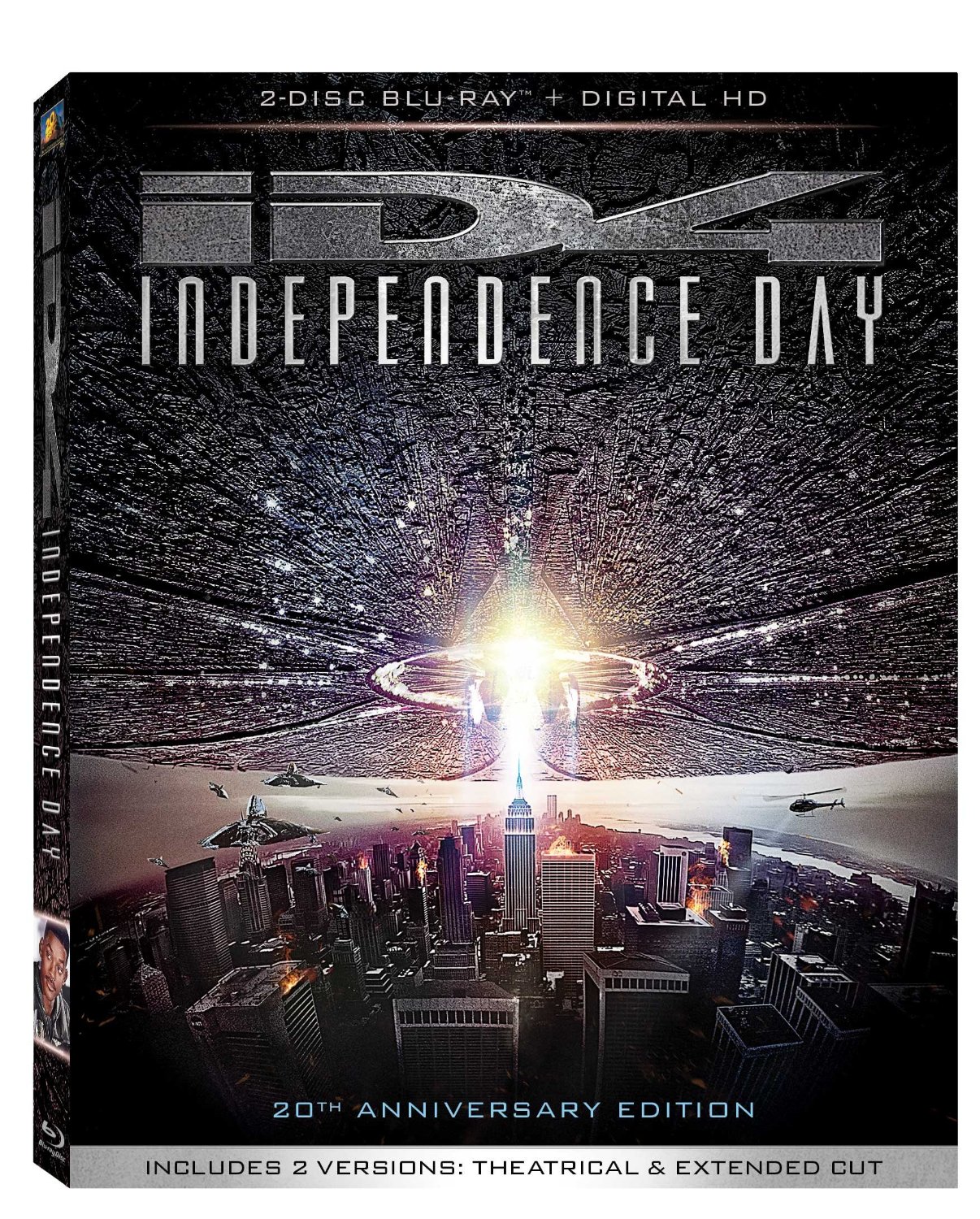
You probably know that Independence Day — the spectacular, shameless sci-fi smash that introduced the world to “Will Smith, Global Superstar” — has a sequel coming out next month. What you may not know is that the original film has been granted a 20th Anniversary Blu-ray release. I was 13 when ID4 came out in the summer of 1996, which means the movie’s deluxe destruction and alien shoot-em-up antics were right in my wheelhouse. So I was curious as to how an older and wiser, um, taller version of me would feel watching it with a critical eye.

There's a grand, lurid tradition of cinematic saps who think with the wrong head and get themselves in a heap of trouble. Misconduct tries to tap into that spirit while also mimicking none other than Alfred Hitchcock and Brian De Palma (who was pretty much mimicking Hitchcock himself). Those are some lofty goals, but — at least on paper — Misconduct has some heavy hitters on hand to help achieve them. Unfortunately, this legal thriller is guilty of sloppy, nonsensical storytelling and largely wasting the talents of a pair of screen legends.

Ben Cahill (Josh Duhamel) is an ambitious, morally flexible lawyer who works long hours, which has put a strain on his relationship with wife Charlotte (Alice Eve). Ben perks up when college girlfriend Emily (Malin Akerman) contacts him out of the blue wanting to get together. Turns out Emily works for/is involved with pharmaceutical magnate Arthur Denning (Anthony Hopkins), who is currently in the news due to some unethical drug trials. Emily claims to have evidence of Denning's wrongdoing, so Ben — recognizing an opportunity to jumpstart his career — offers his lawyerly services with the hopes of impressing senior partner Charles Abrams (Al Pacino).

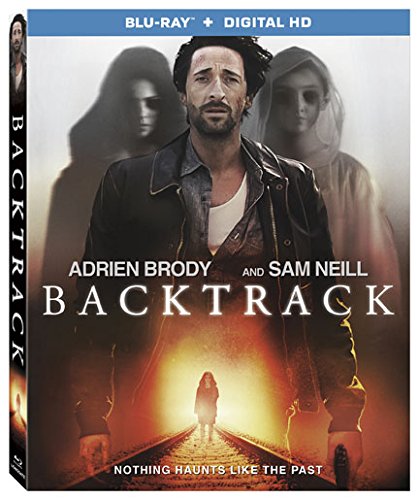
Whatever happened to the days of telling a story without having some kind of gimmick or need to have to have a twist in the plot to show the viewer just how clever you are?  I blame The Sixth Sense for this, because ever since the film came out it seems a requirement to be considered a thriller is you have to have some kind of twist, whether it’s at the midpoint or towards the end, somehow you have to find a way to jam that twist in there.  I’m not saying let’s just throw the ban hammer down on all twists, but they should be used to only further the plot, because at this point it’s just gotten silly, and when you start piecing things together after the film you realize how little sense it all makes.  When it comes to Backtrack, you’ll need to do more than just retrace your steps on this one, and it’s sad, because beneath all the twists there is a good story here; unfortunately it’s managed to lose its way.

Peter Bower (Adrien Brody) and his wife are mourning the loss of their daughter who was killed in an accident.  Peter carries the guilt around with him, and it has begun to have an effect on how he is able to treat his patients.  Very early on we are given clues to there being something not right with his patients up to the point it is discovered that all of them are dead.  While this may seem like a spoiler, instead it’s key to driving the story forward for Peter to understand why the dead seem to want to make time for him on his couch.  While I’m fine with this idea of him treating ghosts or simply Peter being insane, there is a practical question that bothers me.  How does no one else notice how odd it is that he is treating, to the outsider, no one?  How were they going about paying for visits or even scheduling visits, since it seems he doesn’t have a receptionist?  It seems like I’m being nitpicky, but really, I was having a hard time accepting the reality of the story that was being presented.