


Posted in: Disc Reviews by Gino Sassani on August 21st, 2020
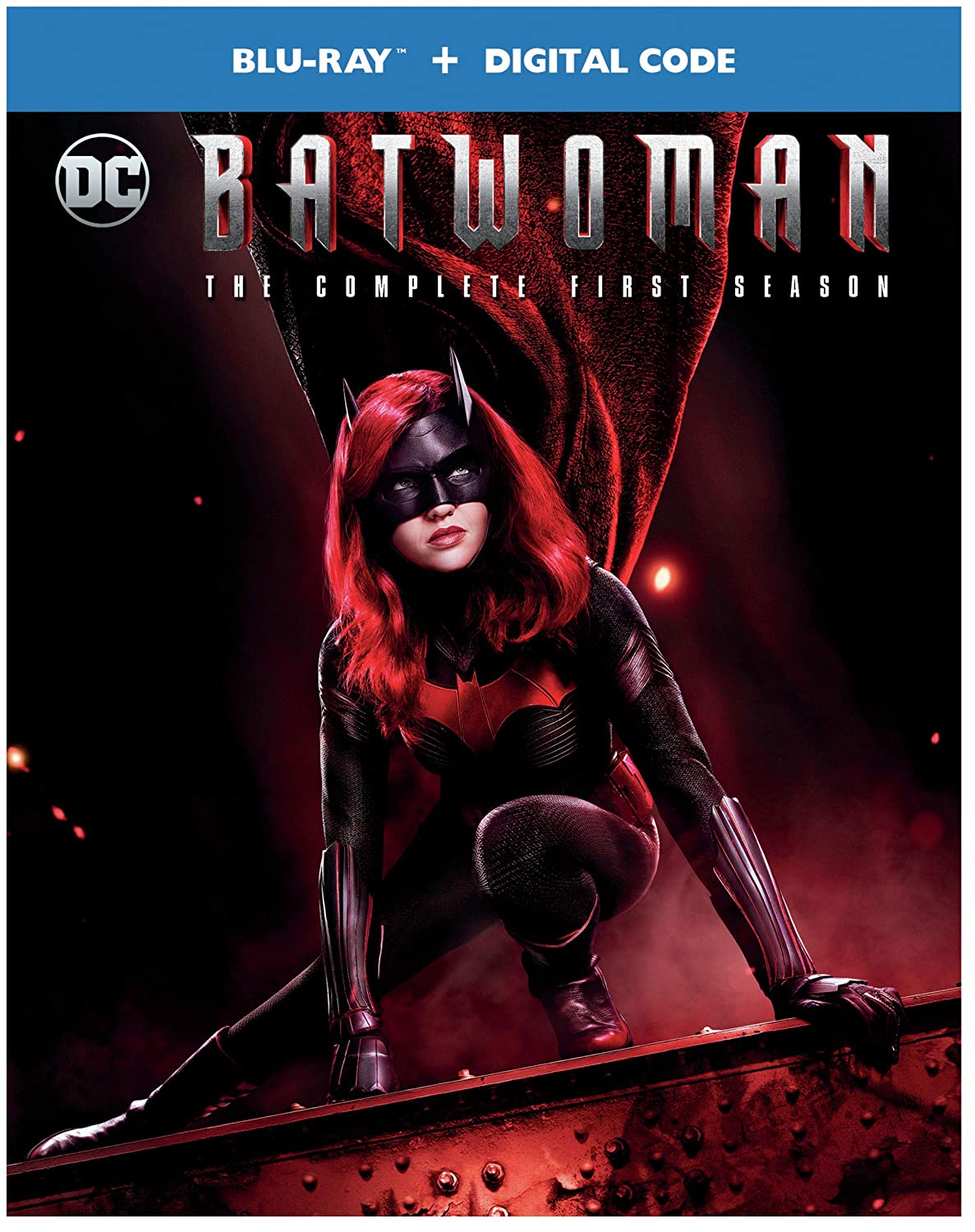
"Trust me. This isn't the story I expected to be telling. But you know as well as I that stories, like the people who tell them, aren't always what they seem to be. I suppose I should start here, in Gotham. Three years ago when Batman mysteriously disappeared, it divided the city. Some hoped he'd be back; others figured he was dead. I thought he abandoned Gotham for the same reason he abandoned my family. Because he didn't care."
The Arrowverse is losing its founding member. The shortened 8th season of Arrow was its last. It was certainly time. The series was starting to literally fold back on itself, and it was time to move on. But that doesn't mean the universe it created is getting smaller. It's expanding. Batwoman joined the universe, and the huge crossover this season and Superman & Lois is about to join next season. There are no empty spaces around this table, at least not for long. Enter Kate Kane, played by Ruby Rose. It's a character almost as old as the Batman himself.


Posted in: No Huddle Reviews by Jeremy Butler on August 21st, 2020
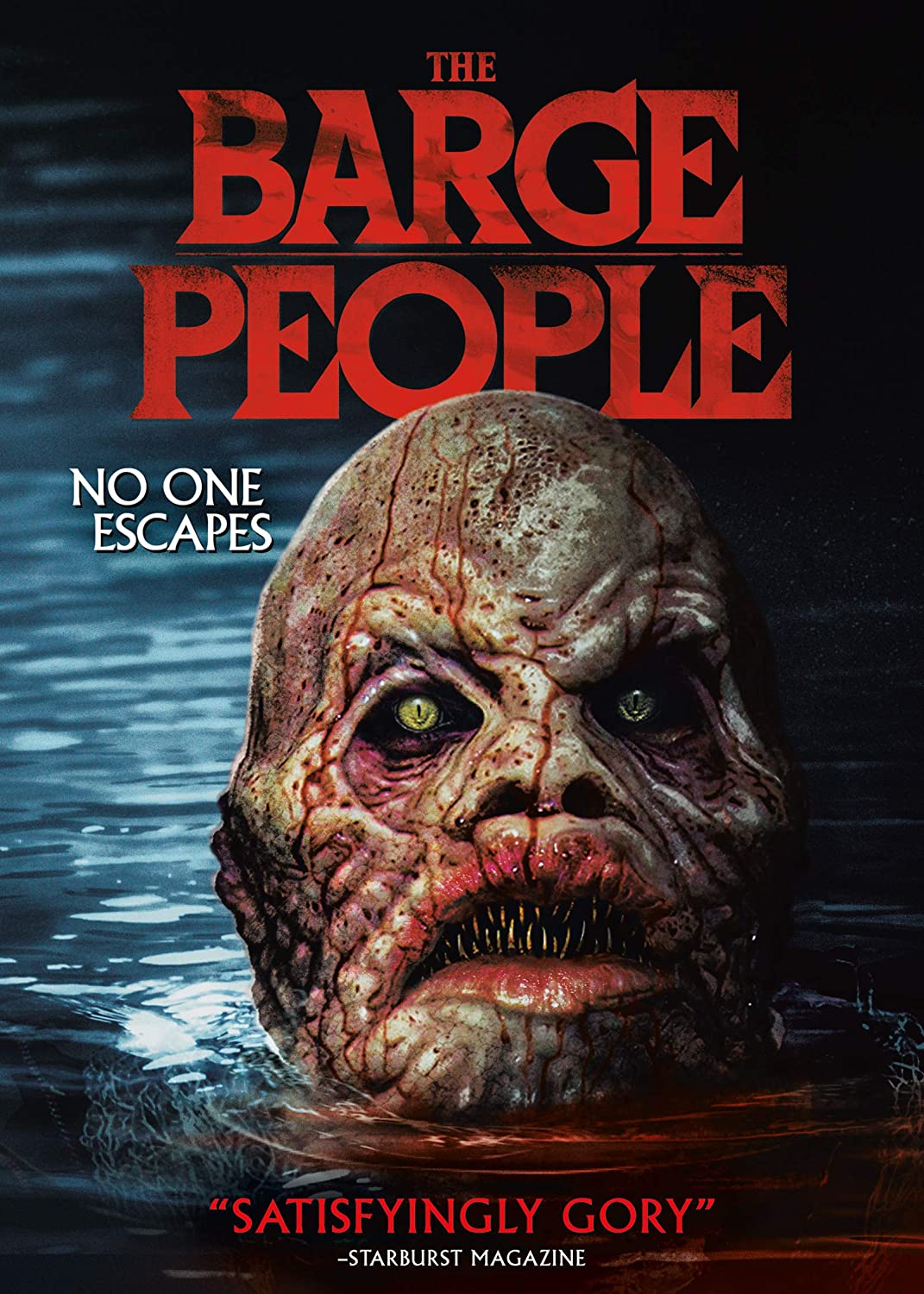
This film would probably work as a student film production. In its present form as a home media release, it falls short. The Barge People does its best to come off as a suspenseful addition to the horror genre, but in my opinion, it does not accomplish the needed goal: the suspense. The film follows two couples on holiday. It is very clear that each pairing has different ideals: one couple as been together for a while, but is living in the moment not really planning for the future, while the other has their minds set directly in the future. The only thing linking these couples together are the women, who happen to be sisters. It is evident that the men have nothing in common, and that if it were not for their significant others, they would prefer to not know that each other existed. Throw some inbred cannibalistic killers on top of that, and you basically have your movie. Timing was a big reason for me that this movie missed its mark. Perhaps with a few subtle changes, I would have enjoyed it more.

Posted in: Disc Reviews by Brent Lorentson on August 21st, 2020
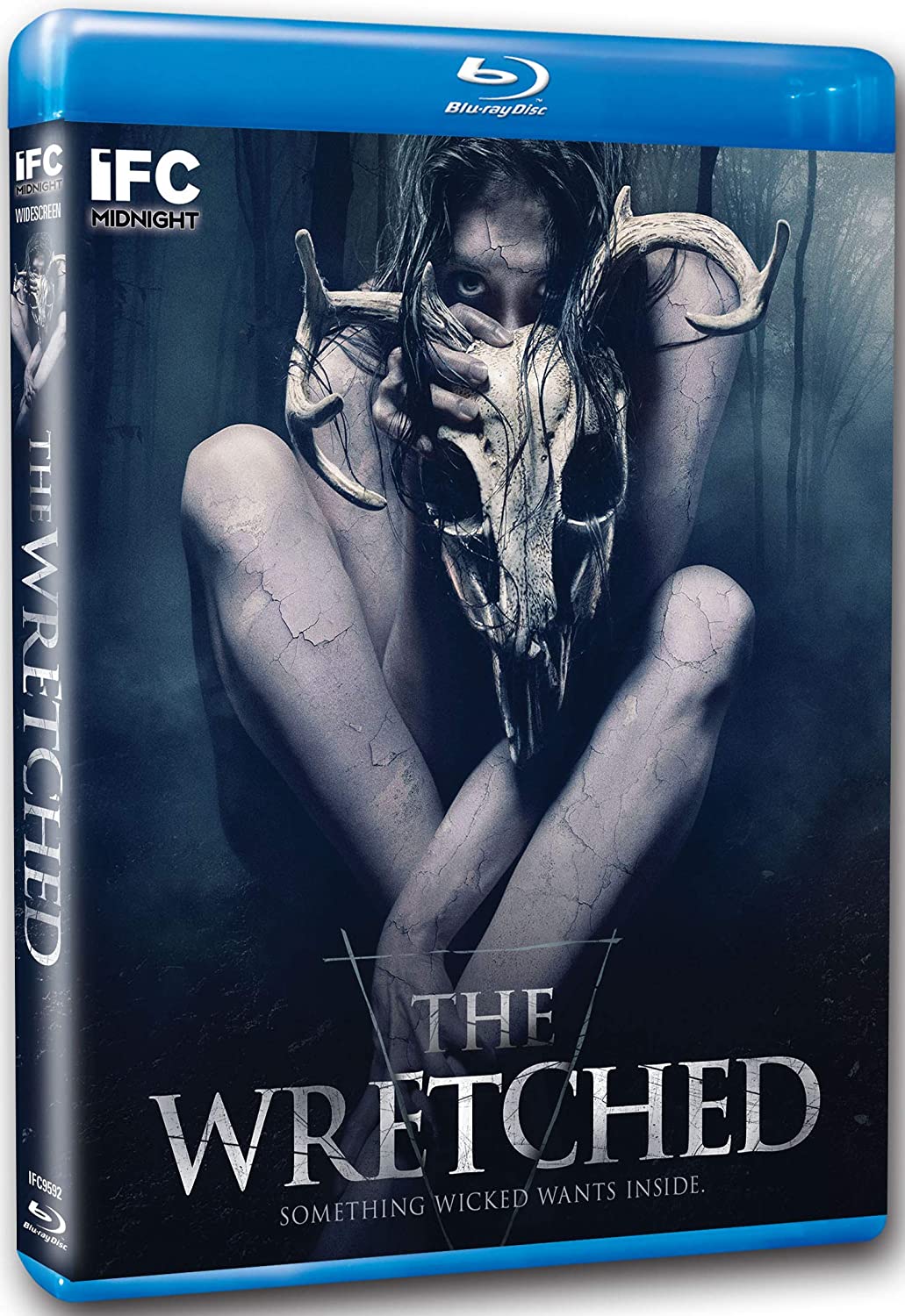
t’s a bold move when a film wants to compare itself to an 80’s classic like The Goonies. If anything, it more closely resembles the 2007 film Disturbia, and that film borrowed heavily from Alfred Hitchcock’s Rear Window. Had this film stuck closer to the Hitchcock formula, I feel The Wretched could have easily been a stronger film, but the biggest problem the film has is that it tried to be too clever for its own good, and as a result it comes off a bit sloppy and contrived. That doesn’t mean that this is a bad film; in fact it’s a fun late-night romp, but what’s frustrating is seeing how it could have been so much more. While I know there was some buzz for this film earlier in the year, I’m kind of wondering if this buzz was generated by those who had actually seen the film or those who had only seen trailers? The film opens up with a young girl arriving at a house to babysit. It doesn’t take long for her to see that something is wrong at the home, and of course something is definitely going on in the basement. This is our first introduction to the skin-walking, body-modifying witch.


Posted in: No Huddle Reviews by Gino Sassani on August 20th, 2020
"It's a family show with cops, not a cop show with a family."
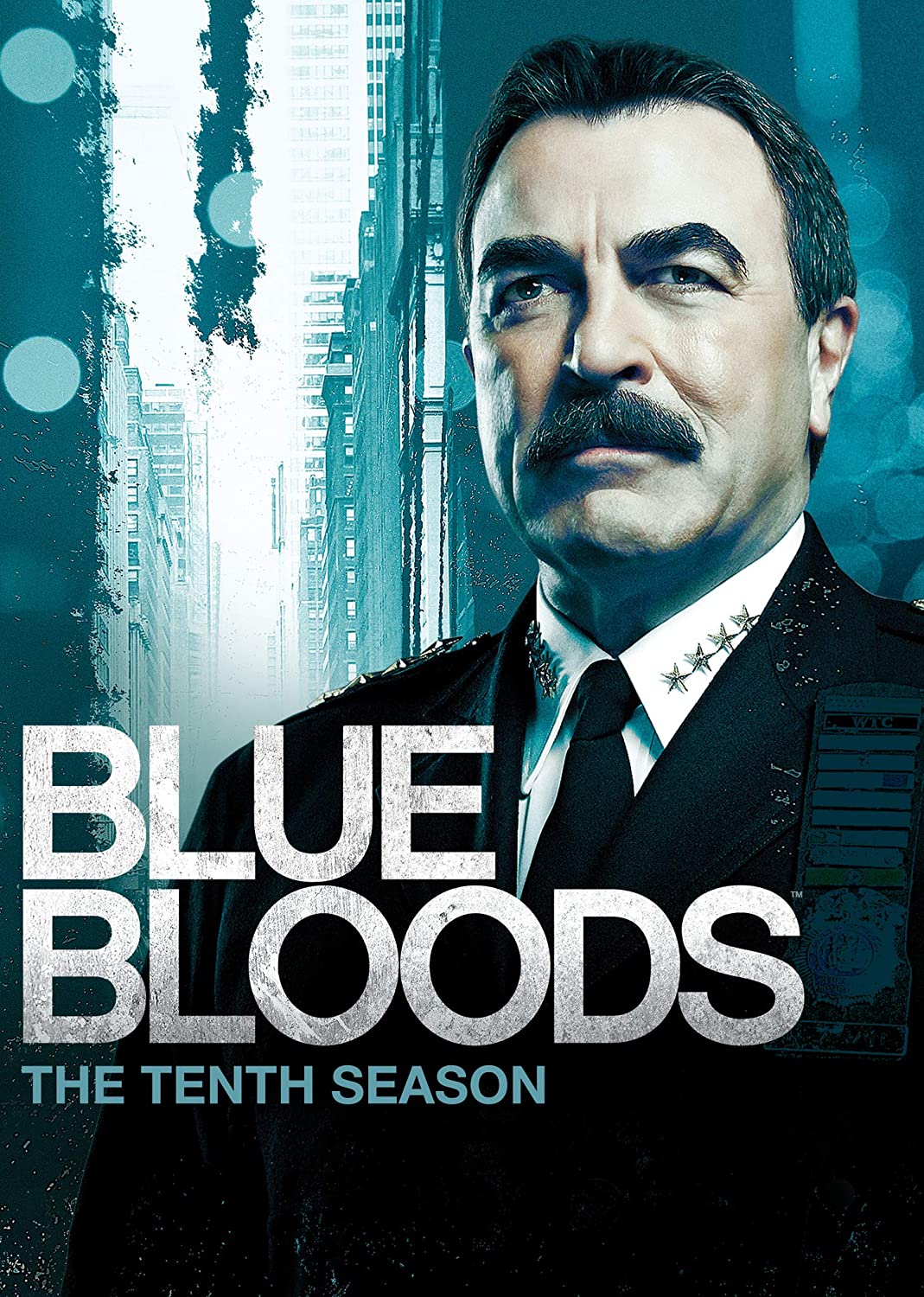
For ten years Blue Bloods has been a staple on CBS, giving Tom Selleck a chance to completely redefine his television career. The once cocky and carefree Magnum P.I. now has established himself as the wise patriarch. It's a transition that a 1970's audience would never have bought. But now he's become a new kind of airwaves icon. The show has also managed to make it through a decade with very little change in the cast, and most of that coming from additions. This season is no exception, as we discover there's been a long-lost member of the Reagan family out there for many years. But there are big changes coming to Blue Bloods. In the real world the police have been villainized by some, and it's becoming an increasingly tougher job to do. For a family so steeped in law enforcement, the show will absolutely have to address these new realities. The second of course is the arrival of a pandemic the likes of which this country or the world has never seen. Productions were shut down and are now only beginning to ramp back up.


Posted in: No Huddle Reviews by Gino Sassani on August 19th, 2020
"You're not failing. You just haven't succeeded yet."
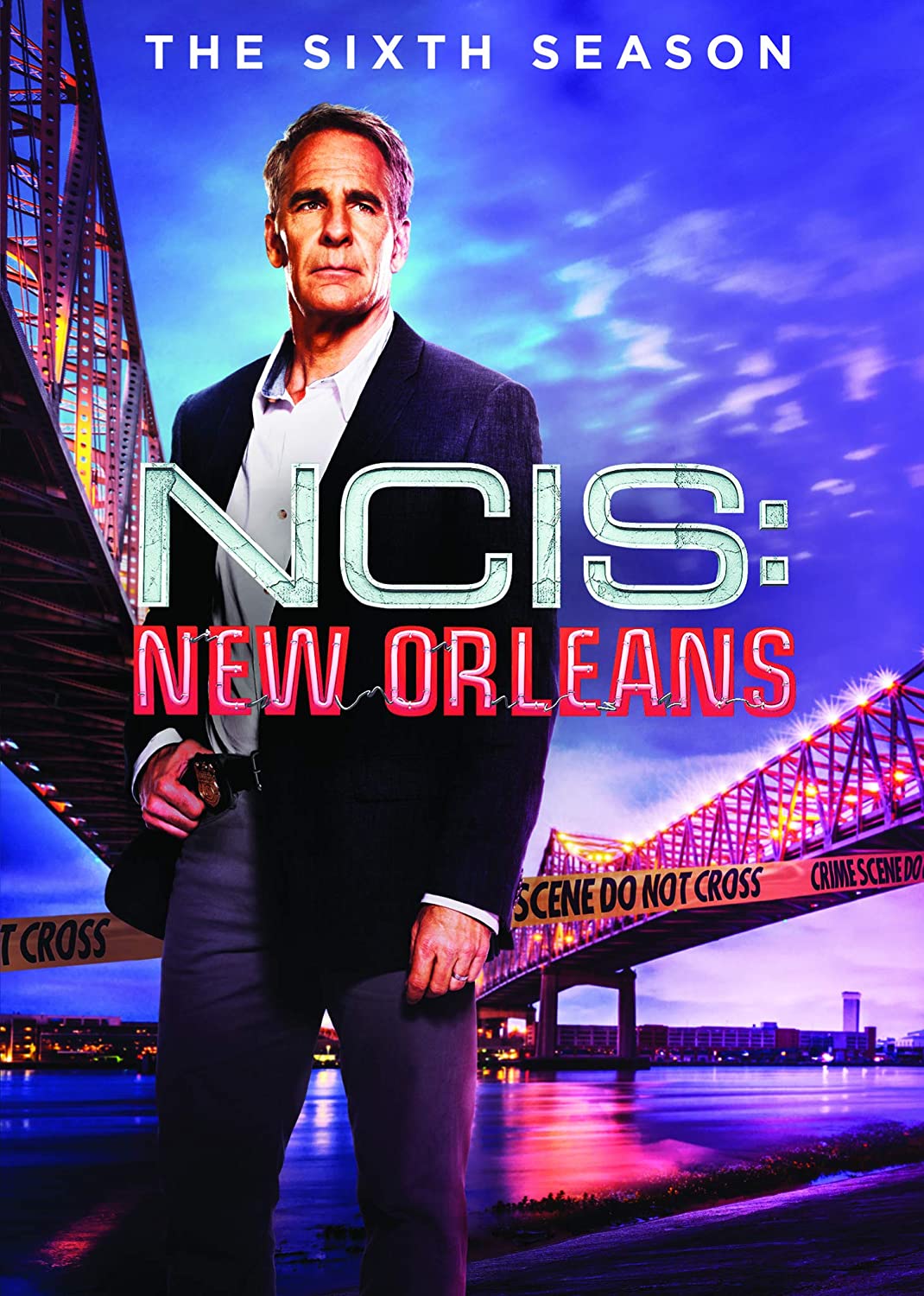
If you are at all familiar with the NCIS franchise, you know that the show tends to follow a bit of a formula. Each spinoff has some unique style aspects, but the episodes tend to be relatively self-contained. That means you can start with Season 6 of NCIS: New Orleans and still be able to appreciate most of what's going on. You'll get to know and understand the characters pretty quickly. That's more true of this particular member of the NCIS family than the others. It has had the most cast turnover. By the end of this season there will only be three characters who have been there since the beginning. Compare that to the L.A. version where you'll find over a decade of no lost cast members, and you'll find this one is the easiest to drop in and out of. Unfortunately, that also contributes to the fact it is my least favorite entry in the franchise. And all of that is in spite of the fact that I'm a rather big Scott Bakula fan, having been impressed by both Quantum Leap and his tenure as a Star Trek captain in Enterprise. So while you could certainly enjoy this release on its own, I still recommend you go back and catch up on the first five seasons just to get caught up and maximize your enjoyment. The good news is that we can help you with that. You don't have to wade through 10 years of JAG, 18 years of NCIS, and 11 years of NCIS: L.A., although that might be one heck of a fun binge. Just catch up on the first five seasons of this show and you'll be ready to go. You can check out those reviews here.

Posted in: No Huddle Reviews by Jeremy Butler on August 17th, 2020
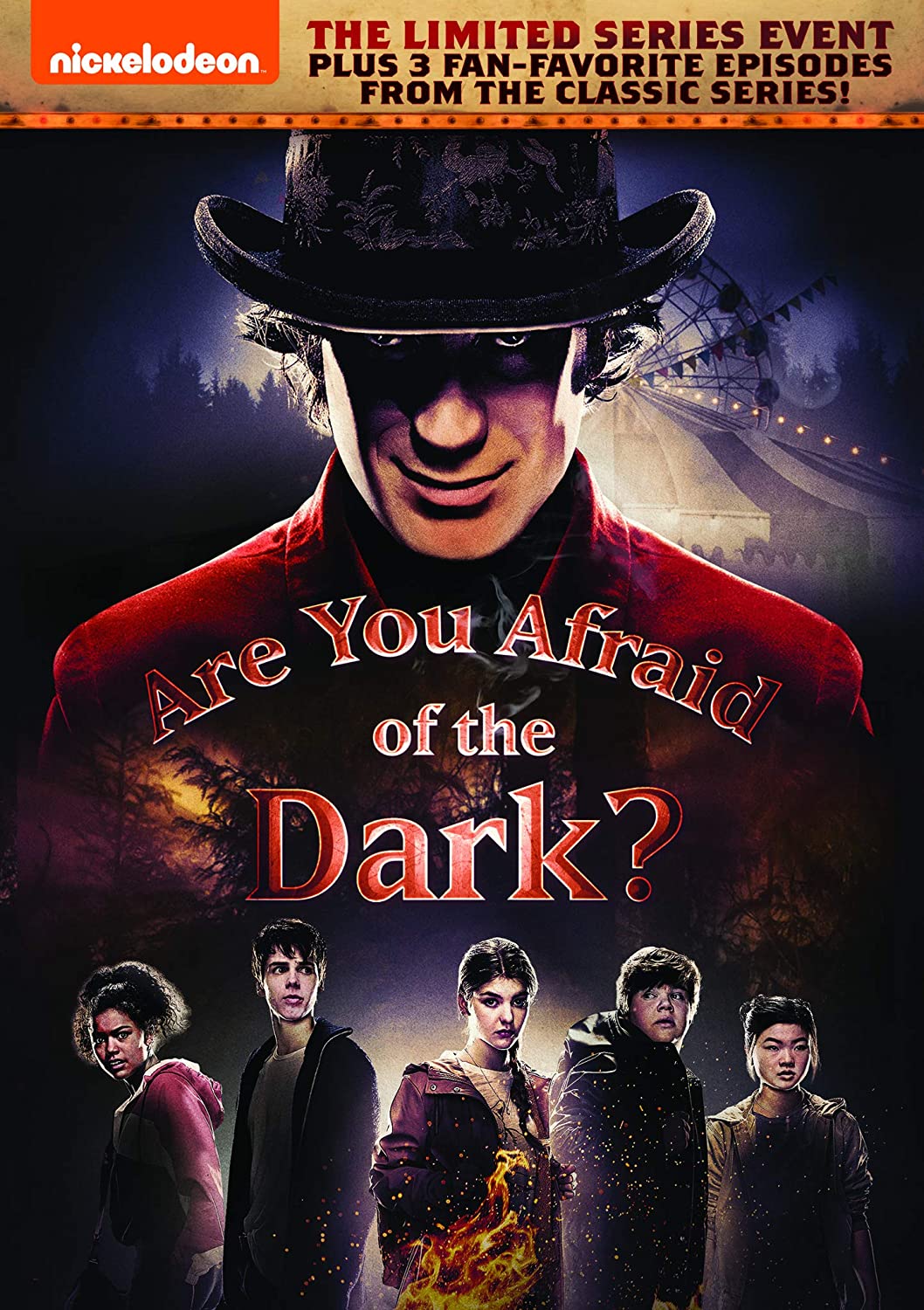
I remember this was the one show that I didn’t want to watch growing up. Ironies of ironies, I was not big on scary things when I was younger. Now it is one of my favorite genres. In reference to the original series, there was just something that really scared me about the show growing up. Of course, all it took was a dare from my family to force me to try to overcome that fear. Not sure I ever really overcame the obstacle, as once this revival miniseries came across my docket, I was hit with some of the old feelings that I experienced while watching the original show. It only took the opening sequence to send my daughter out of the room, so I was forced to overcome my childhood fears on my own, while opting to not scar my child. To that end, I must say that age has definitely made me braver, but it may also have more to do with the revitalization of the series, which I found to be more in-depth and intriguing than its original incarnation. This three-part miniseries may have been limited in how far it could go as far as goriness (given that it is a Nickelodeon production), but the storyline more than makes up for that, managing to weave a creative and entertaining web that also includes slight comedy and unique characters.


Posted in: Disc Reviews by Brent Lorentson on August 12th, 2020
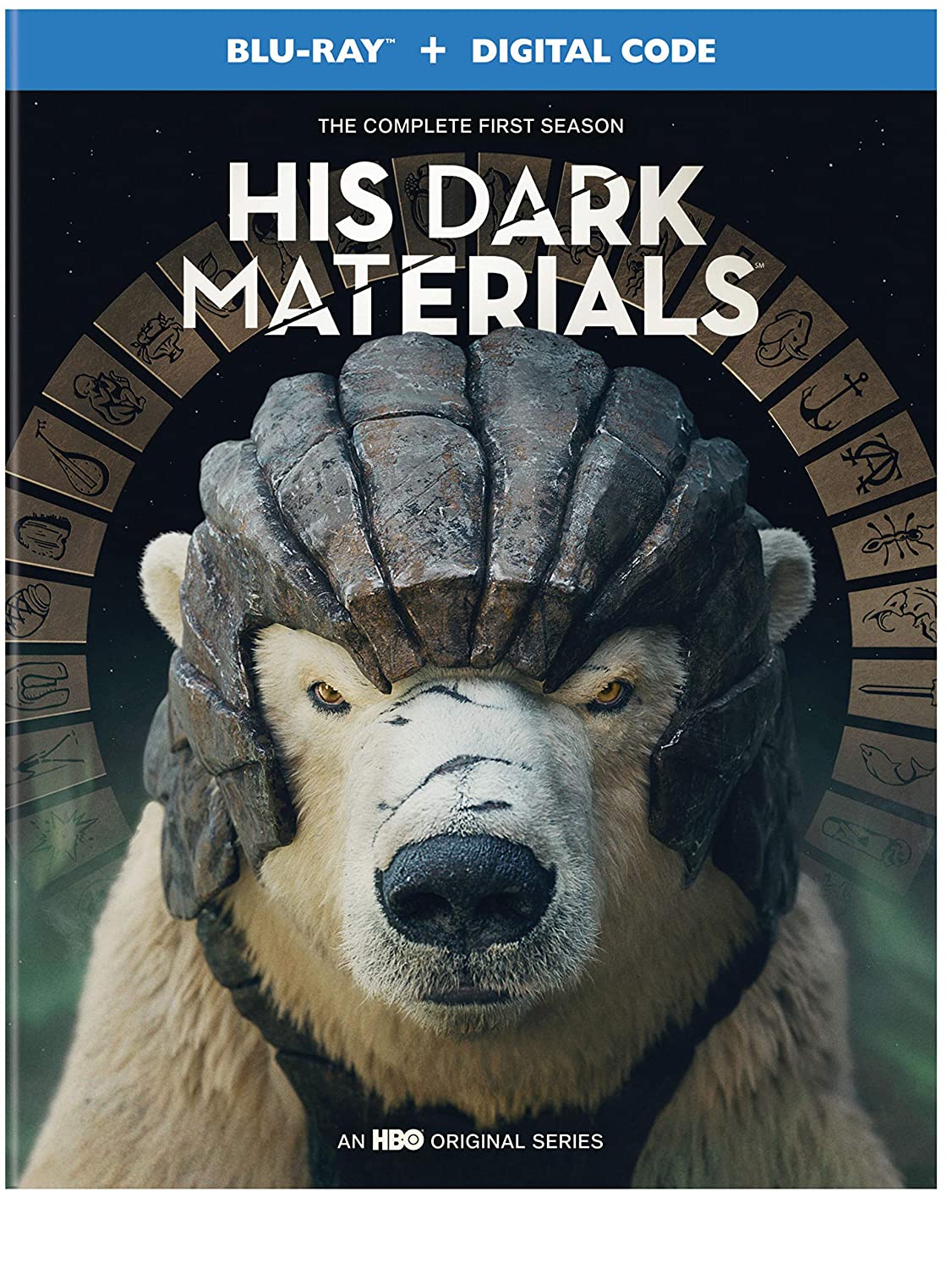
I remember when The Golden Compass came to theaters. I know I saw it because I was a projectionist and had to screen the print, but for the life of me I couldn’t remember anything about the film. Perhaps that’s why that when I first heard about HBO doing a TV series adaption of the beloved book series His Dark Materials that I wasn’t all that thrilled. I’d never read the young adult series, and considering the amount of awful YA film and TV adaptations that have bombarded us for nearly two decades, it too played a role in squashing any excitement I may have had in different circumstances. To be fair, when presented the offer to review the series, the odds were stacked against it, though I do attempt to always give a show or film an unbiased chance when I sit down with it. I feel it’s important I say all this because I want to express just how blindsided I was by this show and its story. Although its target audience with its books may be young adult, by the time the credits of the last episode rolled for its first season I found myself not just engaged with the story, but I had quickly grown attached to these characters and their story in a way I haven’t experienced since perhaps the first season of Stranger Things.

Posted in: No Huddle Reviews by Gino Sassani on August 11th, 2020
"Life just got complicated."
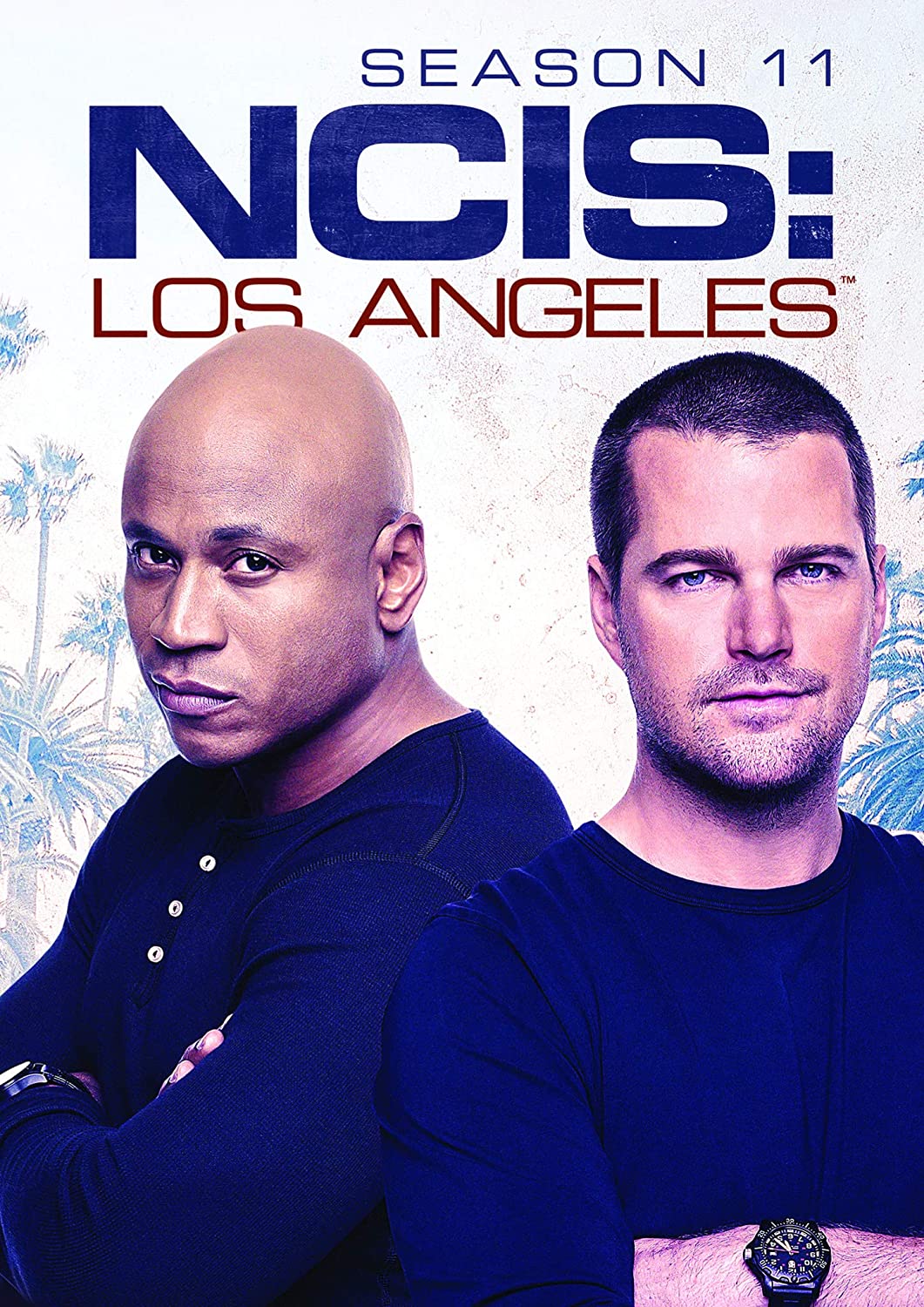
It sure has. With the world still in the throes of pandemic, it's nice to spend some time catching up on familiar characters and compelling stories. Very few television franchises are as familiar by now as NCIS. CBS brings us the 11th season of the NCIS spin-off: NCIS; Los Angeles to DVD. The series has become one of the most successful spin-off shows in the history of television. Only CSI and the Law & Order franchises have brought more episodes to our television screens, and next season the NCIS franchise will have passed CSI. The truth is, if you go all the way back to the original JAG series, this is hands down the most prolific one-hour series in television history. What is even more amazing is that the NCIS shows continue to be the most-watched franchise in the entire world, a position they have held for over a decade. No one has come close to this kind of television domination. If this collection of episodes is any indication, the ride isn't anywhere near reaching the end. All three shows have been renewed, with NCIS getting a new two-year commitment at CBS. If you haven't already caught up on all of those earlier episodes, you don't necessarily need to do that, but why wouldn't you? You might want to get acquainted with the cast and other aspects of the series. You can at least catch up with the first 10 seasons of NCIS: L.A. Here.

Posted in: Disc Reviews by Gino Sassani on August 7th, 2020
"At least attempt to hide the bias."
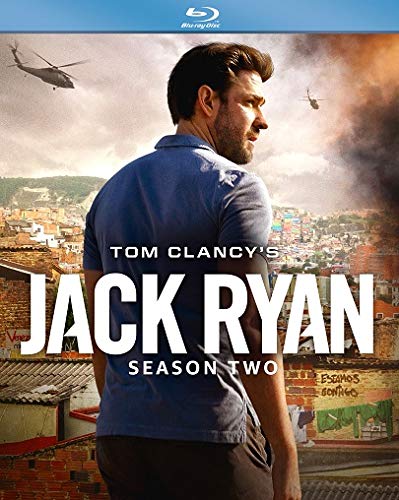
Witness the birth of -- actually make that rebirth of --one of the most popular action heroes in literature. Tom Clancy’s Jack Ryan has been a character of many jobs and many faces over the years. Baldwin, Ford, Pine, and Affleck have all stepped into the role of the man who has been a soldier, an analyst, an operative, and a president. What might appear as a clear advantage for this Amazon Prime streaming television show can be just as much a liability. When you throw in the Tom Clancy novels, comic books, and fan fiction, there is a ton of Jack Ryan history that pretty much gives us a story arc from his humble beginnings to extraordinary exploits and wearing the faces of a few good performers. It's a tall order for the series and perhaps an even taller order for actor John Krasinski, who has created a nice little horror franchise with wife Emily Blunt on the side. I don't really have the time or energy to watch streaming shows and films. There's always a backlog here of discs that need to be watched and reviewed, and I've created a rather comfortable viewing experience with my home theatre I call The Reel World. Our motto: Here there be monsters. So last year I had my first experience with this series when Paramount sent the first season on Blu-ray. It was far more of a captivating and compelling series than I expected. Now the second season has reached the Blu-ray home platform format, and while I certainly detect a sophomore slump here, there's still enough interesting drama to keep a fan engaged for another year.

Posted in: No Huddle Reviews by Gino Sassani on August 1st, 2020
"You like when I do the whole cryptic thing."
The 17th season of NCIS certainly ended with just that kind of vibe. The showrunners did a great job of keeping secret that Ziva would show up in the very last frame of the season. Everyone was sure she was dead, and while that's often no reason not to bring back a character in the fantasy genre, it doesn't often work in something like this. It brings up a lot of questions that were not going to be answered for several months. How is she still alive? Why is she here? Is she now a good guy or a bad guy? I'm sure you spent the summer with plenty of questions that didn't get answered for a long time. But it's finally aired, and now the whole story is out for home video as CBS releases the 17th season of NCIS. The team has changed faces over the years. Few of the original members remain, but as long as Mark Harmon remains in the starring role of Gibbs, there's life in this show yet. This season sees no real change in the characters of the show, but it does allow for even more growth for those still on the train. NCIS is about to enter into its 18th season in just a short time. That in itself is a remarkable accomplishment in the days of short attention spans and hundreds of shows to keep that attention.


On The Web
Sponsors


