


Posted in: Disc Reviews by Brent Lorentson on August 12th, 2020
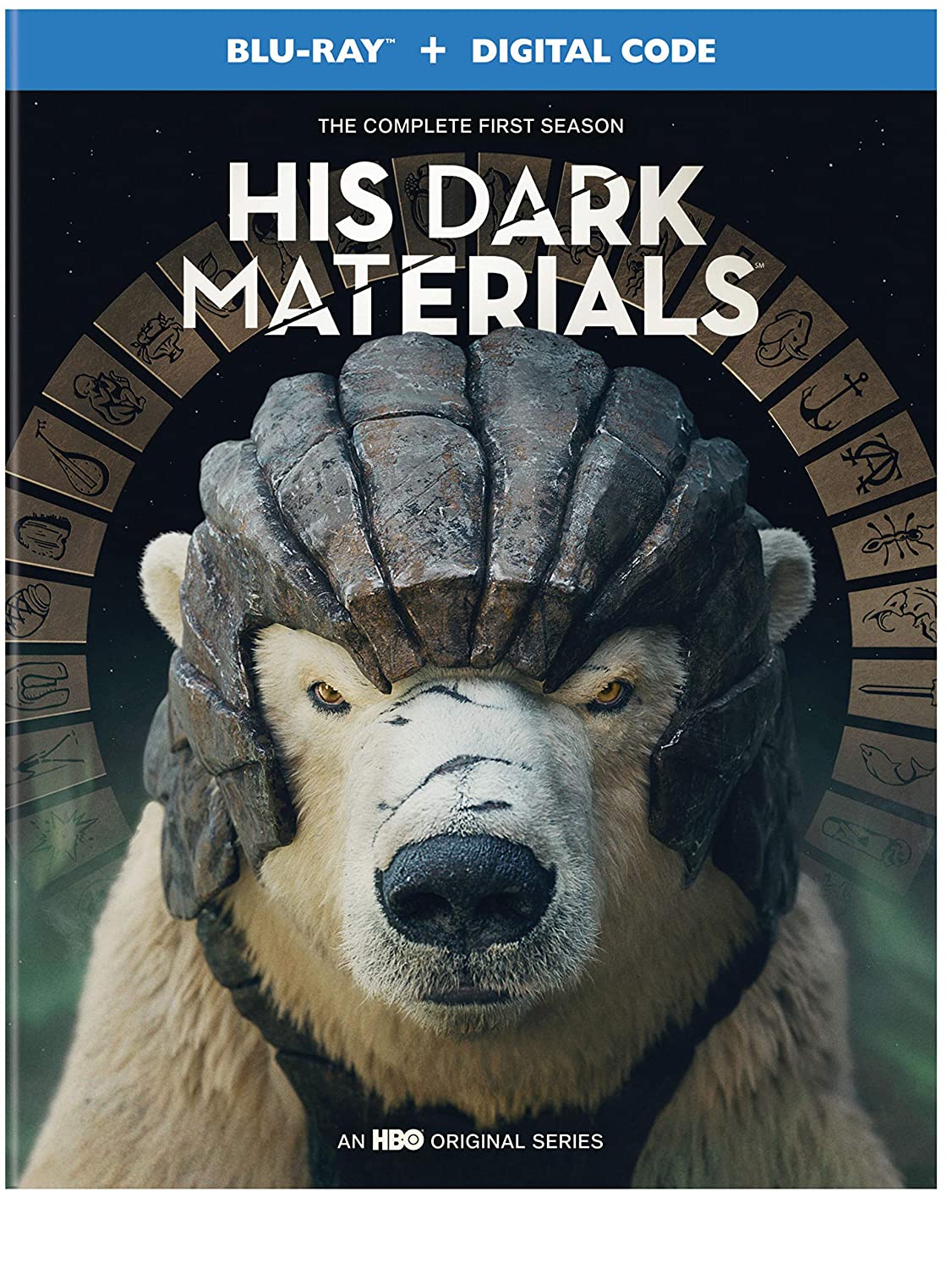
I remember when The Golden Compass came to theaters. I know I saw it because I was a projectionist and had to screen the print, but for the life of me I couldn’t remember anything about the film. Perhaps that’s why that when I first heard about HBO doing a TV series adaption of the beloved book series His Dark Materials that I wasn’t all that thrilled. I’d never read the young adult series, and considering the amount of awful YA film and TV adaptations that have bombarded us for nearly two decades, it too played a role in squashing any excitement I may have had in different circumstances. To be fair, when presented the offer to review the series, the odds were stacked against it, though I do attempt to always give a show or film an unbiased chance when I sit down with it. I feel it’s important I say all this because I want to express just how blindsided I was by this show and its story. Although its target audience with its books may be young adult, by the time the credits of the last episode rolled for its first season I found myself not just engaged with the story, but I had quickly grown attached to these characters and their story in a way I haven’t experienced since perhaps the first season of Stranger Things.


Posted in: No Huddle Reviews by Gino Sassani on August 11th, 2020
"Life just got complicated."
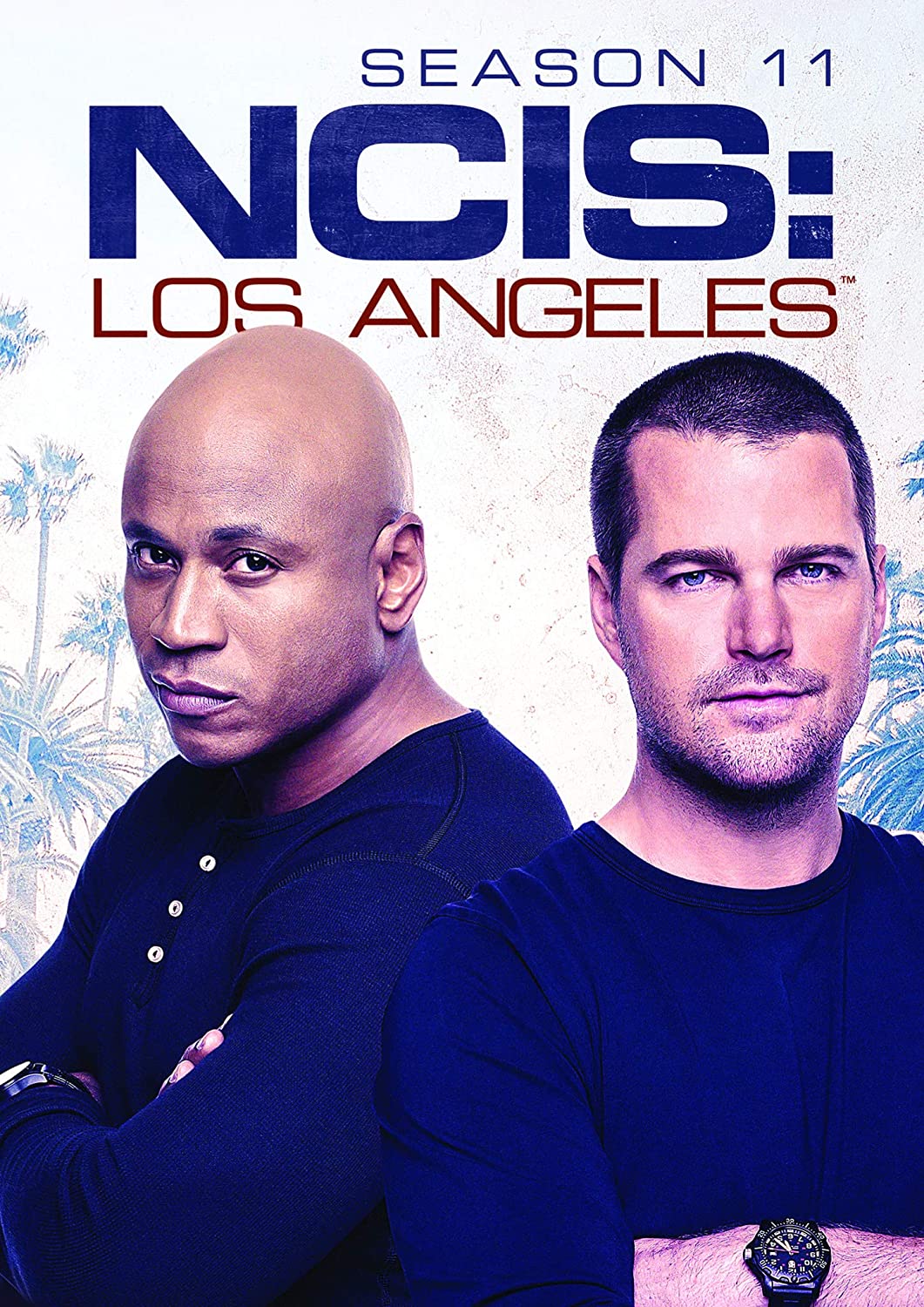
It sure has. With the world still in the throes of pandemic, it's nice to spend some time catching up on familiar characters and compelling stories. Very few television franchises are as familiar by now as NCIS. CBS brings us the 11th season of the NCIS spin-off: NCIS; Los Angeles to DVD. The series has become one of the most successful spin-off shows in the history of television. Only CSI and the Law & Order franchises have brought more episodes to our television screens, and next season the NCIS franchise will have passed CSI. The truth is, if you go all the way back to the original JAG series, this is hands down the most prolific one-hour series in television history. What is even more amazing is that the NCIS shows continue to be the most-watched franchise in the entire world, a position they have held for over a decade. No one has come close to this kind of television domination. If this collection of episodes is any indication, the ride isn't anywhere near reaching the end. All three shows have been renewed, with NCIS getting a new two-year commitment at CBS. If you haven't already caught up on all of those earlier episodes, you don't necessarily need to do that, but why wouldn't you? You might want to get acquainted with the cast and other aspects of the series. You can at least catch up with the first 10 seasons of NCIS: L.A. Here.


Posted in: Disc Reviews by Gino Sassani on August 7th, 2020
"At least attempt to hide the bias."
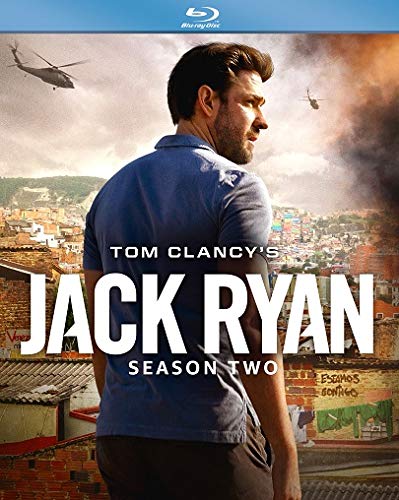
Witness the birth of -- actually make that rebirth of --one of the most popular action heroes in literature. Tom Clancy’s Jack Ryan has been a character of many jobs and many faces over the years. Baldwin, Ford, Pine, and Affleck have all stepped into the role of the man who has been a soldier, an analyst, an operative, and a president. What might appear as a clear advantage for this Amazon Prime streaming television show can be just as much a liability. When you throw in the Tom Clancy novels, comic books, and fan fiction, there is a ton of Jack Ryan history that pretty much gives us a story arc from his humble beginnings to extraordinary exploits and wearing the faces of a few good performers. It's a tall order for the series and perhaps an even taller order for actor John Krasinski, who has created a nice little horror franchise with wife Emily Blunt on the side. I don't really have the time or energy to watch streaming shows and films. There's always a backlog here of discs that need to be watched and reviewed, and I've created a rather comfortable viewing experience with my home theatre I call The Reel World. Our motto: Here there be monsters. So last year I had my first experience with this series when Paramount sent the first season on Blu-ray. It was far more of a captivating and compelling series than I expected. Now the second season has reached the Blu-ray home platform format, and while I certainly detect a sophomore slump here, there's still enough interesting drama to keep a fan engaged for another year.

Posted in: No Huddle Reviews by Gino Sassani on August 1st, 2020
"You like when I do the whole cryptic thing."
The 17th season of NCIS certainly ended with just that kind of vibe. The showrunners did a great job of keeping secret that Ziva would show up in the very last frame of the season. Everyone was sure she was dead, and while that's often no reason not to bring back a character in the fantasy genre, it doesn't often work in something like this. It brings up a lot of questions that were not going to be answered for several months. How is she still alive? Why is she here? Is she now a good guy or a bad guy? I'm sure you spent the summer with plenty of questions that didn't get answered for a long time. But it's finally aired, and now the whole story is out for home video as CBS releases the 17th season of NCIS. The team has changed faces over the years. Few of the original members remain, but as long as Mark Harmon remains in the starring role of Gibbs, there's life in this show yet. This season sees no real change in the characters of the show, but it does allow for even more growth for those still on the train. NCIS is about to enter into its 18th season in just a short time. That in itself is a remarkable accomplishment in the days of short attention spans and hundreds of shows to keep that attention.


Posted in: No Huddle Reviews by Gino Sassani on July 30th, 2020
"It's crazy the things that happen at work."
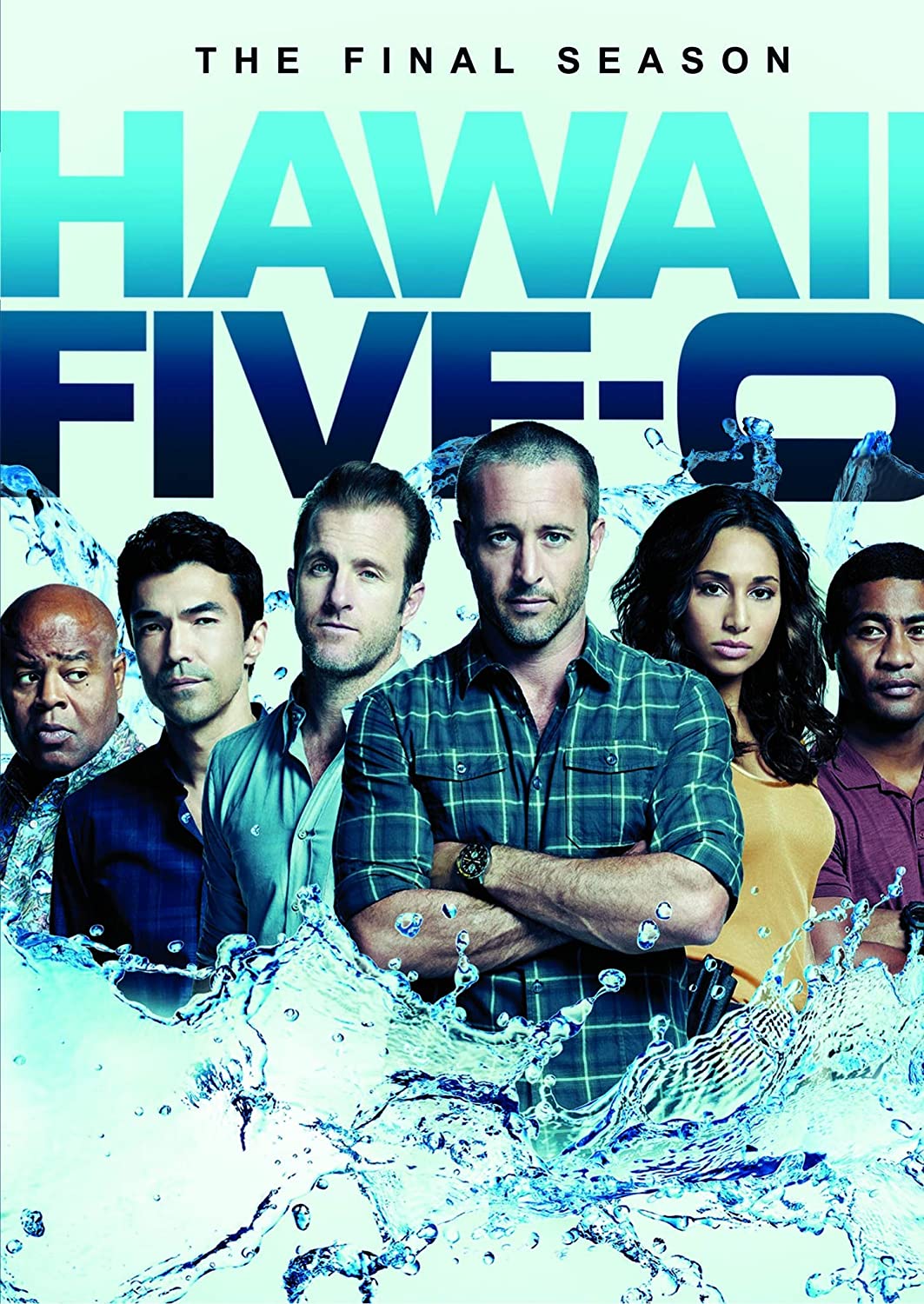
The beginning of 2020 certainly created some crazy things everywhere in the world. A pandemic arrived and shut down productions all over the globe. Films are missing long-anticipated release dates, and most network television shows were forced to close down early to protect their casts and crews. Seasons have been called with whatever episodes were already finished. Most of those shows will continue to shoot those episodes as part of their next season when they are finally able to get back to work. That won't be the case for Hawaii Five-O. Late in this 10th season it was decided the show would wrap it up for good. We got 22 episodes, and they even managed to get out a series finale. If it all feels a little rushed, that's because it was. This wasn't the best year to have to say goodbye, and it certainly adds to the sadness for the show’s participants and fans. Now CBS is offering those final episodes before we all say aloha.

Posted in: Disc Reviews by Brent Lorentson on July 28th, 2020
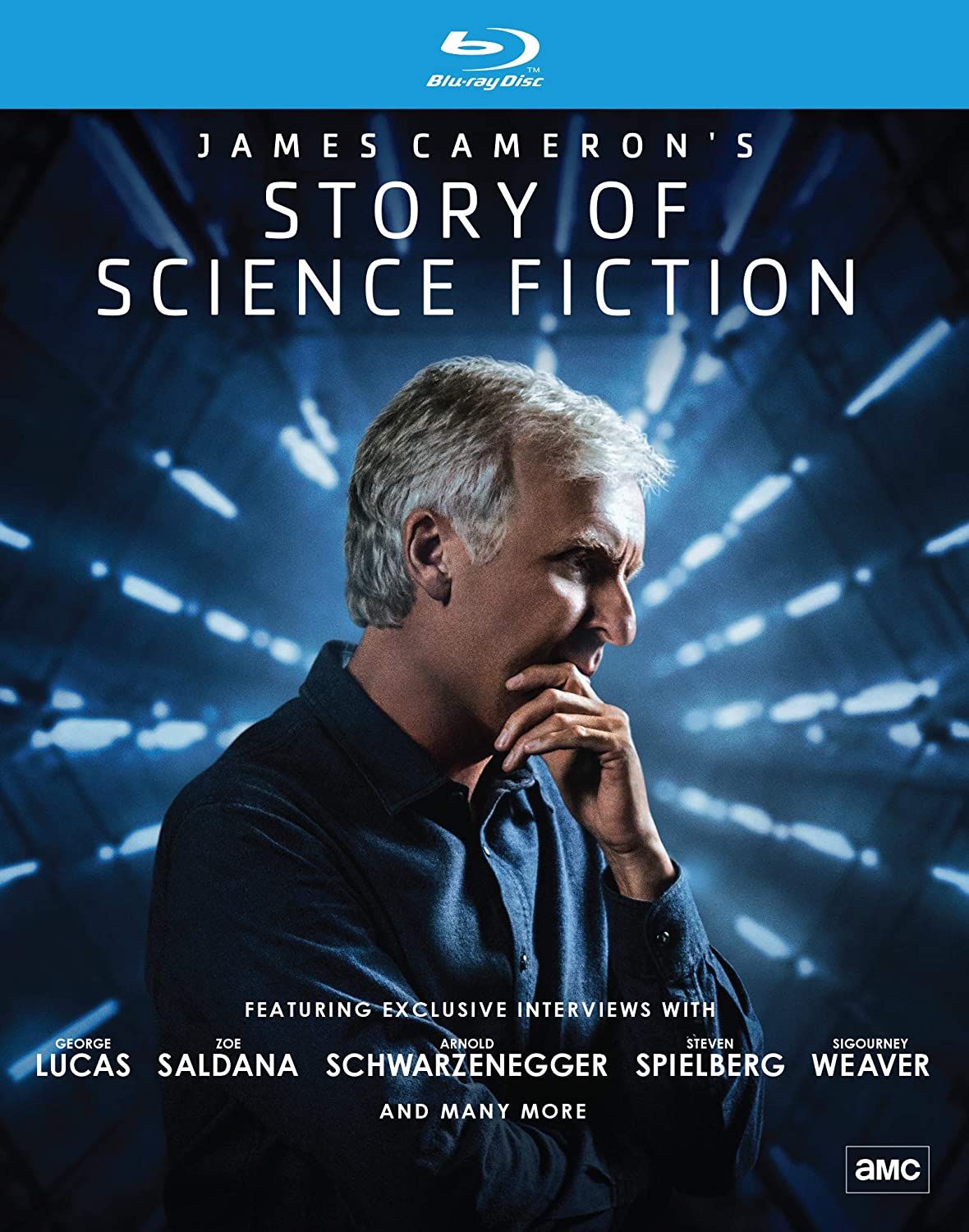
James Cameron is easily one of the most recognizable names in the Hollywood industry. Every time he makes a movie, it manages to break box office records. As many of us have been waiting patiently for his sequel to Avatar, it seems he was busy working on a small project that takes an intimate look into science fiction. This isn’t a boring history lesson, though; instead he’s gathered some of the biggest actors and directors of the genre and has a discussion about the various ideas that science fiction presents its viewers and readers. Whether you’re a science fiction novice or a self-proclaimed expert in the field, there’s at least something for everyone in this six-part, four-hour-plus series. The series is broken up into six episodes. Each episode covers a specific theme in the science fiction genre, so it allows you to watch it in any order you’d like. For me, I have to be honest; it’s hard to be impartial and not let my inner geek get excited over this series. When you have James Cameron and Steven Spielberg discussing how Close Encounters of the Third Kind came to be or see Cameron and Christopher Nolan discuss time travel, this is some engaging material. The closest thing I’ve seen recently where we get to see talented filmmakers sit down and talk is The Director’s Chair that Robert Rodriguez hosts, but what makes Story of Science Fiction stand out is seeing these filmmakers express their appreciation of the genre and what inspired them.

Posted in: Disc Reviews by Michael Durr on July 21st, 2020
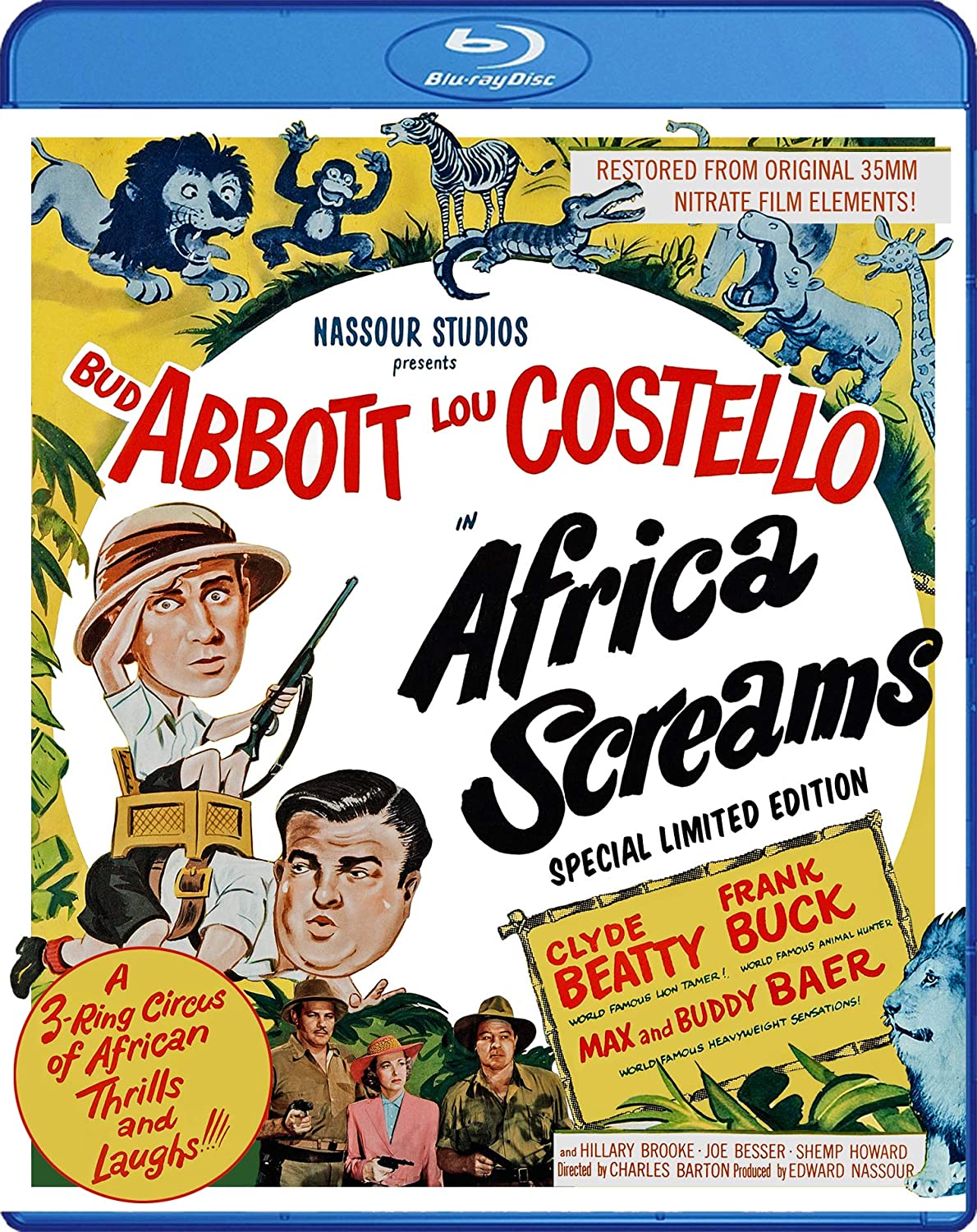
Despite my dad being away a lot on business as I grew up, he would often make the most of his time spent with me and leave lasting impressions on my mannerisms and character to this very day. We would play baseball (even though I wasn't very good); he would teach me about money and how to be financially sound (which for the most part I think I do OK). He would also introduce me to the things he enjoyed, like root beer floats and Abbott & Costello. Even though these days I can't have many root beers, I can enjoy an Abbott and Costello movie almost any time I like. One of those movies I remember watching with my dad was Africa Screams. It was my distinct pleasure to watch that movie again and bring my review to you today.

Posted in: No Huddle Reviews by Brent Lorentson on July 16th, 2020
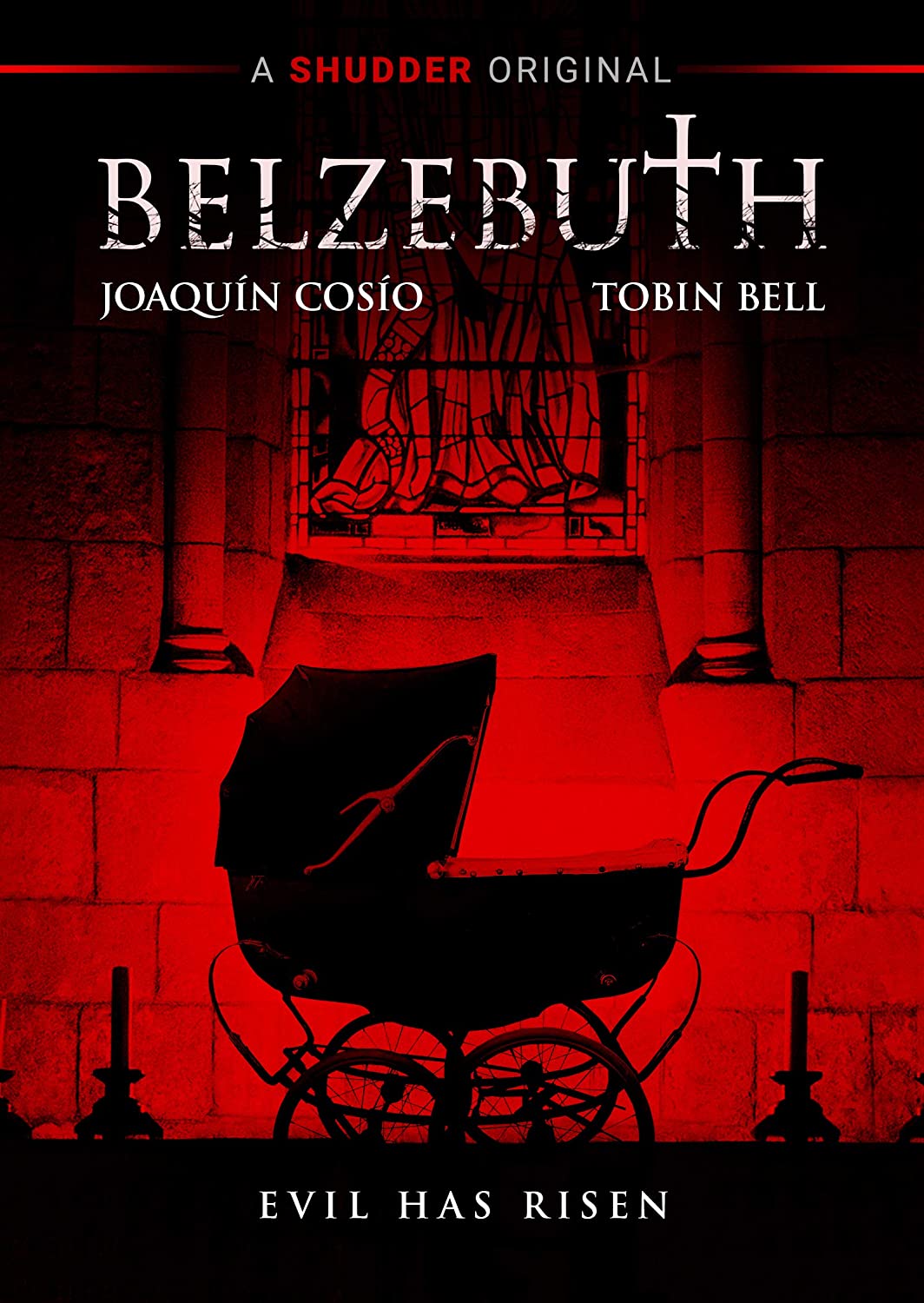
After enjoying Shudder’s revival of Creepshow, I’ve been looking forward to seeing what else they’d be bringing to their streaming service. When Belzebuth came along, I’ll admit I wasn’t exactly excited about the title. At first glance it seems like yet another possession/exorcism movie. Maybe it’s because I went into this with lowered expectations that this film managed to make an impact on me, but one thing is for certain, nothing about this film is “typical”. Recently I has reviewed Season 1 of Evil, and I’m glad that show is still simmering in the back of my mind, because Belzebuth is a nice companion to the show with one big exception. Belzebuth doesn’t pull its punches, and I’ll say this right now: it’s not for everyone, and it’s a film that will get under your skin. Grab your crucifix and keep a bottle of holy water nearby, because this little film out of Mexico isn’t afraid to show us what evil may really look like.

Posted in: No Huddle Reviews by Jeremy Butler on July 8th, 2020
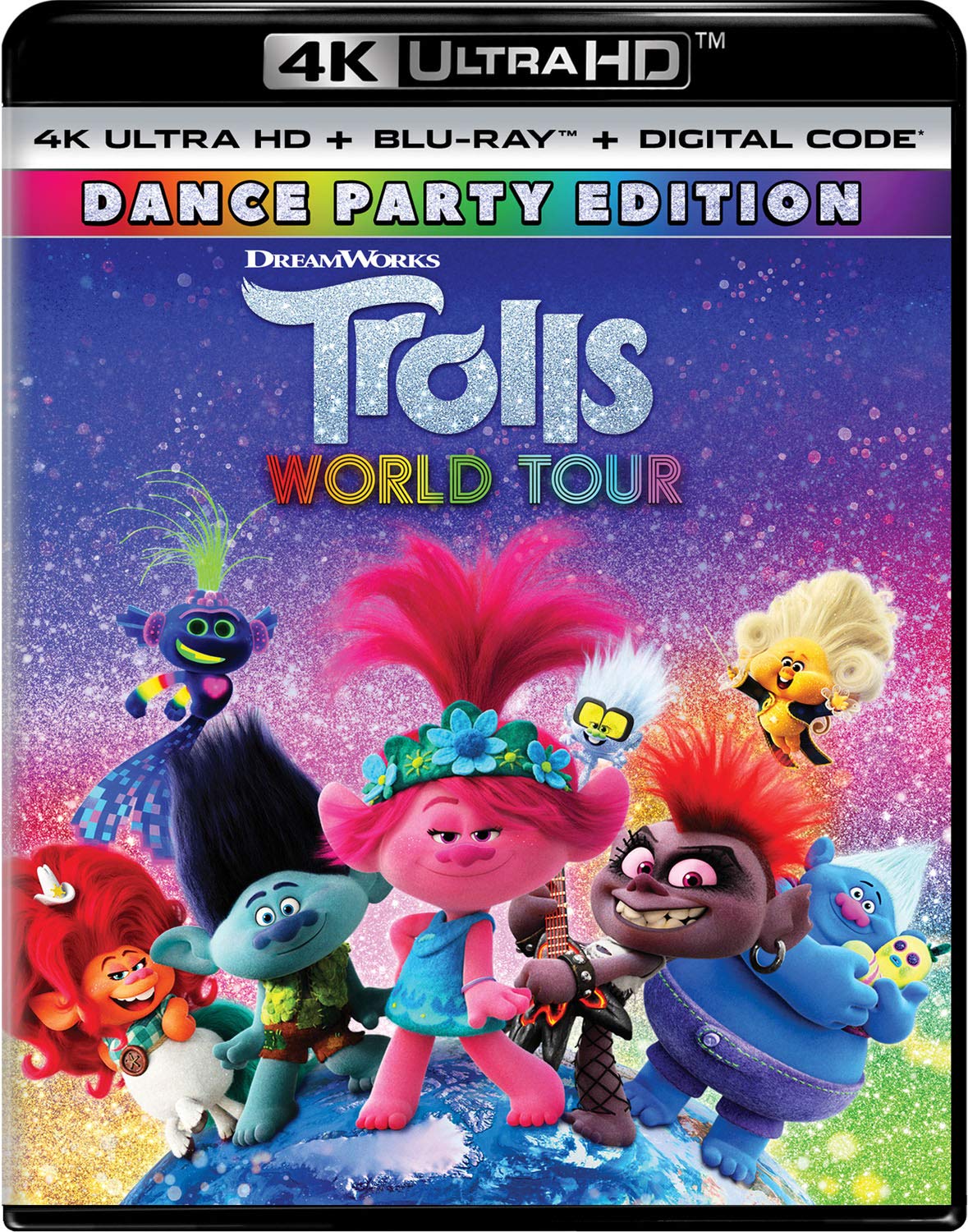
Let me start by saying that my daughter was all about this movie. Leading up to the watching of the film, she literally asked me almost like clockwork when we were going to watch the movie. With me there is always a bit of reservation when it comes to animated films since becoming a parent. I suppose you can call it bias, but I prefer the cartoons (as we used to call them in my day) of my childhood over the present content. I think that opinion is one many share. To Trolls World Tour’s credit, it does impart a lesson that I believe is very important in the present climate that the world is facing. To that end, I can say that I found the film to be quite enjoyable. The comedy was more of a situational variety and very clearly directed towards a younger audience, which meant that most of it went over my head, but the aforementioned lesson that the film taught was time-honored and showed the importance of diversity and tolerance. Anna Kendrick and Justin Timberlake reprise their roles from the 2016 original film and are joined by a host of celebrities that include Kelly Clarkson, Sam Rockwell, Rachel Bloom, and music legends Mary J. Blige and George Clinton.


Posted in: No Huddle Reviews by Gino Sassani on July 8th, 2020
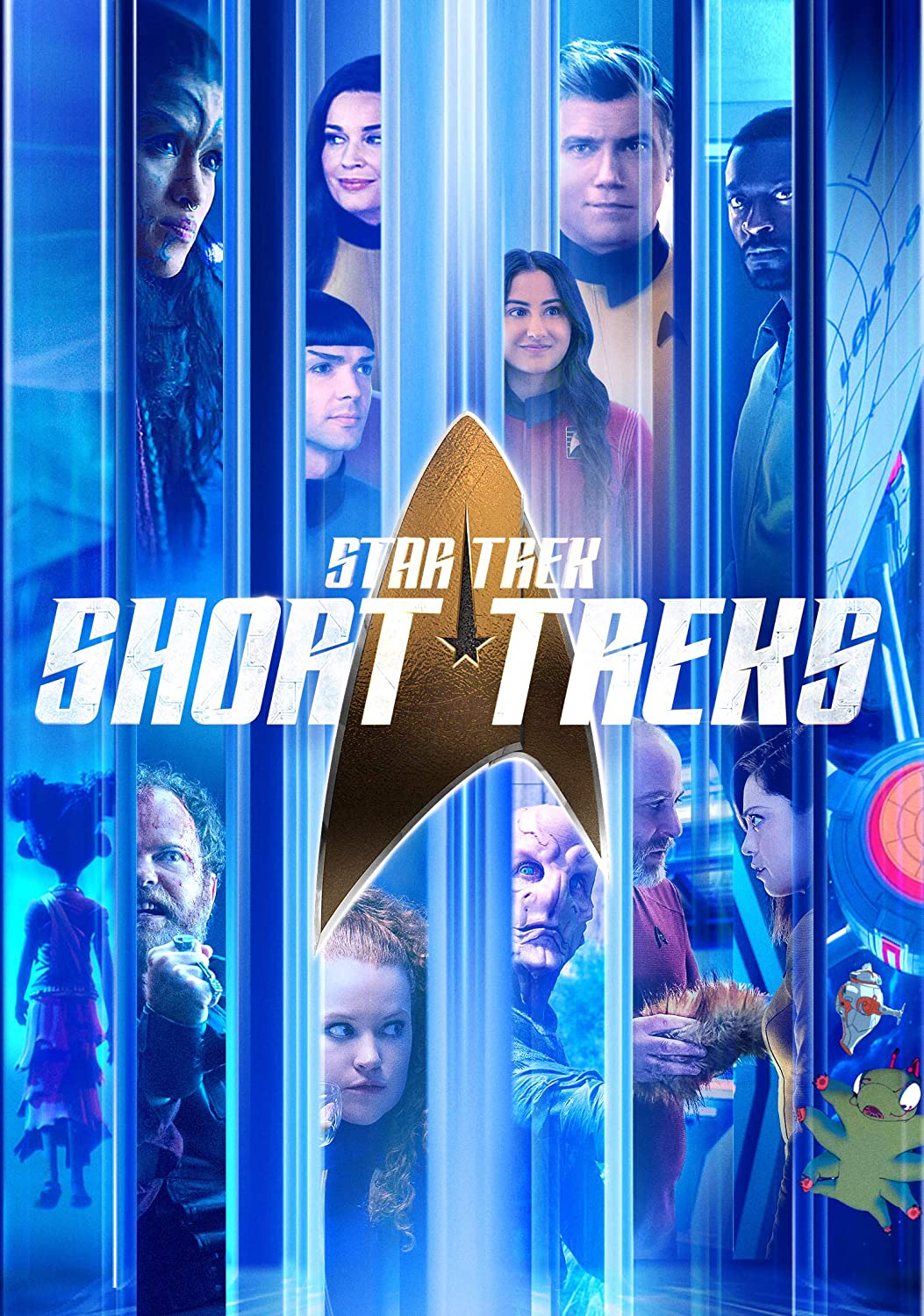
In the local newspaper here in the Tampa Bay area there has been a long-running series of articles called One Tank Trips or something of that nature. The idea is that the writer would introduce you to some natural or otherwise splendor that you could visit in a relatively short distance but which you might not even know exists in your own back yard. I can't exactly make the connection, but that series kept intruding on my thoughts as I watched the first season of these little experimental Star Trek shorts. The idea appears to take us to places in the television universe of Star Trek to small events that we didn't even know were going on but which might have even had a large impact on the things we did know about. The first of them were pretty much extras on the Star Trek: Discovery DVD releases and told prequel/side stories directly related to episodes of the main show. They play pretty much like the kind of release extras you might get with any home video release. Somewhere along the way someone got the idea that these side trips could go beyond the current episode supplement idea and reach across the world of Star Trek, leaving the window open for almost any era, place, or character to show up, often in some unexpected form. An idea like that has great potential, but it's fraught with the danger of a very uneven presentation, and that's the inherent blessing and curse you will find in this single-disc DVD release of Short Treks.

On The Web
Sponsors


