


Posted in: Disc Reviews by Gino Sassani on July 7th, 2020
"I shall tell you of William Wallace. Historians from England will say I am a liar, but history is written by those who have hanged heroes. The king of Scotland had died without a son, and the king of England, a cruel pagan known as Edward the Longshanks, claimed the throne of Scotland for himself. Scotland's nobles fought him, and fought each other, over the crown..."
Mel Gibson had a bit of a rollercoaster life for a while there. His DUI arrest and subsequent anti-Semitic rant caused many to look less favorably upon the man himself. He appears to be making his way back into the fold. Of course, it helps that Hollywood has bigger fish to fry now, and suddenly Gibson's flaws don't appear quite so damning with all the new revelations that really started with Bill Cosby but blossomed with Harvey Weinstein. Gibson's directed films hadn't been as accessible to the public, but last year he took the film world by storm when he released Hacksaw Ridge. It was perhaps the most meaningful World War II film since Saving Private Ryan 20 years earlier. Little by little, Gibson is coming back. He won't win everyone over, but he's making some headway. Still, no matter how you view Gibson or his work today, it can’t be denied that he has created one of the more compelling films of our day in Braveheart.


Posted in: No Huddle Reviews by Brent Lorentson on July 7th, 2020
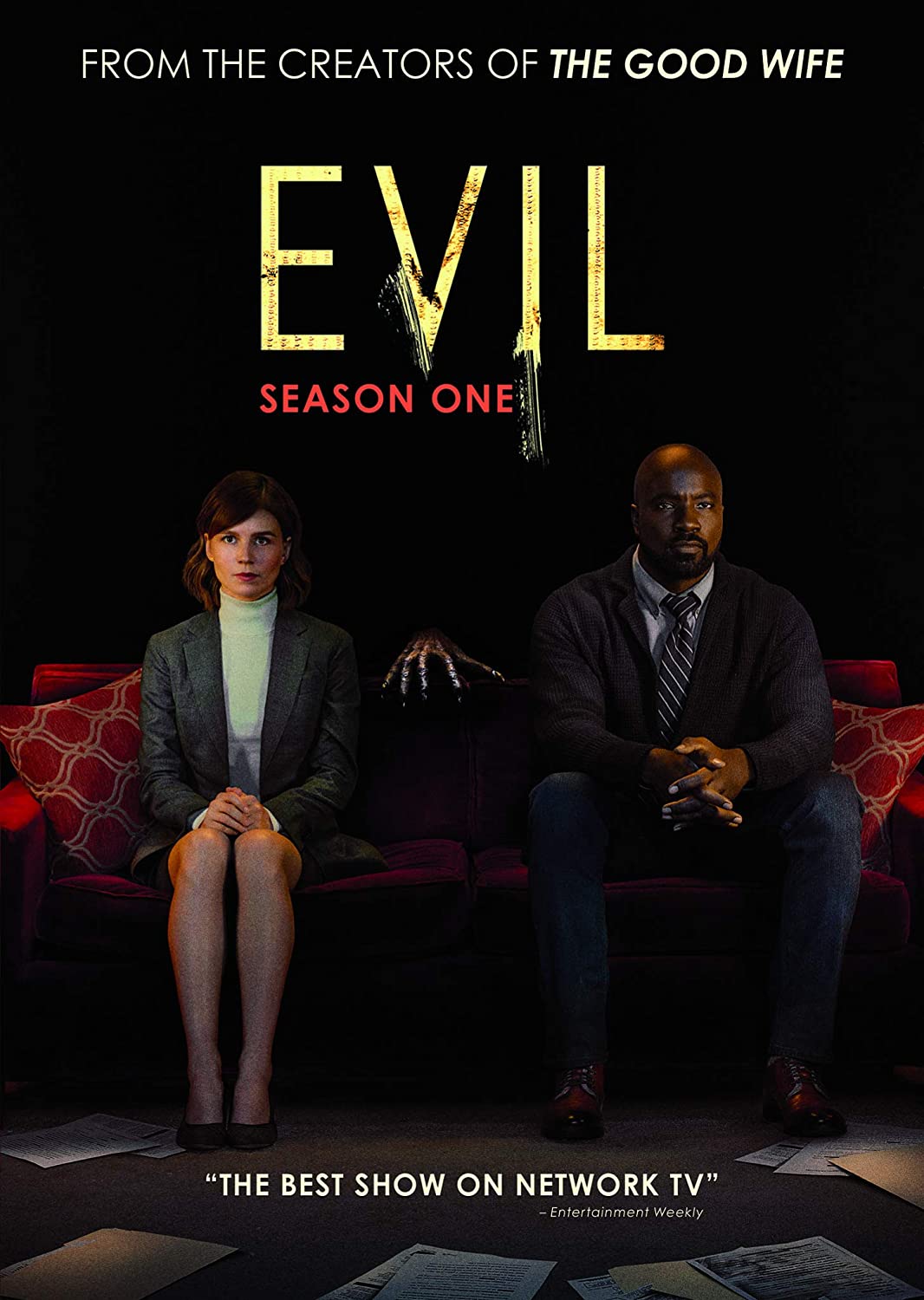
From the creators of The Good Wife comes a show that attempts to explore if demonic possessions, miracles, and other supernatural occurrences are real or simply manifestations of the mind. This is one of those topics that have always fascinated me, being brought up Catholic and with what some might consider an unhealthy obsession with horror. It was a no-brainer growing up that I would gravitate to The X-Files, and over the years there have been several shows attempting to capture the dynamic of the skeptical FBI Agent Dana Scully and the true believer agent on a crusade, FBI Agent Fox Mulder. Evil just may have the potential to be the show that explores the unknown and deliver the same quality drama, though I wouldn’t say it deserves the cult hit status just yet. Dr. Kristen Bouchard (Katja Herbers) is a clinical psychologist who is typically used by the local D.A. to testify on the sanity of a subject who is on trial. A big deal is made about her being a climber that has reached numerous summits, but nothing is really done with this aside from making it a plot device we never get to see her put into action. Her husband is absent from a good portion of the show because he is taking time off to climb Everest, leaving behind their four daughters in the care of Kristen. To help Kristen take care of the girls, her mom, Sheryl (Christine Lahti) steps in to play babysitter.

Posted in: Disc Reviews by Gino Sassani on June 29th, 2020
"Everyone in this country is getting dumber, and I wish marijuana was illegal again!"
If anything can push the weed cause back 20 years, it's Tegridy Farms. South Park starts its 23rd season with a bit of a new twist on things. For the entire first half of the season, the opening credits change to make it look like a Tegridy Farms show. It's cute and funny for like the first three minutes. I was sick of the concept already last season. So for the first half of Season 23, you're going down to Tegridy farms. In fact it's only the 10th season where the credits and show come close to returning to normal. After Tegridy Farms, there's PC Babies, which actually made me pine for Tegridy Farms for a few minutes. The season sees a few highs, and I don't mean in Randy March's pot farm. Mostly the boys appeared to coast this season, and with a new 3-year deal in place to keep South Park airing into its 26th season, I hope the coast was merely a break so that everyone could catch their wind just a little bit.



Posted in: No Huddle Reviews by Jeremy Butler on June 29th, 2020
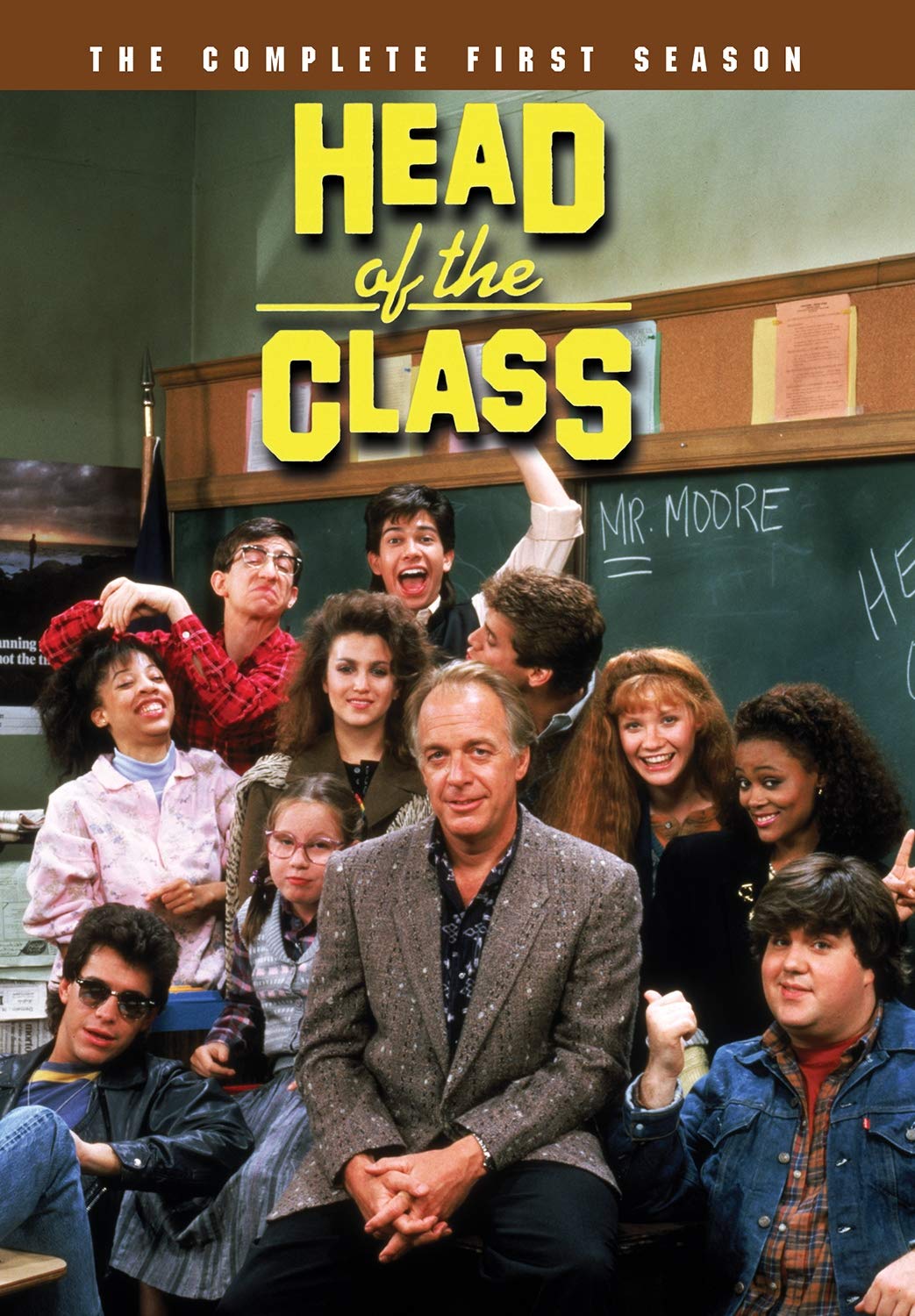
So knowing nothing of this series as it pre-dates my existence, I did not expect to identify with it at all. I expected for the jokes to be generational, and for the subject matter to be irrelevant. Fortunately, this was not the case, as Head of the Class appears to be a series that in my opinion stands the test of time and provides invaluable life lessons that society is still very much in need of. It stars WKRP in Cincinnati’s Howard Hesseman as Mr. Moore, a substitute teacher who finds himself subbing for a high school’s Individualized Honors Program (IHP), an elite program for the kids with the highest IQs. Expected to little more than read magazines while the kids basically educate themselves, this idea does not sit well with Mr. Moore. Though a laid-back person by nature, he endeavors to do more than just sit back and pass the time, much to the chagrin of Principal Dr. Samuels, who prides himself on the program he designed as well as pushing its participants to academic excellence. Though academically advanced, these students know little of the world, as well as never venture out of their comfort zone. This is where Mr. Moore has the opportunity to make a difference by showing them that they can be more than what society expects them to be.

Posted in: Disc Reviews by Brent Lorentson on June 26th, 2020
It continues to amaze me how Warner Brothers does so well with their DC products in the television universe but manages to execute so poorly with their films. Despite being a bit formulaic, the CW DC shows are still a blast to watch, but it’s the more adult-oriented shows Titans, Doom Patrol, and Swamp Thing that have left me most impressed. Now they have released Pennyworth for the Starz Network. Despite the confidence I have in the other shows, I went into this one with cautious optimism. The biggest question that bothered me was do we need another series that delves into the Batman universe? Gotham recently wrapped up, there’s a Batwoman series, Joker was last year, and a new Batman film coming next year, not to forget all the other incarnations of the Dark Knight. What had me interested, though, is the notion of finally getting to see Alfred Pennyworth as the former SAS officer in his prime and the chance to see how he became entangled with the Wayne family. Was the series a letdown or yet another success for the DC television universe?


Posted in: Disc Reviews by Gino Sassani on June 20th, 2020
"My name is Maximus Decimus Meridius, commander of the Armies of the North, General of the Felix Legions and loyal servant to the TRUE emperor, Marcus Aurelius. Father to a murdered son, husband to a murdered wife. And I will have my vengeance, in this life or the next."
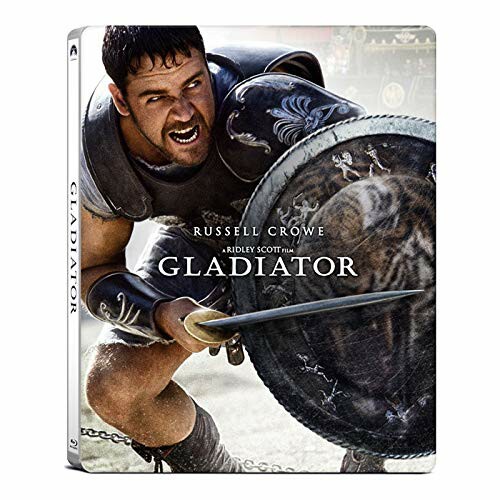
After nearly 20 years, it's hard not to already consider Ridley Scott's Gladiator a classic. But not in the same way we think of Blade Runner, which has become more of a cult classic, or Alien, which has all the trappings of a genre film, blending horror and science fiction into a nice little package. Gladiator is a mainstream film that took the deserved Oscar for best picture along with four others in the 2001 awards ceremony. With this film, Scott was able to explore more powerful themes that, like the actions of Crowe's Maximus, echo through eternity. Maximus (Crowe) is Rome greatest general and surrogate son to Marcus Aurelius (Harris), Caesar of the Roman Empire. Marcus wants Maximus to be his successor and turn Rome over to its people. Commodus (Phoenix), son of Marcus, has other plans. He murders his father, and when Maximus won’t pledge his loyalty, orders that he be executed. Maximus escapes. Nearly dead from the journey, Maximus discovers his family slaughtered. He is found and sold into slavery. Former gladiator Proximo (Reed) trains him to be a gladiator. With the same skills and presence he once used to defend Rome, he now wins the hearts of the people of the arena. Maximus uses this to bring him to Rome and a chance to avenge his family with Commodus. With the help of Lucilla (Nielsen), sister to Commodus and a former lover, Maximus conspires for the fall of his enemy. Unable to compete with Maximus in the hearts of his people, Commodus agrees to fight Maximus in the Coliseum after striking him with a poison dagger. Of course, Maximus has his revenge before joining his family in the afterlife.

Posted in: No Huddle Reviews by Brent Lorentson on June 9th, 2020
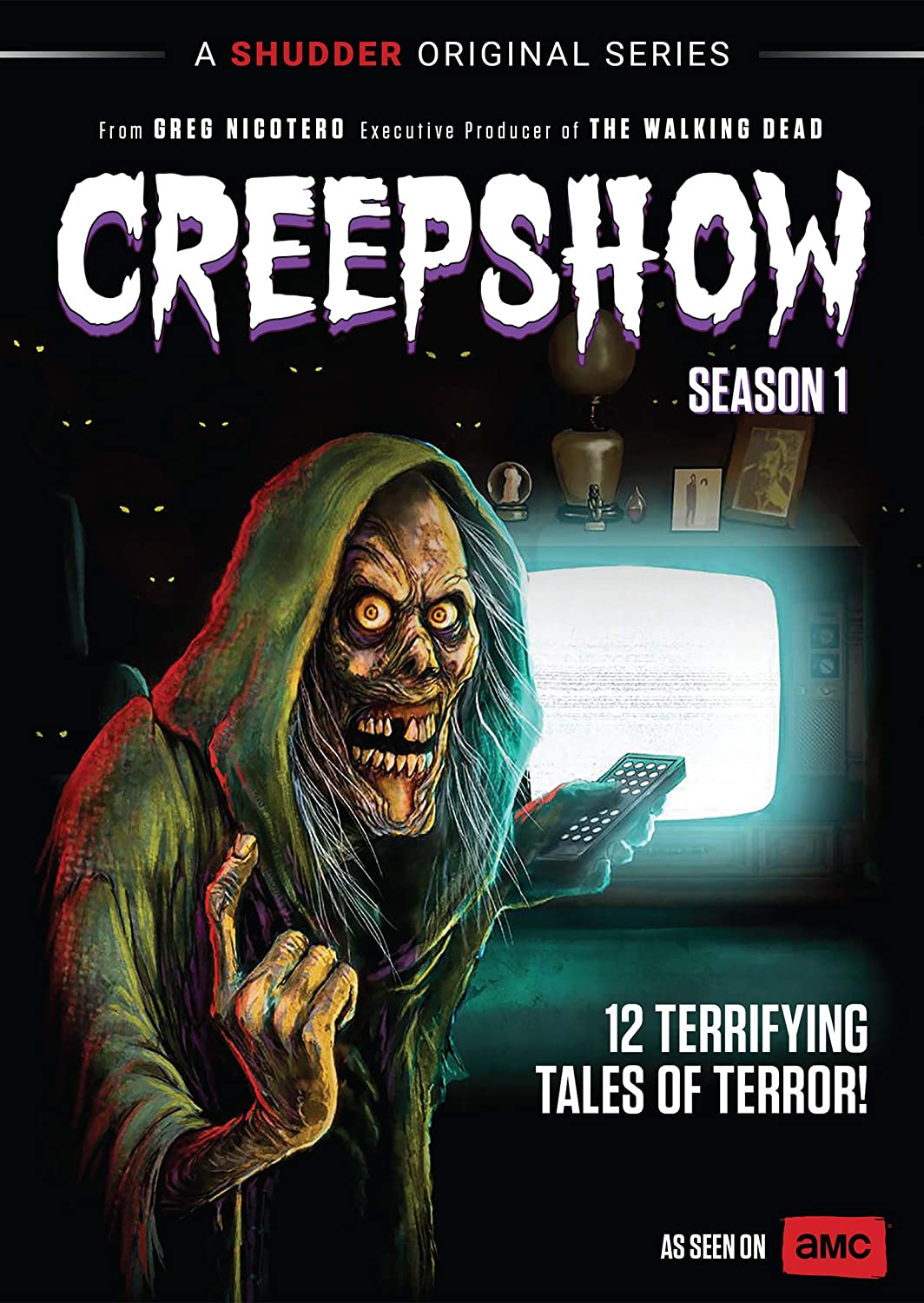
Over the past decade we’ve seen a resurgence of reboots, remakes, and anthologies, so it isn’t much of a surprise that the beloved horror anthology Creepshow would get the reboot treatment. To be fair, this is an extension from what the first films set out to be, though the big difference is instead of just being a film with a few stories, it is now a TV series, each episode containing two tales to horrify and entertain. When I first heard about the series, I was cautiously optimistic. The first two films I consider classics, as do many other fans of the horror genre. Then there was that third Creepshow that I feel we all just want to forget and pretend never really happened. Without George Romero being around, I just wasn’t even sure I’d want to see a show that could possibly just water down everything that was great about the films and simply turn out to be a cheap imitation. Now that I’ve watched Season 1, how does it fare alongside the previous films? Honestly, I found myself impressed with what I saw, and there is plenty of potential to be refined here.

Posted in: No Huddle Reviews by Archive Authors on June 9th, 2020
Written by J. C.
“Welcome! Everything is fine.”
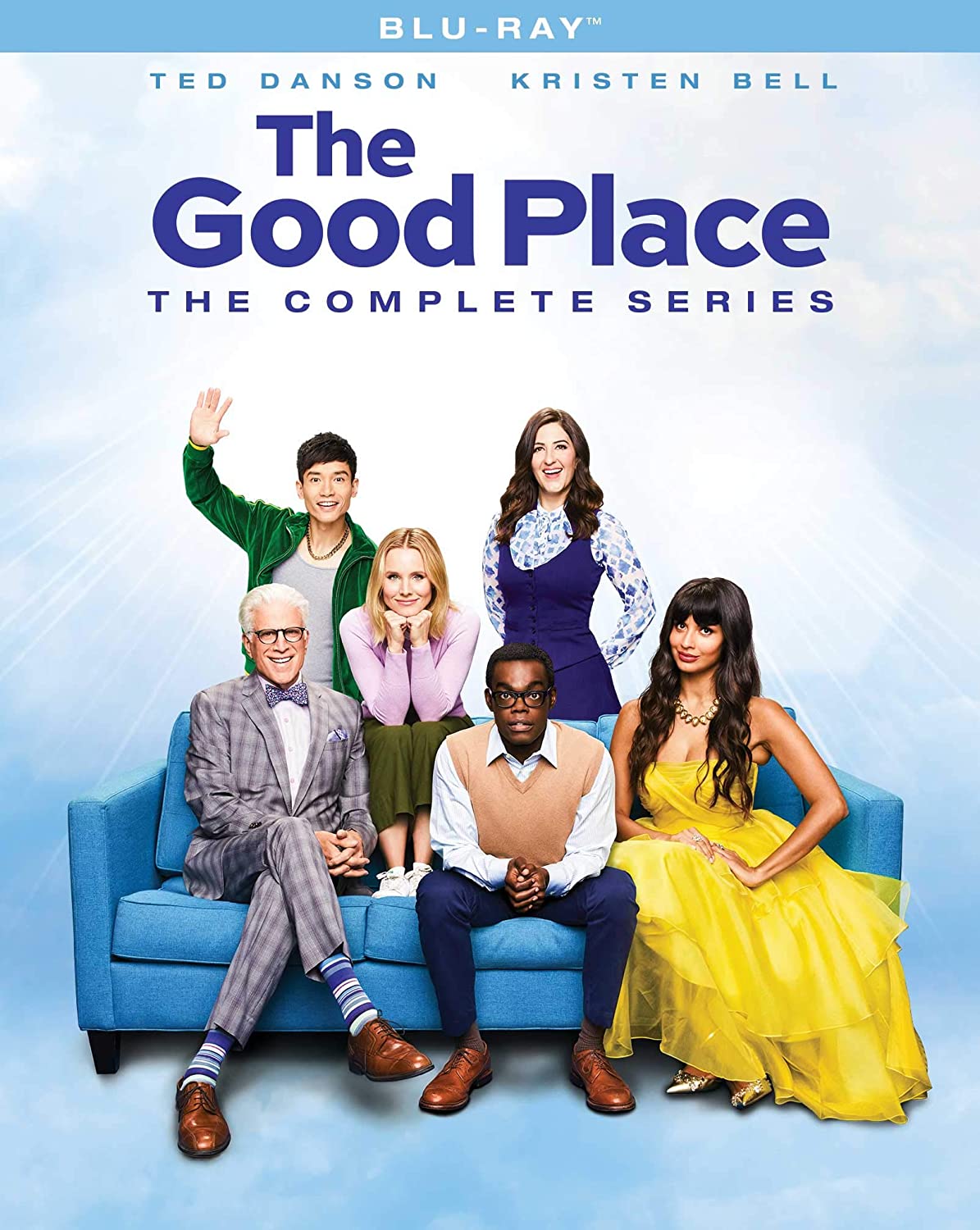
One of my favorite bits from the dearly departed Inside the Actors Studio involved host James Lipton administering a questionnaire that concluded with “If heaven exists, what would you like to hear God say when you arrive at the pearly gates?” It’s a momentous question that often drew a humorous response. The Good Place opens with its main character waking up in the afterlife and being greeted with bright green lettering that says “Welcome! Everything is fine.” It’s a reassuring sentiment, to be sure, but let’s be clear: there is nothing just “fine” about The Good Place. This sharp, hilarious, and goodhearted fantasy/comedy is spectacular!
The series begins with Eleanor Shellstrop (Kristen Bell) sitting in an exceedingly pleasant waiting room. Eleanor soon meets Michael (Ted Danson), who cheerily informs her that she has died and arrived in the afterlife. The reason Michael is in such good spirits is because he gets to inform Eleanor that she has arrived in The Good Place, a highly-exclusive, neighborhood utopia. Michael is also the architect of The Good Place —the first such neighborhood he has designed — so he gives Eleanor a tour and introduces her to pre-determined soulmate Chidi Anagonye (William Jackson Harper). But as Michael recounts Eleanor’s many humanitarian exploits, there is one nagging problem … Eleanor didn’t do any of the stuff Michael is talking about. She has arrived in The Good Place by mistake!

Posted in: No Huddle Reviews by Jeremy Butler on June 3rd, 2020
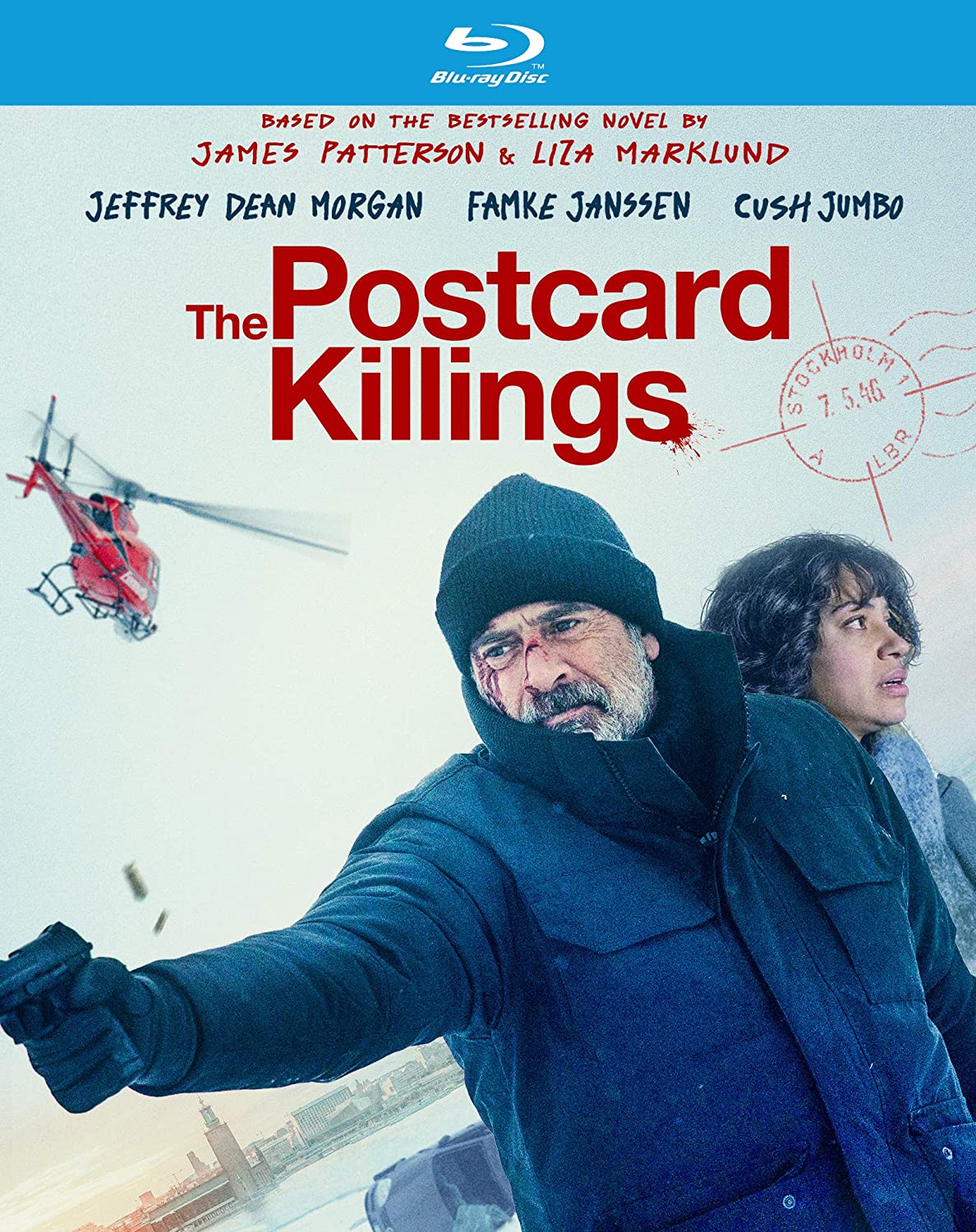
I do believe that this film was deserving of a theatrical release. I don’t think it would have been a box office hit, but it deserved to reach a wider audience. That is not to disparage home media, which I’ve been plenty thankful for the many hours of entertainment that it has provided me given the state of affairs lately. Jeffrey Dean Morgan stars in this film based off a book from crime writer, James Patterson and Swedish journalist/crime writer Liza Marklund. The background of this collaboration was a particular interest to me, as the two reportedly corresponding back and forth via email, with Marklund writing the first draft and Patterson doing the second draft. Both are established crime writers and their decision to co-author a book together is a clear example of their respect for one another’s contribution to the field. Thanks to this mutual, a book that served as the basis of this adaptation, got off to the right start. Joining Morgan is the Good Fight’s Cush Jumbo as well as Taken’s Famke Janssen. I swear I am not trying to give you a history lesson, but the origins of this film is very interesting in my opinion, as it spent several years in what is known as development hell (media jargon for a project that spends a long time in the development phase, usually resulting in changing of production crews, scripts and actors dropping in and out of the project), and was originally slated for Patrick Dempsey in the lead role and Dakota Fanning in the supporting, which then changed to Britt Robertson in the supporting role that eventually went to Jumbo. Truth be told, I think that this situation worked out for the best, as well I can’t imagine someone else doing the role of Jake Kanon the justice that Morgan did.


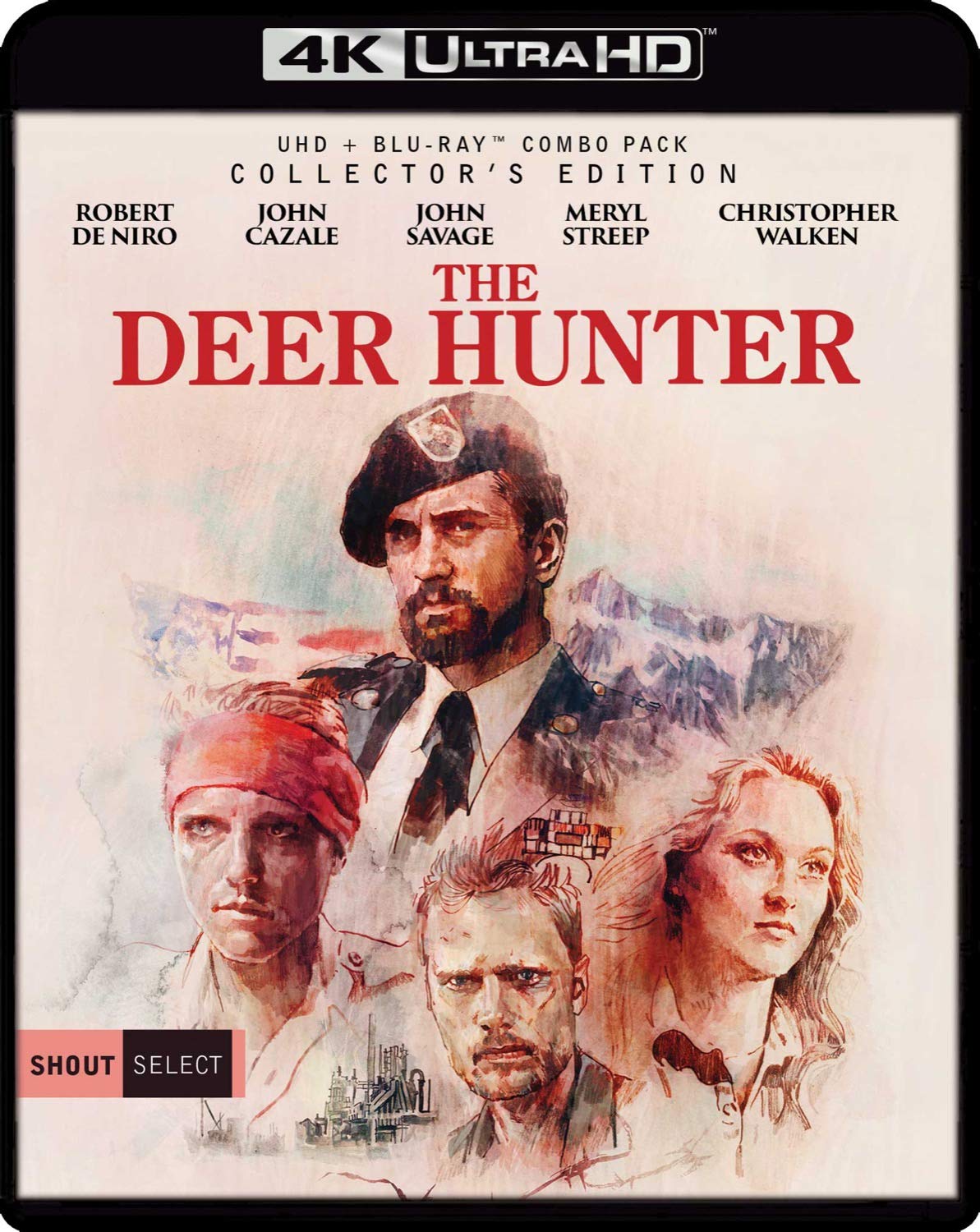
Posted in: Disc Reviews by Brent Lorentson on June 2nd, 2020
"This is this. This ain't something else. This is this."
When it comes to picking “the greatest Vietnam War film” it’s one of those arguments that can get pretty heated with fans of cinema. Platoon, Apocalypse Now, and The Deer Hunter are typically the three I tend to hear named the most, as for me it has always been The Deer Hunter, not just because of its intense portrayal of the war but because of the journey it sets us on, a journey so profound I can easily say it’s one of the best films ever made. I don’t feel like I’m saying anything bold after all it did win Best Picture in 1978 as well as several other Oscars that year. It’s a film though that every time I sit down and watch it, the experience manages to impact me in a way I’m never quite ready for. I first saw it when I was a teenager, didn’t know anything other than it had Robert De Niro and Christopher Walken, I didn’t know what to expect and by the time it ended I was floored. Everything from the visual scope of the film, the intensity of the violence, the performances, I was maybe 14 and didn’t quite have a grasp for what epic cinema could be but after watching The Deer Hunter it became the film I’d hold others up to this standard. It is now decades later and Shout Factory has gone through the process of restoring the film and released it in 4K, how does it hold up after all this time?


On The Web
Sponsors


