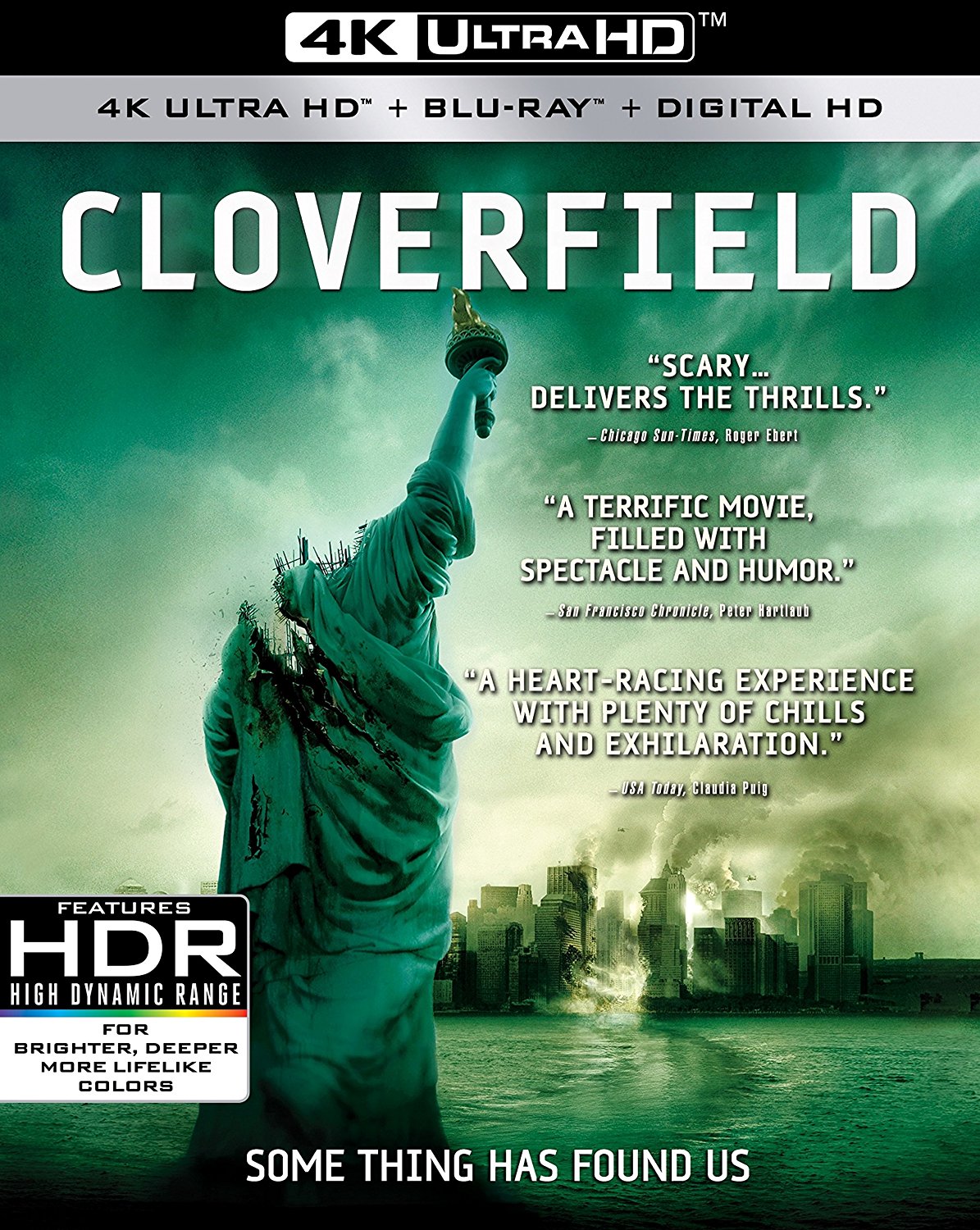
It might be hard for me to admit, but there are certain instances where having an ultra-high-definition transfer of even a modern film is not necessarily a better thing. The UHD 4K release of Cloverfield is one such instance. There is no question that the transfer is about as sharp and clean as anything I’ve seen on Blu to date. The problem is that it only helps to accent the stylistic flaws inherent in this kind of film. The most noticeable improvement is in the first third of the film. Of course, that part of Cloverfield is about as entertaining as watching paint dry. I still don’t care about these characters and their party ramblings any more now than I did before. The fleeting shots of the creature do look better, but you still better hit the pause button if you want a good look.

"Once upon a time there was a great war that brought so much sadness to so many people. Hardly anyone could remember what happiness was like. But something happened that changed all that..."

“Winnie the Pooh doesn't know what to do …” begins a popular song written by Kenny Loggins, recorded first in 1970 by the Nitty Gritty Dirt Band with a more popular and enduring version by Loggins and Messina a year later. Hundreds of millions of children since the 1920's know who Winnie the Pooh is.

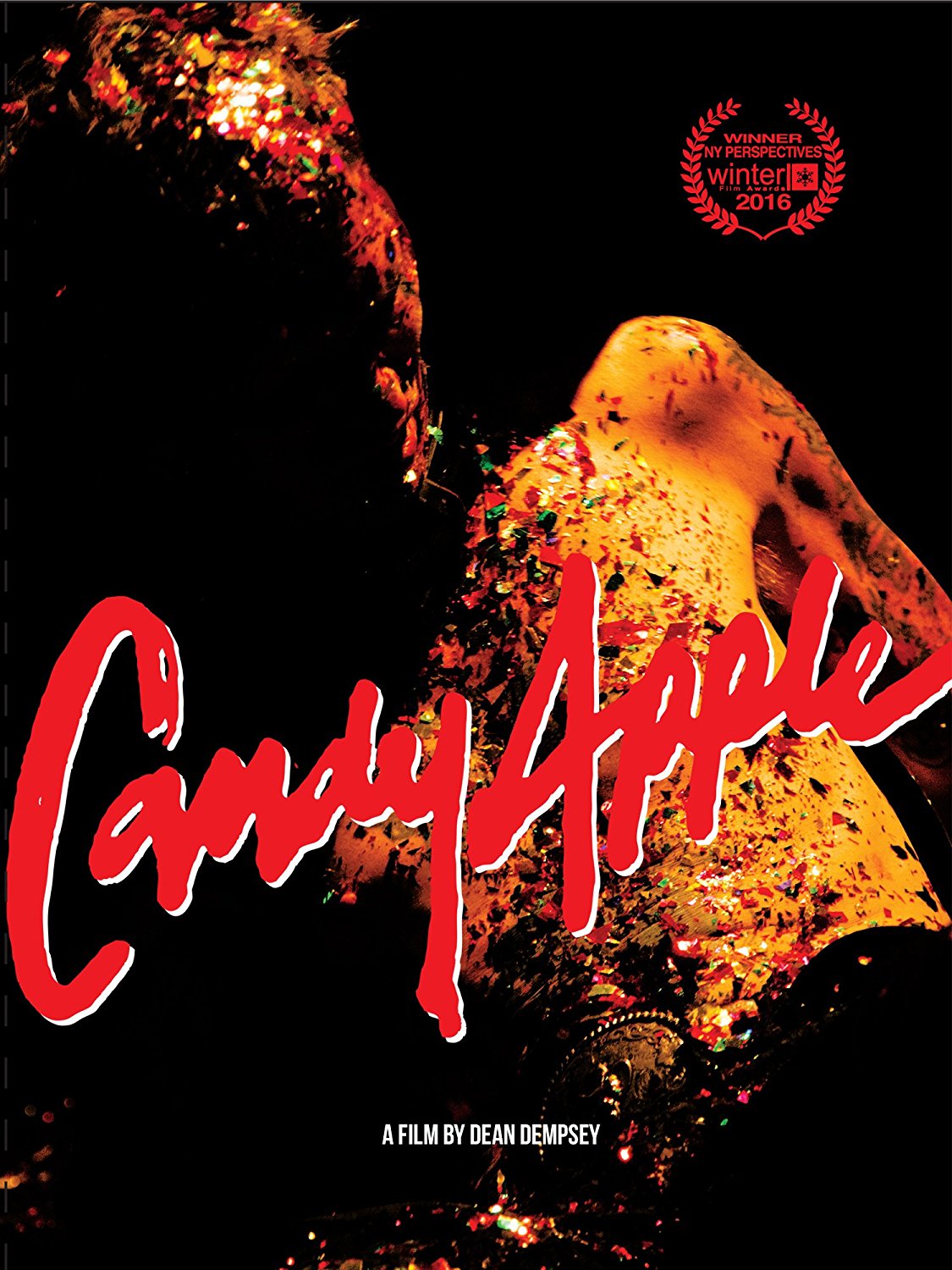
Low-budget films are typically very hit-or-miss for me. Sometimes the story is engaging from the beginning; other times the cinematography is so creative that I just can’t stop watching the movement of the camera. However, sometimes the film is extremely slow-paced and uninteresting. When it comes to Candy Apple, it is very difficult to place it on either of those two ends of the spectrum. From the outset, you can tell this film is extremely personal to the filmmaker, and while that might not draw in crowds, it opened up an infinite number of doors leading to creative freedom. That being said, I can’t say that I liked this film, but I can say that I couldn’t stop watching it.

Everyone was warned, but no one listened.”

These words — which are about as subtle as a tsunami — are heard in voiceover at the start of Geostorm, the latest effort from master of disaster (films) Dean Devlin. Yes, I realize no one should venture into a big budget flick produced by Dean Devlin (Independence Day, 1998's Godzilla) looking for subtlety. But no matter what side of the climate change issue you fall on, Geostorm is equally offensive to all parties. And it's not because of its politics or its shoddy writing, which gives that opening monologue to a character who ends up being completely inconsequential. It's because this would-be blockbuster is shockingly short on both fun and spectacle.


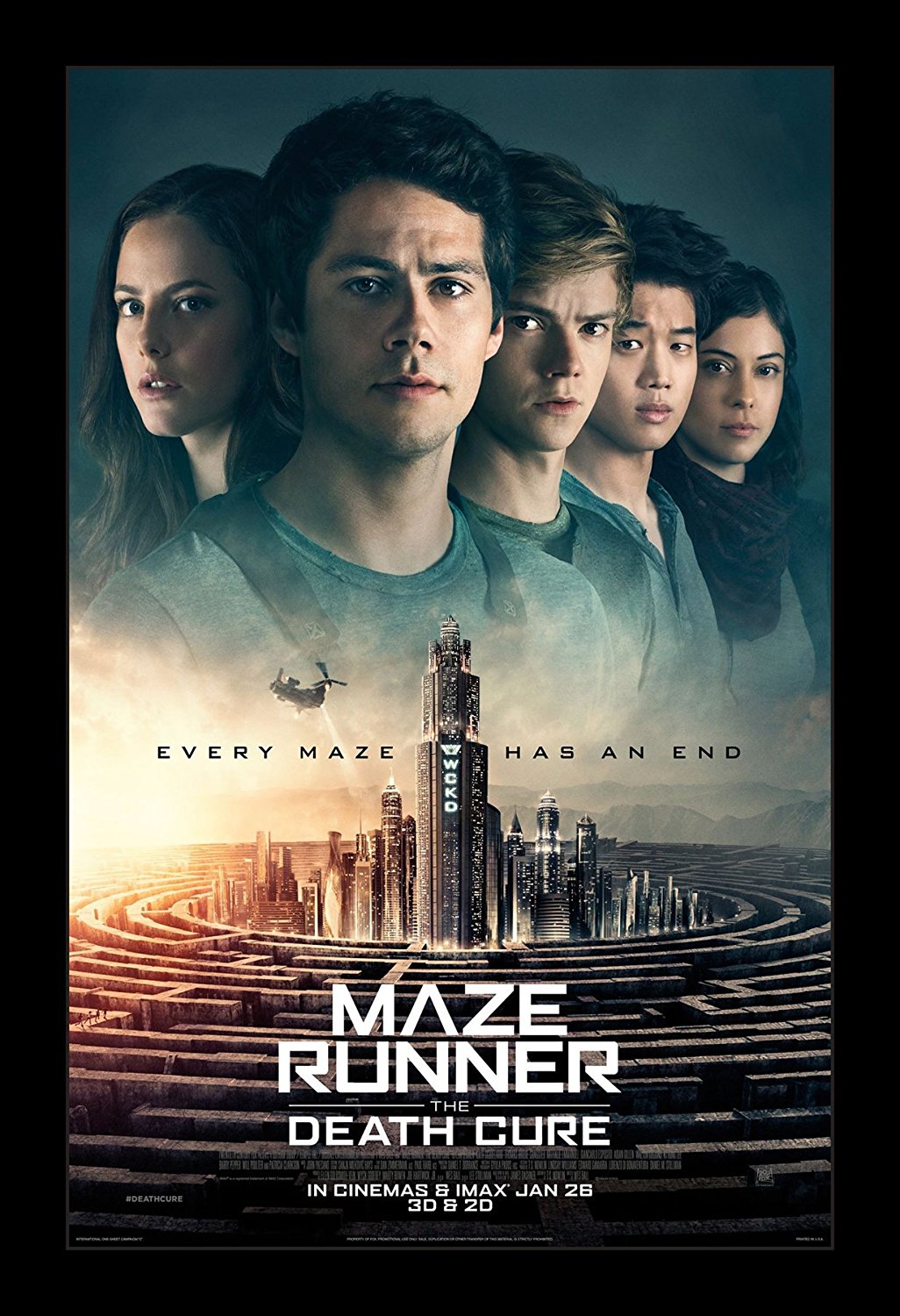
For Dylan O’Brien, it just seems like his start just keeps getting bigger and bigger. Going from the awkward best friend on MTV’s Teen Wolf to becoming a leading man on the silver screen, he has shown charm and charisma normally only seen in veterans. Another great way a star distinguishes himself is to get attached to a franchise, something he has done with the Maze Runner trilogy. Of course, Maze Runner: The Death Cure spells the end of that run; given his performance in the film; it does not spell the end to his rise. An entertaining and engaging conclusion to the franchise, Maze Runner: The Death Cure follows former glader turned revolutionary Thomas as he continues his battle against his former employers

"The games have begun again, and they will not stop until the sins against the innocent are atoned for."
It has been about seven years since last we heard Tobin Bell ask if we wanted to play a game. From 2004 until 2010 we were treated to seven films in quick succession, with The Final Chapter apparently bringing the popular franchise to an end. But most of us were pretty sure that the end wasn't quite so near. The films brought in billions of dollars and even inspired a new escape room industry around the globe where people could work out puzzles and attempt to beat a ticking clock to get out of a themed room.

With a solid title and appealing DVD cover, No Solicitors is a film that looks to attract horror fans looking to make an impulse buy or a late-night viewing when in the mood for something to get the heart racing.  Unfortunately, the film doesn’t hold up to its potential, and to be honest this might be one of the more disappointing titles I’ve had the privilege to review.  The film has a strong premise, one that not only teases plenty of horror, but the potential for what could result in numerous sequels if the film was successful and the creative parties involved were inclined to go that direction. Instead the film seemed to aim more towards laughs than scares, and the result is at times a painful experience to watch, and not for the graphic gore that is sprinkled throughout.

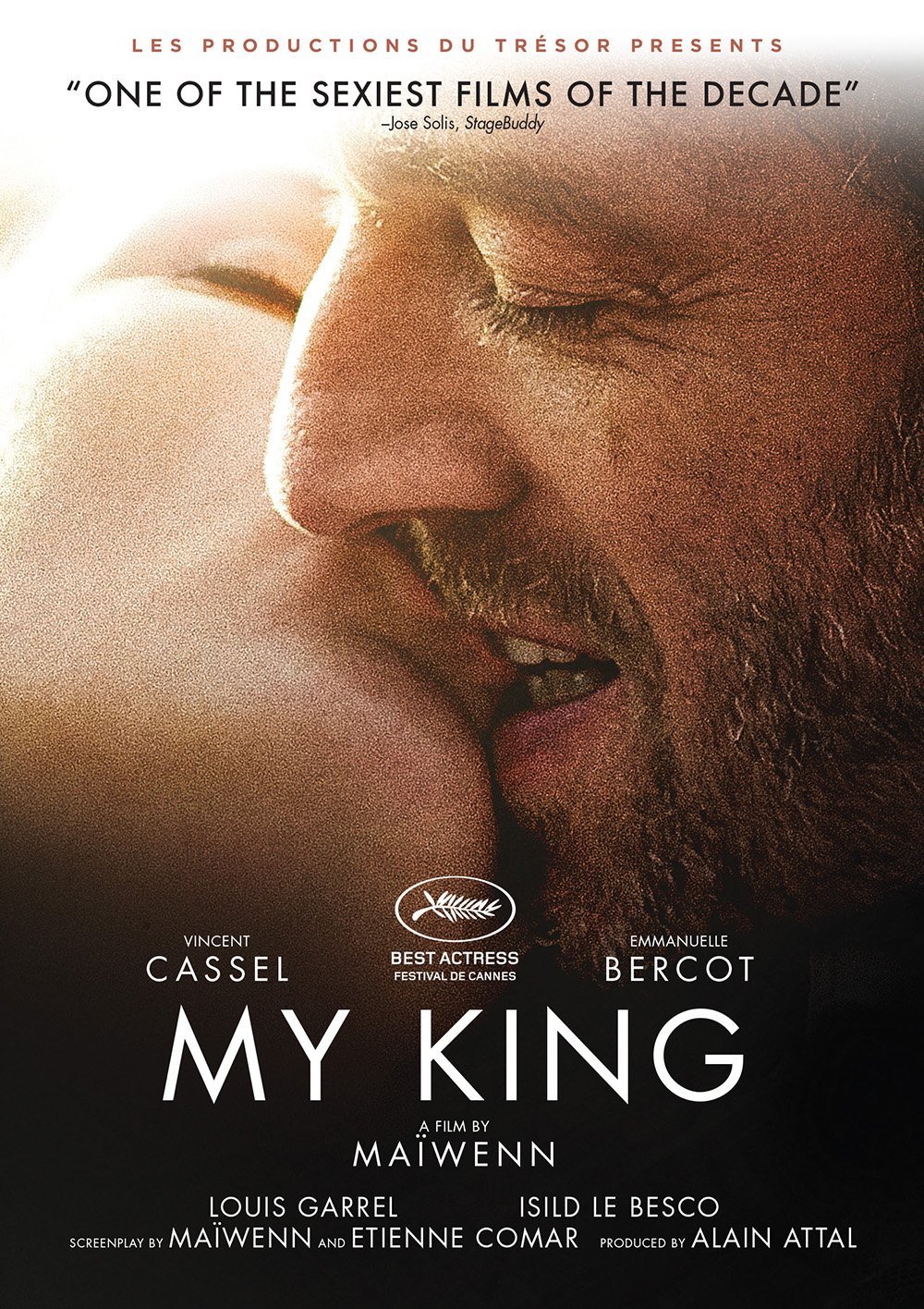
During the second half of My King/Mon Roi — which examines the up-and-down nature of love by chronicling a 10-year relationship between two French lovebirds — a wife states that her husband's constant emotional abuse has caused her more pain than any single punch ever could. Psychological abuse isn't nearly as cinematic as its physical counterpart, so it's a jarring, too-real-for-TV moment to witness on screen. My King has a handful of those gut-punch scenes. And since the movie intentionally mimics the rollercoaster relationship at its center, My King is also occasionally romantic, funny, frustrating and flat-out sexy.

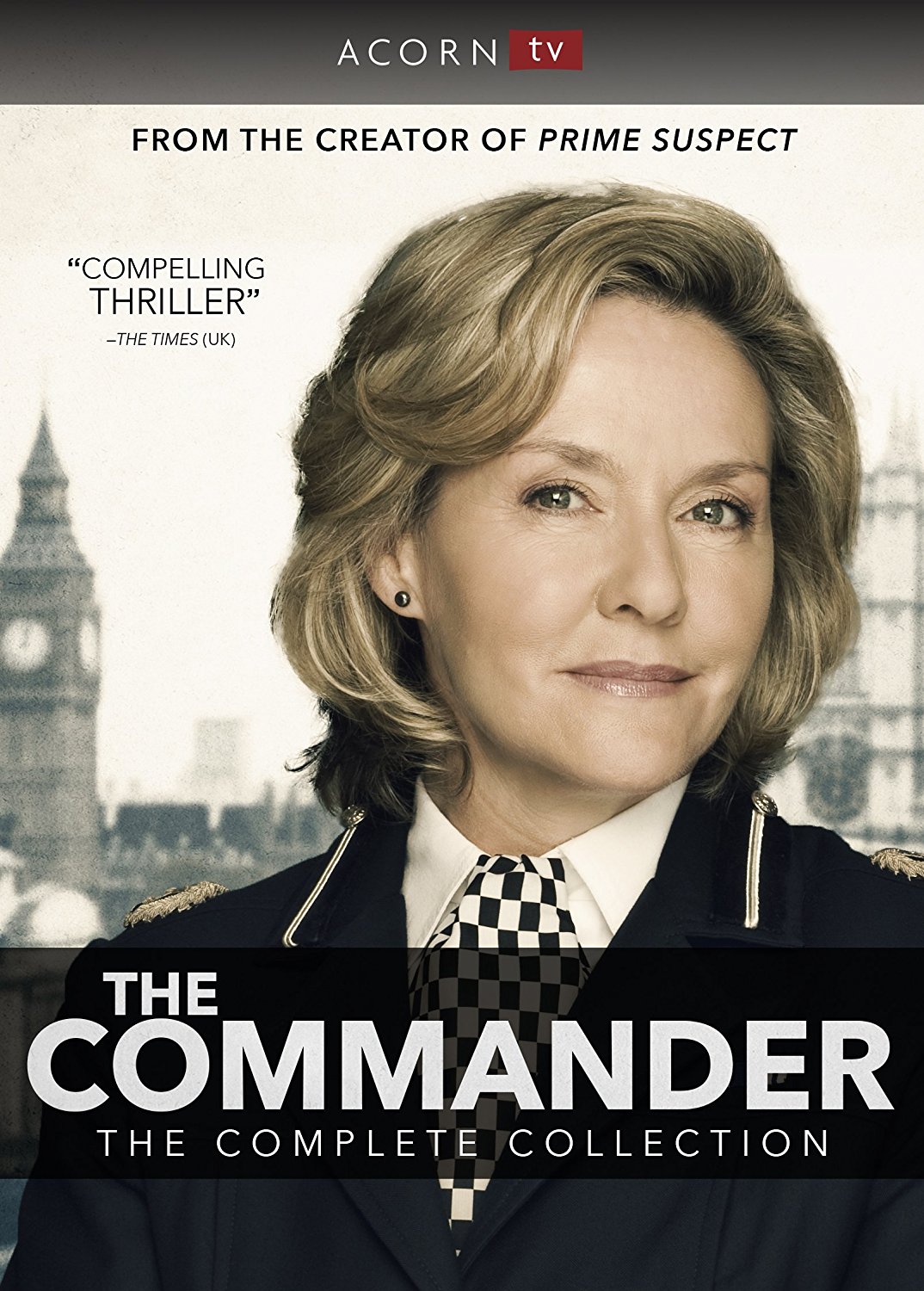
Lynda La Plante is quite a fixture in the British television landscape. She has been a television writer since the 1970's and has been producing her own creations since the 1990's. Her shows often feature a woman in some kind of authority position fighting the good fight in a law enforcement tradition that leans heavily in the male department. Likely American audiences know her best from her more recent Prime Suspect series which has enjoyed some success here in the States. It wasn't long before that show that she was writing and producing a series of television movies with the overall title of The Commander. The films ran from 2003 until about 2008 when the final film was released as a three-part show. Acorn has put together a 7 disc DVD collection of the show's entire run.

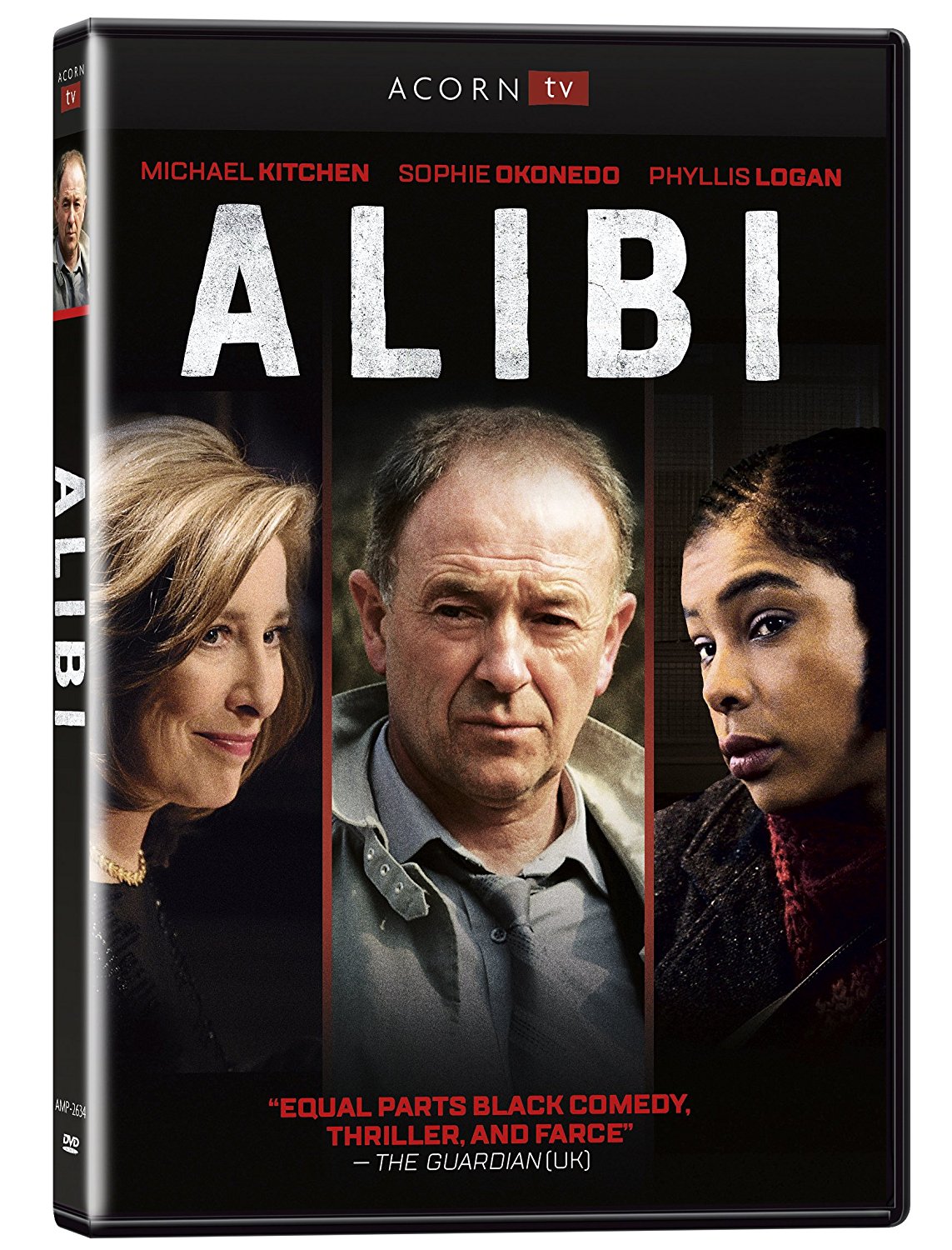
Alibi gives you quite a bit of storytelling, which is surprising given that it is only comprised of three hour-length episodes. I will give it to British shows that have somehow found the key to making that work, because that would not work in the U.S. It would feel rushed, and a lot of key nutrients would have to be removed due to time constraints. Alibi manages to have multiple twists and turns in that time span as well as tell a very entertaining and engrossing story with the assistance of its two established leads, Sophie Okonedo and Michael Kitchen. Alibi tells the story of what happens when two people attempt to cover up an accidental death, when one person is a complete neurotic and the other is calculating to the point that you might find yourself question if this is her first “accidental” death.