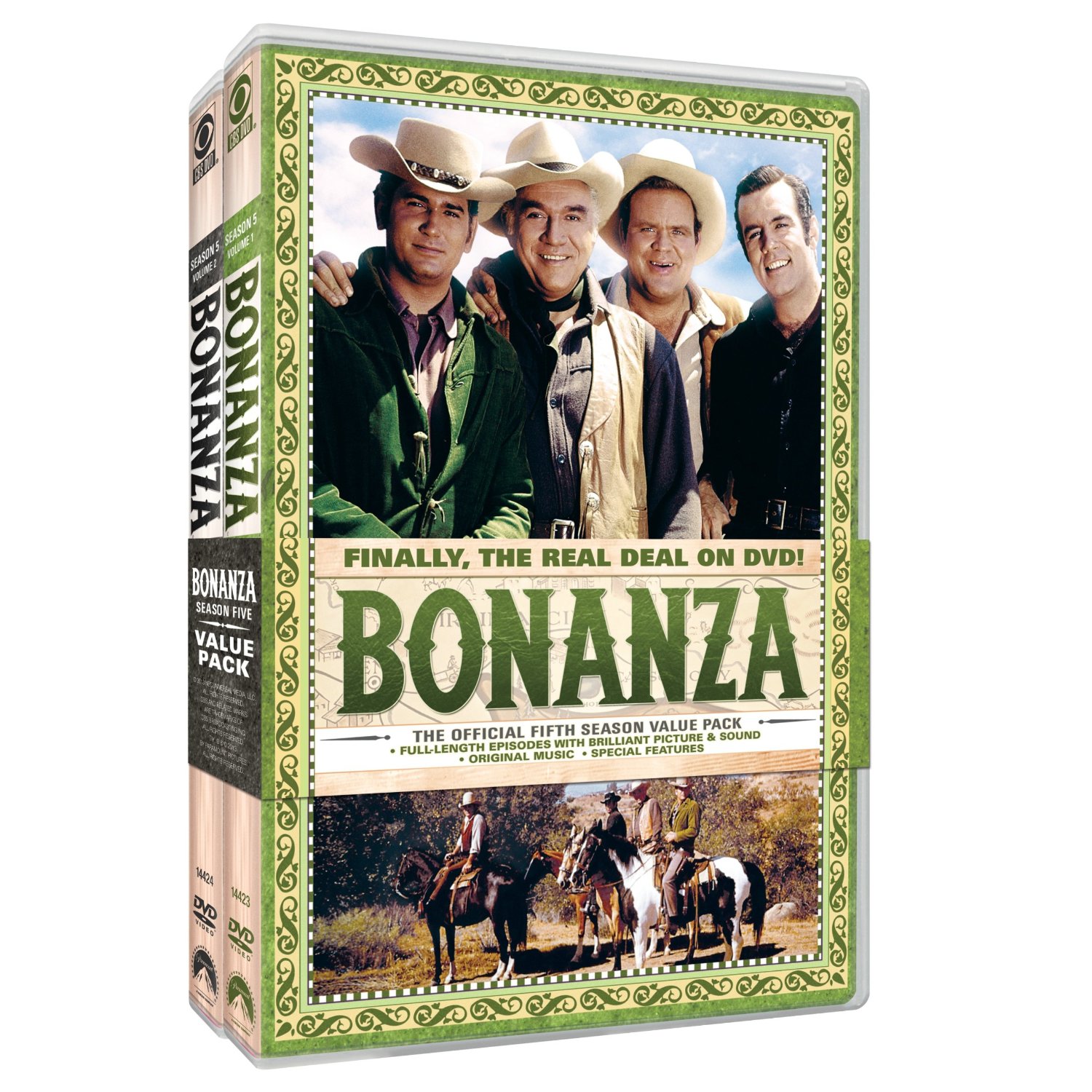
Three-time widower Ben Cartwright  (Greene) runs his famous Ponderosa Ranch with the aid of his three grown sons from three different mothers. There’s Little Joe (Landon), Adam (Roberts) and Hoss (Blocker). Set some time in the mid 1800’s, this long-running series followed the family’s many exploits. In the late 1950’s westerns accounted for six of the top ten programs on TV. Only Gunsmoke had a longer run than Bonanza. From 1959 to 1973, Ben Cartwright and his boys rode across the small screen.

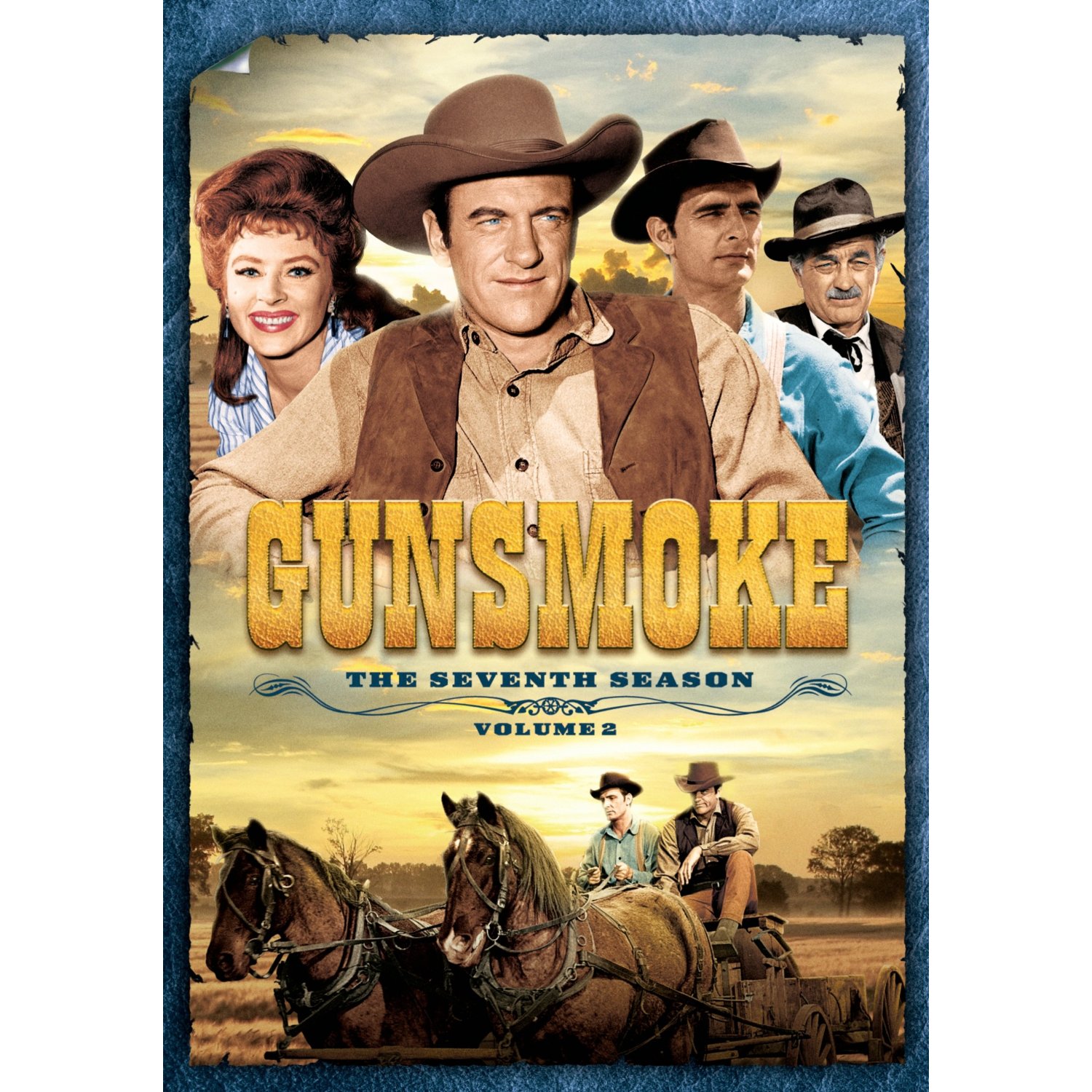
The setting for Gunsmoke was the by-now-famous Dodge City, circa 1870’s. Phrases like “get out of Dodge” would enter the popular lexicon as a result of this resilient series. Marshall Dillon (Arness) was charged with keeping the peace in Dodge City. The only other character to see the entire 20-year run was kindly Doc Adams (Stone). Star Trek’s own Doc, Leonard McCoy, took many of his traits from Doc Adams. He was the humanitarian of the city, always looking to help someone. Like McCoy, he had a taste for bourbon and a soft heart underneath a rather gruff exterior and was always ready with free advice.

Slugterra reminds me of the cartoons from my childhood — like G.I. Joe and Teenage Mutant Ninja Turtles — where the good guys are always extolling the virtues of friendship, hard work and fair play. The show also seems to be a cross between Pokemon and Transformers, featuring competitors dueling with little creatures called “slugs” that transform into powerful beasts once they hit 100 mph.

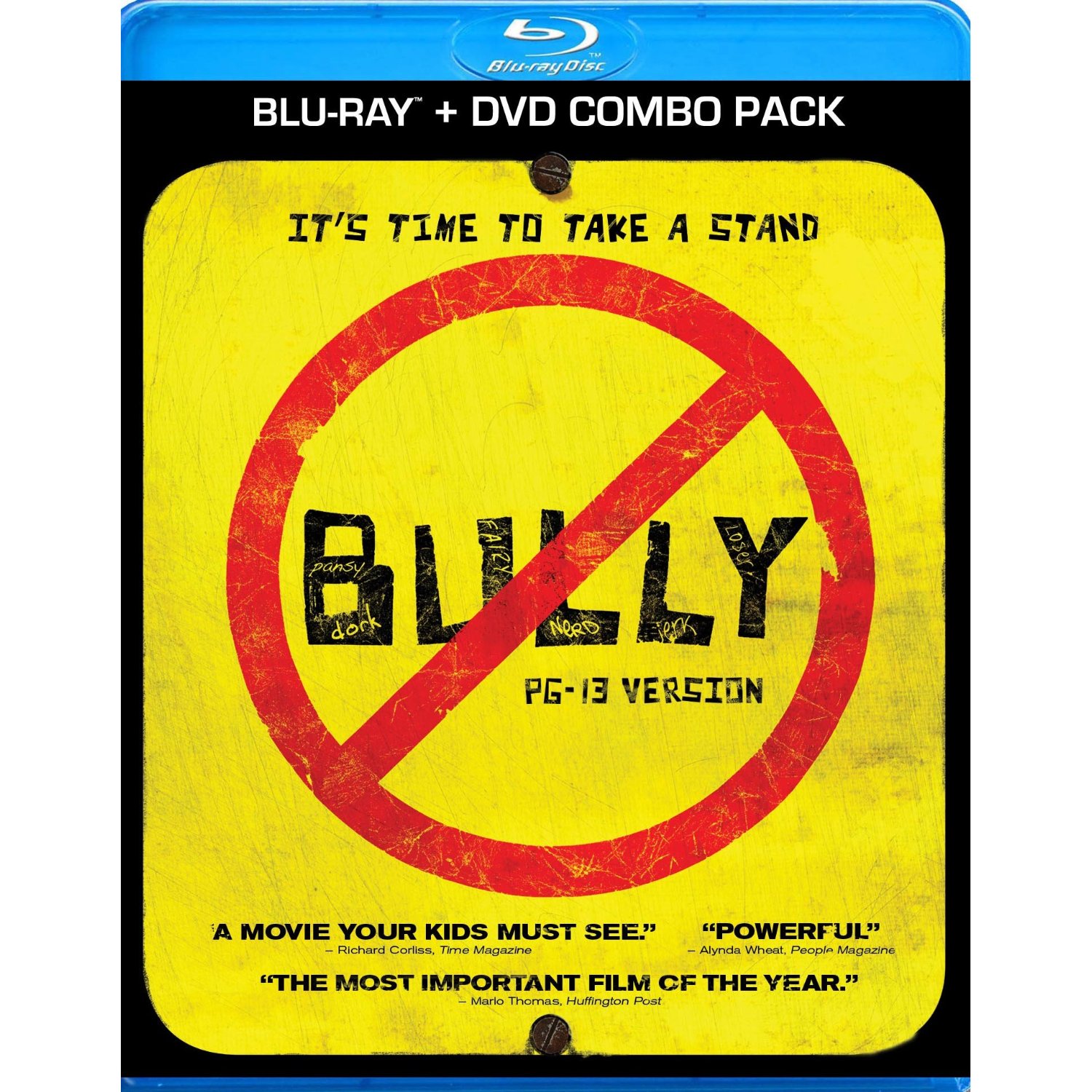
The image of what a bully looks and sounds like has changed drastically in recent years. When you and I were growing up, a “bully” was probably someone who looked like this and demanded your lunch money. Mean Girls came out less than 10 years ago; but if Tina Fey were trying to get the exact same movie made today, she’d probably have to deal with notes from a nervous studio exec worried that the Burn Book would drive one of the characters to suicide.

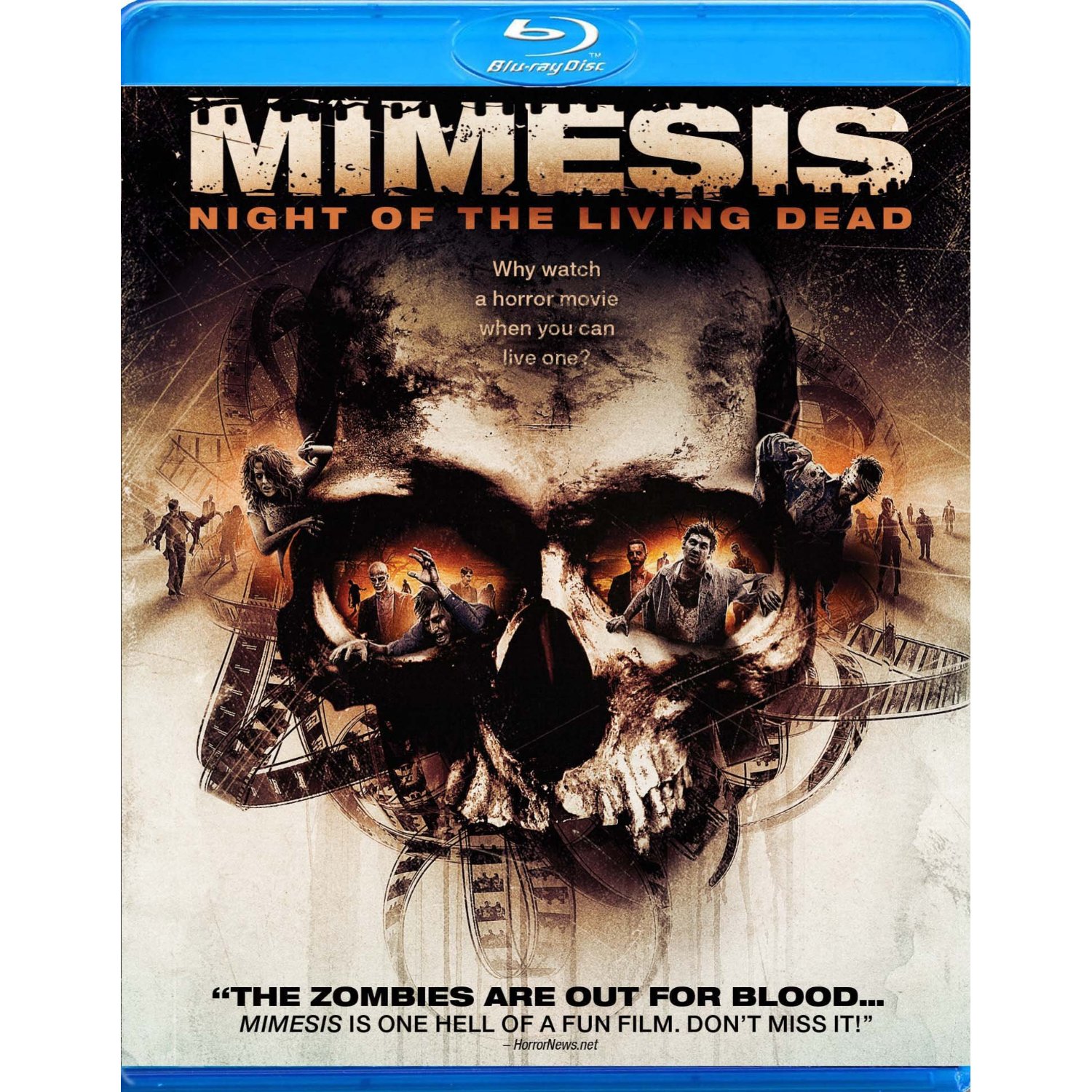
There's a new take on the horror movie. It's Mimesis. I had the opportunity to chat with Douglas Schulze. He's the writer/director and producer of the film. Why watch horror films when you can live them. That's the idea behind the film. Why not listen in on our conversation? Bang it here for my interview with Douglas Schulze

I didn’t know what to make of this Pig/1334 double bill when I took it on as my latest assignment. All I had to go on were the aggressively grotesque images on the Blu-ray case. I wasn’t yet familiar with the work of Dutch filmmaker Nico B. or former Christian Death frontman Rozz Williams. I did a bit of research, mostly because I wanted to make sure I wasn’t being handed a real-life version of the videotape from The Ring.  (Surely, there would be a less drastic way of informing me my services were no longer required on this site.) What I uncovered instead was an intriguing and haunting back story.

Between Jason Bateman (Office Space and Horrible Bosses) and Melissa McCarthy (Bridesmaids and Mike and Molly), whose career seems to be most on fire right now?  The idea of these two pairing would at first glance appear to be comic gold.  Instead the result is a road trip film that had me asking if it were over yet. When we first meet Sandy Patterson (Bateman), he’s just your average businessman trying to support his family.  With a new baby on the way, more money is just what he could use, and when he discovers the only people getting bonuses are his superiors, this rubs him the wrong way, and rightfully so.


What makes the horror genre so unique is that it doesn’t have any rules, but it has one goal: to scare us.  And the weirdest thing I find about horror is that so many people enjoy being scared, and, well, some of us have watched some pretty rotten things all in the name of a cheap thrill (my reasoning for watching A Serbian Film).  Lately the trend in horror is to be in the world where our heroes on the screen are put through some very “real” situations and it kind of poses the question: how far is too far? 

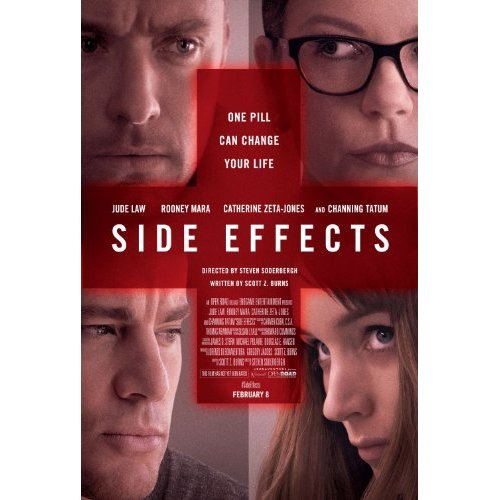
Steven Soderbergh has had a one-of-a-kind career. And if the director is to be believed, that filmmaking career comes to a close with Side Effects. (At least theatrically speaking; his Liberace biopic, Behind the Candelabra, is scheduled to air on HBO later this year.) Soderbergh may have best exemplified the idea of making “One for Me, One for Them.” (Even if the director firmly disagrees with this notion.) The theory dictates his “One for Them” flicks usually had the word Ocean’s in the title and helped fund his micro-budgeted, “One for Me” experimental films.

You don’t usually get too many legendary (and wildly polarizing) filmmakers coming off the biggest hit of their careers — unadjusted for inflation, of course — at age 77. Yet that’s exactly where Woody Allen found himself with To Rome with Love, his pleasant, witty, not-at-all-groundbreaking follow-up to Midnight in Paris. The writer-director originally named this film The Bop Decameron before changing it to Nero Fiddled. I’m guessing somebody (smartly) figured the suddenly buzzworthy director’s next film should have a less esoteric title; and if there was a way to incorporate a European city into the name, even better.