Posts by Archive Authors

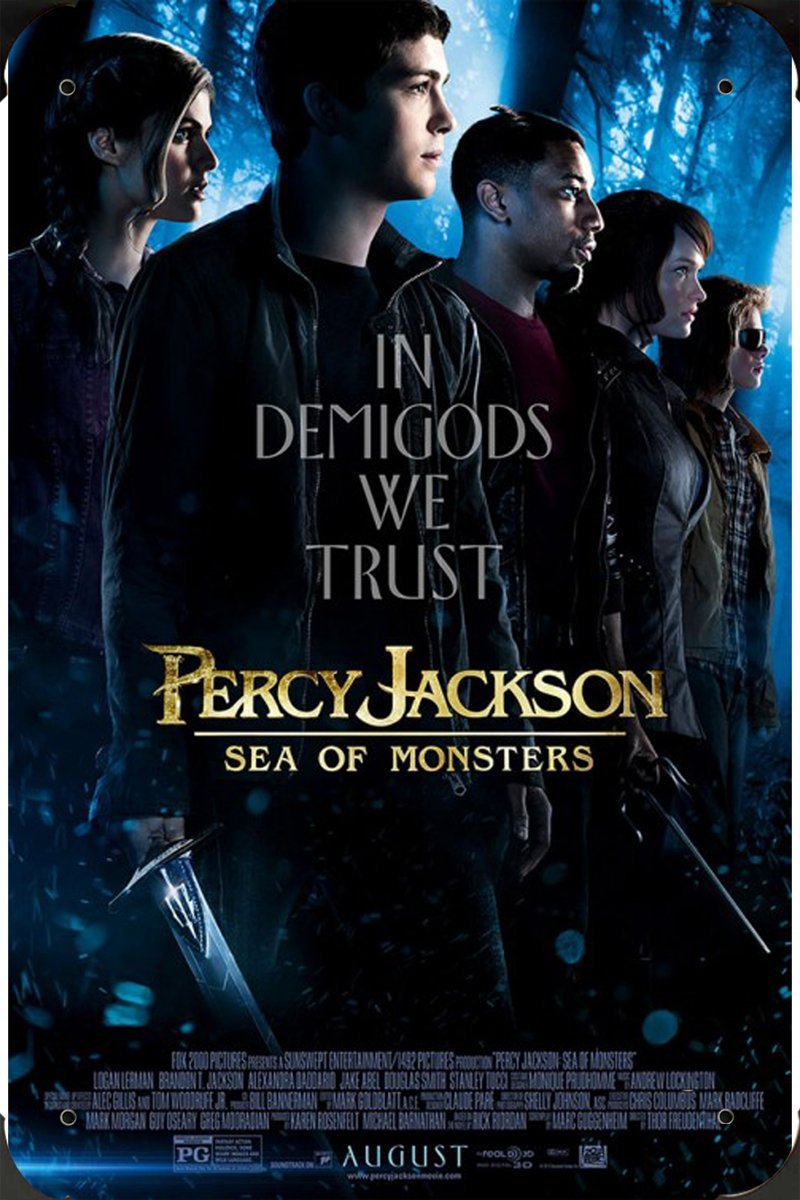
Where do I begin? The first Harry Potter movie and the first Percy Jackson movie were both directed by Chris Columbus, but he moved on in both cases. The other similarities are substantial, and the studio producing the new Percy Jackson movie certainly hopes it can produce a similar success that Harry Potter did for its studio. There are a whole lot of books that are part of an ongoing story. In fact, there is a new series that moves on from Greek gods to Egyptians. That's right, Greek gods, but not like in Clash of the Titans which takes place so many years ago in olden days. Percy Jackson is right up to the present, and Percy Jackson is a half- blood prince, son of Poseidon. The first movie, Percy Jackson and the Olympians: The Lightning Thief, brought us into the crazy world of satyrs and cyclops and other creatures not entirely human.

Before I finish with Percy, I should discuss Young Adult books. There are more and more, and they are all trying to cash in on Harry Potter mania, and they are all probably going to be made into movies. The Hunger Games is another YA series that has developed a strong audience filling the gap left by Twilight. Divergent is coming, as is The Mortal Instruments. The problem is that if I tried to list all the YA projects likely to head to a theater near you it would be mind-numbing. In other words, Sea of Monsters better hit big, because the competition is heavy. Some popular series only got one shot like the recent Beautiful Creatures and The Golden Compass and A Series of Unfortunate Events. The first Percy Jackson box office results were only OK, but it has been given another chance.

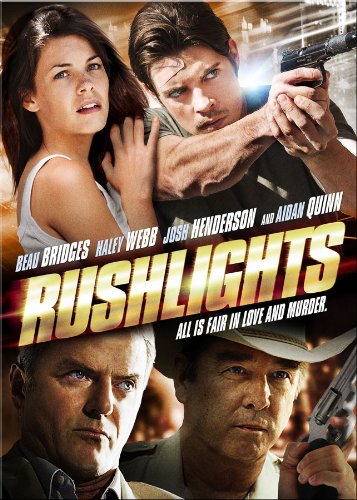
“Treading through the dreadful darkness of the land, I dipped the pith of a rush into the tallow, and soon the rushlights guided me down the somberness, the gloomy flames unveiling this unfamiliar soil.”

B.J. Smith 1714-1775

Summer blockbusters of bloat and bombast always rule because their budgets blast anything and everything out of their way. This summer was very messy and bloody as many big films limped, staggered and crashed. White House Down, The Lone Ranger, Pacific Rim, The Hangover 3, R.I.P.D., and Turbo are just some of the expensive films that flopped. You can debate the quality of these films, but one element that was most obvious was the lack of believable characters. Just like bad CGI can irk the subconscious, bad writing and silly acting gets tiresome as well.

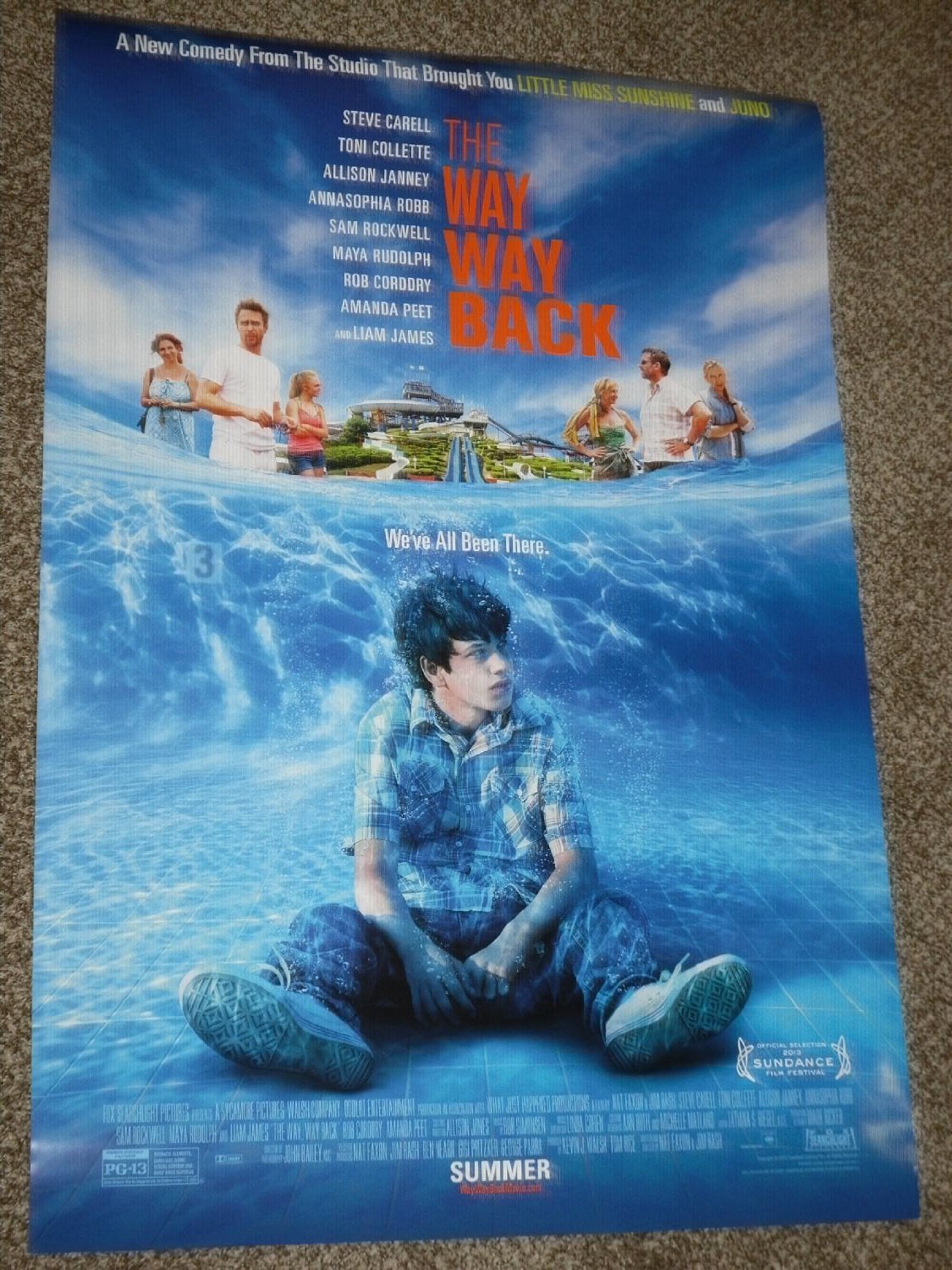
The genre that has come to the rescue this year is the coming of age film. The problem is coming of age films have been unbearable garbage, in general, for quite a while. Two films being released at this late date are The Spectacular Now and The To Do List, but they remind me of three other great movies that came out in the last few months; Mud, The Way, Way Back and The Kings of Summer. All of these  films are among the best of the year.

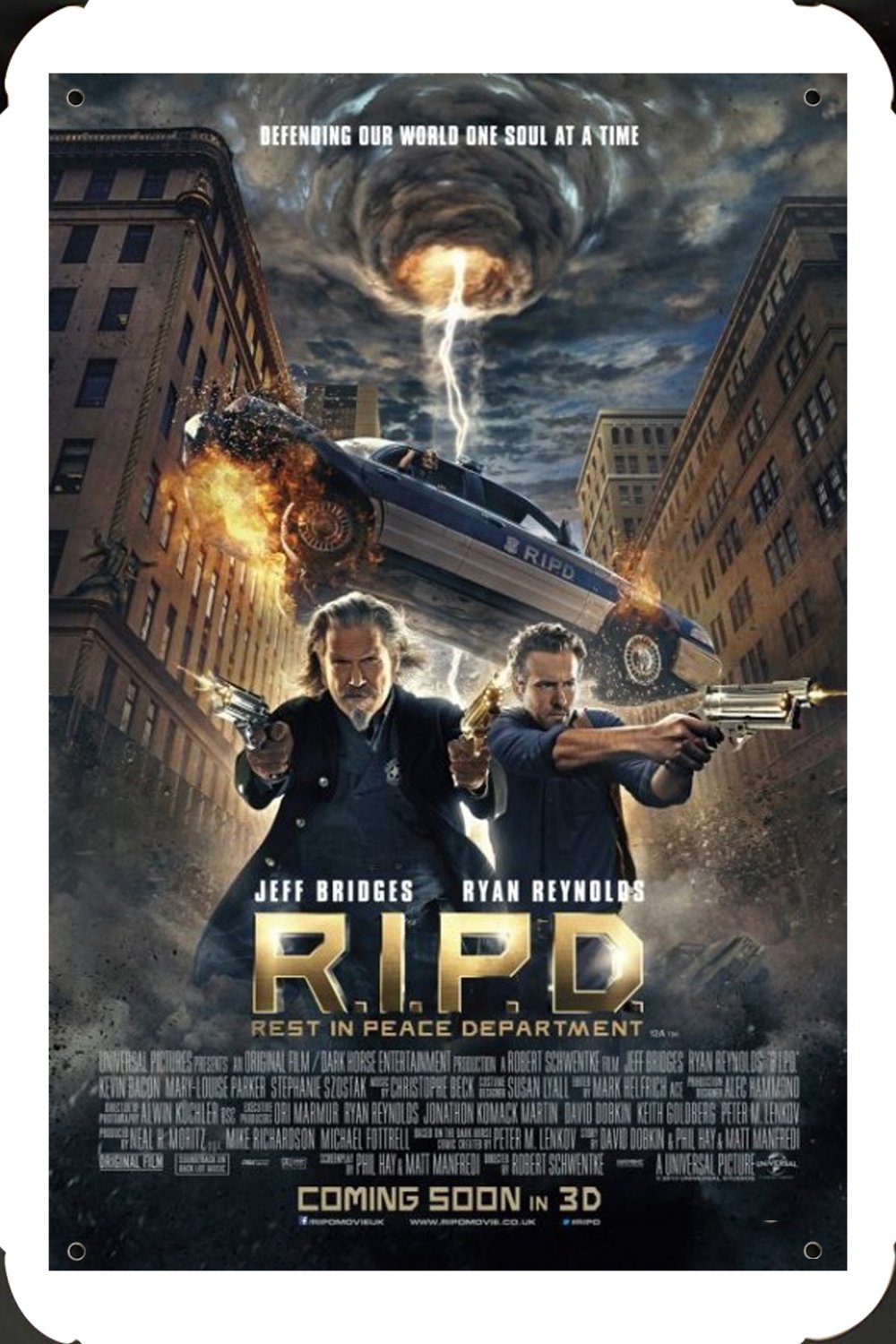
Stars grow old and die. I don't know what they do in the afterlife. Maybe they look over the shoulders of studio executives, mouths open in horror at the scripts they are reading. Stars do die, and they need to be replaced. The torch needs to be passed, and I don't always think studio heads give these matters enough thought. Stars aren't born. They need to be made. Sanded down, left out to dry, buffed and polished so hopefully they shine really bright. Jeff Bridges and Ryan Reynolds are the names above the title of R.I.P.D. Jeff Bridges, the baby and the brother of movie stars, has shone bright over the years. Bridges just picked up his first best actor Oscar a couple of years ago after a number of tries.  He has done it all and is now a leathery, grizzled veteran of the Hollywood landscape. Ryan Reynolds is a smart, hardworking and appealing actor who seems always on the verge of superstardom.

Ryan Reynolds has been around. He's been engaged to Alanis Morrisette, then married Scarlett Johansson and then married Blake Lively. You get the impression that he's a nice guy, and both Alanis and Scarlett expressed regrets about the breakups. Comedy seems to be his forte, but he clearly has made attempts to do intense dramatic roles, most notably in Buried which consisted of him emoting alone in a coffin for the entire length of the movie.

Cartoons are for kids. Most of the time. Then there is Adult Swim on the Cartoon Network. Adult Swim plays during the late night hours and is under much looser federal regulation. Much, much looser, I would say. In fact, it may be possible that the definition of the term loose has been stomped and squashed into a giant red stain on the sidewalk. I have not spent a lot of time watching Adult Swim, but I was not ready for the content of Superjail: Season 3. I think it would be hard to imagine something more offensive and shocking, but I'm sure it exists. Since it is a cartoon there are no limits in the ability to depict horrific gore and bodily destruction. This is a comedy show presented in the new format of compact 11-minute segments. I will say that I didn't see anything pornographic (at least that wasn't blacked out), but other than that there seem to be no limits in the hunt for  the ultimate hilarious gross out.

Superjail takes place in a maximum security prison in some post-apocalyptic future. Mutants, freaks and unwholesome abominations abound. Any kind of social norm has been eradicated in this nightmare vision of the future. I'm not saying I'm shocked or offended, but I feel it is my duty to say that millions will be insanely upset and some will be greatly entertained. If you buy into the premise, I would say it's lots of fun. But I think late night Cartoon Network is no place for kids.

When a documentary is made about a subject and interviews are presented with a wide variety of individuals talking about a single thing, most of the time no one will question such a presentation. In this case, people are likely to question the intentions and ultimate content of the project. The film is directed by noted photographer Deborah Anderson, who has taken photographs of many famous celebrities like Elton John and George Clooney. She is the daughter of rock singer Jon Anderson from Yes. Aroused is about celebrities of a sort. The film includes extensive interviews with porn stars and their agent during the course of an extensive photo shoot. The question then becomes, “How serious is this project?” It turns out to be a somewhat serious examination of the psychological stress that these women have to go through. That said, there is a fair amount of nudity as the film progresses. Is it gratuitous or not? That's not easy to say. I would say that if they wanted this to be taken seriously, they might have limited the nudity. Of course, it will probably have a higher level of sales with the nudity.

I can't say I know many of the people being interviewed, but I will list some names for those of you who might know; Allie Haze, Ash Hollywood, Asphyxia Noir, April O'Neill, Alexis Texas, Belladonna, Brooklyn Lee, Francesca Lee, Jesse Jane, Kayden Kross, Lisa Ann, Misty Stone, Tanya Tate, Teagen Presley and Fran Amidor. Anderson wants to get to know the real women. Who were they before they became the stigma or pariah? Many of them came from sheltered or timid backgrounds. Some were married to ministers, and some went through strict religious training.

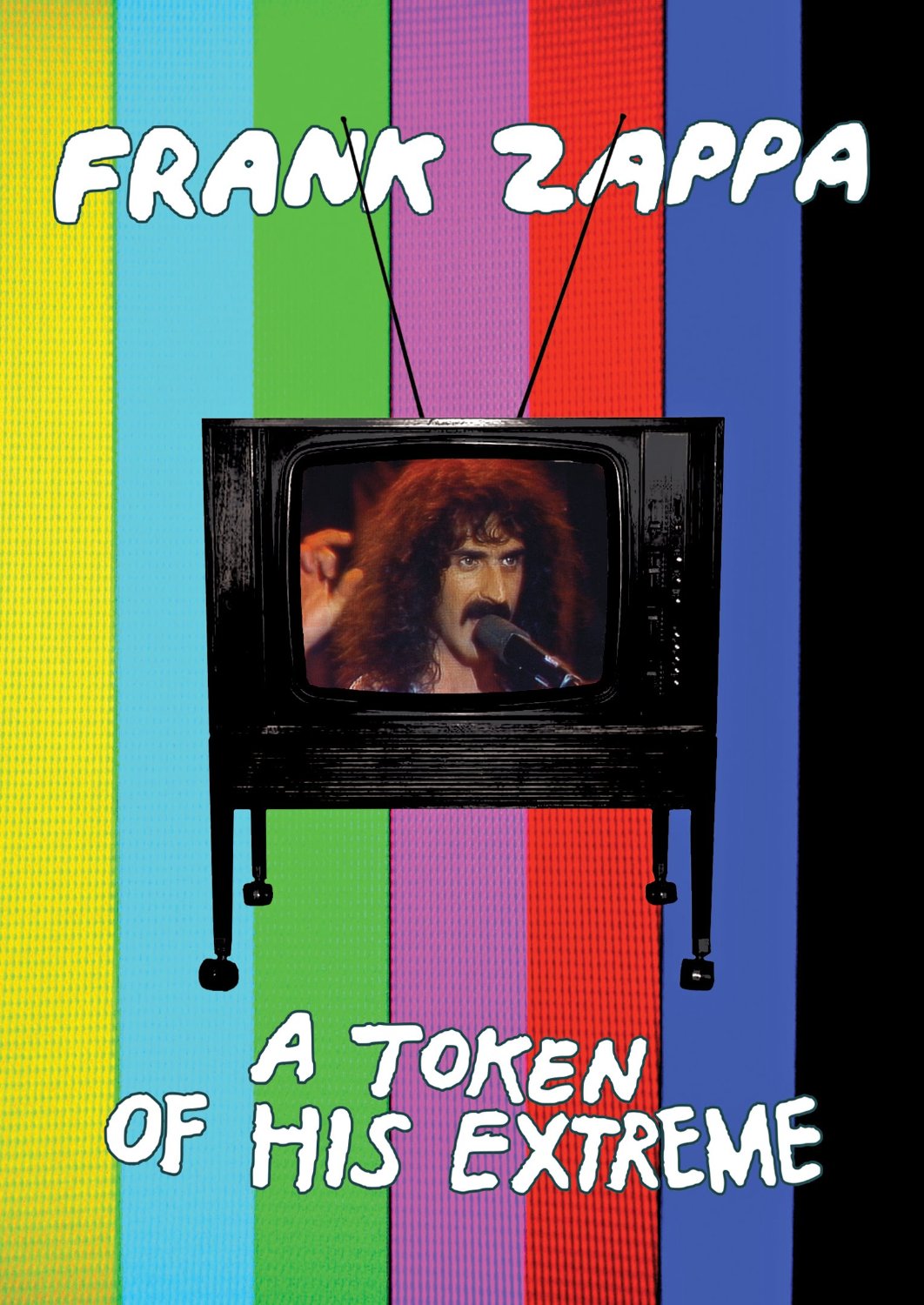
Has there ever been anyone like Frank Zappa? He had a rare combination of incredible professionalism and steadfast sobriety mixed with zany insanity and freakish detours on offbeat paths. He is the freak of all freaks of the sixties yet had an unwavering distaste for the rampant drug use of the time. His music couldn't be more jarring or unconventional, yet he liked stately classical compositions to relax. A Token of His Extreme was a passion project for Zappa that he paid for with his own money back in 1974. It was produced with the intention of being an American Network Television special, but it never saw the light of day in the US.

The DVD also includes an appearance on The Mike Douglas Show in 1976 in which Zappa lamented about the television special. “This was put together with my own money and my own time, and it's been offered to television networks and to syndication, and it has been steadfastly rejected by the American television industry. It has been shown in primetime in France and Switzerland, with marvelous results. It's probably one of the finest pieces of video work that any human being has ever done. I did it myself. And the animation work that you're going to see in this was done by a guy named  Bruce Bickford, and I hope he is watching the show, because it's probably the first time that a lot of people in America got a chance to see it.”

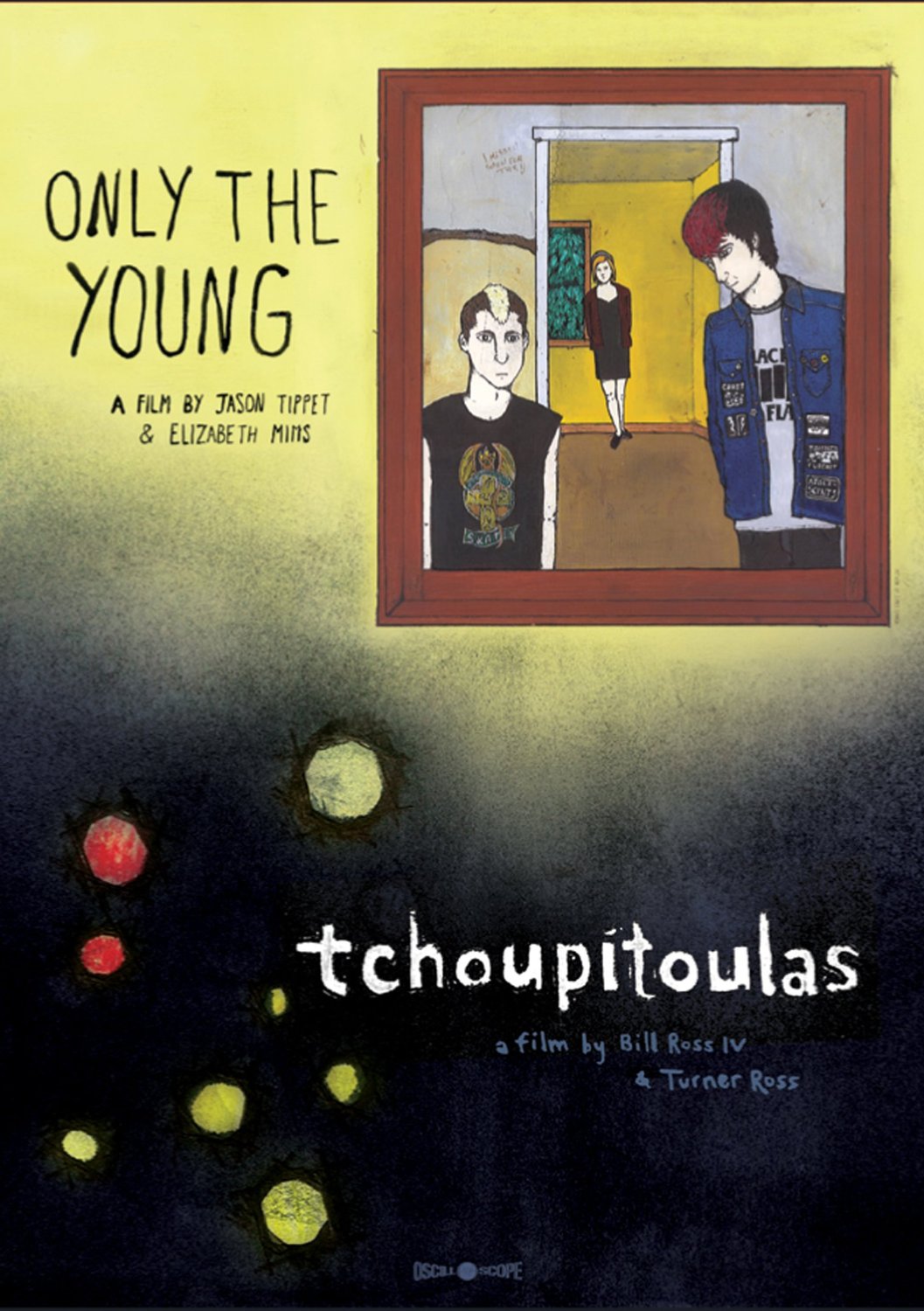
Oscilloscope Laboratories distributes unusual films. Unusual and special. They have packaged two documentaries together: Only the Young/Tchoupitoulas. The first is about kids wandering around a suburban wasteland in desert California. The second is about kids wandering the streets of New Orleans. They are very different experiences, but they are both about the flow of real life. They both have voices that are real and at times inspired. They are about avoiding dramatic structure and explaining and just revealing.

Documentaries used to be very predictable and somewhat uniform in approach, but all sorts of stylistic variations, conceptual approaches, and philosophies of content have been mutating over the last 40 years in respect to what defines a documentary. A documentary style that epitomizes the traditional approach is the style that Ken Burns exhibits. His prodigious output is meticulous and universally loved. It takes a subject and then thoroughly and extensively examines that subject with great reverence and detail, usually to be broadcast on PBS over many nights. This is best reflected in one of his most popular series, The Civil War. It usually involves photographs and videos when available with copious dramatic narration including famous actors reading from the words of historical figures. Then there is the example of Fredrick Wiseman, who would take the subject of some modern institution and then simply record footage of people enmeshed in the institution and allow those events to speak for themselves without narration. Between those two extremes many variations have occurred. The History channel is well known for playing fast and loose with the way they put together their “documentaries”. Many have a large percentage of dramatic re-enactments of events that may or may not have happened.

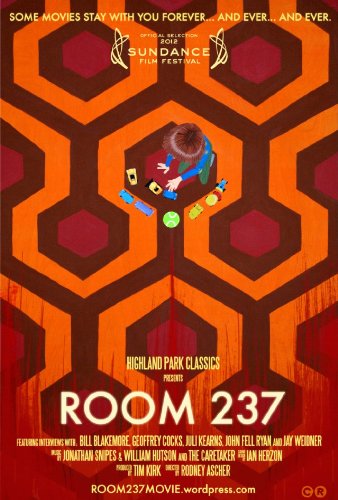
The first question you have to ask: “Was Stanley Kubrick a genius?" There are those who assert his IQ was ridiculously high (200+). Kubrick himself replied that he was below average. I tend to agree with the former rather than Kubrick himself. Kubrick is a monumental legend in film history. I personally think he is the single greatest director of all time, but I say that with a little reservation. There are hundreds of directors who I admire and think are deserving of high praise, but Kubrick's incredible mystique is what raises him above the rest. You can question his shifting subjects and styles as well as his sporadic output, but he is ultimately a source of endless discussion. That is the ultimate test of greatness. How long can you talk about someone? If you take the example of Room 237, you can talk about Kubrick endlessly.

Room 237 is the in-depth examination of Kubrick's 30-year-old film The Shining that has received rave reviews. Why would a documentary of a 30-year-old film get so much attention? Because it's fascinating, fun, mystifying and a clear example of the mystique of Kubrick. Room 237 is basically six well-educated but somewhat obsessive commentators outlining and diagramming minute details to reveal hidden messages.

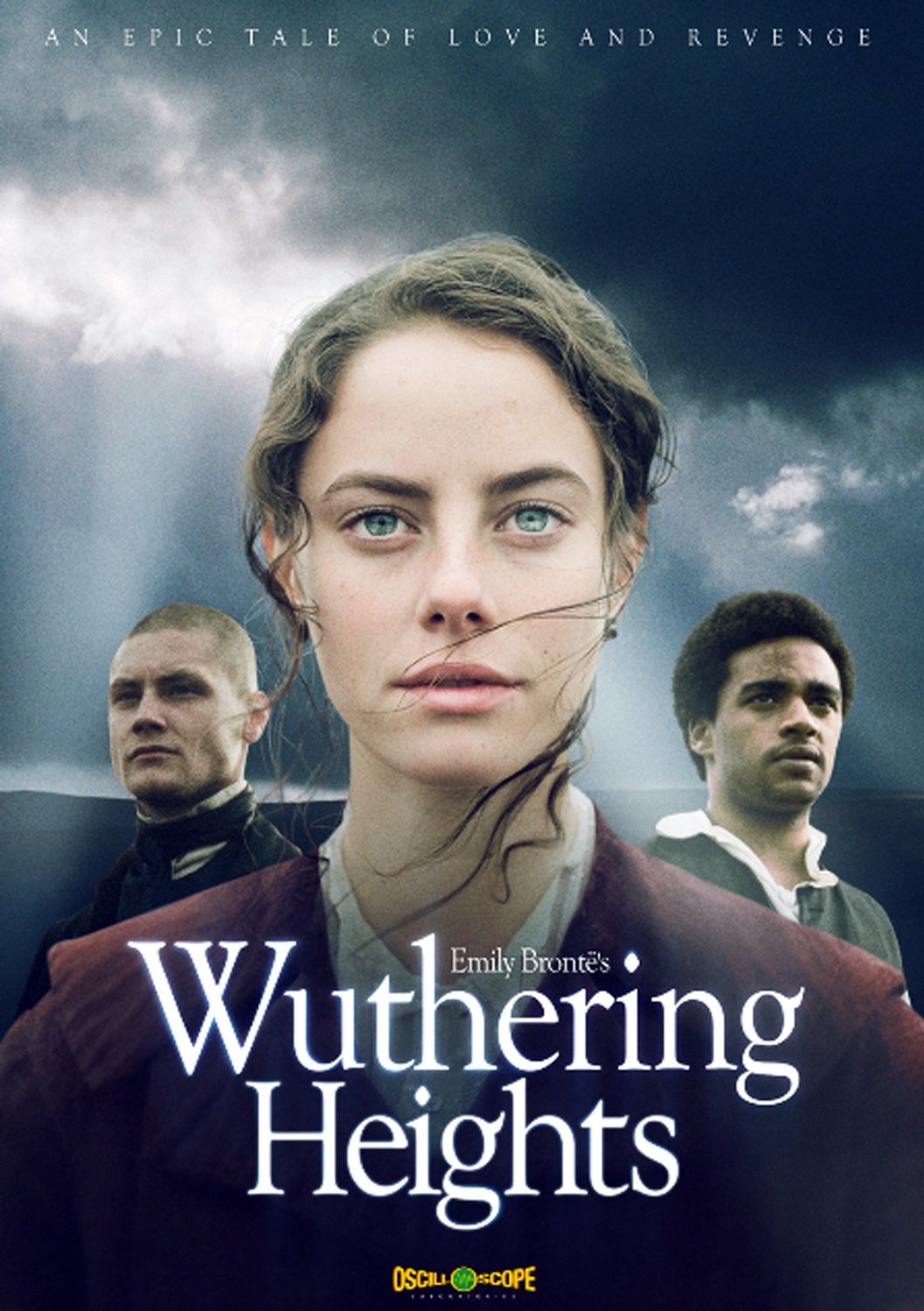
I should start by saying I just re-watched the 1939 version of Wuthering Heights with Laurence Olivier and Merle Oberon on Turner Classic Movies, and I fell in love all over again. Olivier was never more magnetic, naturalistic and appealing than he was as Heathcliff. I have watched it many times and Wuthering Heights has been done many times. There have been recent versions with Ralph Fiennes and Tom Hardy (The Dark Knight Rises, Inception). This is not one of those versions.

This version is by the adventurous — some would say radical — filmmaker Andrea Arnold. When she first started making films as a director, Arnold made shorts and won an Oscar for a film called Wasp. Both of her first two feature films — Red Road and Fish Tank — won the Jury prize at Cannes. She is a big believer in the Dogme 95 style founded by Lars von Trier, but only as a general philosophy. She does not adhere specifically to all the rules of that movement. Arnold does use the hand-held camera almost exclusively, which gives all of her films — including this one — a documentary feel. There is no music in her version of Wuthering Heights, except for those moments that are generated by the characters in the scenes (though there is a Mumford and Sons song at the end), and the film uses mostly untrained “actors.” It also hopes to shake things up by having the Heathcliff character be black.