Posts by Archive Authors

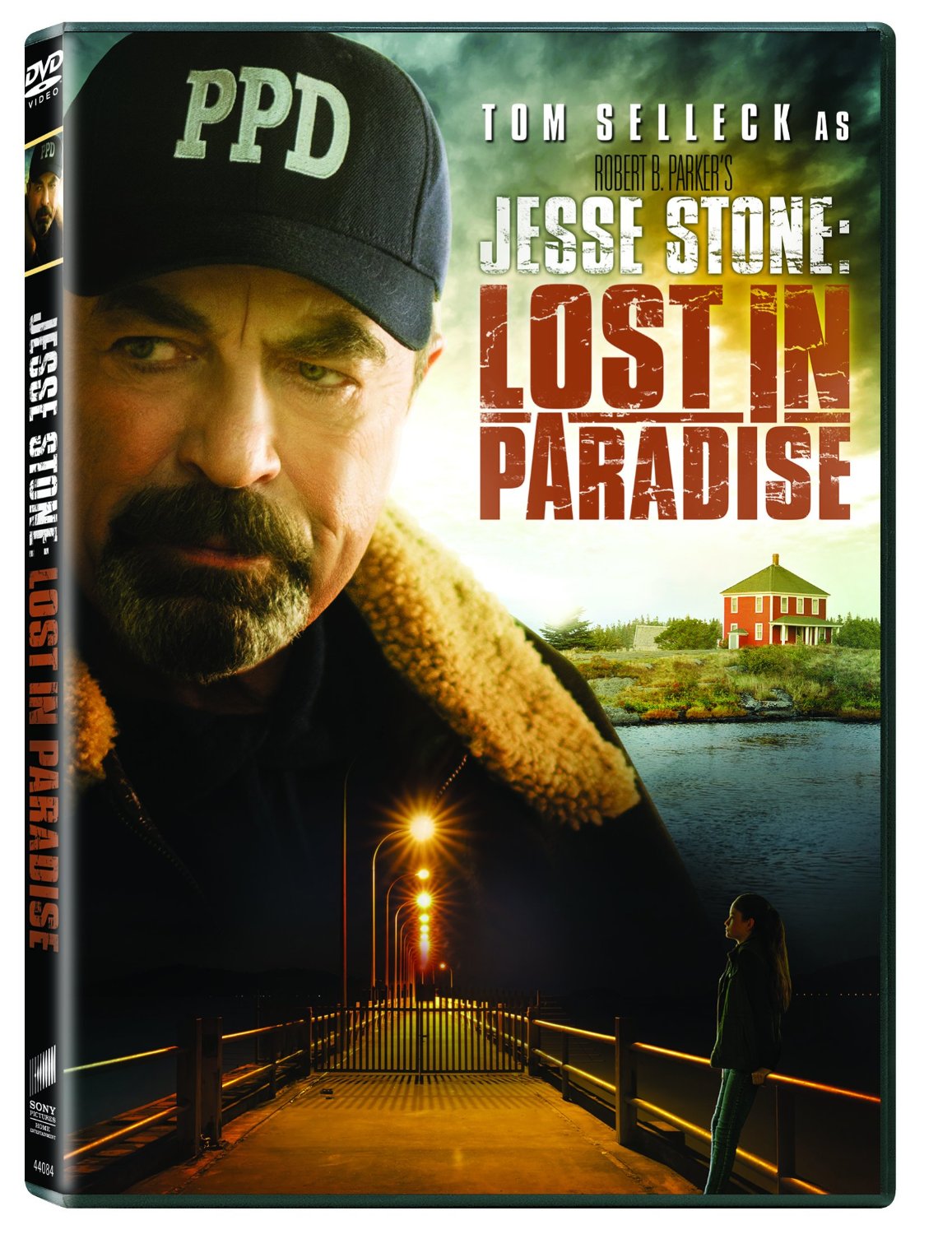
There have been nine Jesse Stone movies starring Tom Selleck. They come from a series of books written by Robert B. Parker. Parker is also famous for the Spencer For Hire series, which was a television show starring Robert Urich from 1985 to 1988. Parker also created a popular Sunny Randall series that was originally meant as a vehicle for Helen Hunt. Many modern writers such as Harlan Coben, Robert Crais and Dennis Lehane credit Parker for revitalizing and reinventing the detective genre. It has been a tried and true genre for over a hundred years. It is a beloved formula. The Hallmark Channel has been behind this series of movies with Selleck, who has had a career resurgence with the CBS series Blue Bloods. He is well remembered for the Magnum P.I. show that ran from 1980 to 1988. Just to bring you up to date on the Jesse Stone movies which started airing in 2005, here are some of the titles in case you want to get the whole collection. The movies are all in chronological order: Stone Cold, Night Passage, Death In Paradise, Sea Change, Thin Ice, No Remorse, Innocents Lost, Benefit Of The Doubt, and Lost In Paradise. Another one is on the way in 2016. Selleck has become increasingly involved with the writing of the movies as well. Recurring characters from previous movies that show up in Jesse Stone: Lost In Paradise are Thelma Gleffey (Gloria Reuben), Gino Fish (William Sadler), Dr. Dix (William Sadler), Officer Luther “Suitcase” Simpson (Kohl Sudduth), Sister Mary John (Kerri Smith), and Lt. Sydney Greenstreet (Leslie Hope). (By the way, anyone who has seen The Maltese Falcon will get a chuckle out of the name Sidney Greenstreet.) The last time a Jesse Stone movie was broadcast on CBS was back in 2013 with Benefit of The Doubt and garnered over 13 million viewers. That was back in the good old days but was shifted over to Hallmark because it attracted too many older viewers. I can see why, because Jesse Stone is an unapologetic dinosaur who carries a flip phone and doesn’t respond to texts even if it’s an emergency.

Stone is based out of a town called Paradise, Massachusetts but heads down to Boston to pick up some cold cases from Lt. Greenstreet, because he needs to keep busy. Stone is doing his best to keep off the booze and has nothing but work to keep his mind off things. He also winds up helping a teenage truant girl whose mother is also an alcoholic. The main case this time is trying to find the murder of a prostitute. Stone visits Richard Steele (Luke Perry), who is in prison for the murder of three prostitutes. Steele believes prostitutes are a poison in society and has proudly confessed to the three murders. He specifically says he did not murder this new woman despite a similar M.O. (Modus Operandi). Strangely, this new murder is the wife of a wealthy man.

I Believe In Unicorns is a small independent movie that few people will see. It’s the kind of film experience people don’t see much of because the culture is saturated with pre-packaged product. That’s probably a bad thing. The film is by writer/director Leah Meyerhoff, and one of the stars is her mother, Toni. Leah doesn’t have much of a resume aside from a number of shorts, one of which is included on the DVD. Twitch is an early inspiration for the feature film. In both versions, Toni plays a wheelchair-bound woman cared for by her teenage daughter. This is clearly a very personal project for Leah and Toni, who is afflicted with MS. The disease has become a very big part of both of their lives. Multiple Sclerosis (MS) is an increasingly debilitating autoimmune disease that attacks the central nervous system. In both cases the teenage daughter shows stress and depression from the extraordinary responsibility placed on her.

I Believe in Unicorns is a fairly subdued and depressing story. The style is drowsy, dreamy, and downbeat, and drifts in and out of various states of indeterminate reality. Nothing spectacular, but at times it seems that we are stuck in a teenage girl’s brain. Throughout the film a very low-tech Claymation unicorn is a demonstration of a very sad fantasy world. There is actually lots of stop-motion animation throughout. Almost everything in the movie is in service to setting a continuing mood of uncertainty and confusion. Most of the story, what there is of it, is just following Davina (Natalia Dyer) as she runs off with a boy, Sterling (Peter Vack). The time is indeterminate, but some time before cell phones, and when Polaroid cameras were commonly in use. Sterling is kind of a punk with long flowing hair. The two of them just float through a kind of childish dream of romance.  They drift on the road, having fun doing anything for their immediate pleasure. Everything about them seems unformed, which seems appropriate for teenage lovers.

Broad City is about two 20-something ladies who don’t give a whoop whoop. They care so little that they don’t know they don’t care. On top of that, there is a motley collection of odd oddballs. That’s a problem, because these people have nothing but problems. Not that any of them care. And these ladies are like dudes so much that they say “dude” to each other. Our two ladies (I say ladies because I don’t want to say girls or women or other less complimentary appellations) are named Ilana Wexler and Abbi Abrams, played by Ilana Glazer and Abbi Jacobson. Glazer and Jacobson are creators, co-writers, and performers, and their involvement goes back to a web series they created before it was picked up by Comedy Central. Amy Poehler is one of the executive producers. The episodes are peppered with guest stars such as Seth Rogan (Glazer makes an appearance in Rogan’s The Night Before), Kelly Ripa (Live with Kelly and Michael), Hannibal Buress, Susie Essman (Curb Your Enthusiasm), Bob Balaban (Close Encounters of the Third Kind), Amy Ryan (Bridge of Spies), Janeane Garafalo, Patricia Clarkson, Alia Shakwat (Arrested Development) among many others. A lot of people are supporting these relative unknowns. They must see something.

Glazer and Jacobson have created something smart and fresh at the same time that it is silly, gross, and vulgar. Their point of view is underrepresented on television. It is about 20-somethings who have very few rules. Maybe they don’t know what they are doing, and maybe they are breaking other people’s rules, but they seem to be well-intentioned and cavalier. They are polyamorous and multicultural in their interests. They try not to judge but judge all the time. They are hypercritical but try to be respectful. They don’t tolerate people who bore them, but they are constantly looking for love. In other words, they are typical 20-somethings. Or are they? That’s a question that is hard to answer for anyone, but I suspect their unique perspectives are indeed unique. They might be so weird as to definitely not be role models but are portrayed with such unflinching honesty as to be somewhat representative of all of us. It is absurdist and ridiculous, but always in the context of what seems like real-life situations. Broad City is merciless satire that is directed at everyone including themselves and feels like it comes from a very real place. These women are on the cutting edge of something, and they don’t care who knows it. At times they seem to come from a privileged background and other times seem barely able to take care of themselves. Sometimes the humor is infantile, yet they almost always come off as charming. There are deleted scenes on the DVD that are as good, if not better than, the broadcast content. All in all, they are full of contradictions.

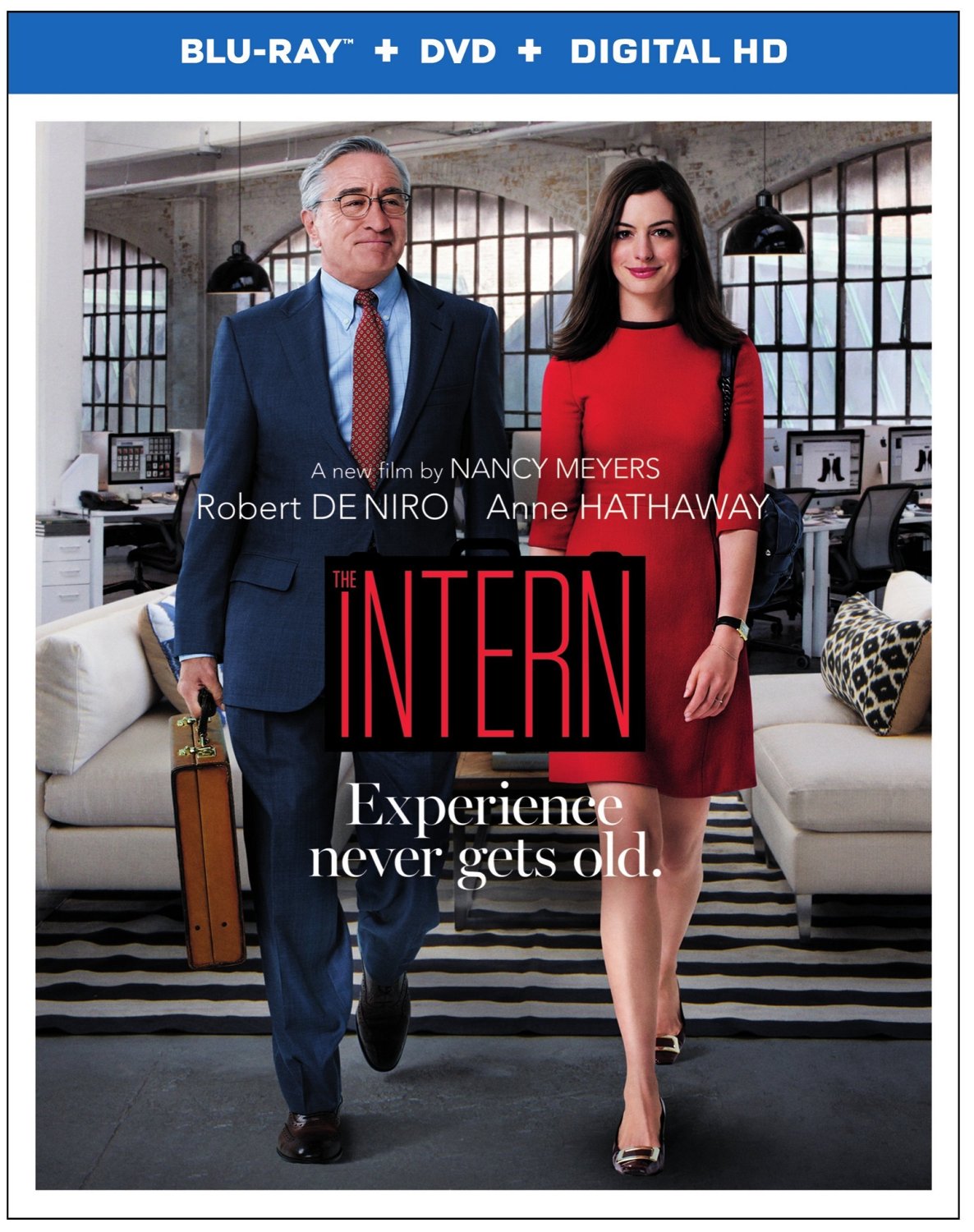
The Intern tackles a pretty important issue. Age gaps are the elephant in the room that no one wants to acknowledge. The issue is confusing to address, because a lot of people don’t even know what age group they belong to or don’t care. But the differences are very real, and they cause enormous alienation and division. Baby Boomers and Millennials are two examples which are represented here by Robert De Niro and Anne Hathaway, who has a daughter starting the first grade, so another age group is represented. To be clearer, Baby Boomers are born between 1946 to 1964, Generation X 1965 to 1980, Generation Y/Millennial 1981 to 2000 and Generation Z/Boomlets after 2001.They are all categorized as having their own issues and identifying traits. You noticed I didn’t mention anyone over 70, and that’s because they don’t matter. In fact, Baby Boomers don’t matter. I don’t agree with that at all, but that is the tendency and thrust of modern culture. This is a complicated matter, so I’ll have to leave it there and move on to discussing this movie. The movie addresses this issue.

Jules (Hathaway) started an internet company that markets clothes, and after 18 months, it has become fantastically successful. Ben (De Niro) is a 70-year-old retired widower who wants to keep busy. He gets a job as an intern for Jules. His work ethic, competence, and experience become indispensable.

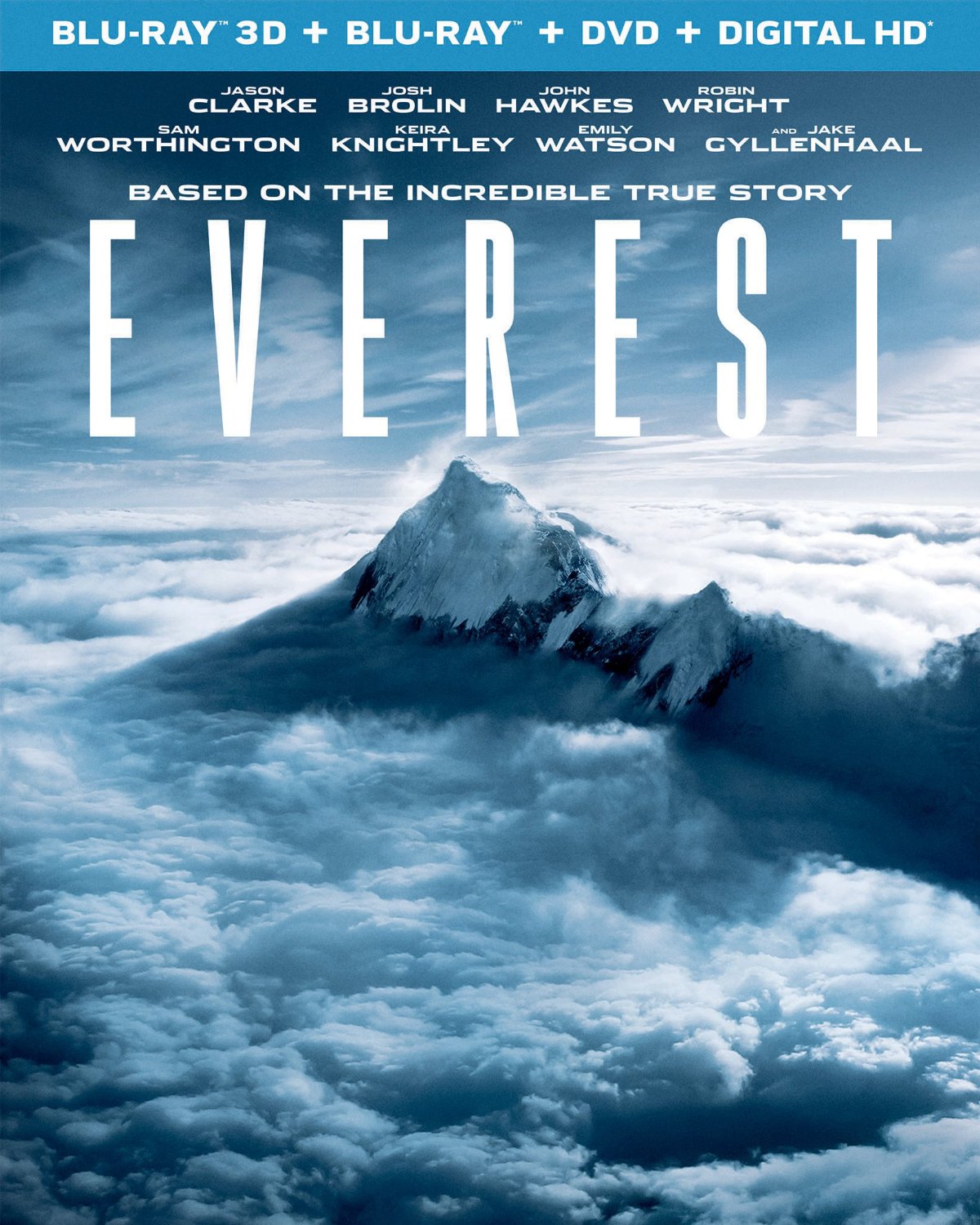
Everest is an existential film. It could be one of the most beautiful travelogues you've ever seen, but it is far more than that. Its beauty and majesty are perfectly enhanced by 3D, but the true significance has to do with the mysteries of the soul. What drives men to do things that they have no business doing? What makes them climb a mountain whose summit is at the height that 747 jets fly? The old answer that is always used is, “Because it's there”. Obviously, the reasons run much deeper. There is a void in many people that they can only fill by doing the impossible. They look for accomplishments and knowledge that will hopefully give life meaning. Everest is the true story based on the book by Jon Krakauer, Into Thin Air. Krakauer also wrote Into The Wild, which became the 2007 film of the same name about a lone young man who hiked endlessly through the wilderness until he died of starvation. In both cases, these journeys for elusive truths became deadly and tragic.

The film has a expansive cast worthy of such an epic tale, including Jake Gyllenhaal (Southpaw, Nightcrawler), Sam Worthington ( Avatar, Terminator Salvation, Clash of the Titans), Josh Brolin ( Men in Black 3, Sin City 2), Jason Clarke (Terminator Genisys, Dawn of the Planet of the Apes), John Hawkes ( he Sessions, Winter's Bone), Michael Kelly, Martin Henderson, Emily Watson, Keira Knightley, Robin Wright, and Tom Goodman-Hill (Mr. Selfridge, Humans). The director, Baltasar Kormakur, has changed his style considerably to suit the material. His last film with Denzel Washington and Mark Wahlburg, 2 Guns, was a Michael Bay-type, over-the-top action extravaganza. 2 Guns was ridiculous. Everest is a pristine visual masterpiece. He shows the events that occurred on the great mountain in 1996 with a documentary-like rigor as well as totally capturing the grandeur of the location. But the ultimate question remains. Why?

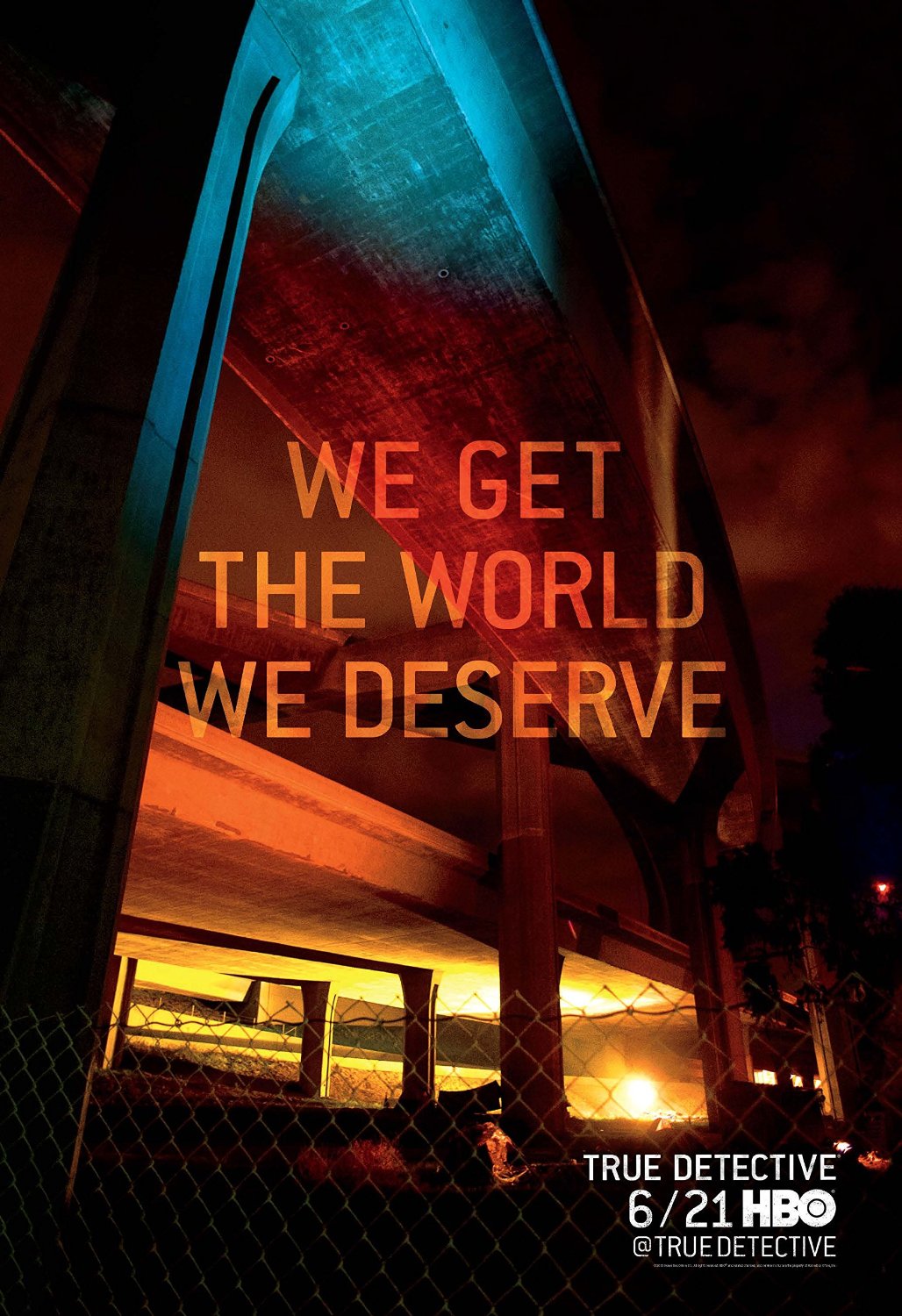
Popular opinion and so-called critical opinion often seem to careen off cliffs like lemmings in increasingly unpredictable ways guided by whims and subtle shifts in the proverbial winds. I find myself shocked by things praised and things condemned. Sometimes I feel like a little boy who sees a naked emperor while everyone else is shrieking how much they love the new elegant ensemble. In this case, I'm seeing a lovely presentation while there are many who are whining. Part of the problem is that Season 2 of True Detective is considerably distinct from Season 1. The nature of the series is that each season is a complete reboot with a new cast and location. American Horror Story also changes locations and characters but tends to recycle actors. True Detective made a determined attempt to change everything. The one thing it retained is the brooding, noir roots.

Vince Vaughn was fantastic, and that's not something I've said in a long time. He was a trim and towering figure (also something that couldn't be said for a long time). Vaughn's complex, sharp, troubled, and intimidating Frank Semyon was the edgy focus of the series. He was not the detective. There were not two this time, but three.

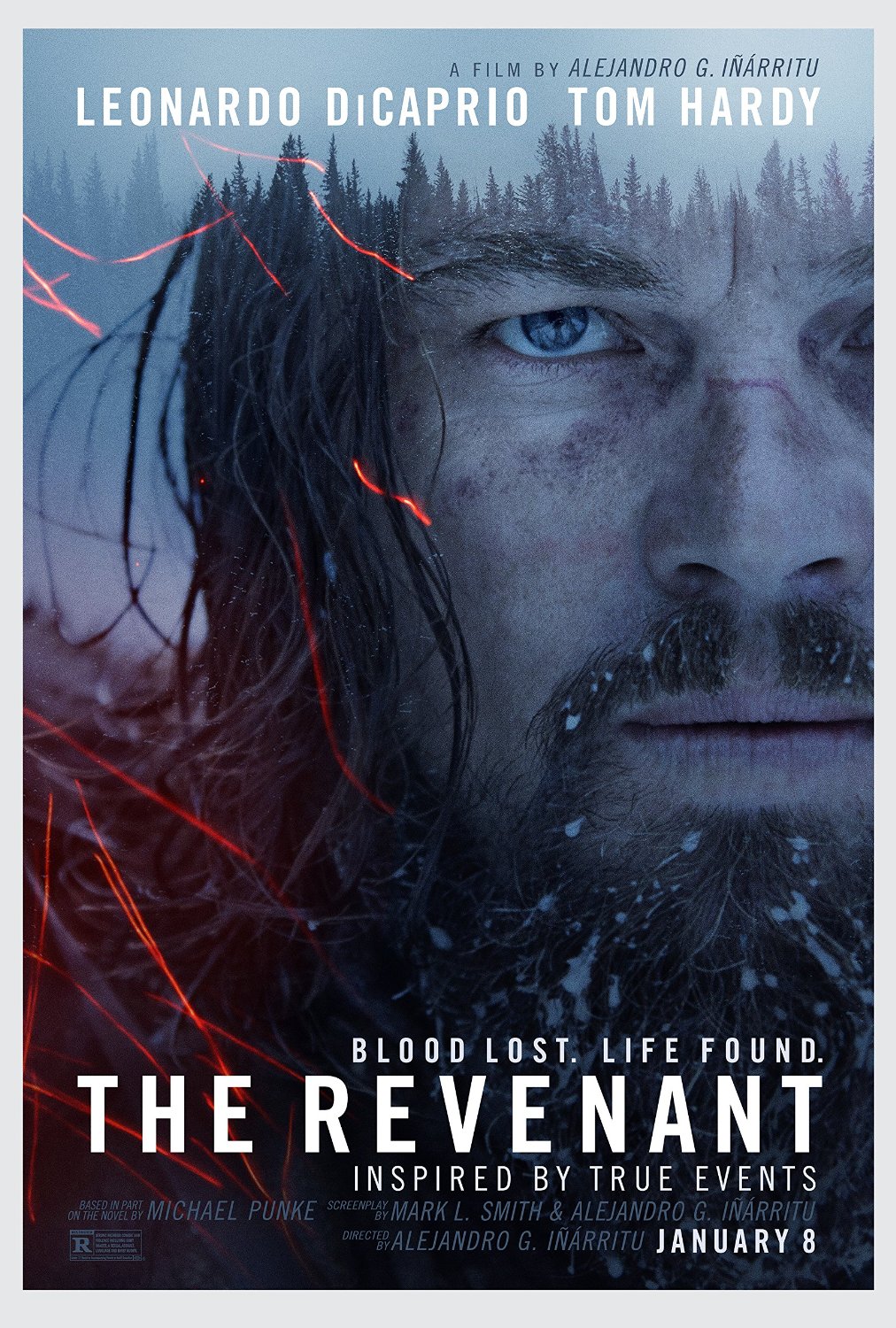
America was once a primitive expanse where only very small groups of hardy hopefuls ever tried to venture across. It was a vast and endless wilderness that was mostly a mystery. This was the land of roving Indian tribes and undiscovered species of animals. This was a land of all kinds of danger. Life was one long hunt and endless battle against every kind of predator and natural enemy. There are so many remarkable moments in The Revenant that I will start with the bear attack. It is an unbelievably harrowing event that cannot be described in words that will in any way convey what you see on the screen. That one sequence alone is worth the price of admission. The story is based on a true life pioneer and fur trapper, Hugh Glass, who Leonardo DiCaprio plays in the film. The bear attack that is central to the film is believed to have occurred to the real Hugh Glass. It is not just the bear attack that is brutal and shocking, but the ordeal of the entire film. It is unlikely that any film you have ever seen about early America has so completely depicted the relentless savagery of survival. The events that surround Glass are the stuff of legend in which various embellishments and conjectures were made over the years, muddying whatever truth might be found.

Director Alejandro González Iñárritu (Birdman) immersed himself in the story and fashioned his own version of events. This story is about endurance taken to the limits of the imagination. It should be noted that the film has become legendary itself with tales of abuse of the actors and crew. It is widely acknowledged that DiCaprio might have endured the greatest hardships personally and willingly, including sleeping in a dead bear carcass. The film is over two and a half hours of hardy men in the wilderness, which then focuses on Glass surviving alone with massive wounds and broken limbs. The film becomes a revenge film that outstrips the intensity of all previous revenge films. It probably takes that intensity to extremes that most people cannot even endure watching. This is aided by the amazing and singular cinematography of Iñárritu’s long-time collaborator, Emmanuel Lubezki. It is entirely possible that Lubezki will win his third straight Oscar following Birdman and Gravity. The depiction of every sequence which includes numerous battle scenes is unlike any other. It has a flowing handheld immediacy while rivaling the look of the most ravishing IMAX presentations. Many long, protracted fights are depicted in long orchestrated takes. The cinematography alone distinguishes the film, but that is only one element of the collaboration that Iñárritu achieved. It is widely believed that DiCaprio will finally get his Oscar for this. He deserves it. I don’t know how he is as a person. I hear he is something of a party boy, but when he works, he has few rivals in going to any lengths and enduring any hardships to achieve the ultimate. At times he shows almost too much range.

“Where sin abounded, grace abounded much more.” Romans 5:20

The quote above imparts a spiritual message which I will get back to. First, I want to talk about one of the stars of this movie, David Oyelowo (pronounced “oh-yeh-lo-wo”). Oyelowo is best known for playing Martin Luther King in the film Selma. Oyelowo had previously racked up an impressive number of supporting roles in high-profile films like Jack Reacher, Interstellar, The Butler, The Paperboy, Lincoln, Rise of the Planet of the Apes, The Help, A Raisin in the Sun, and A Most Violent Year. In a short amount of time he has demonstrated that he is one of the most skilled actors working today. He will get more and more starring roles in the future, and like many up-and-coming stars like Chiwetel Ejiofor, Saoirse Ronan, and Mia Wasikowska, he has a name that can be a challenge to pronounce. His co-star, Kate Mara (The Martian, The Fantastic Four), is also on a run of high-profile projects. She has a sister, Rooney, who is also a fast-rising star (nominated for this year’s Golden Globes for Carol). I mention this because the caliber of actor is usually a good sign of the quality of the project. There is another factor here. This film is technically what is considered a faith-based project, and many of those types of films are not highly regarded because they are almost looked upon as propaganda. Captive seems that it is a notch above the more predictable fare in that genre. Captive tries to transcend the niche market of the genre and become something more real and substantive.

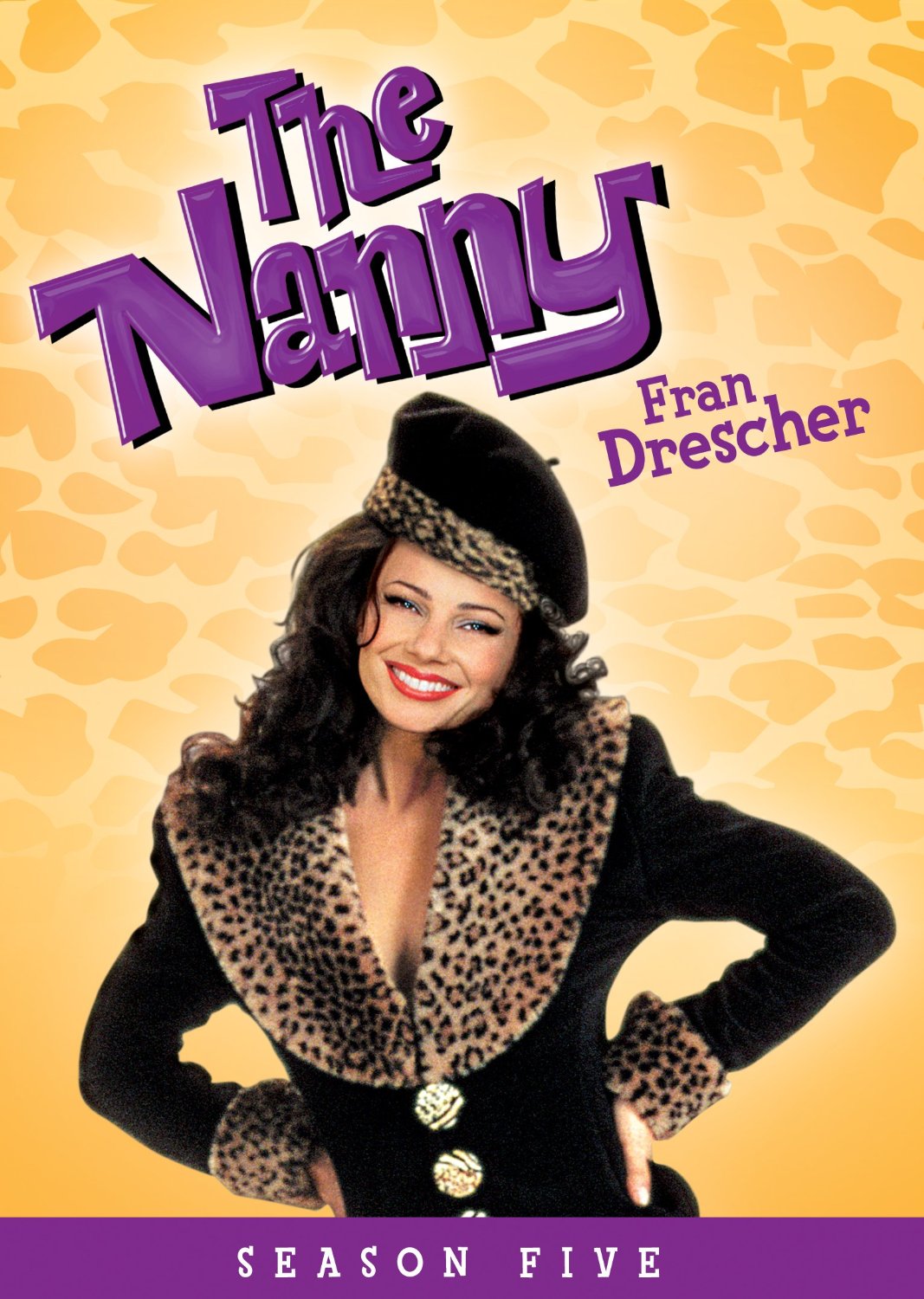
I previously reviewed season 4 of The Nanny, and now it’s time to review season 5. If you are interested in the overview on everything about The Nanny and season 4 in particular, then you will have to go back and look for that review. This all about season 5, which I might suggest is the climax of the 6-season series, for whatever that’s worth. The relationship between Fran Fine and Maxwell Sheffield had been on a slow burn for four seasons, but the time was coming for a reckoning. Will Fran’s persistence and patience pay off?  I don’t want to make this too dramatic, since The Nanny is probably one of the silliest sitcoms ever made, and that’s taking into consideration that there are hundreds and hundreds of silly sitcoms. But The Nanny also had a heart, hidden, frequently, under a garish exterior. When I say garish exterior, I am describing some of the most startling and colorful outfits ever worn this side of a circus. These outfits were frequently explosions of color. Fran Fine, or actress Fran Drescher, was always very attractive, despite crazy hairdos and a signature foghorn voice. The show was supposed to be about a clash of cultures, with Mr. Sheffield depicting the height of sophistication and Fran representing the brash lower class.

The whole thrust of the entire series was that Fran saw the opportunity to marry up into the upper class. As a nanny, Fran was a surrogate mother figure for Mr. Sheffield’s three children. At one point in season 5, we see the late Mrs. Sheffield (Bess Armstrong) come back to talk to Maxwell about his desire to marry again. She gives her approval, because she wants his happiness. When I say there was a heart to the show, Fran was always a well-intentioned person ultimately, and a positive influence on the children. When the time came to be honest and truthful, she ultimately always was. Like Lucille Ball before her, Fran could be ditzy and somewhat deceptive, but she always showed a good nature and positive character. I say that this season was climactic, and that should already be known to fans of the show. The whole point of this staggered DVD release is for those fans who are nostalgic for the show and want to add it to their collection.

Does anyone remember Full House? Of course you do. It was recently given a kind of reboot which is supposed to debut on Netflix in 2016. That’s pretty good for a show that debuted in 1987. It ended in 1995 with 192 episodes. That is a very successful run, and it launched the Olson twins as mega-moguls. The twins apparently no longer act, so they will not be in the reboot. I hear they are very, very rich ($300,000,000?). I also hear that Ashley might have Lyme disease, which is a long term ordeal and difficult to overcome. Apparently The Unauthorized Full House came about because Lifetime had success with The Unauthorized Saved by the Bell Story. I will say that I expected juicy dirt about the various cast members. It isn’t particularly juicy, but it is full of embarrassing details on just about everyone. It is also full of a fair amount of inaccuracies, some due to legal constraints (such as not being able to use sets, theme songs, catch phrases, etc.). It’s more of a behind-the-scenes look at the struggles of producing a network television show. There have been a few alleged scandals, but they did not make the cut of this somewhat friendly look at the show. The original cast included John Stamos, Lori Loughlin, Bob Saget, Dave Coulier, Jodie Sweetin, Candace Cameron, Mary-Kate and Ashley Olson. The actors portraying them are almost entirely unknown faces. The only cast member who I even remotely recognized was Peter Deluise, who plays Stamos’s father. Stamos goes to the pizzeria that his father owns looking for advice about his faltering career. That all changes when he gets the show. We get to see all the cast members as they fret about their futures, but once the show takes hold, we focus on some personal tragedies like both Saget and Coulier suffering the deaths of their sisters. The show’s creator, Jeff Franklin, is depicted as a somewhat stressed out killjoy, constantly having to watch that Saget won’t say bad words in front of the kids. The show’s run is dutifully handled year by year even going to the effort of hiring new actors for the child actors as they grow. I may be giving the impression that I don’t know why they bothered.

The entire effort seems so lackluster and generic that it might have seemed more in place if had been broadcast back in 1987 instead of 2015. Whatever chemistry the original cast may have had is certainly not translated into this version. As a tribute, it seems well-intentioned but substandard. I would say if you are a huge fan of the original series, you might want to see this. If you are a fan of television, in general, you might find some behind-the-scenes information somewhat useful. But if you have any interest in a quality program that stands on its own, it is completely and totally useless. It is boring, dull, and sleep-inducing. The original Full House was probably something of a retread of routine sitcom situations, so this movie is a retread of a retread.