Dolby Digital 5.1 (French)

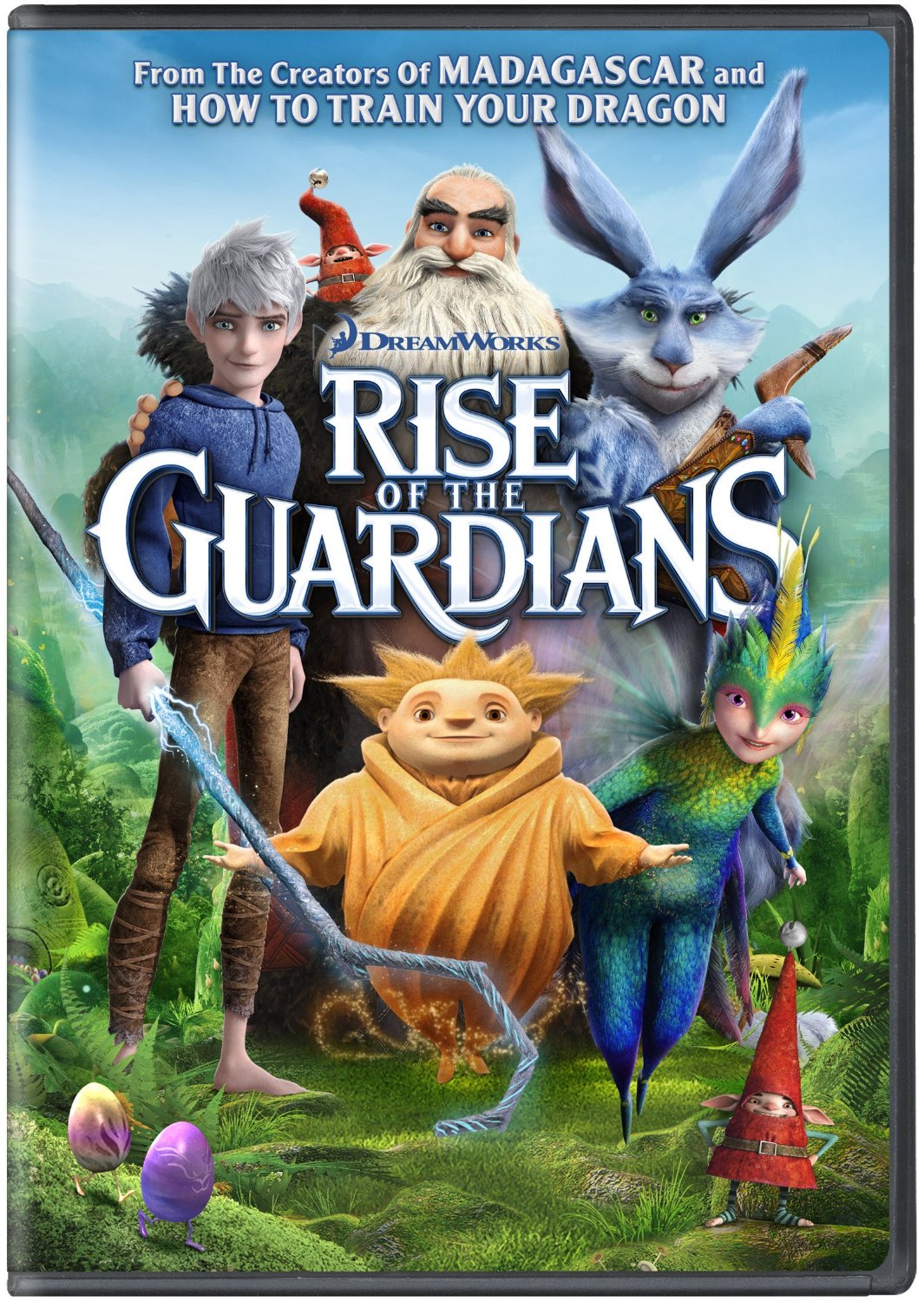
The boogeyman, who goes by the name Pitch Black, is gaining power by turning children's dreams into nightmares. An alliance of fantasy characters, North (Santa Claus), (the Easter) Bunny, Sandman, and Tooth (Fairy), come together to face this opponent. They call themselves Guardians who have sworn to protect all of the world's children. In this adventure they recruit a new member, Jack Frost, who is on his own personal quest of discovery.


Big budget CG animated films are largely excuses to have enormous chase scenes, or other similarly fast pace sequences, which amount to being the equivalent of a guitar solo for computer animators. This film is no exception. At least here the graphics are justified since that we are dealing with characters who are rooted completely in imagination and fantasy. If we want the Easter Bunny to have super-teleporting abilities and to live in a complex network of tunnels that is populated by various sizes of walking eggs...we can imagine it so. If we want to see the Tooth Fairy work out of a floating palace that is teeming with hummingbird style minions...why not make it happen? Every scene is an enormous spectacle. Our main villain and the Sandman both deal with...well..sand particles that each move in their own pattern on the screen...I can only imagine the animators losing their minds over having to choreograph all of them.

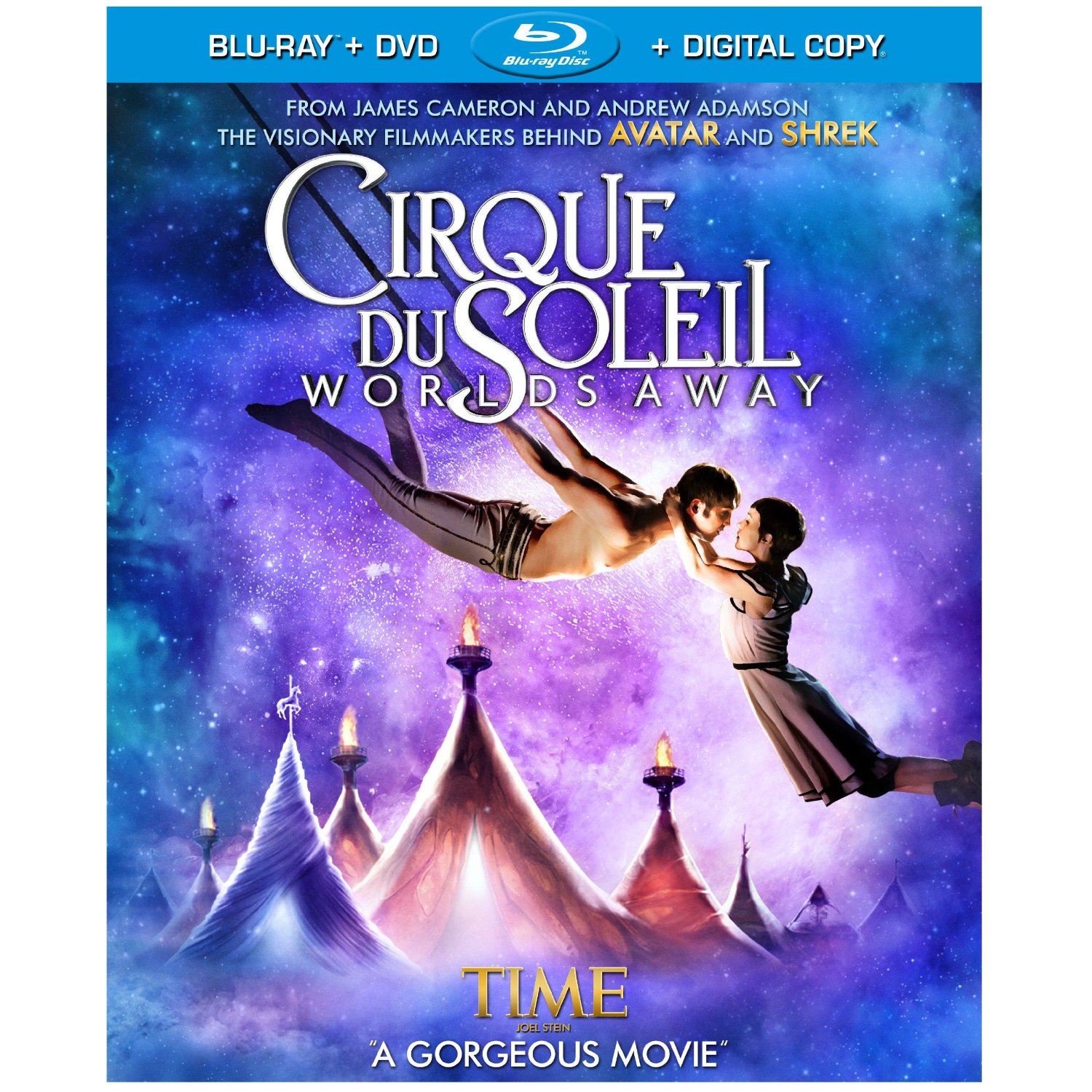
 Worlds Away is the tale of a young woman named Mia who happens across a debilitated circus, where she is enchanted by the performance of an Aerialist. Mid-performance, both she and the aerialist are sucked into a parallel universe that is littered with strange, seemingly supernatural circuses. Both are lead from performance to performance in an attempt to escape, or at least find each other.

Each performance we see is taken from a pre-existing Cirque Du Soleil show (most of which a part of their Las Vegas lineup). Only the portions featuring Mia and the aerialist traveling to, through and from them are unique to this film. The story is not new to the Cirque world as I have seen the story of someone brought into the magical/surreal world of amazing acrobats many a time before. The idea is to have the audience identify with that character and share in their awe of these uncanny performers.

I'm a Minnesota Vikings football fan. Yes, I accept the condolences. However, I didn't say that to get sympathy, and I'm not yet in need of the services of the suicide hotline. With two games to go, I will keep the number on speed dial, just in case. A thousand years ago we had a star player who made the by now infamous statement that he plays when he wants to play. For a young athlete with an already troubled past, it didn't go over too well. But over the last decade or so Clint Eastwood appears to be in that same mindset. He acts when he wants to. He's only appeared in three films in the last ten years. The difference is that Clint has earned the right to be picky about when he works. He isn't taking a paycheck when he isn't working, and when others depend on him to hit it out of the park, he rarely misses the ball. Trouble With The Curve won't ever rival Eastwood's other roles for action, intensity, or even one-liners, but it's a solid performance in every way. For all of those Eastwood critics in the glory days who said he couldn't pull off a performance without the trappings of Dirty Harry or The Man With No Name, I suspect you're having a hearty meal eating those words after seeing Trouble With The Curve. It's perhaps his simplest role yet. It also happens to be a home run.

Gus (Eastwood) has been a scout for baseball's Atlanta Braves for 40 years. He's responsible for the team's greatest talents going back to Dusty Baker. Now he's in his 80's. New, younger blood has invaded the world of scouting, and they've brought along all of their latest computer toys to do the job. Gus won't adapt to that new technological world. He can tell a hitter's talent by the sound of the ball leaving the bat or the sound of the batter's hands as he gets ready to swing. That's a good thing, because Gus is losing his eyesight. He trips over tables and chairs (enter your own RNC joke here) and isn't the safest person behind the wheel of his car. His old friend and head of scouting for the team is Pete (Goodman). He's still behind Gus, but the pressure is on. There are only three months left on Gus's contract, and the draft is approaching. Gus has one scouting trip to prove he's still got it, or he's going to be put out to pasture by owner Vince (Patrick).

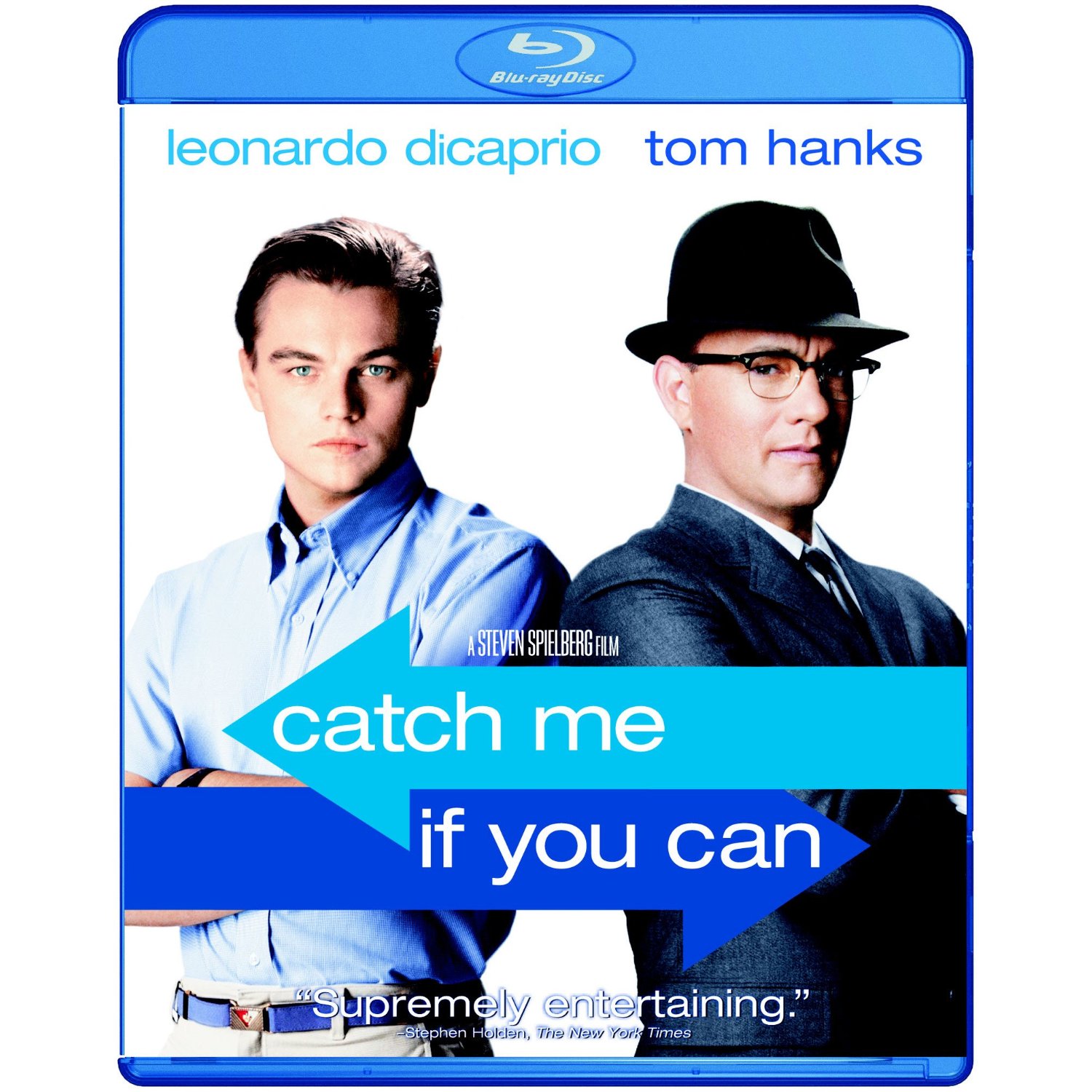
Before his 19th birthday, Frank Abagnale Jr. posed as a pilot, doctor, lawyer and secret service agent in an uncanny crime spree that saw him forging millions of dollars worth of fraudulent checks. This film chronicles the fantastic yet true adventure with large doses of fun injected into the 2 and a half hour long chase.

Abagnale committed these crimes in a time that was far more trusting than it is now (in fact, Abagnale would go on to use his skills to boost the security of the currency and checks he took advantage of before). Whenever Abagnale's crimes are described, his statistics are read like highlights from a sportstar rather than someone malevolent. We do not see any actual victims. Even his nemesis, Agent Carl Hanratty (portrayed by Tom Hanks), eventually gains a lifelong friendship after multiple years of pursuing (and frequently being humiliated by) Abagnale.

The first word that springs to my mind when considering this box set is “essential.” I try to use that word without all of the marketing baggage that comes with it, conjured up by countless previous DVD releases of other films that have claimed to be “essential.” This set lives up to that term perfectly. Raiders of the Lost Ark alone is an incredibly important film (as my review below explains in a gushing fanboy-ish manner) and the entire series is a must have for any true fan of American cinema. This transfer to Blu Ray is a very successful one, making this the ultimate collection to purchase.

Raiders of the Lost Ark:

"This ain't a revival, it's an orphanage."

It's the 1970's and a speeding car screams down the dirt road of an orphanage. A duffel bag is tossed on the doorstep, and Moe, Larry and Curly have arrived. Ten years later we see the beginnings of the familiar routines in the teenage versions of The Three Stooges. They are unadoptable and are causing the nuns who run the joint a ton of headaches. Moe gets a chance to be adopted but loses it when he asks that the other two be taken as well. It turns out to be the perfect opportunity for Teddy.

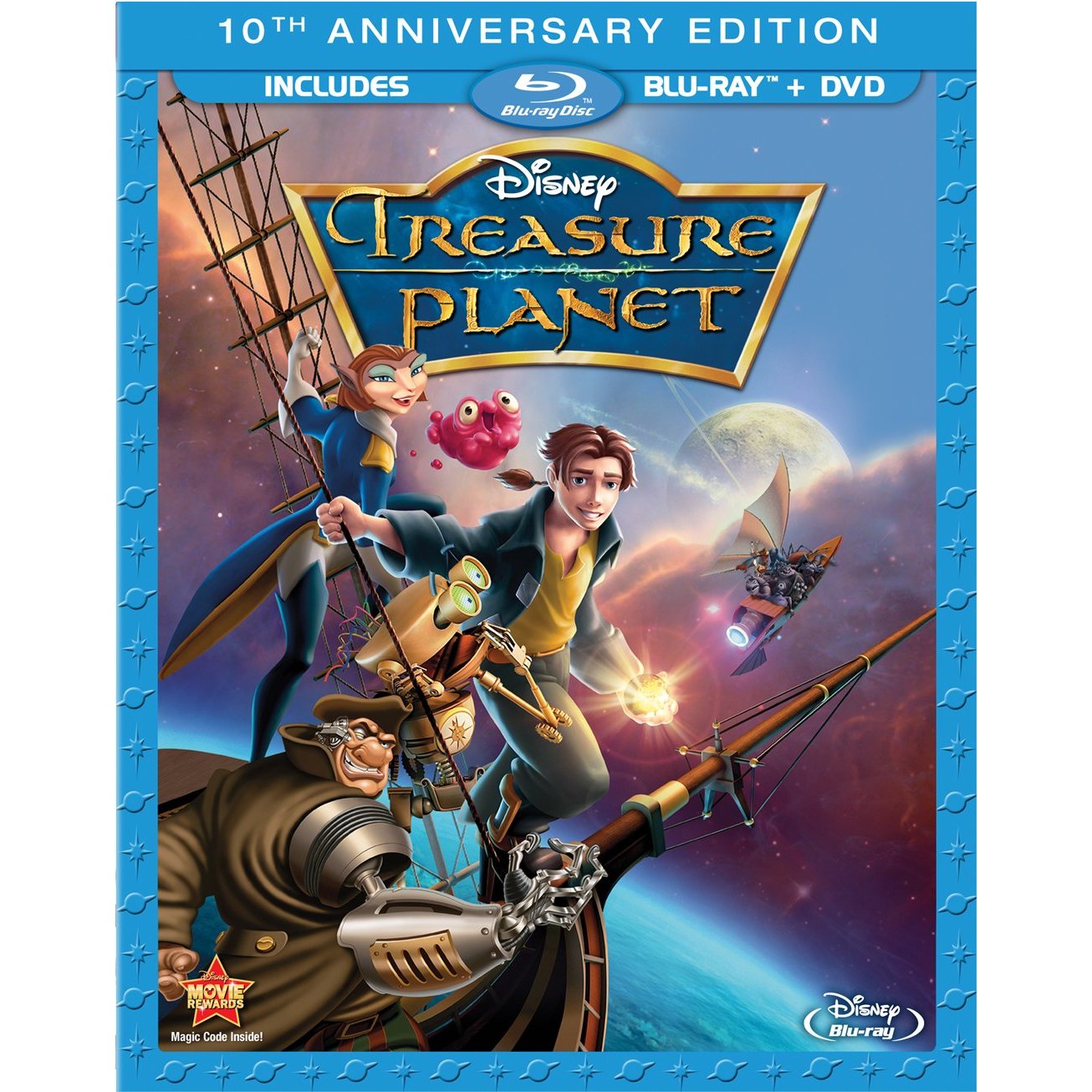
"On the clearest of nights when the winds of the Etherium were calm and peaceful, the great merchant ships with their cargos of Arturian Solar Crystals felt safe and secure. Little did they suspect that they were being pursued by pirates."

Everybody loves a pirate story, and Walt Disney Studios has made a good bit of money from that particular fact. The Pirates of the Caribbean ride and eventual Johnny Depp films have gone a long way to fill the booty chests of the studio to overflow. But, of course, Disney didn't invent the pirate sensation, and they were not the first to fully capitalize on their popularity. That honor might well fall to Robert Louis Stevenson and his 1883 novel Treasure Island. The book has been a favorite of daydreaming young boys and girls for well near 150 years. More than just a story of pirates and adventure, it's a story of self-discovery and coming of age. It's quite a timeless tale and has had several film versions over the years. In 2002 Walt Disney Animation took on the task and created an animated feature that used the material rather loosely and opted for a grand space adventure. The result was Treasure Planet.

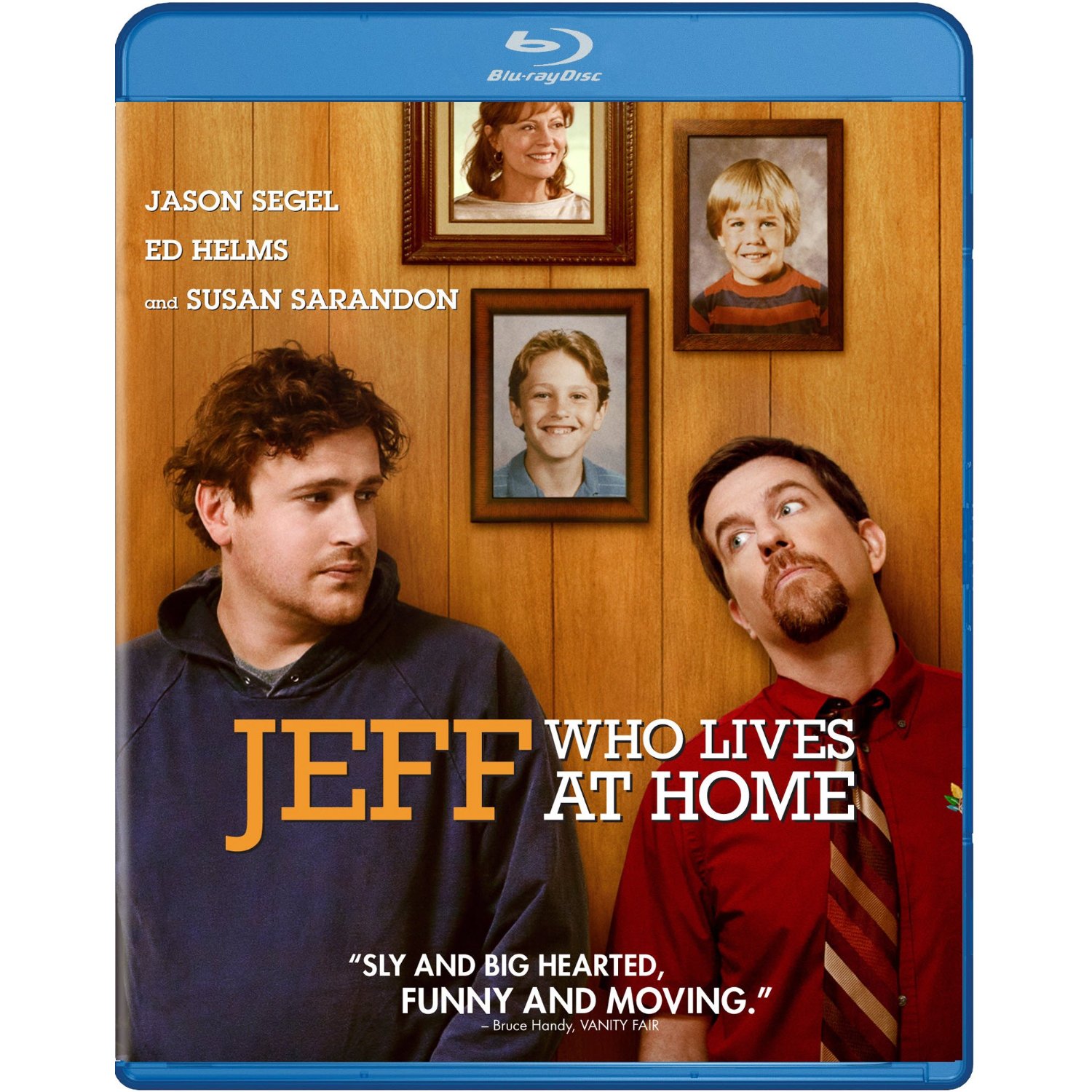
An aimless slacker named Jeff shambles out of his mother's basement (where he lives, hence the movie title), tasked with a chore, but is sidetracked by a theory that he is being given signs. What are these “signs” meant to mean? Not even Jeff knows as he runs into his brother and mother along his seemingly random path. The films asks, is said path truly random? Or is he finally on a journey to find true meaning in his life?

This film is essentially about people who are dissatisfied about their placement in life and are in need of something drastic to shake them out of it. Jeff, played by Jason Segal, seems to focused on fruitless theories and journeys to ever make something of himself. His brother, played by Ed Helms, suspects his wife of infidelity after she blows up at him over buying a new Porsche without consulting her. Their mother, played by Susan Sarandon, is a widow who has not had excitement in her life since her husband passed on. When an anonymous love note arrives, she takes the chance of discovery who her “admirer” is.

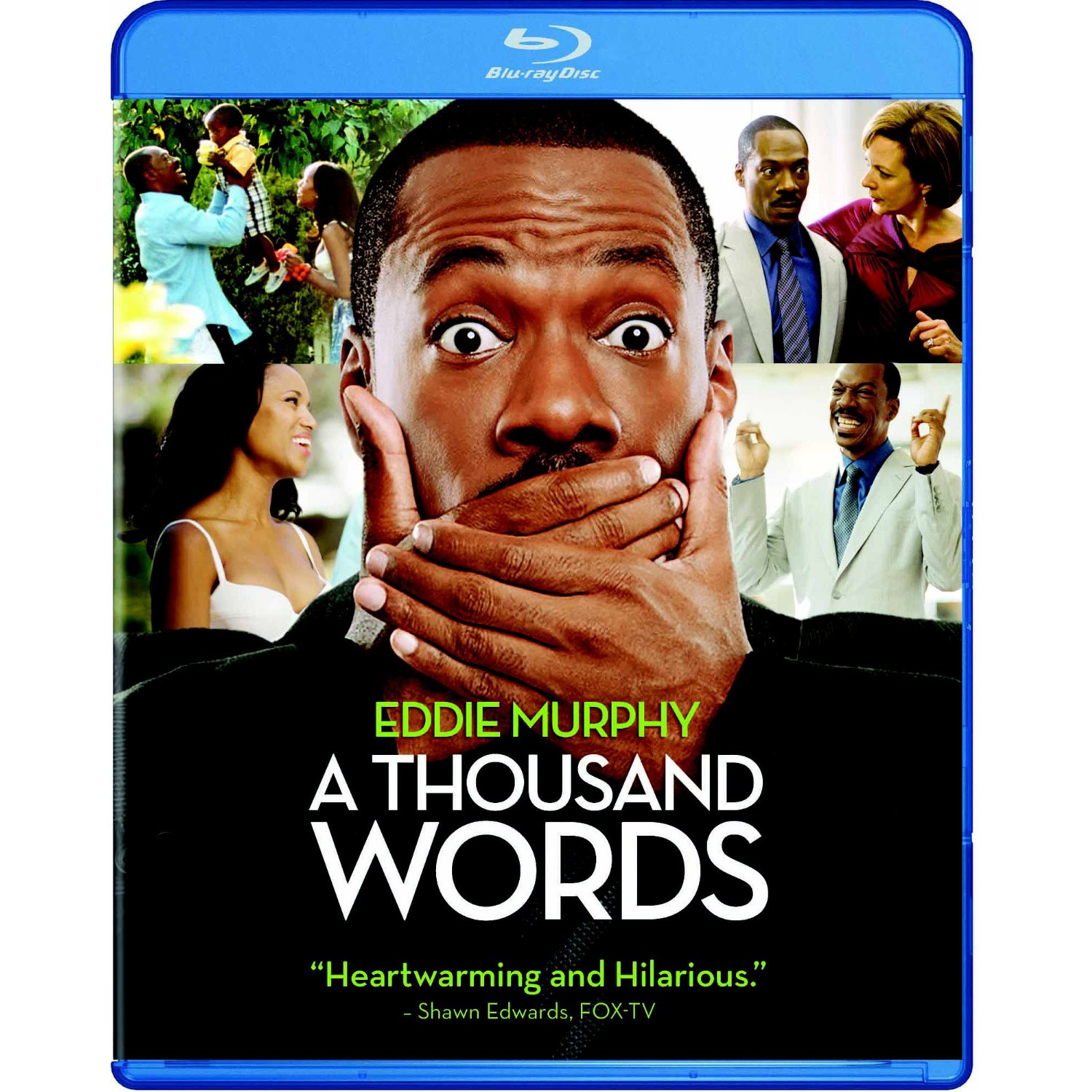
Take the supernatural comedy of Groundhog Day, merge it with the in-your-face ultra awkwardness of HBO's comedy Extras, then shave away all that stuff I said about “comedy” and you have this film. Oh yes, this film follows the formula of a Comedy, but has none of the fun implied in such a label.

Eddie Murphy plays a successful Book agent named Jack McCall, who makes his living by the way he can spin his words. There is a running gag that he represents authors and yet does not take the time to actually read books for he's too busy talking...but it's about as humorous and the sentence I wrote describing it just now. When McCall tries to reel in a religious guru to sign with his agency, he is soon cursed (or blessed, depending on whether you've guessed there's a happy ending by now or not) with a tree that holds a thousand leaves (mind you, this is not the actual amount but a random guess made at one point), which represent a thousand words McCall speaks. Each time he says a word, a leaf falls off of the tree. What happens to a tree after it loses it's leaves? To a Californian, it is dead...to me (as a Canadian) it simply means it is winter....but here I am trying to be funny when I've got a gosh darn Eddie Murphy film to talk about!

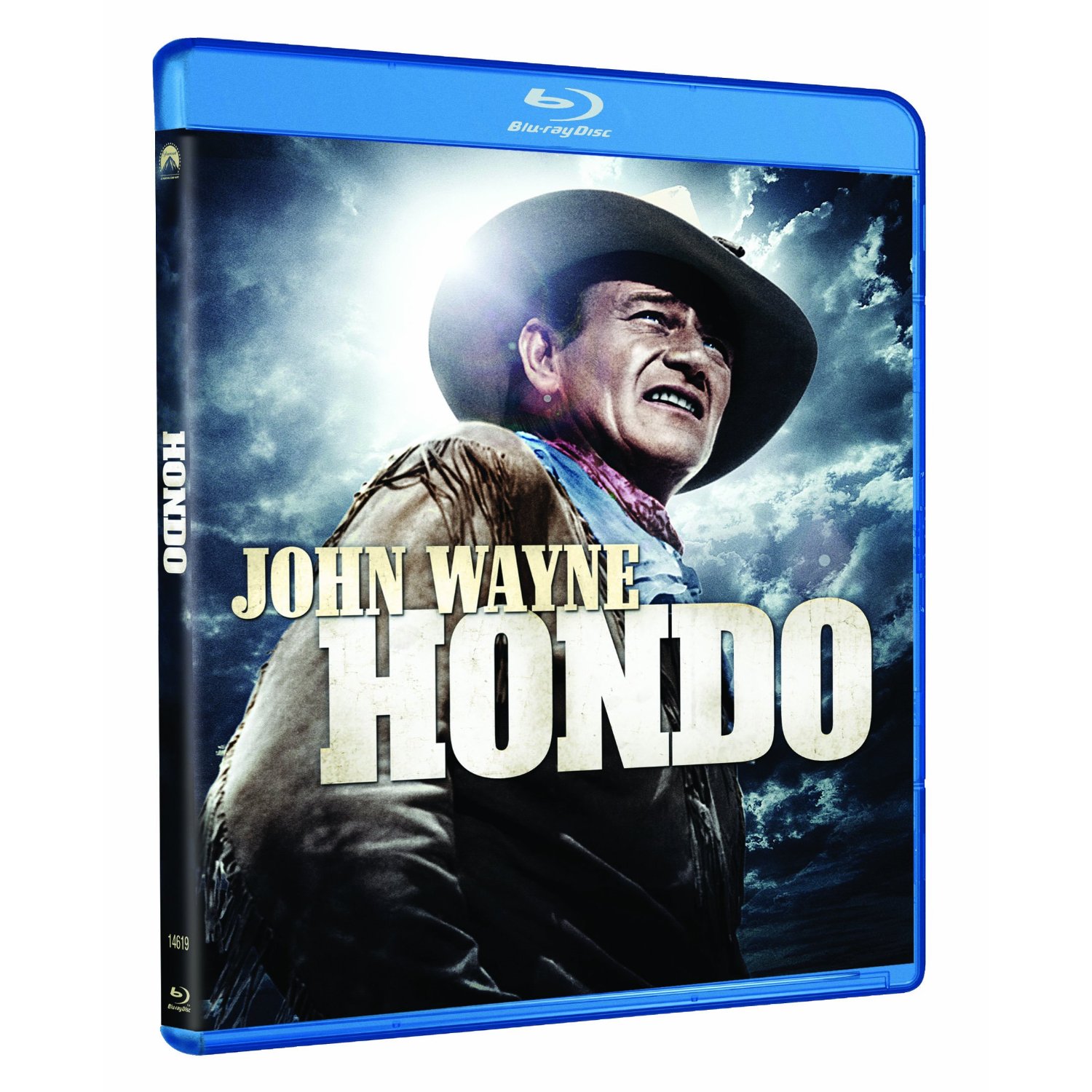
There are countless John Wayne Westerns in existence, but a hearty handful stand out above the rest. Hondo is a part of said handful. The story is a somewhat familiar one; that of a lone gunman seeking redemption by helping out a young woman fight off Indians...it just howls “John Wayne Western.” That being said, there are some standout performances and the portrayal of Native Americans is tad more progressive than what was within Westerns of the previous decade.

This film was created at the tail end of the first wave of 3D films, in the 1950s, and it only seems to be utilized during the opening credits and the climactic battle scene (mostly via arrows being shot almost towards the camera). 3D is a term that seems to imply a certain level of campiness, but Hondo avoids that pitfall by developing its characters and enriching the story with some (non-corny) twists and subplots that help move past the larger, cowboys vs. Indians story.