DTS HD 5.1 MA (English)

“One small fact: you are going to die. Despite every effort, no one lives forever.”

The Book Thief is narrated by Death, who opens the film with these sobering words. It is also set in Germany during the years leading up to World War II. On paper, the best-case scenario for this film appears to be “well-executed, watchable downer”, while the worst-case scenario is “do we really need *another* movie about WWII?!” But fans of Aussie author Markus Zusak’s 2005 best-seller know better. The Book Thief uses the silky specter of death to tell a beautifully affecting story that celebrates life.


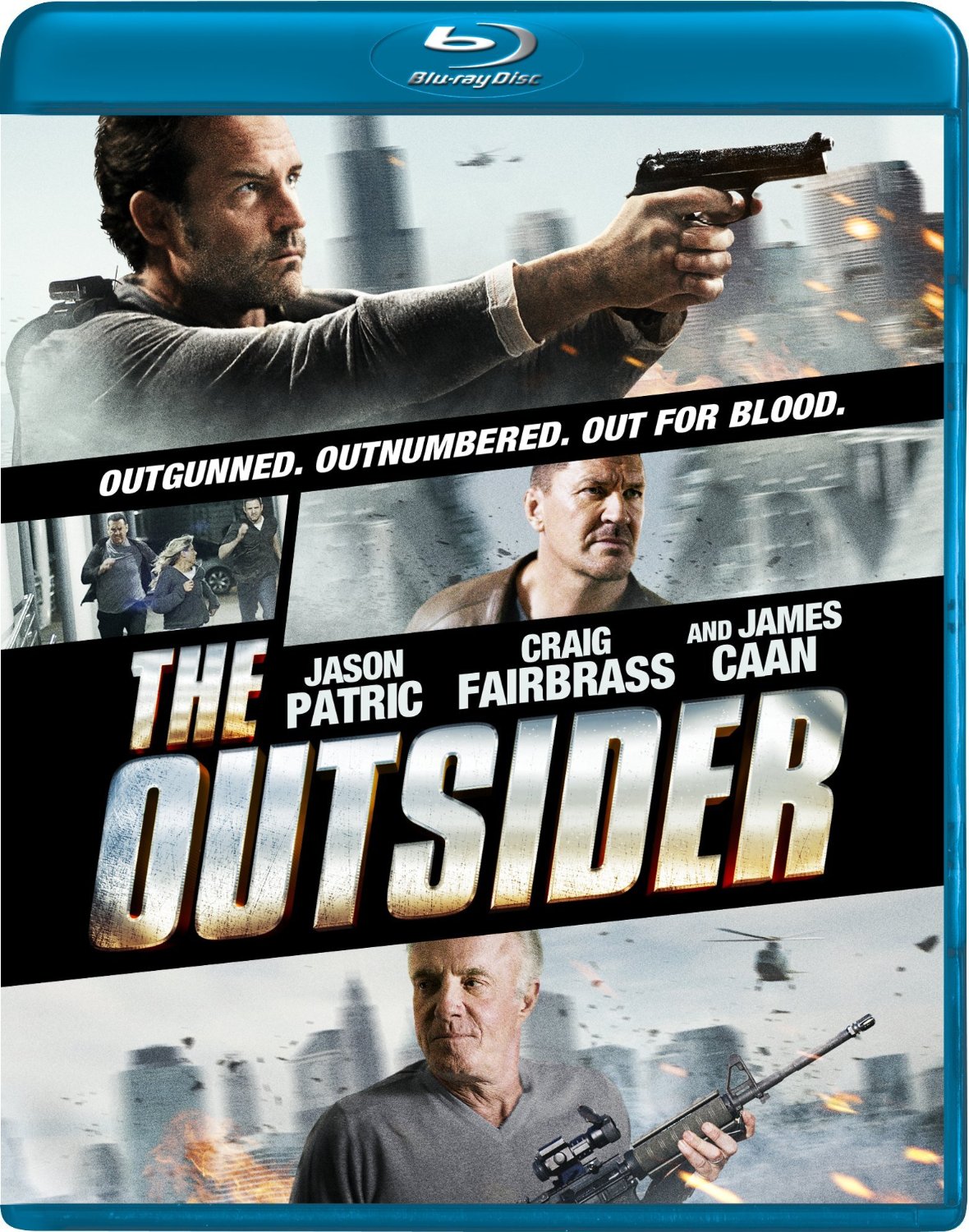
British badass Craig Fairbrass looks more like the henchman in an action movie than the hero. (To be fair, Fairbrass looks like the lead henchman who always gives the hero a little more trouble than you’d expect, but he looks like a henchman nonetheless.) The actor has worked steadily in England and Hollywood, including a role in Cliffhanger where he played one of John Lithgow’s (you guessed it) henchmen. With The Outsider, Fairbrass earns a story credit and the right to play the hero in this junky, bruising, low-budget cross between Taken and The Limey.

Gone With The Wind is the most popular film of all time still to this day if you talk about adjusted dollars. The Birth of a Nation was the most popular film of all time for a considerable time prior to that. Both films could be said to have a benign view of slavery and white supremacy, although it would be easy to use much stronger language than that. In most circles, both films have been considerably discredited due to this myopic view. Both films almost completely ignore or disregard the incredible cruelty of using human beings as a commodity for commerce.

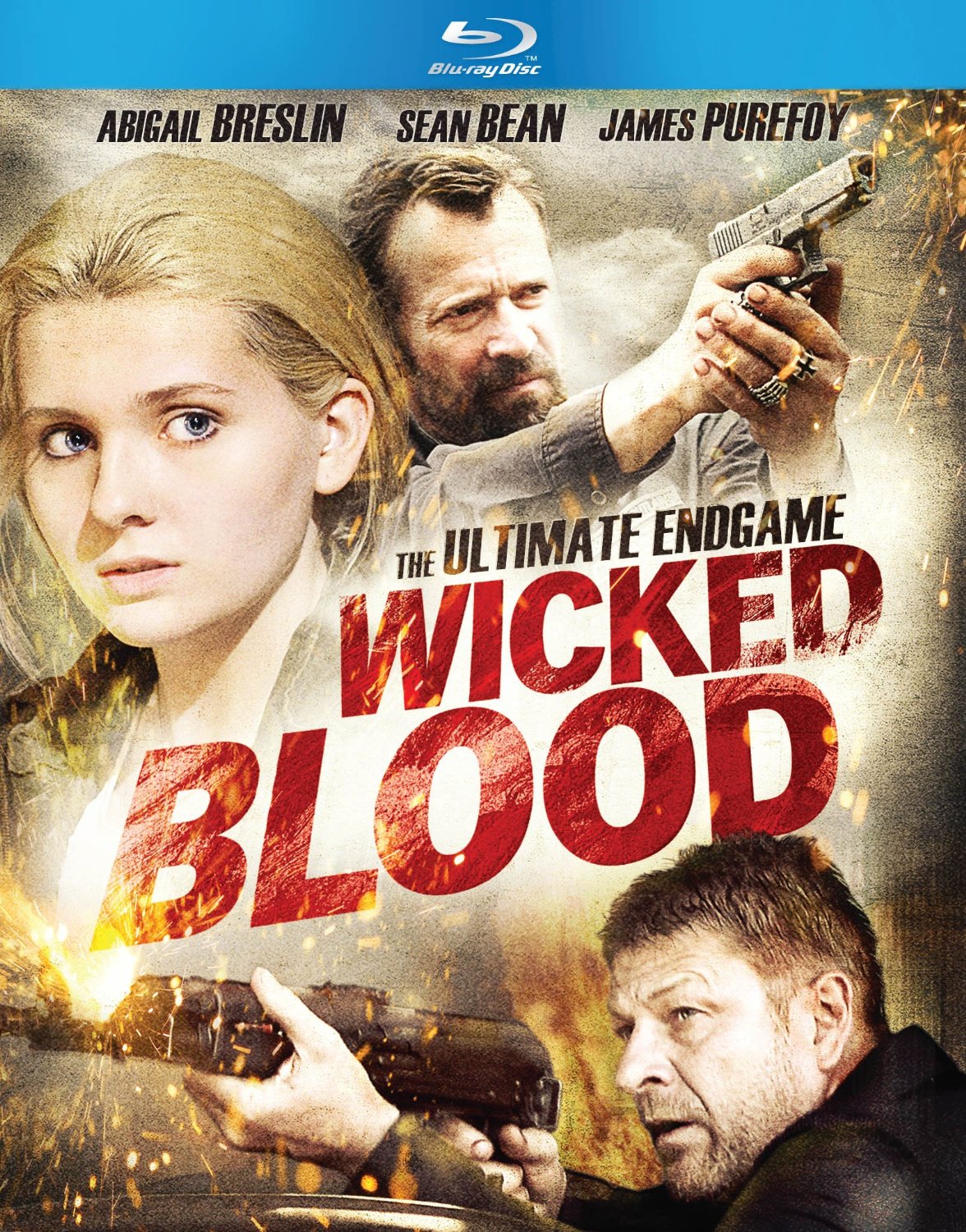
There’s a pretty good, southern gothic tale buried somewhere in Wicked Blood. Unfortunately, writer/director Mark Young isn’t quite able to extract it. Instead, we get a somewhat overqualified cast acting out Young’s down-and-dirty story of meth, chess and bikers that is exactly as messy, baffling and oddly intriguing as that description makes it sound. The film opens with a literal bang: we see the explosion of a shabby trailer. We don’t know who is inside, but we see a young girl stoically watching the flames from the outside.

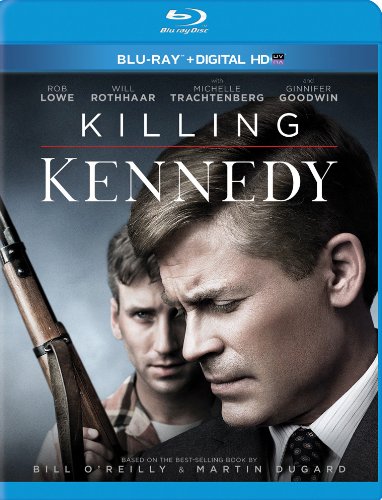
"His name is Oswald, Lee Harvey Oswald."

Before November 22, 1963, that name was an obscure one, known only to a few people in the intelligence community who had him under surveillance for his communist leanings. But by a little after noon on that date in Dallas, Lee Harvey Oswald was suddenly one of the most infamous names in American history. He would share the stage with the likes of John Wilkes Booth

“The Sistine Chapel. The masterpiece of a sculptor who did not want to paint.”

Remember when Michael Jordan quit basketball, tried his hand at baseball, and then returned to the NBA less than two years later? Well, imagine if Jordan had actually made it to the majors with the Chicago White Sox and put up a .375/50 HR/50 SB mark on his way to winning the American League Rookie of the Year/MVP awards, along with a World Series ring. The artistic equivalent of that was Michelangelo — one of the most significant figures of the Italian Renaissance, but a sculptor by trade — painting the frescoes on the ceiling of the Sistine Chapel.

"Let me tell you a story."

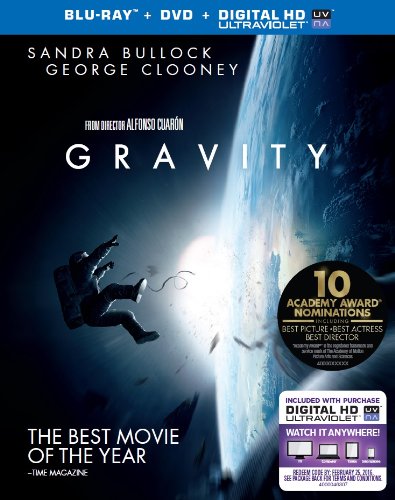
Remember the tagline in Alien? "In space no one can hear you scream." Gravity begins, appropriately enough, with complete silence. We're treated to a rather spectacular view of the Earth from orbit. Eventually chatter begins to intrude upon our revelry. We soon meet the crew of a space shuttle mission to do repair work on the Hubble telescope. We quickly learn that this is the final mission for retiring astronaut Matt Kowalski, played by George Clooney, although I certainly consider it a bad sign when he's told to enjoy his last walk.

"Don't mess with a man of God."

It has been said that an old vaudevillian was on his deathbed and was asked how he was doing. He replied, "Dying is easy. Comedy is hard". And no, it wasn't Shia LaBeof. The fact is that comedy is easy. Horror comedy is hard...very hard. One needs only to look at the lame attempts each year to make us laugh at the carnage. For every Shaun Of The Dead there are 100 Vampire In Brooklyn's Let's not even talk about the last Scream entry.

“If you think this has a happy ending, you haven’t been paying attention.”

Even if Game of Thrones had inexplicably wrapped its run after two stellar seasons, the HBO series would’ve gone down as a landmark in television history because of its unprecedented scale and audacious storytelling. But then fans wouldn’t have gotten season 3, an adaptation of (roughly) the first half of “A Storm of Swords”, the third novel in George R.R. Martin’s “A Song of Ice and Fire” series. “A Storm of Swords” is considered the “Empire Strikes Back” of Martin’s novels, which is a terrifying prospect considering the “Empire” in the world of Thrones has been “striking back” since the very first episode.

“…Super secret spies living next door. They look like us. They speak better English than we do. I mean, come on. Someone’s been reading too many spy novels.”

And now someone has expertly taken the cloak-and-dagger intrigue of a great spy novel, transplanted it onto our television screens, and called it The Americans. While the show is very clearly set during the Reagan era, its complex, multi-layered portrayal of the human beings on both sides of the Cold War makes it feel thrillingly alive today.