DTS HD 5.1 MA (English)

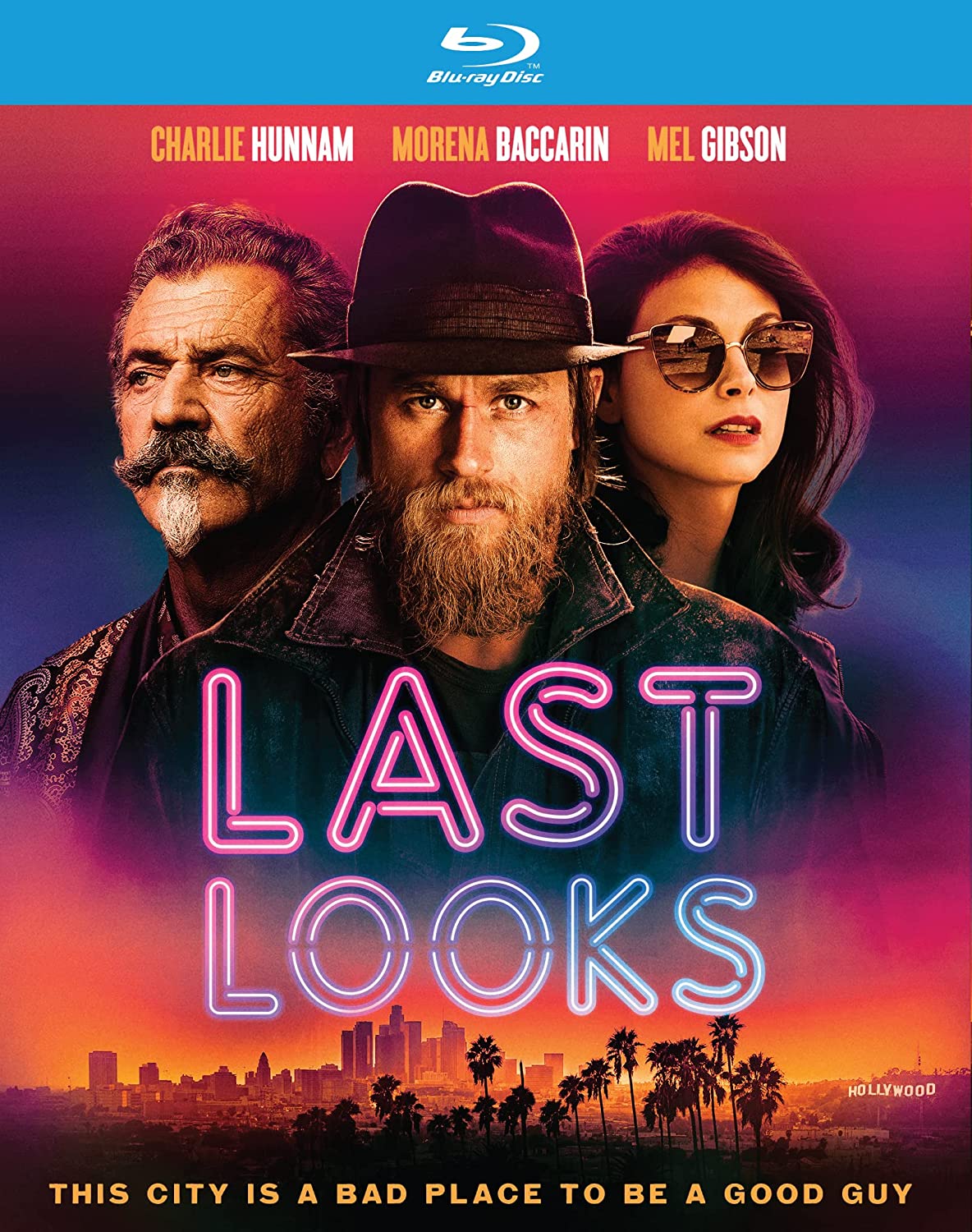
Most people want to do the right thing.  It's usually far easier in your private life to do the right thing than it is, say, in a job environment where you have people constantly breathing down your neck.  They are far more interested in the company's pocketbook or their image to society than what is right and wrong.  Therefore, it often leads to a lot of decisions (especially those in places of power) that from a surface appear questionable.  It's even worse when that company or organization is in the public eye every moment of the day.  Today, we look at a film where an ex-cop has retreated to the mountains in search of a simpler life away from the grey choices of the police force.  All based on trying to do the right thing.  Let's take a look.

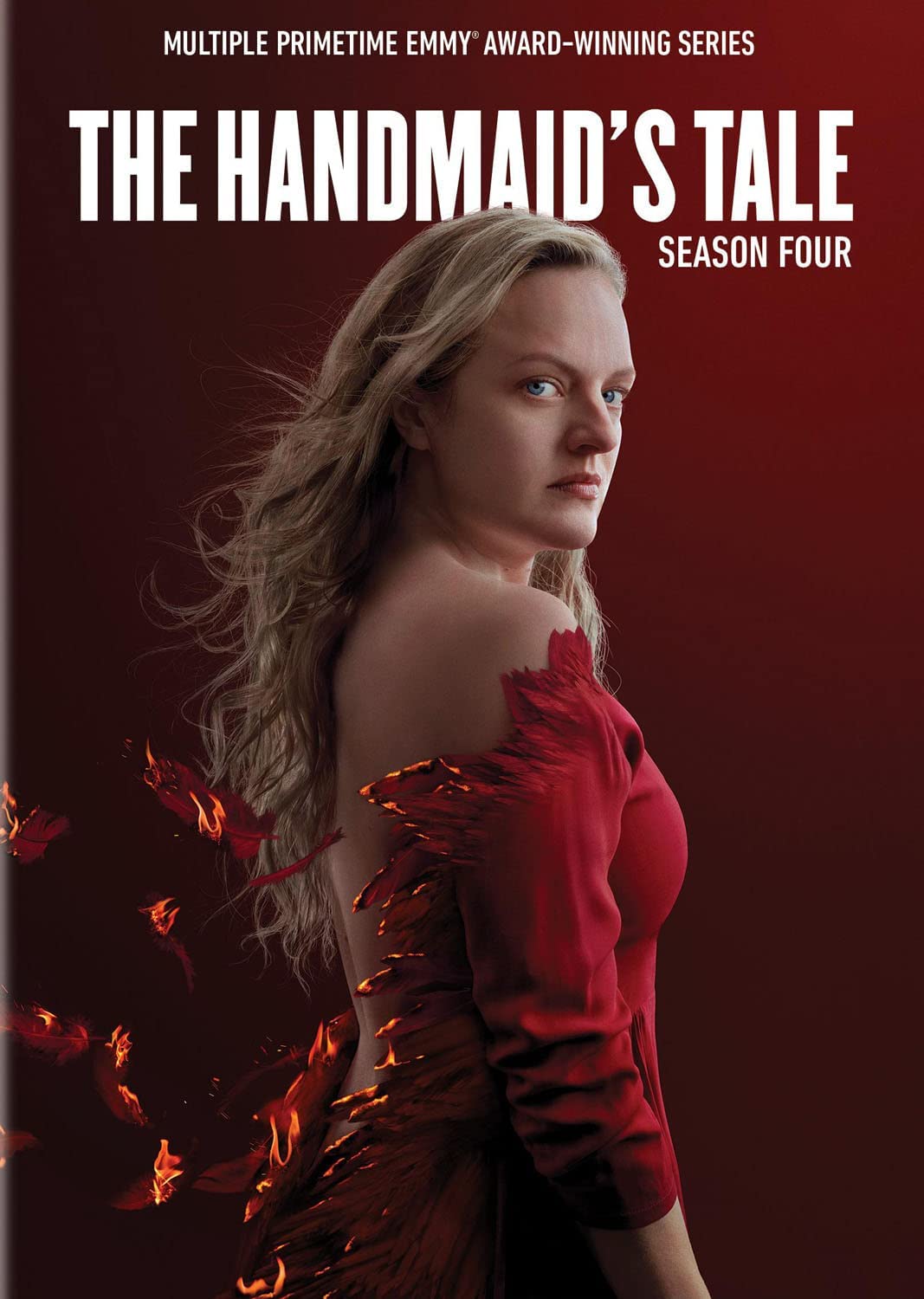
"I used to think of my body like an instrument for the accomplishment of my will. I could use it to run , pick things up, make things happen. There were limits, of course, but my body was nonetheless one with me. It obeyed my commands, mostly without complaint. Not anymore. Now there's tending to be done. I almost died when we first got here, they said sepsis. Pain makes your world very small. My world has been this room. Today I venture forth. My world can't be small. Not now. Because the others need me to protect them. Gilead is out there. Gilead isn't afraid. It does not hurt or sleep. It keeps coming forever and ever and ever..."

At least for another season. A lot has changed both within the world of The Handmaid's Tale and in our world of viewers.

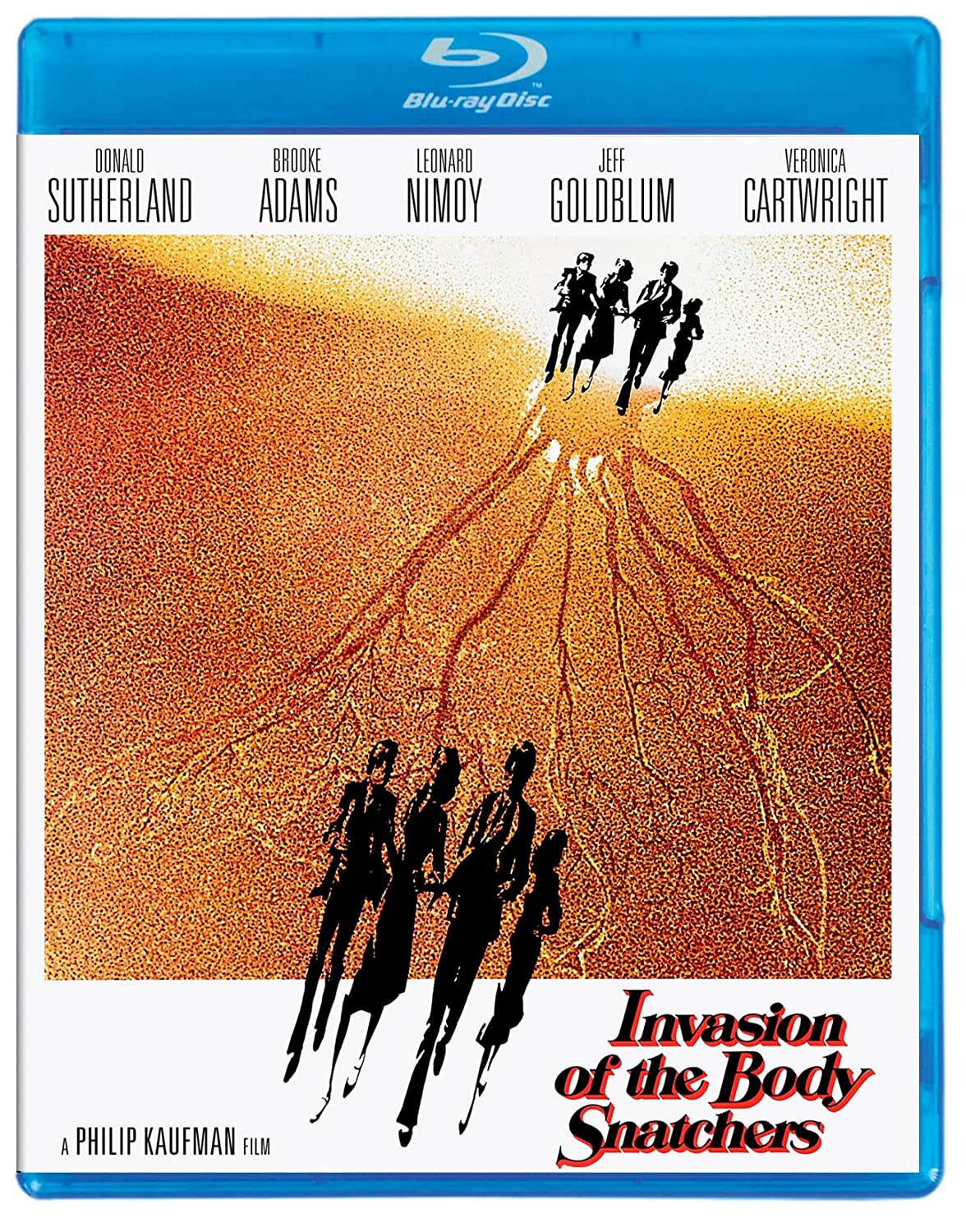
If I’m being honest, it’s been decades since I saw the 1956 Invasion of the Body Snatchers, and I’m not even sure I saw the whole thing, but I do remember the ending. It’s not that I feel it’s a bad film; I just have had no need to revisit it because I enjoy the 1978 version so much. The startling ending of this film is quite infamous. For those who haven’t seen it, I won’t spoil it for you, but it is a moment that has stuck with me since I first watched back in the old VHS days. Since the 1956 film has been out, there have been several takes on the material, and numerous bad knock-offs as well, but for me, the 1978 film with Donald Sutherland and Jeff Goldblum will always be the true classic in my eyes. Getting this title to review, it’s been ages since I’ve seen the film, so I was excited about revising this classic. I wasn’t sure it would hold up, but what surprised me most was simply how relevant the film remains with its themes of not conforming to the populace to even the paranoia about becoming a pod person in current terms infected with COVID.

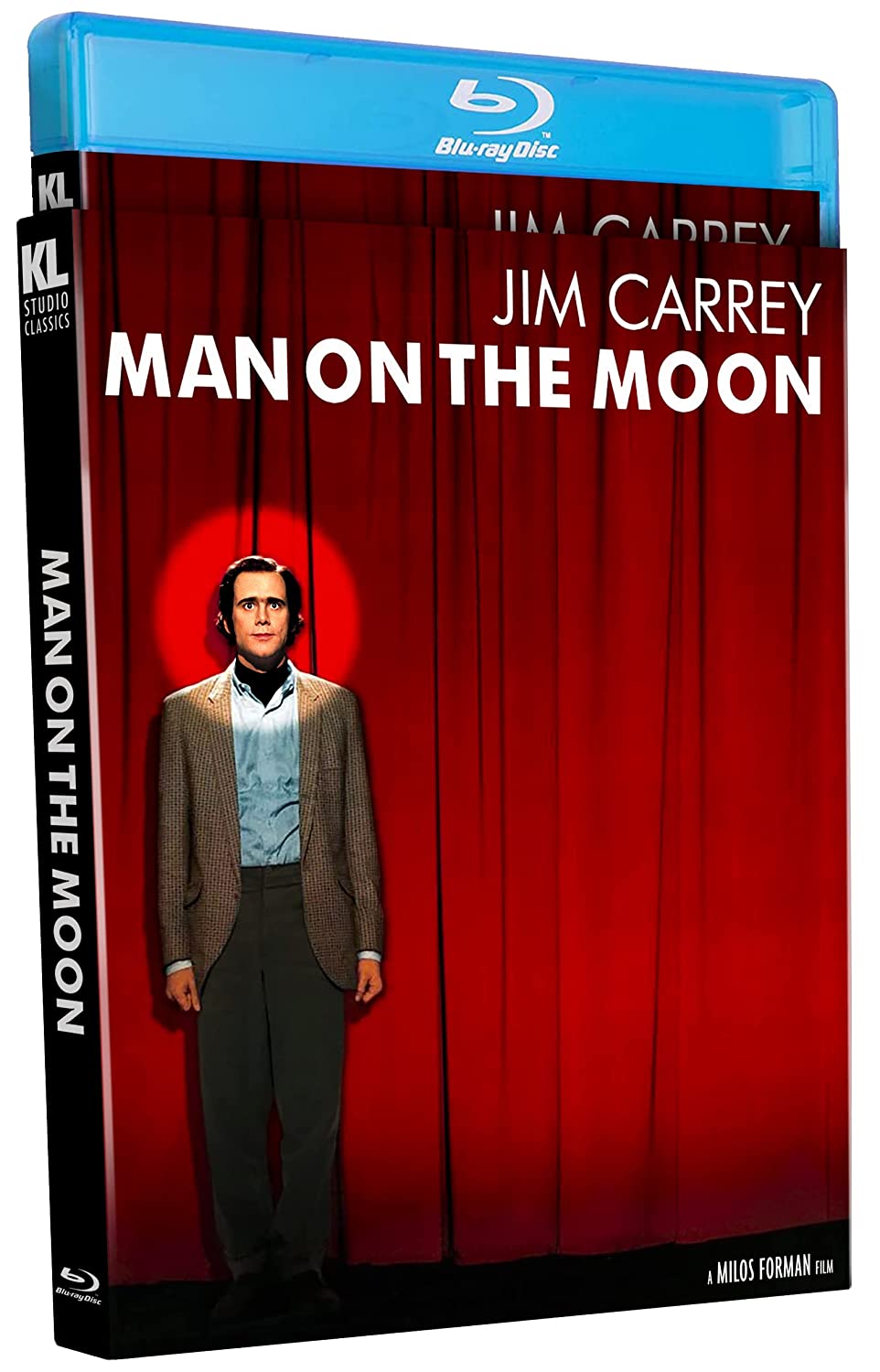
In 1999 when Man on the Moon was released, Jim Carrey was pretty much one of the biggest comedic stars in the industry, though at the time I don’t think audiences were prepared to see Carrey make such a departure despite it being a career best performance.  This was one of those box office failures that shouldn’t have been, but to be fair, 1999 is one of the most stacked years of great films, though how Carrey didn’t even get a nomination is baffling. So what are my thoughts after revisiting the Andy Kaufman bio-pic that was penned by Scott Alexander and Larry Karaszewski (Ed Wood and The People Vs. Larry Flynt) and directed by Milos Foreman (One Flew Over The Cuckoo’s Nest and Amadeus)? The opening scene pretty much sets the tone for the film you are about to see with Andy Kaufman (Jim Carrey) breaking the 4th wall to address the film the audience is about to see. He goes on to tell them that the movie is over, and the credits roll and eventually the screen goes to black.

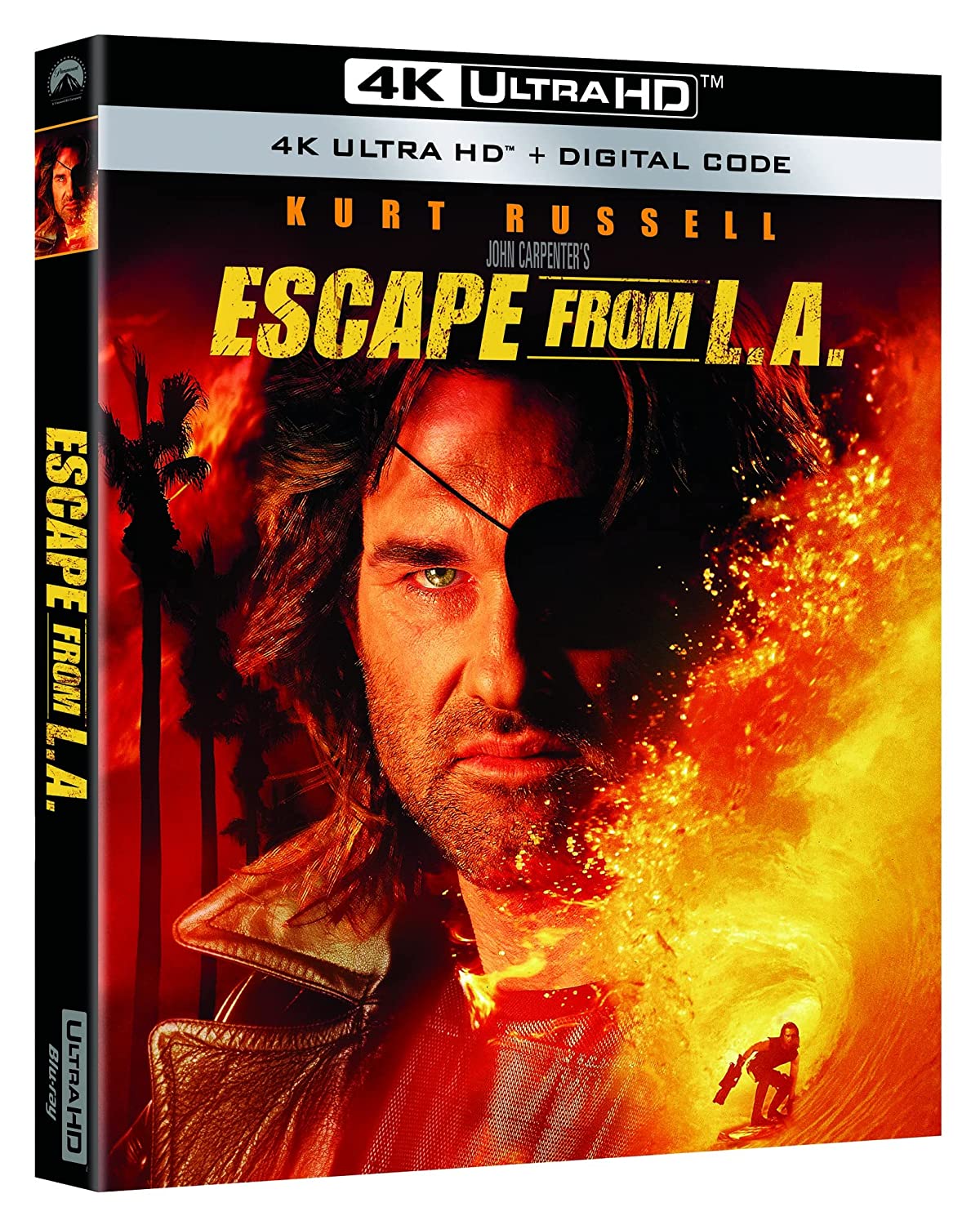
Despite my tender age, I didn’t see Escape from New York until I was in my early twenties. My parents never talked about it, my college friends didn’t seem to care, and the Internet wasn’t nearly as prevalent as it is now. But it has become my favorite movie of all time. What’s curious is that the sequel to the film, Escape from L.A., is what introduced me to Kurt Russell and the character of Snake Plissken (and became the foundation of everything I consider to be “cool”).  It holds a giant chunk of my movie heart, and I’m glad today to bring you this review of the UHD Blu-ray from Paramount. It is 1998, and hostile forces inside the United States are growing strong.  Los Angeles is ravaged by crime, and the US Police Force is formed to keep the peace. A political candidate (played by Cliff Robertson) emerges and predicts a millennium earthquake that will destroy Los Angeles in divine retribution. An earthquake measuring 9.6 on the Richter scale hits at 12:59pm on August 23rd in the year 2000.

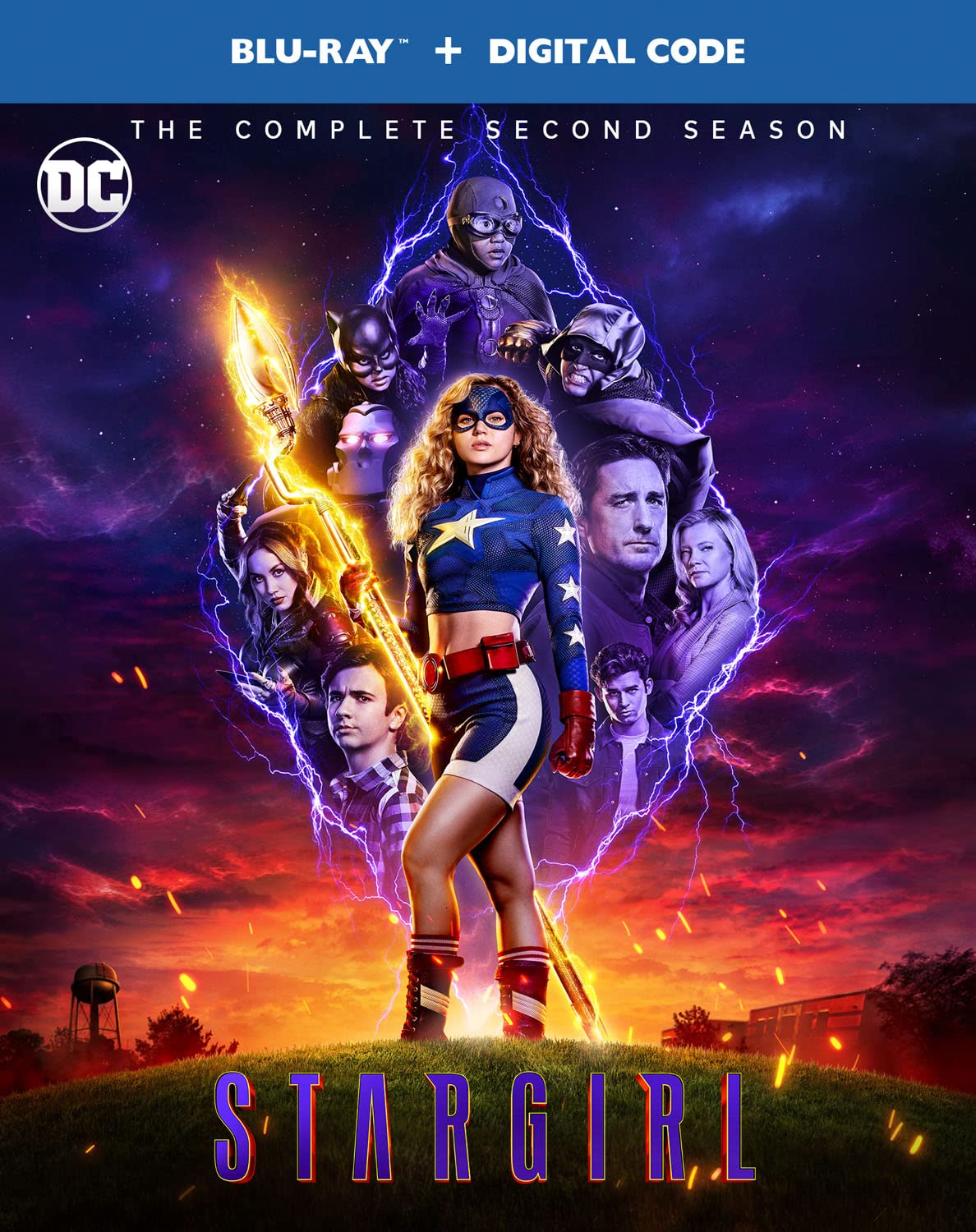
"There's a new superhero in town."

The original Starman was created by Gardner Fox and Jack Burnley back in 1941. Since that time there have been quite a few DC characters who have taken on the mantle of Starman. When DC executive and veteran comics writer/creator was asked to do a series on one of Starman's sidekicks, Pat Dugan and his eventual comic Stars And S.T.R.I.P.E., he was given a directive that he could not use the iconic S.T.R.I.P.E. armor, and that just would have made the series so much weaker. Instead he counter-pitched an idea from the same era of the comics. He pitched the idea of a new Stargirl who would be somewhat based and named after his daughter Courtney, who was tragically killed in a plane crash when she was just 18 years old.

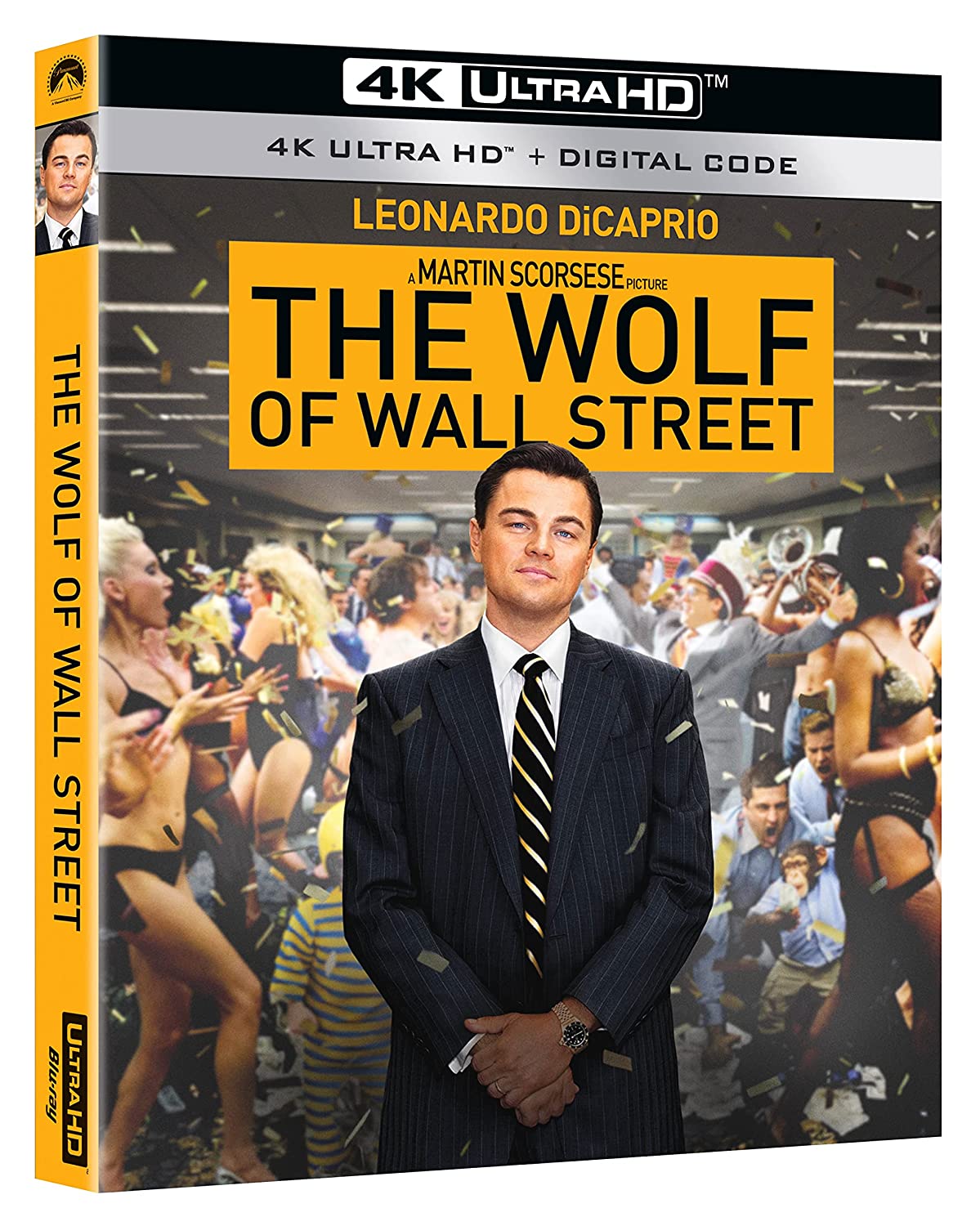
Besides the fact that it stars Leonardo DiCaprio and that it’s essentially a white collar gloss on Goodfellas, you’d be forgiven for thinking somebody other than Martin Scorsese directed The Wolf of Wall Street. I don’t mean to suggest Scorsese has lost his masterful touch or his passion for filmmaking, both of which were on display as recently as two years ago in the wonderful Hugo. It’s more that after spending the better part of the 21st century making strong, serious dramas, I didn’t necessarily expect Scorsese to make his funniest, loosest and most audacious picture in decades

I was disappointed when it was announced that James Wan wouldn’t be returning to helm the third Conjuring film, but when the reasoning was that he had a new original concept to direct, well, it still made me pretty happy. When it comes to the technical side of filmmaking, I feel James Wan is one of the most exciting directors currently working in the industry. What the guy pulls off is impressive mostly because he relies more heavily on in-camera trickery than depending on CGI. Sure, he did Aquaman and is about to do the sequel, but those films aside, he’s pretty much a master of the practical craft who I’d put up there with Hitchcock. So when I saw the trailers for Malignant, I’ll admit I was a bit excited, especially when Wan had said that this was a nod to the Giallo films of the past. But did he deliver?

Be honest; who hears the theme music when anyone even mentions The Addams Family? I know I do, and then I have to resist the urge to do the finger snaps. Just in time for the release of the animated version comes the double release of The Addams Family and its sequel, The Addams Family: Family Values, featuring Raul Julia and Angelica Huston as Gomez and Morticia Gomez, and let’s not forget Christopher Lloyd and Christina Ricci as Fester and Wednesday Gomez respectively. Based on the wildly popular cartoons that appeared in the New Yorker that went on to find success as television series, the The Addamses are a satirical inversion of the ideal 20th-century American family.

Over the past decade we’ve seen a resurgence in reboots, remakes, and anthologies, so it isn’t much of a surprise that the beloved horror anthology Creepshow would get the reboot treatment. To be fair, this is an extension from what the first films set out to be, though the big difference is that instead of just being a film with a few stories, it is now a TV series, each episode containing two tales to horrify and entertain.  When I first heard about the series I was cautiously optimistic. The first two films I consider classics, as do many other fans of the horror genre.  Then there was that third Creepshow that I feel we all just want to forget and pretend never really happened.