Documentary

“Did you consider yourself to be a New York City cop or a drug trafficker?”

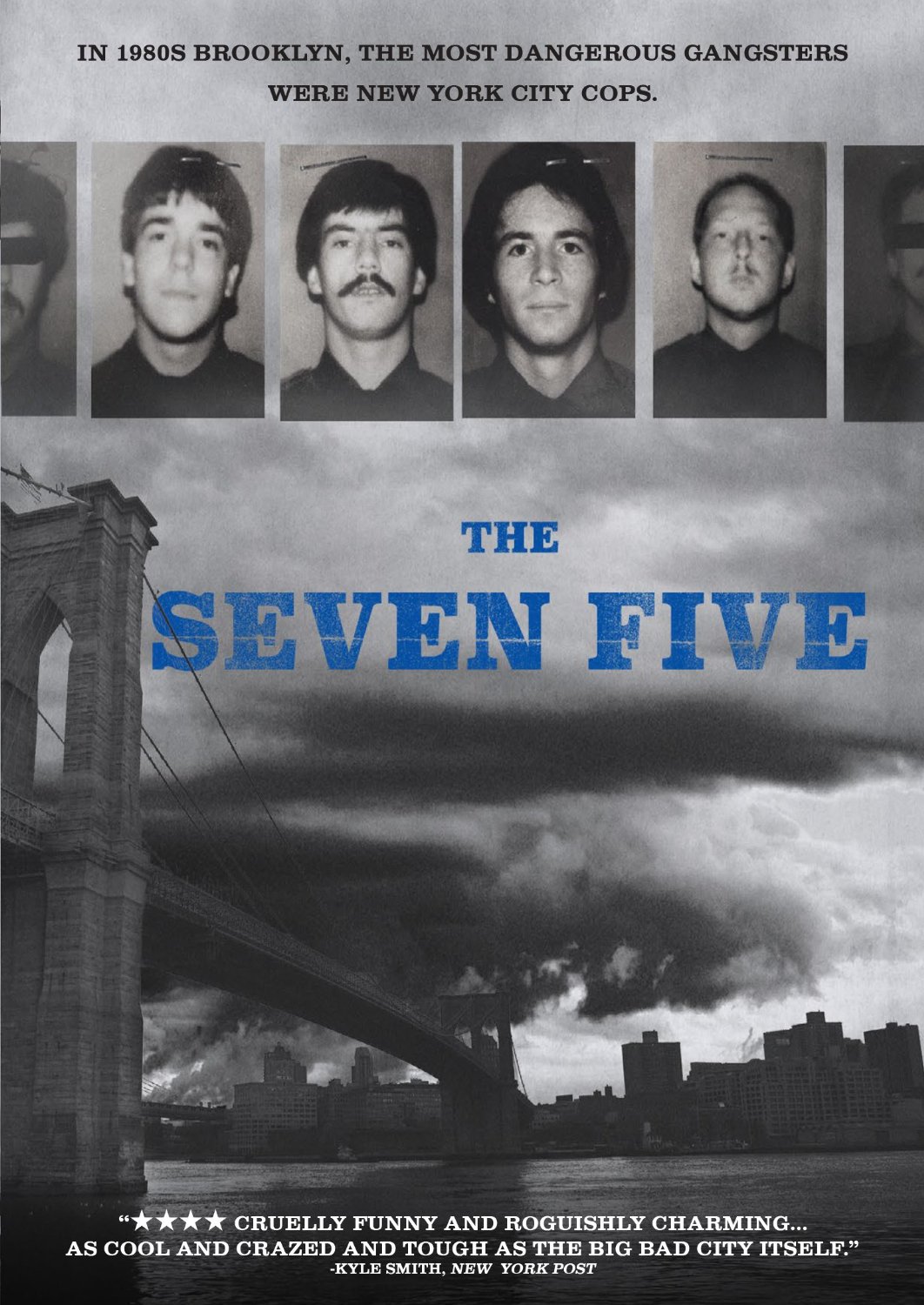
For the handful of police officers profiled in The Seven Five — a lively and incendiary documentary about a spectacularly corrupt Brooklyn precinct — the distinction between cop and crook was virtually nonexistent. (At best, it was negligible.) Their stories are told here in a breakneck pace that eventually becomes draining. But it’s only because director Tiller Russell was able to gain amazing access to the colorful characters who were actually there.

"The wilds of Sri Lanka, land of myth and legend where rocky pinnacles overlook cast tropical forests. And an abandoned city lies shrouded in the jungle. The kings who once reigned here are long gone. These days, there's a new dynasty in residence. But this one is governed by the law of the jungle."

From such a majestic intro told against a backdrop of beautiful vistas we find our tranquility broken by an invasion of primates rushing across the landscape to the voice of Micky Dolenz singing the theme song to the 1960's comedy classic The Monkees. Hey, Hey, it's Disney Nature's latest adventure into the life of a family of animals. Enter Monkey Kingdom.

In a relatively short amount of time, Moguldom Studios has built up a diverse stable of bite-size documentaries that focus on contemporary African American life. Some would say these independent “docutainment” films are limiting themselves to a niche audience, but I appreciate them for tackling well-worn topics from a different cultural perspective. When the Checks Stop Coming In is easily the best out of the recent trio of Moguldom offerings I’ve gotten a chance to review. The film understands that going broke is not a problem unique to the African American community, but is insightful enough to show some of the factors that uniquely affect that segment of the population.

When the Checks Stop Coming In focuses on black celebrities while conceding that plenty of rich famous white people (Gary Busey, Tori Spelling, The Osbournes) squander their fortunes. We get some quick clips and a rundown of athletes (Dennis Rodman, Warren Sapp, Allen Iverson) and entertainers (50 Cent, Lionel Ritchie, MC Hammer) whose financial troubles have been well documented. The doc spends a little extra time on a few of those more famous names, including soundbites from singer Toni Braxton (apparently the various people who tended to her were better compensated) former NBA star Antoine Walker (he advises active athletes to wait until they’re retired or not as busy to invest money), and Mike Tyson (if he ever shares the same space with Don King again, I don’t imagine it would end well for Don King).

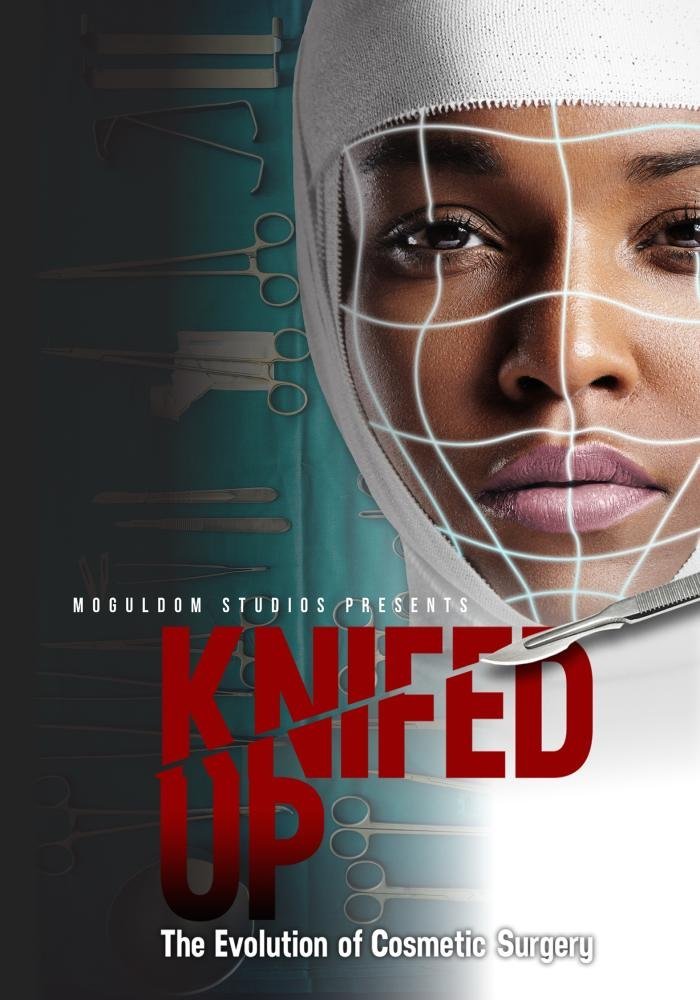
In a relatively short amount of time, Moguldom Studios has built up a diverse stable of bite-size documentaries that focus on contemporary African American life. Some would say these independent “docutainment” films are limiting themselves to a niche audience, but I appreciate them for tackling well-worn topics from a different cultural perspective. Knifed Up is one of two largely superficial plastic surgery docs released by the production company this week. The film’s subtitle is The Evolution of Cosmetic Surgery, so it operates from the premise that women have gone from wanting to look like Barbie to wanting to look like Nicki Minaj or a Kardashian.

Of course, what that really means is that physical features more closely associated with African American women — fuller hips, bigger busts/butts — have become more desirable in recent years. Knifed Up reveals that white people still account for 70 percent of plastic surgeries, but the number of black people opting to get cosmetic work is absolutely on the rise.

In a relatively short amount of time, Moguldom Studios has built up a diverse stable of bite-size documentaries that focus on contemporary African American life. Some would say these independent “docutainment” films are limiting themselves to a niche audience, but I appreciate them for tackling well-worn topics from a different cultural perspective. Bottoms Up: Rise of the Backside is one of two largely superficial plastic surgery docs released by the production company this week. The cheeky (ha!) title was my first clue that this wouldn’t be a totally serious examination of the subject.

“Ass opens doors…literally.”

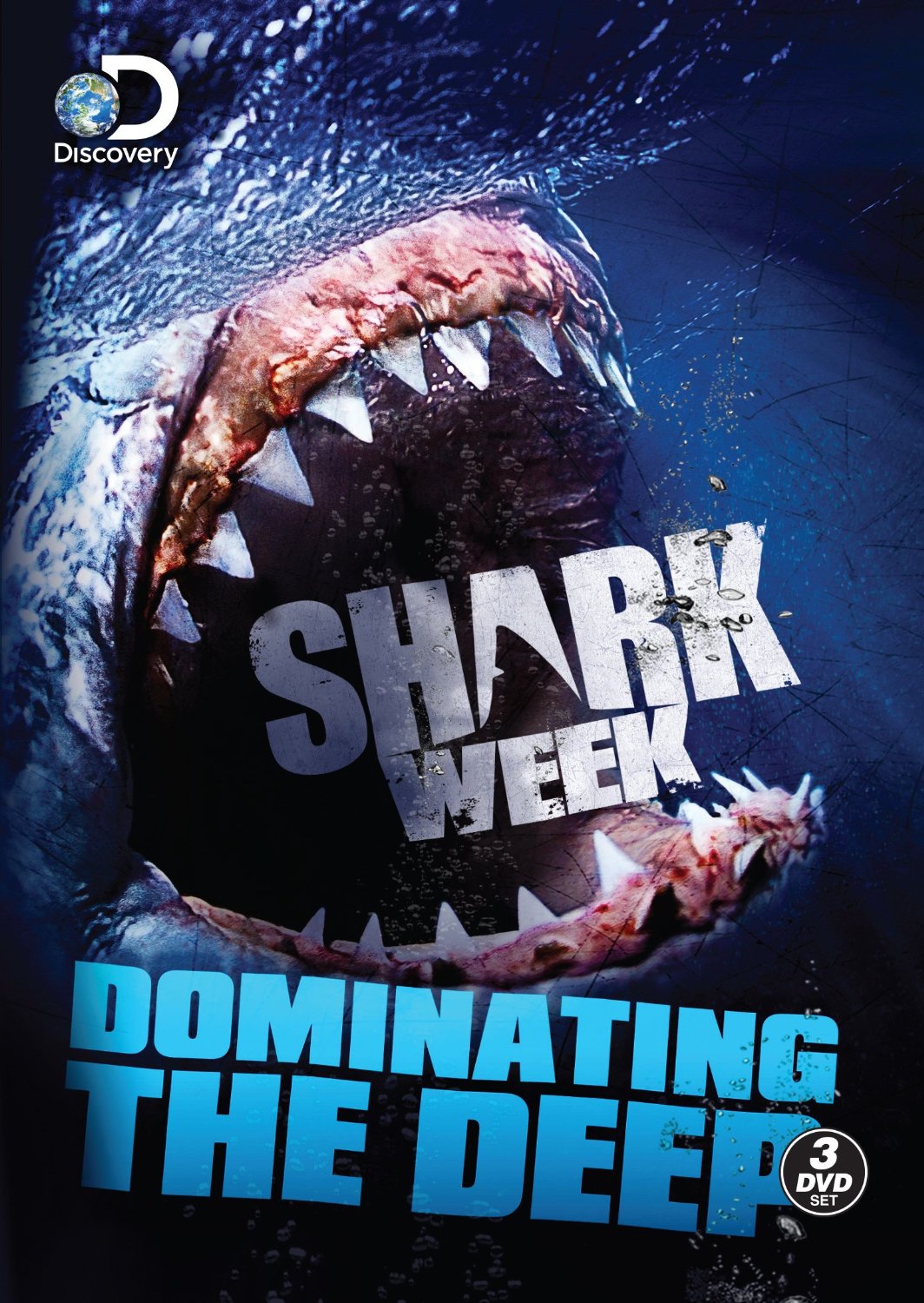
Discovery Channel’s annual Shark Week extravaganza is billed as “cable’s longest-running programming event.” The summertime ritual premiered in 1988, and its longevity is a testament to viewers’ enduring fascination with the majestic, sharp-toothed creatures. Of course, the flip side of that longevity is that coming up with new material each year is increasingly difficult. As a result, this new Dominating the Deep DVD set features some legitimately thrilling moments alongside a few too many episodes that rely on flimsy science, and myth-making sensationalism to entertain audiences.

Then again, what the heck do I know? Dominating the Deep includes Shark Week episodes from 2013, which kicked off with what was probably the most controversial piece of programming in the series’ history. Not surprisingly, “Megalodon: The Monster Shark Lives” was also the most popular. The two-hour “documentary” supposedly tells the story of a fishing vessel that was attacked by an unknown predator off the coast of South Africa. We follow a marine biologist named Collin Drake as he and his team try to identify the culprit. Eventually, Drake settles on the notion that the perpetrator was the prehistoric megalodon shark.

“Everybody in the world knows who Big Bird is.”

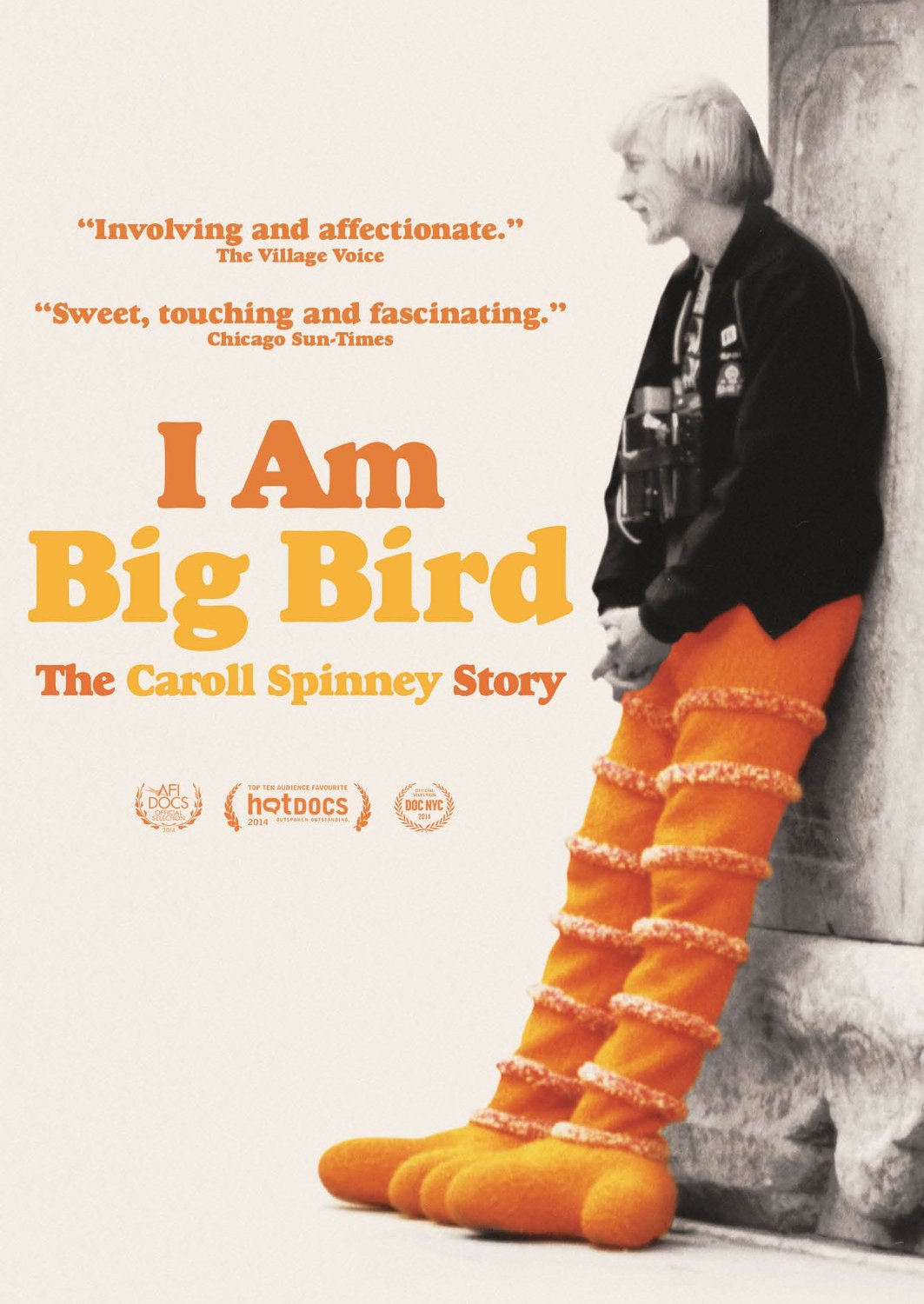
This documentary exists because many fewer people know Caroll Spinney, the man who has inhabited the iconic Sesame Street character for 46 years and counting. (Spinney is also the man behind my personal favorite Sesame Street character, Oscar the Grouch, but working that into the movie’s title would’ve made it truly unwieldy.) The film takes us behind the feathers and works best as a loving tribute to a man who has entertained millions of children across the globe.

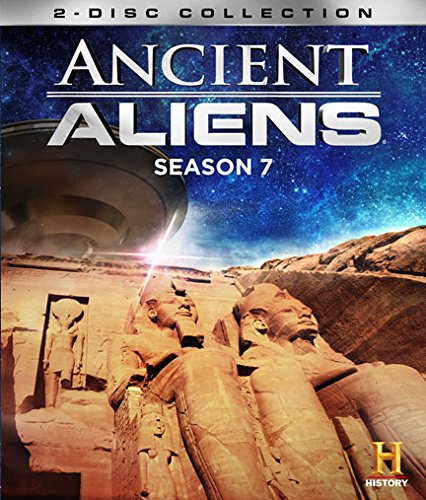
"Millions of people around the world believe we have been visited in the past by extraterrestrial beings. What if it were true? Did ancient aliens really help to shape our history? And if so, what if there were clues left behind, something hiding in plain sight? What if we could find that evidence?"

Ever since Eric von Daniken released his speculative book and its subsequent 1970 film Chariots of the Gods, there has been an entire field of study created around something commonly called Ancient Astronaut Theory, the idea is that extraterrestrials have visited many of our ancient civilizations. The theory continues that these visitors had a hand in shaping our development, whether it be through technology or even manipulation of our very DNA. These believers point to a world of evidence to support their claims. There are tons of images from earlier civilizations that could certainly be interpreted as depicting modern devices, concepts, or even spacemen. There is plenty of speculation that some of the knowledge and accomplishments of these peoples could not have been possible without some outside interference. There are even those who believe that aliens best explain our religious beliefs and that God himself was/is an extraterrestrial being. Whatever your own beliefs on the subject, there are certainly some fascinating points to be made. There is no question that the speculations and observations bring up some interesting queries that deserve our attention. This series attempts to document much of this evidence and the beliefs these findings have inspired.

“I'm not a scientist, although I do play one on TV occasionally. Ok...hell, more than occasionally.”

The “I'm not a _____, but I play one on TV” catchphrase transcended its humble origins to become the go-to, jokey line for anybody who feels empowered to speak outside their area of expertise. Merchants of Doubt, however, isn't concerned with soap opera actors trying to sell Vicks on television. Instead, this flashy, funny, well-researched documentary examines the select group of people who present themselves as scientific authorities to the public. It also argues that they purposefully create confusion with the goal of maintaining a very lucrative status quo.


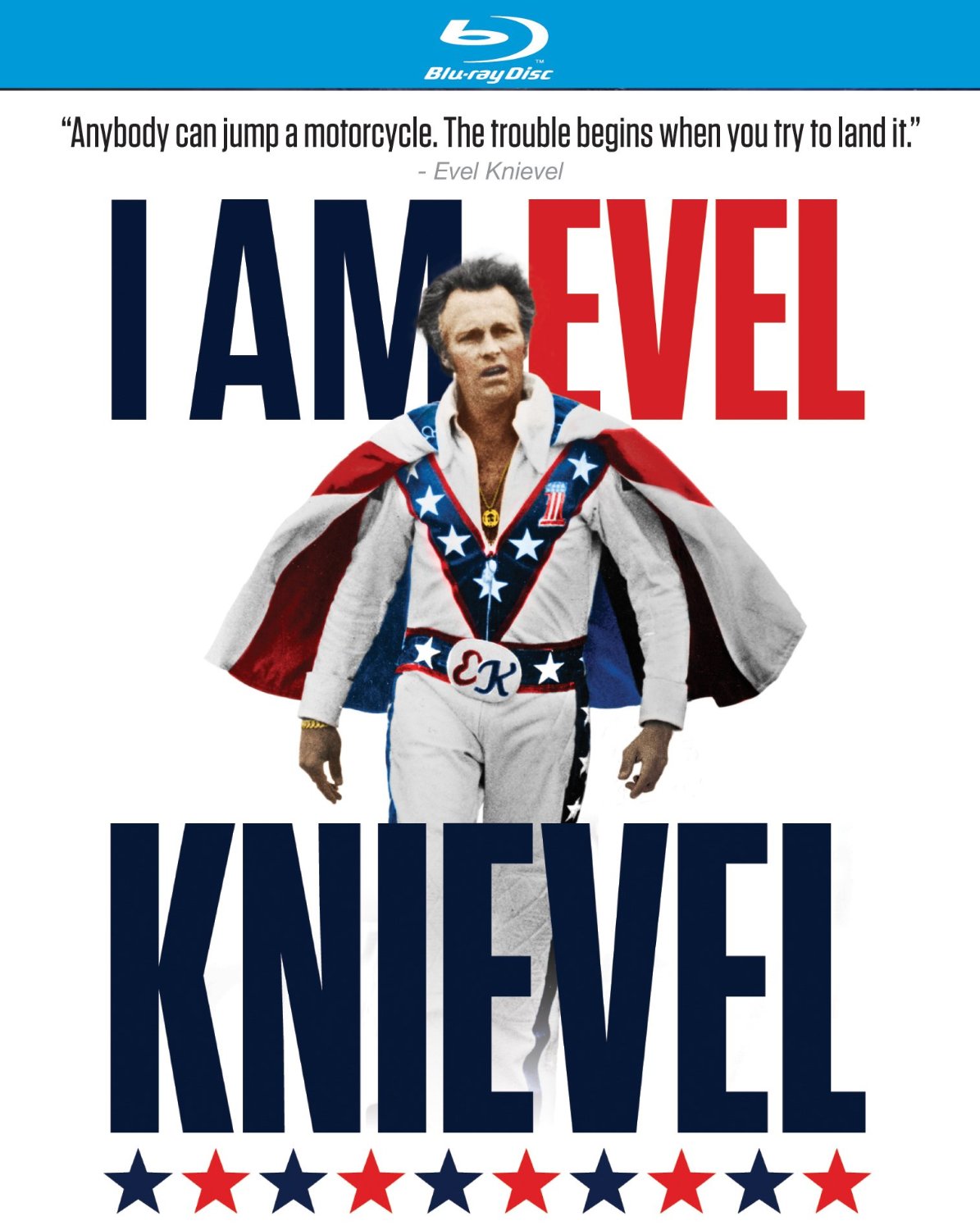
Anybody can jump a motorcycle. The trouble begins when you try to land it.”

There's a segment in I Am Evel Knievel that features some of Knievel's contemporaries — along with a few of the younger extreme sports athletes he inspired — breaking down just how difficult it is to jump a motorcycle across vast distances. (Especially when you're using relatively primitive equipment the way Knievel was.) Long story short, the crucial components are guts and a mental makeup that doesn't allow you to overthink or dwell on the insanity of what you're about to do. This entertaining documentary succeeds in illustrating how Knievel had both of those qualities in spades.