Drama

Keeping the country safe is big business now. It's getting bigger.”

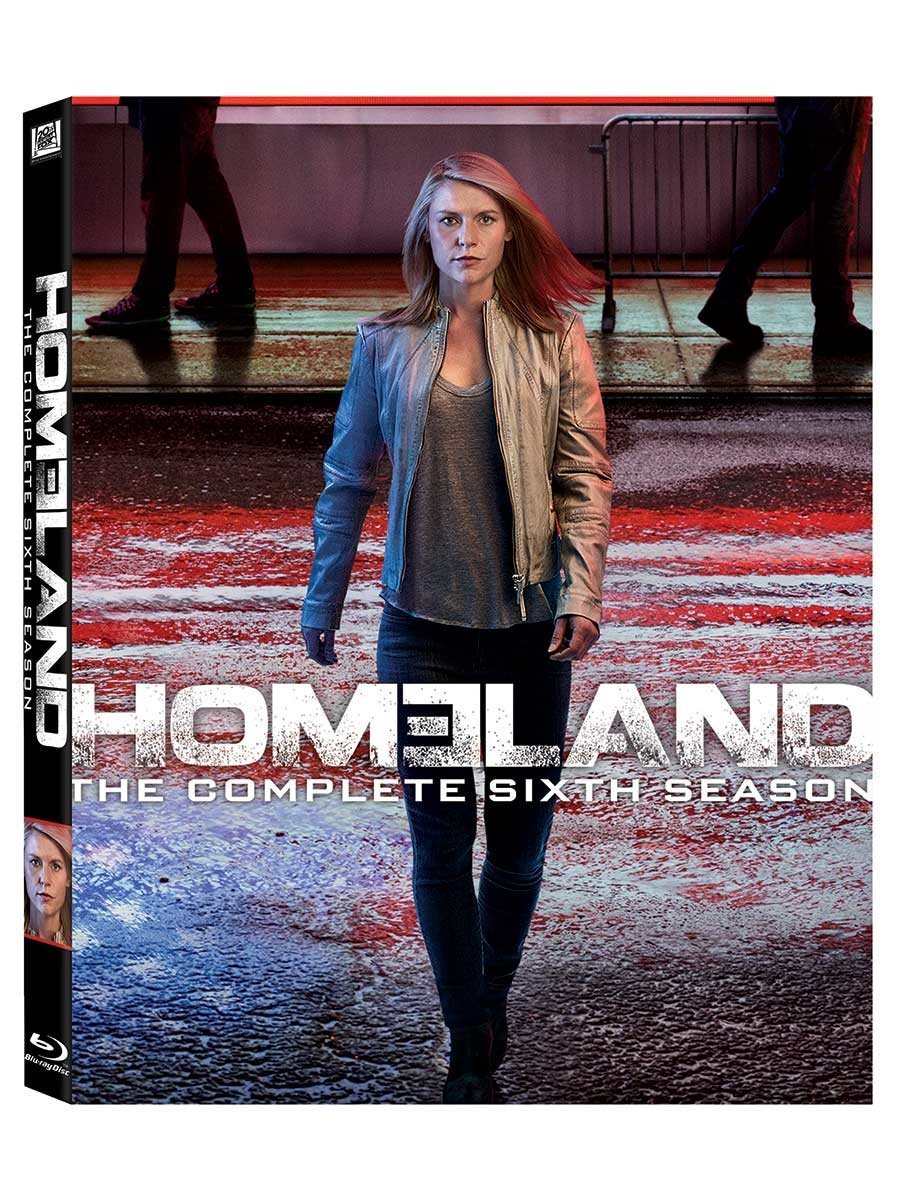
Much of this sixth season of Homeland is spent exploring the notion that the CIA's cloak-and-dagger activities in the Middle East might have outlived their usefulness and a new course of action is required. But considering that Showtime's previously white-hot spy drama — a Best Drama series Emmy winner for its stellar first season — is six seasons in and a lot less buzzy these days, it's hard not to extend that central question to the show itself: Is Homeland obsolete? Well judging by this twisty and thrilling collection of episodes, the answer is a resounding, “No!”

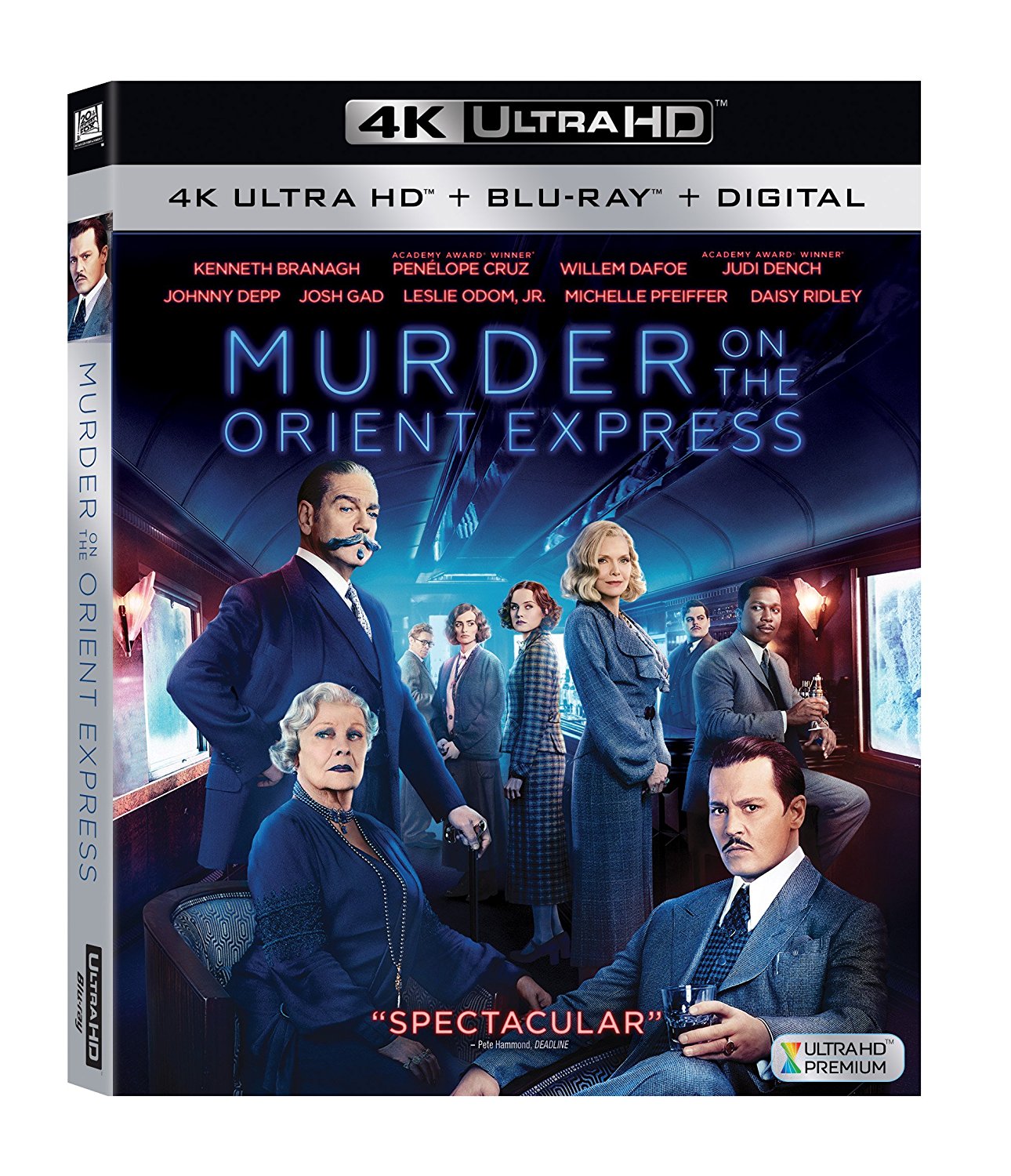
I have to start by talking about the mustache. You’ve probably already seen the outrageous facial hair Kenneth Branagh rocks as Hercules Poirot, the brilliant Belgian detective who appeared in 33 Agatha Christie novels (including 1934’s Murder on the Orient Express). But it is truly a sight to behold on the big screen! Up close, it looks like a fake, ridiculously twirly mustache has been layered on top of an even longer fake, ridiculously twirly mustache. I bring this up because the two things that truly separate this sumptuous, all-star take on Poirot’s most famous case from previous (and superior) adaptations are the film’s eye-popping production values and…well, Branagh’s mustache

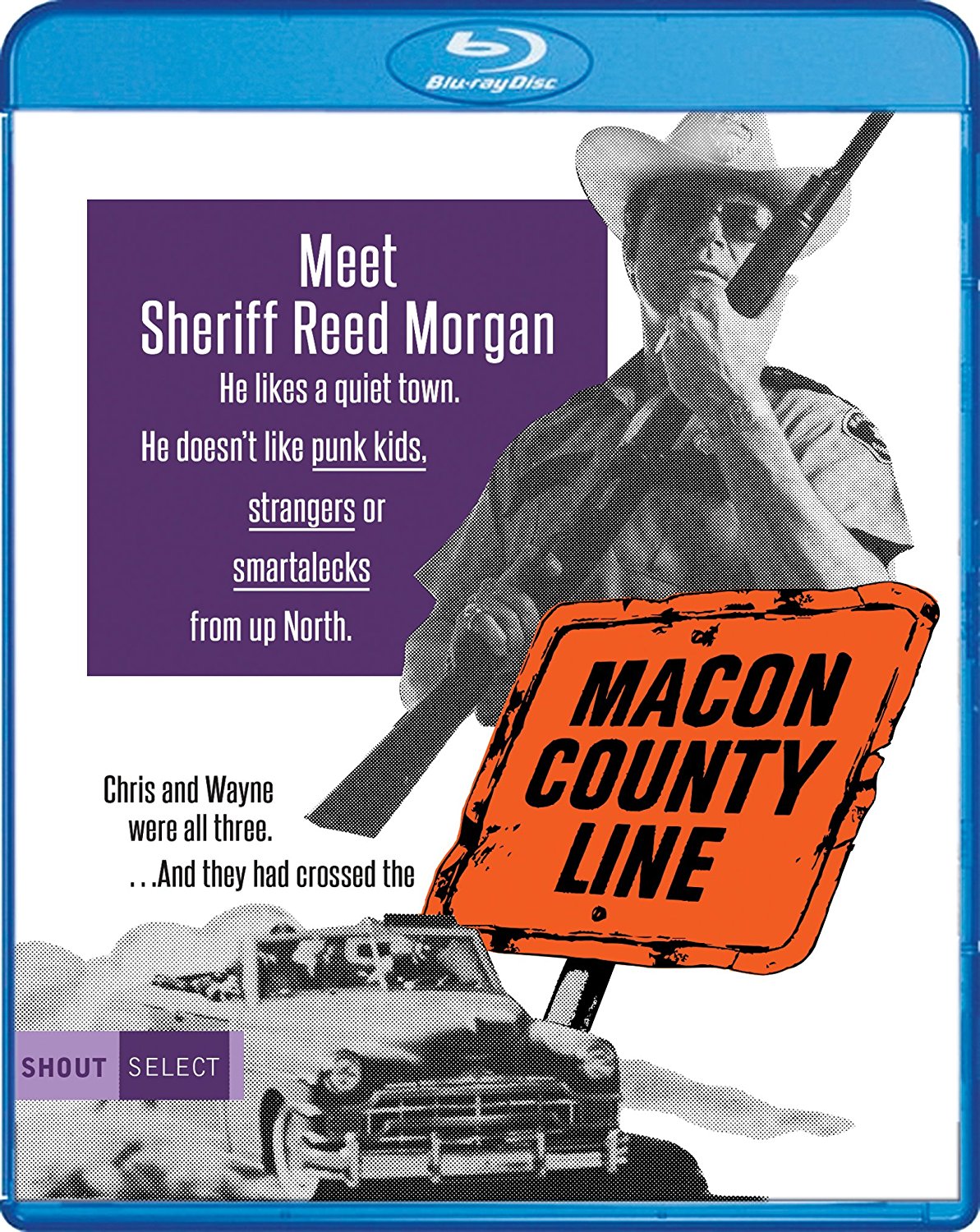
The days of drive-in cinema and grindhouse pictures are all part of a bygone era, where the films were fearless and took chances with their subject matter. Now films seemed to be made so carefully as to not offend anyone.  When it comes to Macon County Line, as much as it is a staple of its time, it’s hard to imagine this film being made today.  It’s a film that’s a blend of two genres. It’s a road film, but because of the location and characters, it’s also a good ol’ boy picture. So how does this drive-in classic fare on Blu-ray? Despite having a runtime of 88 minutes, the story doesn’t rush into anything but instead lets us get to know the two brothers Chris (Alan Vint) and Wayne Dixon (Jesse Vint) who are on a quick joyride before they enlist in the military.

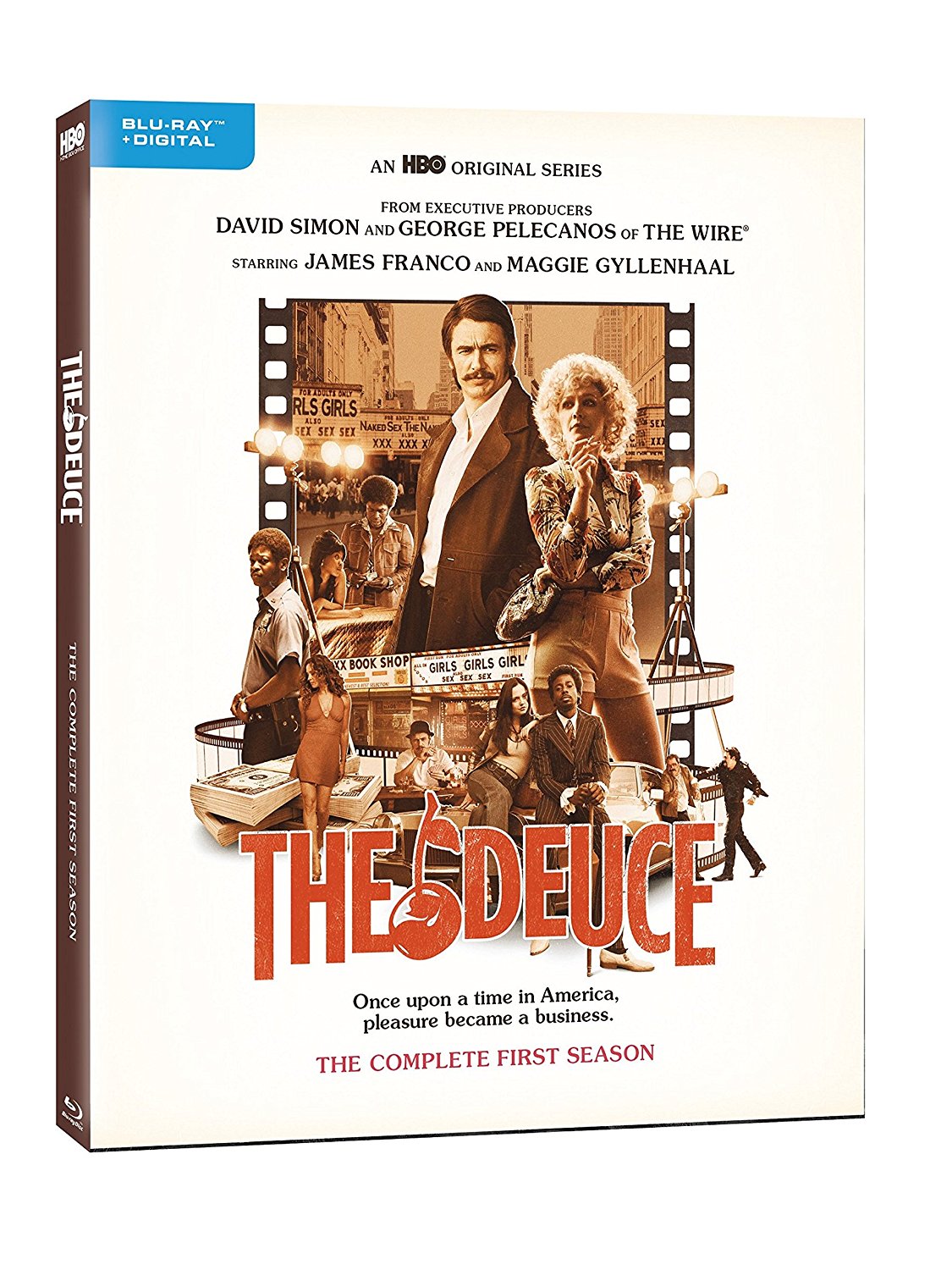
If The Wire isn't the greatest television show of all time, it's certainly in the conversation. That landmark HBO series was created by David Simon, who took a journalistic and novelistic approach in telling the story of a decaying city (Baltimore) and its various institutions. Now, Simon has teamed up with crime novelist George Pelecanos for The Deuce, which takes a similarly 360-degree approach in examining Times Square in the early 1970s and the evolution of the porn industry. Capturing every facet of that time and place doesn't just mean that The Deuce depicts the lives of pimps, prostitutes, and police officers. It also means the show is alternately thought-provoking, tragic and darkly funny.

Never forget.”

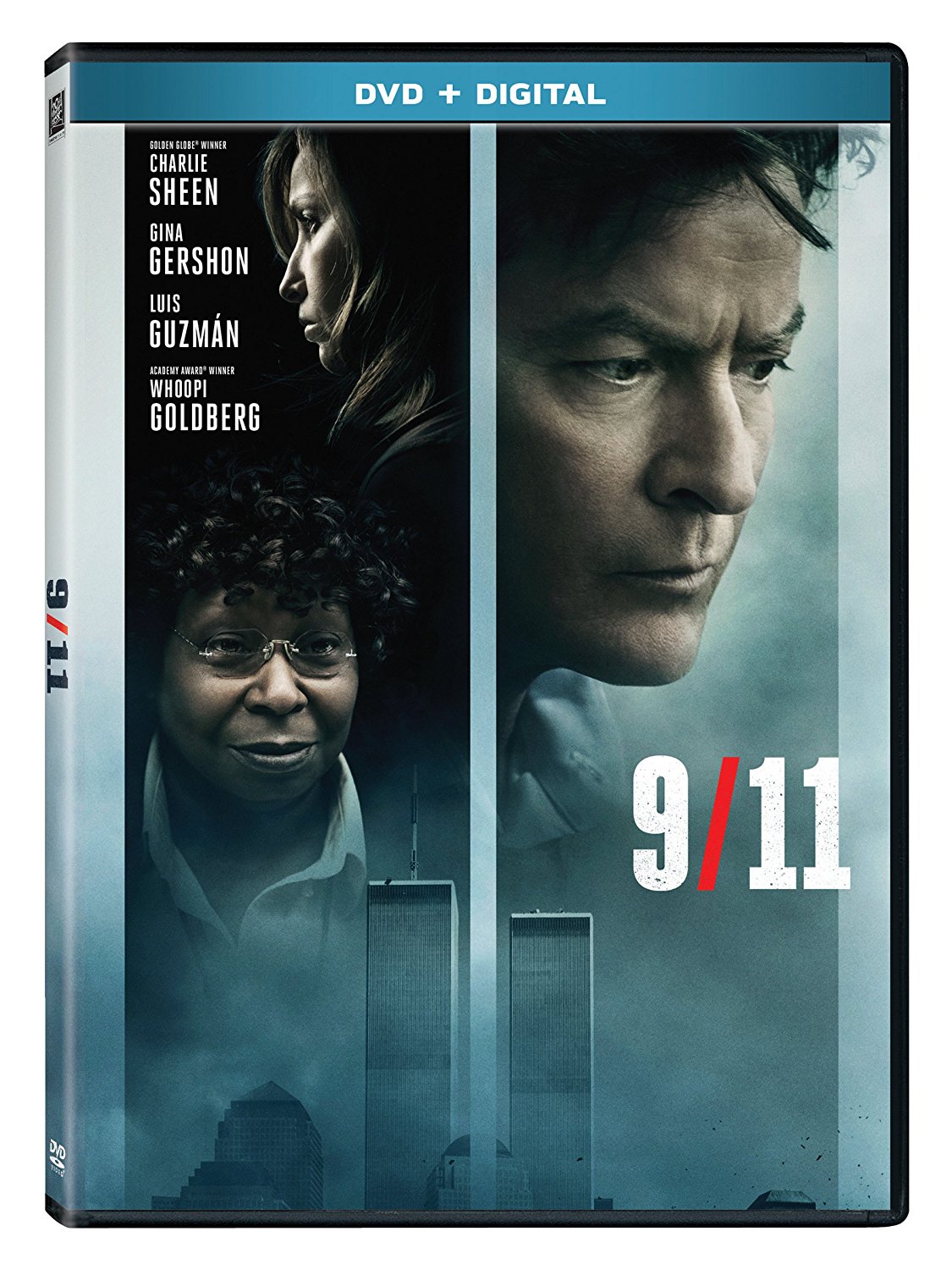
The sight of Charlie Sheen in an earnest 9/11-themed drama is, to say the least, surprising. The controversial, tiger-blooded star has obviously drawn his share of headlines in recent years for reasons that have nothing to do with his acting. So you may or may not have forgotten that Sheen was also one of the most famous 9/11 truthers. But the most surprising thing about the ill-conceived 9/11 is that Sheen — delivering his first dramatic performance in years — isn't even the most tacky thing about this film.

"Once upon a time there was a great war that brought so much sadness to so many people. Hardly anyone could remember what happiness was like. But something happened that changed all that..."

“Winnie the Pooh doesn't know what to do …” begins a popular song written by Kenny Loggins, recorded first in 1970 by the Nitty Gritty Dirt Band with a more popular and enduring version by Loggins and Messina a year later. Hundreds of millions of children since the 1920's know who Winnie the Pooh is.

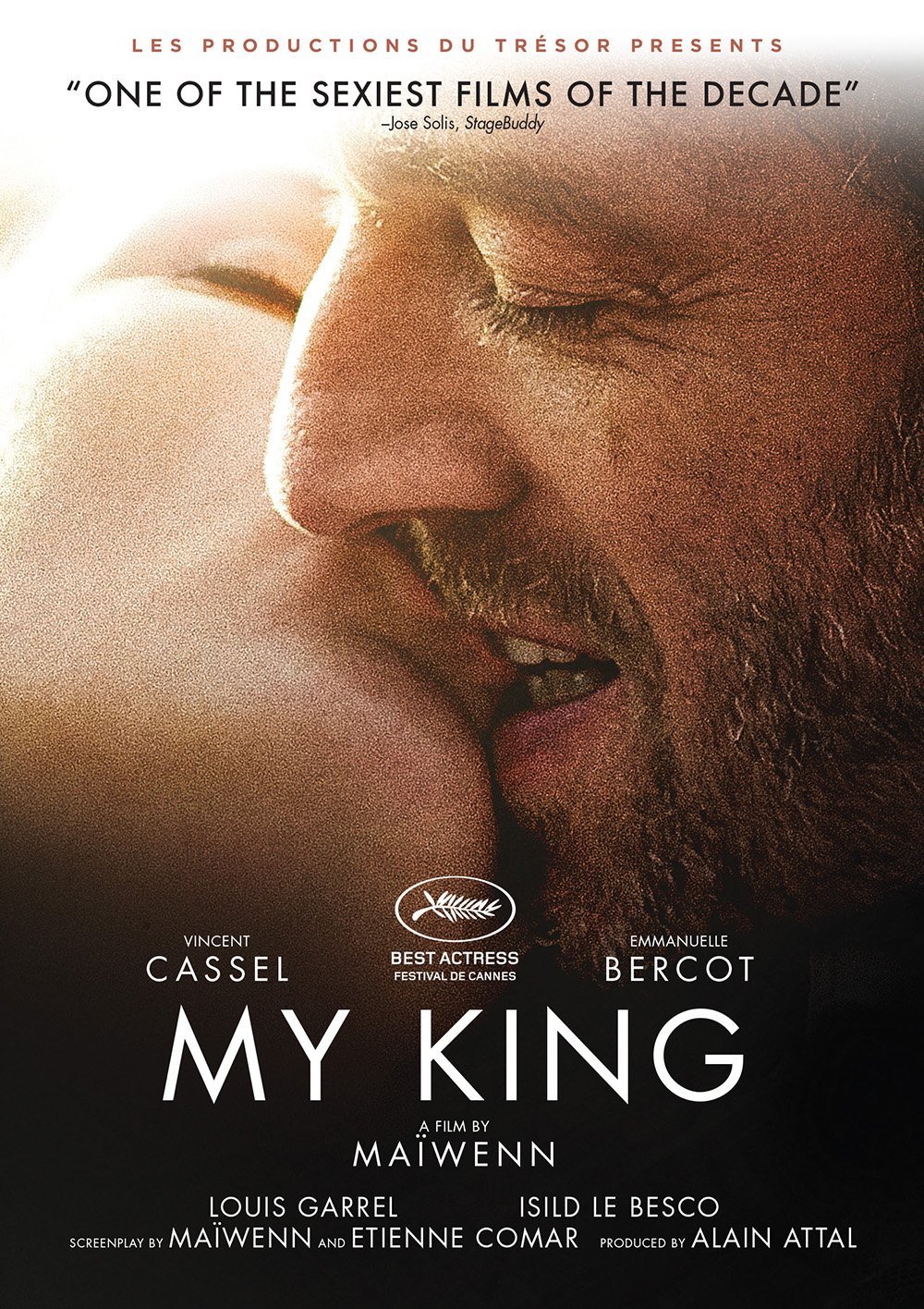
During the second half of My King/Mon Roi — which examines the up-and-down nature of love by chronicling a 10-year relationship between two French lovebirds — a wife states that her husband's constant emotional abuse has caused her more pain than any single punch ever could. Psychological abuse isn't nearly as cinematic as its physical counterpart, so it's a jarring, too-real-for-TV moment to witness on screen. My King has a handful of those gut-punch scenes. And since the movie intentionally mimics the rollercoaster relationship at its center, My King is also occasionally romantic, funny, frustrating and flat-out sexy.

I'm not saying women are better...I'm saying we deserve some respect.”

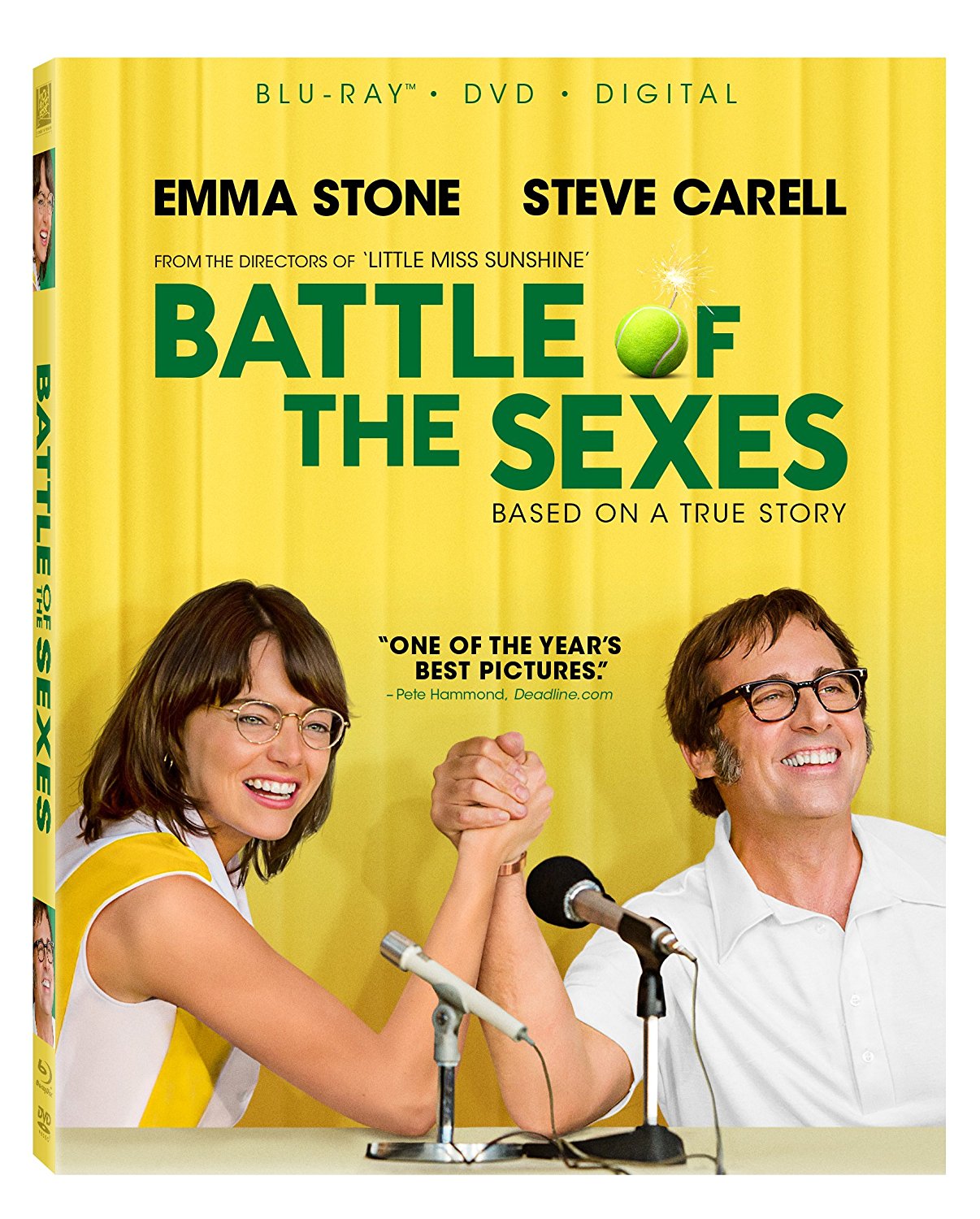
Battle of the Sexes chronicles a watershed moment for the women's liberation movement. And given the very bad behavior by very powerful men in Hollywood and other high-profile industries that has come to light in recent months, the movie suddenly feels particularly timely despite being set 45 years ago. But even if that weren't the case, this film — which dramatizes the 1973 exhibition match between top-ranked female player Billie Jean King and former male champion Bobby Riggs — would still be a funny, heartfelt winner.

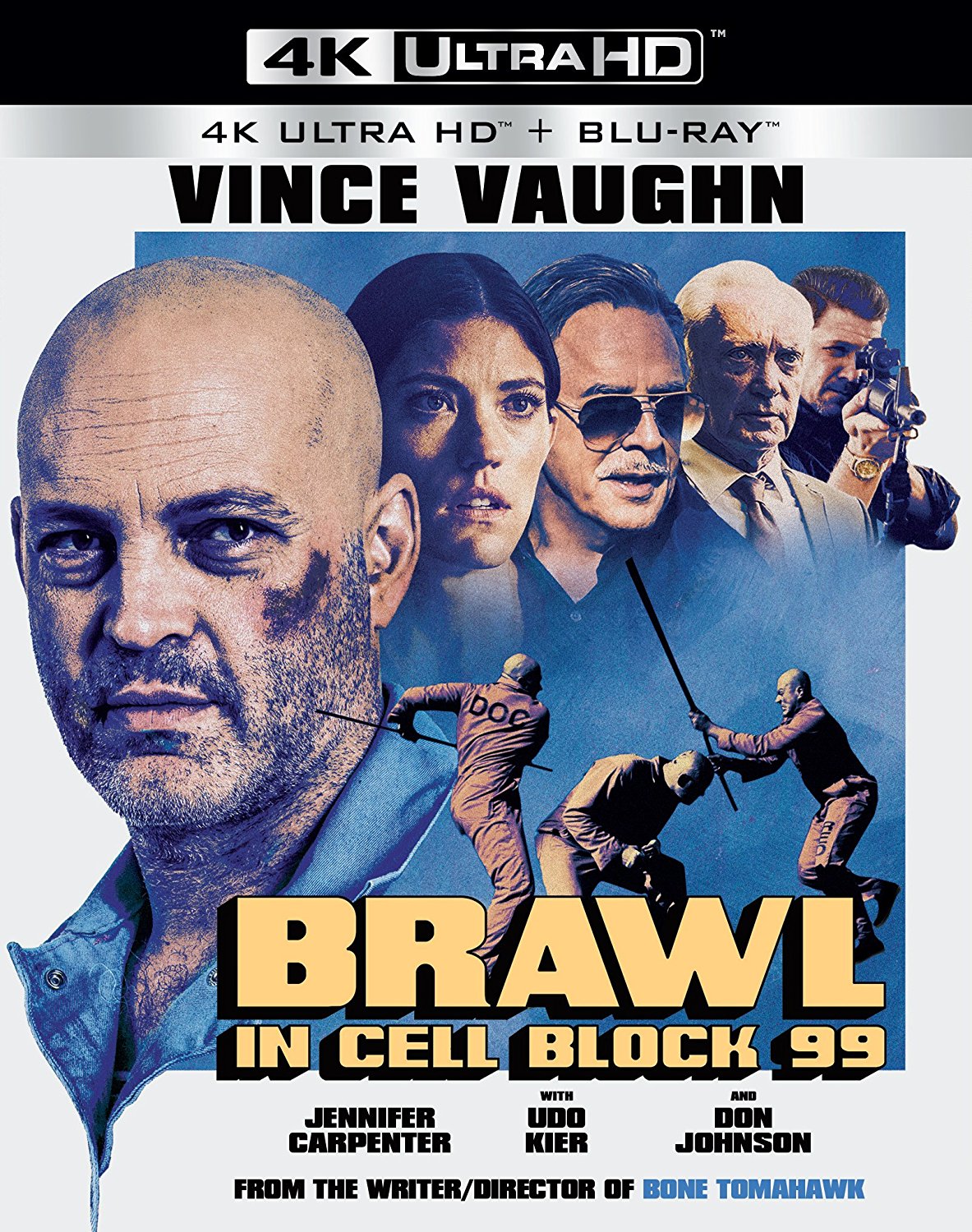
The crime drama Brawl in Cell Block 99 makes its way onto Blu-ray, DVD and 4K. The film tops the charts as one the most excruciatingly brutal movies to be released this year. If you are not offended by extreme violence and don’t get queasy from the sight of blood and cruelty, then this film may be your cup of java. That said, the crime story does have some vindication behind all the willful chaos. Getting laid off from his job at a towing company, Bradley (Vince Vaughn) cleans out his locker and heads home.  When he gets there things start getting worse when he finds out that his wife Lauren (Jennifer Carpenter) has been seeing someone.

“Backslidin’, how do you do? These slippery people gonna see you through.” 

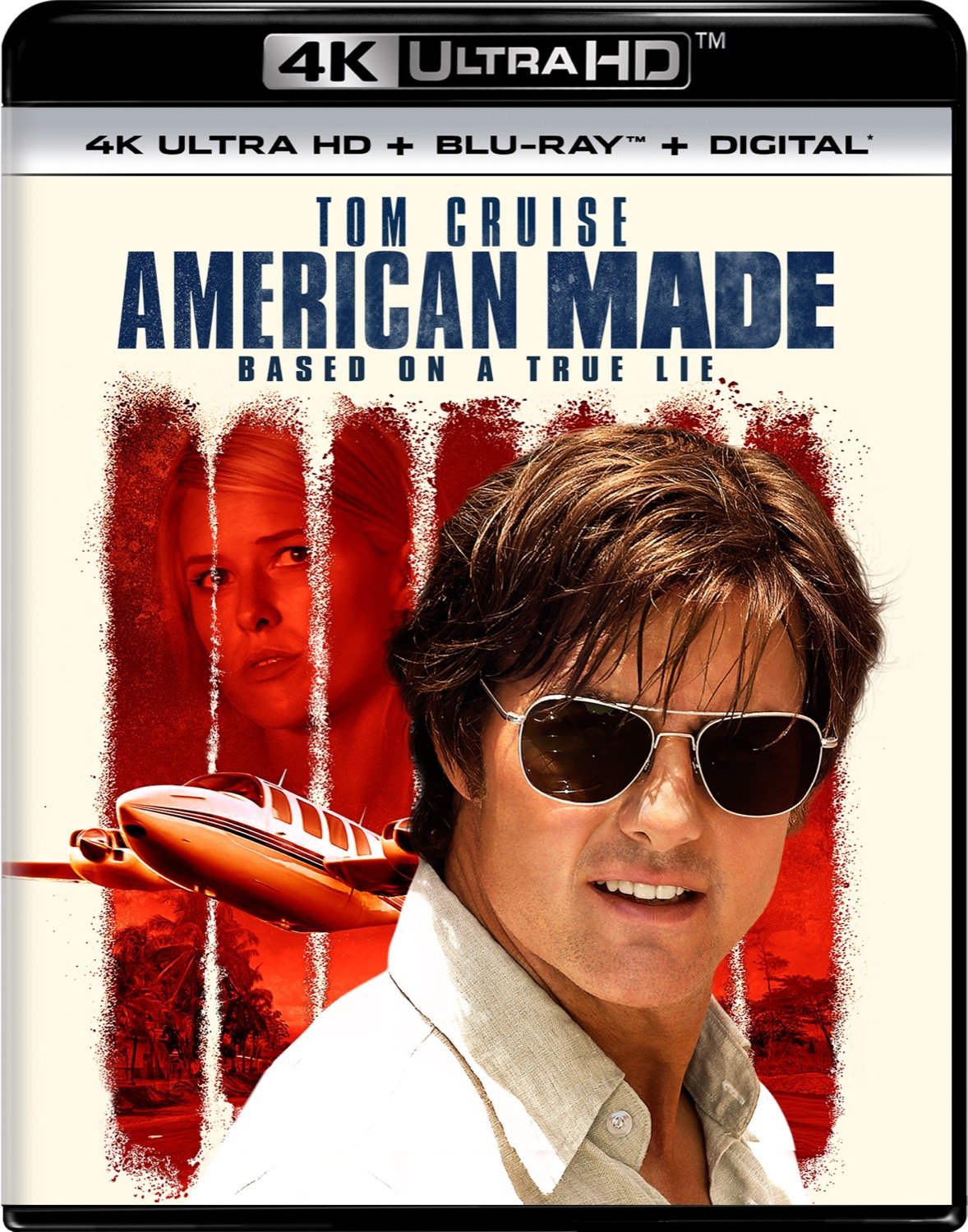
It has been a long while since I have witnessed a pop song’s lyrics fit so poetically into a feature film. “Slippery People” is a track off the groundbreaking Talking Heads album, Speaking in Tongues, released in 1983. Not only does this song fit the plot of American Made within its lyrics (hints of backsliding with a lot of slippery people), but it also represents a specific aesthetic for one of the many years shown throughout the film. Which, by and large, is what American Made does very well: appreciates the nostalgia of the 70’s and 80’s without exaggerating to extremes. More often than not, the “nostalgia aesthetic” very quickly becomes a parody of itself.