Drama

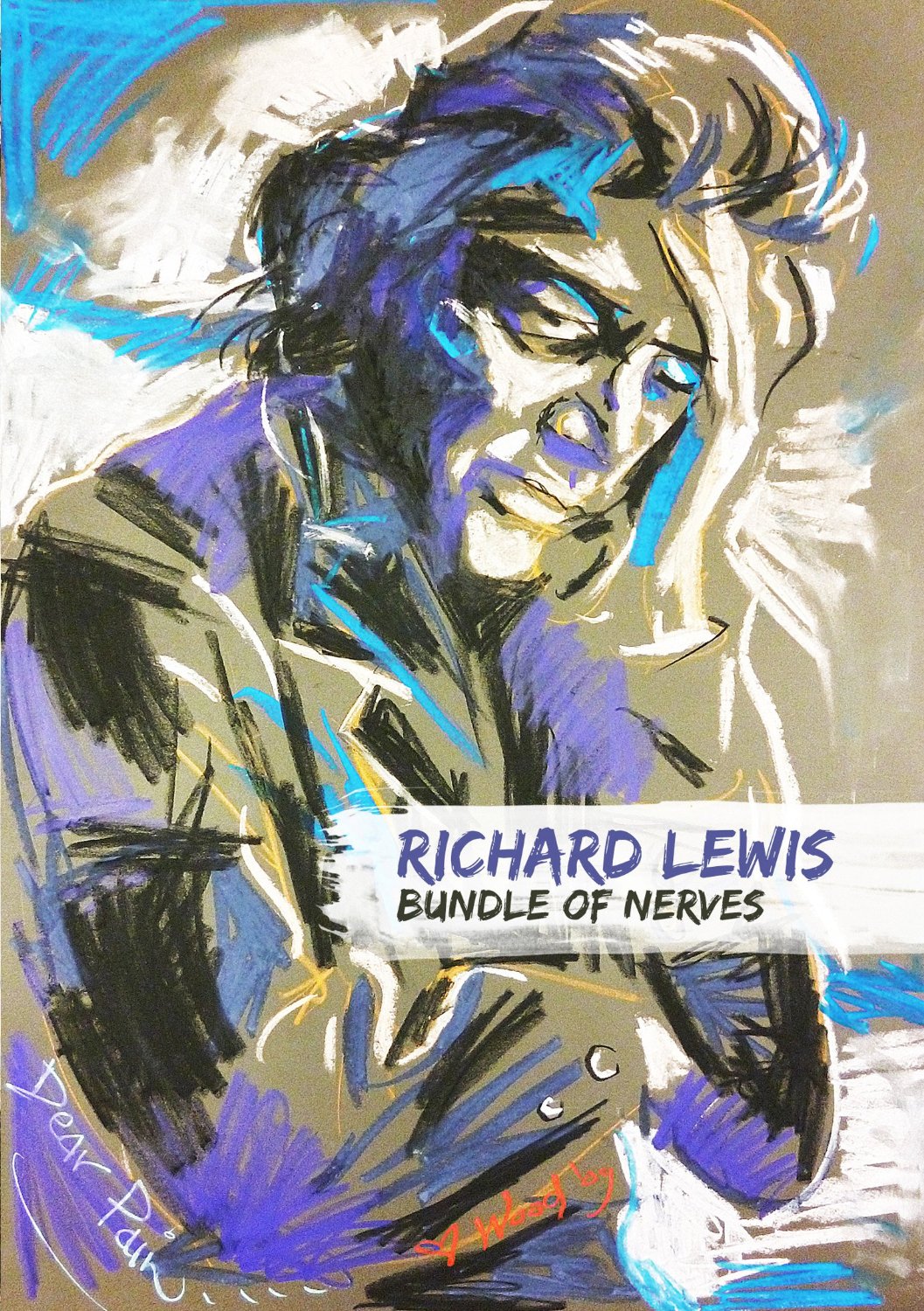
Some of the most iconic stand-up comics of all time have famously wrestled with personal demons while simultaneously mining them for material on stage. Few have done so more successfully — and for a longer period of time — than Richard Lewis. His neurotic, self-flagellating act earned Lewis his “Prince of Pain” nickname, but his longevity is just as impressive. The fact is a lot of great comics don't last as long as Lewis because they lose that battle with their demons too soon. So it's great to see that, at age 67, Lewis finally gets his due with a DVD set that covers some of his most seminal work.

Drag racing is for fast cars. Road racing...that's for fast drivers.”

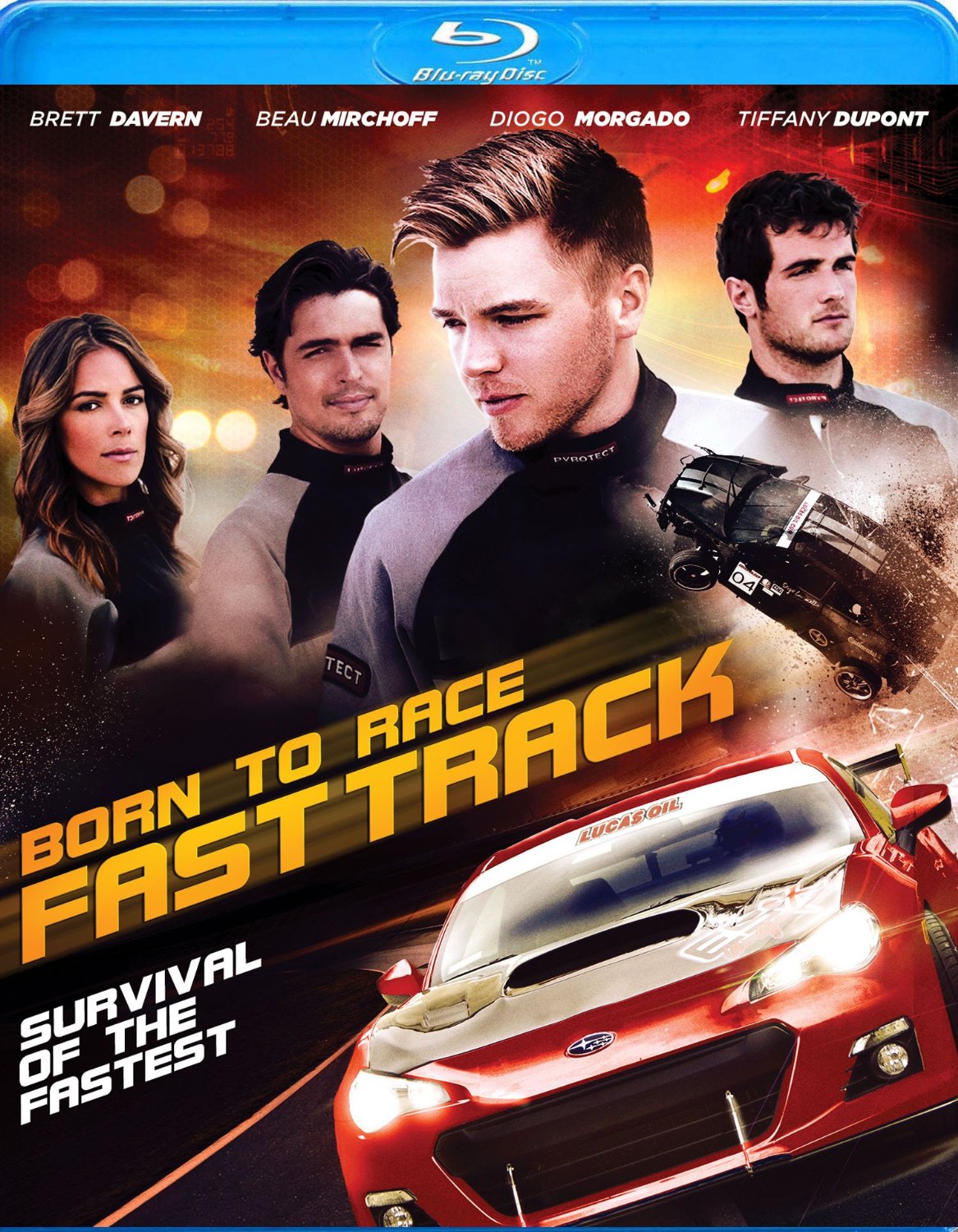
I imagine that distinction — along with one character scolding another for pulling a “Vin Diesel stunt” — is meant to set this straight-to-DVD racing drama apart from the Fast & Furious franchise. That separation is an interesting choice for a couple of reasons. On one hand, I assume it's been easier to finance any car-centric flick ever since a certain high-octane film series proved there's an audience for the genre. Then again, the increasingly staggering success of the Fast movies seems to be directly proportional to how ludicrous they've become.

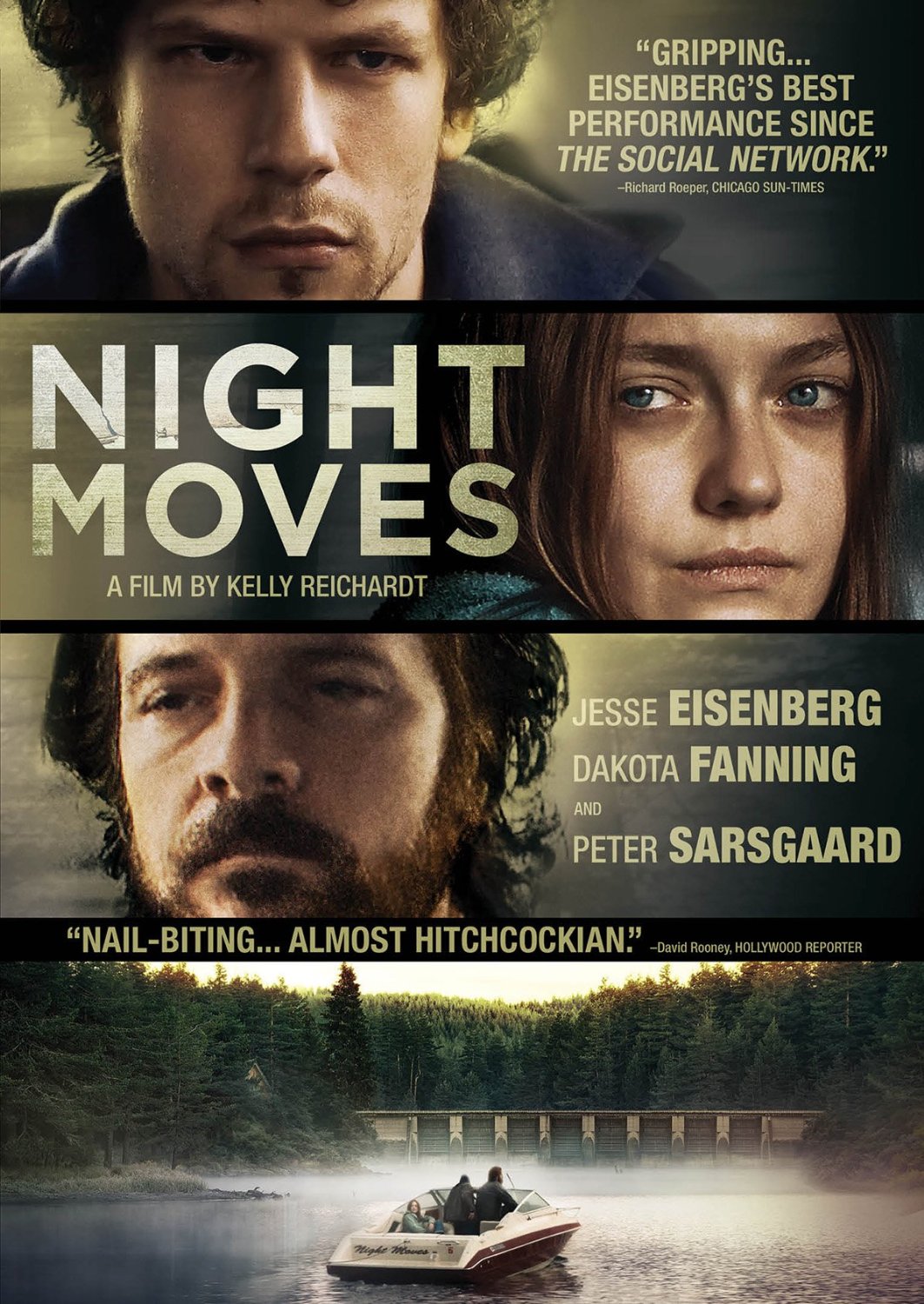
There are movies that can be described as slow burns, and then there's Night Moves. Director Kelly Reichardt frames much of her 112-minute thriller in a way that invites you to pay an inordinate amount of attention to the lush greenery, winding trails, and tranquil water the film's three protagonists go to dangerous lengths to preserve. The extended, quiet sequences and exceedingly simple plot also encourage viewers to fill in spaces in the story that seem to have been intentionally left blank. This deliberate approach will undoubtedly infuriate and bore some people, but I personally found it absorbing enough to recommend as an unconventionally tense drama.

“You have just seen an authentic disclosure of conditions which unfortunately exist in some of our high schools today. The job of policemen will not be finished until this insidious menace to the schools of our country is exposed and destroyed.”

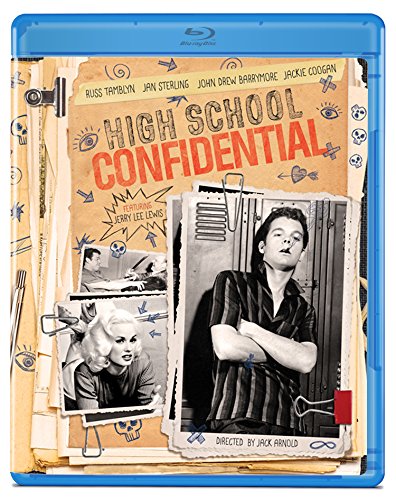
“Authentic” is probably a stretch, but High School Confidential! is certainly fascinating for a variety of reasons. Every generation has an alleged scourge that invades high schools and threatens to rip apart the very fabric of society. (Cue masterpiece eye roll.) In 1958, that menace went by the name “Mary Jane.”

"It's like Prohibition never happened but for one thing. Prices will increase twenty-fold. We got a product a fellah's gotta have. Even better is that, we got a product he ain't allowed to have."

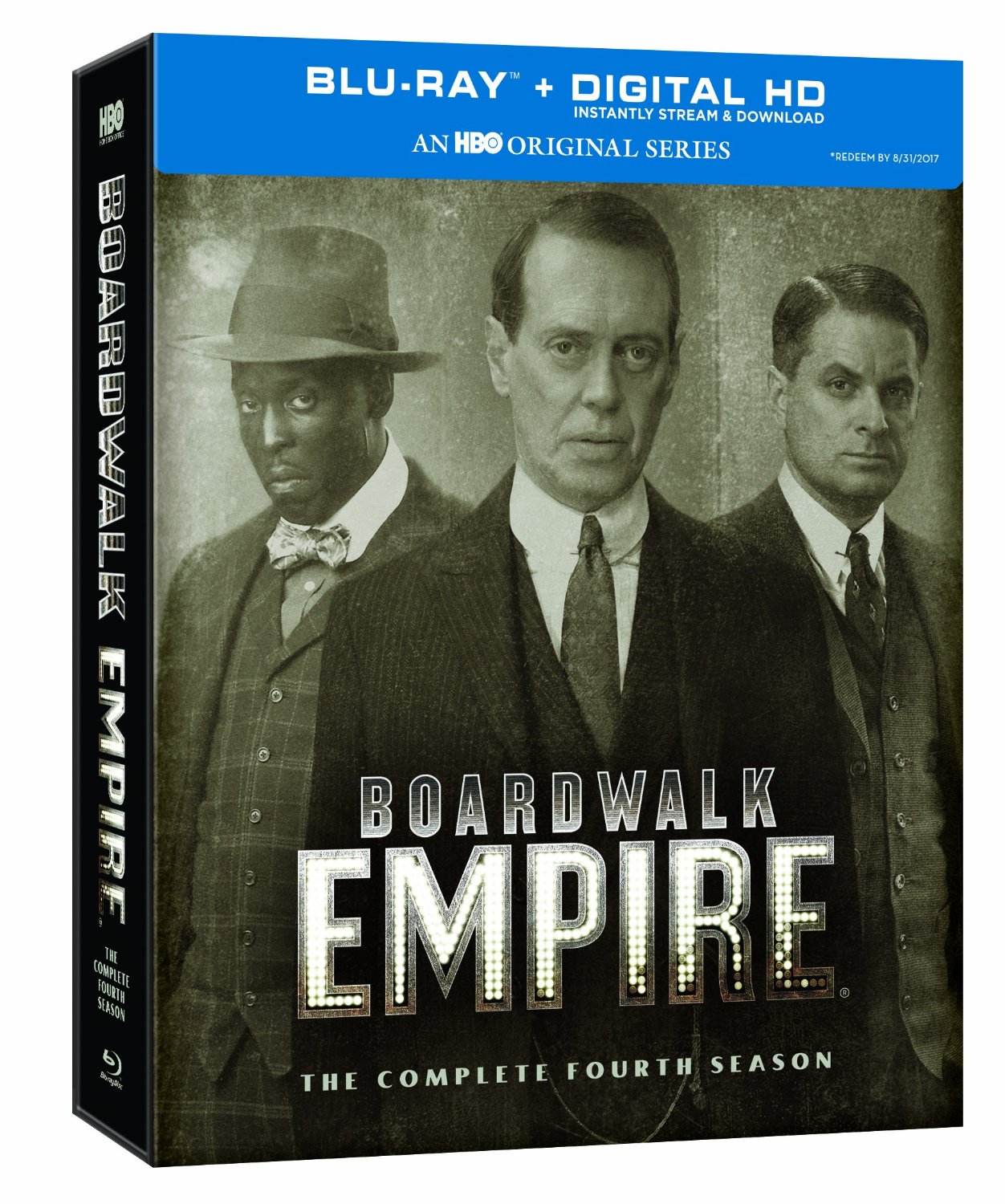
The fourth season of Boardwalk Empire began pretty much the only way it could have after the bloodbath that ended the previous season. It was an explosive season that delivered the best gangland war in television history. Now there has to be some kind of peace or at least status quo after the end of the violence. Nucky is making his peace with Arnold Rothstein and his people. He also owes Chalky White for saving his behind when war broke out.

“Could you please reduce your level of hysteria?”

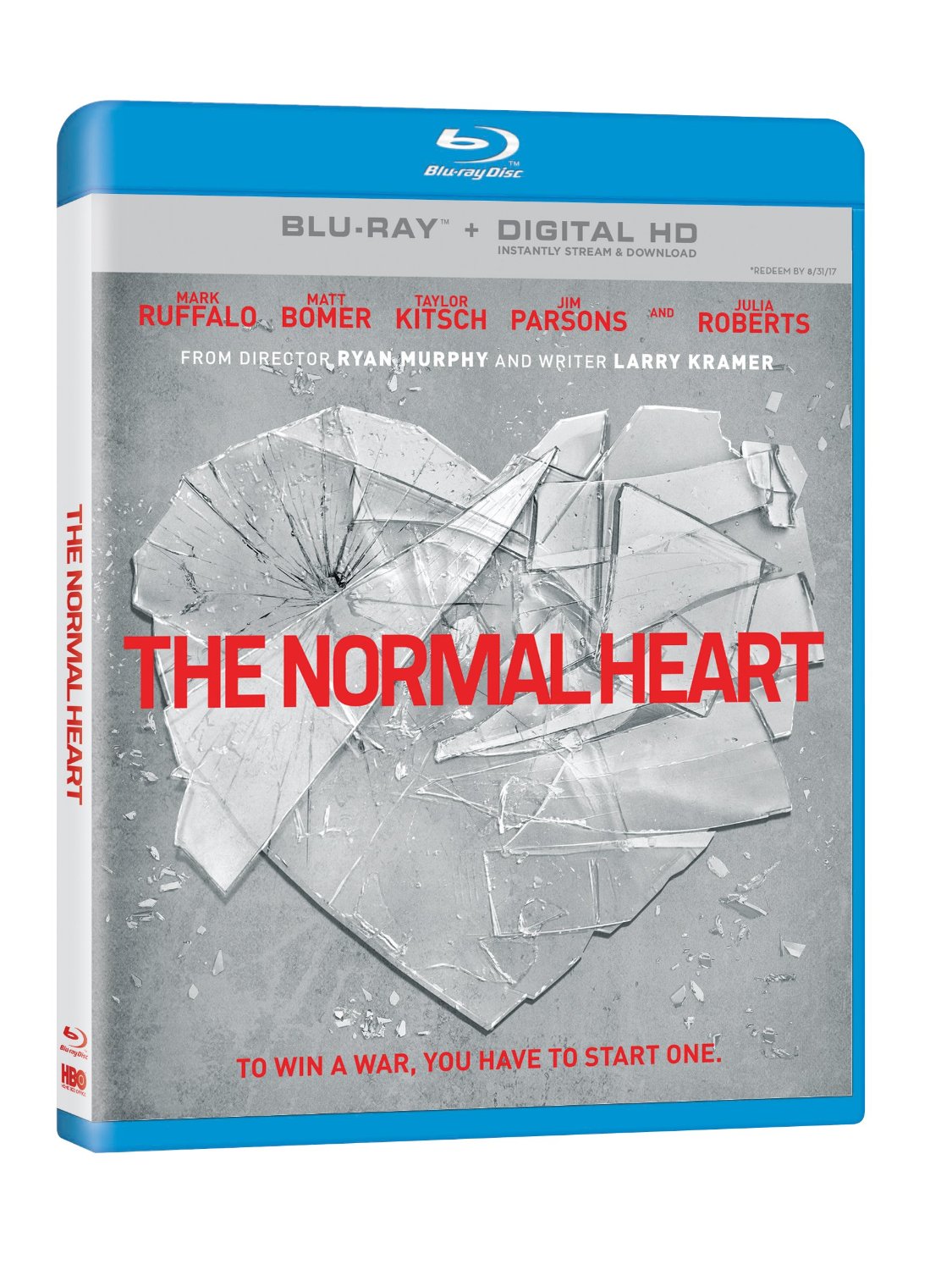
There is a lot of yelling and a lot of outrage in The Normal Heart. The film chronicles the confusing, terrifying onset of the HIV-AIDS crisis in the early 1980s and how a group of gay men (and one intrepid doctor) in New York fought to draw attention to the deadly disease. Their efforts are alternately frustrating and futile, which leads to a higher decibel level for much of the movie’s second half. Thankfully, The Normal Heart is shrewd enough to note that there’s more than one way to make a point.

Experimental film can mean lots of different things. Usually it means chaos and disorientation as we are plunged into worlds we have never seen before, but experimental can merely mean doing something that has never really been done before. In this case, it is taking a simple idea and seeing if you can make it work. Can you make something interesting that seems too simple and too basic? Anything can work if you apply discipline and intelligence to a project.

In the wake of the success of Game of Thrones, many companies are trying to ride on that bandwagon and produce films that will hopefully capture the same audience. Unfortunately, it would seem so few come close to capturing the magic that the HBO series brings to the small screen. To be upfront, I haven’t seen the first Ironclad film, though upon looking it up on IMDB I see that it boasts a solid cast. (And after watching a trailer for the film, it is something I’d like to check out.) Fortunately in the case of Ironclad: Battle For Blood, it is a sequel that stands alone from its predecessor.

"Make no mistake. Blood will be spilled. Lives will be lost. Fortunes will be made. Men will be ruined. There will be betrayal and scandal and perfidy of epic proportions."

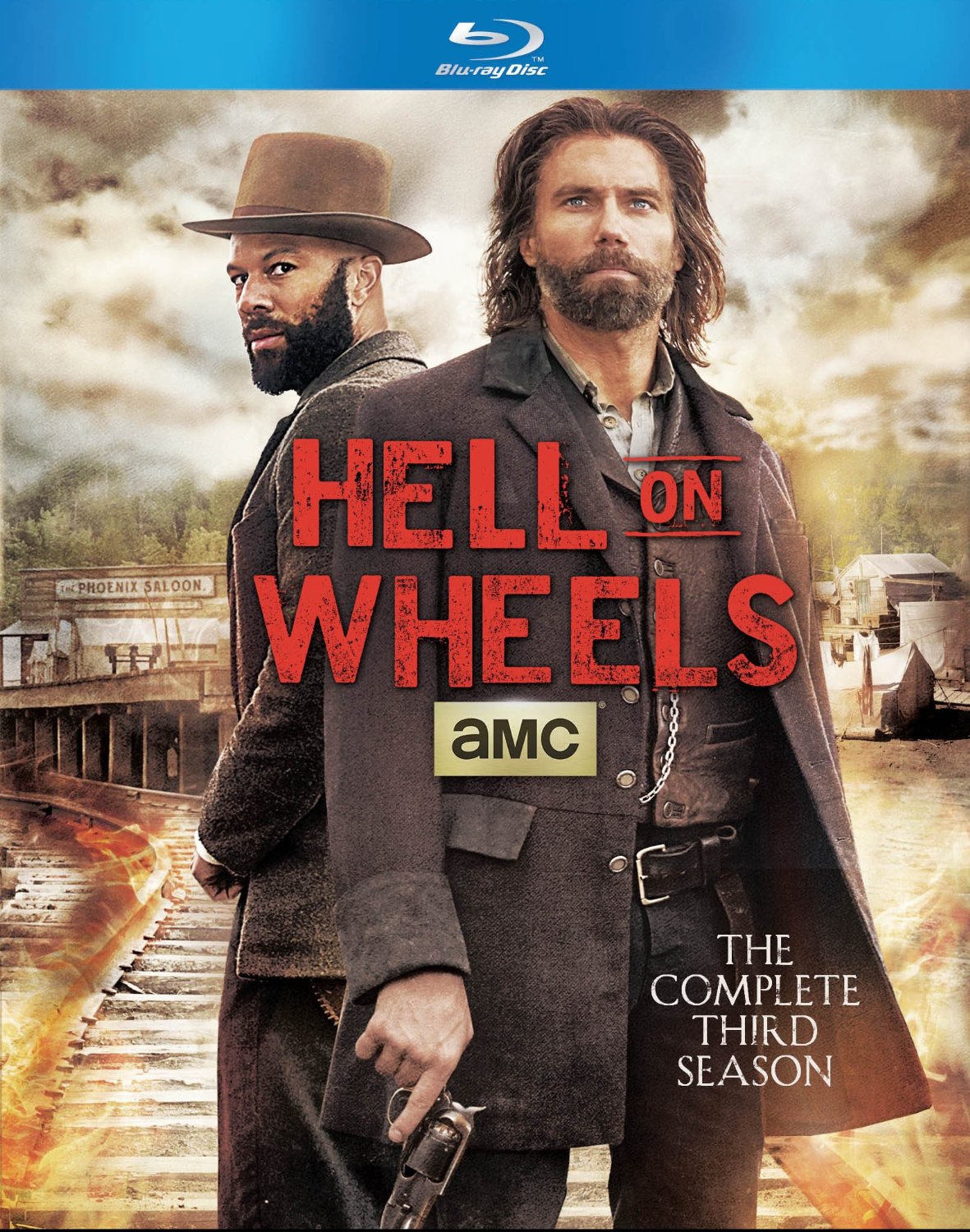
With a statement like that, how can you not want to check out AMC's newest drama series Hell On Wheels? I've been told the title sounds like it's about motorcycle gangs, and I couldn't agree more. The term refers to the mobile tent city that housed the workers on the Union Pacific Railroad and the support entourage the camp attracted. It was a virtual tent city that had all of the essentials: a church, bar, and whorehouse.

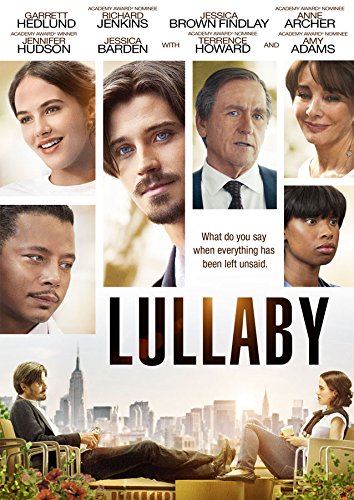
The impending death of a loved one tends to dredge up a complex mix of emotions. (Unfortunately, I speak from relatively recent personal experience.) In addition to the obvious sadness, there can be guilt, resentment, anger, relief, and other sentiments that combine to create a messy stew of feelings. Putting those feelings on the page or on a screen is an emotional minefield, since you risk veering jarringly from one tone to the next. The task becomes even trickier when you attempt to introduce humor into the equation. Lullaby stumbles over a few of those mines, but is otherwise a well-acted, modestly-affecting dramedy.