Drama

Does it always have to end up in a big giant dance battle?”

If you've ever sat through a dance movie, then you know the answer is a resounding, “Yes!” Dance flicks are a somewhat different beast than movie musicals; they are less whimsical and tend to take themselves more seriously, which invariably makes them seem even sillier. Some of the movies in this genre — Dirty Dancing and Footloose — are beloved guilty pleasures. (And many people who love them don't even bother feeling guilty.) In recent years, the “dance flick” itch for moviegoers has been scratched by the Step Up franchise.

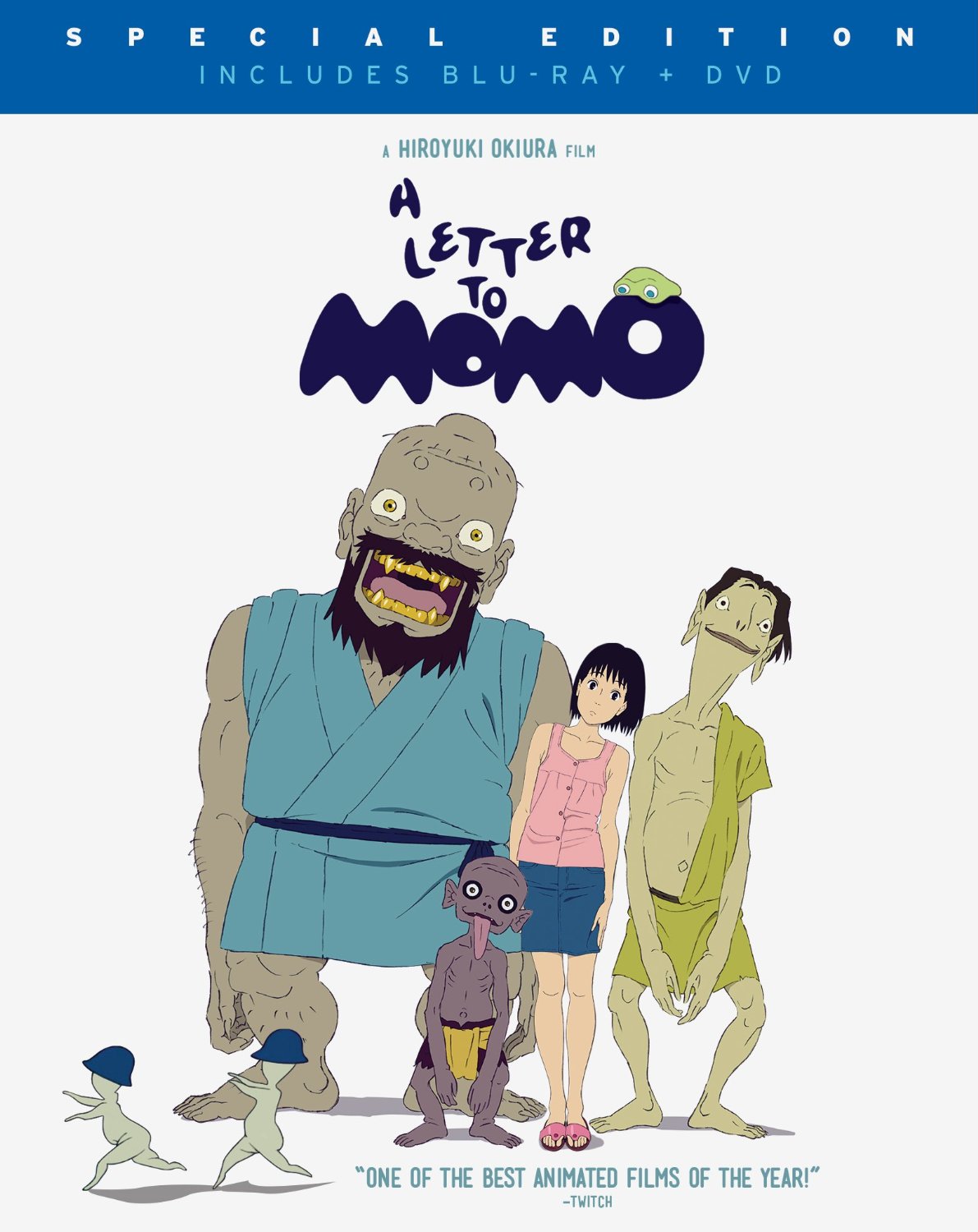
As the spookiest holiday of the year draws closer, we're all probably a little more sensitive to anything that goes bump in the night. Almost every creature associated with Halloween is meant to terrify us, but what if some of those horrific-looking monsters were actually tasked with watching over us? In the Japanese animated drama A Letter to Momo, a young girl encounters a trio of mischievous spirits that only she can see and hear. The monster shenanigans, however, were merely one aspect in what turned out to be one of the more affecting family films I've seen this year.

Momo (voice of Karen Miyama) is a grief-stricken girl who recently lost her father. Her mother Ikuko (Yuka) decides to uproot Momo from their Tokyo home and move to the island of Shio, the sleepy seaside community where Ikuko grew up. In addition to the grief Momo feels over losing her father, she is also overwhelmed by guilt; Momo had been cruel to her father prior to his unexpected death. As a result, Momo clings tightly the last memento her father left behind: an unfinished letter that started with the words, “Dear Momo.”

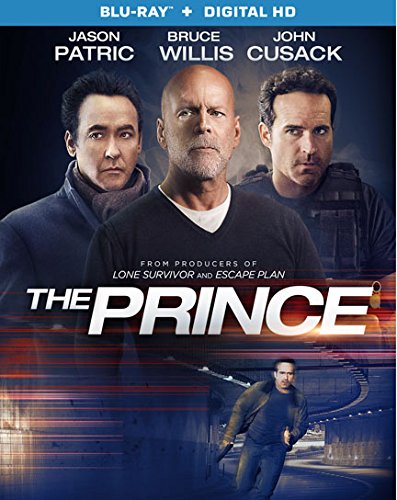
“That man brings hell with him wherever he goes.”

The “man” is supposed to be Paul Brennan (Jason Patric), a retired mob enforcer-turned-unassuming auto mechanic who reluctantly returns to his violent ways after his daughter goes missing. But the real culprit might be director Brian A. Miller. With The Prince and this year’s The Outsider, the director has made two consecutive sub-Taken crime dramas that lack the cohesion, refinement or energy to work even as satisfyingly junky action movies.

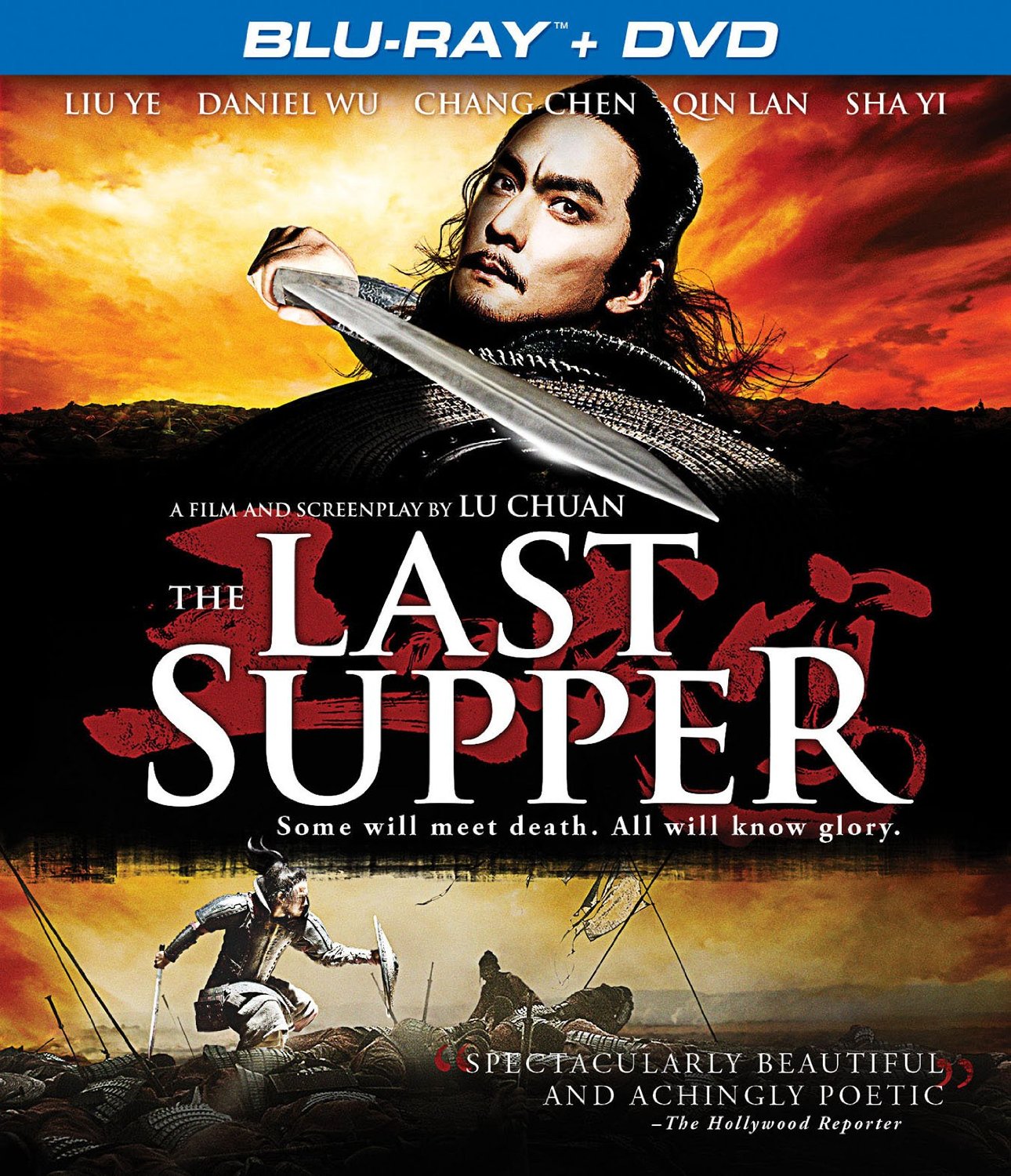
“Kings are made, not born.”

It’s a provocative thesis for any story, especially since the same debate about kings has played out over centuries’ worth of world history. Unfortunately, filmmaker Lu Chuan largely decided to take a “tell, don’t show” approach with The Last Supper, which depicts the last gasp of China’s Qin dynasty and the rise of the Han dynasty and its commoner-turned-emperor.

If you've ever asked someone, “What kind of music do you listen to?”, chances are you've heard the phrase, “I like everything...except country.” By that logic, a significant portion of TV viewers automatically dismissed ABC's Nashville when it premiered two years ago. The flawed, entertaining musical drama has deservedly made it to a third season, which kicked off a few weeks ago. However, I think it's useful to revisit Nashville's sophomore season. This set of episodes significantly re-calibrated the series — not always for the better — and marked the start of a shift toward the version of the show that is currently on the air.

Nashville was originally presented as the tale of dueling divas Rayna James (Connie Britton) and Juliette Barnes (Hayden Panettiere). Rayna was the established superstar struggling to stay relevant in a shifting musical landscape, while Juliette was the brash, bitchy (but insecure) flavor of the moment who was burning up the charts. But it was a different pair — Clare Bowen's fragile, ethereal Scarlett O'Connor, and Sam Palladio's affable Gunnar Scott — who arguably swiped the spotlight during the series premiere with their stunning “If I Didn't Know Better” duet.

Politics, backstabbing, murder...just another day at French court.”

The creators of Reign — the CW's campy, compulsively-watchable adaptation of the Mary, Queen of Scots saga — seem to be perfectly aware of their audience. I don't think I'm talking out of school when I say no one turns to the CW — home of DC heroes, vampires, and other Supernatural beings — for gritty realism or historical accuracy. So it really shouldn't be a surprise to find the monarch's life has been turned into a handsome, soapy, frequently ridiculous drama that will nevertheless make European History teachers around the world facepalm in unison.


- "Let's never say the words 'Carrion' or 'Initiative' ever again."

- "Amen to that."

"You should never stop thinking about a life you’ve taken.  That’s the price you pay for taking it."

In 2010 David Michod directed his first full-length feature Animal Kingdom. It was a critical success, and he went on to pick up a Best Director award with the Australian Directors’ Guild.  Now Michod has completed his sophomore effort, The Rover, which does explore some familiar ground with criminal families, but the film takes a more introspective approach to life and what matters most in the world when you believe you have nothing left to lose.

"Spartacus' mongrel horde has swelled with each passing victory since Glaber's defeat at Vesuvius. They added thousands to rank liberating the mines of Lucania. Slaves across the Republic, humble and grateful to their masters for so many years, have broken to treachery in the wake of the ever-expanding legend of Spartacus."

Starz has had a pretty good run with their Spartacus series. Coming off the style of blood and violence that was popularized with Zach Snyder's 300, Spartacus brought that comic book/graphic novel intensity to television. The presentation was both original and effective for a television series. Instead of presenting a typical ongoing story, Starz used a serialization method that made each season a separate collection of shows while maintaining the continuity that fans could appreciate and follow.

Some of the most iconic stand-up comics of all time have famously wrestled with personal demons while simultaneously mining them for material on stage. Few have done so more successfully — and for a longer period of time — than Richard Lewis. His neurotic, self-flagellating act earned Lewis his “Prince of Pain” nickname, but his longevity is just as impressive. The fact is a lot of great comics don't last as long as Lewis because they lose that battle with their demons too soon. So it's great to see that, at age 67, Lewis finally gets his due with a DVD set that covers some of his most seminal work.

The career-spanning Richard Lewis: Bundle of Nerves, now available courtesy of Video Services Corp., offers the full Lewis experience by showing the comedian on stage, on the small screen, headlining a movie, and in his beloved, memorabilia-packed house. Disc One contains 1979's Diary of a Young Comic and his Magical Misery Tour HBO special from 1997. (Both of those titles are making their DVD debuts.) Disc 2 has the 1995 drama Drunks and House of a Lifetime, a Cribs-style documentary created exclusively for this set. Let's break them down in the order in which they are presented on this set.