Foreign

Did you hear what the teacher wants?”

We’ve all had that especially demanding teacher whose class we quietly dreaded. Yet instead of pushing her students toward academic excellence, the educator at the center of The Teacher is infinitely more interested in what her kids’ parents can do for her. This Czech/Slovak drama hints at some interesting points about compliance. But like a student — or perhaps even a certain movie reviewer — who uses too many flowery words before finally getting to the point…the movie ultimately can’t get out of its own way.

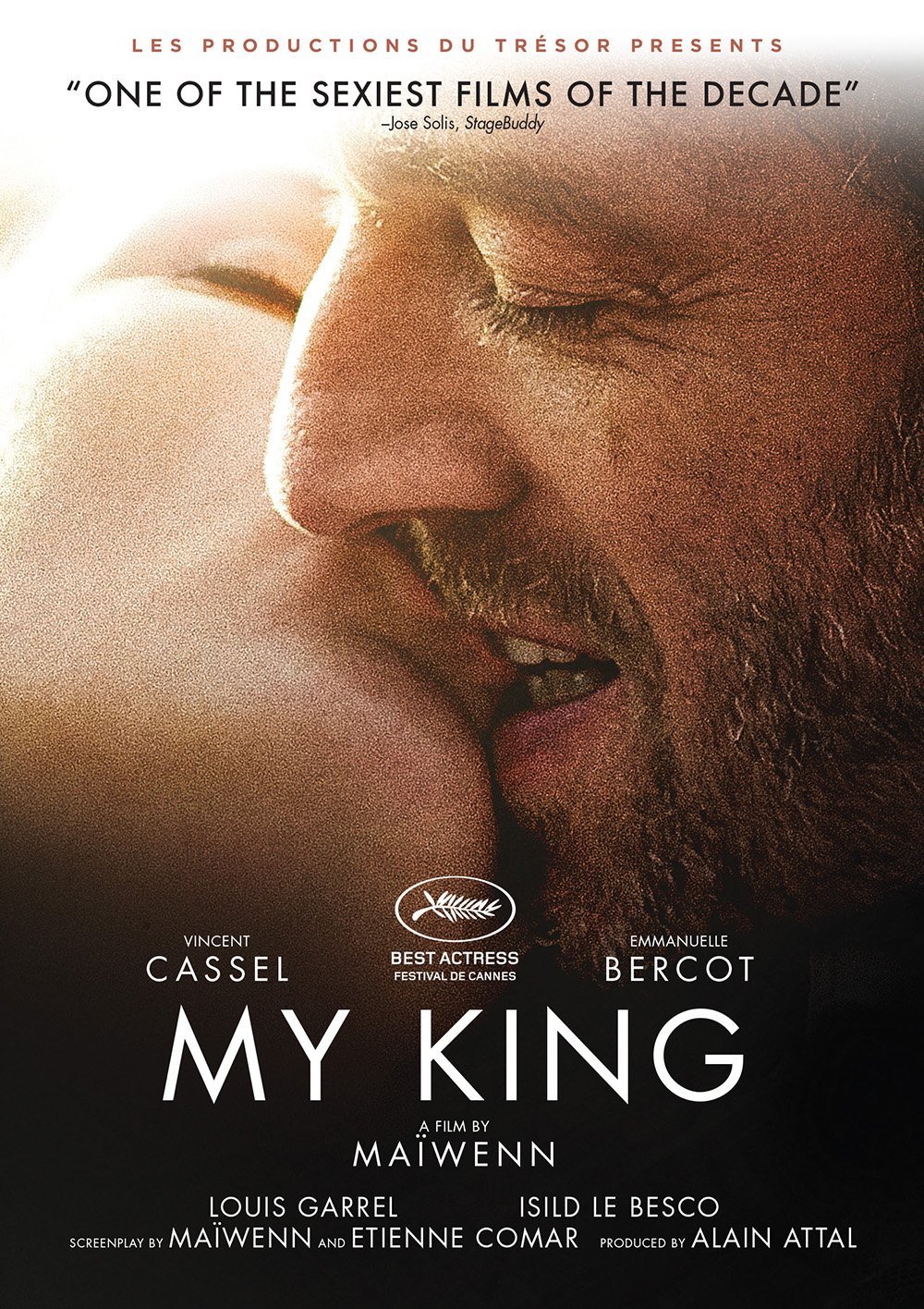
During the second half of My King/Mon Roi — which examines the up-and-down nature of love by chronicling a 10-year relationship between two French lovebirds — a wife states that her husband's constant emotional abuse has caused her more pain than any single punch ever could. Psychological abuse isn't nearly as cinematic as its physical counterpart, so it's a jarring, too-real-for-TV moment to witness on screen. My King has a handful of those gut-punch scenes. And since the movie intentionally mimics the rollercoaster relationship at its center, My King is also occasionally romantic, funny, frustrating and flat-out sexy.

The knee signifies the capacity to let go, give way, or even retreat...”

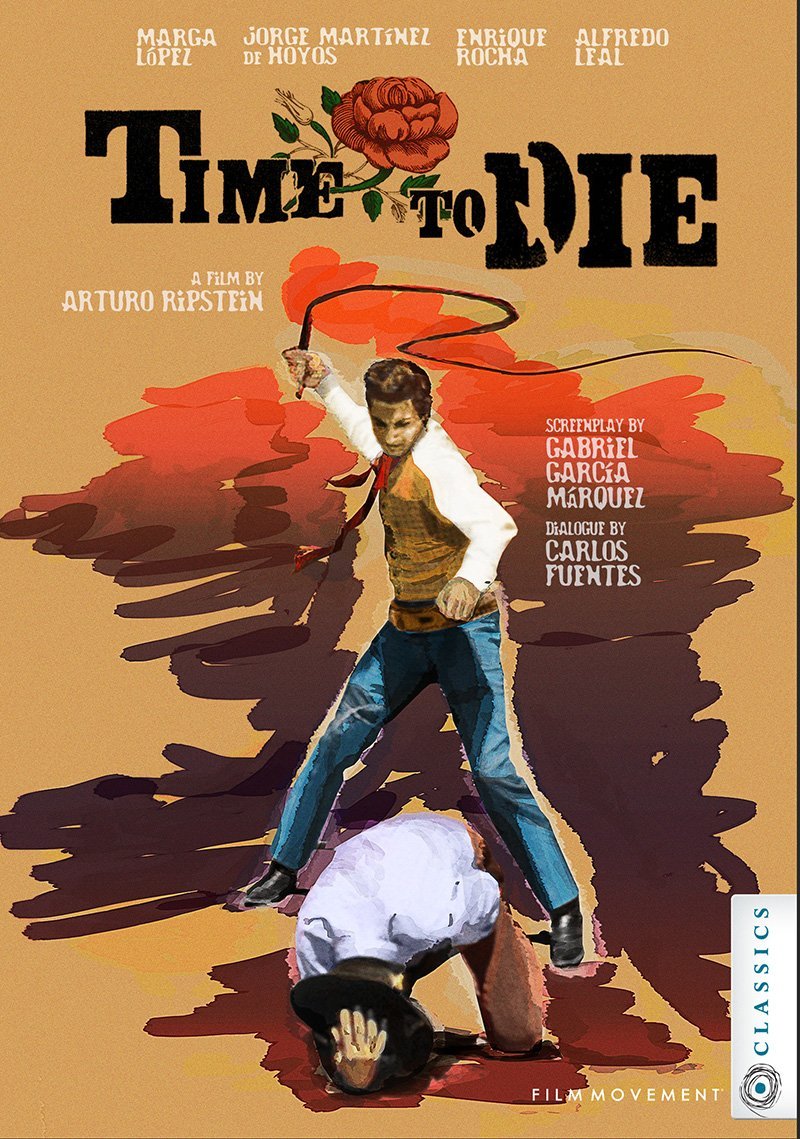
The classic American Westerns of the 1940s and '50s directed by the likes of John Ford and Howard Hawks famously inspired filmmakers like Sergio Leone to put their own stylish and revisionist spin on the genre. But while Spaghetti Westerns — genre films produced and written by Italians — are the most famous foreign example, plenty of other countries started making their own horse operas in the 1960s. That includes Mexico and filmmaker Arturo Ripstein, who made an outstanding feature film debut with 1966's Time to Die/Tiempo de Morir.

It's no good getting out of jail only to enter a cemetery.”

When it comes to hearing the name Loch Ness, just about everyone will think about the giant lake where “Nessie” the mythical monster inhabits. Whether you are a believer or not thousands converge to the Scottish Highlands location in hopes to be one of the lucky ones to catch a peak of the elusive beast. But the Loch Ness I am talking about is a beast of a whole other ilk. Thought the TV series does take place in a small tourist town that thrives on the legend that haunts the cold water, the series instead is about a serial killer that has been unleashed upon the town and given its residents something more to fear other than a giant monster that roams the lake.

A group of friends decide that they want to play a hoax by creating a fake plesiosaur carcass and placing it along the lake shore.  While using fake innards that salvaged from the local slaughter house it is later discovered a human heart managed to somehow get mixed up in the remains.  With a human heart found and no body, this of course sends an uneasy shock-wave through the town. Detective Annie Redford (Laura Fraser) is tasked with leading her first murder investigation in a town that rarely has experienced its share of violence and it doesn’t take long before a body is found (not one that belongs to the missing heart) and it is understood that they have a serial killer on their hands. Investigator Lauren Quigley (Siobhan Finneran) is called in to take lead of the investigation where she also brings criminal psychologist Blake Albrighton (Don Gilet) to assist.

“Have you ever seen two priests wearing tracksuits?”

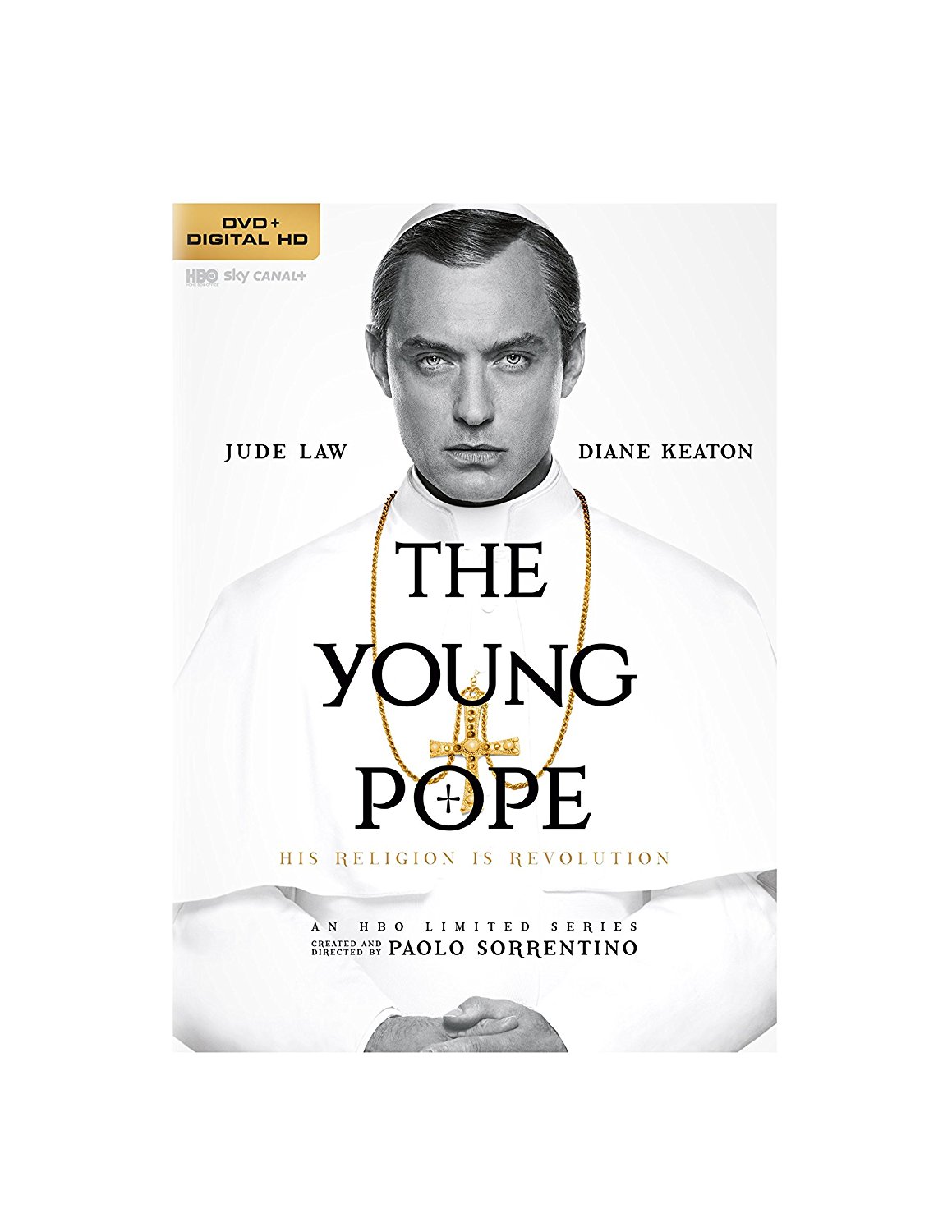
The highest praise I can offer for The Young Pope — the staggeringly extravagant and deeply strange co-production between Sky Atlantic, Canal+, and HBO — is that I can guarantee you will see something you have never seen before. (A pair of priests in tracksuits is the least of it.) The show is bold in both its style and storytelling, although it only unequivocally succeeds in one of those two areas. Given all the Vatican-centric politics and power plays, it’s easy to see why this show was dubbed “House of Cardinals.”

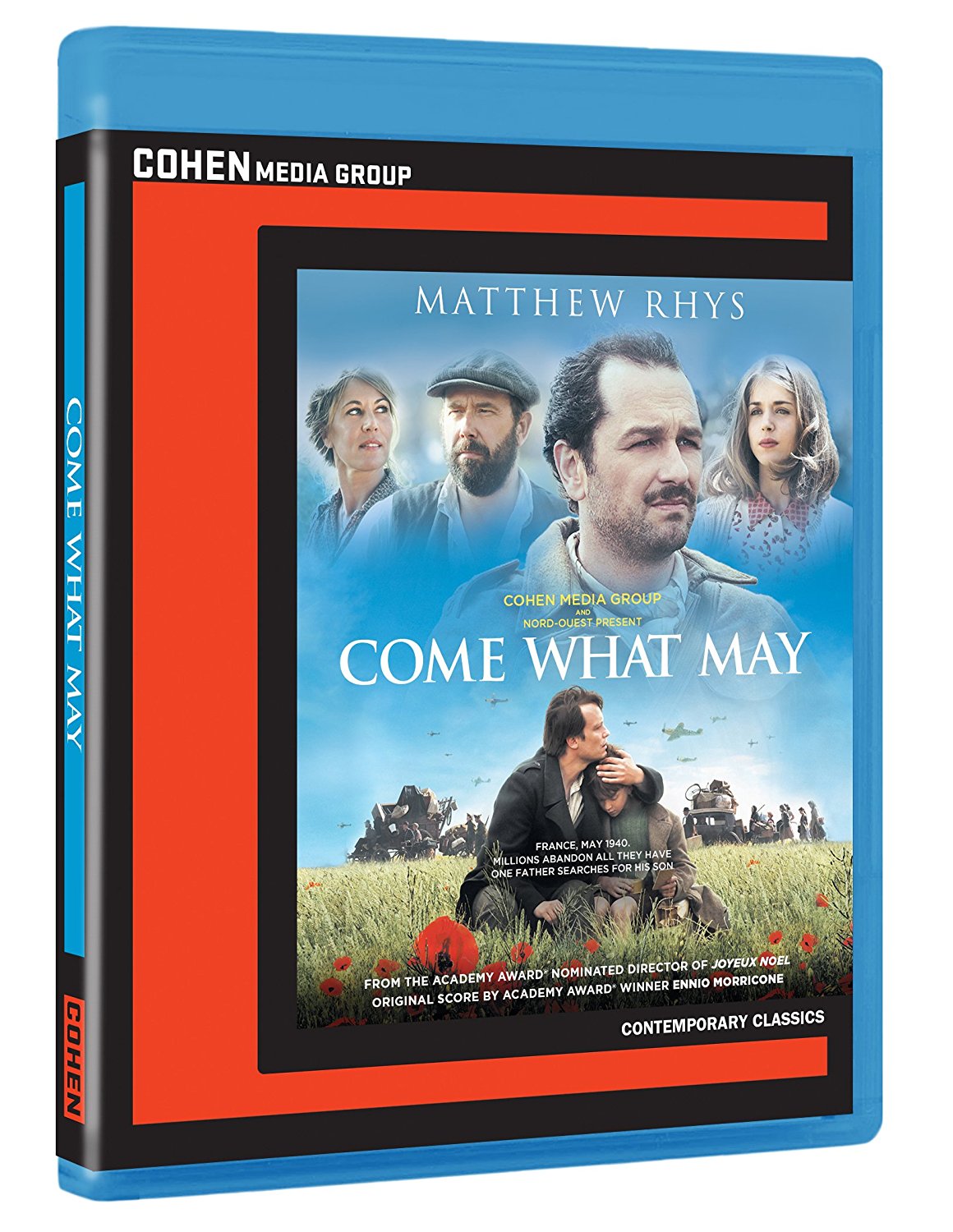
Don’t call it a comeback, but World War II movies are having a bit of a renaissance. (Seriously, don’t call it a comeback…they’ve been here for years.) There are seemingly endless ways to approach a WWII story — Hacksaw Ridge and Allied were in theatres recently, while the next few months will bring The Zookeeper’s Wife and Dunkirk — but the majority of movies that actually get made skew toward the American/British perspective. That’s the main reason Come What May — a somewhat sappy, intensely personal film from France — stands out from the pack.

“The German offensive of May 10th, 1940 drove almost eight million people from their homes.”

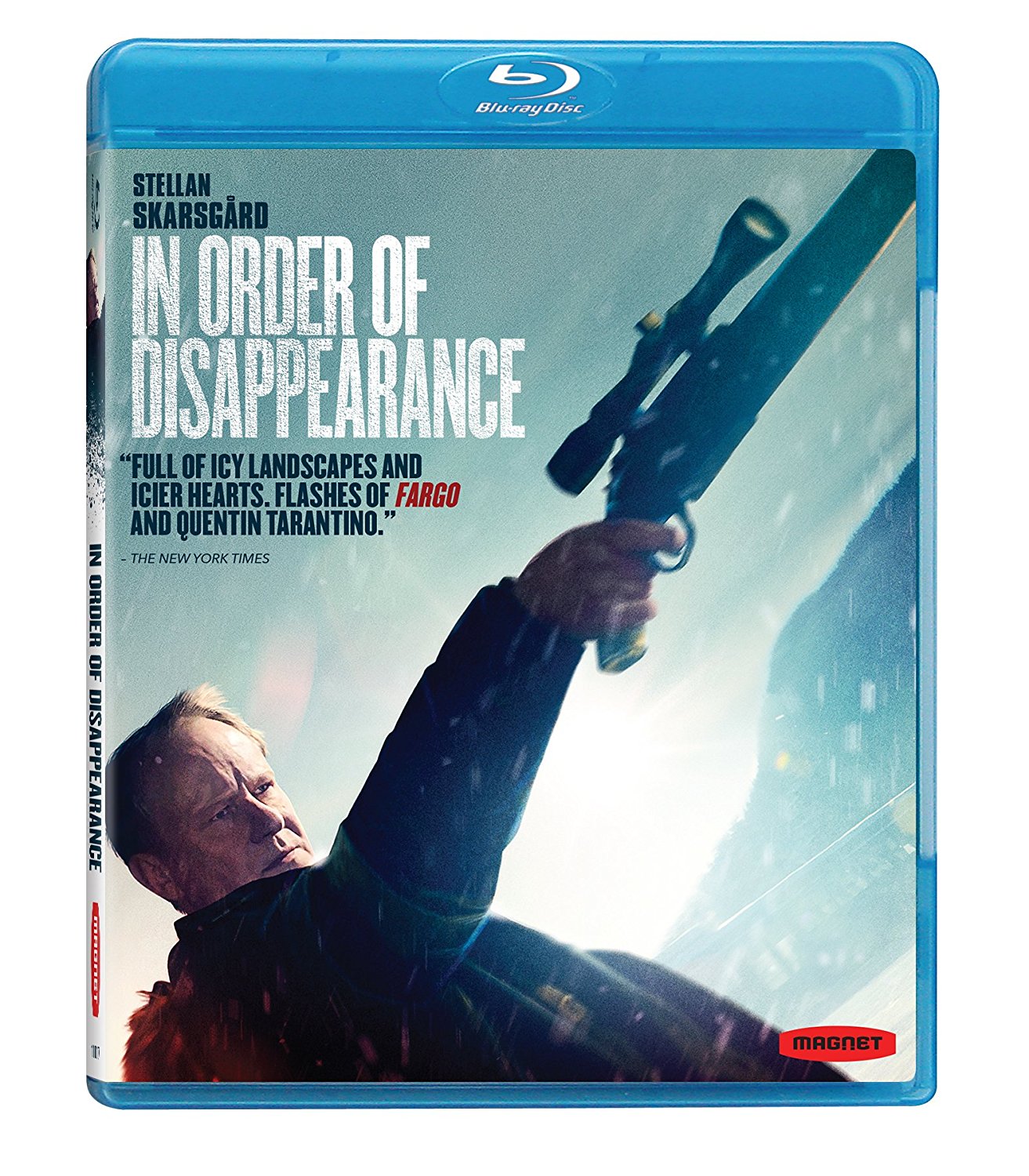
Coming out of Norway we have In Order of Disappearance, a film I knew nothing about aside from the cover art. To be , it pretty much reminded me of any of the numerous revenge films we’ve seen Liam Neeson in.  Stellan Skarsgard instead stars in this revenge romp that I feel got lost in translation with me.  It’s not that I couldn’t understand the base of the film being a revenge tale; this is very much clear as day, but it is the film’s sense of humor that borders on being dry and black, to other points I feel it’s just a Norwegian thing.  Usually one of the first things I do with a foreign film is I make sure everything is set to the original language track and use the subtitles to follow along (never been a fan of dubbing).  As it would turn out, whoever decided to subtitle this film decided to use white lettering. Normally that wouldn’t be a problem, only for this film most of the backgrounds are filled with snow, so the white on white forced me to listen to the dubbed track, and the actors doing the dubbing are really bad at times and ruin the experience.

Nils (Skarsgard) is just your average guy who has been awarded an honorary citizen of the year award; he’s humbled by this but continues on with his day-to-day life as a snow blower. His life gets thrown into chaos when he discovers his son has been murdered, and over drugs.  It’s the kind of news no parent wants to hear, and just when Nils is ready to take his own life, he comes across a drug addict who knew his son and has the answers to what “really” happened to him.  Not to throw you any curve balls, but Nils decides he wants blood and is going to go after anyone and everyone who was involved with his son dying.  As you can imagine, there is a lot of bloodshed to follow.

You're no spring chicken anymore.”

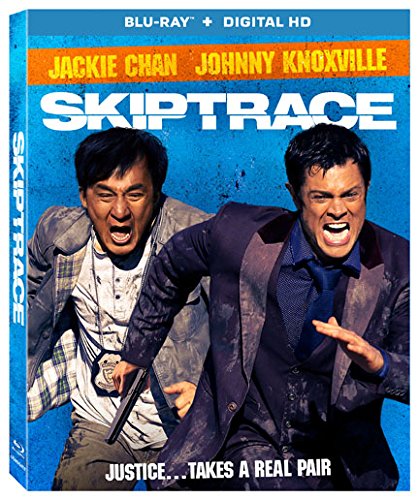
It's been more than four years since Jackie Chan — the legendary Hong Kong superstar who has been kicking butt and scoring scoring laughs on screen since the 1970s — announced he was retiring from action movies. Sure, Chan quickly backpedaled, but I don't know that anyone would've held it against the actor (who is now 62) if he'd stuck to his word. After decades of grueling injuries, Chan has noticeably slowed down. That being said, the old man still has a few tricks up his sleeve in Skiptrace.

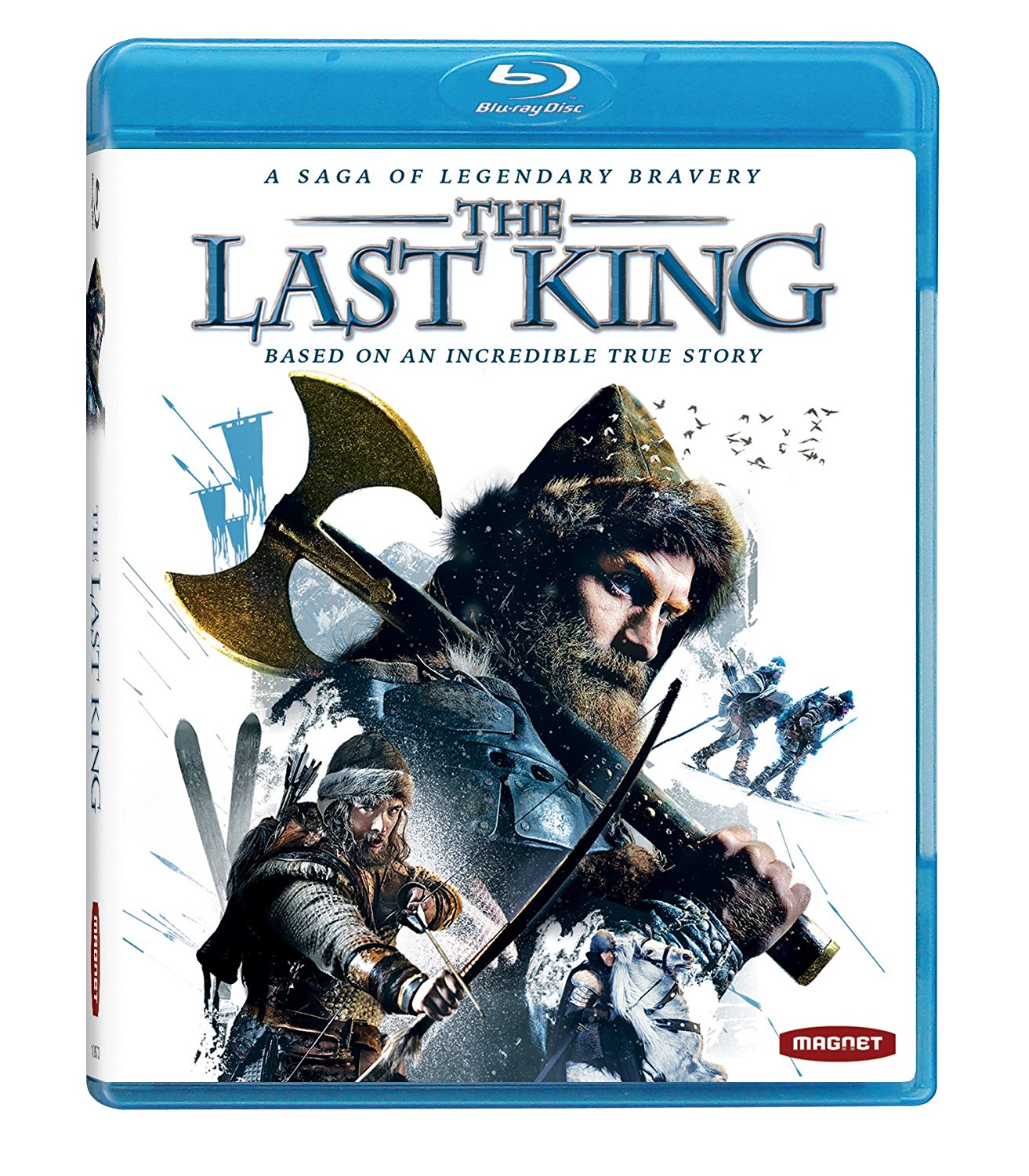
Imagine if Three Men and a Baby was remade with just two guys, a baby, a battle axe, and a bunch of arrows. Despite its exceedingly generic Americanized title, The Last King has a little something different to offer action-weary movie watchers. The story is set in a time and place — 13th century Norway during the country's civil war — that is probably unfamiliar to U.S. audiences. And while much of the hand-to-hand combat and royal treachery will prove cliched to some, they are presented with some fun tweaks and an occasionally sentimental tone that doesn't always mesh with the hard-hitting action.

The Last King is set in 1204 and is inspired by actual events in Norwegian history. King Hakon Sverresson (Benjamin Helstad) is killed in a plot hatched by power-hungry younger brother Gisle (Pal Sverre Hagen). Everyone assumes the culprit is Gisle's older brother Inge (Thorbjorn Harr) in a move to seize control of the country, and Inge is subsequently jailed. However, Gisle's path to power remains blocked thanks to a surprise wrinkle: the king has an illegitimate son with a stronger claim to the throne.

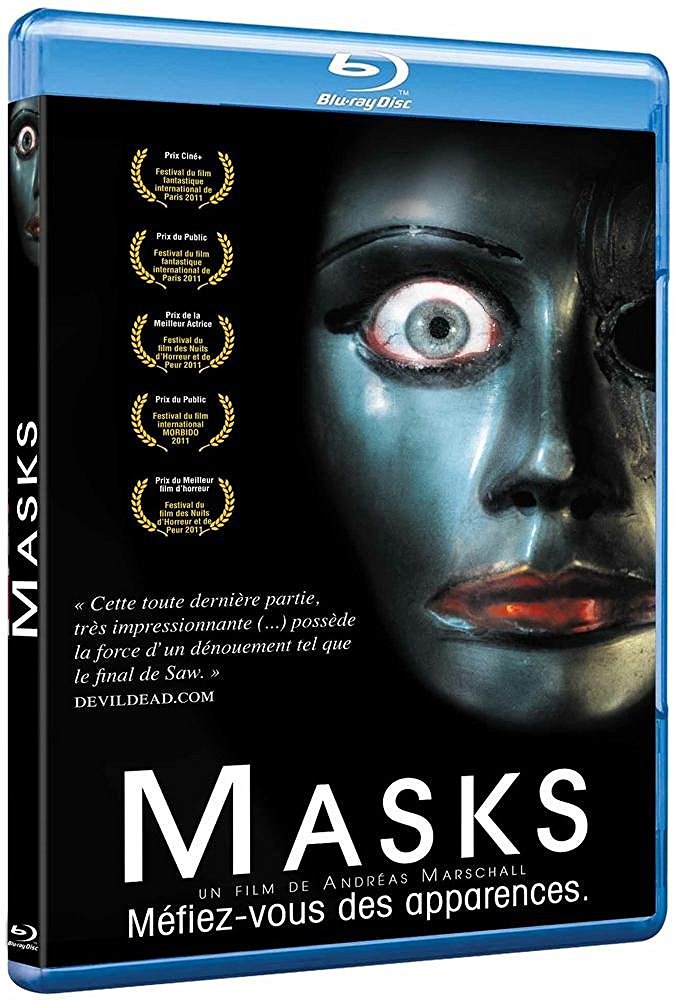
After the release of The Editor on Blu-ray last year and with the remake of Susperia in the works, it would seem that there is a slow revival of the Giallo film.  For those unaware of the term or style, it’s basically a horror/ mystery film that tended to have slasher elements that emerged out of Italy.  These were beautiful and stylish films that directors like Dario Argento, Mario Bava, and Lucio Fulci were the ambassadors of.  While The Editor was more of a spoof of the genre, though well done, it is Masks that has really gotten my attention.  Though it comes out of Germany, the love and attention to detail in adding so many of the familiar hallmarks of the Giallo film makes Masks more than just a simple homage, but it’s so well executed I could have believed this was a lost Dario Argento film. So many people have gotten wrapped up in trying to emulate the grindhouse and found-footage genre that to see someone attempt to pull off a Giallo is simply refreshing.  For those of you out there looking for a horror film that is a step above the standard slasher, Masks is the film I hope to see people rally around.

The story follows Stella (Susen Ermich), a drama student who seems to have talent but just isn’t good enough to be accepted by any of the major schools.  At one of her auditions one of the judges sees her and recommends a school for her that can help her take her talents to the next level.  Upon her arrival to the school there are talks about some mysterious things occurring to some of the students.  I’ll go ahead and say it; the plot sounds a heck of a lot like Susperia, only the teachers are not witches, but for fans of the Italian classic I’m sure the similarities will simply jump out at you.